
GMP Critical System

Defining a GMP critical system is an essential aspect of Good Manufacturing Practices (GMP) in the pharmaceutical and medical device industries. A critical system is one that has a direct impact on product quality, safety, and efficacy.

Key Characteristics of GMP Critical Systems

  1. Direct Impact on Product Quality: A critical system is one that can directly affect the quality, safety, or efficacy of the final product.
  2. Influence on Patient Safety: Systems that have a direct or indirect influence on patient safety are considered critical. This is where CPPs come in
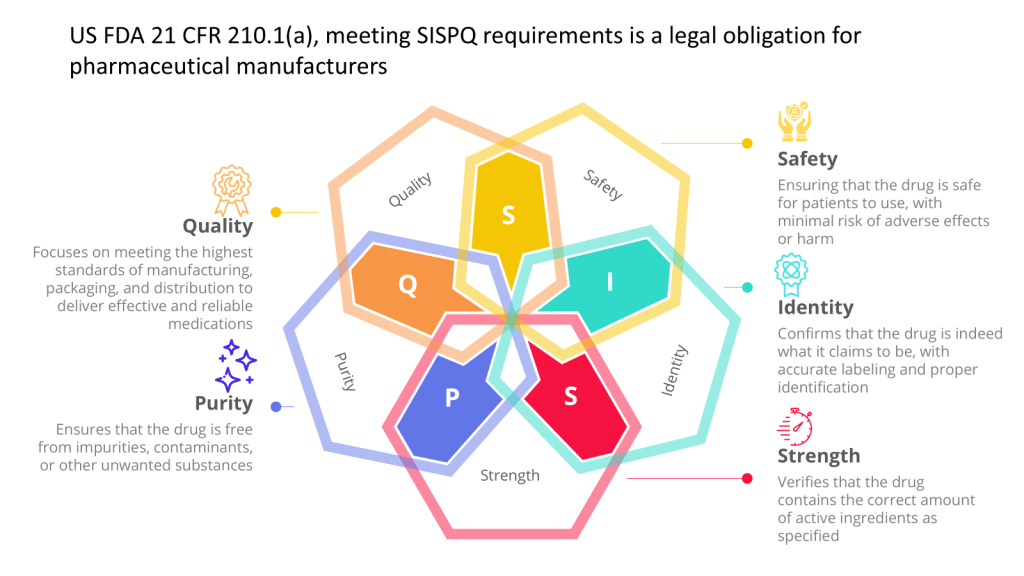
  3. Data Integrity: Systems that generate, store, or process data used to determine product SISPQ (e.g. batch quality or are included in batch processing records, stability, data used in a regulatory filing) are critical.
  4. Decision-Making Role: Systems used in the decision process for product release or a regulatory filing are considered critical.
  5. Contact with Products: Equipment or devices that may come into contact with products are often classified as critical.
Continuous Evaluation

It’s important to note that the criticality of systems should be periodically evaluated to ensure they remain in a valid state and compliant with GMP requirements. This includes reviewing the current range of functionality, deviation records, incidents, problems, upgrade history, performance, reliability, security, and validation status reports.
Risk Management for the 4 Levels of Controls for Product

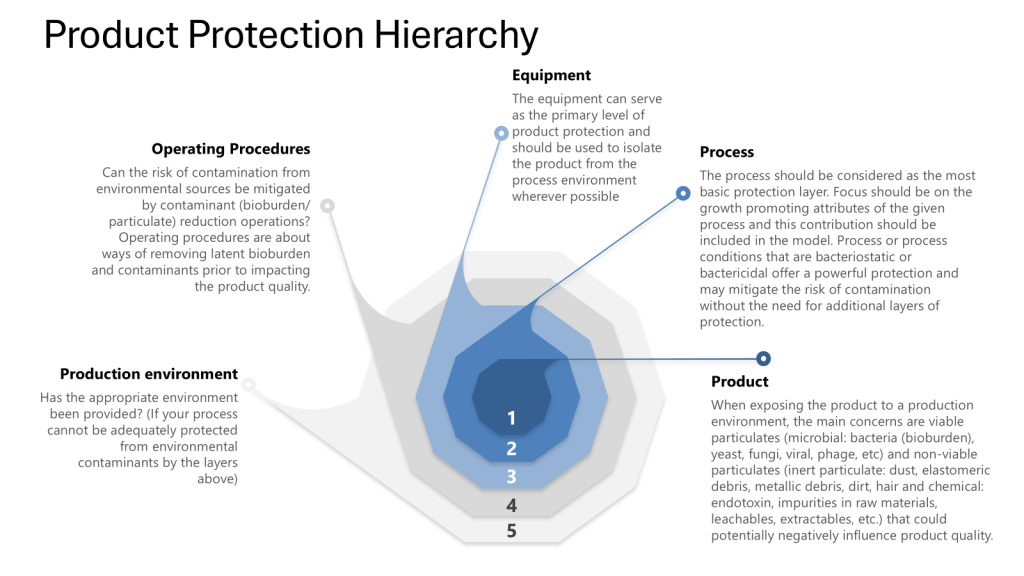
There are really 4 layers of protection for our pharmaceutical product.

  1. Process controls
  2. Equipment controls
  3. Operating procedure controls
  4. Production environment controls

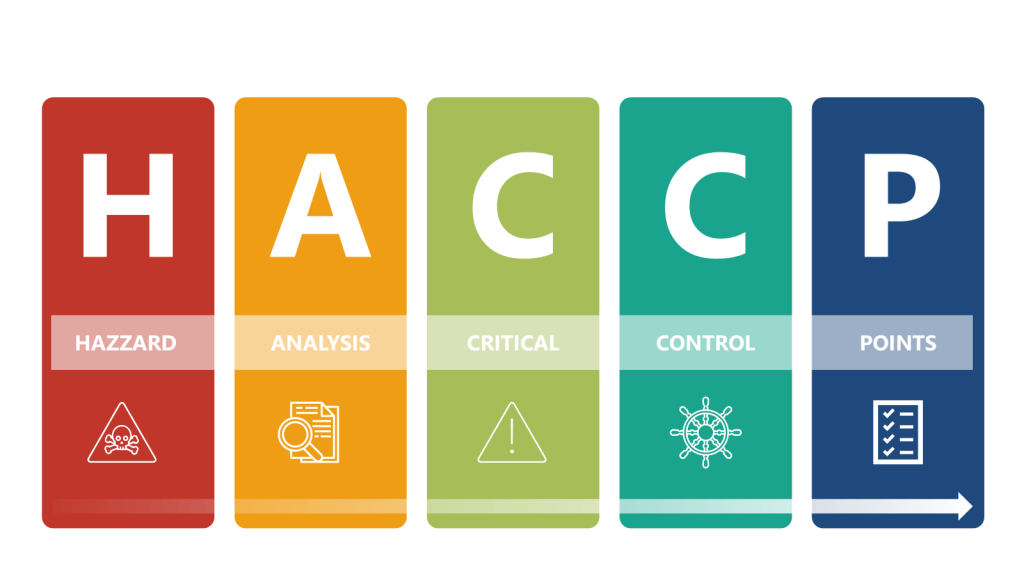
These individually and together are evaluated as part of the HACCP process, forming our layers of control analysis.

Process Controls:

    • Conduct a detailed hazard analysis for each step in the production process
    • Identify critical control points (CCPs) where hazards can be prevented, eliminated or reduced
    • Establish critical limits for each CCP (e.g. time/temperature parameters)
    • Develop monitoring procedures to ensure critical limits are met
    • Establish corrective actions if critical limits are not met
    • Validate and verify the effectiveness of process controls

    Equipment Controls:

      • Evaluate equipment design and materials for hazards
      • Establish preventive maintenance schedules
      • Develop sanitation and cleaning procedures for equipment
      • Calibrate equipment and instruments regularly
      • Validate equipment performance for critical processes
      • Establish equipment monitoring procedures

      Operating Procedure Controls:

        • Develop standard operating procedures (SOPs) for all key tasks
        • Create good manufacturing practices (GMPs) for personnel
        • Establish hygiene and sanitation procedures
        • Implement employee training programs on contamination control
        • Develop recordkeeping and documentation procedures
        • Regularly review and update operating procedures

        Production Environment Controls:

          • Design facility layout to prevent cross-contamination
          • Establish zoning and traffic patterns
          • Implement pest control programs
          • Develop air handling and filtration systems
          • Create sanitation schedules for production areas
          • Monitor environmental conditions (temperature, humidity, etc.)
          • Conduct regular environmental testing

          The key is to use a systematic, science-based approach to identify potential hazards at each layer and implement appropriate preventive controls. The controls should be validated, monitored, verified and documented as part of the overall contamination control strategy (system). Regular review and updates are needed to ensure the controls remain effective.