Leaks in Single-Use Manufacturing: A Critical Challenge in Bioprocessing

The recent FDA warning letter to Sanofi highlights a critical issue in biopharmaceutical manufacturing: the integrity of single-use systems (SUS) and the prevention of leaks. This incident serves as a stark reminder of the importance of robust control strategies in bioprocessing, particularly when it comes to high-pressure events and product leakage.

The Sanofi Case: A Cautionary Tale

In January 2025, the FDA issued a warning letter to Sanofi regarding their Genzyme facility in Framingham, Massachusetts. The letter cited significant deviations from Current Good Manufacturing Practice (CGMP) for active pharmaceutical ingredients (APIs). One of the key issues highlighted was the company’s failure to address high-pressure events that resulted in in-process product leakage.

Sanofi had been using an unapproved workaround, replacing shipping bags to control the frequency of high-pressure and in-process leaking events. This deviation was not properly documented or the solution validated.

A proper control strategy in this context would likely involve:

  1. A validated process modification to prevent or mitigate high-pressure events
  2. Engineering controls or equipment upgrades to handle pressure fluctuations safely
  3. Improved monitoring and alarm systems to detect potential high-pressure situations
  4. Validated procedures for responding to high-pressure events if they occur
  5. A comprehensive risk assessment and mitigation plan related to pressure control in the manufacturing process

The Importance of Leak Prevention in Single-Use Systems

Single-use technologies have become increasingly prevalent in biopharmaceutical manufacturing due to their numerous advantages, including reduced risk of cross-contamination and increased flexibility. For all this to work, the integrity of these systems is paramount to ensure product quality and patient safety.

Leaks in single-use bags can lead to:

  1. Product loss
  2. Contamination risks
  3. Costly production delays
  4. Regulatory non-compliance

Strategies for Leak Prevention and Detection

To address the challenges posed by leaks in single-use systems, manufacturers need to consider implementing a comprehensive control strategy. Here are some key approaches:

1. Integrity Testing

Implementing robust integrity testing protocols is crucial. Two non-destructive testing methods are particularly suitable for single-use systems:

  • Pressure-based tests: These tests can detect leaks by inflating components with air to a defined pressure. They can identify defects as small as 10 µm in flat bags and 100 µm in large-volume 3D systems.
  • Trace-gas-based tests: Typically using helium, these tests offer the highest level of sterility assurance and can detect even smaller defects.

2. Risk-Based Quality by Design (QbD) Approach

Single-use components and the manufacturing process must be established and maintained using a risk-based QbD approach that can help identify potential failure points and implement appropriate controls. This should include:

  • Comprehensive risk assessments
  • Validated procedures for responding to high-pressure events
  • Improved monitoring and alarm systems

Validated Process Modifications

Instead of using unapproved workarounds, companies need to develop and validate process modifications to prevent or mitigate high-pressure events. One thing to be extra cautious about is the worry of a temporary solution becoming a permanent one.

Conclusion

The Sanofi warning letter serves as a crucial reminder of the importance of maintaining the integrity of single-use systems in biopharmaceutical manufacturing. By implementing comprehensive control strategies, including robust integrity testing, risk-based approaches, and validated process modifications, manufacturers can significantly reduce the risk of leaks and ensure compliance with cGMP standards.

As the industry continues to embrace single-use technologies, it’s imperative that we remain vigilant in addressing these challenges to maintain product quality, patient safety, and regulatory compliance.

Extractables and Leachables (E&L)

An effective program for managing extractables and leachables (E&L) in biotech involves a comprehensive approach that ensures product safety and compliance with regulatory standards. As single-use technologies have become more prevalent in biopharmaceutical manufacturing, leachables from bags, tubing, and other plastic components have become an area of concern. This has led to more rigorous supplier qualification and leachables risk assessment for single-use systems.

Extractables are chemical compounds that can be extracted from materials (like single-use systems, packaging, or manufacturing equipment) under exaggerated conditions such as elevated temperature, extended contact time, or use of strong solvents. They represent a “worst-case” scenario of chemicals potentially migrating into a drug product. Extractables are specific to the tested material and are independent of the drug product.

Leachables are chemical compounds that actually migrate from materials into the drug product under normal conditions of use or storage. They are specific to the combination of the material and the particular drug substance or product, representing the contaminants that may be present in the final drug formulation. Leachables are typically a subset of extractables that migrate under real-world conditions.

The accumulation of extractables and leachabes in a process fluid is governed by thermodynamics (the extent to which the materials would migrate) and kinetic (the rate at which would migrate) factors, as well as the amount of time during which such migration will occur. Higher temperatures increase the migration rate of leachables from the bulk of plastic to the surface in contact with the process stream or formulation.

Key points

  • Extractables studies are performed on materials using exaggerated conditions.
  • Leachables studies are performed on the actual drug product under normal conditions.
  • Extractables represent potential contaminants, while leachables are actual contaminants.
  • Both are critical for assessing product safety and quality in biotech manufacturing.

Proper evaluation of extractables and leachables is essential for regulatory compliance and ensuring patient safety in biopharmaceutical products.

Program Objectives

  • Safety Assurance: Ensure that any chemicals leached from materials into the product do not pose a risk to patient safety.
  • Regulatory Compliance: Meet all relevant regulatory requirements and guidelines.
  • Quality Control: Maintain the integrity and quality of the biopharmaceutical product.

Regulatory Requirements

  • Compliance with USP <661> Plastic Packaging Systems and Their Materials of Construction, and USP <381> Elastomeric Closure for Injection
  • Compliance with USP <87> Biological Reactivity, In Vitro and USP <88> Biological Reactivity, In Vivo
  • Compliance with European Pharmacopoeia (EP) requirements for materials used in containers, including EP General Chapter 3.1 Materials Used for the Manufacture of Containers and EP 3.2.9 Rubber Closures
  • Compliance with Japanese Pharmacopoeia (JP) chapter 7.03 Test for Rubber Closures for Aqueous Infusions
  • Compliance with EU Commission Decision 97/534/EC for Animal derived stearates
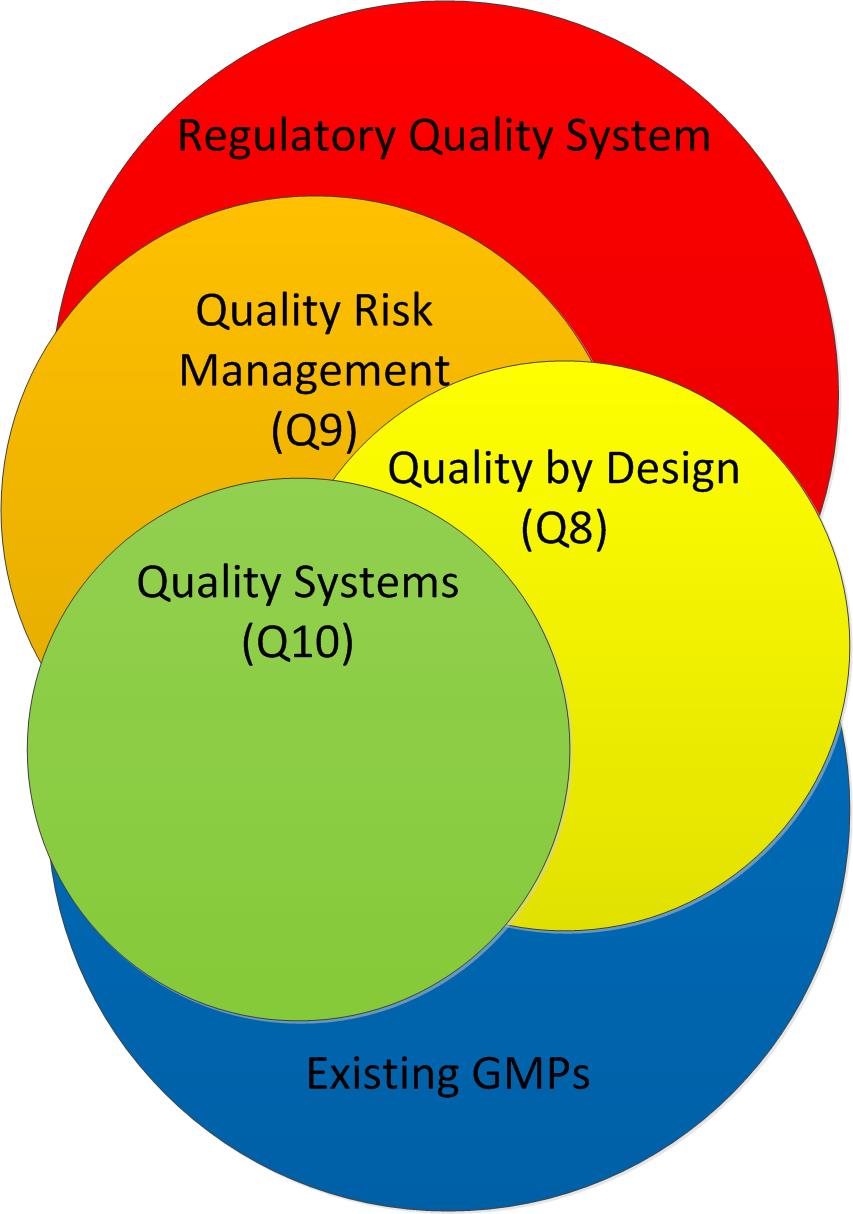
  • Adherence to ICH Q8, Q9, and Q10 guidelines for quality risk management
  • Leverage ISO 10993-1:2018 Biological evaluation of medical devices

Program Components

Design Space

The starting point should be a review of the supplier’s data. These studies should be performed on materials at the component level under standardized conditions of temperature time, surface, area, etc., so that the data is representative of intended use, including sterilization techniques. Using this data, the end-user can calculate the minimum amount of extractables based on surface area and other conditions. Consider the impact of dilution and clearance over the complete process through risk assessment and then complement with targeted studies.

These studies should be developed based on Quality-by-design principles described in ICH Q8 to gather all the attributes and parameters used to determine a design space. Scientific variables should be identified to set up the Design of Experiment (DoE) for the testing plan.

Risk Assessment

  • Material Selection: Evaluate materials used for their potential to release harmful substances.
  • Process Understanding: Understand the process conditions (e.g., temperature, pH, solvents) that might affect the leaching of chemicals.
  • Risk Prioritization: Prioritize materials and processes based on their risk of contributing harmful leachables. Consider factors like stage of manufacturing, contact time, and proximity to final product.

The risk assessment needs to be within the overall context of process performance and product safety and efficacy. It should not be a separate risk assessment. You will dive deeper with more specific risk questions, but the hazard identification starts at the process level. In evaluating risks the following factors should be considered:

  • Proximity of the process steps undergoing a change to the final product. Polymeric components in process steps closer to DS or DP will carry a higher risk rating than those in upstream process steps. For example, a bag or filter used for the final filtration of bulk drug substance (BDS) will have a much higher risk rating than components used in upstream process steps since there are no purification steps post-UF/DF.
  • Storage and processing conditions (e.g., duration of exposure, temperature, pressure, pH extremes, buffer extraction propensity)
  • The type of process fluid (e.g., purification buffer versus formulated drug substance, presence of solubilizing agents)
  • Construction materials
  • Potential adverse events, including synergistic and additive affects
  • Drug dose, mode, and frequency of administration
  • Therapeutic necessity

Your risk assessment will drive study design and should consider:

Analytical challenges

  • Detecting and quantifying trace levels of leachables, which are often present at extremely low concentrations
  • Developing analytical methods capable of detecting and quantifying a wide range of potential extractables/leachables
  • Interference from formulation components or degradation products

Determining appropriate extraction conditions:

  • Selecting solvents and conditions that adequately simulate or exaggerate real-world use conditions
  • Balancing the need for aggressive extraction (to identify potential leachables) with realistic use conditions

Toxicological assessment

  • Evaluating the safety impact of identified extractables/leachables, especially for novel compounds
  • Determining appropriate safety thresholds and analytical evaluation thresholds

Regulatory expectations

  • Meeting evolving regulatory requirements and expectations, which can vary between regions
  • Justifying the extent of E&L studies performed based on risk assessment

Unexpected interactions

  • Leachables causing unexpected effects, such as oxidation of preservatives or formation of protein-leachable adducts
  • Interactions between leachables and the drug product that were not predicted by extractables studies

Time and resource constraints

  • E&L studies can be time-consuming and resource-intensive, potentially impacting development timelines

Absorption issues

  • Adsorption or absorption of drug product components by single-use materials, potentially affecting product stability or efficacy

Stability considerations

  • Leachables appearing during stability studies that were not identified in initial extractables screening
  • Changes in leachables profile over time or under different storage conditions

Material variability

  • Inconsistencies in extractables/leachables profiles between different lots of materials or components

Biopharmaceutical-specific challenges

  • Potential impact of leachables on sensitive cell lines or biological processes
  • Interference of leachables with bioassays or analytical methods specific to biologics

Extractables Studies

  • Objective: Identify potential extractables from materials under exaggerated conditions.
  • Methodology:
    • Use a range of solvents that mimic the process fluids.
    • Apply exaggerated conditions such as elevated temperatures and extended contact times.
    • Analyze the extracts using techniques like GC-MS, LC-MS, and ICP-MS.
  • Data Review: Compare supplier-provided extractable data with the intended use to determine the need for specific studies.

Leachables Studies

  • Objective: Identify and quantify leachables under actual process conditions.
  • Methodology:
    • Conduct studies during the development stages and monitor during stability studies.
    • Use appropriate solvent systems and conditions that mimic the actual process.
    • Analyze the product for leachables using validated analytical methods.
  • Toxicological Assessment: Assess the toxicological impact of identified leachables to ensure they are within safe limits.

Migration Studies

  • Objective: Evaluate the migration of chemicals from materials into the product over time.
  • Methodology:
    • Perform studies during the development phase.
    • Monitor leachables during formal stability studies under normal and accelerated conditions.

Absorption Studies

  • Objective: Assess the potential for adsorption or absorption of product components.
  • Methodology:
    • Conduct studies if stability issues are observed during hold time studies.
    • Evaluate the impact on product stability and quality.

Stability Studies

  • Objective: Ensure the stability of the product in contact with materials.
  • Methodology:
    • Conduct real-time and accelerated stability studies.
    • Monitor product quality attributes such as potency, purity, and safety.

Implementation and Validation

Supplier Qualification

  • Supplier Evaluation: Assess suppliers’ ability to provide materials that meet E&L requirements.
  • Documentation Review: Ensure suppliers provide comprehensive extractables data and compliance certificates.

In-House Testing

  • Validation: Validate the findings from supplier data with in-house testing.
  • Protocol Development: Develop protocols for E&L testing specific to the product and process conditions.
  • Acceptance Criteria: Establish acceptance criteria based on regulatory guidelines and risk assessments.

Toxicological Assessment and Risk Mitigation

Assess the toxicological impact of identified leachables to ensure they are within safe limits. Perform Risk Mitigation to:

  • Implement appropriate controls based on risk assessment results
  • Consider factors like materials selection, process parameters, and analytical testing
  • Develop strategies to minimize leachables impact on product quality and safety

Continuous Monitoring

  • Routine Testing: Implement routine testing of leachables during production.
  • Change Management: Re-evaluate E&L profiles when there are changes in materials, suppliers, or processes.

Training and Education

Staff Training

  • Awareness: Train staff on the importance of E&L studies and their impact on product safety.
  • Technical Training: Provide technical training on conducting E&L studies and interpreting results.

Supplier Collaboration

  • Engagement: Work closely with suppliers to ensure they understand and meet E&L requirements.
  • Feedback: Provide feedback to suppliers based on study results to improve material quality.

Conclusion

A robust E&L program in biotech is essential for ensuring product safety, regulatory compliance, and maintaining high-quality standards. By implementing a comprehensive approach that includes risk assessment, thorough testing, supplier qualification, continuous monitoring, and staff training, biotech companies can effectively manage the risks associated with extractables and leachables.