
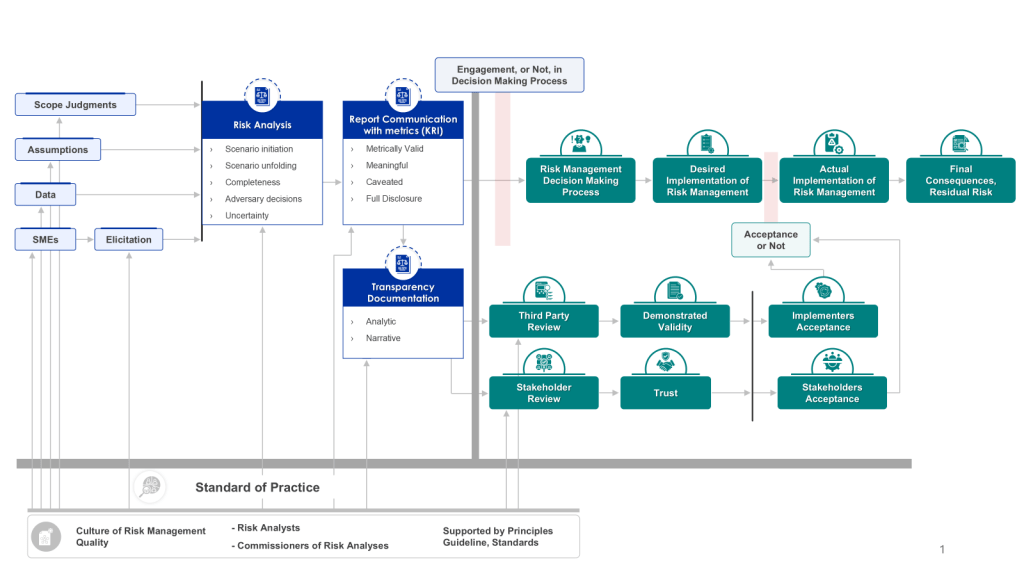
Effective risk analysis is crucial for informed decision-making and robust risk management. Simply conducting a risk analysis is not enough; its effectiveness in engaging the risk management decision-making process is paramount. This effectiveness is largely driven by the transparency and documentation of the analysis, which supports both stakeholder and third-party reviews. Let’s explore how we can measure this effectiveness and why it matters.
The Importance of Transparency and Documentation
Transparency and documentation form the backbone of an effective risk analysis process. They ensure that the methodology, assumptions, and results of the analysis are clear and accessible to all relevant parties. This clarity is essential for:
- Building trust among stakeholders
- Facilitating informed decision-making
- Enabling thorough reviews by internal and external parties
- Ensuring compliance with regulatory requirements
Key Metrics for Measuring Effectiveness
To gauge the effectiveness of risk analysis in engaging the decision-making process, consider the following metrics:
1. Stakeholder Engagement Level
Measure the degree to which stakeholders actively participate in the risk analysis process and utilize its outputs. This can be quantified by:
- Number of stakeholder meetings or consultations
- Frequency of stakeholder feedback on risk reports
- Percentage of stakeholders actively involved in risk discussions
2. Decision Influence Rate
Assess how often risk analysis findings directly influence management decisions. Track:
- Percentage of decisions that reference risk analysis outputs
- Number of risk mitigation actions implemented based on analysis recommendations
3. Risk Reporting Quality
Evaluate the clarity and comprehensiveness of risk reports. Consider:
- Readability scores of risk documentation
- Completeness of risk data presented
- Timeliness of risk reporting
This is a great place to leverage a rubric.
4. Third-Party Review Outcomes
Analyze the results of internal and external audits or reviews:
- Number of findings or recommendations from reviews
- Time taken to address review findings
- Improvement in review scores over time
5. Risk Analysis Utilization
Measure how frequently risk analysis tools and outputs are accessed and used:
- Frequency of access to risk dashboards or reports
- Number of departments utilizing risk analysis outputs
- Time spent by decision-makers reviewing risk information
Implementing Effective Measurement
To implement these metrics effectively:
- Establish Baselines: Determine current performance levels for each metric to track improvements over time.
- Set Clear Targets: Define specific, measurable goals for each metric aligned with organizational objectives.
- Utilize Technology: Implement risk management software to automate data collection and analysis, improving accuracy and timeliness.
- Regular Reporting: Create a schedule for regular reporting of these metrics to relevant stakeholders.
- Continuous Improvement: Use the insights gained from these measurements to refine the risk analysis process continually.
Enhancing Transparency and Documentation
To improve the effectiveness of risk analysis through better transparency and documentation:
Standardize Risk Reporting
Develop standardized templates and formats for risk reports to ensure consistency and completeness. This standardization facilitates easier comparison and analysis across different time periods or business units.
Implement a Risk Taxonomy
Create a common language for risk across the organization. A well-defined risk taxonomy ensures that all stakeholders understand and interpret risk information consistently.
Leverage Visualization Tools
Utilize data visualization techniques to present risk information in an easily digestible format. Visual representations can make complex risk data more accessible to a broader audience, enhancing engagement in the decision-making process.
Maintain a Comprehensive Audit Trail
Document all steps of the risk analysis process, including data sources, methodologies, assumptions, and decision rationales. This audit trail is crucial for both internal reviews and external audits.
Foster a Culture of Transparency
Encourage open communication about risks throughout the organization. This cultural shift can lead to more honest and accurate risk reporting, ultimately improving the quality of risk analysis.
Conclusion
Measuring the effectiveness of risk analysis in engaging the risk management decision-making process is crucial for organizations seeking to optimize their risk management strategies. By focusing on transparency and documentation, and implementing key metrics to track performance, organizations can ensure that their risk analysis efforts truly drive informed decision-making and robust risk management.
Remember, the goal is not just to conduct risk analysis, but to make it an integral part of the organization’s decision-making fabric. By continuously measuring and improving the effectiveness of risk analysis, organizations can build resilience, enhance stakeholder trust, and navigate uncertainties with greater confidence.
 Investigations of a Dog