
The recent Sanofi Warning Letter certainly gets me thinking about the work of a consent decree and the scale and ‘stickiness‘ within an organization.
Scale of Remediation
In the Sanofi-Genzyme consent decree there were these concentric circles of required activities. At the center was the plant the issue was discovered, the Allston Landing Facility, which had the full brunt of remediation.
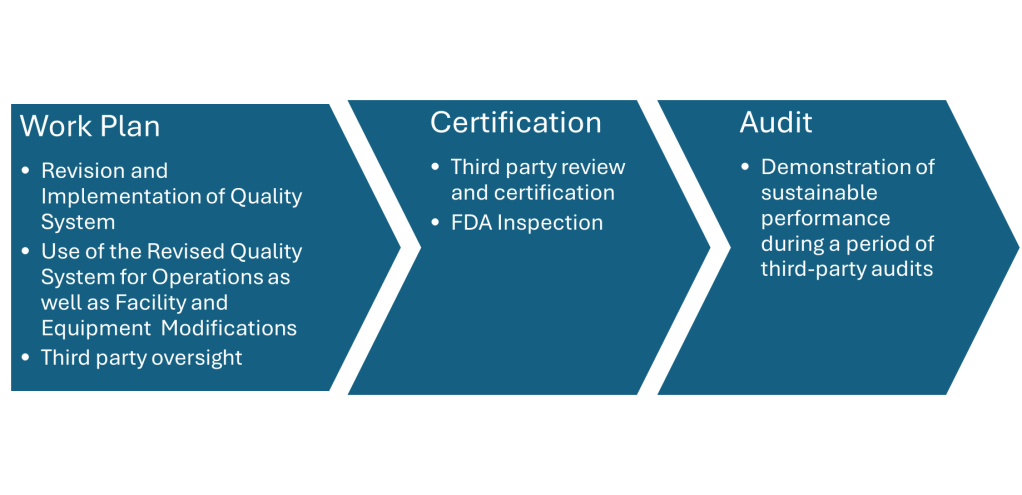
The next level out were the plants in Framingham and Northborough. They had remediation actions to be done, including reduced third party oversight for critical activities for a more limited time. The consent decree was on a much reduced scale at these sites.
The next level out was the former Genzyme sites beyond the Massachusetts core. They did alignment to the new standards created as part of the consent decree. Finally the rest of Sanofi, after Sanofi bought Genzyme, pretty much ignored it.
This balkanization meant that the culture across the organization never really changed. The cultural resistance of the site/silos fostered a culture of “us vs. them” mentality within the organization. Without a unified organizational culture, it is much harder to implement and maintain changes across the entire company.
The Slippery Slope: How Quality Improvements Can Erode Over Time
The erosion of quality culture at Sanofi demonstrated by this new Warning Letter isn’t unique to this case. Even when quality improvement initiatives are launched with great enthusiasm and initial success it is not uncommon for these hard-won gains to gradually erode over time, leaving organizations back where they started or even worse off. This phenomenon of “quality backsliding” can be frustrating and costly.
Why Quality Improvements Fade
There are several reasons why quality improvements may deteriorate over time:
Leadership Changes: When key champions of quality initiatives leave or change roles, their successors may not prioritize maintaining those improvements. New leaders often want to make their own mark, potentially abandoning or de-emphasizing existing quality programs.
Budget Cuts: In times of financial pressure, quality improvement efforts are often seen as “nice to have” rather than essential. Resources dedicated to sustaining improvements may be reallocated, leading to a gradual decline in performance.
Complacency: Initial success can breed complacency. Once targets are met, there may be less motivation to continue pushing for further improvements or even maintaining current standards.
Loss of Focus: As new priorities emerge, attention and resources can shift away from quality initiatives. Without ongoing commitment, processes can slowly revert to old, less effective ways of working.
Lack of Standardization: If improvements aren’t fully standardized and integrated into daily operations, they remain dependent on individual efforts rather than becoming part of the organizational culture.

 Investigations of a Dog
4 thoughts on “Scale of Remediation Under a Consent Decree”