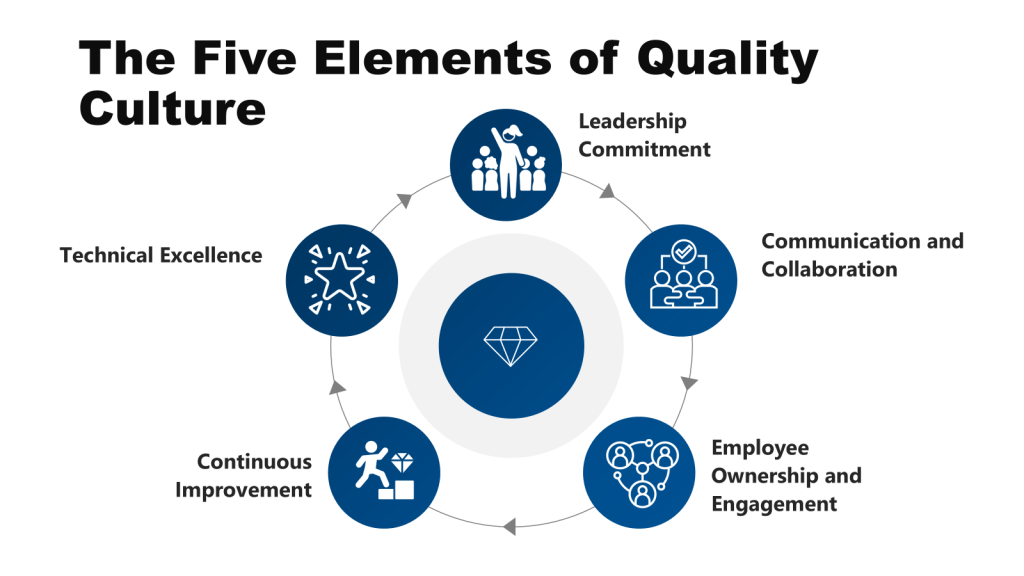
Complacency Cycles and Their Impact on Quality Culture

In modern organizational dynamics, complacency operates as a silent saboteur—eroding innovation, stifling growth, and undermining the very foundations of quality culture. Defined as a state of self-satisfaction paired with unawareness of deficiencies, complacency creates cyclical patterns that perpetuate mediocrity and resistance to change. When left unchecked, these cycles corrode organizational resilience, diminish stakeholder trust, and jeopardize long-term viability. Conversely, a robust quality culture—characterized by shared values prioritizing excellence and continuous improvement—serves as the antidote.

The Anatomy of Complacency Cycles

Complacency arises when employees or teams grow overly comfortable with existing processes, outcomes, or performance levels. This manifests as:

Reduced Vigilance: The Silent Erosion of Risk Awareness

Reduced vigilance represents a critical failure mode in quality management systems, where repetitive tasks or historical success breed dangerous overconfidence. In manufacturing environments, for instance, workers performing identical quality checks thousands of times often develop “checklist fatigue”—a phenomenon where muscle memory replaces active observation. This complacency manifests in subtle but impactful ways:

  • Automation Blindness: Operators monitoring automated systems grow dependent on technology, failing to notice gradual sensor drift.
  • Normalization of Deviations
  • Metric Myopia: Organizations relying solely on lagging indicators like defect rates miss emerging risks.

The neuroscience behind this phenomenon reveals disturbing patterns: fMRI scans show reduced prefrontal cortex activation during routine quality checks compared to novel tasks, indicating genuine cognitive disengagement rather than intentional negligence.

Resistance to Innovation: The Institutionalization of Obsolescence

Complacency-driven resistance to innovation creates organizational calcification, where legacy processes become dogma despite market evolution. This dynamic operates through three interconnected mechanisms:

  1. Cognitive Lock-In: Teams develop “expertise traps” where deep familiarity with existing methods blinds them to superior alternatives.
  2. Risk Asymmetry Perception: Employees overestimate innovation risks while underestimating stagnation risks.
  3. Hierarchical Inertia: Leadership teams reward incremental improvements over transformational change.

Disengagement: The Metastasis of Organizational Apathy

Disengagement in complacent cultures operates as both symptom and accelerant, creating self-reinforcing cycles of mediocrity. Key dimensions include:

Cognitive Disinvestment: Employees mentally “clock out” during critical tasks. .

Professional Stagnation: Complacency suppresses upskilling initiatives.

Social Contagion Effects: Disengagement spreads virally through teams.

This triad of vigilance erosion, innovation resistance, and workforce disengagement forms a self-perpetuating complacency cycle that only conscious, systemic intervention can disrupt.

These behaviors form self-reinforcing loops. For example, employees who receive inadequate feedback may disengage, leading to errors that management ignores, further normalizing subpar performance.

    The Four-Phase Complacency Cycle

    1. Stagnation Phase: Initial success or routine workflows breed overconfidence. Teams prioritize efficiency over improvement, dismissing early warning signs.
    2. Normalization of Risk: Minor deviations from standards (e.g., skipped safety checks) become habitual. NASA’s Columbia disaster post-mortem highlighted how normalized risk-taking eroded safety protocols.
    3. Crisis Trigger: Accumulated oversights culminate in operational failures—product recalls, safety incidents, or financial losses.
    4. Temporary Vigilance: Post-crisis, organizations implement corrective measures, but without systemic change, complacency resurges within months.

    This cycle mirrors the “boom-bust” patterns observed in safety-critical industries, where post-incident reforms often lack staying power.

    How Complacency Undermines Quality Culture

    Leadership Commitment: The Compromise of Strategic Stewardship

    Complacency transforms visionary leadership into passive oversight, directly undermining quality culture’s foundational pillar. When executives prioritize short-term operational efficiency over long-term excellence, they inadvertently normalize risk tolerance. This pattern reflects three critical failures:

    • Resource Misallocation: Complacent leaders starve quality initiatives of funding.
    • Ceremonial Governance
    • Metric Manipulation

    These behaviors create organizational whiplash—employees interpret leadership’s mixed signals as permission to deprioritize quality standards.

    Communication & Collaboration: The Silencing of Collective Intelligence

    Complacency breeds information silos that fracture quality systems. NASA’s Challenger disaster exemplifies how hierarchical filters and schedule pressures prevented engineers’ O-ring concerns from reaching decision-makers—a communication failure that cost lives and destroyed $3.2 billion in assets. Modern organizations replicate this dynamic through:

    • Digital Fragmentation
    • Meeting Rituals
    • Knowledge Hoarding

    Employee Ownership & Engagement: The Death of Frontline Vigilance

    Complacency converts empowered workforces into disengaged spectators.

    • Problem-Solving Atrophy: Complacent environments resolve fewer issues proactively.
    • Initiative Suppression
    • Skill Erosion

    Continuous Improvement: The Illusion of Progress

    Complacency reduces a learning culture to kabuki theater—visible activity without substantive change. Other failure modes include:

    • Incrementalism Trap
    • Metric Myopia
    • Benchmark Complacency

    Technical Excellence: The Rot of Core Competencies

    Complacency transforms cutting-edge capabilities into obsolete rituals. Specific erosion patterns include:

    • Standards Creep
    • Tribal Knowledge Loss
    • Tooling Obsolescence

    Mechanisms of Erosion

    1. Diminished Problem-Solving Rigor: Complacent teams favor quick fixes over root-cause analysis. In pharmaceuticals, retrospective risk assessments—used to justify releasing borderline batches—exemplify this decline.
    2. Erosion of Psychological Safety: Employees in complacent environments fear repercussions for raising concerns, leading to underreported issues.
    3. Supplier Quality Degradation: Over time, organizations accept lower-quality inputs to maintain margins, compromising end products.
    4. Customer Disengagement: As quality slips, customer feedback loops weaken, creating echo chambers of false confidence.

    The automotive industry’s recurring recall crises—from ignition switches to emissions scandals—illustrate how complacency cycles gradually dismantle quality safeguards.

    Leadership’s Pivotal Role in Breaking the Cycle

    Leadership’s Pivotal Role in Breaking the Cycle

    Leadership serves as the linchpin in dismantling complacency cycles, requiring a dual focus on strategic vision and operational discipline. Executives must first institutionalize quality as a non-negotiable organizational priority through tangible commitments. This begins with structurally aligning incentives—such as linking 30% of executive compensation to quality metrics like defect escape rates and preventative CAPA completion—to signal that excellence transcends rhetoric. For instance, a Fortune 500 medical device firm eliminated 72% of recurring compliance issues within 18 months by tying bonus structures to reduction targets for audit findings. Leaders must also champion resource allocation, exemplified by a semiconductor manufacturer dedicating 8% of annual R&D budgets to AI-driven predictive quality systems, which slashed wafer scrap rates by 57% through real-time anomaly detection.

    Equally critical is leadership’s role in modeling vulnerability and transparency. When executives participate in frontline audits—as seen in a chemical company where CEOs joined monthly gemba walks—they not only uncover systemic risks but also normalize accountability. This cultural shift proved transformative for an automotive supplier, where C-suite attendance at shift-change safety briefings reduced OSHA recordables by 24% in one year. Leaders must also revamp metrics systems to emphasize leading indicators over lagging ones.

    Operationalizing these principles demands tactical ingenuity. Dynamic goal-setting prevents stagnation. Cross-functional collaboration is accelerated through quality SWAT teams. Perhaps most impactful is leadership’s ability to democratize problem-solving through technology.

    Ultimately, leaders dismantle complacency by creating systems where quality becomes everyone’s responsibility—not through mandates, but by fostering environments where excellence is psychologically safe, technologically enabled, and personally rewarding. This requires perpetual vigilance: celebrating quality wins while interrogating successes for hidden risks, ensuring today’s solutions don’t become tomorrow’s complacent norms.

    Sustaining Quality Culture Through Anti-Complacency Practices

    Sustaining Quality Culture Through Anti-Complacency Practices

    Sustaining a quality culture demands deliberate practices that institutionalize vigilance against the creeping normalization of mediocrity. Central to this effort is the integration of continuous improvement methodologies into organizational workflows. Such systems thrive when paired with real-time feedback mechanisms—digital dashboards tracking suggestion implementation rates and their quantifiable impacts for example can create visible accountability loops.

    Cultural reinforcement rituals further embed anti-complacency behaviors by celebrating excellence and fostering collective ownership. Monthly “Quality Hero” town halls at a pharmaceutical firm feature frontline staff sharing stories of critical interventions, such as a technician who averted 17,000 mislabeled vaccine doses by catching a vial mismatch during final packaging. This practice increased peer-driven quality audits by 63% within six months by humanizing the consequences of vigilance. Reverse mentoring programs add depth to this dynamic: junior engineers at an aerospace firm trained executives on predictive maintenance tools, bridging generational knowledge gaps while updating leadership perspectives on emerging risks.

    Proactive risk mitigation tools like pre-mortem analyses disrupt complacency by forcing teams to confront hypothetical failures before they occur.

    Immersive learning experiences make the stakes of complacency tangible. A medical device company’s “Harm Simulation Lab” recreates scenarios like patients coding from insulin pump software failures, exposing engineers to the human consequences of design oversights. Participants identified 112% more risks in subsequent reviews compared to peers trained through conventional lectures.

    Together, these practices form an ecosystem where complacency struggles to take root. By aligning individual behaviors with systemic safeguards—from idea-driven improvement frameworks to emotionally resonant learning—organizations transform quality from a compliance obligation into a collective mission. The result is a self-reinforcing culture where vigilance becomes habitual, innovation feels inevitable, and excellence persists not through enforcement, but through institutionalized reflexes that outlast individual initiatives.

    Conclusion: The Never-Ending Journey

    Complacency cycles and quality culture exist in perpetual tension—the former pulling organizations toward entropy, the latter toward excellence. Breaking this cycle demands more than temporary initiatives; it requires embedding quality into organizational DNA through:

    1. Relentless leadership commitment to modeling and resourcing quality priorities.
    2. Systems thinking that connects individual actions to enterprise-wide outcomes.
    3. Psychological safety enabling transparent risk reporting and experimentation.

    Sustained quality cultures are possible, but only through daily vigilance against complacency’s seductive pull. In an era of accelerating change, the organizations that thrive will be those recognizing that quality isn’t a destination—it’s a mindset forged through perpetual motion.
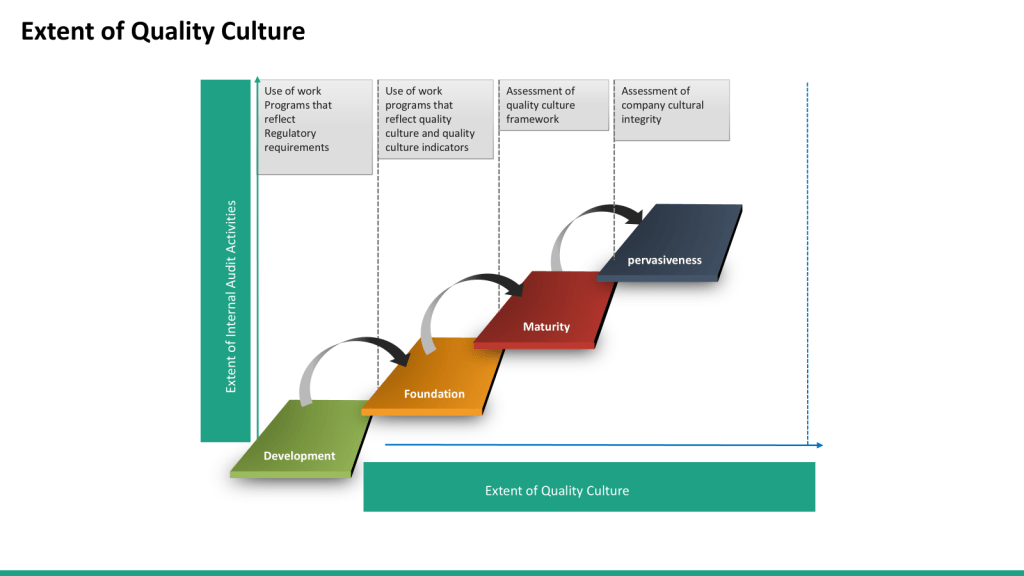
    Understanding the FDA Establishment Inspection Report (EIR): Regulations, Structure, and Regulatory Impact

    The Establishment Inspection Report (EIR) is a comprehensive document generated after FDA investigators inspect facilities involved in manufacturing, processing, or distributing FDA-regulated goods. This report not only details compliance with regulatory standards but also serves as a vital tool for both the FDA and inspected entities to address potential risks and improve operational practices.

    Regulatory Framework Governing EIRs

    The EIR is rooted in the Federal Food, Drug, and Cosmetic Act (FD&C Act) and associated regulations under 21 CFR Parts 210–211 (Current Good Manufacturing Practices) and 21 CFR Part 820 (Quality System Regulation for medical devices). These regulations empower the FDA to conduct inspections and enforce compliance through documentation like the EIR. Key policies include:

    1. Field Management Directive (FMD) 145: This directive mandates the release of the EIR’s narrative portion to inspected entities once an inspection is deemed “closed” under 21 CFR § 20.64(d)(3). This policy ensures transparency by providing firms with insights into inspection findings before public disclosure via the Freedom of Information Act (FOIA).
    2. Inspectional Conclusions: EIRs classify inspections into three outcomes:
      • No Action Indicated (NAI): No significant violations found.
      • Voluntary Action Indicated (VAI): Violations identified but not severe enough to warrant immediate regulatory action.
      • Official Action Indicated (OAI): Serious violations requiring FDA enforcement, such as warning letters or product seizures.

    Anatomy of an EIR

    An EIR is a meticulous record of an inspection’s scope, findings, and contextual details. Key components include:

    1. Inspection Scope and Context

    The EIR outlines the facilities, processes, and documents reviewed, providing clarity on the FDA’s focus areas. This section often references the Form FDA 483, which lists observed violations disclosed at the inspection’s conclusion.

    2. Documents Reviewed or Collected

    Investigators catalog documents such as batch records, standard operating procedures (SOPs), and corrective action plans. This inventory helps firms identify gaps in record-keeping and align future practices with FDA expectations.

    3. Inspectional Observations

    Beyond the Form FDA 483, the EIR elaborates on objectionable conditions, including deviations from GMPs or inadequate validation processes.

    4. Samples and Evidence

    If product samples or raw materials are collected, the EIR explains their significance. Extensive sampling often signals concerns about product safety, such as microbial contamination in a drug substance.

    5. Enforcement Recommendations

    The EIR concludes with the FDA’s recommended actions, such as re-inspections, warning letters, or import alerts. These recommendations are reviewed by compliance officers before finalizing regulatory decisions.

    How the EIR Informs Regulatory and Corporate Actions For the FDA

    • Risk Assessment: EIRs guide the FDA in prioritizing enforcement based on the severity of violations. For example, an OAI classification triggers immediate compliance reviews, while VAI findings may lead to routine follow-ups.
    • Trend Analysis: Aggregated EIR data help identify industry-wide risks, such as recurring issues in sterile manufacturing, informing future inspection strategies.
    • Global Collaboration: EIR findings are shared with international regulators under confidentiality agreements, fostering alignment in standards.

    For Inspected Entities

    • Compliance Roadmaps: Firms use EIRs to address deficiencies before they escalate.
    • Inspection Readiness: By analyzing EIRs from peer organizations, companies anticipate FDA focus areas. For example, recent emphasis on data integrity has led firms to bolster electronic record-keeping systems.
    • Reputational Management: A clean EIR (NAI) enhances stakeholder confidence, while recurrent OAI classifications may deter investors or partners.

    Challenges and Evolving Practices

    • Timeliness: Delays in EIR release hinder firms’ ability to implement timely corrections. The FDA has pledged to streamline review processes but continued workforce issues will exacerbate the problem..
    • Digital Transformation: The FDA’s adoption of AI-driven analytics aims to accelerate EIR generation and enhance consistency in inspection classification. Hopefully this will increase transparency.
    • Global Harmonization: Joint FDA-EMA inspections, though rare, highlight efforts to reduce redundant audits and align regulatory expectations.

    Conclusion

    The FDA Establishment Inspection Report is more than a regulatory artifact—it is a dynamic instrument for continuous improvement in public health protection. By demystifying its structure, regulations, and applications, firms can transform EIRs from compliance checklists into strategic assets. As the FDA evolves its inspectional approaches, staying abreast of EIR trends and best practices will remain pivotal for navigating the complex regulatory compliance landscape.

    Proactively engaging with EIR findings for organizations subject to FDA oversight mitigates enforcement risks. It fosters a quality culture that aligns with the FDA’s mandate to protect and promote public health.

    The Value of a Name

    There are a lot of reasons I love to sit down and read an Establishment Inspection Report, you can learn a ton from them.

    One lesson one should always take from them is it could be your name discussing some awful problem in some regulatory document. I can, for example, read the Sanofi EIRs from 2020 and 2022 and easily see myself in many of the discussed points. I was there for a decade (well at the Allston landing Facility) and to be frank there are a lot of names from some very good people there. And often they are justifying some horrible stuff. I feel pretty bad and I can guess on the series of compromises that got them there.

    It puts a lot in perspective.

    From PAI to Warning Letter – Lessons from Sanofi

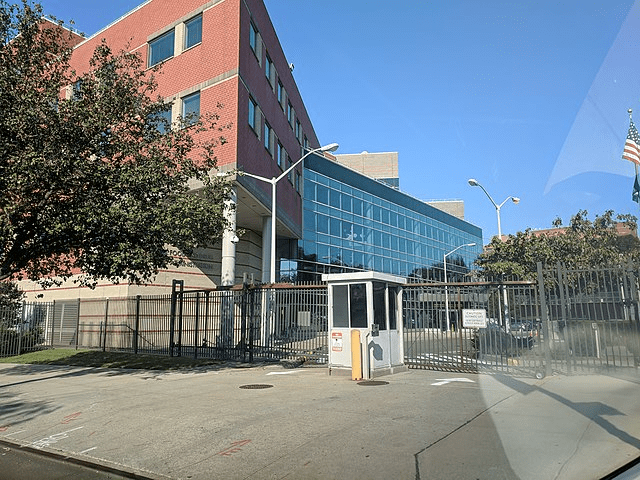
    Through the skilled work of a very helpful FOIA officer at the FDA I have been reviewing the 2020 483 and EIR for the pre-approval inspection at the Sanofi Framingham, MA site that recently received a Warning Letter:

    The 2020 pre-approval inspection (PAI) of Sanofi’s facility in Framingham, MA, uncovered critical deviations that exposed systemic weaknesses in contamination controls, equipment maintenance, and quality oversight. These deficiencies, documented in FDA Form 483 (FEI 1220423), violated 21 CFR 211 regulations and FDA Compliance Program 7346.832 requirements for PAIs. The facility’s failure to address these issues and to make systeatic changes over time (and perhaps backslide, but that is conjecture) contributed to subsequent regulatory actions, including a 2022 Form 483 and the 2024 FDA warning letter citing persistent CGMP violations. This analysis traces the 2020 findings to their regulatory origins, examines their operational consequences, and identifies lessons for PAI preparedness in high-risk API manufacturing.

    Regulatory Foundations of Pre-Approval Inspections

    The FDA’s PAI program operates under Compliance Program 7346.832, which mandates rigorous evaluation of facilities named in NDAs, ANDAs, or BLAs. Three pillars govern these inspections:

    1. Commercial Manufacturing Readiness: PAIs assess whether facilities can reliably execute commercial-scale processes while maintaining CGMP compliance. This includes verification of validated equipment cleaning procedures, environmental monitoring systems, and preventive maintenance programs. The FDA prioritizes sites handling novel APIs, narrow therapeutic index drugs, or first-time applications—criteria met by Sanofi’s production of drug substances.
    2. Application Conformance: Inspectors cross-validate submission data against actual operations, focusing on batch records, process parameters, and analytical methods. Discrepancies between filed documentation and observed practices constitute major compliance risks, particularly for facilities like Sanofi that utilize complex biologics manufacturing processes.
    3. Data Integrity Assurance
      Per 21 CFR 211.194, PAIs include forensic reviews of raw data, equipment logs, and stability studies. The 2020 inspection identified multiple QC laboratory lapses at Sanofi that undermined data reliability—a red flag under FDA’s heightened focus on data governance in PAIs.

    Facility Maintenance Deficiencies

    Sterilization Equipment Contamination
    On September 2, 2020, FDA investigators documented (b)(4) residue on FB-2880-001 sterilization equipment and its transport cart—critical infrastructure for bioreactor probe sterilization. The absence of cleaning procedures or routine inspections violated 21 CFR 211.67(a), which mandates written equipment maintenance protocols. This lapse created cross-contamination risks for (b)(4) drug substances, directly contradicting the application’s sterility claims.

    The unvalidated cleaning process for those chambers further breached 21 CFR 211.63, requiring equipment design that prevents adulteration. Historical data from 2008–2009 FDA inspections revealed similar sterilization issues at Allston facility, suggesting systemic quality control failures which suggests that these issues never were really dealt with systematically across all sites under the consent decree.

    Environmental Control Breakdowns
    The August 26, 2020 finding of unsecured pre-filters in Downflow Booth —a critical area for raw material weighing—exposed multiple CGMP violations:

    • 21 CFR 211.46(b): Failure to maintain HEPA filter integrity in controlled environments
    • FDA Aseptic Processing Guidance: Loose filters compromise ISO 5 unidirectional airflow
    • 21 CFR 211.42(c): Inadequate facility design for preventing material contamination

    Ceiling diffuser screens in Suite CNC space with unsecured fasteners exacerbated particulate contamination risks. The cumulative effect violated PAI Objective 1 by demonstrating poor facility control—a key factor in the 2024 warning letter’s citation of “unsuitable equipment for microbiologically controlled environments”.

    Quality Control Laboratory Failures

    Analytical Balance Non-Compliance
    The QC microbiology laboratory’s use of an unqualified balance breached multiple standards:

    • 21 CFR 211.68(a): Lack of calibration for automated equipment
    • USP <41> Guidelines: Failure to establish minimum weigh limits
    • FDA Data Integrity Guidance (2018): Unguaranteed accuracy of microbiological test results

    This deficiency directly impacted the reliability of bioburden testing data submitted in the application, contravening PAI Objective 3’s data authenticity requirements.

    Delayed Logbook Reviews
    Three QC logbooks exceeded the review window specified in the site’s procedure:

    1. Temperature logs for water baths
    2. Dry state storage checklists

    The delays violated 21 CFR 211.188(b)(11), which requires contemporaneous review of batch records. More critically, they reflected inadequate quality unit oversight—a recurring theme in Sanofi’s 2024 warning letter citing “lackluster quality control”.

    And if they found 3 logbooks, chances are there were many more in an equal state.

    Leak Investigations – A Leading Indicator

    there are two pages in the EIR around leak deviation investigations, including the infamous bags, and in hindsight, I think this is an incredibly important inflection point from improvement that was missed.

    The inspector took the time to evaluate quite a few deviations and overall control strategy for leaks and gave Sanofi a clean-bill of health. So we have to wonder if there was not enough problems to go deep enough to see a trend or if a sense of complacency allowed Sanofi to lower their guard around this critical aspect of single use, functionally closed systems.

    2022 Follow-Up Inspection: Escalating Compliance Failures

    The FDA’s July 2022 reinspection of Sanofi’s Framingham facility revealed persistent deficiencies despite corrective actions taken after the 2020 PAI. The inspection, conducted under Compliance Program 7356.002M, identified critical gaps in data governance and facility maintenance, resulting in a 2-item Form FDA 483 and an Official Action Indicated (OAI) classification – a significant escalation from the 2020 Voluntary Action Indicated (VAI) status.

    Computerized System Control Failures

    The FDA identified systemic weaknesses in data integrity controls for testers used to validate filter integrity during drug substance manufacturing. These testers generated electronic logs documenting failed and canceled tests that were never reviewed or documented in manufacturing records. For example:

    • On June 9, 2022, a filter underwent three consecutive tests for clarification operations: two failures and one cancellation due to operator error (audible “hissing” during testing). Only the final passing result was recorded in logbooks.
    • Between 2020–2022, operators canceled 14% of tests across testers without documented justification, violating 21 CFR 211.68(b) requirements for automated equipment review.

    The firm had improperly classified these testers as “legacy electronic equipment,” bypassing mandatory audit trail reviews under their site procedure. I am not even sure what legacy electronic equipment means, but this failure contravened FDA’s Data Integrity Guidance (2018), which requires full traceability of GxP decisions.

    Facility Degradation Risks

    Multiple infrastructure deficiencies demonstrated declining maintenance standards:

    Grade-A Area Compromises

    • Biological Safety Cabinet: Rust particles and brown residue contaminated interior surfaces used for drug substance handling in April 20223. The material was later identified as iron oxide from deteriorating cabinet components.
    • HVAC System Leaks: A pH probe in the water system leaked into grade-D areas, with standing water observed near active bioreactors3.

    Structural Integrity Issues

    • Chipped epoxy floors in grade-C rooms created particulate generation risks during cell culture operations.
    • Improperly sloped flooring allowed pooling of rinse water adjacent to purification equipment.

    These conditions violated 21 CFR 211.42(c), requiring facilities to prevent contamination through proper design, and demonstrated backsliding from 2020 corrective actions targeting environmental controls.

    Regulatory Reckoning

    These cultural failures crystallized in FDA’s 2024 citation of “systemic indifference to quality stewardship”. While some technological upgrades provided tactical fixes, the delayed recognition of cultural rot as root cause transformed manageable equipment issues into existential compliance threats—a cautionary tale for pharmaceutical manufacturers navigating dual challenges of technological modernization and workforce transition.

    Conclusion: A Compliance Crisis Decade

    The Sanofi case (2020–2024) exemplifies the consequences of treating PAIs as checklist exercises rather than opportunities for quality system maturation. The facility’s progression from 483 observations to OAI status and finally warning letter underscores three critical lessons:

    1. Proactive Data Governance: Holitisic data overnance and data integrity, including audit trail reviews that encompass all GxP systems – legacy or modern.
    2. Infrastructure Investment: Episodic maintenance cannot replace lifecycle-based asset management programs.
    3. Cultural Transformation: Quality metrics must drive executive incentives to prevent recurrent failures.

    Manufacturers must adopt holistic systems integrating advanced analytics, robust knowledge management, and cultural accountability to avoid a costly regulatory debacle.

    PAI Readiness Best Practices

    Pre-Inspection Preparation

    1. Gap Analysis Against CPGM 7346.832
      Facilities should conduct mock inspections evaluating:
      • Conformance between batch records and application data
      • Completeness of method validation protocols
      • Environmental monitoring trend reports
    2. Data Integrity Audits
      Forensic reviews of electronic records (e.g., HPLC chromatograms, equipment logs) using FDA’s “ALCOA+” criteria—ensuring data is Attributable, Legible, Contemporaneous, Original, and Accurate.
    3. Facility Hardening
      Preventive maintenance programs for critical utilities:
      • Steam-in-place systems
      • HVAC airflow balances
      • Water for injection loops

    Post-Approval Vigilance

    The Sanofi case underscores the need for ongoing compliance monitoring post-PAI:

    • Quality Metrics Tracking: FDA-required metrics like lot rejection rates and CAPA effectiveness
    • Regulatory Intelligence: Monitoring emerging focus areas through FDA warning letters and guidance updates
    • Process Robustness Studies: Continued process verification per 21 CFR 211.110(a)

    Silence Gets You Nowhere – FDA Layoffs

    Add me to the list of people who are disheartened y the silence of the Pharmaceutical Research and Manufacturers of America and the Biotechnology Innovation Organization to the cuts at the FDA. In an interest to write something that should be coming loud and clear from our industry groups, I give you…

    The Impact of Recent FDA Layoffs on Agency Capacity and Public Health

    The recent wave of layoffs at the U.S. Food and Drug Administration (FDA), enacted as part of broader illegal federal workforce reductions under the Trump administration, has exacerbated long-standing staffing challenges at the agency. By targeting probationary employees—recent hires and those promoted within the past two years—the cuts have disproportionately affected early-career professionals with cutting-edge technical expertise, disrupted workforce development pipelines, and weakened oversight in critical areas such as medical device regulation, food safety, veterinary medicine, and emerging technologies. These reductions come at a time when the FDA is already grappling with recruitment challenges, inspection backlogs, and increasing demands for regulatory innovation.

    Scope and Targets of the Layoffs

    The Department of Health and Human Services (HHS), under Secretary Robert F. Kennedy Jr., terminated approximately 5,200 probationary employees across its agencies in mid-February 2025, including hundreds at the FDA. While the agency’s drug review divisions were largely spared, layoffs hit staff in the Center for Devices and Radiological Health (CDRH), the Center for Food Safety and Applied Nutrition (CFSAN), the Center for Veterinary Medicine (CVM), and the Center for Tobacco Products (CTP).

    Medical Devices and Digital Health

    In CDRH, at least 230 employees were dismissed, including specialists in artificial intelligence (AI) and digital health—fields undergoing rapid technological advancement. These roles are critical for evaluating AI-driven diagnostic tools, wearable devices, and software-as-a-medical-device (SaMD) products. The loss of early-career researchers and engineers threatens the FDA’s ability to keep pace with industry innovation, potentially delaying approvals for technologies like neural interfaces and AI-powered imaging systems.

    Food Safety and Additives

    CFSAN lost staff responsible for reviewing new food additives, colorings, and ingredients—a priority area for Kennedy, who has advocated for stricter chemical regulations. With approximately 2,000 uninspected food and drug facilities globally, the FDA’s inspection backlog is now likely to grow further, raising risks of contamination incidents similar to recent outbreaks linked to infant formula and baby food.

    Veterinary Medicine

    The Center for Veterinary Medicine (CVM) saw cuts to reviewers assessing the safety of pharmaceuticals for pets and livestock. These roles ensure that medications for animals are effective and that residues in products like milk and eggs remain safe for human consumption. Reductions here could delay approvals for veterinary drugs and weaken monitoring of antimicrobial resistance.

    Exacerbating Existing Staffing Challenges

    The FDA has historically struggled to recruit and retain specialized staff due to competition from higher-paying private-sector roles. The layoffs worsen these issues by destabilizing workforce development and eroding institutional knowledge.

    Loss of Early-Career Talent

    Probationary employees—often younger professionals with advanced degrees in fields like data science, bioengineering, and toxicology—represent the FDA’s pipeline for replacing retiring staff. By targeting this group, the cuts disrupt the “learning chain” essential for maintaining expertise. As Kenneth Kaitin, a Tufts University professor, noted: “You’re eliminating the learning chain of people who come into the agency. There’s a long learning curve, and you’re eliminating people at the early stage” (https://www.biopharmadive.com/news/fda-layoffs-trump-doge-hhs-cuts-impact/740499/).

    Increased Workloads and Burnout

    Remaining staff now face expanded responsibilities. For example, CDRH’s device reviewers, already managing a surge in AI and digital health submissions, must absorb the work of dismissed colleagues without additional support. Similarly, food safety inspectors—many of whom were hired post-pandemic to address backlogs—are now stretched thinner, increasing the likelihood of oversights.

    Recruitment and Morale

    The layoffs have demoralized the workforce and damaged the FDA’s reputation as a stable employer. As Mitch Zeller, former FDA tobacco director, stated: “The combined effect of what they’re trying to do is going to destroy the ability to recruit and retain talent” (https://www.startribune.com/trump-administration-cuts-reach-fda-employees-in-food-safety-medical-devices-and-tobacco-products/601223844). With hiring frozen under an executive order requiring agencies to replace only one employee for every four departures, the FDA cannot easily rebuild capacity.

    The Training Bottleneck

    The probationary period at the FDA (1–2 years for new hires) is designed to provide hands-on training in complex regulatory science. Dismissing employees during this phase wastes significant investments in onboarding and delays the development of proficiency.

    Specialized Skill Development

    Reviewers in areas like AI-driven medical devices or gene therapies require months of training to evaluate technical dossiers, assess clinical data, and understand regulatory precedents. Losing these employees resets progress, forcing the FDA to restart the training process once hiring resumes.

    Cross-Departmental Collaboration

    New hires often rotate through multiple divisions to build interdisciplinary expertise. For instance, a food additive reviewer might collaborate with toxicologists and epidemiologists to assess long-term health risks. Disrupting these rotations limits opportunities for knowledge-sharing, weakening the agency’s ability to address novel public health challenges.

    Long-Term Consequences for Public Health

    Slower Product Reviews

    User fee-funded positions—which account for nearly half of the FDA’s $6.9 billion budget—were not spared from cuts. Since these roles are financed by industry to expedite reviews, their elimination could delay approvals for new drugs, devices, and food ingredients without reducing federal spending.

    Weakened Outbreak Response

    The FDA collaborates with the CDC to trace contamination sources during foodborne illness outbreaks. With fewer inspectors and scientists, the agency’s capacity to identify pathogens like Salmonella or Listeria will diminish, prolonging outbreaks and increasing hospitalization risks.

    Erosion of Global Leadership

    The FDA’s regulatory standards influence global markets. Slower reviews and outdated technical capacity could push companies to seek approvals in regions with more predictable oversight, such as the EU or Singapore, undermining U.S. competitiveness.

    Conclusion

    The FDA layoffs represent a shortsighted approach to government efficiency that prioritizes short-term spending cuts over long-term public health. By targeting probationary employees, the administration has exacerbated recruitment challenges, disrupted workforce development, and weakened oversight in critical areas. Rebuilding the FDA’s capacity will require reversing hiring freezes, increasing salaries to compete with the private sector, and safeguarding user fee funds from political interference. Without these steps, the agency’s ability to ensure food safety, evaluate emerging technologies, and respond to health crises will continue to erode—with dire consequences for consumers, industry, and global health security.

    “The cuts at FDA will be terribly harmful for the American people. Indiscriminately firing people because they are new to the agency makes no sense.”
    – Patti Zettler, former HHS Deputy General Counsel (https://www.biopharmadive.com/news/fda-layoffs-trump-doge-hhs-cuts-impact/740499/)