
I’m greatly saddened to hear about the six sites Resilience is shutting down. This impacts a lot of good people, at a time when our industry has had a lot of announced layoffs. My heart goes out to everyone impacted. And please know whatever little help I can do, I will.
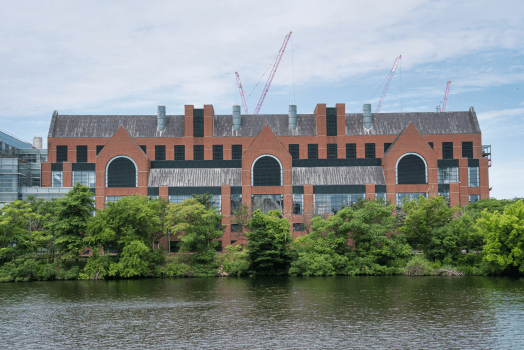
For me, there is also a lot of sadness for the site, which was a very definitive part of my career. It truly feels like the end of an era.
Current Status of the Allston Site
National Resilience’s Allston facility at 500 Soldiers Field Road is among the six manufacturing sites being closed as part of the company’s restructuring efforts. The site, which operates in a former Genzyme manufacturing plant built in 1991, is being wound down through legal proceedings initiated by a leaseholder affiliate.
The closure is part of National Resilience’s broader strategy to address overcapacity issues, as CEO William Marth acknowledged that “our capacity expansion has outpaced industry demand”. The company secured $250 million in bridge financing to support this consolidation and is pursuing additional debt financing for future operations. To be frank, some folks bet very poorly.
Harvard’s Property Ownership and Lease Arrangements
The Allston site sits on Harvard-owned land, and the property arrangement involves a complex ownership structure:
- Land Ownership: Harvard University owns the underlying land at 500 Soldiers Field Road
- Facility Operations: National Resilience took over the lease for the building from Sanofi in 2021, inheriting operations of the former Genzyme plant
- Historical Context: Genzyme originally built the facility in 1991 on Harvard land through a long-term lease arrangement
When Sanofi (which had acquired Genzyme) decided to consolidate operations at its Framingham campus, it transferred the lease to National Resilience rather than selling the property outright. This transfer required termination of the site’s special tax-break status through the Boston Planning & Development Agency.
What Happens After National Resilience’s Departure
While I have no definitive answer, I’m fearing the following will drive the site closure and ceasing to be a manufacturing site:
- Lease Structure: Since Harvard owns the land and National Resilience operates under a lease arrangement, the property would typically revert to Harvard’s direct control once the lease is terminated or expires.
- Strategic Location: The site is strategically positioned within Harvard’s broader Allston development plans, sitting adjacent to the university’s Enterprise Research Campus project. Harvard’s construction updates consistently reference the facility as a landmark bordering their major mixed-use development.
- Harvard’s Allston Holdings: The university owns approximately 360 acres in Allston and has been actively developing the area as part of its long-term expansion strategy. The 500 Soldiers Field Road site represents a significant piece of this puzzle.
Integration with Harvard’s Development Plans
Harvard’s ongoing Enterprise Research Campus development directly borders the National Resilience facility, with construction updates regularly using it as a reference point for the project boundaries. The campus will include:
- Two laboratory buildings for research and development
- A 343-unit residential building with affordable housing components
- A hotel and conference center
- Public green space and programming areas
The proximity and Harvard’s ownership structure suggest the Allston site could potentially be integrated into future phases of the university’s development plans, though no specific announcements have been made regarding immediate reuse plans.
I don’t think it will surprise anyone that Harvard had reached out to Sanofi many times to discuss taking back the site over the years.
It is odd enough now to drive by and know the site is a shadow of its former self. Knowing that later this year it will be fully closed down is heart breaking.

 Investigations of a Dog
while working there as an outside Mechanical contractor for 32 years the loss is the drug therapy made to save people’s lives ! Especially children
genzyme truly cared about patients and not just the money.
Sadly the companies that came after cared about the money
LikeLike