Seriously, not much surprising here. What this guide definitely does is place early research in the framework of Q10 and point out that there is one quality system to rule them all and that level of rigor is based on risk.
Data integrity continued to be a focus of the FDA, though the reduced inspections definitely led to fewer 483s.
Reference Number
Short Description
Long Description
2020 Frequency
2019 Frequency
2018 Frequency
21 CFR 211.194(a)
Complete test data included in records
Laboratory records do not include complete data derived from all tests, examinations and assay necessary to assure compliance with established specifications and standards. Specifically, , ***
15
38
33
21 CFR 211.194(a)(4)
Complete Test Data
Laboratory records are deficient in that they do not include a complete record of all data obtained during testing. Specifically, ***
10
24
28
21 CFR 211.68(b)
Backup data not assured as exact and complete
Backup data is not assured as [exact] [complete] [secure from alteration, erasure or loss] through keeping hard copy or alternate systems. Specifically, ***
6
6
71
21 CFR 211.194(a)(4)
Data secured in course of each test
Laboratory records do not include a complete record of all data secured in the course of each test, including all [graphs] [charts] [spectra] from laboratory instrumentation, properly identified to show the [specific component] [drug product container] [closure] [in-process material] [lot tested] [drug product tested]. Specifically, ***
4
1
28
21 CFR 211.68(b)
Written record not kept of program and validation data
A written record of the program along with appropriate validation data has not been maintained in situations where backup data is eliminated by computerization or other automated processes. Specifically, ***
The ASQ is hosting a virtual World Conference on Quality Improvement. Glad to see thisexperiment. While a lot of organizations have been holding virtual conferences, this use of technology is a stretch for a lot of ASQ Members.
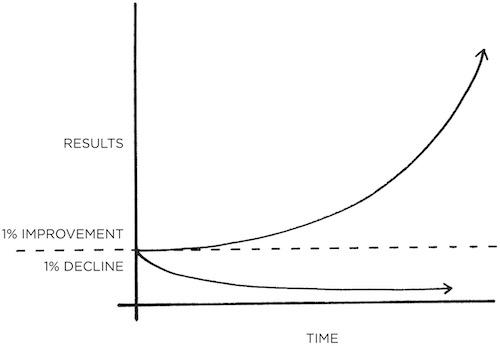
James Clear – 1% Better Every Day
Clear’s 2019 book Atomic Habits was definitely one of the most talked about self-help books from last year.
1% Better Every Day
The book has some concerns, for example do a little googling on the Marshmallow Test, and Clear still starts his talk referencing the British Cycling Team, probably not the most convincing given their doping scandals. Clear has actually written about the scandal, so I’m surprised he continues to use it in talks.
That said, I really like his use of a score card and his four rules. No argument from me on the importance of systems.
The four laws for building good habits according to Atomic Habits:
Make the habit obvious.
Make it attractive
Make it easy
Make it satisfying
To break bad habits the inverse applies:
Make the habit invisible
Make it unattractive
Make it difficult
Make it unsatisfying
Great discussion on how design and environment shapes our choices. Fits nicely into “nudges.” How we organize our work space and homes is a critical thing that we as quality professionals need to spend more time on. The structuring of an environment, including social, fits nicely into quality culture.
It may be pop psychology goes, but it is a very well written book. And James Clear is a great speaker, even from comfort of his living room or study.
On 20 March the new Annex 21 to the EU-GMP Guidelines was published as a draft. The document is entitled “Importation of medicinal Products”. The “Concept Paper” was published on 13 May 2015 (EMA/238299/2015) and the consultation phase ended in August 2015. The first draft for regulatory consultation was published in November 2016. Since then, no further activities or versions have been issued.
The Guidance is aimed at Manufacturing and Importation Authorisation holders (MIA holders) who import human or veterinary medicinal products from third countries. It does not cover products that do not have a marketing authorisation in the EU/EEA and are directly re-exported. The following points are to be regulated by the new Annex:
Physical transfer from the third country to the EU/EEA
Certification by the Qualified Person (QP) (link with the requirements of Annex 16)
Requirements for equipment and facilities
Required documentation
GMP requirements for manufacturers and exporters in third countries
Qualification and audits under the responsibility of the importing company and the Qualified Person (QP)
Import testing
Contractual regulations between all companies or persons involved in the import


 Investigations of a Dog