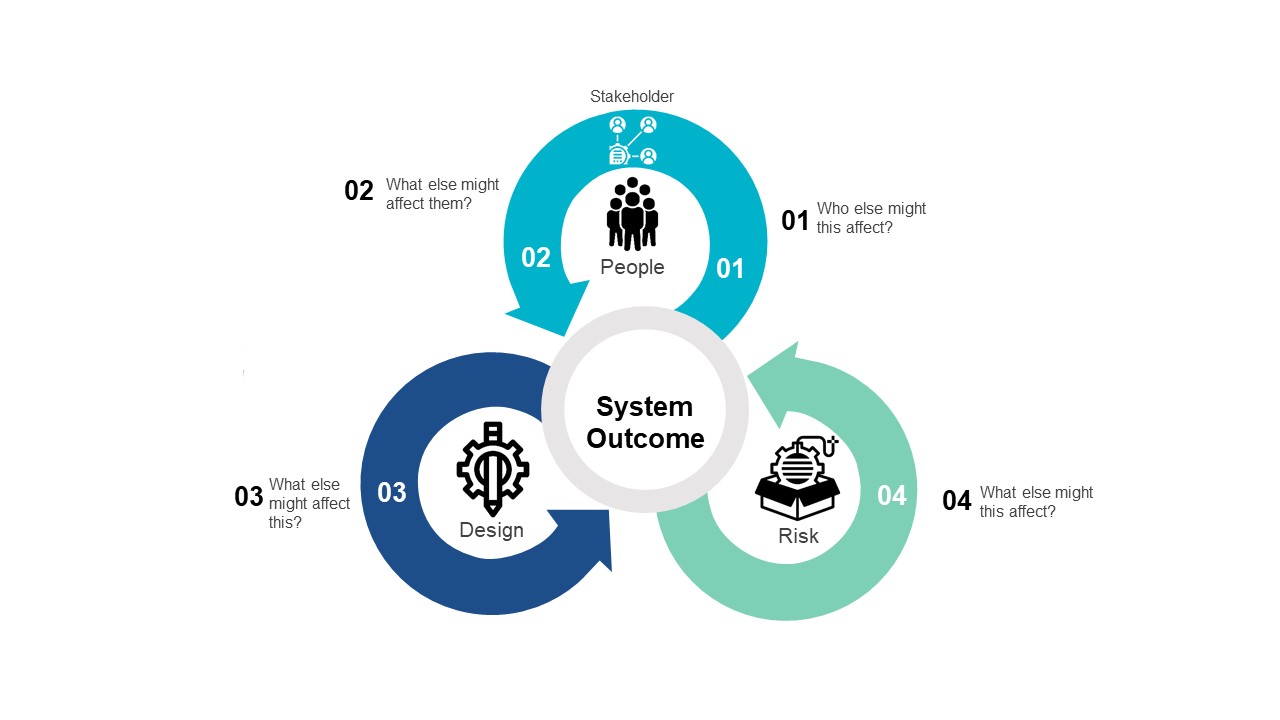
In my recent exploration of the Jobs-to-Be-Done (JTBD) tool for process improvement, I examined how this customer-centric approach could revolutionize our understanding of deviation management. I want to extend that analysis to another fundamental challenge in pharmaceutical quality: risk management.
As we grapple with increasing regulatory complexity, accelerating technological change, and the persistent threat of risk blindness, most organizations remain trapped in what I call “compliance theater”—performing risk management activities that satisfy auditors but fail to build genuine organizational resilience. JTBD is a useful tool as we move beyond this theater toward risk management that actually creates value.
The Risk Management Jobs Users Actually Hire
When quality professionals, executives, and regulatory teams engage with risk management processes, what job are they really trying to accomplish? The answer reveals a profound disconnect between organizational intent and actual capability.
The Core Functional Job
“When facing uncertainty that could impact product quality, patient safety, or business continuity, I want to systematically understand and address potential threats, so I can make confident decisions and prevent surprise failures.”
This job statement immediately exposes the inadequacy of most risk management systems. They focus on documentation rather than understanding, assessment rather than decision enablement, and compliance rather than prevention.
The Consumption Jobs: The Hidden Workload
Risk management involves numerous consumption jobs that organizations often ignore:
Evaluation and Selection: “I need to choose risk assessment methodologies that match our operational complexity and regulatory environment.”
Implementation and Training: “I need to build organizational risk capability without creating bureaucratic overhead.”
Maintenance and Evolution: “I need to keep our risk approach current as our business and threat landscape evolves.”
Integration and Communication: “I need to ensure risk insights actually influence business decisions rather than gathering dust in risk registers.”
These consumption jobs represent the difference between risk management systems that organizations grudgingly tolerate and those they genuinely want to “hire.”
The Eight-Step Risk Management Job Map
Applying JTBD’s universal job map to risk management reveals where current approaches systematically fail:
1. Define: Establishing Risk Context
What users need: Clear understanding of what they’re assessing, why it matters, and what decisions the risk analysis will inform.
Current reality: Risk assessments often begin with template completion rather than context establishment, leading to generic analyses that don’t support actual decision-making.
2. Locate: Gathering Risk Intelligence
What users need: Access to historical data, subject matter expertise, external intelligence, and tacit knowledge about how things actually work.
Current reality: Risk teams typically work from documentation rather than engaging with operational reality, missing the pattern recognition and apprenticeship dividend that experienced practitioners possess.
3. Prepare: Creating Assessment Conditions
What users need: Diverse teams, psychological safety for honest risk discussions, and structured approaches that challenge rather than confirm existing assumptions.
Current reality: Risk assessments often involve homogeneous teams working through predetermined templates, perpetuating the GI Joe fallacy—believing that knowledge of risk frameworks prevents risky thinking.
4. Confirm: Validating Assessment Readiness
What users need: Confidence that they have sufficient information, appropriate expertise, and clear success criteria before proceeding.
Current reality: Risk assessments proceed regardless of information quality or team readiness, driven by schedule rather than preparation.
5. Execute: Conducting Risk Analysis
What users need: Systematic identification of risks, analysis of interconnections, scenario testing, and development of robust mitigation strategies.
Current reality: Risk analysis often becomes risk scoring—reducing complex phenomena to numerical ratings that provide false precision rather than genuine insight.
6. Monitor: Tracking Risk Reality
What users need: Early warning systems that detect emerging risks and validate the effectiveness of mitigation strategies.
Current reality: Risk monitoring typically involves periodic register updates rather than active intelligence gathering, missing the dynamic nature of risk evolution.
7. Modify: Adapting to New Information
What users need: Responsive adjustment of risk strategies based on monitoring feedback and changing conditions.
Current reality: Risk assessments often become static documents, updated only during scheduled reviews rather than when new information emerges.
8. Conclude: Capturing Risk Learning
What users need: Systematic capture of risk insights, pattern recognition, and knowledge transfer that builds organizational risk intelligence.
Current reality: Risk analysis conclusions focus on compliance closure rather than learning capture, missing opportunities to build the organizational memory that prevents risk blindness.
The Emotional and Social Dimensions
Risk management involves profound emotional and social jobs that traditional approaches ignore:
Confidence: Risk practitioners want to feel genuinely confident that significant threats have been identified and addressed, not just that procedures have been followed.
Intellectual Satisfaction: Quality professionals are attracted to rigorous analysis and robust reasoning—risk management should engage their analytical capabilities, not reduce them to form completion.
Professional Credibility: Risk managers want to be perceived as strategic enablers rather than bureaucratic obstacles—as trusted advisors who help organizations navigate uncertainty rather than create administrative burden.
Organizational Trust: Executive teams want assurance that their risk management capabilities are genuinely protective, not merely compliant.
What’s Underserved: The Innovation Opportunities
JTBD analysis reveals four critical areas where current risk management approaches systematically underserve user needs:
Risk Intelligence
Current systems document known risks but fail to develop early warning capabilities, pattern recognition across multiple contexts, or predictive insights about emerging threats. Organizations need risk management that builds institutional awareness, not just institutional documentation.
Decision Enablement
Risk assessments should create confidence for strategic decisions, enable rapid assessment of time-sensitive opportunities, and provide scenario planning that prepares organizations for multiple futures. Instead, most risk management creates decision paralysis through endless analysis.
Organizational Capability
Effective risk management should build risk literacy across all levels, create cultural resilience that enables honest risk conversations, and develop adaptive capacity to respond when risks materialize. Current approaches often centralize risk thinking rather than distributing risk capability.
Stakeholder Trust
Risk management should enable transparent communication about threats and mitigation strategies, demonstrate competence in risk anticipation, and provide regulatory confidence in organizational capabilities. Too often, risk management creates opacity rather than transparency.
Moving Beyond Compliance Theater
The JTBD framework helps us address a key challenge in risk management: many organizations place excessive emphasis on “table stakes” such as regulatory compliance and documentation requirements, while neglecting vital aspects like intelligence, enablement, capability, and trust that contribute to genuine resilience.
This represents a classic case of process myopia—becoming so focused on risk management activities that we lose sight of the fundamental job those activities should accomplish. Organizations perfect their risk registers while remaining vulnerable to surprise failures, not because they lack risk management processes, but because those processes fail to serve the jobs users actually need accomplished.
Design Principles for User-Centered Risk Management
Context Over Templates: Begin risk analysis with clear understanding of decisions to be informed rather than forms to be completed.
Intelligence Over Documentation: Prioritize systems that build organizational awareness and pattern recognition rather than risk libraries.
Engagement Over Compliance: Create risk processes that attract rather than burden users, recognizing that effective risk management requires active intellectual participation.
Learning Over Closure: Structure risk activities to build institutional memory and capability rather than simply completing assessment cycles.
Integration Over Isolation: Ensure risk insights flow naturally into operational decisions rather than remaining in separate risk management systems.
Hiring Risk Management for Real Jobs
The most dangerous risk facing pharmaceutical organizations may be risk management systems that create false confidence while building no real capability. JTBD analysis reveals why: these systems optimize for regulatory approval rather than user needs, creating elaborate processes that nobody genuinely wants to “hire.”
True risk management begins with understanding what jobs users actually need accomplished: building confidence for difficult decisions, developing organizational intelligence about threats, creating resilience against surprise failures, and enabling rather than impeding business progress. Organizations that design risk management around these jobs will develop competitive advantages in an increasingly uncertain world.
The choice is clear: continue performing compliance theater, or build risk management systems that organizations genuinely want to hire. In a world where zemblanity—the tendency to encounter negative, foreseeable outcomes—threatens every quality system, only the latter approach offers genuine protection.
Risk management should not be something organizations endure. It should be something they actively seek because it makes them demonstrably better at navigating uncertainty and protecting what matters most.
Risk blindness is an insidious loss of organizational perception—the gradual erosion of a company’s ability to recognize, interpret, and respond to threats that undermine product safety, regulatory compliance, and ultimately, patient trust. It is not merely ignorance or oversight; rather, risk blindness manifests as the cumulative inability to see threats, often resulting from process shortcuts, technology overreliance, and the undervaluing of hands-on learning.
Unlike risk aversion or neglect, which involves conscious choices, risk blindness is an unconscious deficiency. It often stems from structural changes like the automation of foundational jobs, fragmented risk ownership, unchallenged assumptions, and excessive faith in documentation or AI-generated reports. At its core, risk blindness breeds a false sense of security and efficiency while creating unseen vulnerabilities.
Pattern Recognition and Risk Blindness: The Cognitive Foundation of Quality Excellence
The Neural Architecture of Risk Detection
Pattern recognition lies at the heart of effective risk management in quality systems. It represents the sophisticated cognitive process by which experienced professionals unconsciously scan operational environments, data trends, and behavioral cues to detect emerging threats before they manifest as full-scale quality events. This capability distinguishes expert practitioners from novices and forms the foundation of what we might call “risk literacy” within quality organizations.
The development of pattern recognition in pharmaceutical quality follows predictable stages. At the most basic level (Level 1 Situational Awareness), professionals learn to perceive individual elements—deviation rates, environmental monitoring trends, supplier performance metrics. However, true expertise emerges at Level 2 (Comprehension), where practitioners begin to understand the relationships between these elements, and Level 3 (Projection), where they can anticipate future system states based on current patterns.
Research in clinical environments demonstrates that expert pattern recognition relies on matching current situational elements with previously stored patterns and knowledge, creating rapid, often unconscious assessments of risk significance. In pharmaceutical quality, this translates to the seasoned professional who notices that “something feels off” about a batch record, even when all individual data points appear within specification, or the environmental monitoring specialist who recognizes subtle trends that precede contamination events.
The Apprenticeship Dividend: Building Pattern Recognition Through Experience
The development of sophisticated pattern recognition capabilities requires what we’ve previously termed the “apprenticeship dividend”—the cumulative learning that occurs through repeated exposure to routine operations, deviations, and corrective actions. This learning cannot be accelerated through technology or condensed into senior-level training programs; it must be built through sustained practice and mentored reflection.
The Stages of Pattern Recognition Development:
Foundation Stage (Years 1-2): New professionals learn to identify individual risk elements—understanding what constitutes a deviation, recognizing out-of-specification results, and following investigation procedures. Their pattern recognition is limited to explicit, documented criteria.
Integration Stage (Years 3-5): Practitioners begin to see relationships between different quality elements. They notice when environmental monitoring trends correlate with equipment issues, or when supplier performance changes precede raw material problems. This represents the emergence of tacit knowledge—insights that are difficult to articulate but guide decision-making.
Mastery Stage (Years 5+): Expert practitioners develop what researchers call “intuitive expertise”—the ability to rapidly assess complex situations and identify subtle risk patterns that others miss. They can sense when a investigation is heading in the wrong direction, recognize when supplier responses are evasive, or detect process drift before it appears in formal metrics.
Tacit Knowledge: The Uncodifiable Foundation of Risk Assessment
Perhaps the most critical aspect of pattern recognition in pharmaceutical quality is the role of tacit knowledge—the experiential wisdom that cannot be fully documented or transmitted through formal training systems. Tacit knowledge encompasses the subtle cues, contextual understanding, and intuitive insights that experienced professionals develop through years of hands-on practice.
In pharmaceutical quality systems, tacit knowledge manifests in numerous ways:
Knowing which equipment is likely to fail after cleaning cycles, based on subtle operational cues rather than formal maintenance schedules
Recognizing when supplier audit responses are technically correct but practically inadequate
Sensing when investigation teams are reaching premature closure without adequate root cause analysis
Detecting process drift through operator reports and informal observations before it appears in formal monitoring data
This tacit knowledge cannot be captured in standard operating procedures or electronic systems. It exists in the experienced professional’s ability to read “between the lines” of formal data, to notice what’s missing from reports, and to sense when organizational pressures are affecting the quality of risk assessments.
The GI Joe Fallacy: The Dangers of “Knowing is Half the Battle”
A persistent—and dangerous—belief in quality organizations is the idea that simply knowing about risks, standards, or biases will prevent us from falling prey to them. This is known as the GI Joe fallacy—the misguided notion that awareness is sufficient to overcome cognitive biases or drive behavioral change.
What is the GI Joe Fallacy?
Inspired by the classic 1980s G.I. Joe cartoons, which ended each episode with “Now you know. And knowing is half the battle,” the GI Joe fallacy describes the disconnect between knowledge and action. Cognitive science consistently shows that knowing about biases or desired actions does not ensure that individuals or organizations will behave accordingly.
Even the founder of bias research, Daniel Kahneman, has noted that reading about biases doesn’t fundamentally change our tendency to commit them. Organizations often believe that training, SOPs, or system prompts are enough to inoculate staff against error. In reality, knowledge is only a small part of the battle; much larger are the forces of habit, culture, distraction, and deeply rooted heuristics.
GI Joe Fallacy in Quality Risk Management
In pharmaceutical quality risk management, the GI Joe fallacy can have severe consequences. Teams may know the details of risk matrices, deviation procedures, and regulatory requirements, yet repeatedly fail to act with vigilance or critical scrutiny in real situations. Loss aversion, confirmation bias, and overconfidence persist even for those trained in their dangers.
For example, base rate neglect—a bias where salient event data distracts from underlying probabilities—can influence decisions even when staff know better intellectually. This manifests in investigators overreacting to recent dramatic events while ignoring stable process indicators. Knowing about risk frameworks isn’t enough; structures and culture must be designed specifically to challenge these biases in practice, not simply in theory.
Structural Roots of Risk Blindness
The False Economy of Automation and Overconfidence
Risk blindness often arises from a perceived efficiency gained through process automation or the curtailment of on-the-ground learning. When organizations substitute active engagement for passive oversight, staff lose critical exposure to routine deviations and process variables.
Senior staff who only approve system-generated risk assessments lack daily operational familiarity, making them susceptible to unseen vulnerabilities. Real risk assessment requires repeated, active interaction with process data—not just a review of output.
Fragmented Ownership and Deficient Learning Culture
Risk ownership must be robust and proximal. When roles are fragmented—where the “system” manages risk and people become mere approvers—vital warnings can be overlooked. A compliance-oriented learning culture that believes training or SOPs are enough to guard against operational threats falls deeper into the GI Joe fallacy: knowledge is mistaken for vigilance.
Instead, organizations need feedback loops, reflection, and opportunities to surface doubts and uncertainties. Training must be practical and interactive, not limited to information transfer.
Zemblanity: The Shadow of Risk Blindness
Zemblanity is the antithesis of serendipity in the context of pharmaceutical quality—it describes the persistent tendency for organizations to encounter negative, foreseeable outcomes when risk signals are repeatedly ignored, misunderstood, or left unacted upon.
When examining risk blindness, zemblanity stands as the practical outcome: a quality system that, rather than stumbling upon unexpected improvements or positive turns, instead seems trapped in cycles of self-created adversity. Unlike random bad luck, zemblanity results from avoidable and often visible warning signs—deviations that are rationalized, oversight meetings that miss the point, and cognitive biases like the GI Joe fallacy that lull teams into a false sense of mastery
Real-World Manifestations
Case: The Disappearing Deviation
Digital batch records reduced documentation errors and deviation reports, creating an illusion of process control. But when technology transfer led to out-of-spec events, the lack of manually trained eyes meant no one was poised to detect subtle process anomalies. Staff “knew” the process in theory—yet risk blindness set in because the signals were no longer being actively, expertly interpreted. Knowledge alone was not enough.
Case: Supplier Audit Blindness
Virtual audits relying solely on documentation missed chronic training issues that onsite teams would likely have noticed. The belief that checklist knowledge and documentation sufficed prevented the team from recognizing deeper underlying risks. Here, the GI Joe fallacy made the team believe their expertise was shield enough, when in reality, behavioral engagement and observation were necessary.
Counteracting Risk Blindness: Beyond Knowing to Acting
Effective pharmaceutical quality systems must intentionally cultivate and maintain pattern recognition capabilities across their workforce. This requires structured approaches that go beyond traditional training and incorporate the principles of expertise development:
Structured Exposure Programs: New professionals need systematic exposure to diverse risk scenarios—not just successful cases, but also investigations that went wrong, supplier audits that missed problems, and process changes that had unexpected consequences. This exposure must be guided by experienced mentors who can help identify and interpret relevant patterns.
Cross-Functional Pattern Sharing: Different functional areas—manufacturing, quality control, regulatory affairs, supplier management—develop specialized pattern recognition capabilities. Organizations need systematic mechanisms for sharing these patterns across functions, ensuring that insights from one area can inform risk assessment in others.
Cognitive Diversity in Assessment Teams: Research demonstrates that diverse teams are better at pattern recognition than homogeneous groups, as different perspectives help identify patterns that might be missed by individuals with similar backgrounds and experience. Quality organizations should intentionally structure assessment teams to maximize cognitive diversity.
Systematic Challenge Processes: Pattern recognition can become biased or incomplete over time. Organizations need systematic processes for challenging established patterns—regular “red team” exercises, external perspectives, and structured devil’s advocate processes that test whether recognized patterns remain valid.
Reflective Practice Integration: Pattern recognition improves through reflection on both successes and failures. Organizations should create systematic opportunities for professionals to analyze their pattern recognition decisions, understand when their assessments were accurate or inaccurate, and refine their capabilities accordingly.
Using AI as a Learning Accelerator
AI and automation should support, not replace, human risk assessment. Tools can help new professionals identify patterns in data, but must be employed as aids to learning—not as substitutes for judgment or action.
Diagnosing and Treating Risk Blindness
Assess organizational risk literacy not by the presence of knowledge, but by the frequency of active, critical engagement with real risks. Use self-assessment questions such as:
Do deviation investigations include frontline voices, not just system reviewers?
Are new staff exposed to real processes and deviations, not just theoretical scenarios?
Are risk reviews structured to challenge assumptions, not merely confirm them?
Is there evidence that knowledge is regularly translated into action?
Why Preventing Risk Blindness Matters
Regulators evaluate quality maturity not simply by compliance, but by demonstrable capability to anticipate and mitigate risks. AI and digital transformation are intensifying the risk of the GI Joe fallacy by tempting organizations to substitute data and technology for judgment and action.
As experienced professionals retire, the gap between knowing and doing risks widening. Only organizations invested in hands-on learning, mentorship, and behavioral feedback will sustain true resilience.
Choosing Sight
Risk blindness is perpetuated by the dangerous notion that knowing is enough. The GI Joe fallacy teaches that organizational memory, vigilance, and capability require much more than knowledge—they demand deliberate structures, engaged cultures, and repeated practice that link theory to action.
Quality leaders must invest in real development, relentless engagement, and humility about the limits of their own knowledge. Only then will risk blindness be cured, and resilience secured.
Dr. Valerie Mulholland’s recent exploration of the GI Joe Bias strikes gets to the heart of a fundamental challenge in pharmaceutical quality management: the persistent belief that awareness of cognitive biases is sufficient to overcome them. I find Valerie’s analysis particularly compelling because it connects directly to the practical realities we face when implementing ICH Q9(R1)’s mandate to actively manage subjectivity in risk assessment.
Valerie’s observation that “awareness of a bias does little to prevent it from influencing our decisions” shows us that the GI Joe Bias underlays a critical gap between intellectual understanding and practical application—a gap that pharmaceutical organizations must bridge if they hope to achieve the risk-based decision-making excellence that ICH Q9(R1) demands.
The Expertise Paradox: Why Quality Professionals Are Particularly Vulnerable
Valerie correctly identifies that quality risk management facilitators are often better at spotting biases in others than in themselves. This observation connects to a deeper challenge I’ve previously explored: the fallacy of expert immunity. Our expertise in pharmaceutical quality systems creates cognitive patterns that simultaneously enable rapid, accurate technical judgments while increasing our vulnerability to specific biases.
The very mechanisms that make us effective quality professionals—pattern recognition, schema-based processing, heuristic shortcuts derived from base rate experiences—are the same cognitive tools that generate bias. When I conduct investigations or facilitate risk assessments, my extensive experience with similar events creates expectations and assumptions that can blind me to novel failure modes or unexpected causal relationships. This isn’t a character flaw; it’s an inherent part of how expertise develops and operates.
Valerie’s emphasis on the need for trained facilitators in high-formality QRM activities reflects this reality. External facilitation isn’t just about process management—it’s about introducing cognitive diversity and bias detection capabilities that internal teams, no matter how experienced, cannot provide for themselves. The facilitator serves as a structured intervention against the GI Joe fallacy, embodying the systematic approaches that awareness alone cannot deliver.
From Awareness to Architecture: Building Bias-Resistant Quality Systems
The critical insight from both Valerie’s work and my writing about structured hypothesis formation is that effective bias management requires architectural solutions, not individual willpower. ICH Q9(R1)’s introduction of the “Managing and Minimizing Subjectivity” section represents recognition that regulatory compliance requires systematic approaches to cognitive bias management.
Leveraging Knowledge Management: Rather than relying on individual awareness, effective bias management requires systematic capture and application of objective information. When risk assessors can access structured historical data, supplier performance metrics, and process capability studies, they’re less dependent on potentially biased recollections or impressions.
Good Risk Questions: The formulation of risk questions represents a critical intervention point. Well-crafted questions can anchor assessments in specific, measurable terms rather than vague generalizations that invite subjective interpretation. Instead of asking “What are the risks to product quality?”, effective risk questions might ask “What are the potential causes of out-of-specification dissolution results for Product X in the next 6 months based on the last three years of data?”
Cross-Functional Teams: Valerie’s observation that we’re better at spotting biases in others translates directly into team composition strategies. Diverse, cross-functional teams naturally create the external perspective that individual bias recognition cannot provide. The manufacturing engineer, quality analyst, and regulatory specialist bring different cognitive frameworks that can identify blind spots in each other’s reasoning.
Structured Decision-Making Processes: The tools Valerie mentions—PHA, FMEA, Ishikawa, bow-tie analysis—serve as external cognitive scaffolding that guides thinking through systematic pathways rather than relying on intuitive shortcuts that may be biased.
The Formality Framework: When and How to Escalate Bias Management
One of the most valuable aspects of ICH Q9(R1) is its introduction of the formality concept—the idea that different situations require different levels of systematic intervention. Valerie’s article implicitly addresses this by noting that “high formality QRM activities” require trained facilitators. This suggests a graduated approach to bias management that scales intervention intensity with decision importance.
This formality framework needs to include bias management that organizations can use to determine when and how intensively to apply bias mitigation strategies:
Low Formality Situations: Routine decisions with well-understood parameters, limited stakeholders, and reversible outcomes. Basic bias awareness training and standardized checklists may be sufficient.
Medium Formality Situations: Decisions involving moderate complexity, uncertainty, or impact. These require cross-functional input, structured decision tools, and documentation of rationales.
High Formality Situations: Complex, high-stakes decisions with significant uncertainty, multiple conflicting objectives, or diverse stakeholders. These demand external facilitation, systematic bias checks, and formal documentation of how potential biases were addressed.
This framework acknowledges that the GI Joe fallacy is most dangerous in high-formality situations where the stakes are highest and the cognitive demands greatest. It’s precisely in these contexts that our confidence in our ability to overcome bias through awareness becomes most problematic.
The Cultural Dimension: Creating Environments That Support Bias Recognition
Valerie’s emphasis on fostering humility, encouraging teams to acknowledge that “no one is immune to bias, even the most experienced professionals” connects to my observations about building expertise in quality organizations. Creating cultures that can effectively manage subjectivity requires more than tools and processes; it requires psychological safety that allows bias recognition without professional threat.
I’ve noted in past posts that organizations advancing beyond basic awareness levels demonstrate “systematic recognition of cognitive bias risks” with growing understanding that “human judgment limitations can affect risk assessment quality.” However, the transition from awareness to systematic application requires cultural changes that make bias discussion routine rather than threatening.
This cultural dimension becomes particularly important when we consider the ironic processing effects that Valerie references. When organizations create environments where acknowledging bias is seen as admitting incompetence, they inadvertently increase bias through suppression attempts. Teams that must appear confident and decisive may unconsciously avoid bias recognition because it threatens their professional identity.
The solution is creating cultures that frame bias recognition as professional competence rather than limitation. Just as we expect quality professionals to understand statistical process control or regulatory requirements, we should expect them to understand and systematically address their cognitive limitations.
Practical Implementation: Moving Beyond the GI Joe Fallacy
Building on Valerie’s recommendations for structured tools and systematic approaches, here are some specific implementation strategies that organizations can adopt to move beyond bias awareness toward bias management:
Bias Pre-mortems: Before conducting risk assessments, teams explicitly discuss what biases might affect their analysis and establish specific countermeasures. This makes bias consideration routine rather than reactive.
Devil’s Advocate Protocols: Systematic assignment of team members to challenge prevailing assumptions and identify information that contradicts emerging conclusions.
Perspective-Taking Requirements: Formal requirements to consider how different stakeholders (patients, regulators, operators) might view risks differently from the assessment team.
Bias Audit Trails: Documentation requirements that capture not just what decisions were made, but how potential biases were recognized and addressed during the decision-making process.
External Review Requirements: For high-formality decisions, mandatory review by individuals who weren’t involved in the initial assessment and can provide fresh perspectives.
These interventions acknowledge that bias management is not about eliminating human judgment—it’s about scaffolding human judgment with systematic processes that compensate for known cognitive limitations.
The Broader Implications: Subjectivity as Systemic Challenge
Valerie’s analysis of the GI Joe Bias connects to broader themes in my work about the effectiveness paradox and the challenges of building rigorous quality systems in an age of pop psychology. The pharmaceutical industry’s tendency to adopt appealing frameworks without rigorous evaluation extends to bias management strategies. Organizations may implement “bias training” or “awareness programs” that create the illusion of progress while failing to address the systematic changes needed for genuine improvement.
The GI Joe Bias serves as a perfect example of this challenge. It’s tempting to believe that naming the bias—recognizing that awareness isn’t enough—somehow protects us from falling into the awareness trap. But the bias is self-referential: knowing about the GI Joe Bias doesn’t automatically prevent us from succumbing to it when implementing bias management strategies.
This is why Valerie’s emphasis on systematic interventions rather than individual awareness is so crucial. Effective bias management requires changing the decision-making environment, not just the decision-makers’ knowledge. It requires building systems, not slogans.
A Call for Systematic Excellence in Bias Management
Valerie’s exploration of the GI Joe Bias provides a crucial call for advancing pharmaceutical quality management beyond the illusion that awareness equals capability. Her work, combined with ICH Q9(R1)’s explicit recognition of subjectivity challenges, creates an opportunity for the industry to develop more sophisticated approaches to cognitive bias management.
The path forward requires acknowledging that bias management is a core competency for quality professionals, equivalent to understanding analytical method validation or process characterization. It requires systematic approaches that scaffold human judgment rather than attempting to eliminate it. Most importantly, it requires cultures that view bias recognition as professional strength rather than weakness.
As I continue to build frameworks for reducing subjectivity in quality risk management and developing structured approaches to decision-making, Valerie’s insights about the limitations of awareness provide essential grounding. The GI Joe Bias reminds us that knowing is not half the battle—it’s barely the beginning.
The real battle lies in creating pharmaceutical quality systems that systematically compensate for human cognitive limitations while leveraging human expertise and judgment. That battle is won not through individual awareness or good intentions, but through systematic excellence in bias management architecture.
What structured approaches has your organization implemented to move beyond bias awareness toward systematic bias management? Share your experiences and challenges as we work together to advance the maturity of risk management practices in our industry.
Meet Valerie Mulholland
Dr. Valerie Mulholland is transforming how our industry thinks about quality risk management. As CEO and Principal Consultant at GMP Services in Ireland, Valerie brings over 25 years of hands-on experience auditing and consulting across biopharmaceutical, pharmaceutical, medical device, and blood transfusion industries throughout the EU, US, and Mexico.
But what truly sets Valerie apart is her unique combination of practical expertise and cutting-edge research. She recently earned her PhD from TU Dublin’s Pharmaceutical Regulatory Science Team, focusing on “Effective Risk-Based Decision Making in Quality Risk Management”. Her groundbreaking research has produced 13 academic papers, with four publications specifically developed to support ICH’s work—research that’s now incorporated into the official ICH Q9(R1) training materials. This isn’t theoretical work gathering dust on academic shelves; it’s research that’s actively shaping global regulatory guidance.
Why Risk Revolution Deserves Your Attention
The Risk Revolution podcast, co-hosted by Valerie alongside Nuala Calnan (25-year pharmaceutical veteran and Arnold F. Graves Scholar) and Dr. Lori Richter (Director of Risk Management at Ultragenyx with 21+ years industry experience), represents something unique in pharmaceutical podcasting. This isn’t your typical regulatory update show—it’s a monthly masterclass in advancing risk management maturity.
In an industry where staying current isn’t optional—it’s essential for patient safety—Risk Revolution offers the kind of continuing education that actually advances your professional capabilities. These aren’t recycled conference presentations; they’re conversations with the people shaping our industry’s future.
The pharmaceutical industry has long operated under what Michael Hudson aptly describes in his recent Forbes article as “symphonic control, “carefully orchestrated strategies executed with rigid precision, where quality units can function like conductors trying to control every note. But as Hudson observes, when our meticulously crafted risk assessments collide with chaotic reality, what emerges is often discordant. The time has come for quality risk management to embrace what I am going to call “rhythmic excellence,” a jazz-inspired approach that maintains rigorous standards while enabling adaptive performance in our increasingly BANI (Brittle, Anxious, Non-linear, and Incomprehensible) regulatory and manufacturing environment.
And since I love a good metaphor, I bring you:
Rhythmic Quality Risk Management
Recent research by Amy Edmondson and colleagues at Harvard Business School provides compelling evidence for rhythmic approaches to complex work. After studying more than 160 innovation teams, they found that performance suffered when teams mixed reflective activities (like risk assessments and control strategy development) with exploratory activities (like hazard identification and opportunity analysis) in the same time period. The highest-performing teams established rhythms that alternated between exploration and reflection, creating distinct beats for different quality activities.
This finding resonates deeply with the challenges we face in pharmaceutical quality risk management. Too often, our risk assessment meetings become frantic affairs where hazard identification, risk analysis, control strategy development, and regulatory communication all happen simultaneously. Teams push through these sessions exhausted and unsatisfied, delivering risk assessments they aren’t proud of—what Hudson describes as “cognitive whiplash”.
From Symphonic Control to Jazz-Based Quality Leadership
The traditional approach to pharmaceutical quality risk management mirrors what Hudson calls symphonic leadership—attempting to impose top-down structure as if more constraint and direction are what teams need to work with confidence. We create detailed risk assessment procedures, prescriptive FMEA templates, and rigid review schedules, then wonder why our teams struggle to adapt when new hazards emerge or when manufacturing conditions change unexpectedly.
Karl Weick’s work on organizational sensemaking reveals why this approach undermines our quality objectives: complex manufacturing environments require “mindful organizing” and the ability to notice subtle changes and respond fluidly. Setting a quality rhythm and letting go of excessive control provides support without constraint, giving teams the freedom to explore emerging risks, experiment with novel control strategies, and make sense of the quality challenges they face.
This represents a fundamental shift in how we conceptualize quality risk management leadership. Instead of being the conductor trying to orchestrate every risk assessment note, quality leaders should function as the rhythm section—establishing predictable beats that keep everyone synchronized while allowing individual expertise to flourish.
The Quality Rhythm Framework: Four Essential Beats
Drawing from Hudson’s research-backed insights and integrating them with ICH Q9(R1) requirements, I envision a Quality Rhythm Framework built on four essential beats:
Beat 1: Find Your Risk Cadence
Establish predictable rhythms that create temporal anchors for your quality team while maintaining ICH Q9 compliance. Weekly hazard identification sessions, daily deviation assessments, monthly control strategy reviews, and quarterly risk communication cycles aren’t just meetings—they’re the beats that keep everyone synchronized while allowing individual risk management expression.
The ICH Q9(R1) revision’s emphasis on proportional formality aligns perfectly with this rhythmic approach. High-risk processes require more frequent beats, while lower-risk areas can operate with extended rhythms. The key is consistency within each risk category, creating what Weick calls “structured flexibility”—the ability to respond creatively within clear boundaries.
Consider implementing these quality-specific rhythmic structures:
Daily Risk Pulse: Brief stand-ups focused on emerging quality signals—not comprehensive risk assessments, but awareness-building sessions that keep the team attuned to the manufacturing environment.
Weekly Hazard Identification Sessions: Dedicated time for exploring “what could go wrong” and, following ISO 31000 principles, “what could go better than expected.” These sessions should alternate between different product lines or process areas to maintain focus.
Monthly Control Strategy Reviews: Deeper evaluations of existing risk controls, including assessment of whether they remain appropriate and identification of optimization opportunities.
Quarterly Risk Communication Cycles: Structured information sharing with stakeholders, including regulatory bodies when appropriate, ensuring that risk insights flow effectively throughout the organization.
Beat 2: Pause for Quality Breaths
Hudson emphasizes that jazz musicians know silence is as important as sound, and quality risk management desperately needs structured pauses. Build quality breaths into your organizational rhythm—moments for reflection, integration, and recovery from the intense focus required for effective risk assessment.
Research by performance expert Jim Loehr demonstrates that sustainable excellence requires oscillation, not relentless execution. In quality contexts, this means creating space between intensive risk assessment activities and implementation of control strategies. These pauses allow teams to process complex risk information, integrate diverse perspectives, and avoid the decision fatigue that leads to poor risk judgments.
Practical quality breaths include:
Post-Assessment Integration Time: Following comprehensive risk assessments, build in periods where team members can reflect on findings, consult additional resources, and refine their thinking before finalizing control strategies.
Cross-Functional Synthesis Sessions: Regular meetings where different functions (Quality, Operations, Regulatory, Technical) come together not to make decisions, but to share perspectives and build collective understanding of quality risks.
Knowledge Capture Moments: Structured time for documenting lessons learned, updating risk models based on new experience, and creating institutional memory that enhances future risk assessments.
Beat 3: Encourage Quality Experimentation
Within your rhythmic structure, create psychological safety and confidence that team members can explore novel risk identification approaches without fear of hitting “wrong notes.” When learning and reflection are part of a predictable beat, trust grows and experimentation becomes part of the quality flow.
The ICH Q9(R1) revision’s focus on managing subjectivity in risk assessments creates opportunities for experimental approaches. Instead of viewing subjectivity as a problem to eliminate, we can experiment with structured methods for harnessing diverse perspectives while maintaining analytical rigor.
Hudson’s research shows that predictable rhythm facilitates innovation—when people are comfortable with the rhythm, they’re free to experiment with the melody. In quality risk management, this means establishing consistent frameworks that enable creative hazard identification and innovative control strategy development.
Experimental approaches might include:
Success Mode and Benefits Analysis (SMBA): As I’ve discussed previously, complement traditional FMEA with systematic identification of positive potential outcomes. Experiment with different SMBA formats and approaches to find what works best for specific process areas.
Cross-Industry Risk Insights: Dedicate portions of risk assessment sessions to exploring how other industries handle similar quality challenges. These experiments in perspective-taking can reveal blind spots in traditional pharmaceutical approaches.
Scenario-Based Risk Planning: Experiment with “what if” exercises that go beyond traditional failure modes to explore complex, interdependent risk situations that might emerge in dynamic manufacturing environments.
Beat 4: Enable Quality Solos
Just as jazz musicians trade solos while the ensemble provides support, look for opportunities for individual quality team members to drive specific risk management initiatives. This distributed leadership approach builds capability while maintaining collective coherence around quality objectives.
Hudson’s framework emphasizes that adaptive leaders don’t try to be conductors but create conditions for others to lead. In quality risk management, this means identifying team members with specific expertise or interest areas and empowering them to lead risk assessments in those domains.
Quality leadership solos might include:
Process Expert Risk Leadership: Assign experienced operators or engineers to lead risk assessments for processes they know intimately, with quality professionals providing methodological support.
Cross-Functional Risk Coordination: Empower individuals to coordinate risk management across organizational boundaries, taking ownership for ensuring all relevant perspectives are incorporated.
Innovation Risk Championship: Designate team members to lead risk assessments for new technologies or novel approaches, building expertise in emerging quality challenges.
The Rhythmic Advantage: Three Quality Transformation Benefits
Mastering these rhythmic approaches to quality risk management provide three advantages that mirror Hudson’s leadership research:
Fluid Quality Structure
A jazz ensemble can improvise because musicians share a rhythm. Similarly, quality rhythms keep teams functioning together while offering freedom to adapt to emerging risks, changing regulatory requirements, or novel manufacturing challenges. Management researchers call this “structured flexibility”—exactly what ICH Q9(R1) envisions when it emphasizes proportional formality.
When quality teams operate with shared rhythms, they can respond more effectively to unexpected events. A contamination incident doesn’t require completely reinventing risk assessment approaches—teams can accelerate their established rhythms, bringing familiar frameworks to bear on novel challenges while maintaining analytical rigor.
Sustainable Quality Energy
Quality risk management is inherently demanding work that requires sustained attention to complex, interconnected risks. Traditional approaches often lead to burnout as teams struggle with relentless pressure to identify every possible hazard and implement perfect controls. Rhythmic approaches prevent this exhaustion by regulating pace and integrating recovery.
More importantly, rhythmic quality management aligns teams around purpose and vision rather than merely compliance deadlines. This enables what performance researchers call “sustainable high performance”—quality excellence that endures rather than depletes organizational energy.
When quality professionals find rhythm in their risk management work, they develop what Mihaly Csikszentmihalyi identified as “flow state,” moments when attention is fully focused and performance feels effortless. These states are crucial for the deep thinking required for effective hazard identification and the creative problem-solving needed for innovative control strategies.
Enhanced Quality Trust and Innovation
The paradox Hudson identifies, that some constraint enables creativity, applies directly to quality risk management. Predictable rhythms don’t stifle innovation; they provide the stable foundation from which teams can explore novel approaches to quality challenges.
When quality teams know they have regular, structured opportunities for risk exploration, they’re more willing to raise difficult questions, challenge assumptions, and propose unconventional solutions. The rhythm creates psychological safety for intellectual risk-taking within the controlled environment of systematic risk assessment.
This enhanced innovation capability is particularly crucial as pharmaceutical manufacturing becomes increasingly complex, with continuous manufacturing, advanced process controls, and novel drug modalities creating quality challenges that traditional risk management approaches weren’t designed to address.
Integrating Rhythmic Principles with ICH Q9(R1) Compliance
The beauty of rhythmic quality risk management lies in its fundamental compatibility with ICH Q9(R1) requirements. The revision’s emphasis on scientific knowledge, proportional formality, and risk-based decision-making aligns perfectly with rhythmic approaches that create structured flexibility for quality teams.
Rhythmic Risk Assessment Enhancement
ICH Q9 requires systematic hazard identification, risk analysis, and risk evaluation. Rhythmic approaches enhance these activities by establishing regular, focused sessions for each component rather than trying to accomplish everything in marathon meetings.
During dedicated hazard identification beats, teams can employ diverse techniques—traditional brainstorming, structured what-if analysis, cross-industry benchmarking, and the Success Mode and Benefits Analysis I’ve advocated. The rhythm ensures these activities receive appropriate attention while preventing the cognitive overload that reduces identification effectiveness.
Risk analysis benefits from rhythmic separation between data gathering and interpretation activities. Teams can establish rhythms for collecting process data, manufacturing experience, and regulatory intelligence, followed by separate beats for analyzing this information and developing risk models.
Rhythmic Risk Control Development
The ICH Q9(R1) emphasis on risk-based decision-making aligns perfectly with rhythmic approaches to control strategy development. Instead of rushing from risk assessment to control implementation, rhythmic approaches create space for thoughtful strategy development that considers multiple options and their implications.
Rhythmic control development might include beats for:
Control Strategy Ideation: Creative sessions focused on generating potential control approaches without immediate evaluation of feasibility or cost.
Implementation Planning: Separate sessions for detailed planning of selected control strategies, including resource requirements, timeline development, and change management considerations.
Effectiveness Assessment: Regular rhythms for evaluating implemented controls, gathering performance data, and identifying optimization opportunities.
Rhythmic Risk Communication
ICH Q9’s communication requirements benefit significantly from rhythmic approaches. Instead of ad hoc communication when problems arise, establish regular rhythms for sharing risk insights, control strategy updates, and lessons learned.
Quality communication rhythms should align with organizational decision-making cycles, ensuring that risk insights reach stakeholders when they’re most useful for decision-making. This might include monthly updates to senior leadership, quarterly reports to regulatory affairs, and annual comprehensive risk reviews for long-term strategic planning.
Practical Implementation: Building Your Quality Rhythm
Implementing rhythmic quality risk management requires systematic integration rather than wholesale replacement of existing approaches. Start by evaluating your current risk management processes to identify natural rhythm points and opportunities for enhancement.
Phase 1: Rhythm Assessment and Planning
Map your existing quality risk management activities against rhythmic principles. Identify where teams experience the cognitive whiplash Hudson describes—trying to accomplish too many different types of thinking in single sessions. Look for opportunities to separate exploration from analysis, strategy development from implementation planning, and individual reflection from group decision-making.
Establish criteria for quality rhythm frequency based on risk significance, process complexity, and organizational capacity. High-risk processes might require daily pulse checks and weekly deep dives, while lower-risk areas might operate effectively with monthly assessment rhythms.
Train quality teams on rhythmic principles and their application to risk management. Help them understand how rhythm enhances rather than constrains their analytical capabilities, providing structure that enables deeper thinking and more creative problem-solving.
Phase 2: Pilot Program Development
Select pilot areas where rhythmic approaches are most likely to demonstrate clear benefits. New product development projects, technology implementation initiatives, or process improvement activities often provide ideal testing grounds because their inherent uncertainty creates natural opportunities for both risk management and opportunity identification.
Design pilot programs to test specific rhythmic principles:
Rhythm Separation: Compare traditional comprehensive risk assessment meetings with rhythmic approaches that separate hazard identification, risk analysis, and control strategy development into distinct sessions.
Quality Breathing: Experiment with structured pauses between intensive risk assessment activities and measure their impact on decision quality and team satisfaction.
Distributed Leadership: Identify opportunities for team members to lead specific aspects of risk management and evaluate the impact on engagement and expertise development.
Phase 3: Organizational Integration
Based on pilot results, develop systematic approaches for scaling rhythmic quality risk management across the organization. This requires integration with existing quality systems, regulatory processes, and organizational governance structures.
Consider how rhythmic approaches will interact with regulatory inspection activities, change control processes, and continuous improvement initiatives. Ensure that rhythmic flexibility doesn’t compromise documentation requirements or audit trail integrity.
Establish metrics for evaluating rhythmic quality risk management effectiveness, including both traditional risk management indicators (incident rates, control effectiveness, regulatory compliance) and rhythm-specific measures (team engagement, innovation frequency, decision speed).
Phase 4: Continuous Enhancement and Cultural Integration
Like all aspects of quality risk management, rhythmic approaches require continuous improvement based on experience and changing needs. Regular assessment of rhythm effectiveness helps refine approaches over time and ensures sustained benefits.
The ultimate goal is cultural integration—making rhythmic thinking a natural part of how quality professionals approach risk management challenges. This requires consistent leadership modeling, recognition of rhythmic successes, and integration of rhythmic principles into performance expectations and career development.
Measuring Rhythmic Quality Success
Traditional quality metrics focus primarily on negative outcome prevention: deviation rates, batch failures, regulatory findings, and compliance scores. While these remain important, rhythmic quality risk management requires expanded measurement approaches that capture both defensive effectiveness and adaptive capability.
Enhanced metrics should include:
Rhythm Consistency Indicators: Frequency of established quality rhythms, participation rates in rhythmic activities, and adherence to planned cadences.
Innovation and Adaptation Measures: Number of novel risk identification approaches tested, implementation rate of creative control strategies, and frequency of process improvements emerging from risk management activities.
Team Engagement and Development: Participation in quality leadership opportunities, cross-functional collaboration frequency, and professional development within risk management capabilities.
Decision Quality Indicators: Time from risk identification to control implementation, stakeholder satisfaction with risk communication, and long-term effectiveness of implemented controls.
Regulatory Considerations: Communicating Rhythmic Value
Regulatory agencies are increasingly interested in risk-based approaches that demonstrate genuine process understanding and continuous improvement capabilities. Rhythmic quality risk management strengthens regulatory relationships by showing sophisticated thinking about process optimization and quality enhancement within established frameworks.
When communicating with regulatory agencies, emphasize how rhythmic approaches improve process understanding, enhance control strategy development, and support continuous improvement objectives. Show how structured flexibility leads to better patient protection through more responsive and adaptive quality systems.
Focus regulatory communications on how enhanced risk understanding leads to better quality outcomes rather than on operational efficiency benefits that might appear secondary to regulatory objectives. Demonstrate how rhythmic approaches maintain analytical rigor while enabling more effective responses to emerging quality challenges.
The Future of Quality Risk Management: Beyond Rhythm to Resonance
As we master rhythmic approaches to quality risk management, the next evolution involves what I call “quality resonance”—the phenomenon that occurs when individual quality rhythms align and amplify each other across organizational boundaries. Just as musical instruments can create resonance that produces sounds more powerful than any individual instrument, quality organizations can achieve resonant states where risk management effectiveness transcends the sum of individual contributions.
Resonant quality organizations share several characteristics:
Synchronized Rhythm Networks: Quality rhythms in different departments, processes, and product lines align to create organization-wide patterns of risk awareness and response capability.
Harmonic Risk Communication: Information flows between quality functions create harmonics that amplify important signals while filtering noise, enabling more effective decision-making at all organizational levels.
Emergent Quality Intelligence: The interaction of multiple rhythmic quality processes generates insights and capabilities that wouldn’t be possible through individual efforts alone.
Building toward quality resonance requires sustained commitment to rhythmic principles, continuous refinement of quality cadences, and patient development of organizational capability. The payoff, however, is transformational: quality risk management that not only prevents problems but actively creates value through enhanced understanding, improved processes, and strengthened competitive position.
Finding Your Quality Beat
Uncertainty is inevitable in pharmaceutical manufacturing, regulatory environments, and global supply chains. As Hudson emphasizes, the choice is whether to exhaust ourselves trying to conduct every quality note or to lay down rhythms that enable entire teams to create something extraordinary together.
Tomorrow morning, when you walk into that risk assessment meeting, you’ll face this choice in real time. Will you pick up the conductor’s baton, trying to control every analytical voice? Or will you sit at the back of the stage and create the beat on which your quality team can find its flow?
The research is clear: rhythmic approaches to complex work create better outcomes, higher engagement, and more sustainable performance. The ICH Q9(R1) framework provides the flexibility needed to implement rhythmic quality risk management while maintaining regulatory compliance. The tools and techniques exist to transform quality risk management from a defensive necessity into an adaptive capability that drives innovation and competitive advantage.
The question isn’t whether rhythmic quality risk management will emerge—it’s whether your organization will lead this transformation or struggle to catch up. The teams that master quality rhythm first will be best positioned to thrive in our increasingly BANI pharmaceutical world, turning uncertainty into opportunity while maintaining the rigorous standards our patients deserve.
Start with one beat. Find one aspect of your current quality risk management where you can separate exploration from analysis, create space for reflection, or enable someone to lead. Feel the difference that rhythm makes. Then gradually expand, building the quality jazz ensemble that our complex manufacturing world demands.
The rhythm section is waiting. It’s time to find your quality beat.
The pharmaceutical industry has long operated under a defensive mindset when it comes to risk management. We identify what could go wrong, assess the likelihood and impact of failure modes, and implement controls to prevent or mitigate negative outcomes. This approach, while necessary and required by ICH Q9, represents only half the risk equation. What our quality risk management program could become not just a compliance necessity, but a strategic driver of innovation, efficiency, and competitive advantage?
Enter the ISO 31000 perspective on risk—one that recognizes risk as “the effect of uncertainty on objectives,” where that effect can be positive, negative, or both. This broader definition opens up transformative possibilities for how we approach quality risk management in pharmaceutical manufacturing. Rather than solely focusing on preventing bad things from happening, we can start identifying and capitalizing on good things that might occur.
The Evolution of Risk Thinking in Pharmaceuticals
For decades, our industry’s risk management approach has been shaped by regulatory necessity and liability concerns. The introduction of ICH Q9 in 2005—and its recent revision in 2023—provided a structured framework for quality risk management that emphasizes scientific knowledge, proportional formality, and patient protection. This framework has served us well, establishing systematic approaches to risk assessment, control, communication, and review.
However, the updated ICH Q9(R1) recognizes that we’ve been operating with significant blind spots. The revision addresses issues including “high levels of subjectivity in risk assessments,” “failing to adequately manage supply and product availability risks,” and “lack of clarity on risk-based decision-making”. These challenges suggest that our traditional approach to risk management, while compliant, may not be fully leveraging the strategic value that comprehensive risk thinking can provide.
The ISO 31000 standard offers a complementary perspective that can address these gaps. By defining risk as uncertainty’s effect on objectives—with explicit recognition that this effect can create opportunities as well as threats—ISO 31000 provides a framework for risk management that is inherently more strategic and value-creating.
Understanding Risk as Opportunity in the Pharmaceutical Context
Lot us start by establishing a clear understanding of what “positive risk” or “opportunity” means in our context. In pharmaceutical quality management, opportunities are uncertain events or conditions that, if they occur, would enhance our ability to achieve quality objectives beyond our current expectations.
Consider these examples:
Manufacturing Process Opportunities: A new analytical method validates faster than anticipated, allowing for reduced testing cycles and increased throughput. The uncertainty around validation timelines created an opportunity that, when realized, improved operational efficiency while maintaining quality standards.
Supply Chain Opportunities: A raw material supplier implements process improvements that result in higher-purity ingredients at lower cost. This positive deviation from expected quality created opportunities for enhanced product stability and improved margins.
Technology Integration Opportunities: Implementation of process analytical technology (PAT) tools not only meets their intended monitoring purpose but reveals previously unknown process insights that enable further optimization opportunities.
Regulatory Opportunities: A comprehensive quality risk assessment submitted as part of a regulatory filing demonstrates such thorough understanding of the product and process that regulators grant additional manufacturing flexibility, creating opportunities for more efficient operations.
These scenarios illustrate how uncertainty—the foundation of all risk—can work in our favor when we’re prepared to recognize and capitalize on positive outcomes.
The Strategic Value of Opportunity-Based Risk Management
Integrating opportunity recognition into your quality risk management program delivers value across multiple dimensions:
Enhanced Innovation Capability
Traditional risk management often creates conservative cultures where “safe” decisions are preferred over potentially transformative ones. By systematically identifying and evaluating opportunities, we can make more balanced decisions that account for both downside risks and upside potential. This leads to greater willingness to explore innovative approaches to quality challenges while maintaining appropriate risk controls.
Improved Resource Allocation
When we only consider negative risks, we tend to over-invest in protective measures while under-investing in value-creating activities. Opportunity-oriented risk management helps optimize resource allocation by identifying where investments might yield unexpected benefits beyond their primary purpose.
Strengthened Competitive Position
Companies that effectively identify and capitalize on quality-related opportunities can develop competitive advantages through superior operational efficiency, faster time-to-market, enhanced product quality, or innovative approaches to regulatory compliance.
Cultural Transformation
Perhaps most importantly, embracing opportunities transforms the perception of risk management from a necessary burden to a strategic enabler. This cultural shift encourages proactive thinking, innovation, and continuous improvement throughout the organization.
Mapping ISO 31000 Principles to ICH Q9 Requirements
The beauty of integrating ISO 31000’s opportunity perspective with ICH Q9 compliance lies in their fundamental compatibility. Both frameworks emphasize systematic, science-based approaches to risk management with proportional formality based on risk significance. The key difference is scope—ISO 31000’s broader definition of risk naturally encompasses opportunities alongside threats.
Risk Assessment Enhancement
ICH Q9 requires risk assessment to include hazard identification, analysis, and evaluation. The ISO 31000 approach enhances this by expanding identification beyond failure modes to include potential positive outcomes. During hazard analysis and risk assessment (HARA), we can systematically ask not only “what could go wrong?” but also “what could go better than expected?” and “what positive outcomes might emerge from this uncertainty?”
For example, when assessing risks associated with implementing a new manufacturing technology, traditional ICH Q9 assessment would focus on potential failures, integration challenges, and validation risks. The enhanced approach would also identify opportunities for improved process understanding, unexpected efficiency gains, or novel approaches to quality control that might emerge during implementation.
Risk Control Expansion
ICH Q9’s risk control phase traditionally focuses on risk reduction and risk acceptance. The ISO 31000 perspective adds a third dimension: opportunity enhancement. This involves implementing controls or strategies that not only mitigate negative risks but also position the organization to capitalize on positive uncertainties should they occur.
Consider controls designed to manage analytical method transfer risks. Traditional controls might include extensive validation studies, parallel testing, and contingency procedures. Opportunity-enhanced controls might also include structured data collection protocols designed to identify process insights, cross-training programs that build broader organizational capabilities, or partnerships with equipment vendors that could lead to preferential access to new technologies.
Risk Communication and Opportunity Awareness
ICH Q9 emphasizes the importance of risk communication among stakeholders. When we expand this to include opportunity communication, we create organizational awareness of positive possibilities that might otherwise go unrecognized. This enhanced communication helps ensure that teams across the organization are positioned to identify and report positive deviations that could represent valuable opportunities.
Risk Review and Opportunity Capture
The risk review process required by ICH Q9 becomes more dynamic when it includes opportunity assessment. Regular reviews should evaluate not only whether risk controls remain effective, but also whether any positive outcomes have emerged that could be leveraged for further benefit. This creates a feedback loop that continuously enhances both risk management and opportunity realization.
Implementation Framework
Implementing opportunity-based risk management within your existing ICH Q9 program requires systematic integration rather than wholesale replacement. Here’s a practical framework for making this transition:
Phase 1: Assessment and Planning
Begin by evaluating your current risk management processes to identify integration points for opportunity assessment. Review existing risk assessments to identify cases where positive outcomes might have been overlooked. Establish criteria for what constitutes a meaningful opportunity in your context—this might include potential cost savings, quality improvements, efficiency gains, or innovation possibilities above defined thresholds.
Key activities include:
Mapping current risk management processes against ISO 31000 principles
Perform a readiness evaluation
Training risk management teams on opportunity identification techniques
Developing templates and tools that prompt opportunity consideration
Establishing metrics for tracking opportunity identification and realization
Readiness Evaluation
Before implementing opportunity-based risk management, conduct a thorough assessment of organizational readiness and capability. This includes evaluating current risk management maturity, cultural factors that might support or hinder adoption, and existing processes that could be enhanced.
Key assessment areas include:
Current risk management process effectiveness and consistency
Organizational culture regarding innovation and change
Leadership support for expanded risk management approaches
Available resources for training and process enhancement
Systematically integrate opportunity assessment into your existing risk management workflows. This doesn’t require new procedures—rather, it involves enhancing existing processes to ensure opportunity identification receives appropriate attention alongside threat assessment.
Modify risk assessment templates to include opportunity identification sections. Train teams to ask opportunity-focused questions during risk identification sessions. Develop criteria for evaluating opportunity significance using similar approaches to threat assessment—considering likelihood, impact, and detectability.
Update risk control strategies to include opportunity enhancement alongside risk mitigation. This might involve designing controls that serve dual purposes or implementing monitoring systems that can detect positive deviations as well as negative ones.
This is the phase I am currently working through. Make sure to do a pilot program!
Pilot Program Development
Start with pilot programs in areas where opportunities are most likely to be identified and realized. This might include new product development projects, technology implementation initiatives, or process improvement activities where uncertainty naturally creates both risks and opportunities.
Design pilot programs to:
Test opportunity identification and evaluation methods
Develop organizational capability and confidence
Create success stories that support broader adoption
Refine processes and tools based on practical experience
Phase 3: Cultural Integration
The success of opportunity-based risk management ultimately depends on cultural adoption. Teams need to feel comfortable identifying and discussing positive possibilities without being perceived as overly optimistic or insufficiently rigorous.
Establish communication protocols that encourage opportunity reporting alongside issue escalation. Recognize and celebrate cases where teams successfully identify and capitalize on opportunities. Incorporate opportunity realization into performance metrics and success stories.
Scaling and Integration Strategy
Based on pilot program results, develop a systematic approach for scaling opportunity-based risk management across the organization. This should include timelines, resource requirements, training programs, and change management strategies.
Consider factors such as:
Process complexity and risk management requirements in different areas
Organizational change capacity and competing priorities
Resource availability and investment requirements
Integration with other improvement and innovation initiatives
Phase 4: Continuous Enhancement
Like all aspects of quality risk management, opportunity integration requires continuous improvement. Regular assessment of the program’s effectiveness in identifying and capitalizing on opportunities helps refine the approach over time.
Conduct periodic reviews of opportunity identification accuracy—are teams successfully recognizing positive outcomes when they occur? Evaluate opportunity realization effectiveness—when opportunities are identified, how successfully does the organization capitalize on them? Use these insights to enhance training, processes, and organizational support for opportunity-based risk management.
Long-term Sustainability Planning
Ensure that opportunity-based risk management becomes embedded in organizational culture and processes rather than remaining dependent on individual champions or special programs. This requires systematic integration into standard operating procedures, performance metrics, and leadership expectations.
Plan for:
Ongoing training and capability development programs
Regular assessment and continuous improvement of opportunity identification processes
Integration with career development and advancement criteria
Long-term resource allocation and organizational support
Tools and Techniques for Opportunity Integration
Include a Success Mode and Benefits Analysis in your FMEA (Failure Mode and Effects Analysis)
Traditional FMEA focuses on potential failures and their effects. Opportunity-enhanced FMEA includes “Success Mode and Benefits Analysis” (SMBA) that systematically identifies potential positive outcomes and their benefits. For each process step, teams assess not only what could go wrong, but also what could go better than expected and how to position the organization to benefit from such outcomes.
A Success Mode and Benefits Analysis (SMBA) is the positive complement to the traditional Failure Mode and Effects Analysis (FMEA). While FMEA identifies where things can go wrong and how to prevent or mitigate failures, SMBA systematically evaluates how things can go unexpectedly right—helping organizations proactively capture, enhance, and realize benefits that arise from process successes, innovations, or positive deviations.
What Does a Success Mode and Benefits Analysis Look Like?
The SMBA is typically structured as a table or worksheet with a format paralleling the FMEA, but with a focus on positive outcomes and opportunities. A typical SMBA process includes the following columns and considerations:
Step/Column
Description
Process Step/Function
The specific process, activity, or function under investigation.
Success Mode
Description of what could go better than expected or intended—what’s the positive deviation?
Benefits/Effects
The potential beneficial effects if the success mode occurs (e.g., improved yield, faster cycle, enhanced quality, regulatory flexibility).
Likelihood (L)
Estimated probability that the success mode will occur.
Magnitude of Benefit (M)
Qualitative or quantitative evaluation of how significant the benefit would be (e.g., minor, moderate, major; or by quantifiable metrics).
Detectability
Can the opportunity be spotted early? What are the triggers or signals of this benefit occurring?
Actions to Capture/Enhance
Steps or controls that could help ensure the success is recognized and benefits are realized (e.g., monitoring plans, training, adaptation of procedures).
Benefit Priority Number (BPN)
An optional calculated field (e.g., L × M) to help the team prioritize follow-up actions.
Proactive Opportunity Identification: Instead of waiting for positive results to emerge, the process prompts teams to seek out “what could go better than planned?”.
Systematic Benefit Analysis: Quantifies or qualifies benefits just as FMEA quantifies risk.
Follow-Up Actions: Establishes ways to amplify and institutionalize successes.
When and How to Use SMBA
Use SMBA alongside FMEA during new technology introductions, process changes, or annual reviews.
Integrate into cross-functional risk assessments to balance risk aversion with innovation.
Use it to foster a culture that not just “prevents failure,” but actively “captures opportunity” and learns from success.
Opportunity-Integrated Risk Matrices
Traditional risk matrices plot likelihood versus impact for negative outcomes. Enhanced matrices include separate quadrants or scales for positive outcomes, allowing teams to visualize both threats and opportunities in the same framework. This provides a more complete picture of uncertainty and helps prioritize actions based on overall risk-opportunity balance.
Scenario Planning with Upside Cases
While scenario planning typically focuses on “what if” situations involving problems, opportunity-oriented scenario planning includes “what if” situations involving unexpected successes. This helps teams prepare to recognize and capitalize on positive outcomes that might otherwise be missed.
Innovation-Focused Risk Assessments
When evaluating new technologies, processes, or approaches, include systematic assessment of innovation opportunities that might emerge. This involves considering not just whether the primary objective will be achieved, but what secondary benefits or unexpected capabilities might develop during implementation.
Organizational Considerations
Leadership Commitment and Cultural Change
Successful integration of opportunity-based risk management requires genuine leadership commitment to cultural change. Leaders must model behavior that values both threat mitigation and opportunity creation. This means celebrating teams that identify valuable opportunities alongside those that prevent significant risks.
Leadership should establish clear expectations that risk management includes opportunity identification as a core responsibility. Performance metrics, recognition programs, and resource allocation decisions should reflect this balanced approach to uncertainty management.
Training and Capability Development
Teams need specific training to develop opportunity identification skills. While threat identification often comes naturally in quality-conscious cultures, opportunity recognition requires different cognitive approaches and tools.
Training programs should include:
Techniques for identifying positive potential outcomes
Methods for evaluating opportunity significance and likelihood
Approaches for designing controls that enhance opportunities while mitigating risks
Communication skills for discussing opportunities without compromising analytical rigor
Cross-Functional Integration
Opportunity-based risk management is most effective when integrated across organizational functions. Quality teams might identify process improvement opportunities, while commercial teams recognize market advantages, and technical teams discover innovation possibilities.
Establishing cross-functional opportunity review processes ensures that identified opportunities receive appropriate evaluation and resource allocation regardless of their origin. Regular communication between functions helps build organizational capability to recognize and act on opportunities systematically.
Measuring Success in Opportunity-Based Risk Management
Existing risk management metrics typically focus on negative outcome prevention: deviation rates, incident frequency, compliance scores, and similar measures. While these remain important, opportunity-based programs should also track positive outcome realization.
Enhanced metrics might include:
Number of opportunities identified per risk assessment
Percentage of identified opportunities that are successfully realized
Value generated from opportunity realization (cost savings, quality improvements, efficiency gains)
Time from opportunity identification to realization
Innovation and Improvement Indicators
Opportunity-focused risk management should drive increased innovation and continuous improvement. Tracking metrics related to process improvements, technology adoption, and innovation initiatives provides insight into the program’s effectiveness in creating value beyond compliance.
Consider monitoring:
Rate of process improvement implementation
Success rate of new technology adoptions
Number of best practices developed and shared across the organization
Frequency of positive deviations that lead to process optimization
Cultural and Behavioral Measures
The ultimate success of opportunity-based risk management depends on cultural integration. Measuring changes in organizational attitudes, behaviors, and capabilities provides insight into program sustainability and long-term impact.
Relevant measures include:
Employee engagement with risk management processes
Frequency of voluntary opportunity reporting
Cross-functional collaboration on risk and opportunity initiatives
Leadership participation in opportunity evaluation and resource allocation
Regulatory Considerations and Compliance Integration
Maintaining ICH Q9 Compliance
The opportunity-enhanced approach must maintain full compliance with ICH Q9 requirements while adding value through expanded scope. This means ensuring that all required elements of risk assessment, control, communication, and review continue to receive appropriate attention and documentation.
Regulatory submissions should clearly demonstrate that opportunity identification enhances rather than compromises systematic risk evaluation. Documentation should show how opportunity assessment strengthens process understanding and control strategy development.
Communicating Value to Regulators
Regulators are increasingly interested in risk-based approaches that demonstrate genuine process understanding and continuous improvement capabilities. Opportunity-based risk management can strengthen regulatory relationships by demonstrating sophisticated thinking about process optimization and quality enhancement.
When communicating with regulatory agencies, emphasize how opportunity identification improves process understanding, enhances control strategy development, and supports continuous improvement objectives. Show how the approach leads to better risk control through deeper process knowledge and more robust quality systems.
Global Harmonization Considerations
Different regulatory regions may have varying levels of comfort with opportunity-focused risk management discussions. While the underlying risk management activities remain consistent with global standards, communication approaches should be tailored to regional expectations and preferences.
Focus regulatory communications on how enhanced risk understanding leads to better patient protection and product quality, rather than on business benefits that might appear secondary to regulatory objectives.
Conclusion
Integrating ISO 31000’s opportunity perspective with ICH Q9 compliance represents more than a process enhancement and is a shift toward strategic risk management that positions quality organizations as value creators rather than cost centers. By systematically identifying and capitalizing on positive uncertainties, we can transform quality risk management from a defensive necessity into an offensive capability that drives innovation, efficiency, and competitive advantage.
The framework outlined here provides a practical path forward that maintains regulatory compliance while unlocking the strategic value inherent in comprehensive risk thinking. Success requires leadership commitment, cultural change, and systematic implementation, but the potential returns—in terms of operational excellence, innovation capability, and competitive position—justify the investment.
As we continue to navigate an increasingly complex and uncertain business environment, organizations that master the art of turning uncertainty into opportunity will be best positioned to thrive. The integration of ISO 31000’s risk-as-opportunities approach with ICH Q9 compliance provides a roadmap for achieving this mastery while maintaining the rigorous standards our industry demands.



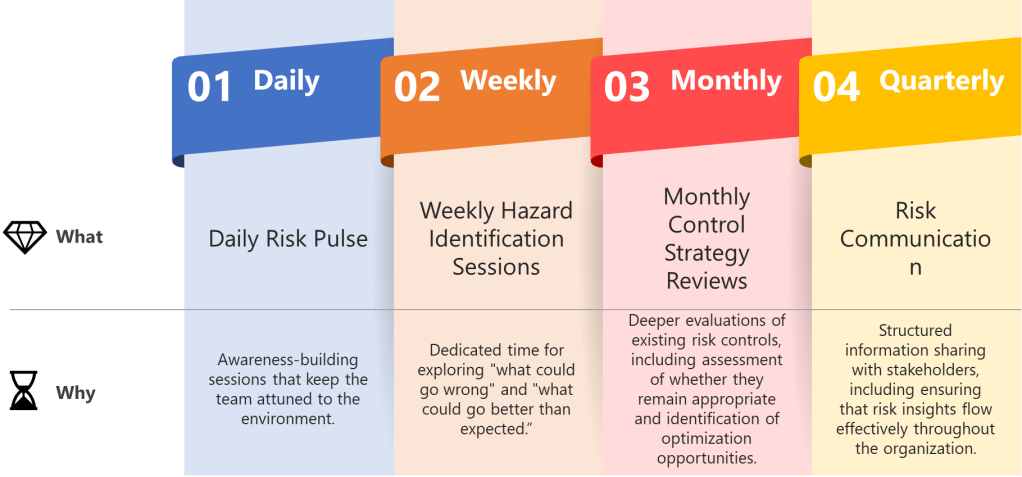
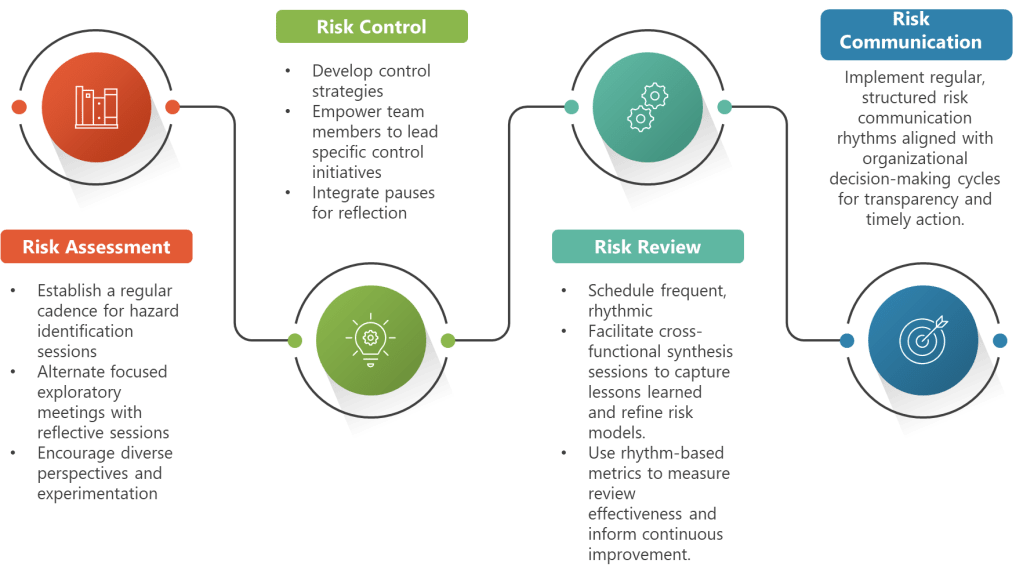
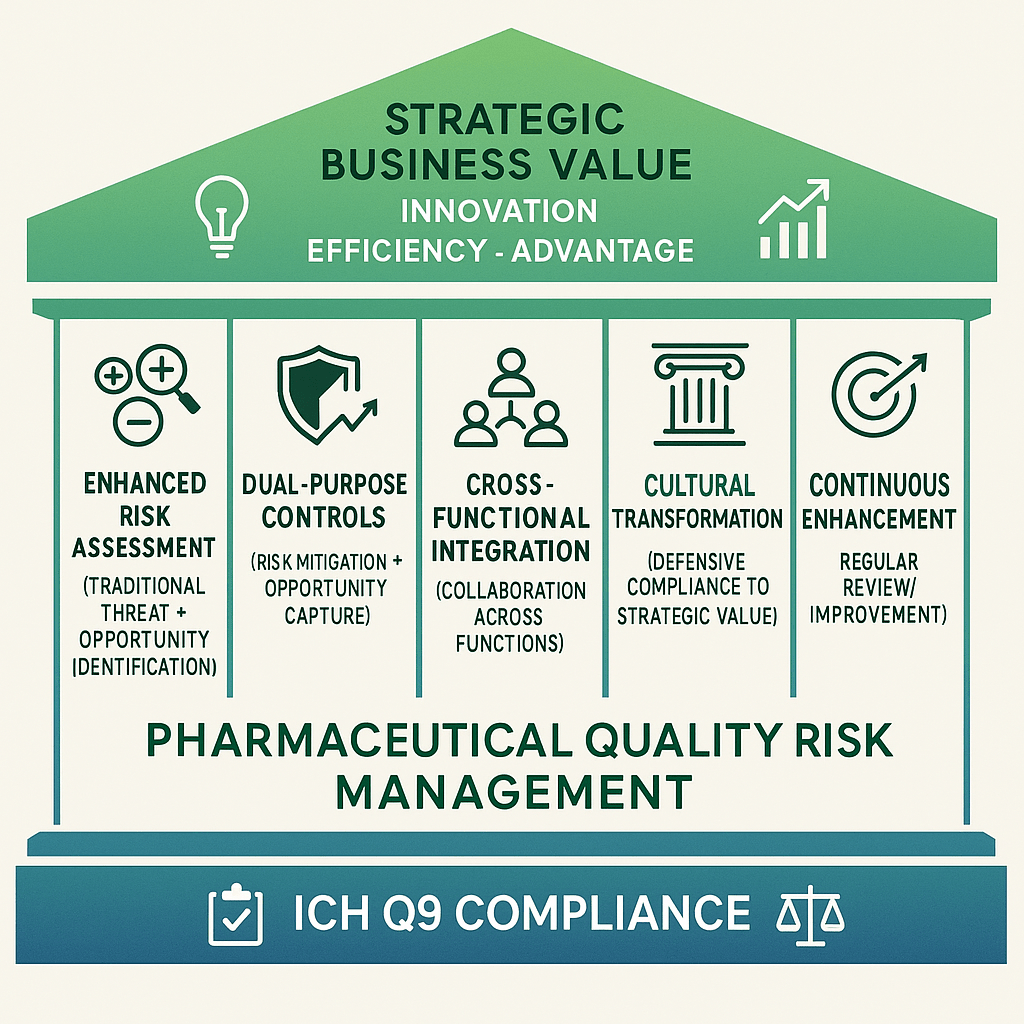
 Investigations of a Dog