
Data integrity has been, for the last few years, one of the hot topics of regulatory agency inspections, one that it has often been noticed seems to be, at times, a popular umbrella for a wide variety of related topics (that usually have a variety of root causes).
Data Integrity is an interesting grab bag because it involves both paper and electronic data. While some of the principles overlap, it sometimes can seem nebulous, Luckily, the MHRA recently published a final guidance on GXP Data Integrity that ties together several threads. This is a great reference document that lays out some key principles:
- Organizational culture should drive ALCOA
- Data governance is part of the management review process
- Data Risk Assessments with appropriate mitigations (full risk management approach)
I love the snarky comment about ALCOA+. More guidances should be this snarky.
The FDA so far this year has been issuing warning letters and 483s in more traditional GMP areas, such as testing and validation. It will be curious if this lessening of focus in a subtle shift in inspection, or just the result of the sites inspected. Either way, building data integrity into your quality systems is a good thing.
Processes and tools for the prevention, detection, analysis, reporting, tracking and remediation of noncompliance to data integrity principles should be integrated into the Quality Management System to:
- Prevention of data integrity issues through governance, training, organizational controls, processes, systems underlying and supporting data integrity.
- Detection of data integrity issues through leveraging existing Quality Systems, tools and personnel.
- Remediation of data integrity issues through leveraging existing Quality Systems that identify and track implementation of corrective/preventive action(s).
Some ways to integrate includes:
- Data integrity training for all employees
- Include as an aspect of audits and self-inspections
- Controls in place to ensure good documentation practices
- good validation practices
- Computer system lifecycle management (include audit trail reviews)
- Ensure your root cause investigators and CAPA people are trained on data integrity
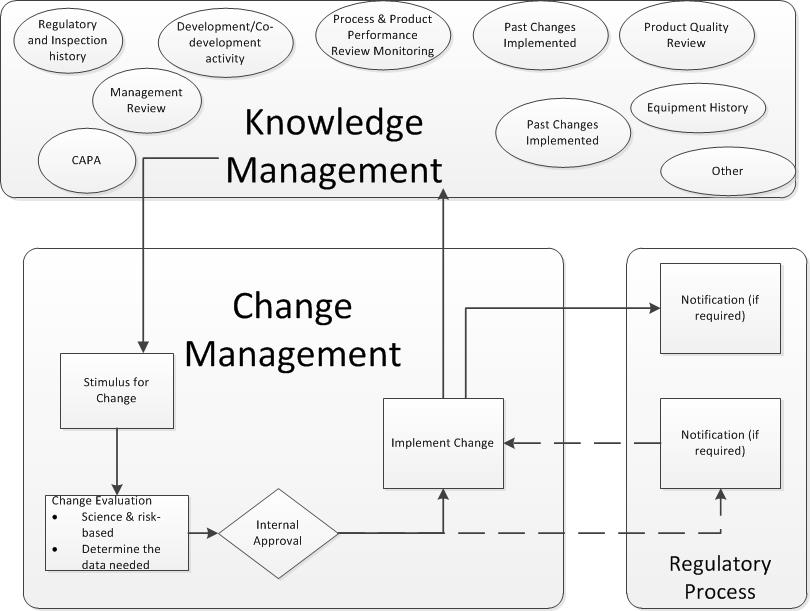
- Data integrity as a critical decision point in change management
Data integrity, like many other aspects of a quality culture, are mindsets and tools that are applied throughout the organization. There really isn’t a single project or fix. By applying data integrity principles regularly and consistently you build and ensure. A such, data integrity is really just an affirmation of good quality principles.

 Investigations of a Dog