The relationship between Gigerenzer’s adaptive toolbox approach and the falsifiable quality risk management framework outlined in “The Effectiveness Paradox” represents and incredibly intellectually satisfying convergences. Rather than competing philosophies, these approaches form a powerful synergy that addresses different but complementary aspects of the same fundamental challenge: making good decisions under uncertainty while maintaining scientific rigor.
The Philosophical Bridge: Bounded Rationality Meets Popperian Falsification
At first glance, heuristic decision-making and falsifiable hypothesis testing might seem to pull in opposite directions. Heuristics appear to shortcut rigorous analysis, while falsification demands systematic testing of explicit predictions. However, this apparent tension dissolves when we recognize that both approaches share a fundamental commitment to ecological rationality—the idea that good decision-making must be adapted to the actual constraints and characteristics of the environment in which decisions are made.
The effectiveness paradox reveals how traditional quality risk management falls into unfalsifiable territory by focusing on proving negatives (“nothing bad happened, therefore our system works”). Gigerenzer’s adaptive toolbox offers a path out of this epistemological trap by providing tools that are inherently testable and context-dependent. Fast-and-frugal heuristics make specific predictions about performance under different conditions, creating exactly the kind of falsifiable hypotheses that the effectiveness paradox demands.
Consider how this works in practice. A traditional risk assessment might conclude that “cleaning validation ensures no cross-contamination risk.” This statement is unfalsifiable—no amount of successful cleaning cycles can prove that contamination is impossible. In contrast, a fast-and-frugal approach might use the simple heuristic: “If visual inspection shows no residue AND the previous product was low-potency AND cleaning time exceeded standard protocol, then proceed to next campaign.” This heuristic makes specific, testable predictions about when cleaning is adequate and when additional verification is needed.
Resolving the Speed-Rigor Dilemma
One of the most persistent challenges in quality risk management is the apparent trade-off between decision speed and analytical rigor. The effectiveness paradox approach emphasizes the need for rigorous hypothesis testing, which seems to conflict with the practical reality that many quality decisions must be made quickly under pressure. Gigerenzer’s work dissolves this apparent contradiction by demonstrating that well-designed heuristics can be both fast AND more accurate than complex analytical methods under conditions of uncertainty.
This insight transforms how we think about the relationship between speed and rigor in quality decision-making. The issue isn’t whether to prioritize speed or accuracy—it’s whether our decision methods are adapted to the ecological structure of the problems we’re trying to solve. In quality environments characterized by uncertainty, limited information, and time pressure, fast-and-frugal heuristics often outperform comprehensive analytical approaches precisely because they’re designed for these conditions.
The key insight from combining both frameworks is that rigorous falsifiable testing should be used to develop and validate heuristics, which can then be applied rapidly in operational contexts. This creates a two-stage approach:
Stage 1: Hypothesis Development and Testing (Falsifiable Approach)
Develop specific, testable hypotheses about what drives quality outcomes
Design systematic tests of these hypotheses
Use rigorous statistical methods to evaluate hypothesis validity
Document the ecological conditions under which relationships hold
Convert validated hypotheses into simple decision rules
Apply fast-and-frugal heuristics for routine decisions
Monitor performance to detect when environmental conditions change
Return to Stage 1 when heuristics no longer perform effectively
The Recognition Heuristic in Quality Pattern Recognition
One of Gigerenzer’s most fascinating findings is the effectiveness of the recognition heuristic—the simple rule that recognized objects are often better than unrecognized ones. This heuristic works because recognition reflects accumulated positive experiences across many encounters, creating a surprisingly reliable indicator of quality or performance.
In quality risk management, experienced professionals develop sophisticated pattern recognition capabilities that often outperform formal analytical methods. A senior quality professional can often identify problematic deviations, concerning supplier trends, or emerging regulatory issues based on subtle patterns that would be difficult to capture in traditional risk matrices. The effectiveness paradox framework provides a way to test and validate these pattern recognition capabilities rather than dismissing them as “unscientific.”
For example, we might hypothesize that “deviations identified as ‘concerning’ by experienced quality professionals within 24 hours of initial review are 3x more likely to require extensive investigation than those not flagged.” This hypothesis can be tested systematically, and if validated, the experienced professionals’ pattern recognition can be formalized into a fast-and-frugal decision tree for deviation triage.
Take-the-Best Meets Hypothesis Testing
The take-the-best heuristic—which makes decisions based on the single most diagnostic cue—provides an elegant solution to one of the most persistent problems in falsifiable quality risk management. Traditional approaches to hypothesis testing often become paralyzed by the need to consider multiple interacting variables simultaneously. Take-the-best suggests focusing on the single most predictive factor and using that for decision-making.
This approach aligns perfectly with the falsifiable framework’s emphasis on making specific, testable predictions. Instead of developing complex multivariate models that are difficult to test and validate, we can develop hypotheses about which single factors are most diagnostic of quality outcomes. These hypotheses can be tested systematically, and the results used to create simple decision rules that focus on the most important factors.
For instance, rather than trying to predict supplier quality using complex scoring systems that weight multiple factors, we might test the hypothesis that “supplier performance on sterility testing is the single best predictor of overall supplier quality for this material category.” If validated, this insight can be converted into a simple take-the-best heuristic: “When comparing suppliers, choose the one with better sterility testing performance.”
The Less-Is-More Effect in Quality Analysis
One of Gigerenzer’s most counterintuitive findings is the less-is-more effect—situations where ignoring information actually improves decision accuracy. This phenomenon occurs when additional information introduces noise that obscures the signal from the most diagnostic factors. The effectiveness paradox provides a framework for systematically identifying when less-is-more effects occur in quality decision-making.
Traditional quality risk assessments often suffer from information overload, attempting to consider every possible factor that might affect outcomes. This comprehensive approach feels more rigorous but can actually reduce decision quality by giving equal weight to diagnostic and non-diagnostic factors. The falsifiable approach allows us to test specific hypotheses about which factors actually matter and which can be safely ignored.
Consider CAPA effectiveness evaluation. Traditional approaches might consider dozens of factors: timeline compliance, thoroughness of investigation, number of corrective actions implemented, management involvement, training completion rates, and so on. A less-is-more approach might hypothesize that “CAPA effectiveness is primarily determined by whether the root cause was correctly identified within 30 days of investigation completion.” This hypothesis can be tested by examining the relationship between early root cause identification and subsequent recurrence rates.
If validated, this insight enables much simpler and more effective CAPA evaluation: focus primarily on root cause identification quality and treat other factors as secondary. This not only improves decision speed but may actually improve accuracy by avoiding the noise introduced by less diagnostic factors.
Satisficing Versus Optimizing in Risk Management
Herbert Simon’s concept of satisficing—choosing the first option that meets acceptance criteria rather than searching for the optimal solution—provides another bridge between the adaptive toolbox and falsifiable approaches. Traditional quality risk management often falls into optimization traps, attempting to find the “best” possible solution through comprehensive analysis. But optimization requires complete information about alternatives and their consequences—conditions that rarely exist in quality management.
The effectiveness paradox reveals why optimization-focused approaches often produce unfalsifiable results. When we claim that our risk management approach is “optimal,” we create statements that can’t be tested because we don’t have access to all possible alternatives or their outcomes. Satisficing approaches make more modest claims that can be tested: “This approach meets our minimum requirements for patient safety and operational efficiency.”
The falsifiable framework allows us to test satisficing criteria systematically. We can develop hypotheses about what constitutes “good enough” performance and test whether decisions meeting these criteria actually produce acceptable outcomes. This creates a virtuous cycle where satisficing criteria become more refined over time based on empirical evidence.
Ecological Rationality in Regulatory Environments
The concept of ecological rationality—the idea that decision strategies should be adapted to the structure of the environment—provides crucial insights for applying both frameworks in regulatory contexts. Regulatory environments have specific characteristics: high uncertainty, severe consequences for certain types of errors, conservative decision-making preferences, and emphasis on process documentation.
Traditional approaches often try to apply the same decision methods across all contexts, leading to over-analysis in some situations and under-analysis in others. The combined framework suggests developing different decision strategies for different regulatory contexts:
High-Stakes Novel Situations: Use comprehensive falsifiable analysis to develop and test hypotheses about system behavior. Document the logic and evidence supporting conclusions.
Routine Operational Decisions: Apply validated fast-and-frugal heuristics that have been tested in similar contexts. Monitor performance and return to comprehensive analysis if performance degrades.
Emergency Situations: Use the simplest effective heuristics that can be applied quickly while maintaining safety. Design these heuristics based on prior falsifiable analysis of emergency scenarios.
The Integration Challenge: Building Hybrid Systems
The most practical application of combining these frameworks involves building hybrid quality systems that seamlessly integrate falsifiable hypothesis testing with adaptive heuristic application. This requires careful attention to when each approach is most appropriate and how transitions between approaches should be managed.
Situations where speed of response affects outcomes
Decisions by experienced personnel in their area of expertise
The key insight is that these aren’t competing approaches but complementary tools that should be applied strategically based on situational characteristics.
Practical Implementation: A Unified Framework
Implementing the combined approach requires systematic attention to both the development of falsifiable hypotheses and the creation of adaptive heuristics based on validated insights. This implementation follows a structured process:
Phase 1: Ecological Analysis
Characterize the decision environment: information availability, time constraints, consequence severity, frequency of similar decisions
Identify existing heuristics used by experienced personnel
Document decision patterns and outcomes in historical data
Phase 2: Hypothesis Development
Convert existing heuristics into specific, testable hypotheses
Develop hypotheses about environmental factors that affect decision quality
Create predictions about when different approaches will be most effective
Phase 3: Systematic Testing
Design studies to test hypothesis validity under different conditions
Collect data on decision outcomes using different approaches
Analyze performance across different environmental conditions
Phase 4: Heuristic Refinement
Convert validated hypotheses into simple decision rules
Design training materials for consistent heuristic application
Create monitoring systems to track heuristic performance
Phase 5: Adaptive Management
Monitor environmental conditions for changes that might affect heuristic validity
Design feedback systems that detect when re-analysis is needed
Create processes for updating heuristics based on new evidence
The Cultural Transformation: From Analysis Paralysis to Adaptive Excellence
Perhaps the most significant impact of combining these frameworks is the cultural shift from analysis paralysis to adaptive excellence. Traditional quality cultures often equate thoroughness with quality, leading to over-analysis of routine decisions and under-analysis of genuinely novel challenges. The combined framework provides clear criteria for matching analytical effort to decision importance and novelty.
This cultural shift requires leadership that understands the complementary nature of rigorous analysis and adaptive heuristics. Organizations must develop comfort with different decision approaches for different situations while maintaining consistent standards for decision quality and documentation.
Key Cultural Elements:
Scientific Humility: Acknowledge that our current understanding is provisional and may need revision based on new evidence
Adaptive Confidence: Trust validated heuristics in appropriate contexts while remaining alert to changing conditions
Learning Orientation: View both successful and unsuccessful decisions as opportunities to refine understanding
Contextual Wisdom: Develop judgment about when comprehensive analysis is needed versus when heuristics are sufficient
Addressing the Regulatory Acceptance Question
One persistent concern about implementing either falsifiable or heuristic approaches is regulatory acceptance. Will inspectors accept decision-making approaches that deviate from traditional comprehensive documentation? The answer lies in understanding that regulators themselves use both approaches routinely.
Experienced regulatory inspectors develop sophisticated heuristics for identifying potential problems and focusing their attention efficiently. They don’t systematically examine every aspect of every system—they use diagnostic shortcuts to guide their investigations. Similarly, regulatory agencies increasingly emphasize risk-based approaches that focus analytical effort where it provides the most value for patient safety.
The key to regulatory acceptance is demonstrating that combined approaches enhance rather than compromise patient safety through:
More Reliable Decision-Making: Heuristics validated through systematic testing are more reliable than ad hoc judgments
Faster Problem Detection: Adaptive approaches can identify and respond to emerging issues more quickly
Resource Optimization: Focus intensive analysis where it provides the most value for patient safety
Continuous Improvement: Systematic feedback enables ongoing refinement of decision approaches
The Future of Quality Decision-Making
The convergence of Gigerenzer’s adaptive toolbox with falsifiable quality risk management points toward a future where quality decision-making becomes both more scientific and more practical. This future involves:
Precision Decision-Making: Matching decision approaches to situational characteristics rather than applying one-size-fits-all methods.
Evidence-Based Heuristics: Simple decision rules backed by rigorous testing and validation rather than informal rules of thumb.
Adaptive Systems: Quality management approaches that evolve based on performance feedback and changing conditions rather than static compliance frameworks.
Scientific Culture: Organizations that embrace both rigorous hypothesis testing and practical heuristic application as complementary aspects of effective quality management.
Conclusion: The Best of Both Worlds
The relationship between Gigerenzer’s adaptive toolbox and falsifiable quality risk management demonstrates that the apparent tension between scientific rigor and practical decision-making is a false dichotomy. Both approaches share a commitment to ecological rationality and empirical validation, but they operate at different time scales and levels of analysis.
The effectiveness paradox reveals the limitations of traditional approaches that attempt to prove system effectiveness through negative evidence. Gigerenzer’s adaptive toolbox provides practical tools for making good decisions under the uncertainty that characterizes real quality environments. Together, they offer a path toward quality risk management that is both scientifically rigorous and operationally practical.
This synthesis doesn’t require choosing between speed and accuracy, or between intuition and analysis. Instead, it provides a framework for applying the right approach at the right time, backed by systematic evidence about when each approach works best. The result is quality decision-making that is simultaneously more rigorous and more adaptive—exactly what our industry needs to meet the challenges of an increasingly complex regulatory and competitive environment.
The pharmaceutical industry has long operated under a defensive mindset when it comes to risk management. We identify what could go wrong, assess the likelihood and impact of failure modes, and implement controls to prevent or mitigate negative outcomes. This approach, while necessary and required by ICH Q9, represents only half the risk equation. What our quality risk management program could become not just a compliance necessity, but a strategic driver of innovation, efficiency, and competitive advantage?
Enter the ISO 31000 perspective on risk—one that recognizes risk as “the effect of uncertainty on objectives,” where that effect can be positive, negative, or both. This broader definition opens up transformative possibilities for how we approach quality risk management in pharmaceutical manufacturing. Rather than solely focusing on preventing bad things from happening, we can start identifying and capitalizing on good things that might occur.
The Evolution of Risk Thinking in Pharmaceuticals
For decades, our industry’s risk management approach has been shaped by regulatory necessity and liability concerns. The introduction of ICH Q9 in 2005—and its recent revision in 2023—provided a structured framework for quality risk management that emphasizes scientific knowledge, proportional formality, and patient protection. This framework has served us well, establishing systematic approaches to risk assessment, control, communication, and review.
However, the updated ICH Q9(R1) recognizes that we’ve been operating with significant blind spots. The revision addresses issues including “high levels of subjectivity in risk assessments,” “failing to adequately manage supply and product availability risks,” and “lack of clarity on risk-based decision-making”. These challenges suggest that our traditional approach to risk management, while compliant, may not be fully leveraging the strategic value that comprehensive risk thinking can provide.
The ISO 31000 standard offers a complementary perspective that can address these gaps. By defining risk as uncertainty’s effect on objectives—with explicit recognition that this effect can create opportunities as well as threats—ISO 31000 provides a framework for risk management that is inherently more strategic and value-creating.
Understanding Risk as Opportunity in the Pharmaceutical Context
Lot us start by establishing a clear understanding of what “positive risk” or “opportunity” means in our context. In pharmaceutical quality management, opportunities are uncertain events or conditions that, if they occur, would enhance our ability to achieve quality objectives beyond our current expectations.
Consider these examples:
Manufacturing Process Opportunities: A new analytical method validates faster than anticipated, allowing for reduced testing cycles and increased throughput. The uncertainty around validation timelines created an opportunity that, when realized, improved operational efficiency while maintaining quality standards.
Supply Chain Opportunities: A raw material supplier implements process improvements that result in higher-purity ingredients at lower cost. This positive deviation from expected quality created opportunities for enhanced product stability and improved margins.
Technology Integration Opportunities: Implementation of process analytical technology (PAT) tools not only meets their intended monitoring purpose but reveals previously unknown process insights that enable further optimization opportunities.
Regulatory Opportunities: A comprehensive quality risk assessment submitted as part of a regulatory filing demonstrates such thorough understanding of the product and process that regulators grant additional manufacturing flexibility, creating opportunities for more efficient operations.
These scenarios illustrate how uncertainty—the foundation of all risk—can work in our favor when we’re prepared to recognize and capitalize on positive outcomes.
The Strategic Value of Opportunity-Based Risk Management
Integrating opportunity recognition into your quality risk management program delivers value across multiple dimensions:
Enhanced Innovation Capability
Traditional risk management often creates conservative cultures where “safe” decisions are preferred over potentially transformative ones. By systematically identifying and evaluating opportunities, we can make more balanced decisions that account for both downside risks and upside potential. This leads to greater willingness to explore innovative approaches to quality challenges while maintaining appropriate risk controls.
Improved Resource Allocation
When we only consider negative risks, we tend to over-invest in protective measures while under-investing in value-creating activities. Opportunity-oriented risk management helps optimize resource allocation by identifying where investments might yield unexpected benefits beyond their primary purpose.
Strengthened Competitive Position
Companies that effectively identify and capitalize on quality-related opportunities can develop competitive advantages through superior operational efficiency, faster time-to-market, enhanced product quality, or innovative approaches to regulatory compliance.
Cultural Transformation
Perhaps most importantly, embracing opportunities transforms the perception of risk management from a necessary burden to a strategic enabler. This cultural shift encourages proactive thinking, innovation, and continuous improvement throughout the organization.
Mapping ISO 31000 Principles to ICH Q9 Requirements
The beauty of integrating ISO 31000’s opportunity perspective with ICH Q9 compliance lies in their fundamental compatibility. Both frameworks emphasize systematic, science-based approaches to risk management with proportional formality based on risk significance. The key difference is scope—ISO 31000’s broader definition of risk naturally encompasses opportunities alongside threats.
Risk Assessment Enhancement
ICH Q9 requires risk assessment to include hazard identification, analysis, and evaluation. The ISO 31000 approach enhances this by expanding identification beyond failure modes to include potential positive outcomes. During hazard analysis and risk assessment (HARA), we can systematically ask not only “what could go wrong?” but also “what could go better than expected?” and “what positive outcomes might emerge from this uncertainty?”
For example, when assessing risks associated with implementing a new manufacturing technology, traditional ICH Q9 assessment would focus on potential failures, integration challenges, and validation risks. The enhanced approach would also identify opportunities for improved process understanding, unexpected efficiency gains, or novel approaches to quality control that might emerge during implementation.
Risk Control Expansion
ICH Q9’s risk control phase traditionally focuses on risk reduction and risk acceptance. The ISO 31000 perspective adds a third dimension: opportunity enhancement. This involves implementing controls or strategies that not only mitigate negative risks but also position the organization to capitalize on positive uncertainties should they occur.
Consider controls designed to manage analytical method transfer risks. Traditional controls might include extensive validation studies, parallel testing, and contingency procedures. Opportunity-enhanced controls might also include structured data collection protocols designed to identify process insights, cross-training programs that build broader organizational capabilities, or partnerships with equipment vendors that could lead to preferential access to new technologies.
Risk Communication and Opportunity Awareness
ICH Q9 emphasizes the importance of risk communication among stakeholders. When we expand this to include opportunity communication, we create organizational awareness of positive possibilities that might otherwise go unrecognized. This enhanced communication helps ensure that teams across the organization are positioned to identify and report positive deviations that could represent valuable opportunities.
Risk Review and Opportunity Capture
The risk review process required by ICH Q9 becomes more dynamic when it includes opportunity assessment. Regular reviews should evaluate not only whether risk controls remain effective, but also whether any positive outcomes have emerged that could be leveraged for further benefit. This creates a feedback loop that continuously enhances both risk management and opportunity realization.
Implementation Framework
Implementing opportunity-based risk management within your existing ICH Q9 program requires systematic integration rather than wholesale replacement. Here’s a practical framework for making this transition:
Phase 1: Assessment and Planning
Begin by evaluating your current risk management processes to identify integration points for opportunity assessment. Review existing risk assessments to identify cases where positive outcomes might have been overlooked. Establish criteria for what constitutes a meaningful opportunity in your context—this might include potential cost savings, quality improvements, efficiency gains, or innovation possibilities above defined thresholds.
Key activities include:
Mapping current risk management processes against ISO 31000 principles
Perform a readiness evaluation
Training risk management teams on opportunity identification techniques
Developing templates and tools that prompt opportunity consideration
Establishing metrics for tracking opportunity identification and realization
Readiness Evaluation
Before implementing opportunity-based risk management, conduct a thorough assessment of organizational readiness and capability. This includes evaluating current risk management maturity, cultural factors that might support or hinder adoption, and existing processes that could be enhanced.
Key assessment areas include:
Current risk management process effectiveness and consistency
Organizational culture regarding innovation and change
Leadership support for expanded risk management approaches
Available resources for training and process enhancement
Systematically integrate opportunity assessment into your existing risk management workflows. This doesn’t require new procedures—rather, it involves enhancing existing processes to ensure opportunity identification receives appropriate attention alongside threat assessment.
Modify risk assessment templates to include opportunity identification sections. Train teams to ask opportunity-focused questions during risk identification sessions. Develop criteria for evaluating opportunity significance using similar approaches to threat assessment—considering likelihood, impact, and detectability.
Update risk control strategies to include opportunity enhancement alongside risk mitigation. This might involve designing controls that serve dual purposes or implementing monitoring systems that can detect positive deviations as well as negative ones.
This is the phase I am currently working through. Make sure to do a pilot program!
Pilot Program Development
Start with pilot programs in areas where opportunities are most likely to be identified and realized. This might include new product development projects, technology implementation initiatives, or process improvement activities where uncertainty naturally creates both risks and opportunities.
Design pilot programs to:
Test opportunity identification and evaluation methods
Develop organizational capability and confidence
Create success stories that support broader adoption
Refine processes and tools based on practical experience
Phase 3: Cultural Integration
The success of opportunity-based risk management ultimately depends on cultural adoption. Teams need to feel comfortable identifying and discussing positive possibilities without being perceived as overly optimistic or insufficiently rigorous.
Establish communication protocols that encourage opportunity reporting alongside issue escalation. Recognize and celebrate cases where teams successfully identify and capitalize on opportunities. Incorporate opportunity realization into performance metrics and success stories.
Scaling and Integration Strategy
Based on pilot program results, develop a systematic approach for scaling opportunity-based risk management across the organization. This should include timelines, resource requirements, training programs, and change management strategies.
Consider factors such as:
Process complexity and risk management requirements in different areas
Organizational change capacity and competing priorities
Resource availability and investment requirements
Integration with other improvement and innovation initiatives
Phase 4: Continuous Enhancement
Like all aspects of quality risk management, opportunity integration requires continuous improvement. Regular assessment of the program’s effectiveness in identifying and capitalizing on opportunities helps refine the approach over time.
Conduct periodic reviews of opportunity identification accuracy—are teams successfully recognizing positive outcomes when they occur? Evaluate opportunity realization effectiveness—when opportunities are identified, how successfully does the organization capitalize on them? Use these insights to enhance training, processes, and organizational support for opportunity-based risk management.
Long-term Sustainability Planning
Ensure that opportunity-based risk management becomes embedded in organizational culture and processes rather than remaining dependent on individual champions or special programs. This requires systematic integration into standard operating procedures, performance metrics, and leadership expectations.
Plan for:
Ongoing training and capability development programs
Regular assessment and continuous improvement of opportunity identification processes
Integration with career development and advancement criteria
Long-term resource allocation and organizational support
Tools and Techniques for Opportunity Integration
Include a Success Mode and Benefits Analysis in your FMEA (Failure Mode and Effects Analysis)
Traditional FMEA focuses on potential failures and their effects. Opportunity-enhanced FMEA includes “Success Mode and Benefits Analysis” (SMBA) that systematically identifies potential positive outcomes and their benefits. For each process step, teams assess not only what could go wrong, but also what could go better than expected and how to position the organization to benefit from such outcomes.
A Success Mode and Benefits Analysis (SMBA) is the positive complement to the traditional Failure Mode and Effects Analysis (FMEA). While FMEA identifies where things can go wrong and how to prevent or mitigate failures, SMBA systematically evaluates how things can go unexpectedly right—helping organizations proactively capture, enhance, and realize benefits that arise from process successes, innovations, or positive deviations.
What Does a Success Mode and Benefits Analysis Look Like?
The SMBA is typically structured as a table or worksheet with a format paralleling the FMEA, but with a focus on positive outcomes and opportunities. A typical SMBA process includes the following columns and considerations:
Step/Column
Description
Process Step/Function
The specific process, activity, or function under investigation.
Success Mode
Description of what could go better than expected or intended—what’s the positive deviation?
Benefits/Effects
The potential beneficial effects if the success mode occurs (e.g., improved yield, faster cycle, enhanced quality, regulatory flexibility).
Likelihood (L)
Estimated probability that the success mode will occur.
Magnitude of Benefit (M)
Qualitative or quantitative evaluation of how significant the benefit would be (e.g., minor, moderate, major; or by quantifiable metrics).
Detectability
Can the opportunity be spotted early? What are the triggers or signals of this benefit occurring?
Actions to Capture/Enhance
Steps or controls that could help ensure the success is recognized and benefits are realized (e.g., monitoring plans, training, adaptation of procedures).
Benefit Priority Number (BPN)
An optional calculated field (e.g., L × M) to help the team prioritize follow-up actions.
Proactive Opportunity Identification: Instead of waiting for positive results to emerge, the process prompts teams to seek out “what could go better than planned?”.
Systematic Benefit Analysis: Quantifies or qualifies benefits just as FMEA quantifies risk.
Follow-Up Actions: Establishes ways to amplify and institutionalize successes.
When and How to Use SMBA
Use SMBA alongside FMEA during new technology introductions, process changes, or annual reviews.
Integrate into cross-functional risk assessments to balance risk aversion with innovation.
Use it to foster a culture that not just “prevents failure,” but actively “captures opportunity” and learns from success.
Opportunity-Integrated Risk Matrices
Traditional risk matrices plot likelihood versus impact for negative outcomes. Enhanced matrices include separate quadrants or scales for positive outcomes, allowing teams to visualize both threats and opportunities in the same framework. This provides a more complete picture of uncertainty and helps prioritize actions based on overall risk-opportunity balance.
Scenario Planning with Upside Cases
While scenario planning typically focuses on “what if” situations involving problems, opportunity-oriented scenario planning includes “what if” situations involving unexpected successes. This helps teams prepare to recognize and capitalize on positive outcomes that might otherwise be missed.
Innovation-Focused Risk Assessments
When evaluating new technologies, processes, or approaches, include systematic assessment of innovation opportunities that might emerge. This involves considering not just whether the primary objective will be achieved, but what secondary benefits or unexpected capabilities might develop during implementation.
Organizational Considerations
Leadership Commitment and Cultural Change
Successful integration of opportunity-based risk management requires genuine leadership commitment to cultural change. Leaders must model behavior that values both threat mitigation and opportunity creation. This means celebrating teams that identify valuable opportunities alongside those that prevent significant risks.
Leadership should establish clear expectations that risk management includes opportunity identification as a core responsibility. Performance metrics, recognition programs, and resource allocation decisions should reflect this balanced approach to uncertainty management.
Training and Capability Development
Teams need specific training to develop opportunity identification skills. While threat identification often comes naturally in quality-conscious cultures, opportunity recognition requires different cognitive approaches and tools.
Training programs should include:
Techniques for identifying positive potential outcomes
Methods for evaluating opportunity significance and likelihood
Approaches for designing controls that enhance opportunities while mitigating risks
Communication skills for discussing opportunities without compromising analytical rigor
Cross-Functional Integration
Opportunity-based risk management is most effective when integrated across organizational functions. Quality teams might identify process improvement opportunities, while commercial teams recognize market advantages, and technical teams discover innovation possibilities.
Establishing cross-functional opportunity review processes ensures that identified opportunities receive appropriate evaluation and resource allocation regardless of their origin. Regular communication between functions helps build organizational capability to recognize and act on opportunities systematically.
Measuring Success in Opportunity-Based Risk Management
Existing risk management metrics typically focus on negative outcome prevention: deviation rates, incident frequency, compliance scores, and similar measures. While these remain important, opportunity-based programs should also track positive outcome realization.
Enhanced metrics might include:
Number of opportunities identified per risk assessment
Percentage of identified opportunities that are successfully realized
Value generated from opportunity realization (cost savings, quality improvements, efficiency gains)
Time from opportunity identification to realization
Innovation and Improvement Indicators
Opportunity-focused risk management should drive increased innovation and continuous improvement. Tracking metrics related to process improvements, technology adoption, and innovation initiatives provides insight into the program’s effectiveness in creating value beyond compliance.
Consider monitoring:
Rate of process improvement implementation
Success rate of new technology adoptions
Number of best practices developed and shared across the organization
Frequency of positive deviations that lead to process optimization
Cultural and Behavioral Measures
The ultimate success of opportunity-based risk management depends on cultural integration. Measuring changes in organizational attitudes, behaviors, and capabilities provides insight into program sustainability and long-term impact.
Relevant measures include:
Employee engagement with risk management processes
Frequency of voluntary opportunity reporting
Cross-functional collaboration on risk and opportunity initiatives
Leadership participation in opportunity evaluation and resource allocation
Regulatory Considerations and Compliance Integration
Maintaining ICH Q9 Compliance
The opportunity-enhanced approach must maintain full compliance with ICH Q9 requirements while adding value through expanded scope. This means ensuring that all required elements of risk assessment, control, communication, and review continue to receive appropriate attention and documentation.
Regulatory submissions should clearly demonstrate that opportunity identification enhances rather than compromises systematic risk evaluation. Documentation should show how opportunity assessment strengthens process understanding and control strategy development.
Communicating Value to Regulators
Regulators are increasingly interested in risk-based approaches that demonstrate genuine process understanding and continuous improvement capabilities. Opportunity-based risk management can strengthen regulatory relationships by demonstrating sophisticated thinking about process optimization and quality enhancement.
When communicating with regulatory agencies, emphasize how opportunity identification improves process understanding, enhances control strategy development, and supports continuous improvement objectives. Show how the approach leads to better risk control through deeper process knowledge and more robust quality systems.
Global Harmonization Considerations
Different regulatory regions may have varying levels of comfort with opportunity-focused risk management discussions. While the underlying risk management activities remain consistent with global standards, communication approaches should be tailored to regional expectations and preferences.
Focus regulatory communications on how enhanced risk understanding leads to better patient protection and product quality, rather than on business benefits that might appear secondary to regulatory objectives.
Conclusion
Integrating ISO 31000’s opportunity perspective with ICH Q9 compliance represents more than a process enhancement and is a shift toward strategic risk management that positions quality organizations as value creators rather than cost centers. By systematically identifying and capitalizing on positive uncertainties, we can transform quality risk management from a defensive necessity into an offensive capability that drives innovation, efficiency, and competitive advantage.
The framework outlined here provides a practical path forward that maintains regulatory compliance while unlocking the strategic value inherent in comprehensive risk thinking. Success requires leadership commitment, cultural change, and systematic implementation, but the potential returns—in terms of operational excellence, innovation capability, and competitive position—justify the investment.
As we continue to navigate an increasingly complex and uncertain business environment, organizations that master the art of turning uncertainty into opportunity will be best positioned to thrive. The integration of ISO 31000’s risk-as-opportunities approach with ICH Q9 compliance provides a roadmap for achieving this mastery while maintaining the rigorous standards our industry demands.
The Hidden Architecture of Risk Assessment Failure
Peter Baker‘s blunt assessment, “We allowed all these players into the market who never should have been there in the first place, ” hits at something we all recognize but rarely talk about openly. Here’s the uncomfortable truth: even seasoned quality professionals with decades of experience and proven methodologies can miss critical risks that seem obvious in hindsight. Recognizing this truth is not about competence or dedication. It is about acknowledging that our expertise, no matter how extensive, operates within cognitive frameworks that can create blind spots. The real opportunity lies in understanding how these mental patterns shape our decisions and building knowledge systems that help us see what we might otherwise miss. When we’re honest about these limitations, we can strengthen our approaches and create more robust quality systems.
The framework of risk management, designed to help avoid the monsters of bad decision-making, can all too often fail us. Luckily, the Pharmaceutical Inspection Co-operation Scheme (PIC/S) guidance document PI 038-2 “Assessment of Quality Risk Management Implementation” identifies three critical observations that reveal systematic vulnerabilities in risk management practice: unjustified assumptions, incomplete identification of risks or inadequate information, and lack of relevant experience with inappropriate use of risk assessment tools. These observations represent something more profound than procedural failures—they expose cognitive and knowledge management vulnerabilities that can undermine even the most well-intentioned quality systems..
Understanding these vulnerabilities through the lens of cognitive behavioral science and knowledge management principles provides a pathway to more robust and resilient quality systems. Instead of viewing these failures as isolated incidents or individual shortcomings, we should recognize them as predictable patterns that emerge from systematic limitations in how humans process information and organizations manage knowledge. This recognition opens the door to designing quality systems that work with, rather than against, these cognitive realities
The Framework Foundation of Risk Management Excellence
Risk management operates fundamentally as a frameworkrather than a rigid methodology, providing the structural architecture that enables systematic approaches to identifying, assessing, and controlling uncertainties that could impact pharmaceutical quality objectives. This distinction proves crucial for understanding how cognitive biases manifest within risk management systems and how excellence-driven quality systems can effectively address them.
A framework establishes the high-level structure, principles, and processes for managing risks systematically while allowing flexibility in execution and adaptation to specific organizational contexts. The framework defines structural components like governance and culture, strategy and objective-setting, and performance monitoring that establish the scaffolding for risk management without prescribing inflexible procedures.
Within this framework structure, organizations deploy specific methodological elements as tools for executing particular risk management tasks. These methodologies include techniques such as Failure Mode and Effects Analysis (FMEA), brainstorming sessions, SWOT analysis, and risk surveys for identification activities, while assessment methodologies encompass qualitative and quantitative approaches including statistical models and scenario analysis. The critical insight is that frameworks provide the systematic architecture that counters cognitive biases, while methodologies are specific techniques deployed within this structure.
This framework approach directly addresses the three PIC/S observations by establishing systematic requirements that counter natural cognitive tendencies. Standardized framework processes force systematic consideration of risk factors rather than allowing teams to rely on intuitive pattern recognition that might be influenced by availability bias or anchoring on familiar scenarios. Documented decision rationales required by framework approaches make assumptions explicit and subject to challenge, preventing the perpetuation of unjustified beliefs that may have become embedded in organizational practices.
The governance components inherent in risk management frameworks address the expertise and knowledge management challenges identified in PIC/S guidance by establishing clear roles, responsibilities, and requirements for appropriate expertise involvement in risk assessment activities. Rather than leaving expertise requirements to chance or individual judgment, frameworks systematically define when specialized knowledge is required and how it should be accessed and validated.
ICH Q9’s approach to Quality Risk Management in pharmaceuticals demonstrates this framework principle through its emphasis on scientific knowledge and proportionate formality. The guideline establishes framework requirements that risk assessments be “based on scientific knowledge and linked to patient protection” while allowing methodological flexibility in how these requirements are met. This framework approach provides systematic protection against the cognitive biases that lead to unjustified assumptions while supporting the knowledge management processes necessary for complete risk identification and appropriate tool application.
The continuous improvement cycles embedded in mature risk management frameworks provide ongoing validation of cognitive bias mitigation effectiveness through operational performance data. These systematic feedback loops enable organizations to identify when initial assumptions prove incorrect or when changing conditions alter risk profiles, supporting the adaptive learning required for sustained excellence in pharmaceutical risk management.
The Systematic Nature of Risk Assessment Failure
Unjustified Assumptions: When Experience Becomes Liability
The first PIC/S observation—unjustified assumptions—represents perhaps the most insidious failure mode in pharmaceutical risk management. These are decisions made without sufficient scientific evidence or rational basis, often arising from what appears to be strength: extensive experience with familiar processes. The irony is that the very expertise we rely upon can become a source of systematic error when it leads to unfounded confidence in our understanding.
This phenomenon manifests most clearly in what cognitive scientists call anchoring bias—the tendency to rely too heavily on the first piece of information encountered when making decisions. In pharmaceutical risk assessments, this might appear as teams anchoring on historical performance data without adequately considering how process changes, equipment aging, or supply chain modifications might alter risk profiles. The assumption becomes: “This process has worked safely for five years, so the risk profile remains unchanged.”
Confirmation bias compounds this issue by causing assessors to seek information that confirms their existing beliefs while ignoring contradictory evidence. Teams may unconsciously filter available data to support predetermined conclusions about process reliability or control effectiveness. This creates a self-reinforcing cycle where assumptions become accepted facts, protected from challenge by selective attention to supporting evidence.
The knowledge management dimension of this failure is equally significant. Organizations often lack systematic approaches to capturing and validating the assumptions embedded in institutional knowledge. Tacit knowledge—the experiential, intuitive understanding that experts develop over time—becomes problematic when it remains unexamined and unchallenged. Without explicit processes to surface and test these assumptions, they become invisible constraints on risk assessment effectiveness.
Incomplete Risk Identification: The Boundaries of Awareness
The second observation—incomplete identification of risks or inadequate information—reflects systematic failures in the scope and depth of risk assessment activities. This represents more than simple oversight; it demonstrates how cognitive limitations and organizational boundaries constrain our ability to identify potential hazards comprehensively.
Availability bias plays a central role in this failure mode. Risk assessment teams naturally focus on hazards that are easily recalled or recently experienced, leading to overemphasis on dramatic but unlikely events while underestimating more probable but less memorable risks. A team might spend considerable time analyzing the risk of catastrophic equipment failure while overlooking the cumulative impact of gradual process drift or material variability.
The knowledge management implications are profound. Organizations often struggle with knowledge that exists in isolated pockets of expertise. Critical information about process behaviors, failure modes, or control limitations may be trapped within specific functional areas or individual experts. Without systematic mechanisms to aggregate and synthesize distributed knowledge, risk assessments operate on fundamentally incomplete information.
Groupthink and organizational boundaries further constrain risk identification. When risk assessment teams are composed of individuals from similar backgrounds or organizational levels, they may share common blind spots that prevent recognition of certain hazard categories. The pressure to reach consensus can suppress dissenting views that might identify overlooked risks.
Inappropriate Tool Application: When Methodology Becomes Mythology
The third observation—lack of relevant experience with process assessment and inappropriate use of risk assessment tools—reveals how methodological sophistication can mask fundamental misunderstanding. This failure mode is particularly dangerous because it generates false confidence in risk assessment conclusions while obscuring the limitations of the analysis.
Overconfidence bias drives teams to believe they have more expertise than they actually possess, leading to misapplication of complex risk assessment methodologies. A team might apply Failure Mode and Effects Analysis (FMEA) to a novel process without adequate understanding of either the methodology’s limitations or the process’s unique characteristics. The resulting analysis appears scientifically rigorous while providing misleading conclusions about risk levels and control effectiveness.
This connects directly to knowledge management failures in expertise distribution and access. Organizations may lack systematic approaches to identifying when specialized knowledge is required for risk assessments and ensuring that appropriate expertise is available when needed. The result is risk assessments conducted by well-intentioned teams who lack the specific knowledge required for accurate analysis.
The problem is compounded when organizations rely heavily on external consultants or standardized methodologies without developing internal capabilities for critical evaluation. While external expertise can be valuable, sole reliance on these resources may result in inappropriate conclusions or a lack of ownership of the assessment, as the PIC/S guidance explicitly warns.
The Role of Negative Reasoning in Risk Assessment
The research on causal reasoning versus negative reasoning from Energy Safety Canada provides additional insight into systematic failures in pharmaceutical risk assessments. Traditional root cause analysis often focuses on what did not happen rather than what actually occurred—identifying “counterfactuals” such as “operators not following procedures” or “personnel not stopping work when they should have.”
This approach, termed “negative reasoning,” is fundamentally flawed because what was not happening cannot create the outcomes we experienced. These counterfactuals “exist only in retrospection and never actually influenced events,” yet they dominate many investigation conclusions. In risk assessment contexts, this manifests as teams focusing on the absence of desired behaviors or controls rather than understanding the positive factors that actually influence system performance.
The shift toward causal reasoning requires understanding what actually occurred and what factors positively influenced the outcomes observed.
Knowledge-Enabled Decision Making
The intersection of cognitive science and knowledge management reveals how organizations can design systems that support better risk assessment decisions. Knowledge-enabled decision making requires structures that make relevant information accessible at the point of decision while supporting the cognitive processes necessary for accurate analysis.
This involves several key elements:
Structured knowledge capture that explicitly identifies assumptions, limitations, and context for recorded information. Rather than simply documenting conclusions, organizations must capture the reasoning process and evidence base that supports risk assessment decisions.
Knowledge validation systems that systematically test assumptions embedded in organizational knowledge. This includes processes for challenging accepted wisdom and updating mental models when new evidence emerges.
Expertise networks that connect decision-makers with relevant specialized knowledge when required. Rather than relying on generalist teams for all risk assessments, organizations need systematic approaches to accessing specialized expertise when process complexity or novelty demands it.
Decision support systems that prompt systematic consideration of potential biases and alternative explanations.
Excellence and Elegance: Designing Quality Systems for Cognitive Reality
Structured Decision-Making Processes
Excellence in pharmaceutical quality systems requires moving beyond hoping that individuals will overcome cognitive limitations through awareness alone. Instead, organizations must design structured decision-making processes that systematically counter known biases while supporting comprehensive risk identification and analysis.
Forced systematic consideration involves using checklists, templates, and protocols that require teams to address specific risk categories and evidence types before reaching conclusions. Rather than relying on free-form discussion that may be influenced by availability bias or groupthink, these tools ensure comprehensive coverage of relevant factors.
Devil’s advocate processes systematically introduce alternative perspectives and challenge preferred conclusions. By assigning specific individuals to argue against prevailing views or identify overlooked risks, organizations can counter confirmation bias and overconfidence while identifying blind spots in risk assessments.
Staged decision-making separates risk identification from risk evaluation, preventing premature closure and ensuring adequate time for comprehensive hazard identification before moving to analysis and control decisions.
Multi-Perspective Analysis and Diverse Assessment Teams
Cognitive diversity in risk assessment teams provides natural protection against individual and group biases. This goes beyond simple functional representation to include differences in experience, training, organizational level, and thinking styles that can identify risks and solutions that homogeneous teams might miss.
Cross-functional integration ensures that risk assessments benefit from different perspectives on process performance, control effectiveness, and potential failure modes. Manufacturing, quality assurance, regulatory affairs, and technical development professionals each bring different knowledge bases and mental models that can reveal different aspects of risk.
External perspectives through consultants, subject matter experts from other sites, or industry benchmarking can provide additional protection against organizational blind spots. However, as the PIC/S guidance emphasizes, these external resources should facilitate and advise rather than replace internal ownership and accountability.
Rotating team membership for ongoing risk assessment activities prevents the development of group biases and ensures fresh perspectives on familiar processes. This also supports knowledge transfer and prevents critical risk assessment capabilities from becoming concentrated in specific individuals.
Evidence-Based Analysis Requirements
Scientific justification for all risk assessment conclusions requires teams to base their analysis on objective, verifiable data rather than assumptions or intuitive judgments. This includes collecting comprehensive information about process performance, material characteristics, equipment reliability, and environmental factors before drawing conclusions about risk levels.
Assumption documentation makes implicit beliefs explicit and subject to challenge. Any assumptions made during risk assessment must be clearly identified, justified with available evidence, and flagged for future validation. This transparency helps identify areas where additional data collection may be needed and prevents assumptions from becoming accepted facts over time.
Evidence quality assessment evaluates the strength and reliability of information used to support risk assessment conclusions. This includes understanding limitations, uncertainties, and potential sources of bias in the data itself.
Structured uncertainty analysisexplicitly addresses areas where knowledge is incomplete or confidence is low. Rather than treating uncertainty as a weakness to be minimized, mature quality systems acknowledge uncertainty and design controls that remain effective despite incomplete information.
Continuous Monitoring and Reassessment Systems
Performance validation provides ongoing verification of risk assessment accuracy through operational performance data. The PIC/S guidance emphasizes that risk assessments should be “periodically reviewed for currency and effectiveness” with systems to track how well predicted risks align with actual experience.
Assumption testing uses operational data to validate or refute assumptions embedded in risk assessments. When monitoring reveals discrepancies between predicted and actual performance, this triggers systematic review of the original assessment to identify potential sources of bias or incomplete analysis.
Feedback loopsensure that lessons learned from risk assessment performance are incorporated into future assessments. This includes both successful risk predictions and instances where significant risks were initially overlooked.
Adaptive learning systems use accumulated experience to improve risk assessment methodologies and training programs. Organizations can track patterns in assessment effectiveness to identify systematic biases or knowledge gaps that require attention.
Knowledge Management as the Foundation of Cognitive Excellence
The Critical Challenge of Tacit Knowledge Capture
ICH Q10’s definition of knowledge management as “a systematic approach to acquiring, analysing, storing and disseminating information related to products, manufacturing processes and components” provides the regulatory framework, but the cognitive dimensions of knowledge management are equally critical. The distinction between tacit knowledge (experiential, intuitive understanding) and explicit knowledge (documented procedures and data) becomes crucial when designing systems to support effective risk assessment.
Tacit knowledge capture represents one of the most significant challenges in pharmaceutical quality systems. The experienced process engineer who can “feel” when a process is running correctly possesses invaluable knowledge, but this knowledge remains vulnerable to loss through retirements, organizational changes, or simply the passage of time. More critically, tacit knowledge often contains embedded assumptions that may become outdated as processes, materials, or environmental conditions change.
Structured knowledge elicitation processes systematically capture not just what experts know, but how they know it—the cues, patterns, and reasoning processes that guide their decision-making. This involves techniques such as cognitive interviewing, scenario-based discussions, and systematic documentation of decision rationales that make implicit knowledge explicit and subject to validation.
Knowledge validation and updating cycles ensure that captured knowledge remains current and accurate. This is particularly important for tacit knowledge, which may be based on historical conditions that no longer apply. Systematic processes for testing and updating knowledge prevent the accumulation of outdated assumptions that can compromise risk assessment effectiveness.
Expertise Distribution and Access
Knowledge networks provide systematic approaches to connecting decision-makers with relevant expertise when complex risk assessments require specialized knowledge. Rather than assuming that generalist teams can address all risk assessment challenges, mature organizations develop capabilities to identify when specialized expertise is required and ensure it is accessible when needed.
Expertise mapping creates systematic inventories of knowledge and capabilities distributed throughout the organization. This includes not just formal qualifications and roles, but understanding of specific process knowledge, problem-solving experience, and decision-making capabilities that may be relevant to risk assessment activities.
Dynamic expertise allocation ensures that appropriate knowledge is available for specific risk assessment challenges. This might involve bringing in experts from other sites for novel process assessments, engaging specialists for complex technical evaluations, or providing access to external expertise when internal capabilities are insufficient.
Knowledge accessibility systems make relevant information available at the point of decision-making through searchable databases, expert recommendation systems, and structured repositories that support rapid access to historical decisions, lessons learned, and validated approaches.
Knowledge Quality and Validation
Systematic assumption identification makes embedded beliefs explicit and subject to validation. Knowledge management systems must capture not just conclusions and procedures, but the assumptions and reasoning that support them. This enables systematic testing and updating when new evidence emerges.
Evidence-based knowledge validation uses operational performance data, scientific literature, and systematic observation to test the accuracy and currency of organizational knowledge. This includes both confirming successful applications and identifying instances where accepted knowledge may be incomplete or outdated.
Knowledge audit processes systematically evaluate the quality, completeness, and accessibility of knowledge required for effective risk assessment. This includes identifying knowledge gaps that may compromise assessment effectiveness and developing plans to address critical deficiencies.
Continuous knowledge improvement integrates lessons learned from risk assessment performance into organizational knowledge bases. When assessments prove accurate or identify overlooked risks, these experiences become part of organizational learning that improves future performance.
Integration with Risk Assessment Processes
Knowledge-enabled risk assessment systematically integrates relevant organizational knowledge into risk evaluation processes. This includes access to historical performance data, previous risk assessments for similar situations, lessons learned from comparable processes, and validated assumptions about process behaviors and control effectiveness.
Decision support integration provides risk assessment teams with structured access to relevant knowledge at each stage of the assessment process. This might include automated recommendations for relevant expertise, access to similar historical assessments, or prompts to consider specific knowledge domains that may be relevant.
Knowledge visualization and analytics help teams identify patterns, relationships, and insights that might not be apparent from individual data sources. This includes trend analysis, correlation identification, and systematic approaches to integrating information from multiple sources.
Real-time knowledge validation uses ongoing operational performance to continuously test and refine knowledge used in risk assessments. Rather than treating knowledge as static, these systems enable dynamic updating based on accumulating evidence and changing conditions.
A Maturity Model for Cognitive Excellence in Risk Management
Level 1: Reactive – The Bias-Blind Organization
Organizations at the reactive level operate with ad hoc risk assessments that rely heavily on individual judgment with minimal recognition of cognitive bias effects. Risk assessments are typically performed by whoever is available rather than teams with appropriate expertise, and conclusions are based primarily on immediate experience or intuitive responses.
Knowledge management characteristics at this level include isolated expertise with no systematic capture or sharing mechanisms. Critical knowledge exists primarily as tacit knowledge held by specific individuals, creating vulnerabilities when personnel changes occur. Documentation is minimal and typically focused on conclusions rather than reasoning processes or supporting evidence.
Cognitive bias manifestations are pervasive but unrecognized. Teams routinely fall prey to anchoring, confirmation bias, and availability bias without awareness of these influences on their conclusions. Unjustified assumptions are common and remain unchallenged because there are no systematic processes to identify or test them.
Decision-making processes lack structure and repeatability. Risk assessments may produce different conclusions when performed by different teams or at different times, even when addressing identical situations. There are no systematic approaches to ensuring comprehensive risk identification or validating assessment conclusions.
Typical challenges include recurring problems despite seemingly adequate risk assessments, inconsistent risk assessment quality across different teams or situations, and limited ability to learn from assessment experience. Organizations at this level often experience surprise failures where significant risks were not identified during formal risk assessment processes.
Level 2: Awareness – Recognizing the Problem
Organizations advancing to the awareness level demonstrate basic recognition of cognitive bias risks with inconsistent application of structured methods. There is growing understanding that human judgment limitations can affect risk assessment quality, but systematic approaches to addressing these limitations are incomplete or irregularly applied.
Knowledge management progress includes beginning attempts at knowledge documentation and expert identification. Organizations start to recognize the value of capturing expertise and may implement basic documentation requirements or expert directories. However, these efforts are often fragmented and lack systematic integration with risk assessment processes.
Cognitive bias recognition becomes more systematic, with training programs that help personnel understand common bias types and their potential effects on decision-making. However, awareness does not consistently translate into behavior change, and bias mitigation techniques are applied inconsistently across different assessment situations.
Decision-making improvements include basic templates or checklists that promote more systematic consideration of risk factors. However, these tools may be applied mechanically without deep understanding of their purpose or integration with broader quality system objectives.
Emerging capabilities include better documentation of assessment rationales, more systematic involvement of diverse perspectives in some assessments, and beginning recognition of the need for external expertise in complex situations. However, these practices are not yet embedded consistently throughout the organization.
Level 3: Systematic – Building Structured Defenses
Level 3 organizations implement standardized risk assessment protocols with built-in bias checks and documented decision rationales. There is systematic recognition that cognitive limitations require structured countermeasures, and processes are designed to promote more reliable decision-making.
Knowledge management formalization includes formal knowledge management processes including expert networks and structured knowledge capture. Organizations develop systematic approaches to identifying, documenting, and sharing expertise relevant to risk assessment activities. Knowledge is increasingly treated as a strategic asset requiring active management.
Bias mitigation integration embeds cognitive bias awareness and countermeasures into standard risk assessment procedures. This includes systematic use of devil’s advocate processes, structured approaches to challenging assumptions, and requirements for evidence-based justification of conclusions.
Structured decision processes ensure consistent application of comprehensive risk assessment methodologies with clear requirements for documentation, evidence, and review. Teams follow standardized approaches that promote systematic consideration of relevant risk factors while providing flexibility for situation-specific analysis.
Quality characteristics include more consistent risk assessment performance across different teams and situations, systematic documentation that enables effective review and learning, and better integration of risk assessment activities with broader quality system objectives.
Level 4: Integrated – Cultural Transformation
Level 4 organizations achieve cross-functional teams, systematic training, and continuous improvement processes with bias mitigation embedded in quality culture. Cognitive excellence becomes an organizational capability rather than a set of procedures, supported by culture, training, and systematic reinforcement.
Knowledge management integration fully integrates knowledge management with risk assessment processes and supports these with technology platforms. Knowledge flows seamlessly between different organizational functions and activities, with systematic approaches to maintaining currency and relevance of organizational knowledge assets.
Cultural integration creates organizational environments where systematic, evidence-based decision-making is expected and rewarded. Personnel at all levels understand the importance of cognitive rigor and actively support systematic approaches to risk assessment and decision-making.
Systematic training and development builds organizational capabilities in both technical risk assessment methodologies and cognitive skills required for effective application. Training programs address not just what tools to use, but how to think systematically about complex risk assessment challenges.
Continuous improvement mechanisms systematically analyze risk assessment performance to identify opportunities for enhancement and implement improvements in methodologies, training, and support systems.
Level 5: Optimizing – Predictive Intelligence
Organizations at the optimizing level implement predictive analytics, real-time bias detection, and adaptive systems that learn from assessment performance. These organizations leverage advanced technologies and systematic approaches to achieve exceptional performance in risk assessment and management.
Predictive capabilities enable organizations to anticipate potential risks and bias patterns before they manifest in assessment failures. This includes systematic monitoring of assessment performance, early warning systems for potential cognitive failures, and proactive adjustment of assessment approaches based on accumulated experience.
Adaptive learning systems continuously improve organizational capabilities based on performance feedback and changing conditions. These systems can identify emerging patterns in risk assessment challenges and automatically adjust methodologies, training programs, and support systems to maintain effectiveness.
Industry leadership characteristics include contributing to industry knowledge and best practices, serving as benchmarks for other organizations, and driving innovation in risk assessment methodologies and cognitive excellence approaches.
Implementation Strategies: Building Cognitive Excellence
Training and Development Programs
Cognitive bias awareness training must go beyond simple awareness to build practical skills in bias recognition and mitigation. Effective programs use case studies from pharmaceutical manufacturing to illustrate how biases can lead to serious consequences and provide hands-on practice with bias recognition and countermeasure application.
Critical thinking skill development builds capabilities in systematic analysis, evidence evaluation, and structured problem-solving. These programs help personnel recognize when situations require careful analysis rather than intuitive responses and provide tools for engaging systematic thinking processes.
Risk assessment methodology training combines technical instruction in formal risk assessment tools with cognitive skills required for effective application. This includes understanding when different methodologies are appropriate, how to adapt tools for specific situations, and how to recognize and address limitations in chosen approaches.
Knowledge management skills help personnel contribute effectively to organizational knowledge capture, validation, and sharing activities. This includes skills in documenting decision rationales, participating in knowledge networks, and using knowledge management systems effectively.
Technology Integration
Decision support systems provide structured frameworks that prompt systematic consideration of relevant factors while providing access to relevant organizational knowledge. These systems help teams engage appropriate cognitive processes while avoiding common bias traps.
Knowledge management platforms support effective capture, organization, and retrieval of organizational knowledge relevant to risk assessment activities. Advanced systems can provide intelligent recommendations for relevant expertise, historical assessments, and validated approaches based on assessment context.
Performance monitoring systems track risk assessment effectiveness and provide feedback for continuous improvement. These systems can identify patterns in assessment performance that suggest systematic biases or knowledge gaps requiring attention.
Collaboration tools support effective teamwork in risk assessment activities, including structured approaches to capturing diverse perspectives and managing group decision-making processes to avoid groupthink and other collective biases.
Organizational Culture Development
Leadership commitment demonstrates visible support for systematic, evidence-based approaches to risk assessment. This includes providing adequate time and resources for thorough analysis, recognizing effective risk assessment performance, and holding personnel accountable for systematic approaches to decision-making.
Psychological safety creates environments where personnel feel comfortable challenging assumptions, raising concerns about potential risks, and admitting uncertainty or knowledge limitations. This requires organizational cultures that treat questioning and systematic analysis as valuable contributions rather than obstacles to efficiency.
Learning orientation emphasizes continuous improvement in risk assessment capabilities rather than simply achieving compliance with requirements. Organizations with strong learning cultures systematically analyze assessment performance to identify improvement opportunities and implement enhancements in methodologies and capabilities.
Knowledge sharing cultures actively promote the capture and dissemination of expertise relevant to risk assessment activities. This includes recognition systems that reward knowledge sharing, systematic approaches to capturing lessons learned, and integration of knowledge management activities with performance evaluation and career development.
Conducting a Knowledge Audit for Risk Assessment
Organizations beginning this journey should start with a systematic knowledge audit that identifies potential vulnerabilities in expertise availability and access. This audit should address several key areas:
Expertise mapping to identify knowledge holders, their specific capabilities, and potential vulnerabilities from personnel changes or workload concentration. This includes both formal expertise documented in job descriptions and informal knowledge that may be critical for effective risk assessment.
Knowledge accessibility assessment to evaluate how effectively relevant knowledge can be accessed when needed for risk assessment activities. This includes both formal systems such as databases and informal networks that provide access to specialized expertise.
Knowledge quality evaluation to assess the currency, accuracy, and completeness of knowledge used to support risk assessment decisions. This includes identifying areas where assumptions may be outdated or where knowledge gaps may compromise assessment effectiveness.
Cognitive bias vulnerability assessment to identify situations where systematic biases are most likely to affect risk assessment conclusions. This includes analyzing past assessment performance to identify patterns that suggest bias effects and evaluating current processes for bias mitigation effectiveness.
Structured assessment protocols should incorporate specific checkpoints and requirements designed to counter known cognitive biases. This includes mandatory consideration of alternative explanations, requirements for external validation of conclusions, and systematic approaches to challenging preferred solutions.
Team composition guidelines should ensure appropriate cognitive diversity while maintaining technical competence. This includes balancing experience levels, functional backgrounds, and thinking styles to maximize the likelihood of identifying diverse perspectives on risk assessment challenges.
Evidence requirements should specify the types and quality of information required to support different types of risk assessment conclusions. This includes guidelines for evaluating evidence quality, addressing uncertainty, and documenting limitations in available information.
Review and validation processes should provide systematic quality checks on risk assessment conclusions while identifying potential bias effects. This includes independent review requirements, structured approaches to challenging conclusions, and systematic tracking of assessment performance over time.
Building Knowledge-Enabled Decision Making
Integration strategies should systematically connect knowledge management activities with risk assessment processes. This includes providing risk assessment teams with structured access to relevant organizational knowledge and ensuring that assessment conclusions contribute to organizational learning.
Technology selection should prioritize systems that enhance rather than replace human judgment while providing effective support for systematic decision-making processes. This includes careful evaluation of user interface design, integration with existing workflows, and alignment with organizational culture and capabilities.
Performance measurement should track both risk assessment effectiveness and knowledge management performance to ensure that both systems contribute effectively to organizational objectives. This includes metrics for knowledge quality, accessibility, and utilization as well as traditional risk assessment performance indicators.
Continuous improvement processes should systematically analyze performance in both risk assessment and knowledge management to identify enhancement opportunities and implement improvements in methodologies, training, and support systems.
Excellence Through Systematic Cognitive Development
The journey toward cognitive excellence in pharmaceutical risk management requires fundamental recognition that human cognitive limitations are not weaknesses to be overcome through training alone, but systematic realities that must be addressed through thoughtful system design. The PIC/S observations of unjustified assumptions, incomplete risk identification, and inappropriate tool application represent predictable patterns that emerge when sophisticated professionals operate without systematic support for cognitive excellence.
Excellence in this context means designing quality systems that work with human cognitive capabilities rather than against them. This requires integrating knowledge management principles with cognitive science insights to create environments where systematic, evidence-based decision-making becomes natural and sustainable. It means moving beyond hope that awareness will overcome bias toward systematic implementation of structures, processes, and cultures that promote cognitive rigor.
Elegance lies in recognizing that the most sophisticated risk assessment methodologies are only as effective as the cognitive processes that apply them. True elegance in quality system design comes from seamlessly integrating technical excellence with cognitive support, creating systems where the right decisions emerge naturally from the intersection of human expertise and systematic process.
Organizations that successfully implement these approaches will develop competitive advantages that extend far beyond regulatory compliance. They will build capabilities in systematic decision-making that improve performance across all aspects of pharmaceutical quality management. They will create resilient systems that can adapt to changing conditions while maintaining consistent effectiveness. Most importantly, they will develop cultures of excellence that attract and retain exceptional talent while continuously improving their capabilities.
The framework presented here provides a roadmap for this transformation, but each organization must adapt these principles to their specific context, culture, and capabilities. The maturity model offers a path for progressive development that builds capabilities systematically while delivering value at each stage of the journey.
As we face increasingly complex pharmaceutical manufacturing challenges and evolving regulatory expectations, the organizations that invest in systematic cognitive excellence will be best positioned to protect patient safety while achieving operational excellence. The choice is not whether to address these cognitive foundations of quality management, but how quickly and effectively we can build the capabilities required for sustained success in an increasingly demanding environment.
The cognitive foundations of pharmaceutical quality excellence represent both opportunity and imperative. The opportunity lies in developing systematic capabilities that transform good intentions into consistent results. The imperative comes from recognizing that patient safety depends not just on our technical knowledge and regulatory compliance, but on our ability to think clearly and systematically about complex risks in an uncertain world.
Reflective Questions for Implementation
How might you assess your organization’s current vulnerability to the three PIC/S observations in your risk management practices? What patterns in past risk assessment performance might indicate systematic cognitive biases affecting your decision-making processes?
Where does critical knowledge for risk assessment currently reside in your organization, and how accessible is it when decisions must be made? What knowledge audit approach would be most valuable for identifying vulnerabilities in your current risk management capabilities?
Which level of the cognitive bias mitigation maturity model best describes your organization’s current state, and what specific capabilities would be required to advance to the next level? How might you begin building these capabilities while maintaining current operational effectiveness?
What systematic changes in training, process design, and cultural expectations would be required to embed cognitive excellence into your quality culture? How would you measure progress in building these capabilities and demonstrate their value to organizational leadership?
The quality management landscape has always been a battlefield of competing priorities, but today’s environment demands more than just compliance-it requires systems that thrive in chaos. For years, frameworks like VUCA (Volatility, Uncertainty, Complexity, Ambiguity) have dominated discussions about organizational resilience. But as the world fractures into what Jamais Cascio terms a BANI reality (Brittle, Anxious, Non-linear, Incomprehensible), our quality systems must evolve beyond 20th-century industrial thinking. Drawing from my decade of dissecting quality systems on Investigations of a Dog, let’s explore how these frameworks can inform modern quality management systems (QMS) and drive maturity.
Volatility-rapid, unpredictable shifts-calls for adaptive processes. Think of commodity markets where prices swing wildly. In pharma, this mirrors supply chain disruptions. The solution isn’t tighter controls but modular systems that allow quick pivots without compromising quality. My post on operational stability highlights how mature systems balance flexibility with consistency.
Ambiguity ≠ Uncertainty
Ambiguity-the “gray zones” where cause-effect relationships blur-is where traditional QMS often stumble. As I noted in Dealing with Emotional Ambivalence, ambiguity aversion leads to over-standardization. Instead, build experimentation loops into your QMS. For example, use small-scale trials to test contamination controls before full implementation.
BANI: The New Reality Check
Cascio’s BANI framework isn’t just an update to VUCA-it’s a wake-up call. Let’s break it down through a QMS lens:
Brittle Systems Break Without Warning
The FDA’s Quality Management Maturity (QMM) program emphasizes that mature systems withstand shocks. But brittleness lurks in overly optimized processes. Consider a validation program that relies on a single supplier: efficient, yes, but one disruption collapses the entire workflow. My maturity model analysis shows that redundancy and diversification are non-negotiable in brittle environments.
Anxiety Demands Psychological Safety
Anxiety isn’t just an individual burden, it’s systemic. In regulated industries, fear of audits often drives document hoarding rather than genuine improvement. The key lies in cultural excellence, where psychological safety allows teams to report near-misses without blame.
Non-Linear Cause-Effect Upends Root Cause Analysis
Traditional CAPA assumes linearity: find the root cause, apply a fix. But in a non-linear world, minor deviations cascade unpredictably. We need to think more holistically about problem solving.
Incomprehensibility Requires Humility
When even experts can’t grasp full system interactions, transparency becomes strategic. Adopt open-book quality metrics to share real-time data across departments. Cross-functional reviews expose blind spots.
The House of Quality model positions operational stability as the bridge between culture and excellence. In BANI’s brittle world, stability isn’t rigidity-it’s dynamic equilibrium. For example, a plant might maintain ±1% humidity control not by tightening specs but by diversifying HVAC suppliers and using real-time IoT alerts.
The Path Forward
VUCA taught us to expect chaos; BANI forces us to surrender the illusion of control. For quality leaders, this means:
Resist checklist thinking: VUCA’s four elements aren’t boxes to tick but lenses to sharpen focus.
Embrace productive anxiety: As I wrote in Ambiguity, discomfort drives innovation when channeled into structured experimentation.
The future belongs to quality systems that don’t just survive chaos but harness it. As Cascio reminds us, the goal isn’t to predict the storm but to learn to dance in the rain.
For deeper dives into these concepts, explore my series on VUCA and Quality Systems.
We are at a fascinating and pivotal moment in standardizing Model-Informed Drug Development (MIDD) across the pharmaceutical industry. The recently released draft ICH M15 guideline, alongside the European Medicines Agency’s evolving framework for mechanistic models and the FDA’s draft guidance on artificial intelligence applications, establishes comprehensive expectations for implementing, evaluating, and documenting computational approaches in drug development. As these regulatory frameworks mature, understanding the nuanced requirements for mechanistic modeling becomes essential for successful drug development and regulatory acceptance.
The Spectrum of Mechanistic Models in Pharmaceutical Development
Mechanistic models represent a distinct category within the broader landscape of Model-Informed Drug Development, distinguished by their incorporation of underlying physiological, biological, or physical principles. Unlike purely empirical approaches that describe relationships within observed data without explaining causality, mechanistic models attempt to represent the actual processes driving those observations. These models facilitate extrapolation beyond observed data points and enable prediction across diverse scenarios that may not be directly observable in clinical studies.
Physiologically-Based Pharmacokinetic Models
Physiologically-based pharmacokinetic (PBPK) models incorporate anatomical, physiological, and biochemical information to simulate drug absorption, distribution, metabolism, and excretion processes. These models typically represent the body as a series of interconnected compartments corresponding to specific organs or tissues, with parameters reflecting physiological properties such as blood flow, tissue volumes, and enzyme expression levels. For example, a PBPK model might be used to predict the impact of hepatic impairment on drug clearance by adjusting liver blood flow and metabolic enzyme expression parameters to reflect pathophysiological changes. Such models are particularly valuable for predicting drug exposures in special populations (pediatric, geriatric, or disease states) where conducting extensive clinical trials might be challenging or ethically problematic.
Quantitative Systems Pharmacology Models
Quantitative systems pharmacology (QSP) models integrate pharmacokinetics with pharmacodynamic mechanisms at the systems level, incorporating feedback mechanisms and homeostatic controls. These models typically include detailed representations of biological pathways and drug-target interactions. For instance, a QSP model for an immunomodulatory agent might capture the complex interplay between different immune cell populations, cytokine signaling networks, and drug-target binding dynamics. This approach enables prediction of emergent properties that might not be apparent from simpler models, such as delayed treatment effects or rebound phenomena following drug discontinuation. The ICH M15 guideline specifically acknowledges the value of QSP models for integrating knowledge across different biological scales and predicting outcomes in scenarios where data are limited.
Agent-Based Models
Agent-based models simulate the actions and interactions of autonomous entities (agents) to assess their effects on the system as a whole. In pharmaceutical applications, these models are particularly useful for infectious disease modeling or immune system dynamics. For example, an agent-based model might represent individual immune cells and pathogens as distinct agents, each following programmed rules of behavior, to simulate the immune response to a vaccine. The emergent patterns from these individual interactions can provide insights into population-level responses that would be difficult to capture with more traditional modeling approaches5.
Disease Progression Models
Disease progression models mathematically represent the natural history of a disease and how interventions might modify its course. These models incorporate time-dependent changes in biomarkers or clinical endpoints related to the underlying pathophysiology. For instance, a disease progression model for Alzheimer’s disease might include parameters representing the accumulation of amyloid plaques, neurodegeneration rates, and cognitive decline, allowing simulation of how disease-modifying therapies might alter the trajectory of cognitive function over time. The ICH M15 guideline recognizes the value of these models for characterizing long-term treatment effects that may not be directly observable within the timeframe of clinical trials.
Applying the MIDD Evidence Assessment Framework to Mechanistic Models
The ICH M15 guideline introduces a structured framework for assessment of MIDD evidence, which applies across modeling methodologies but requires specific considerations for mechanistic models. This framework centers around several key elements that must be clearly defined and assessed to establish the credibility of model-based evidence.
Defining Questions of Interest and Context of Use
For mechanistic models, precisely defining the Question of Interest is particularly important due to their complexity and the numerous assumptions embedded within their structure. According to the ICH M15 guideline, the Question of Interest should “describe the specific objective of the MIDD evidence” in a concise manner. For example, a Question of Interest for a PBPK model might be: “What is the appropriate dose adjustment for patients with severe renal impairment?” or “What is the expected magnitude of a drug-drug interaction when Drug A is co-administered with Drug B?”
The Context of Use must provide a clear description of the model’s scope, the data used in its development, and how the model outcomes will contribute to answering the Question of Interest. For mechanistic models, this typically includes explicit statements about the physiological processes represented, assumptions regarding system behavior, and the intended extrapolation domain. For instance, the Context of Use for a QSP model might specify: “The model will be used to predict the time course of viral load reduction following administration of a novel antiviral therapy at doses ranging from 10 to 100 mg in treatment-naïve adult patients with hepatitis C genotype 1.”
Conducting Model Risk and Impact Assessment
Model Risk assessment combines the Model Influence (the weight of model outcomes in decision-making) with the Consequence of Wrong Decision (potential impact on patient safety or efficacy). For mechanistic models, the Model Influence is often high due to their ability to simulate conditions that cannot be directly observed in clinical trials. For example, if a PBPK model is being used as the primary evidence to support a dosing recommendation in a specific patient population without confirmatory clinical data, its influence would be rated as “high.”
The Consequence of Wrong Decision should be assessed based on potential impacts on patient safety and efficacy. For instance, if a mechanistic model is being used to predict drug exposures in pediatric patients for a drug with a narrow therapeutic index, the consequence of an incorrect prediction could be significant adverse events or treatment failure, warranting a “high” rating.
Model Impact reflects the contribution of model outcomes relative to current regulatory expectations or standards. For novel mechanistic modeling approaches, the Model Impact may be high if they are being used to replace traditionally required clinical studies or inform critical labeling decisions. The assessment table provided in Appendix 1 of the ICH M15 guideline serves as a practical tool for structuring this evaluation and facilitating communication with regulatory authorities.
Comprehensive Approach to Uncertainty Quantification in Mechanistic Models
Uncertainty quantification (UQ) is the science of quantitative characterization and estimation of uncertainties in both computational and real-world applications. It aims to determine how likely certain outcomes are when aspects of the system are not precisely known. For mechanistic models, this process is particularly crucial due to their complexity and the numerous assumptions embedded within their structure. A comprehensive uncertainty quantification approach is essential for establishing model credibility and supporting regulatory decision-making.
Types of Uncertainty in Mechanistic Models
Understanding the different sources of uncertainty is the first step toward effectively quantifying and communicating the limitations of model predictions. In mechanistic modeling, uncertainty typically stems from three primary sources:
Parameter Uncertainty
Parameter uncertainty emerges from imprecise knowledge of model parameters that serve as inputs to the mathematical model. These parameters may be unknown, variable, or cannot be precisely inferred from available data. In physiologically-based pharmacokinetic (PBPK) models, parameter uncertainty might include tissue partition coefficients, enzyme expression levels, or membrane permeability values. For example, the liver-to-plasma partition coefficient for a lipophilic drug might be estimated from in vitro measurements but carry considerable uncertainty due to experimental variability or limitations in the in vitro system’s representation of in vivo conditions.
Parametric Uncertainty
Parametric uncertainty derives from the variability of input variables across the target population. In the context of drug development, this might include demographic factors (age, weight, ethnicity), genetic polymorphisms affecting drug metabolism, or disease states that influence drug disposition or response. For instance, the activity of CYP3A4, a major drug-metabolizing enzyme, can vary up to 20-fold among individuals due to genetic, environmental, and physiological factors. This variability introduces uncertainty when predicting drug clearance in a diverse patient population.
Structural Uncertainty
Structural uncertainty, also known as model inadequacy or model discrepancy, results from incomplete knowledge of the underlying biology or physics. It reflects the gap between the mathematical representation and the true biological system. For example, a PBPK model might assume first-order kinetics for a metabolic pathway that actually exhibits more complex behavior at higher drug concentrations, or a QSP model might omit certain feedback mechanisms that become relevant under specific conditions. Structural uncertainty is often the most challenging type to quantify because it represents “unknown unknowns” in our understanding of the system.
Profile Likelihood Analysis for Parameter Identifiability and Uncertainty
Profile likelihood analysis has emerged as an efficient tool for practical identifiability analysis of mechanistic models, providing a systematic approach to exploring parameter uncertainty and identifiability issues. This approach involves fixing one parameter at various values across a range of interest while optimizing all other parameters to obtain the best possible fit to the data. The resulting profile of likelihood (or objective function) values reveals how well the parameter is constrained by the available data.
According to recent methodological developments, profile likelihood analysis provides equivalent verdicts concerning identifiability orders of magnitude faster than other approaches, such as Markov chain Monte Carlo (MCMC). The methodology involves the following steps:
Selecting a parameter of interest (θi) and a range of values to explore
For each value of θi, optimizing all other parameters to minimize the objective function
Recording the optimized objective function value to construct the profile
Repeating for all parameters of interest
The resulting profiles enable several key analyses:
Construction of confidence intervals representing overall uncertainties
Identification of non-identifiable parameters (flat profiles)
Attribution of the influence of specific parameters on predictions
Exploration of correlations between parameters (linked identifiability)
For example, when applying profile likelihood analysis to a mechanistic model of drug absorption with parameters for dissolution rate, permeability, and gut transit time, the analysis might reveal that while dissolution rate and permeability are individually non-identifiable (their individual values cannot be uniquely determined), their product is well-defined. This insight helps modelers understand which parameter combinations are constrained by the data and where additional experiments might be needed to reduce uncertainty.
Monte Carlo Simulation for Uncertainty Propagation
Monte Carlo simulation provides a powerful approach for propagating uncertainty from model inputs to outputs. This technique involves randomly sampling from probability distributions representing parameter uncertainty, running the model with each sampled parameter set, and analyzing the resulting distribution of outputs. The process comprises several key steps:
Defining probability distributions for uncertain parameters based on available data or expert knowledge
Generating random samples from these distributions, accounting for correlations between parameters
Running the model for each sampled parameter set
Analyzing the resulting output distributions to characterize prediction uncertainty
For example, in a PBPK model of a drug primarily eliminated by CYP3A4, the enzyme abundance might be represented by a log-normal distribution with parameters derived from population data. Monte Carlo sampling from this and other relevant distributions (e.g., organ blood flows, tissue volumes) would generate thousands of virtual individuals, each with a physiologically plausible parameter set. The model would then be simulated for each virtual individual to produce a distribution of predicted drug exposures, capturing the expected population variability and parameter uncertainty.
To ensure robust uncertainty quantification, the number of Monte Carlo samples must be sufficient to achieve stable estimates of output statistics. The Monte Carlo Error (MCE), defined as the standard deviation of the Monte Carlo estimator, provides a measure of the simulation precision and can be estimated using bootstrap resampling. For critical regulatory applications, it is important to demonstrate that the MCE is small relative to the overall output uncertainty, confirming that simulation imprecision is not significantly influencing the conclusions.
Sensitivity Analysis Techniques
Sensitivity analysis quantifies how changes in model inputs influence the outputs, helping to identify the parameters that contribute most significantly to prediction uncertainty. Several approaches to sensitivity analysis are particularly valuable for mechanistic models:
Local Sensitivity Analysis
Local sensitivity analysis examines how small perturbations in input parameters affect model outputs, typically by calculating partial derivatives at a specific point in parameter space. For mechanistic models described by ordinary differential equations (ODEs), sensitivity equations can be derived directly from the model equations and solved alongside the original system. Local sensitivities provide valuable insights into model behavior around a specific parameter set but may not fully characterize the effects of larger parameter variations or interactions between parameters.
Global Sensitivity Analysis
Global sensitivity analysis explores the full parameter space, accounting for non-linearities and interactions that local methods might miss. Variance-based methods, such as Sobol indices, decompose the output variance into contributions from individual parameters and their interactions. These methods require extensive sampling of the parameter space but provide comprehensive insights into parameter importance across the entire range of uncertainty.
Tornado Diagrams for Visualizing Parameter Influence
Tornado diagrams offer a straightforward visualization of parameter sensitivity, showing how varying each parameter within its uncertainty range affects a specific model output. These diagrams rank parameters by their influence, with the most impactful parameters at the top, creating the characteristic “tornado” shape. For example, a tornado diagram for a PBPK model might reveal that predicted maximum plasma concentration is most sensitive to absorption rate constant, followed by clearance and volume of distribution, while other parameters have minimal impact. This visualization helps modelers and reviewers quickly identify the critical parameters driving prediction uncertainty.
Step-by-Step Uncertainty Quantification Process
Implementing comprehensive uncertainty quantification for mechanistic models requires a structured approach. The following steps provide a detailed guide to the process:
Parameter Uncertainty Characterization:
Compile available data on parameter values and variability
Estimate probability distributions for each parameter
Account for correlations between parameters
Document data sources and distribution selection rationale
Model Structural Analysis:
Identify key assumptions and simplifications in the model structure
Assess potential alternative model structures
Consider multiple model structures if structural uncertainty is significant
Identifiability Analysis:
Perform profile likelihood analysis for key parameters
Identify practical and structural non-identifiabilities
Develop strategies to address non-identifiable parameters (e.g., fixing to literature values, reparameterization)
Global Uncertainty Propagation:
Define sampling strategy for Monte Carlo simulation
Generate parameter sets accounting for correlations
Execute model simulations for all parameter sets
Calculate summary statistics and confidence intervals for model outputs
Sensitivity Analysis:
Conduct global sensitivity analysis to identify key uncertainty drivers
Create tornado diagrams for critical model outputs
Explore parameter interactions through advanced sensitivity methods
Documentation and Communication:
Clearly document all uncertainty quantification methods
Present results using appropriate visualizations
Discuss implications for decision-making
Acknowledge limitations in the uncertainty quantification approach
For regulatory submissions, this process should be documented in the Model Analysis Plan (MAP) and Model Analysis Report (MAR), with particular attention to the methods used to characterize parameter uncertainty, the approach to sensitivity analysis, and the interpretation of uncertainty in model predictions.
Case Example: Uncertainty Quantification for a PBPK Model
To illustrate the practical application of uncertainty quantification, consider a PBPK model developed to predict drug exposures in patients with hepatic impairment. The model includes parameters representing physiological changes in liver disease (reduced hepatic blood flow, decreased enzyme expression, altered plasma protein binding) and drug-specific parameters (intrinsic clearance, tissue partition coefficients).
Parameter uncertainty is characterized based on literature data, with hepatic blood flow in cirrhotic patients represented by a log-normal distribution (mean 0.75 L/min, coefficient of variation 30%) and enzyme expression by a similar distribution (mean 60% of normal, coefficient of variation 40%). Drug-specific parameters are derived from in vitro experiments, with intrinsic clearance following a normal distribution centered on the mean experimental value with standard deviation reflecting experimental variability.
Profile likelihood analysis reveals that while total hepatic clearance is well-identified from available pharmacokinetic data, separating the contributions of blood flow and intrinsic clearance is challenging. This insight suggests that predictions of clearance changes in hepatic impairment might be robust despite uncertainty in the underlying mechanisms.
Monte Carlo simulation with 10,000 parameter sets generates a distribution of predicted concentration-time profiles. The results indicate that in severe hepatic impairment, drug exposure (AUC) is expected to increase 3.2-fold (90% confidence interval: 2.1 to 4.8-fold) compared to healthy subjects. Sensitivity analysis identifies hepatic blood flow as the primary contributor to prediction uncertainty, followed by intrinsic clearance and plasma protein binding.
This comprehensive uncertainty quantification supports a dosing recommendation to reduce the dose by 67% in severe hepatic impairment, with the understanding that therapeutic drug monitoring might be advisable given the wide confidence interval in the predicted exposure increase.
Model Structure and Identifiability in Mechanistic Modeling
The selection of model structure represents a critical decision in mechanistic modeling that directly impacts the model’s predictive capabilities and limitations. For regulatory acceptance, both the conceptual and mathematical structure must be justified based on current scientific understanding of the underlying biological processes.
Determining Appropriate Model Structure
Model structure should be consistent with available knowledge on drug characteristics, pharmacology, physiology, and disease pathophysiology. The level of complexity should align with the Question of Interest – incorporating sufficient detail to capture relevant phenomena while avoiding unnecessary complexity that could introduce additional uncertainty.
Key structural aspects to consider include:
Compartmentalization (e.g., lumped vs. physiologically-based compartments)
Rate processes (e.g., first-order vs. saturable kinetics)
System boundaries (what processes are included vs. excluded)
Time scales (what temporal dynamics are captured)
For example, when modeling the pharmacokinetics of a highly lipophilic drug with slow tissue distribution, a model structure with separate compartments for poorly and well-perfused tissues would be appropriate to capture the delayed equilibration with adipose tissue. In contrast, for a hydrophilic drug with rapid distribution, a simpler structure with fewer compartments might be sufficient. The selection should be justified based on the drug’s physicochemical properties and observed pharmacokinetic behavior.
Comprehensive Identifiability Analysis
Identifiability refers to the ability to uniquely determine the values of model parameters from available data. This concept is particularly important for mechanistic models, which often contain numerous parameters that may not all be directly observable.
Two forms of non-identifiability can occur:
Structural non-identifiability: When the model structure inherently prevents unique parameter determination, regardless of data quality
Practical non-identifiability: When limitations in the available data (quantity, quality, or information content) prevent precise parameter estimation
Profile likelihood analysis provides a reliable and efficient approach for identifiability assessment of mechanistic models. This methodology involves systematically varying individual parameters while re-optimizing all others, generating profiles that visualize parameter identifiability and uncertainty.
For example, in a physiologically-based pharmacokinetic model, structural non-identifiability might arise if the model includes separate parameters for the fraction absorbed and bioavailability, but only plasma concentration data is available. Since these parameters appear as a product in the equations governing plasma concentrations, they cannot be uniquely identified without additional data (e.g., portal vein sampling or intravenous administration for comparison).
Practical non-identifiability might occur if a parameter’s influence on model outputs is small relative to measurement noise, or if sampling times are not optimally designed to inform specific parameters. For instance, if blood sampling times are concentrated in the distribution phase, parameters governing terminal elimination might not be practically identifiable despite being structurally identifiable.
For regulatory submissions, identifiability analysis should be documented, with particular attention to parameters critical for the model’s intended purpose. Non-identifiable parameters should be acknowledged, and their potential impact on predictions should be assessed through sensitivity analyses.
Regulatory Requirements for Data Quality and Relevance
Regulatory authorities place significant emphasis on the quality and relevance of data used in mechanistic modeling. The ICH M15 guideline provides specific recommendations regarding data considerations for model development and evaluation.
Data Quality Standards and Documentation
Data used for model development and validation should adhere to appropriate quality standards, with consideration of the data’s intended use within the modeling context. For data derived from clinical studies, Good Clinical Practice (GCP) standards typically apply, while non-clinical data should comply with Good Laboratory Practice (GLP) when appropriate.
The FDA guidance on AI in drug development emphasizes that data should be “fit for use,” meaning it should be both relevant (including key data elements and sufficient representation) and reliable (accurate, complete, and traceable). This concept applies equally to mechanistic models, particularly those incorporating AI components for parameter estimation or data integration.
Documentation of data provenance, collection methods, and any processing or transformation steps is essential. For literature-derived data, the selection criteria, extraction methods, and assessment of quality should be transparently reported. For example, when using published clinical trial data to develop a population pharmacokinetic model, modelers should document:
Search strategy and inclusion/exclusion criteria for study selection
Extraction methods for relevant data points
Assessment of study quality and potential biases
Methods for handling missing data or reconciling inconsistencies across studies
This comprehensive documentation enables reviewers to assess whether the data foundation of the model is appropriate for its intended regulatory use.
Data Relevance Assessment for Target Populations
The relevance and appropriateness of data to answer the Question of Interest must be justified. This includes consideration of:
Population characteristics relative to the target population
Study design features (dosing regimens, sampling schedules, etc.)
Bioanalytical methods and their sensitivity/specificity
Environmental or contextual factors that might influence results
For example, when developing a mechanistic model to predict drug exposures in pediatric patients, data relevance considerations might include:
Age distribution of existing pediatric data compared to the target age range
Developmental factors affecting drug disposition (e.g., ontogeny of metabolic enzymes)
Body weight and other anthropometric measures relevant to scaling
Disease characteristics if the target population has a specific condition
The rationale for any data exclusion should be provided, and the potential for selection bias should be assessed. Data transformations and imputations should be specified, justified, and documented in the Model Analysis Plan (MAP) and Model Analysis Report (MAR).
Data Management Systems for Regulatory Compliance
Effective data management is increasingly important for regulatory compliance in model-informed approaches. Financial institutions have been required to overhaul their risk management processes with greater reliance on data, providing detailed reports to regulators on the risks they face and their impact on their capital and liquidity positions. Similar expectations are emerging in pharmaceutical development.
A robust data management system should be implemented that enables traceability from raw data to model inputs, with appropriate version control and audit trails. This system should include:
Data collection and curation protocols
Quality control procedures
Documentation of data transformations and aggregations
Tracking of data version used for specific model iterations
Access controls to ensure data integrity
This comprehensive data management approach ensures that mechanistic models are built on a solid foundation of high-quality, relevant data that can withstand regulatory scrutiny.
Model Development and Evaluation: A Comprehensive Approach
The ICH M15 guideline outlines a comprehensive approach to model evaluation through three key elements: verification, validation, and applicability assessment. These elements collectively determine the acceptability of the model for answering the Question of Interest and form the basis of MIDD evidence assessment.
Verification Procedures for Mechanistic Models
Verification activities aim to ensure that user-generated codes for processing data and conducting analyses are error-free, equations reflecting model assumptions are correctly implemented, and calculations are accurate. For mechanistic models, verification typically involves:
Code verification: Ensuring computational implementation correctly represents the mathematical model through:
Code review by qualified personnel
Unit testing of individual model components
Comparison with analytical solutions for simplified cases
Benchmarking against established implementations when available
Solution verification: Confirming numerical solutions are sufficiently accurate by:
Assessing sensitivity to solver settings (e.g., time step size, tolerance)
Demonstrating solution convergence with refined numerical parameters
Implementing mass balance checks for conservation laws
Verifying steady-state solutions where applicable
Calculation verification: Checking that derived quantities are correctly calculated through:
Independent recalculation of key metrics
Verification of dimensional consistency
Cross-checking outputs against simplified calculations
For example, verification of a physiologically-based pharmacokinetic model implemented in a custom software platform might include comparing numerical solutions against analytical solutions for simple cases (e.g., one-compartment models), demonstrating mass conservation across compartments, and verifying that area under the curve (AUC) calculations match direct numerical integration of concentration-time profiles.
Validation Strategies for Mechanistic Models
Validation activities assess the adequacy of model robustness and performance. For mechanistic models, validation should address:
Conceptual validation: Ensuring the model structure aligns with current scientific understanding by:
Reviewing the biological basis for model equations
Assessing mechanistic plausibility of parameter values
Confirming alignment with established scientific literature
Mathematical validation: Confirming the equations appropriately represent the conceptual model through:
Dimensional analysis to ensure physical consistency
Bounds checking to verify physiological plausibility
Stability analysis to identify potential numerical issues
Predictive validation: Evaluating the model’s ability to predict observed outcomes by:
Comparing predictions to independent data not used in model development
Assessing prediction accuracy across diverse scenarios
Quantifying prediction uncertainty and comparing to observed variability
Model performance should be assessed using both graphical and numerical metrics, with emphasis on those most relevant to the Question of Interest. For example, validation of a QSP model for predicting treatment response might include visual predictive checks comparing simulated and observed biomarker trajectories, calculation of prediction errors for key endpoints, and assessment of the model’s ability to reproduce known drug-drug interactions or special population effects.
External Validation: The Gold Standard
External validation with independent data is particularly valuable for mechanistic models and can substantially increase confidence in their applicability. This involves testing the model against data that was not used in model development or parameter estimation. The strength of external validation depends on the similarity between the validation dataset and the intended application domain.
For example, a metabolic drug-drug interaction model developed using data from healthy volunteers might be externally validated using:
Data from a separate clinical study with different dosing regimens
Observations from patient populations not included in model development
Real-world evidence collected in post-marketing settings
The results of external validation should be documented with the same rigor as the primary model development, including clear specification of validation criteria and quantitative assessment of prediction performance.
Applicability Assessment for Regulatory Decision-Making
Applicability characterizes the relevance and adequacy of the model’s contribution to answering a specific Question of Interest. This assessment should consider:
The alignment between model scope and the Question of Interest:
Does the model include all relevant processes?
Are the included mechanisms sufficient to address the question?
Are simplifying assumptions appropriate for the intended use?
The appropriateness of model assumptions for the intended application:
Are physiological parameter values representative of the target population?
Do the mechanistic assumptions hold under the conditions being simulated?
Has the model been tested under conditions similar to the intended application?
The validity of extrapolations beyond the model’s development dataset:
Is extrapolation based on established scientific principles?
Have similar extrapolations been previously validated?
Is the degree of extrapolation reasonable given model uncertainty?
For example, applicability assessment for a PBPK model being used to predict drug exposures in pediatric patients might evaluate whether:
The model includes age-dependent changes in physiological parameters
Enzyme ontogeny profiles are supported by current scientific understanding
The extrapolation from adult to pediatric populations relies on well-established scaling principles
The degree of extrapolation is reasonable given available pediatric pharmacokinetic data for similar compounds
Detailed Plan for Meeting Regulatory Requirements
A comprehensive plan for ensuring regulatory compliance should include detailed steps for model development, evaluation, and documentation. The following expanded approach provides a structured pathway to meet regulatory expectations:
Development of a comprehensive Model Analysis Plan (MAP):
Clear articulation of the Question of Interest and Context of Use
Detailed description of data sources, including quality assessments
Comprehensive inclusion/exclusion criteria for literature-derived data
Justification of model structure with reference to biological mechanisms
Detailed parameter estimation strategy, including handling of non-identifiability
Comprehensive verification, validation, and applicability assessment approaches
Specific technical criteria for model evaluation, with acceptance thresholds
Detailed simulation methodologies, including virtual population generation
Uncertainty quantification approach, including sensitivity analysis methods
Implementation of rigorous verification activities:
Systematic code review by qualified personnel not involved in code development
Unit testing of all computational components with documented test cases
Integration testing of the complete modeling workflow
Verification of numerical accuracy through comparison with analytical solutions
Mass balance checking for conservation laws
Comprehensive documentation of all verification procedures and results
Execution of multi-faceted validation activities:
Systematic evaluation of data relevance and quality for model development
Comprehensive assessment of parameter identifiability using profile likelihood
Detailed sensitivity analyses to determine parameter influence on key outputs
Comparison of model predictions against development data with statistical assessment
External validation against independent datasets
Evaluation of predictive performance across diverse scenarios
Assessment of model robustness to parameter uncertainty
Comprehensive documentation in a Model Analysis Report (MAR):
Executive summary highlighting key findings and conclusions
Detailed introduction establishing scientific and regulatory context
Clear statement of objectives aligned with Questions of Interest
Comprehensive description of data sources and quality assessment
Detailed explanation of model structure with scientific justification
Complete documentation of parameter estimation and uncertainty quantification
Comprehensive results of model development and evaluation
Thorough discussion of limitations and their implications
Clear conclusions regarding model applicability for the intended purpose
Complete references and supporting materials
Preparation of targeted regulatory submission materials:
Completion of the assessment table from ICH M15 Appendix 1 with detailed justifications
Development of concise summaries for inclusion in regulatory documents
Preparation of responses to anticipated regulatory questions
Organization of supporting materials (MAPs, MARs, code, data) for submission
Development of visual aids to communicate model structure and results effectively
This detailed approach ensures alignment with regulatory expectations while producing robust, scientifically sound mechanistic models suitable for drug development decision-making.
Virtual Population Generation and Simulation Scenarios
The development of virtual populations and the design of simulation scenarios represent critical aspects of mechanistic modeling that directly impact the relevance and reliability of model predictions. Proper design and implementation of these elements are essential for regulatory acceptance of model-based evidence.
Developing Representative Virtual Populations
Virtual population models serve as digital representations of human anatomical and physiological variability. The Virtual Population (ViP) models represent one prominent example, consisting of detailed high-resolution anatomical models created from magnetic resonance image data of volunteers.
For mechanistic modeling in drug development, virtual populations should capture relevant demographic, physiological, and genetic characteristics of the target patient population. Key considerations include:
Population parameters and their distributions: Demographic variables (age, weight, height) and physiological parameters (organ volumes, blood flows, enzyme expression levels) should be represented by appropriate statistical distributions derived from population data. For example, liver volume might follow a log-normal distribution with parameters estimated from anatomical studies, while CYP enzyme expression might follow similar distributions with parameters derived from liver bank data.
Correlations between parameters: Physiological parameters are often correlated (e.g., body weight correlates with organ volumes and cardiac output), and these correlations must be preserved to ensure physiological plausibility. Correlation structures can be implemented using techniques such as copulas or multivariate normal distributions with specified correlation matrices.
Special populations: When modeling special populations (pediatric, geriatric, renal/hepatic impairment), the virtual population should reflect the specific physiological changes associated with these conditions. For pediatric populations, this includes age-dependent changes in body composition, organ maturation, and enzyme ontogeny. For disease states, the relevant pathophysiological changes should be incorporated, such as reduced glomerular filtration rate in renal impairment or altered hepatic blood flow in cirrhosis.
Genetic polymorphisms: For drugs metabolized by enzymes with known polymorphisms (e.g., CYP2D6, CYP2C19), the virtual population should include the relevant frequency distributions of these genetic variants. This enables prediction of exposure variability and identification of potential high-risk subpopulations.
For example, a virtual population for evaluating a drug primarily metabolized by CYP2D6 might include subjects across the spectrum of metabolizer phenotypes: poor metabolizers (5-10% of Caucasians), intermediate metabolizers (10-15%), extensive metabolizers (65-80%), and ultrarapid metabolizers (5-10%). The physiological parameters for each group would be adjusted to reflect the corresponding enzyme activity levels, allowing prediction of drug exposure across phenotypes and evaluation of potential dose adjustment requirements.
Designing Informative Simulation Scenarios
Simulation scenarios should be designed to address specific questions while accounting for parameter and assumption uncertainties. Effective simulation design requires careful consideration of several factors:
Clear definition of simulation objectives aligned with the Question of Interest: Simulation objectives should directly support the regulatory question being addressed. For example, if the Question of Interest relates to dose selection for a specific patient population, simulation objectives might include characterizing exposure distributions across doses, identifying factors influencing exposure variability, and determining the proportion of patients achieving target exposure levels.
Comprehensive specification of treatment regimens: Simulation scenarios should include all relevant aspects of the treatment protocol, such as dose levels, dosing frequency, administration route, and duration. For complex regimens (loading doses, titration, maintenance), the complete dosing algorithm should be specified. For example, a simulation evaluating a titration regimen might include scenarios with different starting doses, titration criteria, and dose adjustment magnitudes.
Strategic sampling designs: Sampling strategies should be specified to match the clinical setting being simulated. This includes sampling times, measured analytes (parent drug, metabolites), and sampling compartments (plasma, urine, tissue). For exposure-response analyses, the sampling design should capture the relationship between pharmacokinetics and pharmacodynamic effects.
Incorporation of relevant covariates and their influence: Simulation scenarios should explore the impact of covariates known or suspected to influence drug behavior. This includes demographic factors (age, weight, sex), physiological variables (renal/hepatic function), concomitant medications, and food effects. For example, a comprehensive simulation plan might include scenarios for different age groups, renal function categories, and with/without interacting medications.
For regulatory submissions, simulation methods and scenarios should be described in sufficient detail to enable evaluation of their plausibility and relevance. This includes justification of the simulation approach, description of virtual subject generation, and explanation of analytical methods applied to simulation results.
Fractional Factorial Designs for Efficient Simulation
When the simulation is intended to represent a complex trial with multiple factors, “fractional” or “response surface” designs are often appropriate, as they provide an efficient way to examine relationships between multiple factors and outcomes. These designs enable maximum reliability from the resources devoted to the project and allow examination of individual and joint impacts of numerous factors.
For example, a simulation exploring the impact of renal impairment, age, and body weight on drug exposure might employ a fractional factorial design rather than simulating all possible combinations. This approach strategically samples the multidimensional parameter space to provide comprehensive insights with fewer simulation runs.
The design and analysis of such simulation studies should follow established principles of experiment design, including:
Proper randomization to avoid systematic biases
Balanced allocation across factor levels when appropriate
Statistical power calculations to determine required simulation sample sizes
Appropriate statistical methods for analyzing multifactorial results
These approaches maximize the information obtained from simulation studies while maintaining computational efficiency, providing robust evidence for regulatory decision-making.
Best Practices for Reporting Results of Mechanistic Modeling and Simulation
Effective communication of mechanistic modeling results is essential for regulatory acceptance and scientific credibility. The ICH M15 guideline and related regulatory frameworks provide specific recommendations for documentation and reporting that apply directly to mechanistic models.
Structured Documentation Through Model Analysis Plans and Reports
Predefined Model Analysis Plans (MAPs) should document the planned analyses, including objectives, data sources, modeling methods, and evaluation criteria. For mechanistic models, MAPs should additionally specify:
The biological basis for the model structure, with reference to current scientific understanding and literature support
Detailed description of model equations and their mechanistic interpretation
Sources and justification for physiological parameters, including population distributions
Comprehensive approach for addressing parameter uncertainty
Specific methods for evaluating predictive performance, including acceptance criteria
Results should be documented in Model Analysis Reports (MARs) following the structure outlined in Appendix 2 of the ICH M15 guideline. A comprehensive MAR for a mechanistic model should include:
Executive Summary: Concise overview of the modeling approach, key findings, and conclusions relevant to the regulatory question
Introduction: Detailed background on the drug, mechanism of action, and scientific context for the modeling approach
Objectives: Clear statement of modeling goals aligned with specific Questions of Interest
Data and Methods: Comprehensive description of:
Data sources, quality assessment, and relevance evaluation
Detailed model structure with mechanistic justification
Parameter estimation approach and results
Uncertainty quantification methodology
Verification and validation procedures
Results: Detailed presentation of:
Model development process and parameter estimates
Uncertainty analysis results, including parameter confidence intervals
Sensitivity analysis identifying key drivers of model behavior
Validation results with statistical assessment of predictive performance
Simulation outcomes addressing the specific regulatory questions
Discussion: Thoughtful interpretation of results, including:
Mechanistic insights gained from the modeling
Comparison with previous knowledge and expectations
Limitations of the model and their implications
Uncertainty in predictions and its regulatory impact
Conclusions: Assessment of model adequacy for the intended purpose and specific recommendations for regulatory decision-making
References and Appendices: Supporting information, including detailed results, code documentation, and supplementary analyses
Assessment Tables for Regulatory Communication
The assessment table from ICH M15 Appendix 1 provides a structured format for communicating key aspects of the modeling approach. For mechanistic models, this table should clearly specify:
Question of Interest: Precise statement of the regulatory question being addressed
Context of Use: Detailed description of the model scope and intended application
Model Influence: Assessment of how heavily the model evidence weighs in the overall decision-making
Consequence of Wrong Decision: Evaluation of potential impacts on patient safety and efficacy
Model Risk: Combined assessment of influence and consequences, with justification
Model Impact: Evaluation of the model’s contribution relative to regulatory expectations
Technical Criteria: Specific metrics and thresholds for evaluating model adequacy
Model Evaluation: Summary of verification, validation, and applicability assessment results
Outcome Assessment: Overall conclusion regarding the model’s fitness for purpose
This structured communication facilitates regulatory review by clearly linking the modeling approach to the specific regulatory question and providing a transparent assessment of the model’s strengths and limitations.
Transparency, Completeness, and Parsimony in Reporting
Reporting of mechanistic modeling should follow principles of transparency, completeness, and parsimony. As stated in guidance for simulation in drug development:
CLARITY: The report should be understandable in terms of scope and conclusions by intended users
COMPLETENESS: Assumptions, methods, and critical results should be described in sufficient detail to be reproduced by an independent team
PARSIMONY: The complexity of models and simulation procedures should be no more than necessary to meet the objectives
For simulation studies specifically, reporting should address all elements of the ADEMP framework (Aims, Data-generating mechanisms, Estimands, Methods, and Performance measures).
The ADEMP Framework for Simulation Studies
The ADEMP framework represents a structured approach for planning, conducting, and reporting simulation studies in a comprehensive and transparent manner. Introduced by Morris, White, and Crowther in their seminal 2019 paper published in Statistics in Medicine, this framework has rapidly gained traction across multiple disciplines including biostatistics. ADEMP provides a systematic methodology that enhances the credibility and reproducibility of simulation studies while facilitating clearer communication of complex results.
Components of the ADEMP Framework
Aims
The Aims component explicitly defines the purpose and objectives of the simulation study. This critical first step establishes what questions the simulation intends to answer and provides context for all subsequent decisions. For example, a clear aim might be “to evaluate the hypothesis testing and estimation characteristics of different methods for analyzing pre-post measurements”. Well-articulated aims guide the entire simulation process and help readers understand the context and relevance of the results.
Data-generating Mechanism
The Data-generating mechanism describes precisely how datasets are created for the simulation. This includes specifying the underlying probability distributions, sample sizes, correlation structures, and any other parameters needed to generate synthetic data. For instance, pre-post measurements might be “simulated from a bivariate normal distribution for two groups, with varying treatment effects and pre-post correlations”. This component ensures that readers understand the conditions under which methods are being evaluated and can assess whether these conditions reflect scenarios relevant to their research questions.
Estimands and Other Targets
Estimands refer to the specific parameters or quantities of interest that the simulation aims to estimate or test. This component defines what “truth” is known in the simulation and what aspects of this truth the methods should recover or address. For example, “the null hypothesis of no effect between groups is the primary target, the treatment effect is the secondary estimand of interest”. Clear definition of estimands allows for precise evaluation of method performance relative to known truth values.
Methods
The Methods component details which statistical techniques or approaches will be evaluated in the simulation. This should include sufficient technical detail about implementation to ensure reproducibility. In a simulation comparing approaches to pre-post measurement analysis, methods might include ANCOVA, change-score analysis, and post-score analysis. The methods section should also specify software, packages, and key parameter settings used for implementation.
Performance Measures
Performance measures define the metrics used to evaluate and compare the methods being assessed. These metrics should align with the stated aims and estimands of the study. Common performance measures include Type I error rate, power, and bias among others. This component is crucial as it determines how results will be interpreted and what conclusions can be drawn about method performance.
Importance of the ADEMP Framework
The ADEMP framework addresses several common shortcomings observed in simulation studies by providing a structured approach, ADEMP helps researchers:
Plan simulation studies more rigorously before execution
Document design decisions in a systematic manner
Report results comprehensively and transparently
Enable better assessment of the validity and generalizability of findings
Facilitate reproduction and verification by other researchers
Implementation
When reporting simulation results using the ADEMP framework, researchers should:
Present results clearly answering the main research questions
Acknowledge uncertainty in estimated performance (e.g., through Monte Carlo standard errors)
Balance between streamlined reporting and comprehensive detail
Use effective visual presentations combined with quantitative summaries
Avoid selectively reporting only favorable conditions
Visual Communication of Uncertainty
Effective communication of uncertainty is essential for proper interpretation of mechanistic model results. While tempting to present only point estimates, comprehensive reporting should include visual representations of uncertainty:
Confidence/prediction intervals on key plots, such as concentration-time profiles or exposure-response relationships
Forest plots showing parameter sensitivity and its impact on key outcomes
Tornado diagrams highlighting the relative contribution of different uncertainty sources
Boxplots or violin plots illustrating the distribution of simulated outcomes across virtual subjects
These visualizations help reviewers and decision-makers understand the robustness of conclusions and identify areas where additional data might be valuable.
Conclusion
The evolving regulatory landscape for Model-Informed Drug Development, as exemplified by the ICH M15 draft guideline, the EMA’s mechanistic model guidance initiative, and the FDA’s framework for AI applications, provides both structure and opportunity for the application of mechanistic models in pharmaceutical development. By adhering to the comprehensive frameworks for model evaluation, uncertainty quantification, and documentation outlined in these guidelines, modelers can enhance the credibility and impact of their work.
Mechanistic models offer unique advantages in their ability to integrate biological knowledge with clinical and non-clinical data, enabling predictions across populations, doses, and scenarios that may not be directly observable in clinical studies. However, these benefits come with responsibilities for rigorous model development, thorough uncertainty quantification, and transparent reporting.
The systematic approach described in this article—from clear articulation of modeling objectives through comprehensive validation to structured documentation—provides a roadmap for ensuring mechanistic models meet regulatory expectations while maximizing their value in drug development decision-making. As regulatory science continues to evolve, the principles outlined in ICH M15 and related guidance establish a foundation for consistent assessment and application of mechanistic models that will ultimately contribute to more efficient development of safe and effective medicines.


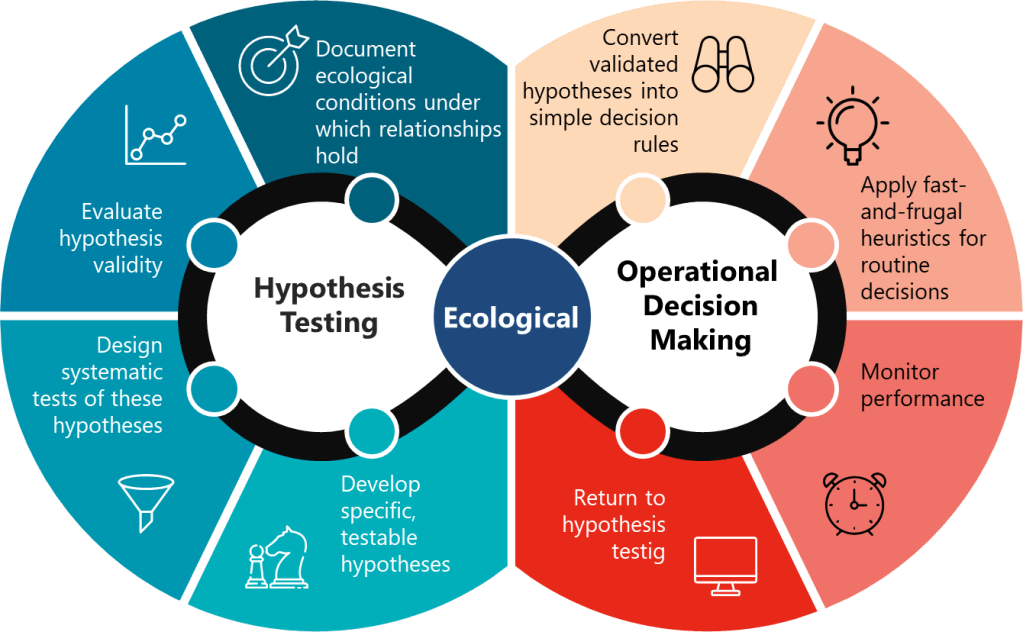
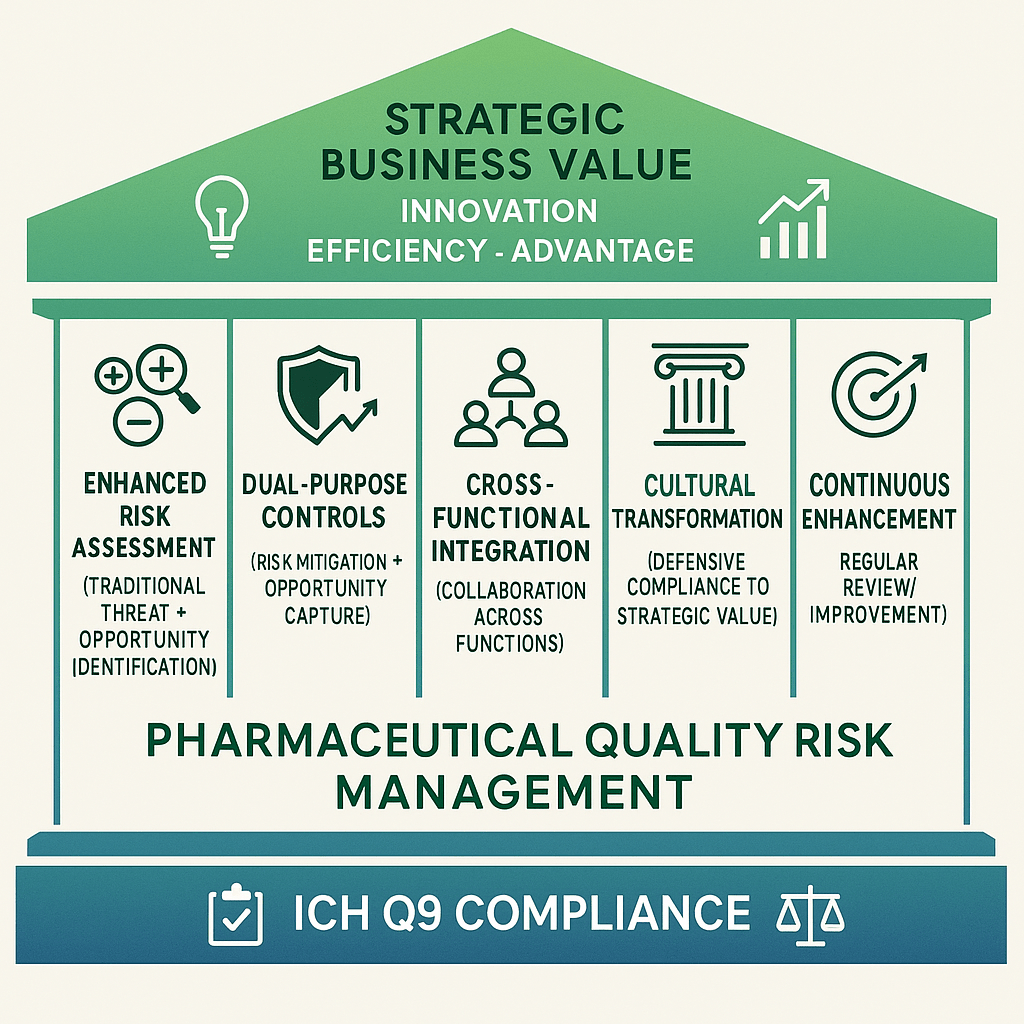
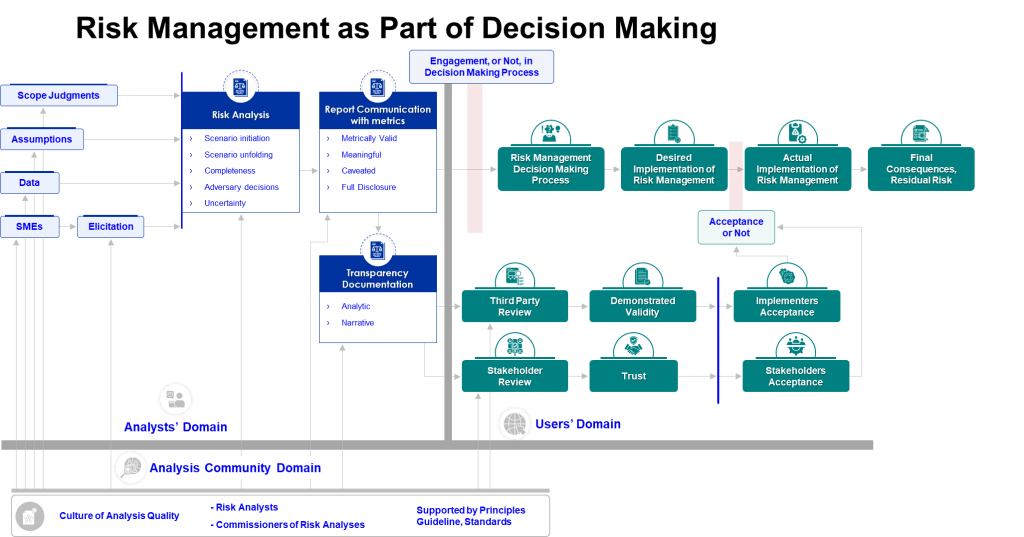
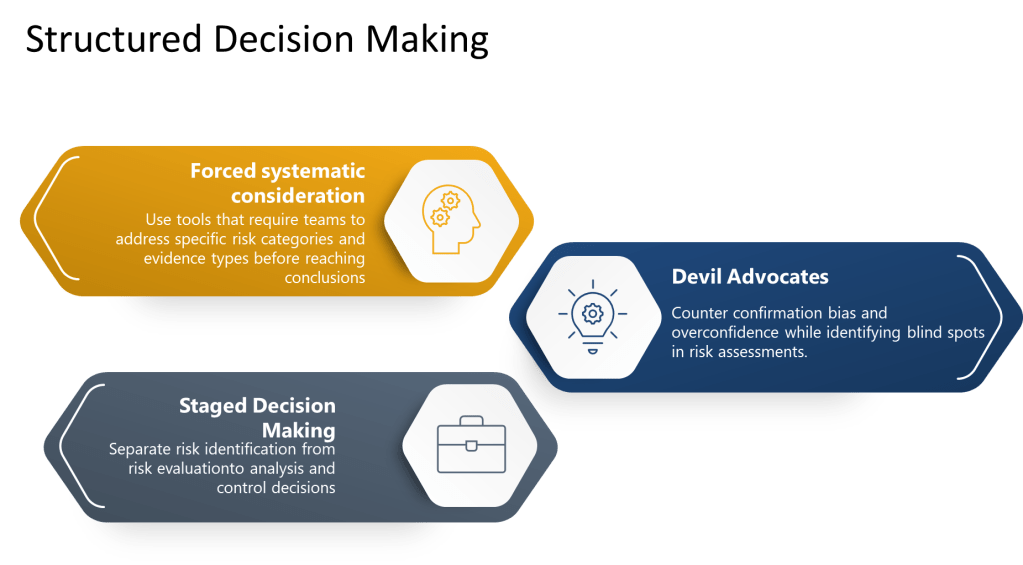
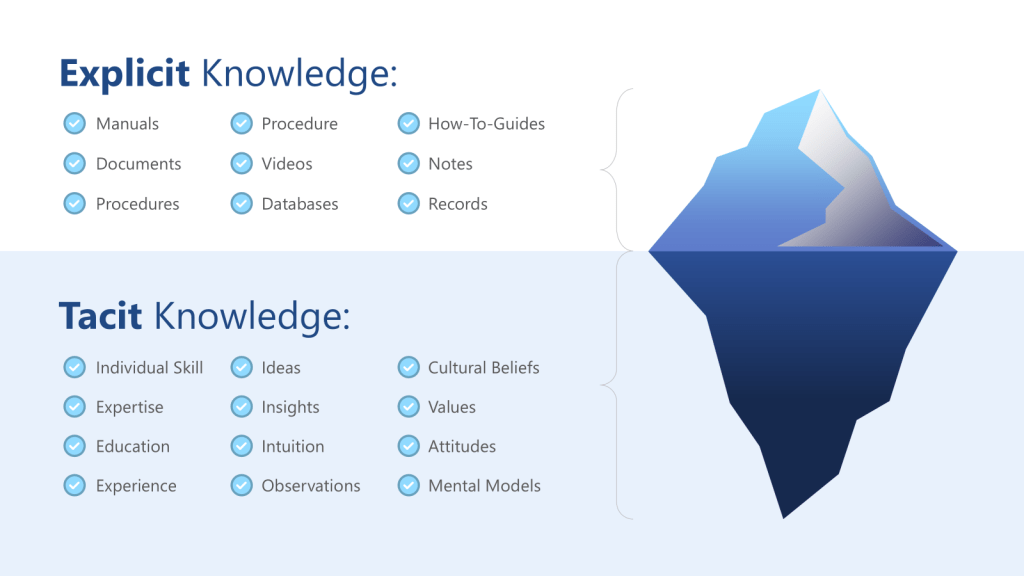
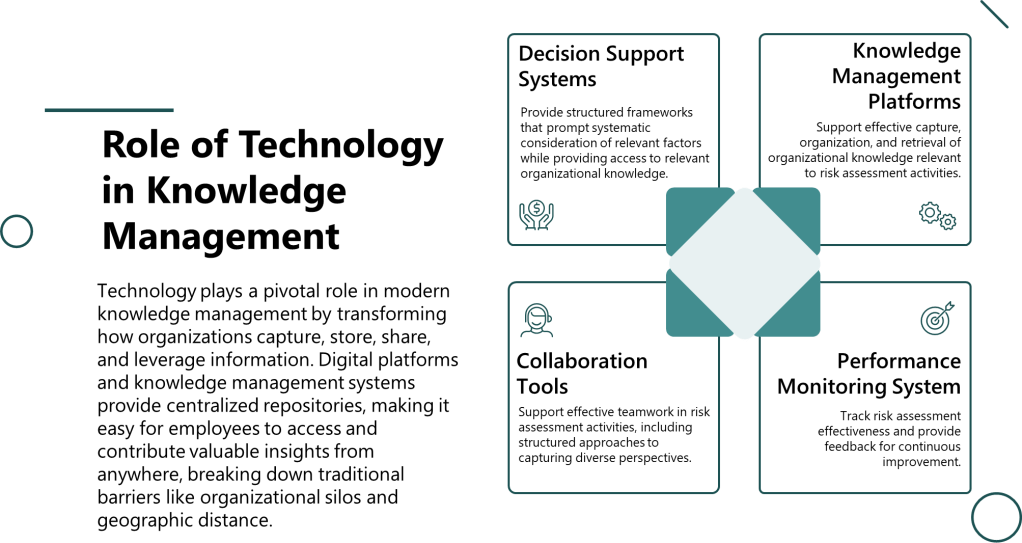

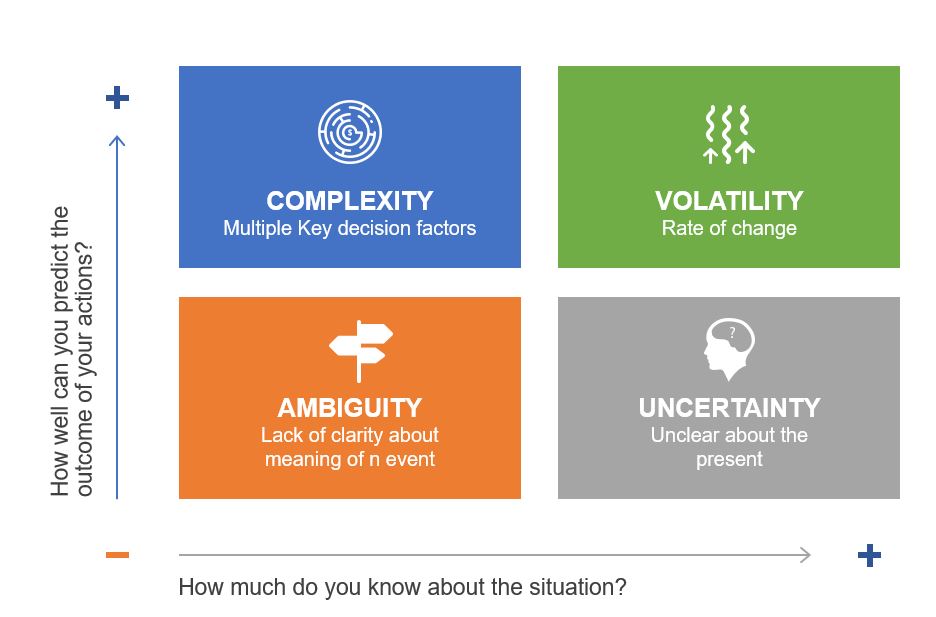

 Investigations of a Dog