When Water Systems Fail: Unpacking the LeMaitre Vascular Warning Letter

The FDA’s August 11, 2025 warning letter to LeMaitre Vascular reads like a masterclass in how fundamental water system deficiencies can cascade into comprehensive quality system failures. This warning letter offers lessons about the interconnected nature of pharmaceutical water systems and the regulatory expectations that surround them.

The Foundation Cracks

What makes this warning letter particularly instructive is how it demonstrates that water systems aren’t just utilities—they’re critical manufacturing infrastructure whose failures ripple through every aspect of product quality. LeMaitre’s North Brunswick facility, which manufactures Artegraft Collagen Vascular Grafts, found itself facing six major violations, with water system inadequacies serving as the primary catalyst.

The Artegraft device itself—a bovine carotid artery graft processed through enzymatic digestion and preserved in USP purified water and ethyl alcohol—places unique demands on water system reliability. When that foundation fails, everything built upon it becomes suspect.

Water Sampling: The Devil in the Details

The first violation strikes at something discussed extensively in previous posts: representative sampling. LeMaitre’s USP water sampling procedures contained what the FDA termed “inconsistent and conflicting requirements” that fundamentally compromised the representativeness of their sampling.

Consider the regulatory expectation here. As outlined in ISPE guideline, “sampling a POU must include any pathway that the water travels to reach the process”. Yet LeMaitre was taking samples through methods that included purging, flushing, and disinfection steps that bore no resemblance to actual production use. This isn’t just a procedural misstep—it’s a fundamental misunderstanding of what water sampling is meant to accomplish.

The FDA’s criticism centers on three critical sampling failures:

  • Sampling Location Discrepancies: Taking samples through different pathways than production water actually follows. This violates the basic principle that quality control sampling should “mimic the way the water is used for manufacturing”.
  • Pre-Sampling Conditioning: The procedures required extensive purging and cleaning before sampling—activities that would never occur during normal production use. This creates “aspirational data”—results that reflect what we wish our system looked like rather than how it actually performs.
  • Inconsistent Documentation: Failure to document required replacement activities during sampling, creating gaps in the very records meant to demonstrate control.

The Sterilant Switcheroo

Perhaps more concerning was LeMaitre’s unauthorized change of sterilant solutions for their USP water system sanitization. The company switched sterilants sometime in 2024 without documenting the change control, assessing biocompatibility impacts, or evaluating potential contaminant differences.

This represents a fundamental failure in change control—one of the most basic requirements in pharmaceutical manufacturing. Every change to a validated system requires formal assessment, particularly when that change could affect product safety. The fact that LeMaitre couldn’t provide documentation allowing for this change during inspection suggests a broader systemic issue with their change control processes.

Environmental Monitoring: Missing the Forest for the Trees

The second major violation addressed LeMaitre’s environmental monitoring program—specifically, their practice of cleaning surfaces before sampling. This mirrors issues we see repeatedly in pharmaceutical manufacturing, where the desire for “good” data overrides the need for representative data.

Environmental monitoring serves a specific purpose: to detect contamination that could reasonably be expected to occur during normal operations. When you clean surfaces before sampling, you’re essentially asking, “How clean can we make things when we try really hard?” rather than “How clean are things under normal operating conditions?”

The regulatory expectation is clear: environmental monitoring should reflect actual production conditions, including normal personnel traffic and operational activities. LeMaitre’s procedures required cleaning surfaces and minimizing personnel traffic around air samplers—creating an artificial environment that bore little resemblance to actual production conditions.

Sterilization Validation: Building on Shaky Ground

The third violation highlighted inadequate sterilization process validation for the Artegraft products. LeMaitre failed to consider bioburden of raw materials, their storage conditions, and environmental controls during manufacturing—all fundamental requirements for sterilization validation.

This connects directly back to the water system failures. When your water system monitoring doesn’t provide representative data, and your environmental monitoring doesn’t reflect actual conditions, how can you adequately assess the bioburden challenges your sterilization process must overcome?

The FDA noted that LeMaitre had six out-of-specification bioburden results between September 2024 and March 2025, yet took no action to evaluate whether testing frequency should be increased. This represents a fundamental misunderstanding of how bioburden data should inform sterilization validation and ongoing process control.

CAPA: When Process Discipline Breaks Down

The final violations addressed LeMaitre’s Corrective and Preventive Action (CAPA) system, where multiple CAPAs exceeded their own established timeframes by significant margins. A high-risk CAPA took 81 days instead of the required timeframe, while medium and low-risk CAPAs exceeded deadlines by 120-216 days.

This isn’t just about missing deadlines—it’s about the erosion of process discipline. When CAPA systems lose their urgency and rigor, it signals a broader cultural issue where quality requirements become suggestions rather than requirements.

The Recall That Wasn’t

Perhaps most concerning was LeMaitre’s failure to report a device recall to the FDA. The company distributed grafts manufactured using raw material from a non-approved supplier, with one graft implanted in a patient before the recall was initiated. This constituted a reportable removal under 21 CFR Part 806, yet LeMaitre failed to notify the FDA as required.

This represents the ultimate failure: when quality system breakdowns reach patients. The cascade from water system failures to inadequate environmental monitoring to poor change control ultimately resulted in a product safety issue that required patient intervention.

Gap Assessment Questions

For organizations conducting their own gap assessments based on this warning letter, consider these critical questions:

Water System Controls

  • Are your water sampling procedures representative of actual production use conditions?
  • Do you have documented change control for any modifications to water system sterilants or sanitization procedures?
  • Are all water system sampling activities properly documented, including any maintenance or replacement activities?
  • Have you assessed the impact of any sterilant changes on product biocompatibility?

Environmental Monitoring

  • Do your environmental monitoring procedures reflect normal production conditions?
  • Are surfaces cleaned before environmental sampling, and if so, is this representative of normal operations?
  • Does your environmental monitoring capture the impact of actual personnel traffic and operational activities?
  • Are your sampling frequencies and locations justified by risk assessment?

Sterilization and Bioburden Control

  • Does your sterilization validation consider bioburden from all raw materials and components?
  • Have you established appropriate bioburden testing frequencies based on historical data and risk assessment?
  • Do you have procedures for evaluating when bioburden testing frequency should be increased based on out-of-specification results?
  • Are bioburden results from raw materials and packaging components included in your sterilization validation?

CAPA System Integrity

  • Are CAPA timelines consistently met according to your established procedures?
  • Do you have documented rationales for any CAPA deadline extensions?
  • Is CAPA effectiveness verification consistently performed and documented?
  • Are supplier corrective actions properly tracked and their effectiveness verified?

Change Control and Documentation

  • Are all changes to validated systems properly documented and assessed?
  • Do you have procedures for notifying relevant departments when suppliers change materials or processes?
  • Are the impacts of changes on product quality and safety systematically evaluated?
  • Is there a formal process for assessing when changes require revalidation?

Regulatory Compliance

  • Are all required reports (corrections, removals, MDRs) submitted within regulatory timeframes?
  • Do you have systems in place to identify when product removals constitute reportable events?
  • Are all regulatory communications properly documented and tracked?

Learning from LeMaitre’s Missteps

This warning letter serves as a reminder that pharmaceutical manufacturing is a system of interconnected controls, where failures in fundamental areas like water systems can cascade through every aspect of operations. The path from water sampling deficiencies to patient safety issues is shorter than many organizations realize.

The most sobering aspect of this warning letter is how preventable these violations were. Representative sampling, proper change control, and timely CAPA completion aren’t cutting-edge regulatory science—they’re fundamental GMP requirements that have been established for decades.

For quality professionals, this warning letter reinforces the importance of treating utility systems with the same rigor we apply to manufacturing processes. Water isn’t just a raw material—it’s a critical quality attribute that deserves the same level of control, monitoring, and validation as any other aspect of your manufacturing process.

The question isn’t whether your water system works when everything goes perfectly. The question is whether your monitoring and control systems will detect problems before they become patient safety issues. Based on LeMaitre’s experience, that’s a question worth asking—and answering—before the FDA does it for you.
The Role of the HACCP

Reading Strukmyer LLC’s recent FDA Warning Letter, and reflecting back to last year’s Colgate-Palmolive/Tom’s of Maine, Inc. Warning Letter, has me thinking of common language In both warning letters where the FDA asks for “A comprehensive, independent assessment of the design and control of your firm’s manufacturing operations, with a detailed and thorough review of all microbiological hazards.”

It is hard to read that as anything else than a clarion call to use a HACCP.

If that isn’t a HACCP, I don’t know what is. Given the FDA’s rich history and connection to the tool, it is difficult to imagine them thinking of any other tool. Sure, I can invent about 7 other ways to do that, but why bother when there is a great tool, full of powerful uses, waiting to be used that the regulators pretty much have in their DNA.

The Evolution of HACCP in FDA Regulation: A Journey to Enhanced Food Safety

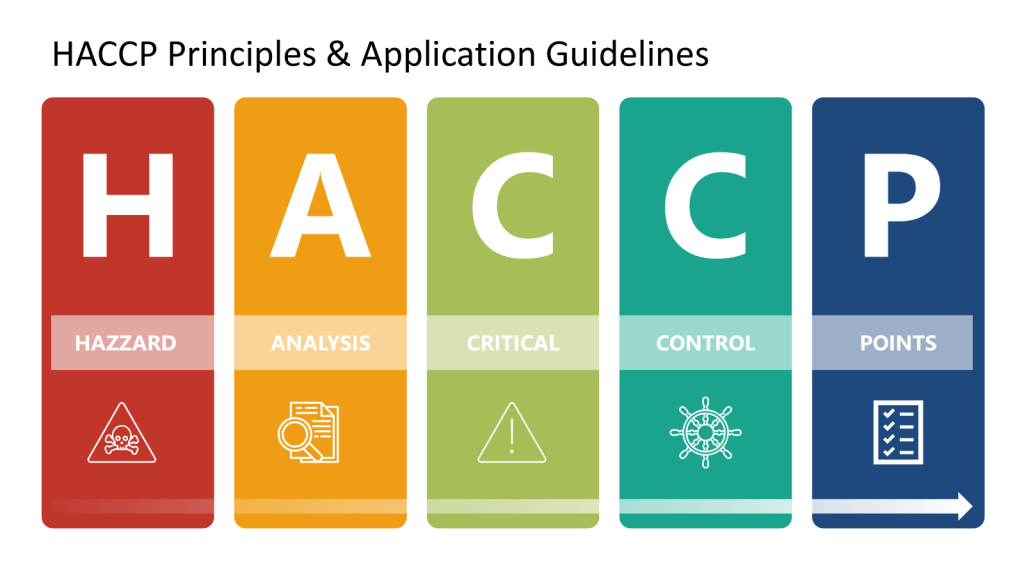
The Hazard Analysis and Critical Control Points (HACCP) system has a fascinating history that is deeply intertwined with FDA regulations. Initially developed in the 1960s by NASA, the Pillsbury Company, and the U.S. Army, HACCP was designed to ensure safe food for space missions. This pioneering collaboration aimed to prevent food safety issues by identifying and controlling critical points in food processing. The success of HACCP in space missions soon led to its application in commercial food production.

In the 1970s, Pillsbury applied HACCP to its commercial operations, driven by incidents such as the contamination of farina with glass. This prompted Pillsbury to adopt HACCP more widely across its production lines. A significant event in 1971 was a panel discussion at the National Conference on Food Protection, which led to the FDA’s involvement in promoting HACCP for food safety inspections. The FDA recognized the potential of HACCP to enhance food safety standards and began to integrate it into its regulatory framework.

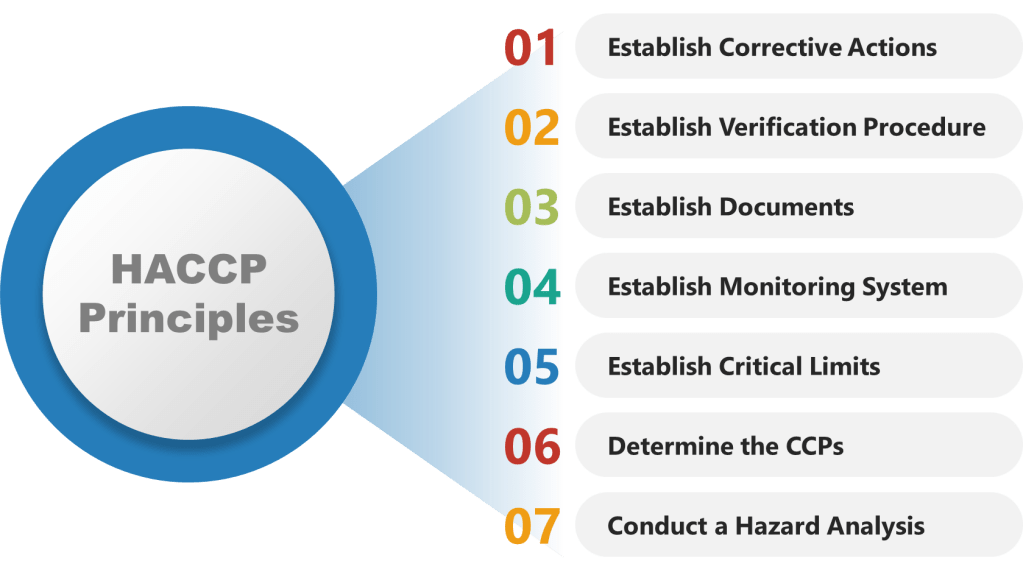
As HACCP gained prominence as a food safety standard in the 1980s and 1990s, the National Advisory Committee on Microbiological Criteria for Foods (NACMCF) refined its principles. The committee added preliminary steps and solidified the seven core principles of HACCP, which include hazard analysis, critical control points identification, establishing critical limits, monitoring procedures, corrective actions, verification procedures, and record-keeping. This structured approach helped standardize HACCP implementation across different sectors of the food industry.

A major milestone in the history of HACCP was the implementation of the Pathogen Reduction/HACCP Systems rule by the USDA’s Food Safety and Inspection Service (FSIS) in 1996. This rule mandated HACCP in meat and poultry processing facilities, marking a significant shift towards preventive food safety measures. By the late 1990s, HACCP became a requirement for all food businesses, with some exceptions for smaller operations. This widespread adoption underscored the importance of proactive food safety management.

The Food Safety Modernization Act (FSMA) of 2011 further emphasized preventive controls, including HACCP, to enhance food safety across the industry. FSMA shifted the focus from responding to food safety issues to preventing them, aligning with the core principles of HACCP. Today, HACCP remains a cornerstone of food safety management globally, with ongoing training and certification programs available to ensure compliance with evolving regulations. The FDA continues to support HACCP as part of its broader efforts to protect public health through safe food production and processing practices. As the food industry continues to evolve, the principles of HACCP remain essential for maintaining high standards of food safety and quality.

Why is a HACCP Useful in Biotech Manufacturing

The HACCP seeks to map a process – the manufacturing process, one cleanroom, a series of interlinked cleanrooms, or the water system – and identifies hazards (a point of contamination) by understanding the personnel, material, waste, and other parts of the operational flow. These hazards are assessed at each step in the process for their likelihood and severity. Mitigations are taken to reduce the risk the hazard presents (“a contamination control point”). Where a risk cannot be adequately minimized (either in terms of its likelihood of occurrence, the severity of its nature, or both), this “contamination control point” should be subject to a form of detection so that the facility has an understanding of whether the microbial hazard was potentially present at a given time, for a given operation. In other words, the “critical control point” provides a reasoned area for selecting a monitoring location. For aseptic processing, for example, the target is elimination, even if this cannot be absolutely demonstrated.

The HACCP approach can easily be applied to pharmaceutical manufacturing where it proves very useful for microbial control. Although alternative risk tools exist, such as Failure Modes and Effects Analysis, the HACCP approach is better for microbial control.

The HACCP is a core part of an effective layers of control analysis.

Conducting a HACCP

HACCP provides a systematic approach to identifying and controlling potential hazards throughout the production process.

Step 1: Conduct a Hazard Analysis

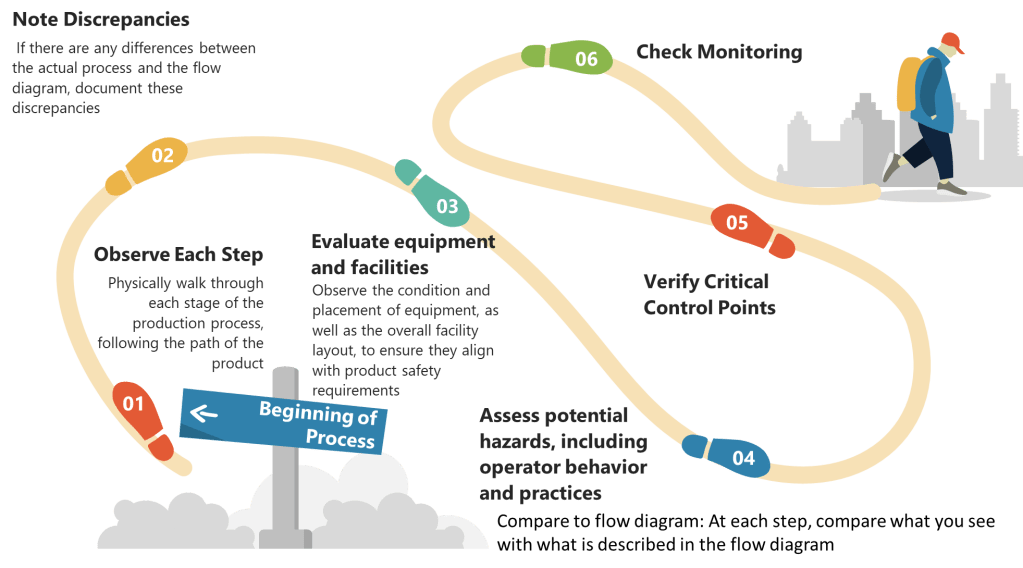
  1. List All Process Steps: Begin by detailing every step involved in your biotech manufacturing process, from raw material sourcing to final product packaging. Make sure to walk down the process thoroughly.
  2. Identify Potential Hazards: At each step, identify potential biological, chemical, and physical hazards. Biological hazards might include microbial contamination, while chemical hazards could involve chemical impurities or inappropriate reagents. Physical hazards might include particulates or inappropriate packaging materials.
  3. Evaluate Severity and Likelihood: Assess the severity and likelihood of each identified hazard. This evaluation helps prioritize which hazards require immediate attention.
  4. Determine Preventive Measures: Develop strategies to control significant hazards. This might involve adjusting process conditions, improving cleaning protocols, or enhancing monitoring systems.
  5. Document Justifications: Record the rationale behind including or excluding hazards from your analysis. This documentation is essential for transparency and regulatory compliance.

Step 2: Determine Critical Control Points (CCPs)

  1. Identify Control Points: Any step where biological, chemical, or physical factors can be controlled is considered a control point.
  2. Determine CCPs: Use a decision tree to identify which control points are critical. A CCP is a step at which control can be applied and is essential to prevent or eliminate a hazard or reduce it to an acceptable level.
  3. Establish Critical Limits: For each CCP, define the maximum or minimum values to which parameters must be controlled. These limits ensure that hazards are effectively managed.
Control PointsCritical Control Points
Process steps where a control measure (mitigation activity) is necessary to prevent the hazard from occurringProcess steps where both control and monitoring are necessary to assure product quality and patient safety
Are not necessarily critical control points (CCPs)Are also control points
Determined from the risk associated with the hazardDetermined through a decision tree

Step 3: Establish Monitoring Procedures

  1. Develop Monitoring Plans: Create detailed plans for monitoring each CCP. This includes specifying what to monitor, how often, and who is responsible.
  2. Implement Monitoring Tools: Use appropriate tools and equipment to monitor CCPs effectively. This might include temperature sensors, microbial testing kits, or chemical analyzers.
  3. Record Monitoring Data: Ensure that all monitoring data is accurately recorded and stored for future reference.

Step 4: Establish Corrective Actions

  1. Define Corrective Actions: Develop procedures for when monitoring indicates that a CCP is not within its critical limits. These actions should restore control and prevent hazards.
  2. Proceduralize: You are establishing alternative control strategies here so make sure they are appropriately verified and controlled by process/procedure in the quality system.
  3. Train Staff: Ensure that all personnel understand and can implement corrective actions promptly.

Step 5: Establish Verification Procedures

  1. Regular Audits: Conduct regular audits to verify that the HACCP system is functioning correctly. This includes reviewing monitoring data and observing process operations.
  2. Validation Studies: Perform validation studies to confirm that CCPs are effective in controlling hazards.
  3. Continuous Improvement: Use audit findings to improve the HACCP system over time.

Step 6: Establish Documentation and Record-Keeping

  1. Maintain Detailed Records: Keep comprehensive records of all aspects of the HACCP system, including hazard analyses, CCPs, monitoring data, corrective actions, and verification activities.
  2. Ensure Traceability: Use documentation to ensure traceability throughout the production process, facilitating quick responses to any safety issues.

Step 7: Implement and Review the HACCP Plan

  1. Implement the Plan: Ensure that all personnel involved in biotech manufacturing understand and follow the HACCP plan.
  2. Regular Review: Regularly review and update the HACCP plan to reflect changes in processes, new hazards, or lessons learned from audits and incidents.

Water, Water, Everywhere

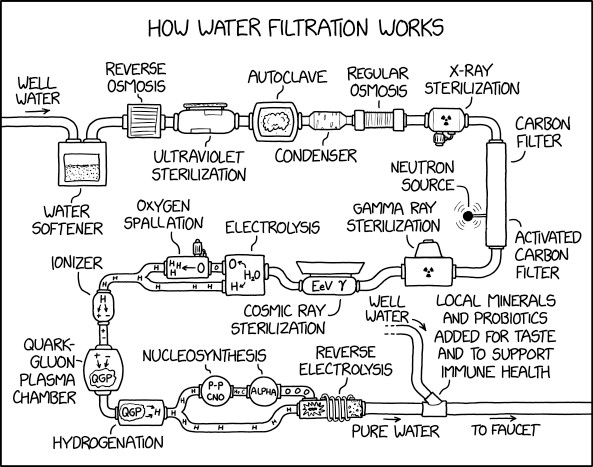
XKCD, https://xkcd.com/2982/

Everyone probably feels like the above illustration sooner or later about their water system.

The Critical Role of Water in Pharmaceutical Manufacturing

In the pharmaceutical industry, we often joke that we’re primarily water companies that happen to make drugs on the side. This quip underscores a fundamental truth: water is a crucial component in drug manufacturing processes. Its purity and quality are paramount to ensuring the safety and efficacy of pharmaceutical products.

Why Water Quality Matters

Water is ubiquitous in pharmaceutical manufacturing, used in everything from cleaning equipment to serving as a key ingredient in many formulations. Given its importance, regulatory bodies like the FDA and EMA have established stringent Good Manufacturing Practice (GMP) guidelines for water systems in pharmaceutical facilities.

GMP Requirements for Water Systems

The GMPs mandate that water systems be meticulously designed, constructed, installed, commissioned, qualified, monitored, and maintained. The primary goal? Preventing microbiological contamination. This comprehensive approach encompasses several key areas:

  1. System Design: Water systems must be engineered to minimize the risk of contamination.
  2. Construction and Installation: Materials and methods used must meet high standards to ensure system integrity.
  3. Commissioning and Qualification: Rigorous testing is required to verify that the system performs as intended.
  4. Monitoring: Ongoing surveillance is necessary to detect any deviations from established parameters.
  5. Maintenance: Regular upkeep is crucial to maintain system performance and prevent degradation.

Key Regulatory Requirements

AgencyTitleYearURL
EMAGuideline on the quality of water for pharmaceutical use2020https://www.ema.europa.eu/en/documents/scientific-guideline/guideline-quality-water-pharmaceutical-use_en.pdf
WHOGood manufacturing practices: water for pharmaceutical use2012https://www.who.int/docs/default-source/medicines/norms-and-standards/guidelines/production/trs970-annex2-gmp-wate-pharmaceutical-use.pdf
US FDAGuide to inspections of high purity water systems2016https://www.fda.gov/media/75927/download
PIC/SInspection of utilities2014https://picscheme.org/docview/1941
US FDAWater for pharmaceutical use2014https://www.fda.gov/media/88905/download
USP<1231> Water for pharmaceutical purposes2020Not publicly available
USP<543> Water Conductivity2020Not publicly available
USP<85> Bacterial Endotoxins Test2020Not publicly available
USP<643> Total Organic Carbon2020Not publicly available
Ph. Eur.Monograph 0168 (Water for injections)2020Not publicly available
Ph. Eur.Monograph 0008 (Purified water)2020Not publicly available

Specific Measures for Contamination Prevention

To meet these GMP requirements, pharmaceutical manufacturers must implement several specific measures:

Minimizing Particulates

Particulate matter in water can compromise product quality and potentially harm patients. Filtration systems and regular cleaning protocols are essential to keep particulate levels in check.

Controlling Microbial Contamination

Microorganisms can proliferate rapidly in water systems if left unchecked. Strategies to prevent this include:

  • Regular sanitization procedures
  • Maintaining appropriate water temperatures
  • Implementing effective water treatment technologies (e.g., UV light, ozonation)

Preventing Endotoxin Formation

Endotoxins, produced by certain bacteria, can be particularly problematic in pharmaceutical water systems. Measures to prevent endotoxin formation include:

  • Minimizing areas where water can stagnate
  • Ensuring complete drainage of pipes
  • Regular system flushing

The Ongoing Challenge

Maintaining water quality in pharmaceutical manufacturing is not a one-time effort but an ongoing process. It requires constant vigilance, regular testing, and a commitment to continuous improvement. As regulations evolve and our understanding of potential contaminants grows, so too must our approaches to water system management.

Types of Water

These water types are defined and regulated by pharmacopeias such as the United States Pharmacopeia (USP), European Pharmacopoeia (Ph. Eur.), and other regional standards. Pharmaceutical manufacturers must adhere to the specific requirements outlined in these references to ensure water quality and safety in drug production.

Potable Water

Potable water, also known as drinking water, may be used for some pharmaceuticals bt is more commonly used in cosmetics. It can also be used for cleanings walls and floors in non-asceptic areas.

Key points:

  • Must comply with EPA standards or comparable regulations in the EU/Japan
  • Can be used to manufacture drug substances (bulk drugs)
  • Not suitable for preparing USP dosage forms or laboratory reagents

Purified Water (PW)

Purified water is widely used in pharmaceutical manufacturing for non-sterile preparations.

Specifications (USP <1231>):

  • Conductivity: ≤1.3 μS/cm at 25°C
  • Total organic carbon (TOC): ≤500 ppb
  • Microbial limits: ≤100 CFU/mL

Applications:

  • Non-parenteral preparations
  • Cleaning equipment for non-parenteral products
  • Preparation of some bulk chemicals

Water for Injection (WFI)

Water for Injection is used for parenteral drug products and has stricter quality standards.

Specifications (USP <1231>):

  • Conductivity: ≤1.3 μS/cm at 25°C
  • TOC: ≤500 ppb
  • Bacterial endotoxins: <0.25 EU/mL
  • Microbial limits: ≤10 CFU/100 mL

Production methods:

  • Distillation
  • Reverse osmosis (allowed by Ph. Eur. since 2017)

Sterile Water for Injection (SWFI)

SWFI is WFI that has been sterilized for direct administration.

Characteristics:

  • Sterile
  • Non-pyrogenic
  • Packaged in single-dose containers

Highly Purified Water (HPW)

Previously included in the European Pharmacopoeia, but now discontinued.

Type of WaterDescriptionUSP ReferenceEP Reference
Potable WaterMeets drinking water standards, used for early stages of manufacturingNot applicableNot applicable
Purified Water (PW)Used for non-sterile preparations, cleaning equipmentUSP <1231>Ph. Eur. 0008
Water for Injection (WFI)Used for parenteral products, higher purity than PWUSP <1231>Ph. Eur. 0169
Sterile Water for Injection (SWFI)WFI that has been sterilized for direct administrationUSP <1231>Ph. Eur. 0169
Bacteriostatic Water for InjectionContains bacteriostatic agents, for multiple-dose useUSP <1231>Ph. Eur. 0169
Sterile Water for IrrigationPackaged in single-dose containers larger than 1LUSP <1231>Ph. Eur. 1116
Sterile Water for InhalationFor use in inhalators, less stringent endotoxin levelsUSP <1231>Ph. Eur. 1116
Water for HemodialysisSpecially treated for use in hemodialysis, produced on-siteUSP <1231>Not specified

Additional relevant USP chapters:

  • USP <645>: Water for Pharmaceutical Purposes – Microbial Attributes
  • USP <85>: Bacterial Endotoxins Test

Always refer to the most current versions of the pharmacopoeial monographs and regulatory guidelines for detailed information.

Good Water System Design

Hygienic and Sanitary Design

The cornerstone of any good water system is its hygienic and sanitary design. This principle encompasses several aspects:

  • Smooth, cleanable surfaces: All surfaces in contact with water should be smooth, non-porous, and easily cleanable to prevent biofilm formation.
  • Self-draining components: Pipes and tanks should be designed to drain completely, eliminating standing water that could harbor microorganisms.
  • Accessibility: All parts of the system should be easily accessible for inspection, cleaning, and maintenance.

Material Selection

Choosing the right materials is crucial for maintaining water quality and system integrity:

  • Corrosion resistance: Use materials that resist corrosion, such as stainless steel (316L grade for high-purity applications) or appropriate food-grade plastics.
  • Smooth internal finish: Crevices are places where corrosion happens, electropolishing improves the resistance of stainless steel to corrosion.
  • Leachate prevention: Select materials that do not leach harmful substances into the water, even under prolonged contact or elevated temperatures.
  • Non-adsorptive surfaces: Avoid materials that may adsorb contaminants, which could later be released back into the water.

Microbial Control

Preventing microbial growth is essential for water system safety:

  • Elimination of dead legs: Design piping to avoid areas where water can stagnate and microorganisms can proliferate.
  • Temperature control: Maintain temperatures outside the optimal range for microbial growth (typically below 20°C or above 50°C).
  • Regular sanitization: Incorporate features that allow for effective and frequent sanitization of the entire system.

System Integrity

Ensuring the system remains sealed and leak-free is critical:

  • Proper sealing: Use appropriate gaskets and seals compatible with the system’s operating conditions.
  • Pressure testing: Implement regular pressure tests to identify and address potential leaks promptly.
  • Quality connections: Utilize sanitary fittings and connections designed for hygienic applications.

Cleaning and Sanitization Compatibility

The system must withstand regular cleaning and sanitization:

  • Chemical resistance: Choose materials and components that can tolerate cleaning and sanitizing agents without degradation.
  • Thermal stability: Ensure all parts can withstand thermal sanitization processes if applicable.
  • CIP/SIP design: Incorporate Clean-in-Place (CIP) or Steam-in-Place (SIP) features for efficient and thorough cleaning.

Capacity and Performance

Meeting output requirements while maintaining quality is crucial:

  • Proper sizing: Design the system to meet peak demand without compromising water quality or flow rates.
  • Redundancy: Consider incorporating redundant components for critical parts to ensure continuous operation.
  • Efficiency: Optimize the system layout to minimize pressure drops and energy consumption.

Monitoring and Control

Implement robust monitoring systems to ensure water quality:

  • Sampling points: Strategically place sampling ports throughout the system for regular quality checks.
  • Instrumentation: Install appropriate instruments to monitor critical parameters such as flow rate, pressure, temperature, and conductivity.
  • Control systems: Implement automated control systems to maintain consistent water quality and system performance.

Regulatory Compliance

Ensure the system design meets all relevant regulatory requirements:

  • Material compliance: Use only materials approved for contact with water in your specific application.
  • Documentation: Maintain detailed documentation of system design, materials, and operating procedures.
  • Validation: Conduct thorough system qualification to demonstrate consistent performance and quality.

By adhering to these principles, you can design a water system that not only meets your capacity requirements but also ensures the highest standards of safety and quality. Remember, good water system design is an ongoing process that requires regular review and updates to maintain its effectiveness over time.