
Engaging with knowledge and Knowledge Management are critical parts of development. The ability to navigate the flood of available data to find accurate information is tied directly to individuals’ existing knowledge and their skills at distinguishing credible information from misleading content.
There is ample evidence that many individuals lack the ability to accurately judge their understanding or the quality and accuracy of their performance (i.e., calibration). To truly develop our knowledge, we need to be engaged in deliberative practice. But to truly calibrate requires feedback, guidance, and coaching that you may not have access to within our organizations. This requires effort and deliberate building of a system and processes.
Information can be found with little mental effort but without critical analysis of its legitimacy or validity, the ease of information can actually work against the development of deeper-processing strategies. It is really easy to go-online and get an answer, but unless learners put themselves in positions to struggle cognitively with an issue, and unless they have occasions to transform or reframe problems, their likelihood of progressing into competence is jeopardized.
The more learners forge principled knowledge in a professional domain, the greater their reported interest in and identity with that field. Therefore, without the active pursuit of knowledge, these individuals’ interest in professional development may wane and their progress toward expertise may stall. This is why I find professional societies so critical, and why I am always pushing people to step up.
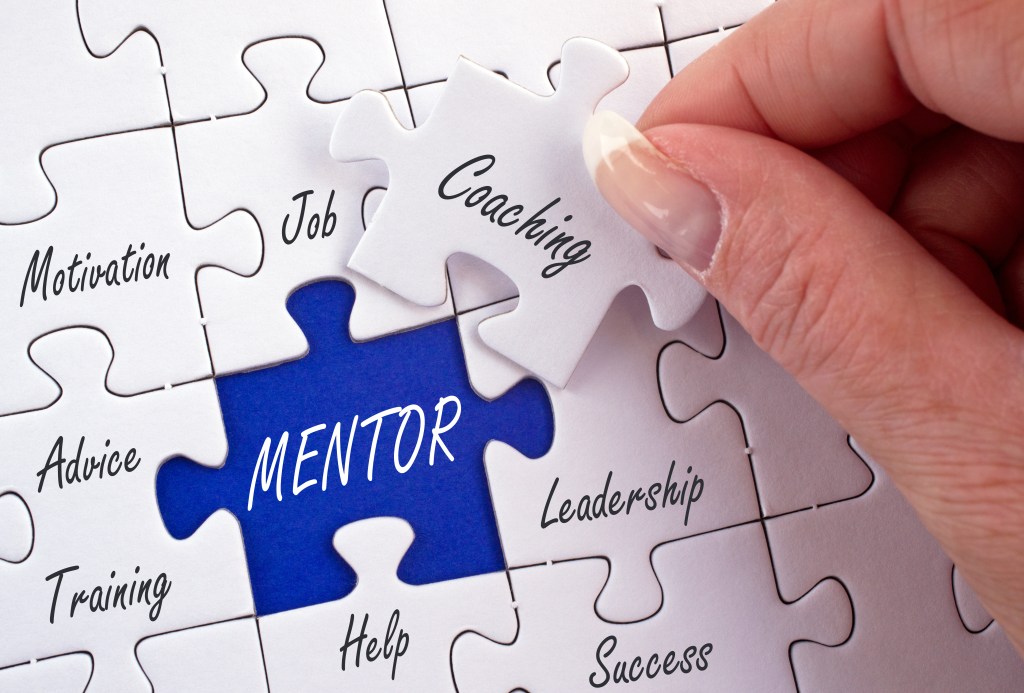
My constant goal as a mentor is to help people do the following:
- Refuse to be lulled into accepting a role as passive consumers of information, striving instead to be active producers of knowledge
- Probe and critically analyze the information they encounter, rather
than accepting quick, simple answers - Forge a meaningful interest in the profession and personal connections to members
of professional communities, instead of relying on moment-by-moment stimulation and superficial relationships
If we are going to step up to the challenges ahead of us, to address the skill gaps we are seeing, we each need to be deliberate in how we develop and deliberate in how we build our organizations to support development.

 Investigations of a Dog
4 thoughts on “Build Your Knowledge Base”