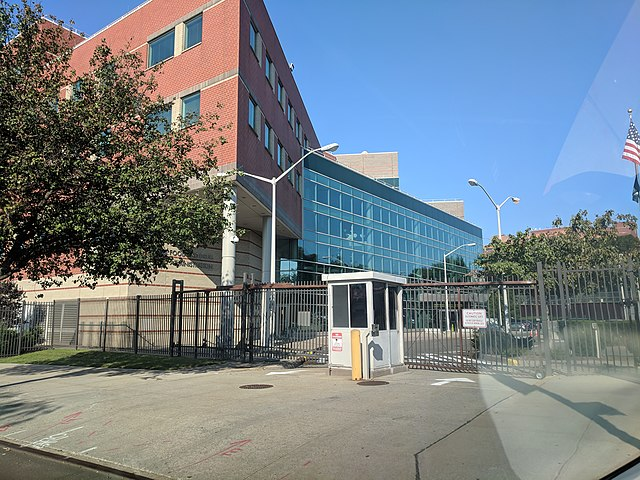
The ongoing destruction of the U.S. Food and Drug Administration (FDA) through politically driven firings mirrors one of the most catastrophic regulatory failures in modern American history: the 1981 mass termination of air traffic controllers under President Reagan. Like the Federal Aviation Administration (FAA) crisis—which left aviation safety systems crippled for nearly a decade—the FDA’s current Reduction in Force (RIF) has purged irreplaceable expertise, with devastating consequences for public health and institutional memory.
Targeted Firings of FDA Leadership (2025)
The FDA’s decimation began in January 2025 under HHS Secretary Robert F. Kennedy Jr., with these key terminations:
- Dr. Peter Marks (CBER Director): Fired March 28 after refusing to dilute vaccine safety standards, stripping the agency of its foremost expert on biologics and pandemic response.
- Peter Stein (CDER Office of New Drugs): Terminated April 1 following his rejection of a demotion to a non-scientific role, eliminating critical oversight for rare disease therapies.
- Brian King (Center for Tobacco Products): Dismissed April 3 amid efforts to weaken vaping regulations, abandoning enforcement against youth-targeting tobacco firms.
- Vid Desai (Chief Information Officer): Axed April 5, sabotaging IT modernization crucial for drug reviews and food recall systems.
Expertise Loss: A Regulatory Time Bomb
The FDA’s crisis parallels the FAA’s 1981 collapse, when Reagan fired 11,345 unionized air traffic controllers. The FAA required five years to restore baseline staffing and 15 years to rebuild institutional knowledge—a delay that contributed to near-misses and fatal crashes like the 1986 Cerritos mid-air collision. Similarly, the FDA now faces:
- Brain Drain Accelerating Regulatory Failure
- Vaccine review teams lost 40% of senior staff, risking delayed responses to avian flu outbreaks.
- Medical device approvals stalled after 50% of AI/ML experts were purged from CDRH.
- Food safety labs closed nationwide, mirroring the FAA’s loss of veteran controllers who managed complex airspace.
- Training Collapse
Reagan’s FAA scrambled to hire replacements with just 3 months’ training versus the former 3-year apprenticeship. At the FDA, new hires now receive 6 weeks of onboarding compared to the previous 18-month mentorship under experts —a recipe for oversight failures. - Erosion of Public Trust
The FAA’s credibility took a decade to recover post-1981. The FDA’s transparency crisis—with FOIA response times stretching to 18 months and advisory committees disbanded—risks similar long-term distrust in drug safety and food inspections.
Repeating History’s Mistakes
The Reagan-era FAA firings cost $1.3 billion in today’s dollars and required emergency military staffing. The FDA’s RIF—projected to delay drug approvals by 2-3 years—could inflict far greater harm:
- Pharmaceutical Impact: 900+ drug applications now languish without senior reviewers, akin to the FAA’s 30% spike in air traffic errors post-1981.
- Food Safety: Shuttered labs mirror the FAA’s closed control towers, with state inspectors reporting a 45% drop in FDA support for outbreak investigations.
- Replacement Challenges: Like the FAA’s struggle to attract talent after 1981, the FDA’s politicized environment deters top scientists. Only 12% of open roles have qualified applicants, per April 2025 HHS data.
A Preventable Disaster Motivated by Bad Politics
The FDA’s expertise purge replicates the FAA’s darkest chapter—but with higher stakes. While the FAA’s recovery took 15 years, the FDA’s specialized work in gene therapies, pandemic preparedness, and AI-driven devices cannot withstand such a timeline without catastrophic public health consequences. Commissioner Marty Makary now presides over a skeleton crew ill-equipped to prevent the next opioid crisis, foodborne outbreak, or unsafe medical device. Without immediate congressional intervention to reverse these firings, Americans face a future where regulatory failures become routine, and trust in public health institutions joins aviation safety circa 1981 in the annals of preventable disasters.
- Sources:
- https://www.chiefhealthcareexecutive.com/view/fda-is-finished-after-mass-layoffs-ex-commissioner-says
- https://oversight.house.gov/wp-content/uploads/2025/04/Kessler-Written-Testimony.pdf
- https://www.clinicalleader.com/doc/how-hhs-budget-cuts-and-vaccine-hesitancy-threaten-clinical-trial-operations-and-what-leaders-can-do-0001
- https://biotechbriefings.gibsondunn.com/fda-in-flux-what-life-science-companies-should-expect-as-the-agency-undergoes-staffing-changes/
- https://www.nytimes.com/2025/02/21/health/fda-trump-layoffs-device-and-food-safety.html
- https://www.just-food.com/news/fda-layoffs-described-as-devastating-as-mass-cuts-ensue-across-government-agencies/
- https://www.medpagetoday.com/washington-watch/fdageneral/115046
- https://natlawreview.com/article/hhs-job-cuts-fda-cdc-nih-and-cms-impacted-amidst-significant-restructurings
- https://www.nytimes.com/2025/04/01/us/politics/trump-federal-layoffs-health-food.html
- https://themedicinemaker.com/business-regulation/is-the-fda-about-to-break
- https://www.nytimes.com/2025/04/03/health/fda-layoffs-food-and-drug-safety-rfk-jr.html
- https://avac.org/blog/global-health-watch-issue10/
- https://ecommons.cornell.edu/items/665b994b-aeb7-4dd4-b1a3-09f7ba13bda8
- https://www.hhs.gov/about/budget/fy-2025-fda-contingency-staffing-plan/index.html