Dear Raz: Building Technical Depth from a Compliance Foundation — A Certification Roadmap for Pharma Professionals

A Reader Writes In

A long-time reader of this blog, Raz, recently left a comment that I think resonates with a lot of people in our industry:

“As a compliance lead with 10+ years of experience in pharma (API sites, greenfield) but lacking a technical background, what would you suggest to be the best courses / trainings for proper certificates?”

First, thank you for reading and for asking the question publicly. You’re not alone. This is one of the most common career inflection points in pharmaceutical quality and compliance — you’ve spent a decade building deep regulatory instincts, you understand what the rules require, and now you want to close the gap on the how and why behind the technical systems you oversee. That’s exactly the right impulse. Let’s talk about how to act on it.

Your Experience Is the Foundation, Not the Gap

Before diving into specific programs, a reframe is needed. Ten years navigating API manufacturing, greenfield startups, and automation compliance isn’t “lacking a technical background” — it is a technical background, just one built from the compliance and operational side rather than the engineering side. Greenfield experience in particular is rare and valuable; you’ve seen quality systems built from scratch rather than inherited. That perspective is something no certification can teach.

What certifications can do is give you a shared vocabulary with your engineering and validation counterparts, formalize knowledge you’ve likely already absorbed by osmosis, and — importantly — signal to future employers that you’ve made deliberate investments in your professional development. With that framing, here’s how to think about the landscape.

Tier 1: The Flagship Credentials

These are the certifications that carry the most weight on a resume and in hiring conversations across the pharmaceutical industry. They require significant preparation but deliver lasting career value.

ASQ Certified Pharmaceutical GMP Professional (CPGP)

This is the single most relevant certification for someone in Raz’s position. The CPGP is specifically designed for pharmaceutical professionals who work within GMP-regulated environments and covers the full lifecycle — from regulatory governance and quality systems to production operations, laboratory controls, and facility management. Unlike more general quality certifications, every question on the exam is rooted in pharmaceutical context.

The eligibility requirements are straightforward for someone with a decade of experience: five years of on-the-job experience in one or more areas of the CPGP Body of Knowledge, with at least three years in a decision-making position. No specific degree is required. The exam consists of 165 multiple-choice questions over roughly four hours and is open-book. Exam fees run approximately $450–$550 depending on ASQ membership status, and the certification is maintained with 30 continuing education units every three years.

For a compliance lead who wants to demonstrate comprehensive GMP knowledge — not just the regulatory text, but how it applies to actual manufacturing operations — this is the credential that most directly fills the gap.

ASQ Certified Quality Auditor (CQA)

The CQA is the gold standard for professionals whose work involves auditing, supplier qualification, and compliance assessment. If Raz’s role includes conducting or hosting audits (which most compliance leads at API sites do), the CQA formalizes and deepens that skill set. The exam covers auditing fundamentals, techniques, tools, and management of audit programs. It’s industry-agnostic, which is both a strength (portable across sectors) and a limitation (less pharma-specific than the CPGP).

Many professionals pursue the CPGP first for its pharmaceutical depth and then add the CQA to formalize their auditing capabilities. Together, they form a powerful combination for compliance leadership.

ASQ Certified Quality Engineer (CQE)

The CQE is the most broadly recognized ASQ certification and has been the flagship credential for quality professionals for decades. It covers statistical process control, design of experiments, quality management systems, reliability, and continuous improvement. For someone who self-identifies as lacking a technical background, this is the certification that most directly addresses that gap — it teaches the quantitative and analytical toolkit that underpins modern quality engineering.

The CQE body of knowledge directly correlates with statistical methods and tools used across pharmaceutical manufacturing. However, it’s a challenging exam. If statistics and data analysis feel like foreign territory, a preparation course (CQE Academy offers well-regarded ones) is a worthwhile investment before sitting for the exam.

Tier 2: Industry-Specific Technical Programs

These aren’t exam-based certifications in the traditional sense, but they’re recognized across the industry and deliver directly applicable technical knowledge.

ISPE Academy Certificate Programs

ISPE launched its Academy in 2025 with five certificate programs that are highly relevant to pharmaceutical compliance professionals:

ProgramFocus AreaBest For
GAMP® EssentialsComputerized system validation, data integrity, risk-based approachesAutomation compliance roles (directly relevant to Raz)
GMP RefresherCurrent GMP regulations, quality systems, QA vs. QC distinctionStaying current on evolving requirements
Biopharmaceutical EssentialsDrug substance manufacturing, facility design, aseptic processingBroadening beyond API into biologics
Good Engineering PracticesEngineering project management, compliance in project deliveryUnderstanding the engineering lifecycle
Pharmaceutical Water SystemsWater generation, storage, delivery, regulatory complianceUtility system knowledge

For someone in automation compliance at an API site, the GAMP® Essentials program should be the starting point — it covers risk-based validation, data integrity, and regulatory requirements aligned with the ISPE GAMP® 5 Guide (Second Edition). This is the technical language of computerized system validation, and mastering it transforms a compliance professional from someone who reviews validation documents into someone who can meaningfully challenge and improve them.

ISPE membership also provides access to Baseline Guides, technical articles, and local chapter events — resources that experienced practitioners consistently recommend as among the most valuable in the industry.

PDA Training and Research Institute

The Parenteral Drug Association’s Training and Research Institute (TRI) in Bethesda, Maryland is unique in the industry — it operates an independent manufacturing training facility with cleanrooms where professionals gain hands-on experience without patient or product risk. PDA trains over 1,000 professionals annually, including more than 300 health authority and regulator representatives.

PDA courses cover aseptic processing, process validation, environmental monitoring, quality risk management, and regulatory compliance. For building technical depth, the hands-on format is particularly valuable. Reading about aseptic technique in a guidance document is qualitatively different from gowning up and working in a simulated fill room. PDA is developing a formal TRI Certificate Program with verified digital badges, which will add credentialing to an already excellent training experience.

CfPIE Current Good Manufacturing Practices Certified Professional (GMPCP)

The Center for Professional Innovation and Education (CfPIE) holds an FDA contract to provide Quality System Regulation training to FDA professionals — which speaks to the program’s credibility. Their cGMP certification requires completion of four courses (three core, one elective) and a comprehensive examination. The curriculum covers the full spectrum of cGMP compliance from clinical development through post-approval manufacturing.

CfPIE courses tend to be taught by practitioners with deep industry experience, and they offer both on-site and public sessions. The certification is particularly well-suited for professionals who want structured, classroom-style learning delivered by people who’ve been on the manufacturing floor and in the inspection room.

ECA Academy GMP/GDP Certification Programme

For professionals with international scope or working at sites with European regulatory exposure, the ECA Academy’s certification program is the largest of its kind in Europe. It offers 15 modular certification tracks — including Certified Validation Manager, Certified Biotech Manager, and Certified Quality Assurance Manager — each requiring completion of three courses from a defined list. The modular structure allows professionals to select courses aligned with their specific responsibilities and interests.

Tier 3: Process Improvement and Methodology

Lean Six Sigma (Green Belt or Black Belt)

Lean Six Sigma is the process improvement methodology, and it’s increasingly expected for quality professionals targeting management and leadership roles. In pharmaceutical manufacturing, Green Belt projects commonly focus on cycle time reduction, deviation rate reduction, cleaning optimization, and yield improvement. More than half of Fortune 500 companies follow Lean Six Sigma frameworks, and certified professionals often see 20–25% salary increases at the Green Belt level.

That said, context matters. In GMP environments, the iterative experimentation that Lean Six Sigma encourages can run into regulatory friction — changes to validated processes require formal change control, and FDA doesn’t care about your DMAIC timeline. The real value of Six Sigma for a compliance professional isn’t the belt itself; it’s the statistical literacy and structured problem-solving mindset it develops. If your investigations and CAPAs already reflect that thinking, a certification formalizes what you’re doing. If they don’t, the training will genuinely change how you approach problems.

ASQ’s Green Belt certification is the most broadly recognized and credible option.

RAPS Regulatory Affairs Certification (RAC)

If Raz’s career trajectory points toward regulatory affairs rather than quality operations, the Regulatory Affairs Certification from RAPS is the leading credential in that space. The RAC-Drugs designation validates expertise across the regulatory lifecycle — from product development and registration to post-market compliance. The exam requires at least three years of regulatory experience (or equivalent) and covers U.S., EU, and global regulatory frameworks.

RAPS also offers certificate programs (distinct from the RAC credential) consisting of online course bundles in pharmaceutical or medical device regulatory affairs — nine courses for roughly $2,745–$3,490. These are educational certificates rather than professional credentials, but they provide structured learning paths for professionals building regulatory knowledge.

Building a Technical Vocabulary: Where to Start Without a Certification

Not everything needs a certificate attached to it. For a compliance lead wanting to build technical depth quickly, these resources deliver high impact at low cost:

  • ICH Q8–Q12 Guidelines: Reading and truly understanding these documents — pharmaceutical development (Q8), quality risk management (Q9), pharmaceutical quality system (Q10), development and manufacture of drug substances (Q11), and product lifecycle management (Q12) — provides the technical vocabulary of modern pharmaceutical quality. They’re free, they’re authoritative, and they’re the foundation everything else builds on.
  • FDA 483 Observation Database: Reviewing recent observations for your site type (API, biologics, sterile) is free continuing education in what goes wrong and why. Make it a weekly habit.
  • ISPE Baseline Guides: These are the technical reference documents that engineers and validation professionals use daily. Understanding them closes the gap between “what the regulation says” and “how we build it”.
  • GAMP® 5 Guide (Second Edition): For anyone in automation compliance, this is the foundational text. It covers risk-based validation of computerized systems and is the de facto standard for computer system validation in pharma. Understanding GAMP categories, the V-model, and risk-based testing strategies is essential.

A Recommended Path for Raz

Given 10+ years in pharma compliance at API sites with greenfield experience and a current role in automation compliance, a prioritized roadmap:

  1. Immediate (next 3–6 months): ISPE GAMP® Essentials certificate program — directly applicable to automation compliance work, builds the technical validation vocabulary, and connects with the ISPE professional community.
  2. Near-term (6–12 months): ASQ CPGP certification — the most relevant formal credential for pharmaceutical GMP professionals, formalizes a decade of accumulated knowledge, and signals comprehensive competence to employers.
  3. Medium-term (12–18 months): Lean Six Sigma Green Belt — adds the statistical and process improvement toolkit, strengthens investigation and CAPA capabilities, and is increasingly expected for management-track roles.
  4. Ongoing: ISPE or PDA membership for continuing education, access to technical resources, and professional networking. Consider PDA TRI hands-on courses for specific technical areas where deeper understanding is needed.
  5. If auditing becomes a larger part of the role: Add the ASQ CQA to formalize and credential auditing expertise.

The Real Advice

Certifications open doors, but they don’t replace the hard work of actually learning the material. The best compliance professionals — the ones who earn the respect of their engineering and manufacturing colleagues — are the ones who can have a conversation about why a cleanroom HVAC system is designed a certain way, not just whether the qualification documentation is complete. They can look at a deviation trend and see a process capability problem, not just a paperwork problem.

Ten years of experience at API sites and greenfield facilities has built a foundation that many credentialed professionals lack. The certifications above will give that experience structure, vocabulary, and formal recognition. Pick the ones that match where you want to go next, not just where you’ve been.

Thanks for reading, Raz. Keep asking the good questions.
Building a Competency Framework for Quality Professionals as System Gardeners

Quality management requires a sophisticated blend of skills that transcend traditional audit and compliance approaches. As organizations increasingly recognize quality systems as living entities rather than static frameworks, quality professionals must evolve from mere enforcers to nurturers—from auditors to gardeners. This paradigm shift demands a new approach to competency development that embraces both technical expertise and adaptive capabilities.

Building Competencies: The Integration of Skills, Knowledge, and Behavior

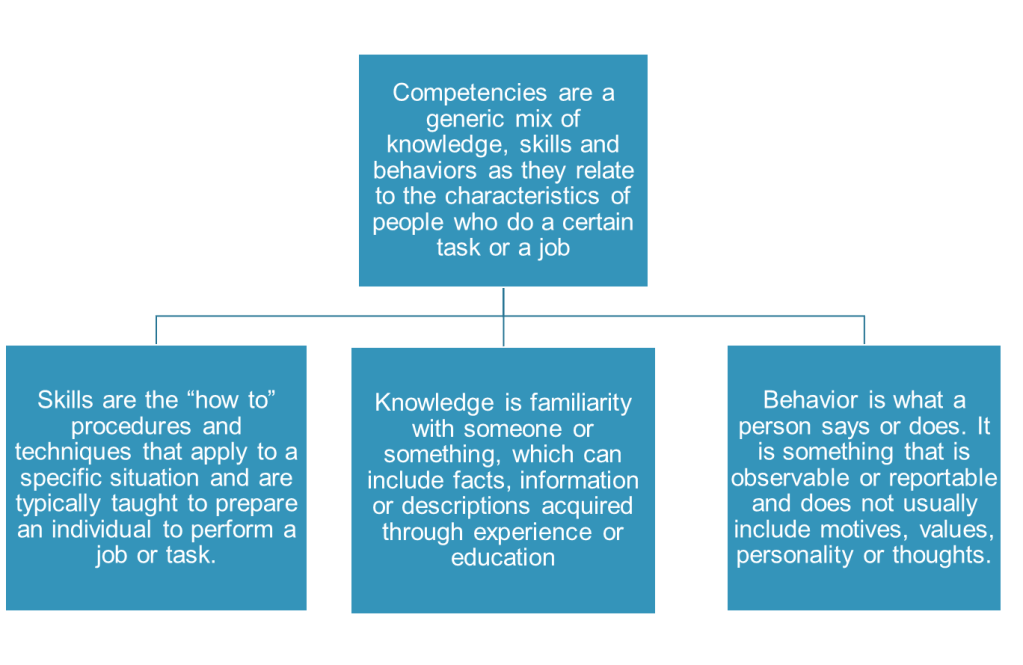
A comprehensive competency framework for quality professionals must recognize that true competency is more than a simple checklist of abilities. Rather, it represents the harmonious integration of three critical elements: skills, knowledge, and behaviors. Understanding how these elements interact and complement each other is essential for developing quality professionals who can thrive as “system gardeners” in today’s complex organizational ecosystems.

The Competency Triad

Competencies can be defined as the measurable or observable knowledge, skills, abilities, and behaviors critical to successful job performance. They represent a holistic approach that goes beyond what employees can do to include how they apply their capabilities in real-world contexts.

Knowledge: The Foundation of Understanding

Knowledge forms the theoretical foundation upon which all other aspects of competency are built. For quality professionals, this includes:

  • Comprehension of regulatory frameworks and compliance requirements
  • Understanding of statistical principles and data analysis methodologies
  • Familiarity with industry-specific processes and technical standards
  • Awareness of organizational systems and their interconnections

Knowledge is demonstrated through consistent application to real-world scenarios, where quality professionals translate theoretical understanding into practical solutions. For example, a quality professional might demonstrate knowledge by correctly interpreting a regulatory requirement and identifying its implications for a manufacturing process.

Skills: The Tools for Implementation

Skills represent the practical “how-to” abilities that quality professionals use to implement their knowledge effectively. These include:

  • Technical skills like statistical process control and data visualization
  • Methodological skills such as root cause analysis and risk assessment
  • Social skills including facilitation and stakeholder management
  • Self-management skills like prioritization and adaptability

Skills are best measured through observable performance in relevant contexts. A quality professional might demonstrate skill proficiency by effectively facilitating a cross-functional investigation meeting that leads to meaningful corrective actions.

Behaviors: The Expression of Competency

Behaviors are the observable actions and reactions that reflect how quality professionals apply their knowledge and skills in practice. These include:

  • Demonstrating curiosity when investigating deviations
  • Showing persistence when facing resistance to quality initiatives
  • Exhibiting patience when coaching others on quality principles
  • Displaying integrity when reporting quality issues

Behaviors often distinguish exceptional performers from average ones. While two quality professionals might possess similar knowledge and skills, the one who consistently demonstrates behaviors aligned with organizational values and quality principles will typically achieve superior results.

Building an Integrated Competency Development Approach

To develop well-rounded quality professionals who embody all three elements of competency, organizations should:

  1. Map the Competency Landscape: Create a comprehensive inventory of the knowledge, skills, and behaviors required for each quality role, categorized by proficiency level.
  2. Implement Multi-Modal Development: Recognize that different competency elements require different development approaches:
    • Knowledge is often best developed through structured learning, reading, and formal education
    • Skills typically require practice, coaching, and experiential learning
    • Behaviors are shaped through modeling, feedback, and reflective practice
  3. Assess Holistically: Develop assessment methods that evaluate all three elements:
    • Knowledge assessments through tests, case studies, and discussions
    • Skill assessments through demonstrations, simulations, and work products
    • Behavioral assessments through observation, peer feedback, and self-reflection
  4. Create Developmental Pathways: Design career progression frameworks that clearly articulate how knowledge, skills, and behaviors should evolve as quality professionals advance from foundational to leadership roles.

By embracing this integrated approach to competency development, organizations can nurture quality professionals who not only know what to do and how to do it, but who also consistently demonstrate the behaviors that make quality initiatives successful. These professionals will be equipped to serve as true “system gardeners,” cultivating environments where quality naturally flourishes rather than merely enforcing compliance with standards.

Understanding the Four Dimensions of Professional Skills

A comprehensive competency framework for quality professionals should address four fundamental skill dimensions that work in harmony to create holistic expertise:

Technical Skills: The Roots of Quality Expertise

Technical skills form the foundation upon which all quality work is built. For quality professionals, these specialized knowledge areas provide the essential tools needed to assess, measure, and improve systems.

Examples for Quality Gardeners:

  • Mastery of statistical process control and data analysis methodologies
  • Deep understanding of regulatory requirements and compliance frameworks
  • Proficiency in quality management software and digital tools
  • Knowledge of industry-specific technical processes (e.g., aseptic processing, sterilization validation, downstream chromatography)

Technical skills enable quality professionals to diagnose system health with precision—similar to how a gardener understands soil chemistry and plant physiology.

Methodological Skills: The Framework for System Cultivation

Methodological skills represent the structured approaches and techniques that quality professionals use to organize their work. These skills provide the scaffolding that supports continuous improvement and systematic problem-solving.

Examples for Quality Gardeners:

  • Application of problem solving methodologies
  • Risk management framework, methodology and and tools
  • Design and execution of effective audit programs
  • Knowledge management to capture insights and lessons learned

As gardeners apply techniques like pruning, feeding, and crop rotation, quality professionals use methodological skills to cultivate environments where quality naturally thrives.

Social Skills: Nurturing Collaborative Ecosystems

Social skills facilitate the human interactions necessary for quality to flourish across organizational boundaries. In living quality systems, these skills help create an environment where collaboration and improvement become cultural norms.

Examples for Quality Gardeners:

  • Coaching stakeholders rather than policing them
  • Facilitating cross-functional improvement initiatives
  • Mediating conflicts around quality priorities
  • Building trust through transparent communication
  • Inspiring leadership that emphasizes quality as shared responsibility

Just as gardeners create environments where diverse species thrive together, quality professionals with strong social skills foster ecosystems where teams naturally collaborate toward excellence.

Self-Skills: Personal Adaptability and Growth

Self-skills represent the quality professional’s ability to manage themselves effectively in dynamic environments. These skills are especially crucial in today’s volatile and complex business landscape.

Examples for Quality Gardeners:

  • Adaptability to changing regulatory landscapes and business priorities
  • Resilience when facing resistance to quality initiatives
  • Independent decision-making based on principles rather than rules
  • Continuous personal development and knowledge acquisition
  • Working productively under pressure

Like gardeners who must adapt to changing seasons and unexpected weather patterns, quality professionals need strong self-management skills to thrive in unpredictable environments.

DimensionDefinitionExamplesImportance
Technical SkillReferring to the specialized knowledge and practical skills– Mastering data analysis
– Understanding aseptic processing or freeze drying
Fundamental for any professional role; influences the ability to effectively perform specialized tasks
Methodological SkillAbility to apply appropriate techniques and methods– Applying Scrum or Lean Six Sigma
– Documenting and transferring insights into knowledge
Essential to promote innovation, strategic thinking, and investigation of deviations
Social SkillSkills for effective interpersonal interactions– Promoting collaboration
– Mediating team conflicts
– Inspiring leadership
Important in environments that rely on teamwork, dynamics, and culture
Self-SkillAbility to manage oneself in various professional contexts– Adapting to a fast-paced work environment
– Working productively under pressure
– Independent decision-making
Crucial in roles requiring a high degree of autonomy, such as leadership positions or independent work environments

Developing a Competency Model for Quality Gardeners

Building an effective competency model for quality professionals requires a systematic approach that aligns individual capabilities with organizational needs.

Step 1: Define Strategic Goals and Identify Key Roles

Begin by clearly articulating how quality contributes to organizational success. For a “living systems” approach to quality, goals might include:

  • Cultivating adaptive quality systems that evolve with the organization
  • Building resilience to regulatory changes and market disruptions
  • Fostering a culture where quality is everyone’s responsibility

From these goals, identify the critical roles needed to achieve them, such as:

  • Quality System Architects who design the overall framework
  • Process Gardeners who nurture specific quality processes
  • Cross-Pollination Specialists who transfer best practices across departments
  • System Immunologists who identify and respond to potential threats

Given your organization, you probably will have more boring titles than these. I certainly do, but it is still helpful to use the names when planning and imagining.

Step 2: Identify and Categorize Competencies

For each role, define the specific competencies needed across the four skill dimensions. For example:

Quality System Architect

  • Technical: Understanding of regulatory frameworks and system design principles
  • Methodological: Expertise in process mapping and system integration
  • Social: Ability to influence across the organization and align diverse stakeholders
  • Self: Strategic thinking and long-term vision implementation

Process Gardener

  • Technical: Deep knowledge of specific processes and measurement systems
  • Methodological: Proficiency in continuous improvement and problem-solving techniques
  • Social: Coaching skills and ability to build process ownership
  • Self: Patience and persistence in nurturing gradual improvements

Step 3: Create Behavioral Definitions

Develop clear behavioral indicators that demonstrate proficiency at different levels. For example, for the competency “Cultivating Quality Ecosystems”:

Foundational level: Understands basic principles of quality culture and can implement prescribed improvement tools

Intermediate level: Adapts quality approaches to fit specific team environments and facilitates process ownership among team members

Advanced level: Creates innovative approaches to quality improvement that harness the natural dynamics of the organization

Leadership level: Transforms organizational culture by embedding quality thinking into all business processes and decision-making structures

Step 4: Map Competencies to Roles and Development Paths

Create a comprehensive matrix that aligns competencies with roles and shows progression paths. This allows individuals to visualize their development journey and organizations to identify capability gaps.

For example:

CompetencyQuality SpecialistProcess GardenerQuality System Architect
Statistical AnalysisIntermediateAdvancedIntermediate
Process ImprovementFoundationalAdvancedIntermediate
Stakeholder EngagementFoundationalIntermediateAdvanced
Systems ThinkingFoundationalIntermediateAdvanced

Building a Training Plan for Quality Gardeners

A well-designed training plan translates the competency model into actionable development activities for each individual.

Step 1: Job Description Analysis

Begin by analyzing job descriptions to identify the specific processes and roles each quality professional interacts with. For example, a Quality Control Manager might have responsibilities for:

  • Leading inspection readiness activities
  • Supporting regulatory site inspections
  • Participating in vendor management processes
  • Creating and reviewing quality agreements
  • Managing deviations, change controls, and CAPAs

Step 2: Role Identification

For each job responsibility, identify the specific roles within relevant processes:

ProcessRole
Inspection ReadinessLead
Regulatory Site InspectionsSupport
Vendor ManagementParticipant
Quality AgreementsAuthor/Reviewer
Deviation/CAPAAuthor/Reviewer/Approver
Change ControlAuthor/Reviewer/Approver

Step 3: Training Requirements Mapping

Working with process owners, determine the training requirements for each role. Consider creating modular curricula that build upon foundational skills:

Foundational Quality Curriculum: Regulatory basics, quality system overview, documentation standards

Technical Writing Curriculum: Document creation, effective review techniques, technical communication

Process-Specific Curricula: Tailored training for each process (e.g., change control, deviation management)

Step 4: Implementation and Evolution

Recognize that like the quality systems they support, training plans should evolve over time:

  • Update as job responsibilities change
  • Adapt as processes evolve
  • Incorporate feedback from practical application
  • Balance formal training with experiential learning opportunities

Cultivating Excellence Through Competency Development

Building a competency framework aligned with the “living systems” view of quality management transforms how organizations approach quality professional development. By nurturing technical, methodological, social, and self-skills in balance, organizations create quality professionals who act as true gardeners—professionals who cultivate environments where quality naturally flourishes rather than imposing it through rigid controls.

As quality systems continue to evolve, the most successful organizations will be those that invest in developing professionals who can adapt and thrive amid complexity. These “quality gardeners” will lead the way in creating systems that, like healthy ecosystems, become more resilient and vibrant over time.

Applying the Competency Model

For organizational leadership in quality functions, adopting a competency model is a transformative step toward building a resilient, adaptive, and high-performing team—one that nurtures quality systems as living, evolving ecosystems rather than static structures. The competency model provides a unified language and framework to define, develop, and measure the capabilities needed for success in this gardener paradigm.

The Four Dimensions of the Competency Model

Competency Model DimensionDefinitionExamplesStrategic Importance
Technical CompetencySpecialized knowledge and practical abilities required for quality roles– Understanding aseptic processing
– Mastering root cause analysis
– Operating quality management software
Fundamental for effective execution of specialized quality tasks and ensuring compliance
Methodological CompetencyAbility to apply structured techniques, frameworks, and continuous improvement methods– Applying Lean Six Sigma
– Documenting and transferring process knowledge
– Designing audit frameworks
Drives innovation, strategic problem-solving, and systematic improvement of quality processes
Social CompetencySkills for effective interpersonal interactions and collaboration– Facilitating cross-functional teams
– Mediating conflicts
– Coaching and inspiring others
Essential for cultivating a culture of shared ownership and teamwork in quality initiatives
Self-CompetencyCapacity to manage oneself, adapt, and demonstrate resilience in dynamic environments– Adapting to change
– Working under pressure
– Exercising independent judgment
Crucial for autonomy, leadership, and thriving in evolving, complex quality environments

Leveraging the Competency Model Across Organizational Practices

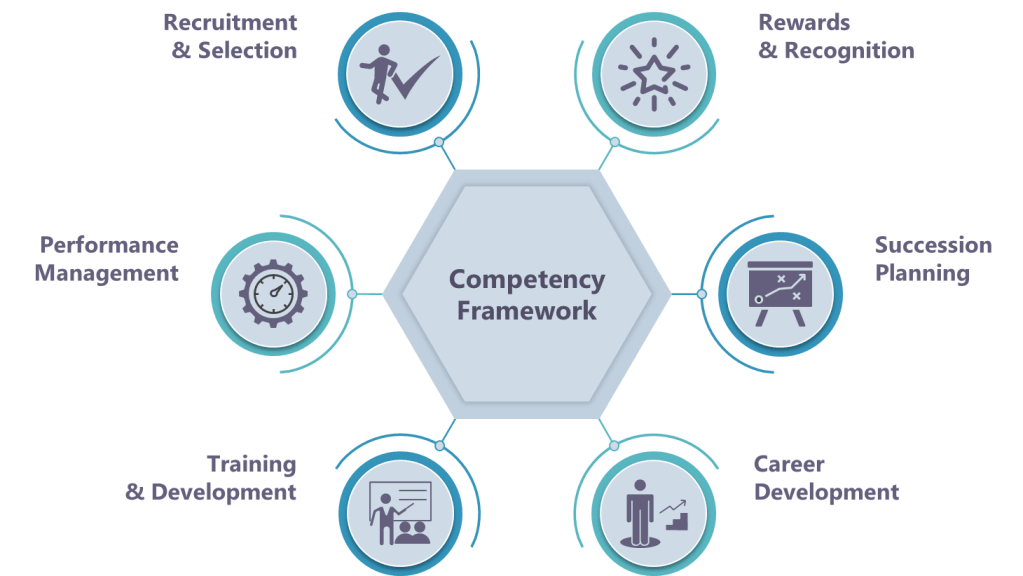
To fully realize the gardener approach, integrate the competency model into every stage of the talent lifecycle:

Recruitment and Selection

  • Role Alignment: Use the competency model to define clear, role-specific requirements—ensuring candidates are evaluated for technical, methodological, social, and self-competencies, not just past experience.
  • Behavioral Interviewing: Structure interviews around observable behaviors and scenarios that reflect the gardener mindset (e.g., “Describe a time you nurtured a process improvement across teams”).

Rewards and Recognition

  • Competency-Based Rewards: Recognize and reward not only outcomes, but also the demonstration of key competencies—such as collaboration, adaptability, and continuous improvement behaviors.
  • Transparency: Use the competency model to provide clarity on what is valued and how employees can be recognized for growing as “quality gardeners.”

Performance Management

  • Objective Assessment: Anchor performance reviews in the competency model, focusing on both results and the behaviors/skills that produced them.
  • Feedback and Growth: Provide structured, actionable feedback linked to specific competencies, supporting a culture of continuous development and accountability.

Training and Development

  • Targeted Learning: Identify gaps at the individual and team level using the competency model, and develop training programs that address all four competency dimensions.
  • Behavioral Focus: Ensure training goes beyond knowledge transfer, emphasizing the practical application and demonstration of new competencies in real-world settings.

Career Development

  • Progression Pathways: Map career paths using the competency model, showing how employees can grow from foundational to advanced levels in each competency dimension.
  • Self-Assessment: Empower employees to self-assess against the model, identify growth areas, and set targeted development goals.

Succession Planning

  • Future-Ready Talent: Use the competency model to identify and develop high-potential employees who exhibit the gardener mindset and can step into critical roles.
  • Capability Mapping: Regularly assess organizational competency strengths and gaps to ensure a robust pipeline of future leaders aligned with the gardener philosophy.

Leadership Call to Action

For quality organizations moving to the gardener approach, the competency model is a strategic lever. By consistently applying the model across recruitment, recognition, performance, development, career progression, and succession, leadership ensures the entire organization is equipped to nurture adaptive, resilient, and high-performing quality systems.

This integrated approach creates clarity, alignment, and a shared vision for what excellence looks like in the gardener era. It enables quality professionals to thrive as cultivators of improvement, collaboration, and innovation—ensuring your quality function remains vital and future-ready.