A Collaborative Learning Event I Might Run

To complete a thought on community of practices I did this weekend with “A CoP is Collaborative Learning, not Lecture” and “How I would Organize a Meeting of a CoP” I’m now going to build, from the group up, a collaborative learning event I would love to organize.

A little caveat: I really burnt out on professional obligations last year and have just started to peak my head out. So, it may be a little harder to turn this mad scientist dream into a reality. However, I think it is worth putting out as a thought experiment.

Theme and Scope

I’ve written a bit about the challenges to quality, and these challenges provide a framework for much of what I think and write about.

More specifically drawing from the “Challenges in Validation” focusing on the challenges of navigating a complex validation landscape characterized by rapid technological advancements, evolving regulatory standards, and the development of novel therapies.

This event would ask, “How do we rise to the challenges of validation in the next decade, leveraging technology and a risk management approach and drawing from the best practices of ASTM E2500, GAMP5, and others to meet and exceed changing regulatory requirements.”

Intended Audience

I go to events, and there are a lot of quality people, OR risk management people, OR computer systems (IT and Q) people, OR engineers, OR analytical method folks, OR process development people. Rarely do I see an event that looks at the whole picture. And rarely do I get to attend an event where we are sharing and blurring the lines between the various silos. So let us break down the silos and invite quality, IT, engineers, and process development individuals involved in the full spectrum of pharmaceutical (and possibly medtech) validation.

This holistic event is meant to blend boundaries, share best practices, challenge ourselves, and look across the entire validation lifecycle.

Structure

Opening/Networking (1 hour)

As people arrive, they go right into a poster event. These posters are each for a specific methodology/approach of ASTM E2500, ISPE Baseline Guides, FDA’s Guidance for Process Validation: General Principles and Practices, ICH’s QbD approach, and GAMP5. Maybe some other things.

These posters would each:

  • Provide an overview of what it is and why it is important
  • Overview of methodology
  • What challenges it overcomes
  • Lessons that can be applied
  • Challenges/problems inherent in the approach

These posters would be fun to develop and take a good squad of experts.

After an hour of mingling, sharing, and baselining, we could move to the next step.

Fish Bowl Debate (45 minutes)

Having earlier selected a specific topic and a panel of experts, hold a fish bowl debate. This would be excellent as a mock-inspection, maybe of a really challenging topic. Great place to bring those inspectors in.

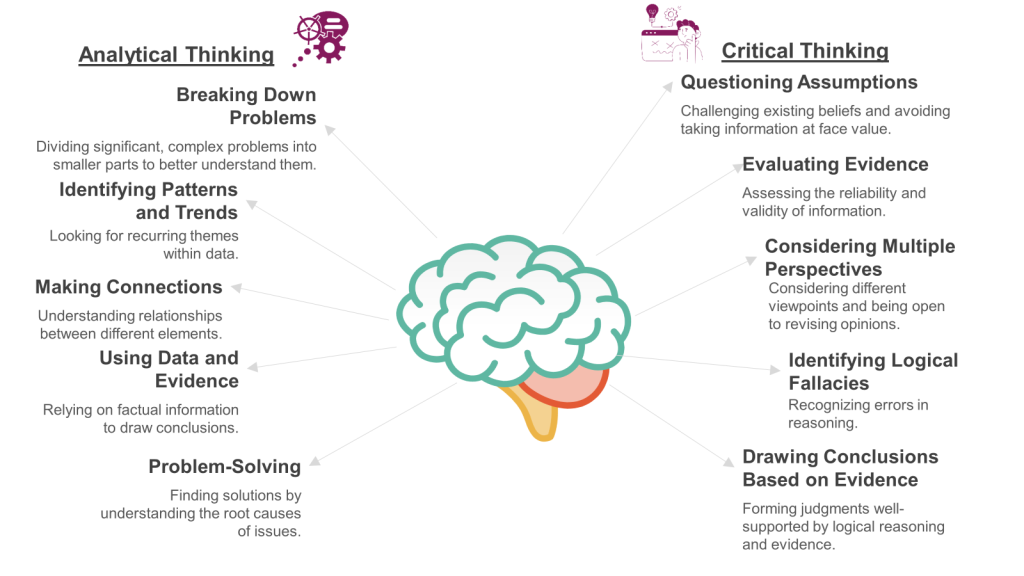
During a fish bowl, everyone not in the center is taking notes. I love a worksheet to help with this by providing things to look for to get the critical thinking going.

Future Workshop (1.5 hour)

  1. Introduce the activity (10 min)
  2. Ask participants to reflect on their present-day situation, write down all their negative experiences on sticky notes, and place them on the wall. (15 min)
  3. Invite participants to list uncertainties they face by asking, “In your/our operating environment, what factors are impossible to predict or control their direction?” (5 min).
  4. Prioritize the most critical factors by asking, “Which factors threaten your/our ability to operate successfully?” (10 min)
  5. Based on the group’s history and experience, select the two most critical and most uncertain (X and Y). (5 min)
  6. Create a grid with two axes—X & Y—with a “more of <— —> less of” continuum to represent the factor on each axis. For example, suppose new modalities are a critically uncertain factor for the X-axis. In that case, one end of the X-axis is many new modalities, and the other is no new modalities. Repeat for the Y factor and axis. For instance, if patent protection is a critical factor, one end of the Y axis is strong patent protection, and the other has no patent protection. Four quadrants are created. (5 min)
  7. Break into four groups, and each group creatively names and writes a thumbnail scenario for one of the quadrants. (10 min)
  8. The four groups share their scenarios briefly. 2 min. each
  9. Participants fantasize about the desired future situation. How would the ideal situation be for them? At this stage, there are no limitations; everything is possible. Write on stick notes and apply them to the most likely quadrant. (10 minutes)
  10. Do a n/3 activity to find the top ideas (enough for groups of 4-5 each) (3 min)
  11. Explain the next activity (2 min)

Lunch (1 hour)

Open Space Solution (1 hour)

For each top idea, the participants vote with their feet and go to develop the concept. Each group is looking to come up with the challenge solved, a tool/methodology, and an example.

Review the Results of the Open Space Solutions (1 hour)

Each team presents for 5-8 minutes.

1-2-4-All (20 minutes)

  1. Silent self-reflection by individuals on the shared challenge, framed as a question “What opportunities do YOU see for making progress on this challenge? How would you handle this situation? What ideas or actions do you recommend?” (1 min)
  2. Generate ideas in pairs, building on ideas from self-reflection. (2 min)
  3. Share and develop ideas from your pair in foursomes (notice similarities and differences).( 4 min)
  4. Ask, “What is one idea that stood out in your conversation?” Each group shares one important idea with all (15 min)

Closing Commitment (5 min)

Where will this live? What comes next? Make a commitment to follow up electronically.

Networking

Spend an hour or so with drinks and food and discuss everything. Never enough socialization.

Embrace Change

As leaders, embracing change, both the ones we foster and change that stems from other places within and without our organizations, is critical. By embracing change ourselves, we lead by example and demonstrate the behaviors and mindset they expect from their teams. This can create a ripple effect, encouraging others to adopt a similar attitude toward change.

Understanding the Importance of Change

  1. Recognize the Necessity of Change: Change is inevitable and essential for growth and improvement. Leaders who embrace change are more adaptable and capable of handling various challenges.
  2. View Change as an Opportunity: Change opens doors to new opportunities, skills, and knowledge. It fosters innovation and can lead to excellence by pushing leaders and their teams out of their comfort zones.

Developing Key Leadership Skills

  1. Adaptability: Being adaptable allows leaders to act quickly, face conflicts head-on, and learn from failures. This skill is pivotal in managing and leading change successfully.
  2. Visionary Thinking: Setting a clear direction and purpose for the future helps inspire others to embrace change. Visionary leaders can motivate their teams by outlining long-term strategies and goals.
  3. Communication and Influencing: Effective communication is crucial during times of change. Leaders should clearly articulate what changes are occurring, why they are necessary, and how they will be implemented. Listening with empathy and being transparent helps build trust and engagement.
  4. Emotional Intelligence: It is essential to manage one’s emotions and respond well to others’ emotions. Recognizing and acknowledging others’ feelings can help mitigate stress and resistance to change.
  5. Resilience and Persistence: Change can be challenging and unpredictable. Resilient leaders can bounce back from obstacles and remain focused on desired outcomes. Persistence helps sustain momentum throughout the change process.

Practical Steps to Embrace Change

  1. Build a Support System: Don’t go it alone. Seek support from mentors, peers, and team members. Encourage your employees to do the same.
  2. Create a Clear Vision and Plan: Establish and communicate a vision for the change early on. Develop a comprehensive change management plan that includes clear communication channels and methods to monitor progress.
  3. Model Expected Behaviors: Demonstrate the behaviors you expect from your team. Show a willingness to try new things, ask questions, and share insights about the change process.
  4. Engage and Support Employees: Regularly share information about the status and impact of the change. Show empathy and provide opportunities for employees to voice their concerns and successes.
  5. Recognize and Celebrate Successes: Acknowledge and celebrate small victories along the way. This helps maintain motivation and reinforces positive behaviors.
  6. Be Patient and Understanding: Understand that some employees may adapt more quickly than others. Provide ongoing support and check-ins to ensure everyone is coping well with the change.

Leading by Example

  1. Embrace a Proactive Attitude: Be proactive rather than reactive. Seek out new opportunities and challenges, and constantly look for ways to improve and innovate.
  2. Show Humility and Openness: Foster trust and psychological safety by being humble, authentic, and open. This enables your team to reach their full potential and navigate changes effectively.
  3. Encourage Leadership at All Levels: Empower your team members to take on leadership roles and make decisions. This helps build a change-ready culture where everyone is involved in the process.

Encouraging your team to embrace change involves clear communication, active involvement, and supportive leadership.

Understand and Address Resistance

  1. Identify the Root Causes of Resistance: Understand why team members might resist change. Common reasons include fear of the unknown, lack of trust, loss of control, and attachment to the status quo. You can address these issues more effectively by listening to their concerns and empathizing with their emotions.
  2. Communicate the Vision and Benefits: Explain why the change is necessary, the expected outcomes, and how it will benefit the team and the organization. Use stories, examples, and testimonials to illustrate the benefits and inspire the team.

Involve and Empower Your Team

  1. Encourage Participation: Involve team members in the decision-making process. Seek their input, feedback, and suggestions on implementing the change. This will help them feel valued and give them a sense of ownership over the change process.
  2. Provide Training and Support: Offer training and resources to help team members adjust to the change and ensure they have the skills and knowledge to succeed in the new environment.
  3. Create a Supportive Environment: Foster a culture of open communication where team members feel comfortable sharing their ideas and concerns. This can help build trust and reduce resistance.

Communicate Effectively

  1. Be Clear and Transparent: Communicate clearly and consistently about the change. Explain the change’s purpose, scope, and impact and how it aligns with the organization’s vision and goals.
  2. Tailor Your Communication: Different stakeholders may react and be concerned about the change. Tailor your communication to address their specific needs and interests.
  3. Use Multiple Channels: Use various communication methods to reach all team members. This can include team meetings, one-on-one sessions, emails, and interactive platforms.

Foster a Change-Ready Culture

  1. Promote a Culture of Continuous Improvement: Encourage a mindset of adaptability and continuous learning. This helps team members see change as a natural part of growth and improvement.
  2. Build Trust and Collaboration: Foster a culture of trust and collaboration where team members feel supported and valued. This can help reduce resistance and increase engagement with the change process.

How I would Organize a Meeting of a CoP

As I discussed in “A CoP is Collaborative Learning, not Lecture,” it is past time to stop treating professionals as college kids (it is also past time to stop teaching college kids that way, but another subject). Lectures have their place. There is undoubtedly a high need for information transfer events (but even these can be better structured), and there will always be a need for GAMP5 workshops, training courses, and webinars on a specific topic.

But that is not the place of a community of practice.

I’ve written in the past some ways I prefer to structure professional engagements, such as poster sessions and an unconference. I have demonstrated some ways I think we can do this better. So, let’s turn our attention to what a better GAMP5 community of practice session could look like

We aim to connect, communicate, share, collaborate, and dialogue. So, what would a six-hour event look like?

Noon to 1:00—Networking and poster session. We have a lot of introverts in this industry, so help folks connect by doing it in a structured way. Posters are excellent as they can serve as a springboard for conversation. All the presentations that started about ISPE and GAMP5, what the GAMP5 plans are for the next two years, and current regulatory trends are posters.

1:00-2:00—Think-Pair-Share: There will be three rounds of 15 minutes each, each with a different topic. Each participant will have an 11×17 piece of paper to take notes of the other person’s thoughts. Post.

2:00 to 2:30: Review thoughts, brainstorm a theme, and propose.

2:30 to 2:45: N/5 voting for top themes

2:30 to 3:30 – Mock audit, fishbowl style. Deep dive on a particular issue, audit style.

3:30 to 4:30 -Unconference-style breakouts of the themes. Each working group comes out with a hand-drawn poster (or more based on how productive the group is)

4:30 to 5:00 – Present ideas

5:00 to 6:00 – Network, discuss ideas. Add to them.

Hit the bar/restaurant.

Publish the results, and continue to work on the online forum.

A CoP is Collaborative Learning, not Lecture

I was recently at an event for GAMP5 that billed itself as a community of practice. Instead, it was a bunch of lectures, a lot of being talked at, and no collaborative learning.

Collaborative learning is an educational approach where two or more individuals work together to understand a concept, solve a problem, or create a product. This method leverages the group members’ collective resources, skills, and knowledge, fostering an environment where participants actively engage with each other to achieve shared learning goals. It is the heart of a flourishing community of practice and something we should do much more as industry professionals.

Key Characteristics of Collaborative Learning

  1. Group Dynamics: Collaborative learning involves small groups, typically ranging from pairs to groups of no more than six members, where each member contributes to the group’s success. The interaction among group members is crucial, as it involves sharing ideas, evaluating each other’s contributions, and collectively solving problems.
  2. Active Engagement: Unlike traditional individual learning, collaborative learning requires active participation from all members. This engagement can take various forms, including face-to-face discussions, online forums, group projects, and peer reviews.
  3. Shared Responsibility: In collaborative learning, responsibility and authority are distributed among group members. Each participant is accountable not only for their own learning but also for helping their peers understand and succeed.
  4. Diverse Perspectives: Collaborative learning often brings together individuals from different backgrounds, promoting diversity of thought and fostering open-mindedness and acceptance.

Benefits of Collaborative Learning

  1. Enhances Problem-Solving Skills: Working in groups exposes participants to various perspectives and approaches, which can lead to more effective problem-solving strategies.
  2. Improves Communication Skills: Collaborative learning requires clear and effective verbal and written communication, which helps participants develop strong communication skills.
  3. Fosters Social Interaction: By working together, participants practice and enhance social skills such as active listening, empathy, and respect, essential for building strong personal and professional relationships.
  4. Promotes Critical Thinking: The need to discuss, debate, and defend ideas in a group setting encourages participants to think critically and deeply about the subject matter.
  5. Encourages Creativity: Exchanging diverse ideas and perspectives can inspire creative solutions and innovative thinking.

Theoretical Background

Collaborative learning is rooted in Lev Vygotsky’s zone of proximal development concept, which emphasizes the importance of social interaction and communication in learning. According to Vygotsky, learners can achieve higher levels of understanding and retain more information when they work collaboratively, as they can learn from each other’s experiences and insights.

Examples of Collaborative Learning Activities

  1. Think-Pair-Share: Participants think about a question individually, discuss their thoughts with a partner, and then share their conclusions with the larger group.
  2. Jigsaw Method: Participants are divided into “home” groups, and each member becomes an expert on a subtopic. They then teach their subtopic to their group members, ensuring everyone understands the topic.
  3. Fishbowl Debate: Small groups of participants debate a topic, with some members observing and taking notes. This method encourages active participation and critical thinking.
  4. Case Studies: Groups analyze and discuss real-world scenarios, applying theoretical knowledge to practical situations.
  5. Online Forums: Participants collaborate through discussion boards or live collaboration software, sharing ideas and working together on projects.

Color and Risk Evaluation

These experiments show some preliminary evidence that the color assignment in risk matrices might influence people’s perception of risk gravity, and therefore their decisionmaking with regards to risk mitigation. We found that individuals might be tempted to cross color boundaries when reducing risks even if this option is not advantageous (i.e., the boundary crossing effect). However, this effect was not consistently found when we included exploratory analyses of
risk mitigations at different impact levels.

Pending future research replicating these results, the cautious recommendation is that the potential biasing effects of color should be considered alongside the goal of communication. If the purpose of communication is informing individuals in an unbiased way, these findings suggest it might be worth eliminating colors from risk matrices in order to reduce the risk of the boundary-crossing effect. On the other hand, if the goal of communication is to persuade individuals to implement certain risk mitigation actions, it might be that assigning colors so as to elicit the boundary-crossing effect would facilitate this. This could be the case, for example, when designing risk matrices that communicate action standards (i.e., severity level at which risk mitigation should be implemented) (Keller et al., 2009). This advice might be particularly relevant in the case of semiqualitative risk matrices, where color assignment might be arbitrary due to the absence of clear numeric cut-off points separating risk severity categories, and to situations where the users of the risk matrix are expected to be of higher numeracy and not have prior training in the design and use of risk matrices.

Proto, R., Recchia, G., Dryhurst, S., & Freeman, A. L. J. (2023). Do colored cells in risk matrices affect decision-making and risk perception? Insights from randomized controlled studies. Risk Analysis, 43, 2114–2128. https://doi.org/10.1111/risa.14091

Well, that is thought-provoking. I guess I need to start evaluating the removal of a lot of color from SOPs, work instructions, and templates.