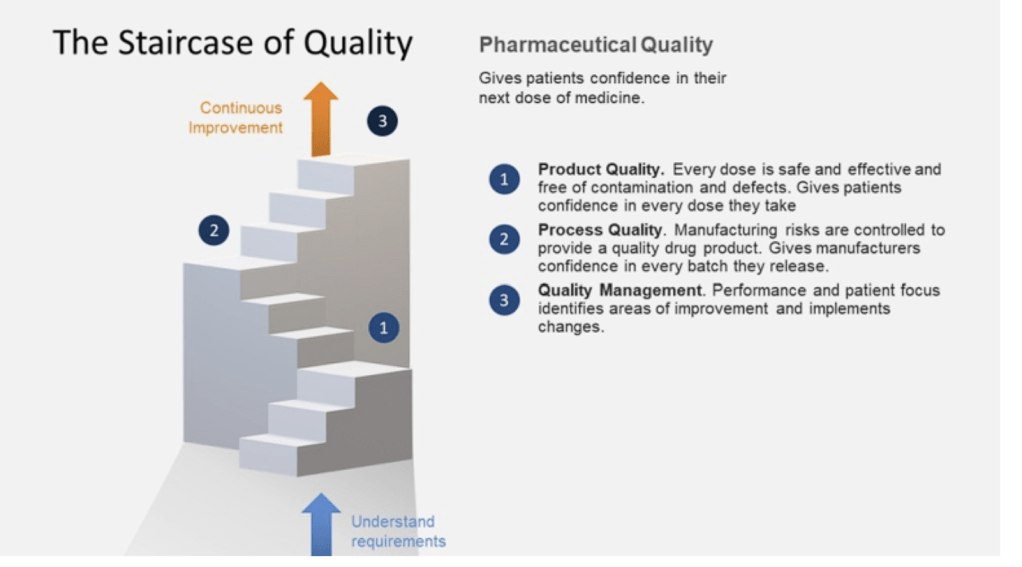
I hasn’t been difficult to notice that a whole lot of biological new drug applications have been rejected in the last few years, many for CMC reasons. Recently CDER Director Patrizia Cavazzoni spoke on the matter at a recent at a Duke University and FDA event at the National Press Club iin the video above.
“Our standards have not changed. We have exactly the same standards as we had in 2018 and 2019,” she said, before going on to talk about how the quality related issues the FDA is seeing: contamination, overall oversight, manufacturing controls or insufficient quality management systems.
Max Van Tassell, a senior pharmaceutical quality assessor in CDER’s Office of Pharmaceutical Quality, provided insights from analyzing 100 complete response letters (CRLs) for Biologics License Applications (BLAs) issued between 2014 and 2024. He noted that facility-related deficiencies in CRLs typically stem from inadequate demonstration that proposed corrective and preventive actions would effectively mitigate risks identified during on-site inspections.
It should be a key takeaway from this presentation that:
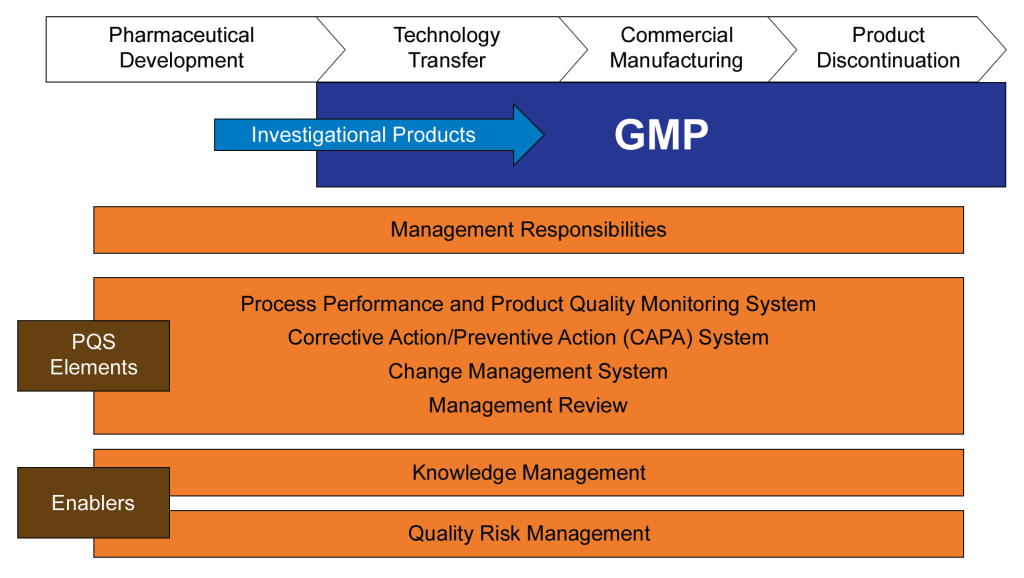
The International Conference on Harmonization (ICH) was established to harmonize the technical requirements for pharmaceutical product registration across Europe, Japan, and the United States. ICH Q10, finalized in June 2008, emerged from this initiative as a guideline for a comprehensive Pharmaceutical Quality System (PQS) applicable throughout the product lifecycle. It was adopted by the FDA in April 2009, following its implementation by the European Commission in July 2008.
ICH Q10 aims to provide a model for pharmaceutical manufacturers to develop and maintain effective quality management systems. The guideline emphasizes a lifecycle approach, integrating quality management principles from ISO standards and regional GMP requirements. The primary objectives of ICH Q10 include:
Ensuring consistent product quality that meets customer and regulatory requirements.
Establishing effective monitoring and control systems for process performance and product quality.
Promoting continual improvement and innovation throughout the product lifecycle.
The guideline outlines the key elements of management responsibilities, Corrective and Preventive Action (CAPA) , process performance and product quality monitoring, change management, and management review. ICH Q10 is usually considered part of the “Quality Trio” with ICH Q8 and Q9. Quality by design is only possible through proper risk management and a robust quality system.
FDA Guidance for Industry on Quality Systems Approach to Pharmaceutical CGMP Regulation
The FDA developed guidance on implementing modern quality systems and risk management practices to align with the CGMP (Current Good Manufacturing Practice) requirements outlined in parts 210 and 211 of the FDA regulations. These regulations govern the manufacturing of human and veterinary drugs, including biological products. Published in 2006, this guidance should be viewed as part of a continuum of thought with ICH Q10 and not as an earlier draft.
This guidance aims to assist manufacturers in meeting cGMP requirements by adopting a comprehensive quality systems model. It emphasizes the integration of quality systems with regulatory requirements to ensure full compliance without imposing new expectations on manufacturers. Key aspects of the guidance include:
Highlighting the consistency of the quality systems model with cGMP regulations.
Encouraging the use of risk management and quality systems to enhance compliance and product quality.
Providing a framework for manufacturers to gain control over their manufacturing processes.
Six-System Inspection Model
The FDA’s Six-System Inspection Model is a framework introduced in this guidance to ensure compliance with current Good Manufacturing Practice (CGMP) regulations in the pharmaceutical industry. This model helps FDA inspectors evaluate the robustness of a company’s quality management system by focusing on six key subsystems.
I am a huge fan of the six subsystem approach. Basically we have here the organization of the quality manual, a guide to what standards you need to write in a bigger company, and a franework for understanding the cGMPs as a whole (great for education purposes).
Here’s a detailed explanation of each subsystem:
1. Quality System
Role: Acts as the central hub for all other systems, ensuring overall quality management.
Focus: Management responsibilities, internal audits, CAPA (Corrective and Preventive Actions), and continuous improvement.
Importance: Ensures that all other systems are effectively integrated and managed to maintain product quality and regulatory compliance.
2. Facilities and Equipment System
Role: Ensures that facilities and equipment are suitable for their intended use and maintained properly.
Focus: Design, maintenance, cleaning, and calibration of facilities and equipment.
Importance: Prevents contamination and ensures consistent manufacturing conditions.
3. Materials System
Role: Manages the control of raw materials, components, and packaging materials.
Focus: Supplier qualification, receipt, storage, inventory control, and testing of materials.
Importance: Ensures that only high-quality materials are used in the manufacturing process, reducing the risk of product defects.
4. Production System
Role: Oversees the actual manufacturing processes.
Focus: Process controls, batch records, in-process controls, and validation.
Importance: Ensures that products are manufactured consistently and meet predefined quality criteria.
5. Packaging and Labeling System
Role: Manages the packaging and labeling processes to ensure correct and compliant product presentation.
Focus: Label control, packaging operations, and labeling verification.
Importance: Prevents mix-ups and ensures that products are correctly identified and used.
6. Laboratory Controls System
Role: Ensures the reliability of laboratory testing and data integrity.
Focus: Sampling, testing, analytical method validation, and laboratory records.
Importance: Verifies that products meet quality specifications before release.
Integration and Interdependence
Quality System as the Fulcrum: The quality system is the central element that integrates all other subsystems. It ensures that each subsystem functions correctly and is aligned with overall quality objectives.
State of Control: The primary goal of the six-system inspection model is to ensure that each subsystem is in a state of control, meaning it operates within predefined limits and consistently produces the desired outcomes.
The Six-System Inspection Model provides a structured approach for FDA inspectors to assess the compliance and effectiveness of a pharmaceutical company’s quality management system. By focusing on these six subsystems, the FDA ensures that all aspects of manufacturing, from raw materials to final product testing, are adequately controlled and managed to maintain high standards of product quality and safety.
A Complementary and Holistic Approach
Both ICH Q10 and the FDA’s guidance on quality systems approach aim to enhance the quality and safety of pharmaceutical products through robust quality management systems. ICH Q10 provides a harmonized model applicable across the product lifecycle, while the FDA guidance focuses on integrating quality systems with existing CGMP regulations. Together, they support the pharmaceutical industry in achieving consistent product quality and regulatory compliance.
Aspect
ICH Q10
FDA Guidance on CGMP
ISO 13485 and 21 CFR 820
ISO 9000
Purpose and Scope
Comprehensive model for pharmaceutical quality systems across the product lifecycle.
Quality systems approach to ensure CGMP compliance in pharmaceuticals.
Quality management system for medical devices, incorporating ISO 13485 and regulatory requirements of 21 CFR 820.
Fundamentals and vocabulary for quality management systems applicable to any industry.
Industry Focus
Specifically for the pharmaceutical industry.
Specifically for the pharmaceutical industry.
Specifically for the medical device industry.
Applicable to any industry.
Key Elements
Management responsibilities, CAPA, process performance, change management, management review.
Management responsibilities, quality systems, process validation, continuous improvement.
Quality management principles, terms, and definitions.
Regulatory Focus
Strong emphasis on regulatory compliance and lifecycle management.
Strong emphasis on regulatory compliance with CGMP.
Incorporates regulatory requirements specific to medical devices (21 CFR 820).
Does not directly address regulatory compliance.
Flexibility
Flexible, adaptable to specific product and process needs.
More prescriptive with specific compliance requirements.
Harmonized with international standards but includes specific regulatory requirements.
Provides a broad framework for customization.
Management Involvement
Emphasizes management’s role in quality and regulatory compliance.
Emphasizes management’s role in quality and CGMP integration.
Emphasizes management’s role in quality and risk-based decision making.
Emphasizes management’s role in quality and customer satisfaction.
Implementation
Tailored to pharmaceutical manufacturing, integrating quality management principles.
Mandates oversight and controls over drug manufacturing processes.
Requires a quality manual and specific documentation practices; aligned with international standards.
Requires customization to specific industry needs.
These two documents were developed at the same time and represents the thinking twenty years ago in laying down an approach that still matters today. I usually regard the six system approach as a deepening and defining of what Q10 means by process performance and product quality monitoring.
What is the current agency thinking?
The FDA and other revulatory agencies haven’t stopped their thinking in 2008. Sixteen years later we see the continued push for quality culture and quality maturity. The FDA continues to make this a top priority, as we’ve been seeing in their annual drug shortage reports to Congress. There are a few themes we continue to see driven home.
The Patient is the Customer
Quality management must be customer-focused, ensuring that all processes and materials meet their intended use. Senior management’s commitment is crucial for a strong QMS, which emphasizes proactive quality assurance over reactive quality control. Robust supplier relationships and oversight programs are essential to manage variability in materials and processes.
This application of a core priciple in ISO 9000 may seem to basic to some, but I think it is central to a lot of messaging and should never be taken for granted.
Benefits of Better Quality Performance
A continued focus that a quality-focused culture leads to:
Early problem detection
Enhanced process stability and productivity
Fewer major deviations and failures
Efficient QA release of batches
Reduced customer complaints and returns
Protection of brand and competitiveness
Management Oversight of Drug Quality
Management must address sources of variability, including people, materials, methods, measurements, machines, and environment. Risk management should be dynamic and ongoing, facilitating continual learning and improvement.
Corrective Action and Preventive Action (CAPA)
A structured approach to investigating complaints, product rejections, nonconformances, recalls, deviations, audits, regulatory inspections, and trends is essential. CAPA should determine root causes and implement corrective actions.
Change Management
Timely and effective change management ensures corrections and improvements are undertaken efficiently. This includes implementing product quality improvements, process improvements, variability reduction, innovations, and pharmaceutical quality system enhancements.
Management Review
Management is responsible for quality policy, QMS effectiveness, internal communications, resource management, and supply chain oversight. This includes ensuring the quality of incoming materials and outsourced activities.
Quality Culture Driven by Top Management
A strong corporate quality culture is driven by daily decisions and executive oversight. Sustainable compliance requires aiming for high standards rather than just meeting minimum requirements. Quality management maturity involves proactive and preventive actions, iterative learning, and leveraging modern technologies.
Facility Lifecycle
Senior management must ensure the suitability of operational design, control, and maintenance. This includes addressing infrastructure reliability, appropriateness for new product demands, and mitigating equipment/facility degradation.
Risk Management in Manufacturing
Human factors and manual interventions pose significant risks in pharmaceutical manufacturing. Automation and separation technologies can mitigate these risks, but many facilities still rely on manually intensive processes. Leveraging new technologies and practices is a huge opportunity.
This approach is reflected in the FDA’s Quality Management Maturity (QMM), which promotes advanced quality management practices within drug manufacturing establishments.
Goals of the QMM Program
Foster a Strong Quality Culture Mindset: Encourage establishments to integrate quality deeply into their organizational culture.
Recognize Advanced Quality Management Practices: Acknowledge and reward establishments that go beyond basic CGMP (Current Good Manufacturing Practices) requirements.
Identify Growth Opportunities: Provide suggestions for enhancing quality management practices.
Minimize Risks to Product Availability: Ensure a reliable market supply by reducing quality-related failures and maintaining performance during supply chain disruptions.
Key Components of the QMM Program
Management Commitment to Quality: Leadership must prioritize quality, set clear objectives, and integrate these with business goals. Effective management review processes are crucial.
Business Continuity: Establishments should develop robust plans to handle disruptions, ensuring consistent operations and supply chain reliability.
Advanced Pharmaceutical Quality System (PQS): Implementing quality principles like Quality by Design (QbD) and risk management approaches to maintain system reliability and minimize production disruptions.
Technical Excellence: Emphasizing data management, innovative manufacturing processes, and advanced technologies to enhance quality and operational efficiency.
Employee Engagement and Empowerment: Encouraging employees to take ownership of quality, make suggestions, and understand their impact on product quality and patient safety.
Implementation and Assessment
The FDA has developed a prototype assessment protocol to evaluate QMM. This includes a standardized approach to minimize bias and ensure objectivity. Someday, eventually, it will move away from constant prototyping.
Assessments will focus on qualitative aspects, such as the establishment’s quality culture and how it uses data to drive improvements.
Benefits of QMM
Enhanced Supply Chain Reliability: By adopting mature quality management practices, establishments can reduce the occurrence of quality-related failures. The fact shortages continue to be so damning to our industry is a huge wake-up call.
Proactive Continual Improvement: Encourages a proactive approach to quality management, leveraging technological advancements and integrated business operations.
Long-term Cost Savings: Investing in a mature quality culture can lead to fewer compliance issues, reduced inspection needs, and overall cost reductions.
Conclusion
The FDA’s QMM program aims to transform how pharmaceutical quality is perceived, measured, and rewarded. The program seeks to ensure a more reliable drug supply and better patient outcomes by fostering a strong quality culture and recognizing advanced practices. It should be seen as part of a 20-year commitment from the agency in alignment with its international partners.
The FDA guidance “Circumstances that Constitute Delaying, Denying, Limiting, or Refusing a Drug or Device Inspection” published in June 2024 outlines the behaviors and circumstances that the FDA considers to be non-compliant with inspection requirements under section 501(j) of the Federal Food, Drug, and Cosmetic Act (FD&C Act). This guidance is essential for ensuring that drugs and devices are not deemed adulterated due to inspection-related issues.
The guidance aims to make sure transparency and compliance during FDA inspections to protect public health by ensuring that drugs and devices are manufactured by regulatory standards.
Legal Background
The Food and Drug Administration Safety and Innovation Act (FDASIA) of 2012 added section 501(j) to the FD&C Act, which deems a drug adulterated if the owner, operator, or agent of a facility delays, denies, or limits an FDA inspection, or refuses to permit entry or inspection.
The FDA Reauthorization Act of 2017 extended these provisions to include medical devices.
Scope
The guidance applies to all facilities involved in the manufacture, processing, packing, or holding of drugs or devices. It defines what constitutes delaying, denying, limiting, or refusing an inspection, providing specific examples to illustrate these behaviors.
Examples of Non-Compliant Behaviors:
Delaying: Postponing an inspection without a reasonable explanation.
Denying: Explicitly refusing to allow an inspection to take place.
Limiting: Restricting the scope of an inspection, like limiting access to certain areas or records.
I want to stress that this includes the situation where a facility provides some, but not all, records requested by the FDA investigator that FDA has authority to inspect. Everyone’s favorite delaying tactic.
This also includes omitting or limiting the data contained in the electronic records when providing electronic copies of the records to FDA. This includes but is not limited to actions like removing data columns in Excel, removing data from the electronic record when providing the record to FDA, exporting data into reports without including all of the data fields (unless otherwise requested by FDA), or locking the electronic worksheet so that the data cannot be searched, sorted, or analyzed by FDA.
Preventing an authorized representative of FDA from collecting statutorily authorized samples may be considered limiting the inspection. Examples of sample limitations include, but are not limited to, declining to allow or impeding FDA from collecting the following types of samples: environmental samples, finished product samples, raw material samples, in-process material samples, reserve samples in bioequivalence and bioanalytical studies, and labeling.
Refusing: Not allowing the FDA to enter the premises for inspection.
Background on FDA Guidance
The FDA issues guidance documents to communicate its current thinking on regulatory issues. These documents are not legally binding but give insight into how the FDA interprets and enforces laws and regulations. The guidance on delaying, denying, limiting, or refusing inspections was necessitated by the need to clearly define what constitutes non-compliance under section 501(j) of the FD&C Act. This clarity helps facilities understand their obligations and avoid actions that could lead to their products being deemed adulterated.
The guidance was finalized to replace the previous version issued in October 2014 and incorporates feedback and updates to reflect current practices and challenges in the inspection process. It is a critical tool for both the FDA and industry stakeholders to ensure that inspections are conducted smoothly and effectively, thereby safeguarding the quality and safety of drugs and devices available to the public.
A deviation backlog in a regulated industry, such as pharmaceuticals, can pose significant risks to compliance, product quality, and overall operational efficiency. Addressing this backlog effectively requires a structured approach that prioritizes risk management, resource allocation, and continuous improvement.
You need to do two things first:
Prioritize Urgent Requests
Identify Critical Issues: Focus on resolving high-priority and time-sensitive deviations first to drive compliance.
Isolate and Organize
Separate Backlog from Ongoing Deviations: Create distinct queues for backlog deviations and new deviations to streamline management.
Create a Backlog Team: Assign a dedicated team to tackle the backlog, ensuring that regular support operations continue smoothly.
From there, you can then proceed into the next steps to tackle a deviation backlog:
1. Prioritize Based on Risk
Not all deviations have the same impact. Prioritizing the backlog based on the severity and risk part of each deviation is crucial. This involves:
Assessing Severity: Evaluate the potential impact of each deviation on product quality, patient safety, and regulatory compliance. Ideally you already classify deviations into categories such as minor, moderate, and major. based on those you will need to additional work to prioritize the backlog.
Risk-Based Approach: Focus on resolving high-risk deviations first to mitigate the most critical issues promptly.
2. Allocate Adequate Resources
Addressing a backlog efficiently often requires additional resources. Consider the following actions:
Increase Staffing: Temporarily augment your team with additional personnel or external consultants to handle the increased workload.
Specialized Teams: Form dedicated teams to focus solely on backlog reduction, ensuring that regular operations are not disrupted.
3. Improve and Make Robust Deviation Management Processes
A systematic approach to deviation management helps prevent backlogs from recurring. Key steps include:
Root Cause Analysis (RCA): Conduct thorough investigations to identify the underlying causes of deviations.
Corrective and Preventive Actions (CAPA): Develop and implement CAPA plans to address root causes and prevent future deviations. Ensure these plans are reviewed and approved by relevant stakeholders.
4. Regular Monitoring and Review
Continuous monitoring and regular reviews are essential to keep the backlog under control:
Track Progress: Use metrics and key performance indicators (KPIs) to monitor the progress of backlog reduction efforts. Tools like burndown charts can be helpful.
Periodic Reviews: Conduct regular review meetings to assess the status of the backlog and make necessary adjustments to the plan.
5. Enhance Deviation Management Systems
Improving your deviation management system can prevent future backlogs and streamline the resolution process:
Automation and Software Tools: Implement a eQMS or evaluate and improve the current one.
Training and Education: Ensure that all employees are well-trained in deviation management processes and understand the importance of timely reporting and resolution.
Promote a culture that values continuous improvement and proactive problem-solving:
Encourage Reporting: Create an environment where employees feel comfortable reporting deviations without fear of retribution.
Learn from Deviations: Analyze deviation trends to identify areas for process improvement and implement changes to prevent recurrence.
7. Set Clear Goals and Deadlines
Establish clear goals and deadlines for backlog reduction:
Set Due Dates: Assign due dates for resolving backlog items to ensure timely action. Items that exceed their due dates should be reviewed and either expedited or reassessed for relevance.
Regular Updates: Keep all stakeholders informed about the progress and any changes to the plan through regular updates and communication.
Conclusion
Addressing a deviation backlog effectively requires a combination of prioritization, resource allocation, robust processes, continuous monitoring, and a culture of improvement. By implementing these strategies, organizations can reduce their backlog, improve compliance, and enhance overall product quality and safety.
Regulatory agencies have continually continued to make it clear that when a Contract Manufacturing Organization (CMO) or Contract Research Organization (CRO) experiences a deviation, the sponsor/Marketing Authorization Holder (MAH) has several key responsibilities:
Review the deviation: The sponsor must thoroughly review the deviation to ensure it was appropriately defined and investigated. This review is crucial as the sponsor cannot delegate their responsibility to ensure the drug product is safe, effective, and conforms to specifications and regulatory commitments.
Assess product impact: The sponsor should ensure that the CMO has properly assessed the impact of the deviation on the product. This includes evaluating whether the deviation affected material quality, safety, or efficacy.
Verify appropriate material control: It’s the sponsor’s responsibility to ensure the CMO has appropriately controlled the affected material and extended this control to any other potentially affected materials.
Make disposition decisions: Ultimately, the sponsor is responsible for deciding whether the product should be released, reprocessed, or rejected. This decision is especially critical if the deviation affected material in clinical trials.
Oversee corrective and preventive actions: The sponsor should understand how the CMO’s corrective and preventive action (CAPA) system operates and ensure appropriate measures are taken to prevent recurrence of the deviation.
Maintain oversight: While the quality agreement defines the CMO’s responsibilities, the sponsor retains 100% oversight, including executed batch record review, change control, and deviation review and approval.
Risk-based approach: For major or critical deviations, sponsors should employ a risk-based approach to assess the severity and potential impact.
To simplify the deviation notification process with a Contract Organization (CxO), sponsors and can implement several strategies:
Clear Communication and Documentation
Establish a Well-Defined Quality Agreement: Create a comprehensive quality agreement that clearly outlines the deviation notification process, including timelines, classification criteria, and reporting requirements.
Implement Standardized Templates: Develop and provide standardized templates for deviation reporting to ensure consistency and completeness of information.
Set Clear Notification Timelines: Agree on specific timelines for different deviation categories. For example, critical and major deviations should be reported within one business day.
Risk-Based Approach
Adopt a Quality Risk Management (QRM) Mindset: Approach the partnership with a focus on risk management, ensuring that both parties understand the potential impact of deviations on product quality and patient safety.
Calibrate Risk Classification: Align the deviation classification system between the sponsor and CxO to avoid discrepancies in severity assessment.
Streamlined Processes
Utilize Electronic Quality Management Systems: Implement digital tools to facilitate real-time reporting and tracking of deviations, improving efficiency and transparency. Yes, the sponsor should be taking a risk based approach to tracking deviations in their eQMS that captures the important sponsor/MAH decision making.
Define Clear Roles and Responsibilities: Clearly delineate who is responsible for each step of the deviation management process, from identification to reporting and investigation.
Training and Support
Provide Comprehensive Training: Ensure that CxO staff are well-trained on the sponsor’s quality expectations, deviation reporting procedures, and the use of any specific tools or systems.
Offer Ongoing Support: Establish a dedicated point of contact or support team to assist the CxO with questions or issues related to deviation reporting.
Regular Review and Improvement
Conduct Periodic Reviews: Schedule regular meetings to review the deviation notification process, discuss any challenges, and identify areas for improvement.
Encourage Open Dialogue: Foster an environment where the CMO feels comfortable reporting issues promptly without fear of punitive action.
I strongly believe that a CxO needs to implement these strategies (do not put it only on the MAH’s shoulders) as part of their client onboarding and management process to create a more efficient and effective deviation notification process. This approach not only simplifies the process but also ensures that critical quality information is communicated promptly and accurately, ultimately contributing to better product quality and regulatory compliance. Add some value and don’t make the sponsor beg for information.