Lilly has had several decades of “promising to address GMP issues.” Are these signs of not addressing cultural issues? Of the balkanization of fixes? Of the infamous pendulum swing? I have no insight, but as an individual who was involved in the work of consent decree remediation at another company, I certainly have lots of questions about what is up at Lilly.
It is pretty standard advice that relevant references to other documents should be listed in a separate section of the procedure. The reasoning is that when some standard operating procedures are intimately linked to others – the information contained in more than one document is necessary to complete a task – it is useful to include a cross-reference section in each document. Many also say that this section reinforces the SOP’s authority.
Another fairly common piece of advice is to have this, or another, section in the procedure identify the documents used in the development of the procedure, such as regulatory documents or technical/validation reports.
My take is that neither belongs in a process/procedure (SOP/WI). We should be looking to streamline requirements documents, and these sections are just cruft.
If you have electronic document control systems then cross-references should be handled trough hyperlink. Users are quite comfortable with hyperlinks and will easily navigate between documents.
Listing of regulations and other requirements belongs in a separate design document (ideally part of the document control system), and again add little value to the execution of the document.
There are a lot of so-called “best practices” about documents that stem from the days where everything is paper, and it is okay to move beyond them.
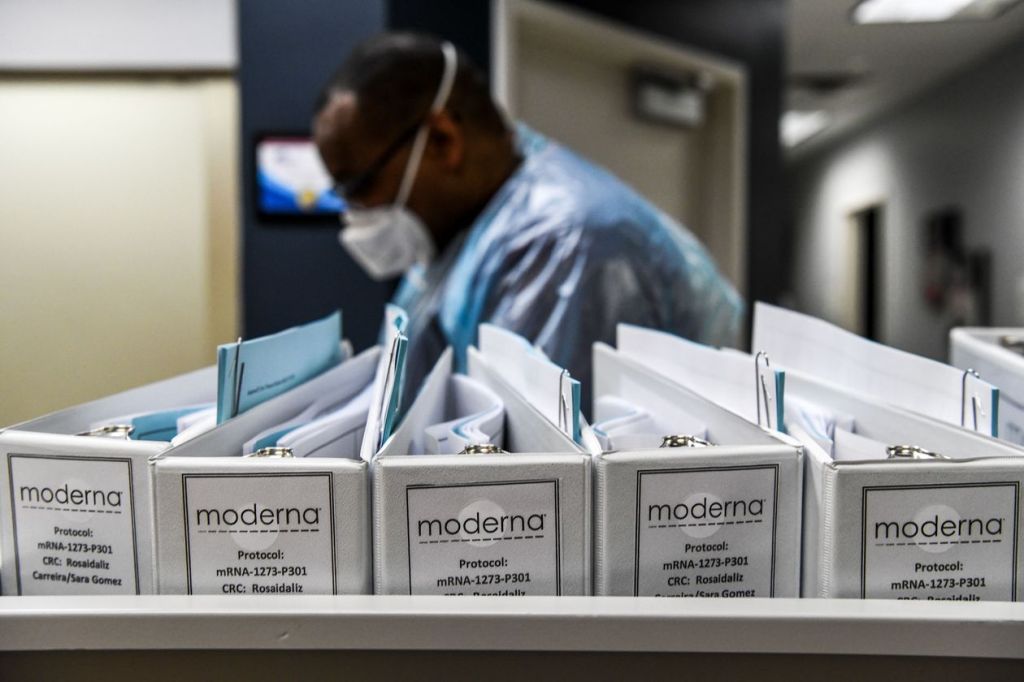
If I stumbled across this on a gemba walk there would be coaching on proper storage techniques of documents. My only hope is some corporate communications person made it this way on purpose and the poor person in the photo was muttering under their breath the entire time.
There is an opportunity here on connecting with communications team on best ways to showcase GxP activities. I recommend writing a good policy on the subject and ensuring it is appropriately bought into.
Benefits of Written Rules: Capture important learnings and assumptions Establish a standardized, organized and reproducible, method of conducting work safely Ensure effective transfer of knowledge to new members of the group Require disciplined thinking to formally document thus reducing errors in processes Create a framework for delegation of decision-making Demonstrate the organizations commitment to safety
I don’t think there is a quality person who would read that list and not nod knowingly. Reading the excellent article quoted above reminded me that we all probably do EHS, Quality and compliance in general all wrong.
Yes, Health & Safety is about the employee; Quality is about the product (and legal is about following the law and finance does something about money) but what when you look at the tools we pretty much have a common tool-box. Root cause analysis, procedures, risk management, system thinking.
What is truly different is the question we ask:
Quality asks about the customer
Health and Safety asks about the employee
Environment asks about, well, the environment
I find it fascinating that it became environment, health and safety and most companies, as again, the question asked is rather different. In companies where care of the environment is separate (such as the energy industry) you will definitely see it as a separate entity.
I have only been at one company that was on the path of looking at quality, environment, health and safety were all similar disciplines and united them under a chief compliance officer (who was also head of legal). My current company is still struggling along the path of uniting standards and tools.
There is definitely a lot of different domain knowledge between the three, the same way quality is different between industries. However the commonalities that unite us are many and ones we should spend more time exploring.