Quality Review

Maintaining high-quality products is paramount, and a critical component of ensuring quality is implementing a robust review of work by a second or third person, a peer review, and/or quality review—also known as a work product review process. Like many tools, it can be underutilized. It also gets to the heart of the question of Quality Unit oversight.

Introduction to Work Product Review

Work product review systematically evaluates the output from various processes or tasks to ensure they meet predefined quality standards. This review is crucial in environments where the quality of the final product directly impacts safety and efficacy, such as in pharmaceutical manufacturing. Work product review aims to identify any deviations or defects early in the process, allowing for timely corrections and minimizing the risk of non-compliance with regulatory requirements.

Criteria for Work Product Review

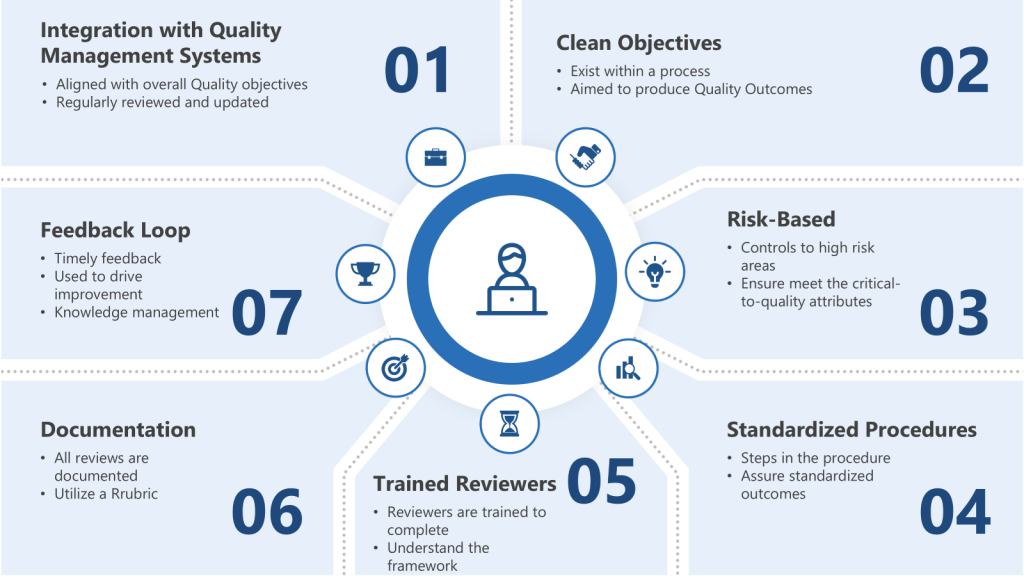
To ensure that work product reviews are effective, several key criteria should be established:

  1. Integration with Quality Management Systems: Integrate risk-based thinking into the quality management system to ensure that work product reviews are aligned with overall quality objectives. This involves regularly reviewing and updating risk assessments to reflect changes in processes or new information.
  2. Clear Objectives: The review should have well-defined objectives that align with the process they exist within and regulatory requirements. For instance, in pharmaceutical manufacturing, these objectives might include ensuring that all documentation is accurate and complete and that manufacturing processes adhere to GMP standards.
  3. Risk-Based: Apply work product reviews to areas identified as high-risk during the risk assessment. This ensures that resources are allocated efficiently, focusing on processes that have the greatest potential impact on quality.
  4. Standardized Procedures: Standardized procedures should be established for conducting the review. These procedures should outline the steps involved, the reviewers’ roles and responsibilities, and the criteria for accepting or rejecting the work product.
  5. Trained Reviewers: Reviewers should be adequately trained and competent in the subject matter. This means understanding not just the deliverable being reviewed but the regulatory framework it sits within and how it applies to the specific work products being reviewed in a GMP environment.
  6. Documentation: All reviews should be thoroughly documented. This documentation should include the review’s results, any findings or issues identified, and actions taken to address these issues.
  7. Feedback Loop: There should be a mechanism for feedback from the review process to improve future work products. This could involve revising procedures or providing additional training to personnel.

Bridging the Gap Between Work-as-Imagined, Work-as-Prescribed, and Work-as-Done

Work product review is a systematic process that evaluates the output from various tasks to ensure they meet predefined quality standards connecting to work-as-imagined, work-as-prescribed, and work-as-done. Work product review serves as a bridge between these concepts by systematically evaluating the output of work processes. Here’s how it connects:

  • Alignment with Work-as-Prescribed: Work product review ensures that outputs comply with established standards and procedures (work-as-prescribed), helping to maintain regulatory compliance and quality standards.
  • Insight into Work-as-Done: Through the review process, organizations gain insight into how work is actually being performed (work-as-done). This helps identify any deviations from prescribed procedures and allows for adjustments to improve alignment between work-as-prescribed and work-as-done.
  • Closing the Gap with Work-as-Imagined: By documenting and addressing discrepancies between work-as-imagined and work-as-done, work product review facilitates communication and feedback that can refine policies and procedures. This helps to bring work-as-imagined closer to the realities of work-as-done, improving the effectiveness of quality oversight.

Work product review is essential for ensuring that the quality of work outputs aligns with both prescribed standards and the realities of how work is actually performed. By bridging the gaps between work-as-imagined, work-as-prescribed, and work-as-done, organizations can enhance their quality management systems and maintain high standards of quality, safety and efficacy.

Aligning to the Role of Quality Unit Oversight

While work product review does not guarantee Quality Unit Oversight, it is a potential control to ensure this oversight.

In the pharmaceutical industry, the Quality Unit plays a pivotal role in ensuring drug products’ safety, efficacy, and quality. It oversees all quality-related aspects, from raw material selection to final product release. However, the Quality Unit must be enabled appropriately and structured within the organization to effectively exercise its authority and fulfill its responsibilities. This blog post explores what it means for a Quality Unit to have the necessary authority and how insufficient implementation of its responsibilities can impact pharmaceutical manufacturing.

Responsibilities of the Quality Unit

Establishing and Maintaining the Quality System: The Quality Unit must set up and continuously update the quality management system to ensure compliance with GxPs and industry best practices.

Auditing and Compliance: Conduct internal audits to ensure adherence to policies and procedures, and report quality system performance metrics.

Approving and Rejecting Components and Products: The Quality Unit has the authority to approve or reject components, drug products, and packaging materials based on quality standards.

Investigating Nonconformities: Ensuring thorough investigations into production errors, discrepancies, and complaints related to product quality.

Keeping Management Informed: Reporting on product, process, and system risks, as well as outcomes of regulatory inspections.

What It Means for a Quality Unit to Be Enabled

For a Quality Unit to be effectively enabled, it must have:

  • Independence: The Quality Unit should operate independently of production units to avoid conflicts of interest and ensure unbiased decision-making.
  • Authority: It must have the authority to approve or reject the work product without undue influence from other departments.
  • Resources: Adequate personnel are essential for conducting the quality unit functions.
  • Documentation and Procedures: Clear, documented procedures outlining responsibilities and processes are crucial for maintaining consistency and compliance.

Insufficient Implementation of Responsibilities

When a Quality Unit insufficiently implements its responsibilities, it can lead to significant issues, including:

  • Regulatory Noncompliance: Failure to adhere to GxPs and regulatory standards can result in regulatory action.
  • Product Quality Issues: Inadequate oversight can lead to the release of substandard products, posing risks to patient safety and public health.
  • Lack of Continuous Improvement: Without effective quality systems in place, opportunities for process improvements and innovation may be missed.

The Quality Unit is the backbone of pharmaceutical manufacturing, ensuring that products meet the highest standards of quality and safety. By understanding the Quality Unit’s responsibilities and ensuring it has the necessary authority and resources, pharmaceutical companies can maintain compliance, protect public health, and foster a culture of continuous improvement. Inadequate implementation of these responsibilities can have severe consequences, emphasizing the importance of a well-structured and empowered Quality Unit.

By understanding these responsibilities, we can take a risk-based approach to applying quality review.

When to Apply Quality Review as Work Product Review

Work product review by Quality should be applied at critical stages to guarantee critical-to-quality attributes, including adherence to the regulations. This should be a risk-based approach. As such, it should be identified as controls in a living risks assessment and adjusted (add more, remove where unnecessary) as appropriate.

Closely scrutinize the responsibilities of the Quality Unit in the regulations to ensure all are met.

Best Practices in Quality Review

Rubrics are a great way to standardize quality reviews. If it is important enough to require a work review, it is important enough to standardize. The process owner should develop and maintain these rubrics with an appropriate group of stakeholder custodians. This is a key part of knowledge management. Having this cross-functional perspective on the output and what quality looks like is critical. This rubric should include:

  • Definition of prescribed work and the intended output that is being reviewed
  • Potential outcomes related to critical attributes, including definitions of technical accuracy
  • Methods and techniques used to generate the outcome
  • Operating experience and lessons learned
  • Risks, hazards, and user-centered design considerations
  • Requirements, standards, and code compliance
  • Planning, oversight, and acceptance testing
  • Input data and sources
  • Assumptions
  • Documentation required
  • Reviews and approvals required
  • Program or procedural obstacles to desired performance
  • Surprise situations, for example, unanticipated risk factors, schedule or scope changes, and organizational issues
  • Engineering human performance tool(s) applicable to activities being reviewed.

The rubric should have an assessment component, and that assessment should feed back into the originator’s qualified state.

Work product reviews must be early enough to allow feedback into the normal work for repetitive tasks. This should lead to gates in processes, quality-on-the-floor, or better-trained supervisors performing better and more effective reviews. This feedback should always be to the responsible person – the originator—and should be, wherever possible, face-to-face feedback to resolve the particular issues identified. This dialogue is critical.

Conclusion

Work product review is a powerful tool for enhancing quality oversight. By aligning this process with the responsibilities of the Quality Unit and implementing best practices such as standardized rubrics and a risk-based approach, companies can ensure that their products meet the highest standards of quality and safety. Effective work product review not only supports regulatory compliance but also fosters a culture of continuous improvement, which is essential for maintaining excellence in the pharmaceutical industry.

The Role of the HACCP

Reading Strukmyer LLC’s recent FDA Warning Letter, and reflecting back to last year’s Colgate-Palmolive/Tom’s of Maine, Inc. Warning Letter, has me thinking of common language In both warning letters where the FDA asks for “A comprehensive, independent assessment of the design and control of your firm’s manufacturing operations, with a detailed and thorough review of all microbiological hazards.”

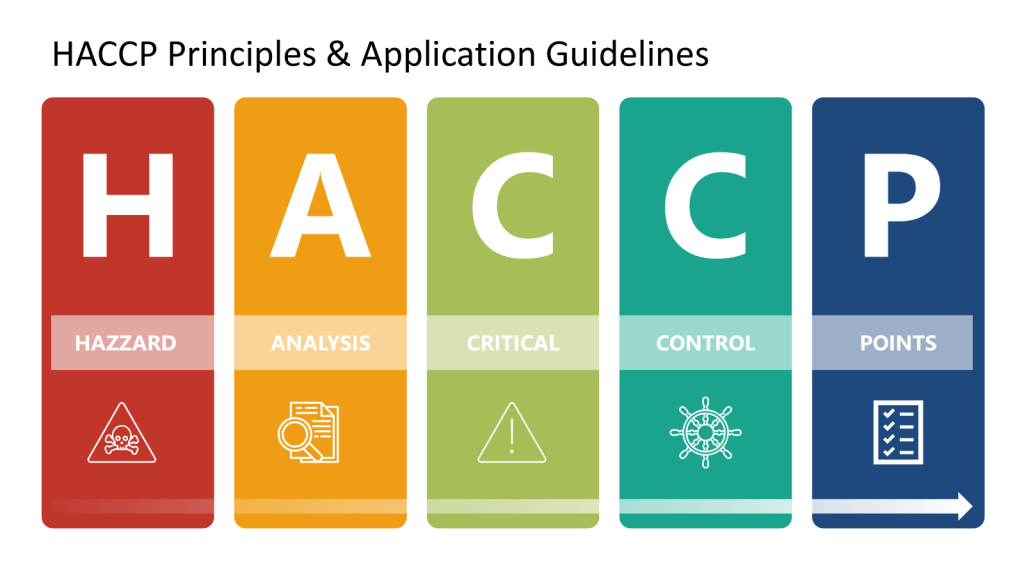
It is hard to read that as anything else than a clarion call to use a HACCP.

If that isn’t a HACCP, I don’t know what is. Given the FDA’s rich history and connection to the tool, it is difficult to imagine them thinking of any other tool. Sure, I can invent about 7 other ways to do that, but why bother when there is a great tool, full of powerful uses, waiting to be used that the regulators pretty much have in their DNA.

The Evolution of HACCP in FDA Regulation: A Journey to Enhanced Food Safety

The Hazard Analysis and Critical Control Points (HACCP) system has a fascinating history that is deeply intertwined with FDA regulations. Initially developed in the 1960s by NASA, the Pillsbury Company, and the U.S. Army, HACCP was designed to ensure safe food for space missions. This pioneering collaboration aimed to prevent food safety issues by identifying and controlling critical points in food processing. The success of HACCP in space missions soon led to its application in commercial food production.

In the 1970s, Pillsbury applied HACCP to its commercial operations, driven by incidents such as the contamination of farina with glass. This prompted Pillsbury to adopt HACCP more widely across its production lines. A significant event in 1971 was a panel discussion at the National Conference on Food Protection, which led to the FDA’s involvement in promoting HACCP for food safety inspections. The FDA recognized the potential of HACCP to enhance food safety standards and began to integrate it into its regulatory framework.

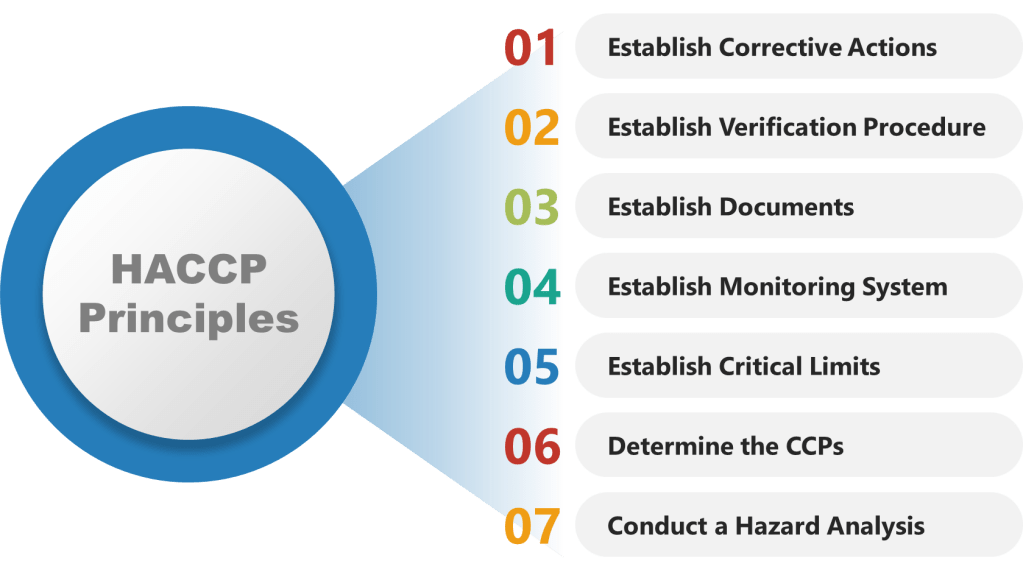
As HACCP gained prominence as a food safety standard in the 1980s and 1990s, the National Advisory Committee on Microbiological Criteria for Foods (NACMCF) refined its principles. The committee added preliminary steps and solidified the seven core principles of HACCP, which include hazard analysis, critical control points identification, establishing critical limits, monitoring procedures, corrective actions, verification procedures, and record-keeping. This structured approach helped standardize HACCP implementation across different sectors of the food industry.

A major milestone in the history of HACCP was the implementation of the Pathogen Reduction/HACCP Systems rule by the USDA’s Food Safety and Inspection Service (FSIS) in 1996. This rule mandated HACCP in meat and poultry processing facilities, marking a significant shift towards preventive food safety measures. By the late 1990s, HACCP became a requirement for all food businesses, with some exceptions for smaller operations. This widespread adoption underscored the importance of proactive food safety management.

The Food Safety Modernization Act (FSMA) of 2011 further emphasized preventive controls, including HACCP, to enhance food safety across the industry. FSMA shifted the focus from responding to food safety issues to preventing them, aligning with the core principles of HACCP. Today, HACCP remains a cornerstone of food safety management globally, with ongoing training and certification programs available to ensure compliance with evolving regulations. The FDA continues to support HACCP as part of its broader efforts to protect public health through safe food production and processing practices. As the food industry continues to evolve, the principles of HACCP remain essential for maintaining high standards of food safety and quality.

Why is a HACCP Useful in Biotech Manufacturing

The HACCP seeks to map a process – the manufacturing process, one cleanroom, a series of interlinked cleanrooms, or the water system – and identifies hazards (a point of contamination) by understanding the personnel, material, waste, and other parts of the operational flow. These hazards are assessed at each step in the process for their likelihood and severity. Mitigations are taken to reduce the risk the hazard presents (“a contamination control point”). Where a risk cannot be adequately minimized (either in terms of its likelihood of occurrence, the severity of its nature, or both), this “contamination control point” should be subject to a form of detection so that the facility has an understanding of whether the microbial hazard was potentially present at a given time, for a given operation. In other words, the “critical control point” provides a reasoned area for selecting a monitoring location. For aseptic processing, for example, the target is elimination, even if this cannot be absolutely demonstrated.

The HACCP approach can easily be applied to pharmaceutical manufacturing where it proves very useful for microbial control. Although alternative risk tools exist, such as Failure Modes and Effects Analysis, the HACCP approach is better for microbial control.

The HACCP is a core part of an effective layers of control analysis.

Conducting a HACCP

HACCP provides a systematic approach to identifying and controlling potential hazards throughout the production process.

Step 1: Conduct a Hazard Analysis

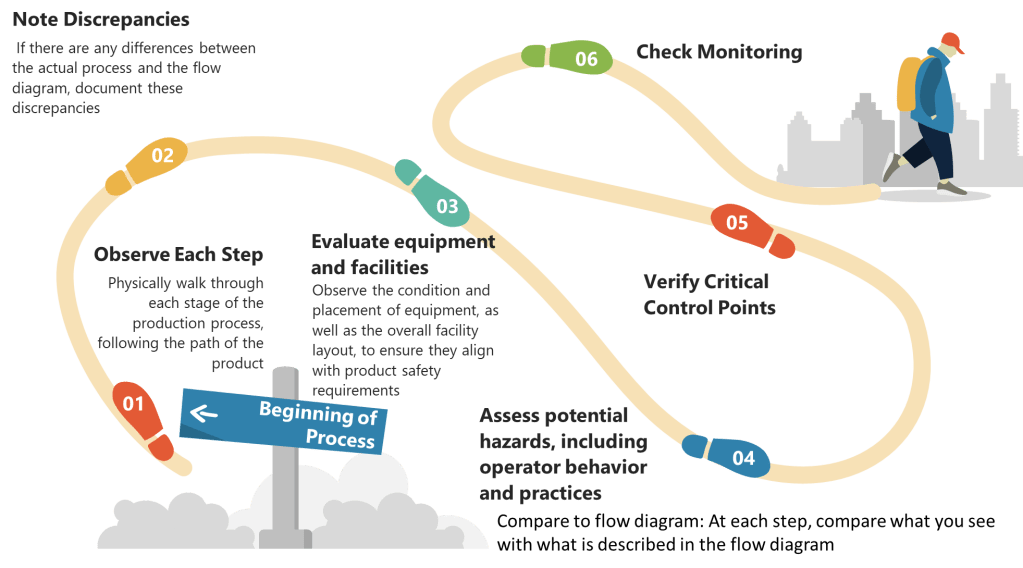
  1. List All Process Steps: Begin by detailing every step involved in your biotech manufacturing process, from raw material sourcing to final product packaging. Make sure to walk down the process thoroughly.
  2. Identify Potential Hazards: At each step, identify potential biological, chemical, and physical hazards. Biological hazards might include microbial contamination, while chemical hazards could involve chemical impurities or inappropriate reagents. Physical hazards might include particulates or inappropriate packaging materials.
  3. Evaluate Severity and Likelihood: Assess the severity and likelihood of each identified hazard. This evaluation helps prioritize which hazards require immediate attention.
  4. Determine Preventive Measures: Develop strategies to control significant hazards. This might involve adjusting process conditions, improving cleaning protocols, or enhancing monitoring systems.
  5. Document Justifications: Record the rationale behind including or excluding hazards from your analysis. This documentation is essential for transparency and regulatory compliance.

Step 2: Determine Critical Control Points (CCPs)

  1. Identify Control Points: Any step where biological, chemical, or physical factors can be controlled is considered a control point.
  2. Determine CCPs: Use a decision tree to identify which control points are critical. A CCP is a step at which control can be applied and is essential to prevent or eliminate a hazard or reduce it to an acceptable level.
  3. Establish Critical Limits: For each CCP, define the maximum or minimum values to which parameters must be controlled. These limits ensure that hazards are effectively managed.
Control PointsCritical Control Points
Process steps where a control measure (mitigation activity) is necessary to prevent the hazard from occurringProcess steps where both control and monitoring are necessary to assure product quality and patient safety
Are not necessarily critical control points (CCPs)Are also control points
Determined from the risk associated with the hazardDetermined through a decision tree

Step 3: Establish Monitoring Procedures

  1. Develop Monitoring Plans: Create detailed plans for monitoring each CCP. This includes specifying what to monitor, how often, and who is responsible.
  2. Implement Monitoring Tools: Use appropriate tools and equipment to monitor CCPs effectively. This might include temperature sensors, microbial testing kits, or chemical analyzers.
  3. Record Monitoring Data: Ensure that all monitoring data is accurately recorded and stored for future reference.

Step 4: Establish Corrective Actions

  1. Define Corrective Actions: Develop procedures for when monitoring indicates that a CCP is not within its critical limits. These actions should restore control and prevent hazards.
  2. Proceduralize: You are establishing alternative control strategies here so make sure they are appropriately verified and controlled by process/procedure in the quality system.
  3. Train Staff: Ensure that all personnel understand and can implement corrective actions promptly.

Step 5: Establish Verification Procedures

  1. Regular Audits: Conduct regular audits to verify that the HACCP system is functioning correctly. This includes reviewing monitoring data and observing process operations.
  2. Validation Studies: Perform validation studies to confirm that CCPs are effective in controlling hazards.
  3. Continuous Improvement: Use audit findings to improve the HACCP system over time.

Step 6: Establish Documentation and Record-Keeping

  1. Maintain Detailed Records: Keep comprehensive records of all aspects of the HACCP system, including hazard analyses, CCPs, monitoring data, corrective actions, and verification activities.
  2. Ensure Traceability: Use documentation to ensure traceability throughout the production process, facilitating quick responses to any safety issues.

Step 7: Implement and Review the HACCP Plan

  1. Implement the Plan: Ensure that all personnel involved in biotech manufacturing understand and follow the HACCP plan.
  2. Regular Review: Regularly review and update the HACCP plan to reflect changes in processes, new hazards, or lessons learned from audits and incidents.

Safecor Health Warning Letter Closeout

I got a post on my RSS feed today from the FDA for a closeout letter to Safecor Health in response to the 2023 Warning Letter. Always happy to see an actual closeout letter.

The main takeaways from the FDA warning letter:

Inadequate Line Clearance and Packaging Controls:

    • Safecor failed to properly inspect packaging and labeling facilities before use, leading to potential mix-ups of drug products. This was evidenced by the presence of unrelated tablets and capsules during the packaging of a specific product.
    • The company has a history of product mix-ups, including instances where a vitamin was found in a drug meant to prevent organ transplant rejection and mislabeled blood clot prevention medication.

    Insufficient Cleaning and Maintenance Procedures:

      • The firm lacked adequate procedures for cleaning and maintaining equipment, with unidentified residues found on supposedly clean equipment. This poses a risk of cross-contamination.
      • The company’s cleaning validation program was deemed inadequate, particularly in addressing worst-case scenarios.

      Failure to Test Components:

        • Safecor did not adequately test incoming components, such as water used in drug manufacturing, for purity, strength, and quality.
        • The company relied on visual inspections without performing necessary chemical and microbiological tests.

        Quality Control Unit Deficiencies:

          • The quality control unit failed to ensure compliance with CGMP regulations, including inadequate document control and data integrity issues.
          • Manufacturing records were not properly controlled, and corrections were made using correction fluid, raising concerns about data authenticity.

          Understanding the Distinctions Between 503B Outsourcing Facilities and Compounding Pharmacies

          I get really confused on the differences between compounding pharmacies and outsourcing facilities. I’ve never worked at either, but see a lot of 483s and warning letters. So today I spent some snow day time doing some reading. I then wrote this up as a reminder to myself.

          The Drug Quality and Security Act (DQSA) of 2013 introduced significant changes by distinguishing between compounding pharmacies under Section 503A and outsourcing facilities under Section 503B of the Federal Food, Drug, and Cosmetic Act (FDCA). This distinction is crucial for ensuring the safety and quality of compounded drugs.

          Compounding Pharmacies (503A)

          Definition and Purpose: Compounding pharmacies are licensed by state boards of pharmacy and primarily focus on creating customized medications for individual patients when commercially available drugs do not meet their needs. These pharmacies must adhere to standards set by the United States Pharmacopeia (USP), such as USP 797 for sterile compounding and USP 800 for hazardous drugs.

          Regulatory Framework: Compounding pharmacies operate under the supervision of a licensed pharmacist and require a prescription for each compounded product. They are generally limited to small batches and are not allowed to engage in office-use compounding without a prescription.

          Outsourcing Facilities (503B)

          Definition and Purpose: Outsourcing facilities, on the other hand, are registered with the FDA and specialize in producing large batches of sterile drugs, often without the need for individual prescriptions. These facilities are designed to address drug shortages and provide complex or rarely compounded preparations to healthcare organizations.

          Regulatory Framework: Unlike 503A pharmacies, 503B facilities must comply with FDA’s Current Good Manufacturing Practices (CGMP) to ensure the quality and safety of their products. They are subject to regular FDA inspections and must report on their compounded products.

          Recent Regulatory Actions: The Case of ProRx, LLC

          This research came about because I was reading a recent warning letter issued to ProRx, LLC, which basically stated they were failing to comply with CGMP regulations for 503B outsourcing facilities. The FDA identified serious deficiencies in sterile drug production practices, posing significant patient safety risks.

          Implications for 503B Facilities

          The warning letter to ProRx, LLC, serves as a reminder of the high regulatory bar set for 503B outsourcing facilities. Key implications include:

          • Enhanced Oversight: The FDA’s ability to inspect and enforce cGMP compliance means that 503B facilities must maintain meticulous quality control and production standards.
          • Patient Safety: The primary concern is ensuring that compounded drugs are safe for use. Facilities must address any deficiencies promptly to avoid recalls and protect patient health.
          • Partnerships and Supply Chain: The ability of 503B facilities to supply compounded drugs to healthcare organizations and pharmacies relies on their compliance with FDA regulations. Non-compliance can disrupt supply chains and impact patient access to necessary medications.

          What I take away from my research is that 503B outsourcing facilities are GMP facilities, and are held to the same standard. Good to know as I evaluate their regulatory actions in the future. I think I’ve tended to dismiss them as not being in the same class of regulatory expectations.

          Also, this is the second time this month where I really wonder what regulatory agencies fascination with pharmacists are in GMP facilities. Seems pretty clear to me that being a pharmacist is no indication of any capability around GMP activities.

          Quality Escalation Best Practices: Ensuring GxP Compliance and Patient Safety

          Quality escalation is a critical process in maintaining the integrity of products, particularly in industries governed by Good Practices (GxP) such as pharmaceuticals and biotechnology. Effective escalation ensures that issues are addressed promptly, preventing potential risks to product quality and patient safety. This blog post will explore best practices for quality escalation, focusing on GxP compliance and the implications for regulatory notifications.

          Understanding Quality Escalation

          Quality escalation involves raising unresolved issues to higher management levels for timely resolution. This process is essential in environments where compliance with GxP regulations is mandatory. The primary goal is to ensure that products are manufactured, tested, and distributed in a manner that maintains their quality and safety.

          This is a requirement across all the regulations, including clinical. ICH E6(r3) emphasizes the importance of effective monitoring and oversight to ensure that clinical trials are conducted in compliance with GCP and regulatory requirements. This includes identifying and addressing issues promptly.

          Key Triggers for Escalation

          Identifying triggers for escalation is crucial. Common triggers include:

          • Regulatory Compliance Issues: Non-compliance with regulatory requirements can lead to product quality issues and necessitate escalation.
          • Quality Control Failures: Failures in quality control processes, such as testing or inspection, can impact product safety and quality.
          • Data Integrity: Significant concerns and failures in quality of data.
          • Supply Chain Disruptions: Disruptions in the supply chain can affect the availability of critical components or materials, potentially impacting product quality.
          • Patient Safety Concerns: Any issues related to patient safety, such as adverse events or potential safety risks, should be escalated immediately.
          Escalation CriteriaExamples of Quality Events for Escalation
          Potential to adversely affect quality, safety, efficacy, performance or compliance of product (commercial or clinical)•Contamination (product, raw material, equipment, micro; environmental)
          •Product defect/deviation from process parameters or specification (on file with agencies, e.g. CQAs and CPPs)
          •Significant GMP deviations
          •Incorrect/deficient labeling
          •Product complaints (significant PC, trends in PCs)
          •OOS/OOT (e.g.; stability)
          Product counterfeiting, tampering, theft•Product counterfeiting, tampering, theft reportable to Health Authority (HA)
          •Lost/stolen IMP
          •Fraud or misconduct associated with counterfeiting, tampering, theft
          •Potential to impact product supply (e.g.; removal, correction, recall)
          Product shortage likely to disrupt patient care and/or reportable to HA•Disruption of product supply due to product quality events, natural disasters (business continuity disruption), OOS impact, capacity constraints
          Potential to cause patient harm associated with a product quality event•Urgent Safety Measure, Serious Breach, Significant Product Compliant, Safety Signal that are determined associated with a product quality event
          Significant GMP non-compliance/event•Non-compliance or non-conformance event with potential to impact product performance meeting specification, safety efficacy or regulatory requirements
          Regulatory Compliance Event•Significant (critical, repeat) regulatory inspection findings; lack of commitment adherence
          •Notification of directed/for cause inspection
          •Notification of Health Authority correspondence indicating potential regulatory action

          Best Practices for Quality Escalation

          1. Proactive Identification: Encourage a culture where team members proactively identify potential issues. Early detection can prevent minor problems from escalating into major crises.
          2. Clear Communication Channels: Establish clear communication channels and protocols for escalating issues. This ensures that the right people are informed promptly and can take appropriate action.
          3. Documentation and Tracking: Use a central repository to document and track issues. This helps in identifying trends, implementing corrective actions, and ensuring compliance with regulatory requirements.
          4. Collaborative Resolution: Foster collaboration between different departments and stakeholders to resolve issues efficiently. This includes involving quality assurance, quality control, and regulatory affairs teams as necessary.
          5. Regulatory Awareness: Be aware of regulatory requirements and ensure that all escalations are handled in a manner that complies with these regulations. This includes maintaining confidentiality when necessary and ensuring transparency with regulatory bodies.

          GxP Impact and Regulatory Notifications

          In industries governed by GxP, any significant quality issues may require notification to regulatory bodies. This includes situations where product quality or patient safety is compromised. Best practices for handling such scenarios include:

          • Prompt Notification: Notify regulatory bodies promptly if there is a risk to public health or if regulatory requirements are not met.
          • Comprehensive Reporting: Ensure that all reports to regulatory bodies are comprehensive, including details of the issue, actions taken, and corrective measures implemented.
          • Continuous Improvement: Use escalations as opportunities to improve processes and prevent future occurrences. This includes conducting root cause analyses and implementing preventive actions.

          Fit with Quality Management Review

          This fits within the Quality Management Review band, being an ad hoc triggered review of significant issues, ensuring appropriate leadership attention, and allowing key decisions to be made in a timely manner.

          Conclusion

          Quality escalation is a vital component of maintaining product quality and ensuring patient safety in GxP environments. By implementing best practices such as proactive issue identification, clear communication, and collaborative resolution, organizations can effectively manage risks and comply with regulatory requirements. Understanding when and how to escalate issues is crucial for preventing potential crises and ensuring that products meet the highest standards of quality and safety.