Leaks in Single-Use Manufacturing: A Critical Challenge in Bioprocessing

The recent FDA warning letter to Sanofi highlights a critical issue in biopharmaceutical manufacturing: the integrity of single-use systems (SUS) and the prevention of leaks. This incident serves as a stark reminder of the importance of robust control strategies in bioprocessing, particularly when it comes to high-pressure events and product leakage.

The Sanofi Case: A Cautionary Tale

In January 2025, the FDA issued a warning letter to Sanofi regarding their Genzyme facility in Framingham, Massachusetts. The letter cited significant deviations from Current Good Manufacturing Practice (CGMP) for active pharmaceutical ingredients (APIs). One of the key issues highlighted was the company’s failure to address high-pressure events that resulted in in-process product leakage.

Sanofi had been using an unapproved workaround, replacing shipping bags to control the frequency of high-pressure and in-process leaking events. This deviation was not properly documented or the solution validated.

A proper control strategy in this context would likely involve:

  1. A validated process modification to prevent or mitigate high-pressure events
  2. Engineering controls or equipment upgrades to handle pressure fluctuations safely
  3. Improved monitoring and alarm systems to detect potential high-pressure situations
  4. Validated procedures for responding to high-pressure events if they occur
  5. A comprehensive risk assessment and mitigation plan related to pressure control in the manufacturing process

The Importance of Leak Prevention in Single-Use Systems

Single-use technologies have become increasingly prevalent in biopharmaceutical manufacturing due to their numerous advantages, including reduced risk of cross-contamination and increased flexibility. For all this to work, the integrity of these systems is paramount to ensure product quality and patient safety.

Leaks in single-use bags can lead to:

  1. Product loss
  2. Contamination risks
  3. Costly production delays
  4. Regulatory non-compliance

Strategies for Leak Prevention and Detection

To address the challenges posed by leaks in single-use systems, manufacturers need to consider implementing a comprehensive control strategy. Here are some key approaches:

1. Integrity Testing

Implementing robust integrity testing protocols is crucial. Two non-destructive testing methods are particularly suitable for single-use systems:

  • Pressure-based tests: These tests can detect leaks by inflating components with air to a defined pressure. They can identify defects as small as 10 µm in flat bags and 100 µm in large-volume 3D systems.
  • Trace-gas-based tests: Typically using helium, these tests offer the highest level of sterility assurance and can detect even smaller defects.

2. Risk-Based Quality by Design (QbD) Approach

Single-use components and the manufacturing process must be established and maintained using a risk-based QbD approach that can help identify potential failure points and implement appropriate controls. This should include:

  • Comprehensive risk assessments
  • Validated procedures for responding to high-pressure events
  • Improved monitoring and alarm systems

Validated Process Modifications

Instead of using unapproved workarounds, companies need to develop and validate process modifications to prevent or mitigate high-pressure events. One thing to be extra cautious about is the worry of a temporary solution becoming a permanent one.

Conclusion

The Sanofi warning letter serves as a crucial reminder of the importance of maintaining the integrity of single-use systems in biopharmaceutical manufacturing. By implementing comprehensive control strategies, including robust integrity testing, risk-based approaches, and validated process modifications, manufacturers can significantly reduce the risk of leaks and ensure compliance with cGMP standards.

As the industry continues to embrace single-use technologies, it’s imperative that we remain vigilant in addressing these challenges to maintain product quality, patient safety, and regulatory compliance.

The Critical Role of Validation Systems: Ensuring Compliance Through Meta-Qualification

In the highly regulated pharmaceutical and biotechnology industries, the qualification of equipment and processes is non-negotiable. However, a less-discussed but equally critical aspect is the need to qualify the systems and instruments used to qualify other equipment. This “meta-qualification” ensures the reliability of validation processes themselves, forming a foundational layer of compliance.

I want to explore the regulatory framework and industry guidelines using practical examples of the Kaye Validator AVS to that underscore the importance of this practice.

Regulatory Requirements: A Multi-Layered Compliance Challenge

Regulatory bodies like the FDA and EMA mandate that all equipment influencing product quality undergo rigorous qualification. This approach is also reflected in WHO, ICH and PICS requirements. Key documents, including FDA’s Process Validation: General Principles and Practices and ICH Q7, emphasize several critical aspects of validation. First, they advocate for risk-based validation, which prioritizes systems with direct impact on product quality. This approach ensures that resources are allocated efficiently, focusing on equipment such as sterilization autoclaves and bioreactors that have the most significant influence on product safety and efficacy. Secondly, these guidelines stress the importance of documented evidence. This means maintaining traceable records of verification activities for all critical equipment. Such documentation serves as proof of compliance and allows for retrospective analysis if issues arise. Lastly, data integrity is paramount, with compliance to 21 CFR Part 11 and EMA Annex 11 for electronic records and signatures being a key requirement. This ensures that all digital data associated with validation processes is trustworthy, complete, and tamper-proof.

A critical nuance arises when the tools used for validation—such as temperature mapping systems or data loggers—themselves require qualification. This meta-qualification is essential because the reliability of all subsequent validations depends on the accuracy and performance of these tools. For example, if a thermal validation system is uncalibrated or improperly qualified, its use in autoclave PQ could compromise entire batches of sterile products. The consequences of such an oversight could be severe, ranging from regulatory non-compliance to potential patient safety issues. Therefore, establishing a robust system for qualifying validation equipment is not just good practice—it’s a critical safeguard for product quality and regulatory compliance.

The Hierarchy of Qualification: Why Validation Systems Need Validation

Qualification of Primary Equipment

Primary equipment, such as autoclaves, freeze dryers, and bioreactors, forms the backbone of pharmaceutical manufacturing processes. These systems undergo a comprehensive qualification process.

  • IQ phase verifies that the equipment is installed correctly according to design specifications. This includes checking physical installation parameters, utility connections, and any required safety features.
  • OQ focuses on demonstrating functionality across operational ranges. During this phase, the equipment is tested under various conditions to ensure it can perform its intended functions consistently and accurately.
  • PQ assesses the equipment’s ability to perform consistently under real-world conditions. This often involves running the equipment as it would be used in actual production, sometimes with placebo or test products, to verify that it can maintain required parameters over extended periods and across multiple runs.

Qualification of Validation Systems

Instruments like the Kaye Validator AVS, which are used to validate primary equipment, must themselves undergo a rigorous qualification process. This meta-qualification is crucial to ensure the accuracy, reproducibility, and compliance of the validation data they generate. The qualification of these systems typically focuses on three key areas. First, accuracy is paramount. These systems must demonstrate traceable calibration to national standards, such as those set by NIST (National Institute of Standards and Technology). This ensures that the measurements taken during validation activities are reliably accurate and can stand up to regulatory scrutiny. Secondly, reproducibility is essential. Validation systems must show that they can produce consistent results across repeated tests, even under varying environmental conditions. This reproducibility is critical for establishing the reliability of validation data over time. Lastly, these systems must adhere to regulatory standards for electronic data. This compliance ensures that all data generated, stored, and reported by the system maintains its integrity and can be trusted for making critical quality decisions.

The Kaye Validator AVS serves as an excellent example of a validation system requiring comprehensive qualification. Its qualification process includes several key steps. Sensor calibration is automated against high- and low-temperature references, ensuring accuracy across the entire operating range. The system’s software undergoes IQ/OQ to verify the integrity of its metro-style interface and reporting tools, ensuring that data handling and reporting meet regulatory requirements. Additionally, the Kaye AVS, like all validation systems, requires periodic requalification, typically annually, to maintain its compliance status and ensure ongoing reliability. This regular requalification process helps catch any drift in performance or accuracy that could compromise validation activities.

Case Study: Kaye Validator AVS in Action

The Kaye Validator AVS exemplifies a system designed to qualify other equipment while meeting stringent regulatory demands. Its comprehensive qualification process encompasses both hardware and software components, ensuring a holistic approach to compliance and performance. The hardware qualification of the Kaye AVS follows the standard IQ/OQ/PQ model, but with specific focus areas tailored to its function as a validation tool. The Installation Qualification (IQ) verifies the correct installation of critical components such as sensor interface modules (SIMs) and docking stations. This ensures that the physical setup of the system is correct and ready for operation. The Operational Qualification (OQ) goes deeper, testing the system’s core functionalities. This includes verifying the input accuracy to within ±0.003% of reading and confirming that the system can scan 48 channels in 2 seconds as specified. These performance checks are crucial as they directly impact the system’s ability to accurately capture data during validation runs. The Performance Qualification (PQ) takes testing a step further, validating the AVS’s performance under stress conditions that mimic real-world usage. This might include operation in extreme environments like -80°C freezers or during 140°C Steam-In-Place (SIP) cycles, ensuring the system can maintain accuracy and reliability even in challenging conditions.

On the software side, the Kaye AVS is designed with compliance in mind. It comes with pre-loaded, locked-down software that minimizes the IT validation burden for end-users. This approach not only streamlines the implementation process but also reduces the risk of inadvertent non-compliance due to software modifications. The system’s software is built to align with FDA 21 CFR Part 11 requirements, incorporating features like audit trails and electronic signatures. These features ensure data integrity and traceability, critical aspects in regulatory compliance. Furthermore, the Kaye AVS employs an asset-centric data management approach. This means it stores calibration records, validation protocols, and equipment histories in a centralized database, facilitating easy access and comprehensive oversight of validation activities. The system’s ability to generate Pass/Fail reports based on established standards like EN285 and ISO17665 further streamlines the validation process, providing clear, actionable results that can be easily interpreted and used for regulatory documentation.

Regulatory Pitfalls and Best Practices

In the complex landscape of pharmaceutical validation, several common pitfalls can compromise compliance efforts. One of the most critical errors is using uncalibrated sensors for Performance Qualification (PQ). This oversight can lead to erroneous approvals of equipment or processes that may not actually meet required specifications. The consequences of such a mistake can be far-reaching, potentially affecting product quality and patient safety. Another frequent issue is the inadequate requalification of validation systems after firmware updates. As software and firmware evolve, it’s crucial to reassess and requalify these systems to ensure they continue to meet regulatory requirements and perform as expected. Failing to do so can introduce undetected errors or compliance gaps into the validation process.

Lastly, rigorous documentation remains a cornerstone of effective validation practices. Maintaining traceable records for audits, including detailed sensor calibration certificates and comprehensive software validation reports, is essential. This documentation not only demonstrates compliance to regulators but also provides a valuable resource for troubleshooting and continuous improvement efforts. By adhering to these best practices, pharmaceutical companies can build robust, efficient validation processes that stand up to regulatory scrutiny and support the production of high-quality, safe pharmaceutical products.

Conclusion: Building a Culture of Meta-Qualification

Qualifying the tools that qualify other equipment is not just a regulatory checkbox—it’s a strategic imperative in the pharmaceutical industry. This meta-qualification process forms the foundation of a robust quality assurance system, ensuring that every layer of the validation process is reliable and compliant. By adhering to good verification practices, companies can implement a risk-based approach that focuses resources on the most critical aspects of validation, improving efficiency without compromising quality. Leveraging advanced systems like the Kaye Validator AVS allows organizations to automate many aspects of the validation process, reducing human error and ensuring consistent, reproducible results. These systems, with their built-in compliance features and comprehensive data management capabilities, serve as powerful tools in maintaining regulatory adherence.

Moreover, embedding risk-based thinking into validation workflows enables pharmaceutical manufacturers to anticipate and mitigate potential issues before they become regulatory concerns. This proactive approach not only enhances compliance but also contributes to overall operational excellence. In an era of increasing regulatory scrutiny, meta-qualification emerges as the linchpin of trust in pharmaceutical quality systems. It provides assurance not just to regulators, but to all stakeholders—including patients—that every aspect of the manufacturing process, down to the tools used for validation, meets the highest standards of quality and reliability. By fostering a culture that values and prioritizes meta-qualification, pharmaceutical companies can build a robust foundation for compliance, quality, and continuous improvement, ultimately supporting their mission to deliver safe, effective medications to patients worldwide.

Key Metrics for GMP Training in Pharmaceutical Systems: Leading & Lagging Indicators

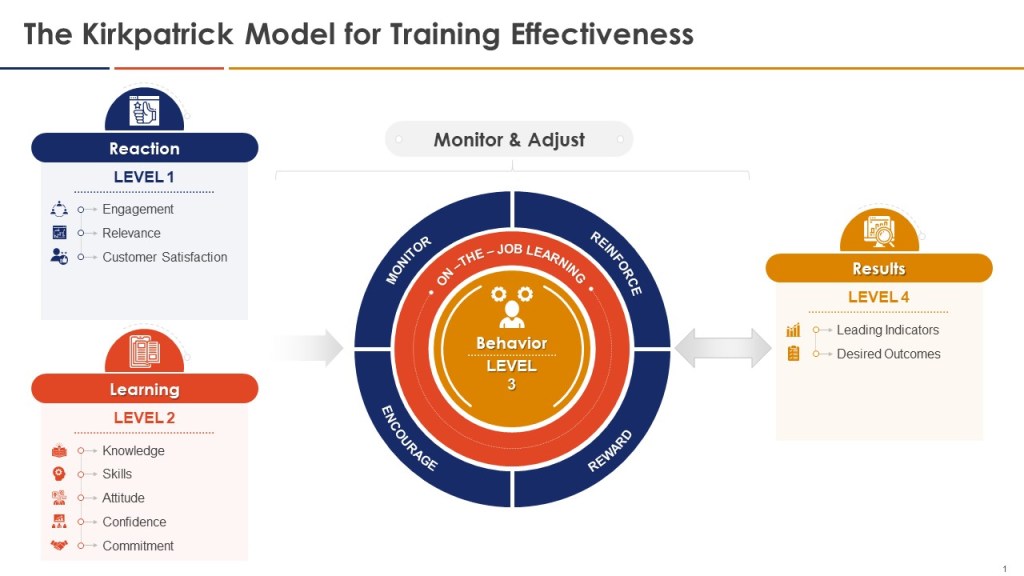
When thinking about the training program you can add the Kilpatrick model to the mix and build from there. This allows a view across the training system to drive for an effective training program.

GMP Training Metrics Framework Aligned with Kirkpatrick’s Model

Kirkpatrick LevelCategoryMetric TypeExamplePurposeData SourceRegulatory Alignment
Level 1: ReactionKPILeading% Training Satisfaction Surveys CompletedMeasures engagement and perceived relevance of GMP trainingLMS (Learning Management System)ICH Q10 Section 2.7 (Training Effectiveness)
KRILeading% Surveys with Negative Feedback (<70%)Identifies risk of disengagement or poor training designSurvey ToolsFDA Quality Metrics Reporting (2025 Draft)
KBILeadingParticipation in Post-Training FeedbackEncourages proactive communication about training gapsAttendance LogsEU GMP Chapter 2 (Personnel Training)
Level 2: LearningKPILeadingPre/Post-Training Quiz Pass Rate (≥90%)Validates knowledge retention of GMP principlesAssessment Software21 CFR 211.25 (Training Requirements)
KRILeading% Trainees Requiring Remediation (>15%)Predicts future compliance risks due to knowledge gapsLMS Remediation ReportsFDA Warning Letters (Training Deficiencies)
KBILaggingReduction in Knowledge Assessment RetakesValidates long-term retention of GMP conceptsTraining RecordsICH Q7 Section 2.12 (Training Documentation)
Level 3: BehaviorKPILeadingObserved GMP Compliance Rate During AuditsMeasures real-time application of training in daily workflowsAudit ChecklistsFDA 21 CFR 211 (cGMP Compliance)
KRILeadingNear-Miss Reports Linked to Training GapsIdentifies emerging behavioral risks before incidents occurQMS (Quality Management System)ISO 9001:2015 Clause 10.2 (Nonconformity)
KBILeadingFrequency of Peer-to-Peer Knowledge SharingEncourages a culture of continuous learning and collaborationMeeting LogsICH Q10 Section 3.2.3 (Knowledge Management)
Level 4: ResultsKPILagging% Reduction in Repeat Deviations Post-TrainingQuantifies training’s impact on operational qualityDeviation Management SystemsFDA Quality Metrics (Batch Rejection Rate)
KRILaggingAudit Findings Related to Training EffectivenessReflects systemic training failures impacting complianceRegulatory Audit ReportsEU GMP Annex 15 (Qualification & Validation)
KBILaggingEmployee TurnoverAssesses cultural impact of training on staff retentionHR RecordsICH Q10 Section 1.5 (Management Responsibility)

Kirkpatrick Model Integration

  1. Level 1 (Reaction):
  • Leading KPI: Track survey completion to ensure trainees perceive value in GMP content.
  • Leading KRI: Flag facilities with >30% negative feedback for immediate remediation .
  1. Level 2 (Learning):
  • Leading KPI: Require ≥90% quiz pass rates for high-risk roles (e.g., aseptic operators) .
  • Lagging KBI: Retake rates >20% trigger refresher courses under EU GMP Chapter 3 .
  1. Level 3 (Behavior):
  • Leading KPI: <95% compliance during audits mandates retraining per 21 CFR 211.25 .
  • Leading KRI: >5 near-misses/month linked to training gaps violates FDA’s “state of control” .
  1. Level 4 (Results):
  • Lagging KPI: <10% reduction in deviations triggers CAPA under ICH Q10 Section 4.3 .
  • Lagging KRI: Audit findings >3/year require FDA-mandated QMS reviews .

Regulatory & Strategic Alignment

  • FDA Quality Metrics: Level 4 KPIs (e.g., deviation reduction) align with FDA’s 2025 focus on “sustainable compliance” .
  • ICH Q10: Level 3 KBIs (peer knowledge sharing) support “continual improvement of process performance” .
  • EU GMP: Level 2 KRIs (remediation rates) enforce Annex 11’s electronic training documentation requirements .

By integrating Kirkpatrick’s levels with GMP training metrics, organizations bridge knowledge acquisition to measurable quality outcomes while meeting global regulatory expectations.

Key Metrics for Pharmaceutical Change Control: Leading & Lagging Indicators

CategoryMetric TypeExamplePurposeRegulatory Alignment
KPILeading% Change Requests with Completed Risk AssessmentsPredicts compliance with FDA 21 CFR 211.100 (process control)FDA 21 CFR 211, ICH Q10, ICH Q9
LaggingAverage Time to Close Change RequestsValidates efficiency of change implementation (EudraLex Annex 15)EU GMP Annex 15
KRILeadingUnresolved CAPAs Linked to Change RequestsIdentifies systemic risks before deviations occur (FDA Warning Letters)21 CFR 211.22, ICH Q7
LaggingRepeat Deviations Post-ChangeReflects failure to address root causes (FDA 483 Observations)21 CFR 211.192
KBILeadingCross-Functional Review Participation RateEncourages proactive collaboration in change evaluationICH Q10 Section 3.2.3
LaggingReduction in Documentation Errors Post-TrainingValidates effectiveness of staff competency programsEU 1252/2014 Article 14

Key Performance Indicators (KPIs)

  • Leading KPI:
  • Change Requests with Completed Risk Assessments: Measures proactive compliance with FDA requirements for risk-based change evaluation. A rate <90% triggers quality reviews.
  • Lagging KPI:
  • Time to Close Changes: Benchmarks against EMA’s 30-day resolution expectation for critical changes. Prolonged closure (>45 days) indicates process bottlenecks.

Key Risk Indicators (KRIs)

  • Leading KRI:
  • Unresolved CAPAs: Predicts validation gaps; >5 open CAPAs per change violates FDA’s “state of control” mandate.
  • Lagging KRI:
  • Repeat Deviations: >3 repeat deviations quarterly triggers mandatory revalidation per FDA 21 CFR 211.180.

Key Behavioral Indicators (KBIs)

  • Leading KBI:
  • Review Participation: <80% cross-functional attendance violates ICH Q10’s “integrated team” expectation.
  • Lagging KBI:
  • Documentation Errors: Post-training error reduction <30% prompts requalification under EU GMP Chapter 4.

Implementation Guidance

Align with Regulatory Thresholds: Set leading KPI targets using FDA’s 2025 draft guidance: ≥95% risk assessment completion for high-impact changes.

Automate Tracking: Integrate metrics with eQMS software to monitor CAPA aging (leading KRI) and deviation trends (lagging KRI) in real time.

Link to Training: Tie lagging KBIs to annual GMP refresher courses, as required by EU 1252/2014 Article 14.


    Why It Matters:
    Leading metrics enable proactive mitigation of change-related risks (e.g., unresolved CAPAs predicting audit failures), while lagging metrics validate adherence to FDA’s lifecycle approach for process validation. Balancing both ensures compliance with 21 CFR 211’s “state of control” mandate while fostering continuous improvement.

    Timely Equipment/Facility Upgrades

    One of the many fascinating items in the recent Warning Letter to Sanofi is the FDA’s direction to provide a plan to perform “timely technological upgrades to the equipment/facility infrastructure.” This point drives home the point that staying current with technological advancements is crucial for maintaining compliance, improving efficiency, and ensuring product quality. Yet, I think it is fair to say we rarely see it this bluntly put as a requirement.

    One of the many reasons this Warning Letter stands out is that this is (as far as I can tell) the same facility that won the ISPE’s Facility of the Year award in 2020. This means it is still a pretty new facility, and since it is one of the templates that many single-use biotech manufacturing facilities are based on, we had best pay attention. If a failure to maintain a state-of-the-art facility can contribute to this sort of Warning Letter, then many companies had best be paying close attention. There is a lot to unpack and learn here.

    Establishing an Ongoing Technology Platform Process

    To meet regulatory requirements and industry standards, facilities should implement a systematic approach to technological upgrades.

    1. Conduct Regular Assessments

    At least annually, perform comprehensive evaluations of your facility’s equipment, systems, and processes. This assessment should include:

    • Review of equipment performance and maintenance, including equipment effectiveness
    • Analysis of deviation reports and quality issues
    • Evaluation of current technologies against emerging industry standards
    • Assessment of facility design and layout for potential improvements

    This should be captured as part of the FUSE metrics plan and appropriately evaluated as part of quality governance.

    2. Stay Informed on Industry Trends

    Keep abreast of technological advancements in biotech manufacturing at minimum by:

    • Attending industry conferences and workshops
    • Participating in working groups for key consensus standard writers, such as ISPE and ASTM
    • Subscribing to relevant publications and regulatory updates
    • Engaging with equipment vendors and technology providers

    3. Develop a Risk-Based Approach

    Prioritize upgrades based on their potential impact on product quality, patient safety, and regulatory compliance. Utilize living risk assessments to get a sense of where issues are developing. These should be the evolution of the risk management that built the facility.

    4. Create a Technology Roadmap

    Develop a long-term plan for implementing upgrades, considering:

    • Budget constraints and return on investment
    • Regulatory timelines for submissions and approvals
    • Production schedules and potential downtime
    • Integration with existing systems and processes

    5. Implement Change Management Procedures

    Ensure there is a robust change management process in place to ensure that upgrades are implemented safely and effectively. This should include:

    6. Appropriate Verification – Commissioning, Qualification and Validation

    Conduct thorough verification activities to demonstrate that the upgraded equipment or systems meet predetermined specifications and regulatory requirements.

    7. Monitor and Review Performance

    Continuously monitor the performance of upgraded systems and equipment to ensure they meet expectations and comply with cGMP requirements. Conduct periodic reviews to identify any necessary adjustments or further improvements. This is all part of Stage 3 of the FDA’s process validation model focusing on ongoing assurance that the process remains in a state of control during routine commercial manufacture. This stage is designed to:

    • Anticipate and prevent issues before they occur
    • Detect unplanned deviations from the process
    • Identify and correct problems

    Leveraging Advanced Technologies

    To stay ahead of regulatory expectations and industry trends, consider incorporating advanced technologies into your upgrade plans:

    • Single-Use Systems (SUS): Implement disposable components to reduce cleaning and validation requirements while improving flexibility.
    • Modern Microbial Methods (MMM): Implement advanced techniques used in microbiology that offer significant advantages over traditional culture-based methods
    • Process Analytical Technology (PAT): Integrate real-time monitoring and control systems to enhance product quality and process understanding.
    • Data Analytics and Artificial Intelligence: Implement advanced data analysis tools to identify trends, predict maintenance needs, and optimize processes.

    Conclusion

    Maintaining a state-of-the-art biotech facility requires a proactive and systematic approach to technological upgrades. By establishing an ongoing process for identifying and implementing improvements, facilities can ensure compliance with FDA requirements, align with industry standards, and stay competitive in the rapidly evolving biotech landscape.

    Remember that the goal is not just to meet current regulatory expectations but to anticipate future requirements and position your facility at the forefront of biotech manufacturing excellence. By following this comprehensive approach and staying informed on industry developments, you can create a robust, flexible, and compliant manufacturing environment that supports the production of high-quality biopharmaceutical products.