A process boundary is the clear definition of where a process starts and where it ends. It sets the parameters for what is included in the process and, just as importantly, what is not. The boundary marks the transition points: the initial trigger that sets the process in motion and the final output or result that signals its completion. By establishing these boundaries, organizations can identify the interactions and dependencies between processes, ensuring that each process is manageable, measurable, and aligned with objectives.
Why Are Process Boundaries Important?
Defining process boundaries is essential for several reasons:
Clarity and Focus: Boundaries help teams focus on the specific activities, roles, and outcomes that are relevant to the process at hand, avoiding unnecessary complexity and scope creep.
Effective Resource Allocation: With clear boundaries, organizations can allocate resources efficiently and prioritize improvement efforts where they will have the greatest impact.
Accountability: Boundaries clarify who is responsible for each part of the process, making it easier to assign ownership and measure performance.
Process Optimization: Well-defined boundaries make it possible to analyze, improve, and optimize processes systematically, as each process can be evaluated on its own terms before considering its interfaces with others.
How to Determine Process Boundaries
Determining process boundaries is both an art and a science. Here’s a step-by-step approach, drawing on best practices from process mapping and business process analysis:
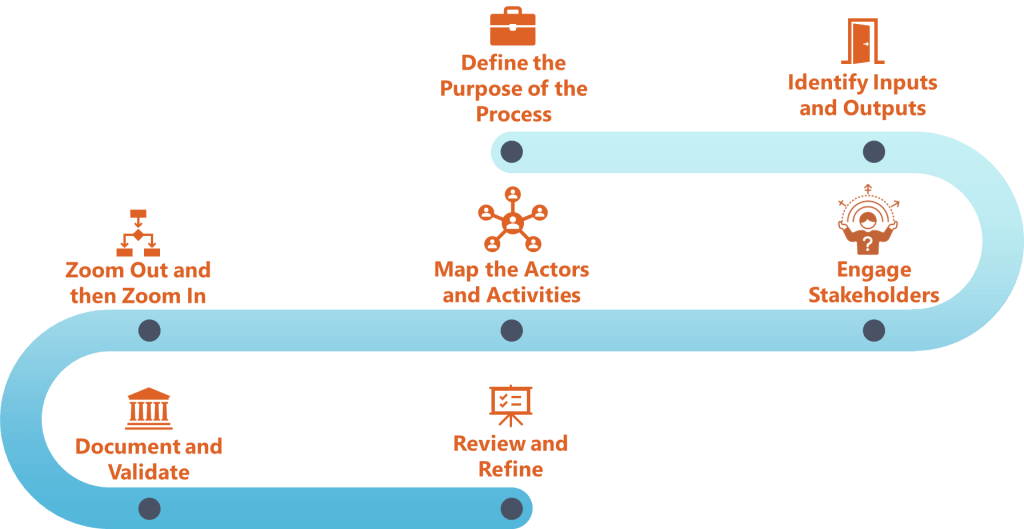
1. Define the Purpose of the Process
Before mapping, clarify the purpose of the process. What transformation or value does it deliver? For example, is the process about onboarding a new supplier, designing new process equipment, or resolving a non-conformance? Knowing the purpose helps you focus on the relevant start and end points.
2. Identify Inputs and Outputs
Every process transforms inputs into outputs. Clearly articulate what triggers the process (the input) and what constitutes its completion (the output). For instance, in a cake-baking process, the input might be “ingredients assembled,” and the output is “cake baked.” This transformation defines the process boundary.
3. Engage Stakeholders
Involve process owners, participants, and other stakeholders in boundary definition. They bring practical knowledge about where the process naturally starts and ends, as well as insights into handoffs and dependencies with other processes. Workshops, interviews, and surveys can be effective for gathering these perspectives.
4. Map the Actors and Activities
Decide which roles (“actors”) and activities are included within the boundary. Are you mapping only the activities of a laboratory analyst, or also those of supervisors, internal customers who need the results, or external partners? The level of detail should match your mapping purpose-whether you’re looking at a high-level overview or a detailed workflow.
5. Zoom Out, Then Zoom In
Start by zooming out to see the process as a whole in the context of the organization, then zoom in to set precise start and end points. This helps avoid missing upstream dependencies or downstream impacts that could affect the process’s effectiveness.
6. Document and Validate
Once you’ve defined the boundaries, document them clearly in your process map or supporting documentation. Validate your boundaries with stakeholders to ensure accuracy and buy-in. This step helps prevent misunderstandings and ensures the process map will be useful for analysis and improvement.
7. Review and Refine
Process boundaries are not set in stone. As the organization evolves or as you learn more through process analysis, revisit and adjust boundaries as needed to reflect changes in scope, objectives, or business environment.
Common Pitfalls and How to Avoid Them
Scope Creep: Avoid letting the process map expand beyond its intended boundaries. Stick to the defined start and end points unless there’s a compelling reason to adjust them7.
Overlapping Boundaries: Ensure that processes don’t overlap unnecessarily, which can create confusion about ownership and accountability.
Ignoring Interfaces: While focusing on boundaries, don’t neglect to document key interactions and handoffs with other processes. These interfaces are often sources of risk or inefficiency.
Conclusion
Defining process boundaries is a foundational step in business process mapping and analysis. It provides the clarity needed to manage, measure, and improve processes effectively. By following a structured approach-clarifying purpose, identifying inputs and outputs, engaging stakeholders, and validating your work-you set the stage for successful process optimization and organizational growth. Remember: a well-bounded process is a manageable process, and clarity at the boundaries is the first step toward operational excellence.
In manufacturing circles, “First-Time Right” (FTR) has become something of a sacred cow-a philosophy so universally accepted that questioning it feels almost heretical. Yet as continuous manufacturing processes increasingly replace traditional batch production, we need to critically examine whether this cherished doctrine serves us well or creates dangerous blind spots in our quality assurance frameworks.
The Seductive Promise of First-Time Right
Let’s start by acknowledging the compelling appeal of FTR. As commonly defined, First-Time Right is both a manufacturing principle and KPI that denotes the percentage of end-products leaving production without quality defects. The concept promises a manufacturing utopia: zero waste, minimal costs, maximum efficiency, and delighted customers receiving perfect products every time.
The math seems straightforward. If you produce 1,000 units and 920 are defect-free, your FTR is 92%. Continuous improvement efforts should steadily drive that percentage upward, reducing the resources wasted on imperfect units.
This principle finds its intellectual foundation in Six Sigma methodology, which can tend to give it an air of scientific inevitability. Yet even Six Sigma acknowledges that perfection remains elusive. This subtle but crucial nuance often gets lost when organizations embrace FTR as an absolute expectation rather than an aspiration.
First-Time Right in biologics drug substance manufacturing refers to the principle and performance metric of producing a biological drug substance that meets all predefined quality attributes and regulatory requirements on the first attempt, without the need for rework, reprocessing, or batch rejection. In this context, FTR emphasizes executing each step of the complex, multi-stage biologics manufacturing process correctly from the outset-starting with cell line development, through upstream (cell culture/fermentation) and downstream (purification, formulation) operations, to the final drug substance release.
Achieving FTR is especially challenging in biologics because these products are made from living systems and are highly sensitive to variations in raw materials, process parameters, and environmental conditions. Even minor deviations can lead to significant quality issues such as contamination, loss of potency, or batch failure, often requiring the entire batch to be discarded.
In biologics manufacturing, FTR is not just about minimizing waste and cost; it is critical for patient safety, regulatory compliance, and maintaining supply reliability. However, due to the inherent variability and complexity of biologics, FTR is best viewed as a continuous improvement goal rather than an absolute expectation. The focus is on designing and controlling processes to consistently deliver drug substances that meet all critical quality attributes-recognizing that, despite best efforts, some level of process variation and deviation is inevitable in biologics production
The Unique Complexities of Continuous Manufacturing
Traditional batch processing creates natural boundaries-discrete points where production pauses, quality can be assessed, and decisions about proceeding can be made. In contrast, continuous manufacturing operates without these convenient checkpoints, as raw materials are continuously fed into the manufacturing system, and finished products are continuously extracted, without interruption over the life of the production run.
This fundamental difference requires a complete rethinking of quality assurance approaches. In continuous environments:
Quality must be monitored and controlled in real-time, without stopping production
Deviations must be detected and addressed while the process continues running
The interconnected nature of production steps means issues can propagate rapidly through the system
Traceability becomes vastly more complex
Regulatory agencies recognize these unique challenges, acknowledging that understanding and managing risks is central to any decision to greenlight CM in a production-ready environment. When manufacturing processes never stop, quality assurance cannot rely on the same methodologies that worked for discrete batches.
The Dangerous Complacency of Perfect-First-Time Thinking
The most insidious danger of treating FTR as an achievable absolute is the complacency it breeds. When leadership becomes fixated on achieving perfect FTR scores, several dangerous patterns emerge:
Overconfidence in Automation
While automation can significantly improve quality, it is important to recognize the irreplaceable value of human oversight. Automated systems, no matter how advanced, are ultimately limited by their programming, design, and maintenance. Human operators bring critical thinking, intuition, and the ability to spot subtle anomalies that machines may overlook. A vigilant human presence can catch emerging defects or process deviations before they escalate, providing a layer of judgment and adaptability that automation alone cannot replicate. Relying solely on automation creates a dangerous blind spot-one where the absence of human insight can allow issues to go undetected until they become major problems. True quality excellence comes from the synergy of advanced technology and engaged, knowledgeable people working together.
Underinvestment in Deviation Management
If perfection is expected, why invest in systems to handle imperfections? Yet robust deviation management-the processes used to identify, document, investigate, and correct deviations becomes even more critical in continuous environments where problems can cascade rapidly. Organizations pursuing FTR often underinvest in the very systems that would help them identify and address the inevitable deviations.
False Sense of Process Robustness
Process robustness refers to the ability of a manufacturing process to tolerate the variability of raw materials, process equipment, operating conditions, environmental conditions and human factors. An obsession with FTR can mask underlying fragility in processes that appear to be performing well under normal conditions. When we pretend our processes are infallible, we stop asking critical questions about their resilience under stress.
When FTR becomes dogma, teams may become reluctant to report or escalate potential issues, fearing they’ll be seen as failures. This creates a culture of silence around deviations-precisely the opposite of what’s needed for effective quality management in continuous manufacturing. When perfection is the only acceptable outcome, people hide imperfections rather than address them.
Magical Thinking in Quality Management
The belief that we can eliminate all errors in complex manufacturing processes amounts to what organizational psychologists call “magical thinking” – the delusional belief that one can do the impossible. In manufacturing, this often manifests as pretending that doing more tasks with less resources will not hurt the work quality.
This is a pattern I’ve observed repeatedly in my investigations of quality failures. When leadership subscribes to the myth that perfection is not just desirable but achievable, they create the conditions for quality disasters. Teams stop preparing for how to handle deviations and start pretending deviations won’t occur.
The irony is that this approach actually undermines the very goal of FTR. By acknowledging the possibility of failure and building systems to detect and learn from it quickly, we actually increase the likelihood of getting things right.
Building a Healthier Quality Culture for Continuous Manufacturing
Rather than chasing the mirage of perfect FTR, organizations should focus on creating systems and cultures that:
Detect deviations rapidly: Continuous monitoring through advanced process control systems becomes essential for monitoring and regulating critical parameters throughout the production process. The question isn’t whether deviations will occur but how quickly you’ll know about them.
Investigate transparently: When issues occur, the focus should be on understanding root causes rather than assigning blame. The culture must prioritize learning over blame.
Implement robust corrective actions: Deviations should be thoroughly documented including details about when and where it occurred, who identified it, a detailed description of the nonconformance, initial actions taken, results of the investigation into the cause, actions taken to correct and prevent recurrence, and a final evaluation of the effectiveness of these actions.
Learn systematically: Each deviation represents a valuable opportunity to strengthen processes and prevent similar issues in the future. The organization that learns fastest wins, not the one that pretends to be perfect.
Breaking the Groupthink Cycle
The FTR myth thrives in environments characterized by groupthink, where challenging the prevailing wisdom is discouraged. When leaders obsess over FTR metrics while punishing those who report deviations, they create the perfect conditions for quality disasters.
This connects to a theme I’ve explored repeatedly on this blog: the dangers of losing institutional memory and critical thinking in quality organizations. When we forget that imperfection is inevitable, we stop building the systems and cultures needed to manage it effectively.
Embracing Humility, Vigilance, and Continuous Learning
True quality excellence comes not from pretending that errors don’t occur, but from embracing a more nuanced reality:
Perfection is a worthy aspiration but an impossible standard
Systems must be designed not just to prevent errors but to detect and address them
A healthy quality culture prizes transparency and learning over the appearance of perfection
Continuous improvement comes from acknowledging and understanding imperfections, not denying them
The path forward requires humility to recognize the limitations of our processes, vigilance to catch deviations quickly when they occur, and an unwavering commitment to learning and improving from each experience.
In the end, the most dangerous quality issues aren’t the ones we detect and address-they’re the ones our systems and culture allow to remain hidden because we’re too invested in the myth that they shouldn’t exist at all. First-Time Right should remain an aspiration that drives improvement, not a dogma that blinds us to reality.
From Perfect to Perpetually Improving
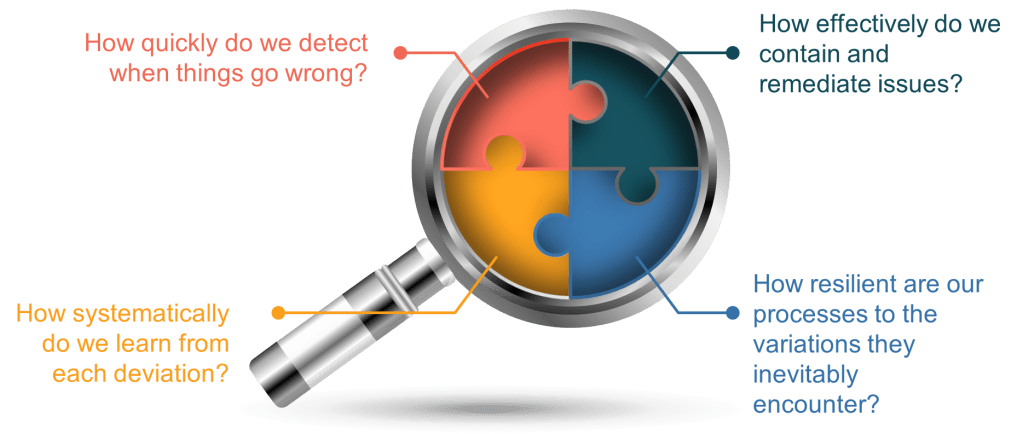
As continuous manufacturing becomes the norm rather than the exception, we need to move beyond the simplistic FTR myth toward a more sophisticated understanding of quality. Rather than asking, “Did we get it perfect the first time?” we should be asking:
How quickly do we detect when things go wrong?
How effectively do we contain and remediate issues?
How systematically do we learn from each deviation?
How resilient are our processes to the variations they inevitably encounter?
These questions acknowledge the reality of manufacturing-that imperfection is inevitable-while focusing our efforts on what truly matters: building systems and cultures capable of detecting, addressing, and learning from deviations to drive continuous improvement.
The companies that thrive in the continuous manufacturing future won’t be those with the most impressive FTR metrics on paper. They’ll be those with the humility to acknowledge imperfection, the systems to detect and address it quickly, and the learning cultures that turn each deviation into an opportunity for improvement.
Two concepts—impact and risk — are often discussed but sometimes conflated within quality systems. While related, these concepts serve distinct purposes and drive different decisions throughout the quality system. Let’s explore.
The Fundamental Difference: Impact vs. Risk
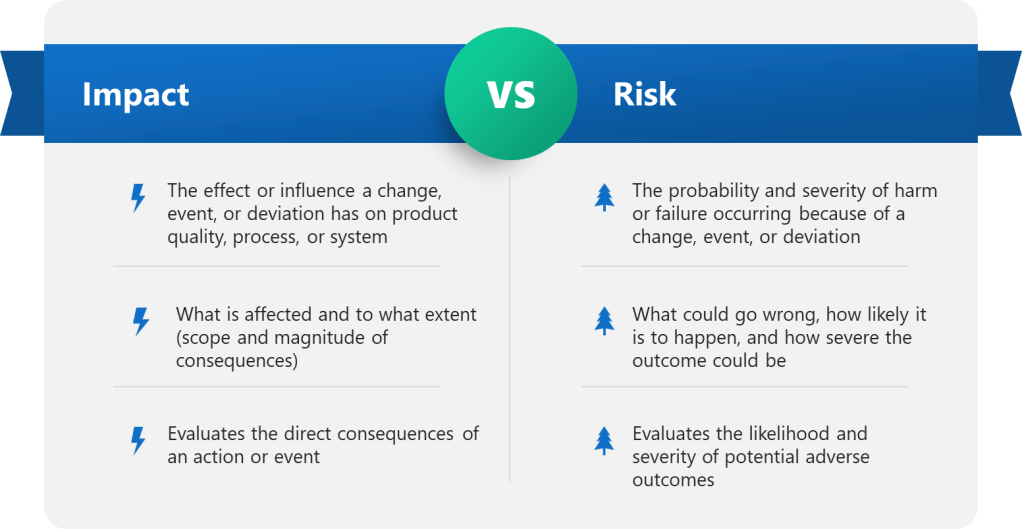
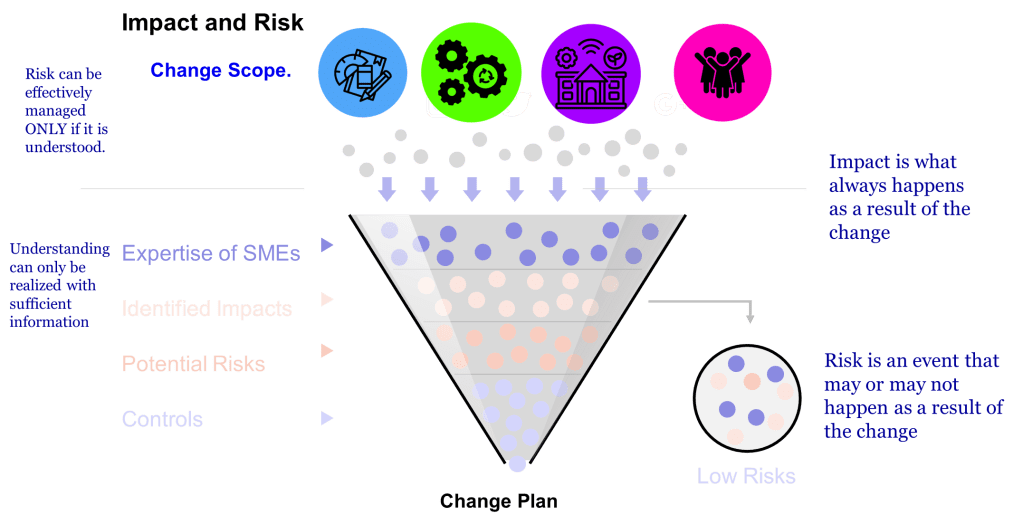
The difference between impact and risk is fundamental to effective quality management. The difference between impact and risk is critical. Impact is best thought of as ‘What do I need to do to make the change.’ Risk is ‘What could go wrong in making this change?'”
Impact assessment focuses on evaluating the effects of a proposed change on various elements such as documentation, equipment, processes, and training. It helps identify the scope and reach of a change. Risk assessment, by contrast, looks ahead to identify potential failures that might occur due to the change – it’s preventive and focused on possible consequences.
This distinction isn’t merely academic – it directly affects how we approach actions and decisions in our quality systems, impacting core functions of CAPA, Change Control and Management Review.
Aspect
Impact
Risk
Definition
The effect or influence a change, event, or deviation has on product quality, process, or system
The probability and severity of harm or failure occurring as a result of a change, event, or deviation
Focus
What is affected and to what extent (scope and magnitude of consequences)
What could go wrong, how likely it is to happen, and how severe the outcome could be
Assessment Type
Evaluates the direct consequences of an action or event
Evaluates the likelihood and severity of potential adverse outcomes
Typical Use
Used in change control to determine which documents, systems, or processes are impacted
Used to prioritize actions, allocate resources, and implement controls to minimize negative outcomes
Measurement
Usually described qualitatively (e.g., minor, moderate, major, critical)
Often quantified by combining probability and impact scores to assign a risk level (e.g., low, medium, high)
Example
A change in raw material supplier impacts the manufacturing process and documentation.
The risk is that the new supplier’s material could fail to meet quality standards, leading to product defects.
Change Control: Different Questions, Different Purposes
Within change management, the PIC/S Recommendation PI 054-1 notes that “In some cases, especially for simple and minor/low risk changes, an impact assessment is sufficient to document the risk-based rationale for a change without the use of more formal risk assessment tools or approaches.”
Impact Assessment in Change Control
Determines what documentation requires updating
Identifies affected systems, equipment, and processes
Identifies potential failures that could result from the change
Evaluates possible consequences to product quality and patient safety
Determines likelihood of those consequences occurring
Guides preventive measures
A common mistake is conflating these concepts or shortcutting one assessment. For example, companies often rush to designate changes as “like-for-like” without supporting data, effectively bypassing proper risk assessment. This highlights why maintaining the distinction is crucial.
Impact in validation relates to identifying what aspects of product quality could be affected by a system or process. For example, when qualifying manufacturing equipment, we determine which critical quality attributes (CQAs) might be influenced by the equipment’s performance.
Risk assessment in validation explores what could go wrong with the equipment or process that might lead to quality failures. Risk management plays a pivotal role in validation by enabling a risk-based approach to defining validation strategies, ensuring regulatory compliance, mitigating product quality and safety risks, facilitating continuous improvement, and promoting cross-functional collaboration.
In Design Qualification, we verify that the critical aspects (CAs) and critical design elements (CDEs) necessary to control risks identified during the quality risk assessment (QRA) are present in the design. This illustrates how impact assessment (identifying critical aspects) works together with risk assessment (identifying what could go wrong).
When we perform Design Review and Design Qualification, we focus on Critical Aspects: Prioritize design elements that directly impact product quality and patient safety. Here, impact assessment identifies critical aspects, while risk assessment helps prioritize based on potential consequences.
Following Design Qualification, Verification activities such as Installation Qualification (IQ), Operational Qualification (OQ), and Performance Qualification (PQ) serve to confirm that the system or equipment performs as intended under actual operating conditions. Here, impact assessment identifies the specific parameters and functions that must be verified to ensure no critical quality attributes are compromised. Simultaneously, risk assessment guides the selection and extent of tests by focusing on areas with the highest potential for failure or deviation. This dual approach ensures that verification not only confirms the intended impact of the design but also proactively mitigates risks before routine use.
Validation does not end with initial qualification. Continuous Validation involves ongoing monitoring and trending of process performance and product quality to confirm that the validated state is maintained over time. Impact assessment plays a role in identifying which parameters and quality attributes require ongoing scrutiny, while risk assessment helps prioritize monitoring efforts based on the likelihood and severity of potential deviations. This continuous cycle allows quality systems to detect emerging risks early and implement corrective actions promptly, reinforcing a proactive, risk-based culture that safeguards product quality throughout the product lifecycle.
Data Integrity: A Clear Example
Data integrity offers perhaps the clearest illustration of the impact-risk distinction.
As I’ve previously noted, Data quality is not a risk. It is a causal factor in the failure or severity. Poor data quality isn’t itself a risk; rather, it’s a factor that can influence the severity or likelihood of risks.
When assessing data integrity issues:
Impact assessment identifies what data is affected and which processes rely on that data
Risk assessment evaluates potential consequences of data integrity lapses
In my risk-based data integrity assessment methodology, I use a risk rating system that considers both impact and risk factors:
Risk Rating
Action
Mitigation
>25
High Risk-Potential Impact to Patient Safety or Product Quality
Mandatory
12-25
Moderate Risk-No Impact to Patient Safety or Product Quality but Potential Regulatory Risk
Recommended
<12
Negligible DI Risk
Not Required
This system integrates both impact (on patient safety or product quality) and risk (likelihood and detectability of issues) to guide mitigation decisions.
The Golden Day: Impact and Risk in Deviation Management
The Golden Day concept for deviation management provides an excellent practical example. Within the first 24 hours of discovering a deviation, we conduct:
An impact assessment to determine:
Which products, materials, or batches are affected
Potential effects on critical quality attributes
Possible regulatory implications
A risk assessment to evaluate:
Patient safety implications
Product quality impact
Compliance with registered specifications
Level of investigation required
This impact assessment is also the initial risk assessment, which will help guide the level of effort put into the deviation. This statement shows how the two concepts, while distinct, work together to inform quality decisions.
Quality Escalation: When Impact Triggers a Response
In quality escalation, we often use specific criteria based on both impact and risk:
Escalation Criteria
Examples of Quality Events for Escalation
Potential to adversely affect quality, safety, efficacy, performance or compliance of product
– Contamination – Product defect/deviation from process parameters or specification – Significant GMP deviations
Product counterfeiting, tampering, theft
– Product counterfeiting, tampering, theft reportable to Health Authority – Lost/stolen IMP
Product shortage likely to disrupt patient care
– Disruption of product supply due to product quality events
Potential to cause patient harm associated with a product quality event
These criteria demonstrate how we use both impact (what’s affected) and risk (potential consequences) to determine when issues require escalation.
Both Are Essential
Understanding the difference between impact and risk fundamentally changes how we approach quality management. Impact assessment without risk assessment may identify what’s affected but fails to prevent potential issues. Risk assessment without impact assessment might focus on theoretical problems without understanding the actual scope.
The pharmaceutical quality system requires both perspectives:
Impact tells us the scope – what’s affected
Risk tells us the consequences – what could go wrong
By maintaining this distinction and applying both concepts appropriately across change control, validation, and data integrity management, we build more robust quality systems that not only comply with regulations but actually protect product quality and patient safety.
Quality management requires a sophisticated blend of skills that transcend traditional audit and compliance approaches. As organizations increasingly recognize quality systems as living entities rather than static frameworks, quality professionals must evolve from mere enforcers to nurturers—from auditors to gardeners. This paradigm shift demands a new approach to competency development that embraces both technical expertise and adaptive capabilities.
Building Competencies: The Integration of Skills, Knowledge, and Behavior
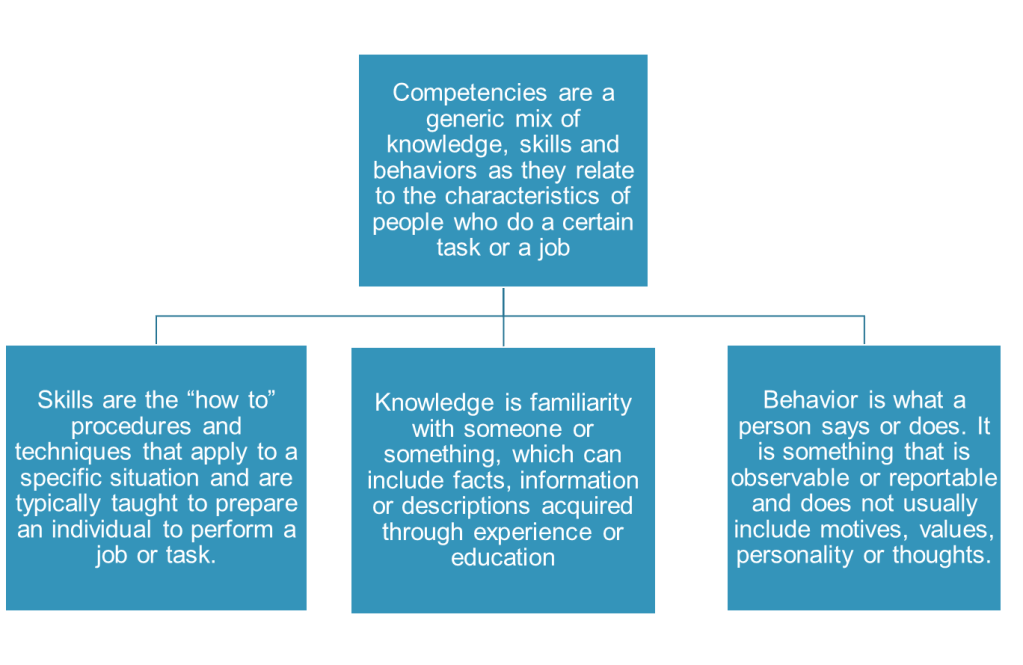
A comprehensive competency framework for quality professionals must recognize that true competency is more than a simple checklist of abilities. Rather, it represents the harmonious integration of three critical elements: skills, knowledge, and behaviors. Understanding how these elements interact and complement each other is essential for developing quality professionals who can thrive as “system gardeners” in today’s complex organizational ecosystems.
The Competency Triad
Competencies can be defined as the measurable or observable knowledge, skills, abilities, and behaviors critical to successful job performance. They represent a holistic approach that goes beyond what employees can do to include how they apply their capabilities in real-world contexts.
Knowledge: The Foundation of Understanding
Knowledge forms the theoretical foundation upon which all other aspects of competency are built. For quality professionals, this includes:
Comprehension of regulatory frameworks and compliance requirements
Understanding of statistical principles and data analysis methodologies
Familiarity with industry-specific processes and technical standards
Awareness of organizational systems and their interconnections
Knowledge is demonstrated through consistent application to real-world scenarios, where quality professionals translate theoretical understanding into practical solutions. For example, a quality professional might demonstrate knowledge by correctly interpreting a regulatory requirement and identifying its implications for a manufacturing process.
Skills: The Tools for Implementation
Skills represent the practical “how-to” abilities that quality professionals use to implement their knowledge effectively. These include:
Technical skills like statistical process control and data visualization
Methodological skills such as root cause analysis and risk assessment
Social skills including facilitation and stakeholder management
Self-management skills like prioritization and adaptability
Skills are best measured through observable performance in relevant contexts. A quality professional might demonstrate skill proficiency by effectively facilitating a cross-functional investigation meeting that leads to meaningful corrective actions.
Behaviors: The Expression of Competency
Behaviors are the observable actions and reactions that reflect how quality professionals apply their knowledge and skills in practice. These include:
Demonstrating curiosity when investigating deviations
Showing persistence when facing resistance to quality initiatives
Exhibiting patience when coaching others on quality principles
Displaying integrity when reporting quality issues
Behaviors often distinguish exceptional performers from average ones. While two quality professionals might possess similar knowledge and skills, the one who consistently demonstrates behaviors aligned with organizational values and quality principles will typically achieve superior results.
Building an Integrated Competency Development Approach
To develop well-rounded quality professionals who embody all three elements of competency, organizations should:
Map the Competency Landscape: Create a comprehensive inventory of the knowledge, skills, and behaviors required for each quality role, categorized by proficiency level.
Implement Multi-Modal Development: Recognize that different competency elements require different development approaches:
Knowledge is often best developed through structured learning, reading, and formal education
Skills typically require practice, coaching, and experiential learning
Assess Holistically: Develop assessment methods that evaluate all three elements:
Knowledge assessments through tests, case studies, and discussions
Skill assessments through demonstrations, simulations, and work products
Behavioral assessments through observation, peer feedback, and self-reflection
Create Developmental Pathways: Design career progression frameworks that clearly articulate how knowledge, skills, and behaviors should evolve as quality professionals advance from foundational to leadership roles.
By embracing this integrated approach to competency development, organizations can nurture quality professionals who not only know what to do and how to do it, but who also consistently demonstrate the behaviors that make quality initiatives successful. These professionals will be equipped to serve as true “system gardeners,” cultivating environments where quality naturally flourishes rather than merely enforcing compliance with standards.
Understanding the Four Dimensions of Professional Skills
A comprehensive competency framework for quality professionals should address four fundamental skill dimensions that work in harmony to create holistic expertise:
Technical Skills: The Roots of Quality Expertise
Technical skills form the foundation upon which all quality work is built. For quality professionals, these specialized knowledge areas provide the essential tools needed to assess, measure, and improve systems.
Technical skills enable quality professionals to diagnose system health with precision—similar to how a gardener understands soil chemistry and plant physiology.
Methodological Skills: The Framework for System Cultivation
Methodological skills represent the structured approaches and techniques that quality professionals use to organize their work. These skills provide the scaffolding that supports continuous improvement and systematic problem-solving.
Risk management framework, methodology and and tools
Design and execution of effective audit programs
Knowledge management to capture insights and lessons learned
As gardeners apply techniques like pruning, feeding, and crop rotation, quality professionals use methodological skills to cultivate environments where quality naturally thrives.
Social Skills: Nurturing Collaborative Ecosystems
Social skills facilitate the human interactions necessary for quality to flourish across organizational boundaries. In living quality systems, these skills help create an environment where collaboration and improvement become cultural norms.
Inspiring leadership that emphasizes quality as shared responsibility
Just as gardeners create environments where diverse species thrive together, quality professionals with strong social skills foster ecosystems where teams naturally collaborate toward excellence.
Self-Skills: Personal Adaptability and Growth
Self-skills represent the quality professional’s ability to manage themselves effectively in dynamic environments. These skills are especially crucial in today’s volatile and complex business landscape.
Examples for Quality Gardeners:
Adaptability to changing regulatory landscapes and business priorities
Independent decision-making based on principles rather than rules
Continuous personal development and knowledge acquisition
Working productively under pressure
Like gardeners who must adapt to changing seasons and unexpected weather patterns, quality professionals need strong self-management skills to thrive in unpredictable environments.
Dimension
Definition
Examples
Importance
Technical Skill
Referring to the specialized knowledge and practical skills
– Mastering data analysis – Understanding aseptic processing or freeze drying
Fundamental for any professional role; influences the ability to effectively perform specialized tasks
Methodological Skill
Ability to apply appropriate techniques and methods
– Applying Scrum or Lean Six Sigma – Documenting and transferring insights into knowledge
Essential to promote innovation, strategic thinking, and investigation of deviations
Social Skill
Skills for effective interpersonal interactions
– Promoting collaboration – Mediating team conflicts – Inspiring leadership
Important in environments that rely on teamwork, dynamics, and culture
Self-Skill
Ability to manage oneself in various professional contexts
– Adapting to a fast-paced work environment – Working productively under pressure – Independent decision-making
Crucial in roles requiring a high degree of autonomy, such as leadership positions or independent work environments
Developing a Competency Model for Quality Gardeners
Building an effective competency model for quality professionals requires a systematic approach that aligns individual capabilities with organizational needs.
Step 1: Define Strategic Goals and Identify Key Roles
Begin by clearly articulating how quality contributes to organizational success. For a “living systems” approach to quality, goals might include:
Cultivating adaptive quality systems that evolve with the organization
Building resilience to regulatory changes and market disruptions
Fostering a culture where quality is everyone’s responsibility
From these goals, identify the critical roles needed to achieve them, such as:
Quality System Architects who design the overall framework
Cross-Pollination Specialists who transfer best practices across departments
System Immunologists who identify and respond to potential threats
Given your organization, you probably will have more boring titles than these. I certainly do, but it is still helpful to use the names when planning and imagining.
Step 2: Identify and Categorize Competencies
For each role, define the specific competencies needed across the four skill dimensions. For example:
Quality System Architect
Technical: Understanding of regulatory frameworks and system design principles
Methodological: Expertise in process mapping and system integration
Social: Ability to influence across the organization and align diverse stakeholders
Self: Strategic thinking and long-term vision implementation
Process Gardener
Technical: Deep knowledge of specific processes and measurement systems
Methodological: Proficiency in continuous improvement and problem-solving techniques
Social: Coaching skills and ability to build process ownership
Self: Patience and persistence in nurturing gradual improvements
Step 3: Create Behavioral Definitions
Develop clear behavioral indicators that demonstrate proficiency at different levels. For example, for the competency “Cultivating Quality Ecosystems”:
Foundational level: Understands basic principles of quality culture and can implement prescribed improvement tools
Intermediate level: Adapts quality approaches to fit specific team environments and facilitates process ownership among team members
Advanced level: Creates innovative approaches to quality improvement that harness the natural dynamics of the organization
Leadership level: Transforms organizational culture by embedding quality thinking into all business processes and decision-making structures
Step 4: Map Competencies to Roles and Development Paths
Create a comprehensive matrix that aligns competencies with roles and shows progression paths. This allows individuals to visualize their development journey and organizations to identify capability gaps.
For example:
Competency
Quality Specialist
Process Gardener
Quality System Architect
Statistical Analysis
Intermediate
Advanced
Intermediate
Process Improvement
Foundational
Advanced
Intermediate
Stakeholder Engagement
Foundational
Intermediate
Advanced
Systems Thinking
Foundational
Intermediate
Advanced
Building a Training Plan for Quality Gardeners
A well-designed training plan translates the competency model into actionable development activities for each individual.
Step 1: Job Description Analysis
Begin by analyzing job descriptions to identify the specific processes and roles each quality professional interacts with. For example, a Quality Control Manager might have responsibilities for:
Leading inspection readiness activities
Supporting regulatory site inspections
Participating in vendor management processes
Creating and reviewing quality agreements
Managing deviations, change controls, and CAPAs
Step 2: Role Identification
For each job responsibility, identify the specific roles within relevant processes:
Process
Role
Inspection Readiness
Lead
Regulatory Site Inspections
Support
Vendor Management
Participant
Quality Agreements
Author/Reviewer
Deviation/CAPA
Author/Reviewer/Approver
Change Control
Author/Reviewer/Approver
Step 3: Training Requirements Mapping
Working with process owners, determine the training requirements for each role. Consider creating modular curricula that build upon foundational skills:
Foundational Quality Curriculum: Regulatory basics, quality system overview, documentation standards
Technical Writing Curriculum: Document creation, effective review techniques, technical communication
Process-Specific Curricula: Tailored training for each process (e.g., change control, deviation management)
Step 4: Implementation and Evolution
Recognize that like the quality systems they support, training plans should evolve over time:
Update as job responsibilities change
Adapt as processes evolve
Incorporate feedback from practical application
Balance formal training with experiential learning opportunities
Cultivating Excellence Through Competency Development
Building a competency framework aligned with the “living systems” view of quality management transforms how organizations approach quality professional development. By nurturing technical, methodological, social, and self-skills in balance, organizations create quality professionals who act as true gardeners—professionals who cultivate environments where quality naturally flourishes rather than imposing it through rigid controls.
As quality systems continue to evolve, the most successful organizations will be those that invest in developing professionals who can adapt and thrive amid complexity. These “quality gardeners” will lead the way in creating systems that, like healthy ecosystems, become more resilient and vibrant over time.
Applying the Competency Model
For organizational leadership in quality functions, adopting a competency model is a transformative step toward building a resilient, adaptive, and high-performing team—one that nurtures quality systems as living, evolving ecosystems rather than static structures. The competency model provides a unified language and framework to define, develop, and measure the capabilities needed for success in this gardener paradigm.
The Four Dimensions of the Competency Model
Competency Model Dimension
Definition
Examples
Strategic Importance
Technical Competency
Specialized knowledge and practical abilities required for quality roles
Fundamental for effective execution of specialized quality tasks and ensuring compliance
Methodological Competency
Ability to apply structured techniques, frameworks, and continuous improvement methods
– Applying Lean Six Sigma – Documenting and transferring process knowledge – Designing audit frameworks
Drives innovation, strategic problem-solving, and systematic improvement of quality processes
Social Competency
Skills for effective interpersonal interactions and collaboration
– Facilitating cross-functional teams – Mediating conflicts – Coaching and inspiring others
Essential for cultivating a culture of shared ownership and teamwork in quality initiatives
Self-Competency
Capacity to manage oneself, adapt, and demonstrate resilience in dynamic environments
– Adapting to change – Working under pressure – Exercising independent judgment
Crucial for autonomy, leadership, and thriving in evolving, complex quality environments
Leveraging the Competency Model Across Organizational Practices
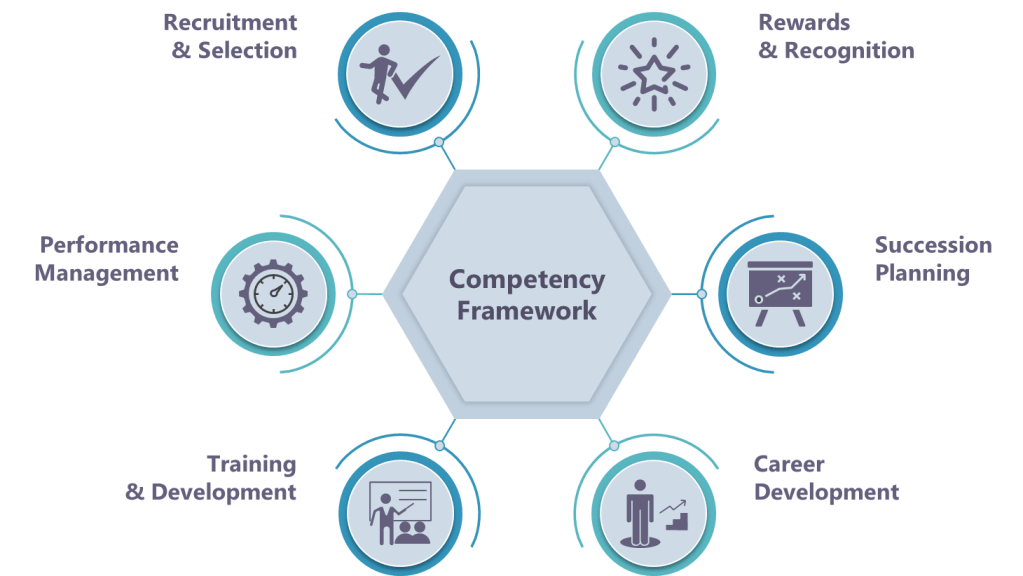
To fully realize the gardener approach, integrate the competency model into every stage of the talent lifecycle:
Recruitment and Selection
Role Alignment: Use the competency model to define clear, role-specific requirements—ensuring candidates are evaluated for technical, methodological, social, and self-competencies, not just past experience.
Behavioral Interviewing: Structure interviews around observable behaviors and scenarios that reflect the gardener mindset (e.g., “Describe a time you nurtured a process improvement across teams”).
Rewards and Recognition
Competency-Based Rewards: Recognize and reward not only outcomes, but also the demonstration of key competencies—such as collaboration, adaptability, and continuous improvement behaviors.
Transparency: Use the competency model to provide clarity on what is valued and how employees can be recognized for growing as “quality gardeners.”
Performance Management
Objective Assessment: Anchor performance reviews in the competency model, focusing on both results and the behaviors/skills that produced them.
Feedback and Growth: Provide structured, actionable feedback linked to specific competencies, supporting a culture of continuous development and accountability.
Training and Development
Targeted Learning: Identify gaps at the individual and team level using the competency model, and develop training programs that address all four competency dimensions.
Behavioral Focus: Ensure training goes beyond knowledge transfer, emphasizing the practical application and demonstration of new competencies in real-world settings.
Career Development
Progression Pathways: Map career paths using the competency model, showing how employees can grow from foundational to advanced levels in each competency dimension.
Self-Assessment: Empower employees to self-assess against the model, identify growth areas, and set targeted development goals.
Succession Planning
Future-Ready Talent: Use the competency model to identify and develop high-potential employees who exhibit the gardener mindset and can step into critical roles.
Capability Mapping: Regularly assess organizational competency strengths and gaps to ensure a robust pipeline of future leaders aligned with the gardener philosophy.
Leadership Call to Action
For quality organizations moving to the gardener approach, the competency model is a strategic lever. By consistently applying the model across recruitment, recognition, performance, development, career progression, and succession, leadership ensures the entire organization is equipped to nurture adaptive, resilient, and high-performing quality systems.
This integrated approach creates clarity, alignment, and a shared vision for what excellence looks like in the gardener era. It enables quality professionals to thrive as cultivators of improvement, collaboration, and innovation—ensuring your quality function remains vital and future-ready.
The concept of emergence—where complex behaviors arise unpredictably from interactions among simpler components—has haunted and inspired quality professionals since Aristotle first observed that “the whole is something besides the parts.” In modern quality systems, this ancient paradox takes new form: our meticulously engineered controls often birth unintended consequences, from phantom batch failures to self-reinforcing compliance gaps. Understanding emergence isn’t just an academic exercise—it’s a survival skill in an era where hyperconnected processes and globalized supply chains amplify systemic unpredictability.
The Spectrum of Emergence: From Predictable to Baffling
Emergence manifests across a continuum of complexity, each type demanding distinct management approaches:
1. Simple Emergence Predictable patterns emerge from component interactions, observable even in abstracted models. Consider document control workflows: while individual steps like review or approval seem straightforward, their sequencing creates emergent properties like approval cycle times. These can be precisely modeled using flowcharts or digital twins, allowing proactive optimization.
2. Weak Emergence Behaviors become explainable only after they occur, requiring detailed post-hoc analysis. A pharmaceutical company’s CAPA system might show seasonal trends in effectiveness—a pattern invisible in individual case reviews but emerging from interactions between manufacturing schedules, audit cycles, and supplier quality fluctuations. Weak emergence often reveals itself through advanced analytics like machine learning clustering.
3. Multiple Emergence Here, system behaviors directly contradict component properties. A validated sterile filling line passing all IQ/OQ/PQ protocols might still produce unpredictable media fill failures when integrated with warehouse scheduling software. This “emergent invalidation” stems from hidden interaction vectors that only manifest at full operational scale.
4. Strong Emergence Consistent with components but unpredictably manifested, strong emergence plagues culture-driven quality systems. A manufacturer might implement identical training programs across global sites, yet some facilities develop proactive quality innovation while others foster blame-avoidance rituals. The difference emerges from subtle interactions between local leadership styles and corporate KPIs.
5. Spooky Emergence The most perplexing category, where system behaviors defy both component properties and simulation. A medical device company once faced identical cleanrooms producing statistically divergent particulate counts—despite matching designs, procedures, and personnel. Root cause analysis eventually traced the emergence to nanometer-level differences in HVAC duct machining, interacting with shift-change lighting schedules to alter airflow dynamics.
Type
Characteristics
Quality System Example
Simple
Predictable through component analysis
Document control workflows
Weak
Explainable post-occurrence through detailed modeling
Consistent with components but unpredictably manifested
Culture-driven quality behaviors
Spooky
Defies component properties and simulation entirely
Phantom batch failures in identical systems
The Modern Catalysts of Emergence
Three forces amplify emergence in contemporary quality systems:
Hyperconnected Processes
IoT-enabled manufacturing equipment generates real-time data avalanches. A biologics plant’s environmental monitoring system might integrate 5,000 sensors updating every 15 seconds. The emergent property? A “data tide” that overwhelms traditional statistical process control, requiring AI-driven anomaly detection to discern meaningful signals.
Compressed Innovation Cycles
Compressed innovation cycles are transforming the landscape of product development and quality management. In this new paradigm, the pressure to deliver products faster—whether due to market demands, technological advances, or public health emergencies—means that the traditional, sequential approach to development is replaced by a model where multiple phases run in parallel. Design, manufacturing, and validation activities that once followed a linear path now overlap, requiring organizations to verify quality in real time rather than relying on staged reviews and lengthy data collection.
One of the most significant consequences of this acceleration is the telescoping of validation windows. Where stability studies and shelf-life determinations once spanned years, they are now compressed into a matter of months or even weeks. This forces quality teams to make critical decisions based on limited data, often relying on predictive modeling and statistical extrapolation to fill in the gaps. The result is what some call “validation debt”—a situation where the pace of development outstrips the accumulation of empirical evidence, leaving organizations to manage risks that may not be fully understood until after product launch.
Regulatory frameworks are also evolving in response to compressed innovation cycles. Instead of the traditional, comprehensive submission and review process, regulators are increasingly open to iterative, rolling reviews and provisional specifications that can be adjusted as more data becomes available post-launch. This shift places greater emphasis on computational evidence, such as in silico modeling and digital twins, rather than solely on physical testing and historical precedent.
The acceleration of development timelines amplifies the risk of emergent behaviors within quality systems. Temporal compression means that components and subsystems are often scaled up and integrated before they have been fully characterized or validated in isolation. This can lead to unforeseen interactions and incompatibilities that only become apparent at the system level, sometimes after the product has reached the market. The sheer volume and velocity of data generated in these environments can overwhelm traditional quality monitoring tools, making it difficult to identify and respond to critical quality attributes in a timely manner.
Another challenge arises from the collision of different quality management protocols. As organizations attempt to blend frameworks such as GMP, Agile, and Lean to keep pace with rapid development, inconsistencies and gaps can emerge. Cross-functional teams may interpret standards differently, leading to confusion or conflicting priorities that undermine the integrity of the quality system.
The systemic consequences of compressed innovation cycles are profound. Cryptic interaction pathways can develop, where components that performed flawlessly in isolation begin to interact in unexpected ways at scale. Validation artifacts—such as artificial stability observed in accelerated testing—may fail to predict real-world performance, especially when environmental variables or logistics introduce new stressors. Regulatory uncertainty increases as control strategies become obsolete before they are fully implemented, and critical process parameters may shift unpredictably during technology transfer or scale-up.
To navigate these challenges, organizations are adopting adaptive quality strategies. Predictive quality modeling, using digital twins and machine learning, allows teams to simulate thousands of potential interaction scenarios and forecast failure modes even with incomplete data. Living control systems, powered by AI and continuous process verification, enable dynamic adjustment of specifications and risk priorities as new information emerges. Regulatory agencies are also experimenting with co-evolutionary approaches, such as shared industry databases for risk intelligence and regulatory sandboxes for testing novel quality controls.
Ultimately, compressed innovation cycles demand a fundamental rethinking of quality management. The focus shifts from simply ensuring compliance to actively navigating complexity and anticipating emergent risks. Success in this environment depends on building quality systems that are not only robust and compliant, but also agile and responsive—capable of detecting, understanding, and adapting to surprises as they arise in real time.
Supply Chain Entanglement
Globalization has fundamentally transformed supply chains, creating vast networks that span continents and industries. While this interconnectedness has brought about unprecedented efficiencies and access to resources, it has also introduced a web of hidden interaction vectors—complex, often opaque relationships and dependencies that can amplify both risk and opportunity in ways that are difficult to predict or control.
At the heart of this complexity is the fragmentation of production across multiple jurisdictions. This spatial and organizational dispersion means that disruptions—whether from geopolitical tensions, natural disasters, regulatory changes, or even cyberattacks—can propagate through the network in unexpected ways, sometimes surfacing as quality issues, delays, or compliance failures far from the original source of the problem.
Moreover, the rise of powerful transnational suppliers, sometimes referred to as “Big Suppliers,” has shifted the balance of power within global value chains. These entities do not merely manufacture goods; they orchestrate entire ecosystems of production, labor, and logistics across borders. Their decisions about sourcing, labor practices, and compliance can have ripple effects throughout the supply chain, influencing not just operational outcomes but also the diffusion of norms and standards. This reconsolidation at the supplier level complicates the traditional view that multinational brands are the primary drivers of supply chain governance, revealing instead a more distributed and dynamic landscape of influence.
The hidden interaction vectors created by globalization are further obscured by limited supply chain visibility. Many organizations have a clear understanding of their direct, or Tier 1, suppliers but lack insight into the lower tiers where critical risks often reside. This opacity can mask vulnerabilities such as overreliance on a single region, exposure to forced labor, or susceptibility to regulatory changes in distant markets. As a result, companies may find themselves blindsided by disruptions that originate deep within their supply networks, only becoming apparent when they manifest as operational or reputational crises.
In this environment, traditional risk management approaches are often insufficient. The sheer scale and complexity of global supply chains demand new strategies for mapping connections, monitoring dependencies, and anticipating how shocks in one part of the world might cascade through the system. Advanced analytics, digital tools, and collaborative relationships with suppliers are increasingly essential for uncovering and managing these hidden vectors. Ultimately, globalization has made supply chains more efficient but also more fragile, with hidden interaction points that require constant vigilance and adaptive management to ensure resilience and sustained performance.
Emergence and the Success/Failure Space: Navigating Complexity in System Design
The interplay between emergence and success/failure space reveals a fundamental tension in managing complex systems: our ability to anticipate outcomes is constrained by both the unpredictability of component interactions and the inherent asymmetry between defining success and preventing failure. Emergence is not merely a technical challenge, but a manifestation of how systems oscillate between latent potential and realized risk.
Success space encompasses infinite potential pathways to desired outcomes, characterized by continuous variables like efficiency and adaptability.
Failure space contains discrete, identifiable modes of dysfunction, often easier to consensus-build around than nebulous success metrics.
Emergence complicates this duality. While traditional risk management focuses on cataloging failure modes, emergent behaviors—particularly strong emergence—defy this reductionist approach. Failures can arise not from component breakdowns, but from unexpected couplings between validated subsystems operating within design parameters. This creates a paradox: systems optimized for success space metrics (e.g., throughput, cost efficiency) may inadvertently amplify failure space risks through emergent interactions.
Emergence as a Boundary Phenomenon
Emergent behaviors manifest at the interface of success and failure spaces:
Weak Emergence Predictable through detailed modeling, these behaviors align with traditional failure space analysis. For example, a pharmaceutical plant might anticipate temperature excursion risks in cold chain logistics through FMEA, implementing redundant monitoring systems.
Strong Emergence Unpredictable interactions that bypass conventional risk controls. Consider a validated ERP system that unexpectedly generates phantom batch records when integrated with new MES modules—a failure emerging from software handshake protocols never modeled during individual system validation.
To return to a previous analogy of house purchasing to illustrate this dichotomy: while we can easily identify foundation cracks (failure space), defining the “perfect home” (success space) remains subjective. Similarly, strong emergence represents foundation cracks in system architectures that only become visible after integration.
Reconciling Spaces Through Emergence-Aware Design
To manage this complexity, organizations must:
1. Map Emergence Hotspots Emergence hotspots represent critical junctures where localized interactions generate disproportionate system-wide impacts—whether beneficial innovations or cascading failures. Effectively mapping these zones requires integrating spatial, temporal, and contextual analytics to navigate the interplay between component behaviors and collective outcomes..
2. Implement Ambidextrous Monitoring Combine failure space triggers (e.g., sterility breaches) with success space indicators (e.g., adaptive process capability) – pairing traditional deviation tracking with positive anomaly detection systems that flag beneficial emergent patterns.
3. Cultivate Graceful Success
Graceful success represents a paradigm shift from failure prevention to intelligent adaptation—creating systems that maintain core functionality even when components falter. Rooted in resilience engineering principles, this approach recognizes that perfect system reliability is unattainable, and instead focuses on designing architectures that fail into high-probability success states while preserving safety and quality.
Controlled State Transitions: Systems default to reduced-but-safe operational modes during disruptions.
Decoupled Subsystem Design: Modular architectures prevent cascading failures. This implements the four layers of protection philosophy through physical and procedural isolation.
Dynamic Risk Reconfiguration: Continuously reassess risk priorities using real-time data brings the concept of fail forward into structured learning modes.
This paradigm shift from failure prevention to failure navigation represents the next evolution of quality systems. By designing for graceful success, organizations transform disruptions into structured learning opportunities while maintaining continuous value delivery—a critical capability in an era of compressed innovation cycles and hyperconnected supply chains.
The Emergence Literacy Imperative
This evolution demands rethinking Deming’s “profound knowledge” for the complexity age. Just as failure space analysis provides clearer boundaries, understanding emergence gives us lenses to see how those boundaries shift through system interactions. The organizations thriving in this landscape aren’t those eliminating surprises, but those building architectures where emergence more often reveals novel solutions than catastrophic failures—transforming the success/failure continuum into a discovery engine rather than a risk minefield.
2. Design for Graceful Failure When emergence inevitably occurs, systems should fail into predictable states. For example, you can redesign batch records with:
Modular sections that remain valid if adjacent components fail
Context-aware checklists that adapt requirements based on real-time bioreactor data
Decoupled approvals allowing partial releases while investigating emergent anomalies
3. Harness Beneficial Emergence The most advanced quality systems intentionally foster positive emergence.
The Emergence Imperative
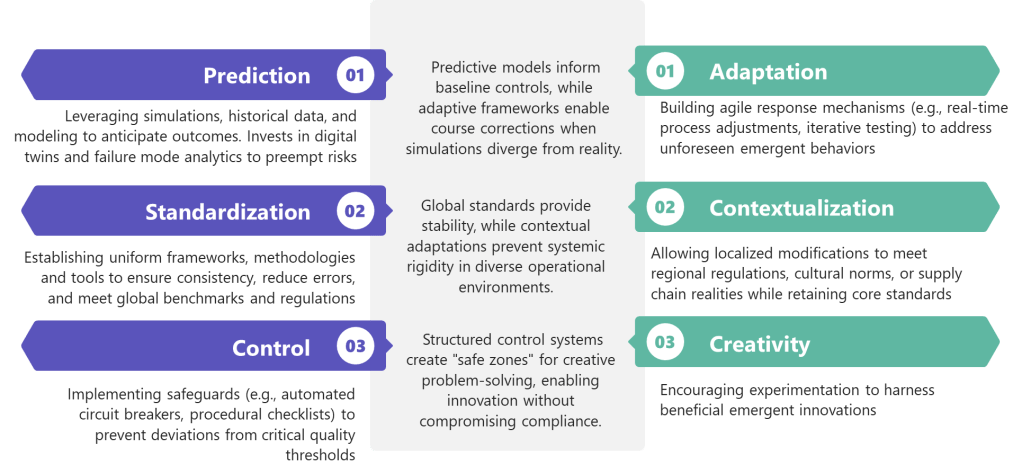
Future-ready quality professionals will balance three tensions:
Prediction AND Adaptation : Investing in simulation while building response agility
Standardization AND Contextualization : Maintaining global standards while allowing local adaptation
Control AND Creativity : Preventing harm while nurturing beneficial emergence
The organizations thriving in this new landscape aren’t those with perfect compliance records, but those that rapidly detect and adapt to emergent patterns. They understand that quality systems aren’t static fortresses, but living networks—constantly evolving, occasionally surprising, and always revealing new paths to excellence.
In this light, Aristotle’s ancient insight becomes a modern quality manifesto: Our systems will always be more than the sum of their parts. The challenge—and opportunity—lies in cultivating the wisdom to guide that “more” toward better outcomes.