U.S. Pharmacopeia’s draft chapter〈1110〉Microbial Contamination Control Strategy Considerations

The pharmaceutical industry is navigating a transformative period in contamination control, driven by the convergence of updated international standards. The U.S. Pharmacopeia’s draft chapter〈1110〉 Microbial Contamination Control Strategy Considerations (March 2025) joins EU GMP Annex 1 (2022) in emphasizing risk-based strategies but differ in technical requirements and classification systems.

USP〈1110〉: A Lifecycle-Oriented Microbial Control Framework

The draft USP chapter introduces a comprehensive contamination control strategy (CCS) that spans the entire product lifecycle, from facility design to post-market surveillance. It emphasizes microbial, endotoxin, and pyrogen risks, requiring manufacturers to integrate quality risk management (QRM) into every operational phase. Facilities must adopt ISO 14644-1 cleanroom classifications, with ISO Class 5 (≤3,520 particles ≥0.5 µm/m³) mandated for aseptic processing areas. Environmental monitoring programs must include both viable (microbial) and nonviable particles, with data trends analyzed quarterly to refine alert/action levels. Unlike Annex 1, USP allows flexibility in risk assessment methodologies but mandates documented justifications for control measures, such as the use of closed systems or isolators to minimize human intervention.

EU GMP Annex 1: Granular Cleanroom and Sterilization Requirements

Annex 1 builds on ISO 14644-1 cleanroom standards but introduces pharmaceutical-specific adaptations through its Grade A–D system. Grade A zones (critical processing areas) require ISO Class 5 conditions during both “at-rest” and “in-operation” states, with continuous particle monitoring and microbial limits of <1 CFU/m³. Annex 1 also mandates smoke studies to validate unidirectional airflow patterns in Grade A areas, a requirement absent in ISO 14644-1. Sterilization processes, such as autoclaving and vaporized hydrogen peroxide (VHP) treatments, require pre- and post-use integrity testing, aligning with its focus on sterility assurance.

Reconciling Annex 1 and ISO 14644-1 Cleanroom Classifications

While both frameworks reference ISO 14644-1, Annex 1 overlays additional pharmaceutical requirements:

AspectEU GMP Annex 1ISO 14644-1
Classification SystemGrades A–D mapped to ISO classesISO Class 1–9 based on particle counts
Particle Size≥0.5 µm and ≥5.0 µm monitoring for Grades A–B≥0.1 µm to ≥5.0 µm, depending on class
Microbial LimitsExplicit CFU/m³ limits for each gradeNo microbial criteria; focuses on particles
Operational StatesQualification required for “at-rest” and “in-operation” statesSingle-state classification permitted
Airflow ValidationSmoke studies mandatory for Grade AAirflow pattern testing optional

For example, a Grade B cleanroom (ISO Class 7 at rest) must maintain ISO Class 7 particle counts during production but adheres to stricter microbial limits (≤10 CFU/m³) than ISO 14644-1 alone. Manufacturers must design monitoring programs that satisfy both standards, such as deploying continuous particle counters for Annex 1 compliance while maintaining ISO certification reports.

ClassificationDescription
Grade ACritical area for high-risk and aseptic operations that corresponds to ISO 5 at rest/static and ISO 4.8 (in-operation/dynamic). Grade A areas apply to aseptic operations where the sterile product, product primary packaging components and product-contact surfaces are exposed to the environment. Normally Grade A conditions are provided by localized air flow protection, such as unidirectional airflow workstations within a Restricted Access Barrier System (RABS) or isolator. Direct intervention (e.g., without the protection of barrier and glove port protection) into the Grade A area by operators must be minimized by premises, equipment, process, or procedural design.
Grade BFor aseptic preparation and filling, this is the background area for Grade A (where it is not an isolator) and corresponds to ISO 5 at rest/static and ISO 7 in-operation/dynamic. Air pressure differences must be continuously monitored. Classified spaces of lower grade can be considered with the appropriate risk assessment and technical justification.
Grade CUsed for carrying out less critical steps in the manufacture of aseptically filled sterile products or as a background for isolators. They can also be used for the preparation/filling of terminally sterilized products. Grade C correspond to ISO 7 at rest/static and ISO 8 in-operation/dynamic.
Grade DUsed to carry out non-sterile operations and corresponds to ISO 8 at rest/static and in-operation/dynamic.

Risk Management: Divergent Philosophies, Shared Objectives

Both frameworks require Quality Risk Management. USP〈1110〉advocates for a flexible, science-driven approach, allowing tools like HACCP (Hazard Analysis Critical Control Points) or FMEA (Failure Modes Effects Analysis) to identify critical control points. For instance, a biologics manufacturer might use HACCP to prioritize endotoxin controls during cell culture harvesting. USP also emphasizes lifecycle risk reviews, requiring CCS updates after facility modifications or adverse trend detections.

Annex 1 mandates formal QRM processes with documented risk assessments for all sterilization and aseptic processes. Its Annex 1.25 clause requires FMEA for media fill simulations, ensuring worst-case scenarios (e.g., maximum personnel presence) are tested. Risk assessments must also justify cleanroom recovery times after interventions, linking airflow validation data to contamination probability.

A harmonized approach involves:

  1. Baseline Risk Identification: Use HACCP to map contamination risks across product stages, aligning with USP’s lifecycle focus.
  2. Control Measure Integration: Apply Annex 1’s sterilization and airflow requirements to critical risks identified in USP’s CCS.
  3. Continuous Monitoring: Combine USP’s trend analysis with continuous monitoring for real-time risk mitigation.

Strategic Implementation Considerations

Reconciling these standards requires a multi-layered strategy. Facilities must first achieve ISO 14644-1 certification for particle counts, then overlay Annex 1’s microbial and operational requirements. For example, an ISO Class 7 cleanroom used for vial filling would need Grade B microbial monitoring (≤10 CFU/m³) and quarterly smoke studies to validate airflow. Risk management documentation should cross-reference USP’s CCS objectives with Annex 1’s sterilization validations, creating a unified audit trail. Training programs must blend USP’s aseptic technique modules with Annex 1’s cleanroom behavior protocols, ensuring personnel understand both particle control and microbial hygiene.

Toward Global Harmonization

The draft USP〈1110〉and Annex 1 represent complementary pillars of modern contamination control. By anchoring cleanroom designs to ISO 14644-1 and layering region-specific requirements, manufacturers can streamline compliance across jurisdictions. Proactive risk management—combining USP’s flexibility with Annex 1’s rigor—will be pivotal in navigating this evolving landscape. As regulatory expectations converge, firms that invest in integrated CCS platforms will gain agility in an increasingly complex global market.
Facility-Driven Bacterial Endotoxin Control Strategies

The pharmaceutical industry stands at an inflection point in microbial control, with bacterial endotoxin management undergoing a profound transformation. For decades, compliance focused on meeting pharmacopeial limits at product release—notably the 5.0 EU/kg threshold for parenterals mandated by standards like Ph. Eur. 5.1.10. While these endotoxin specifications remain enshrined as Critical Quality Attributes (CQAs), regulators now demand a fundamental reimagining of control strategies that transcends product specifications.

This shift reflects growing recognition that endotoxin contamination is fundamentally a facility-driven risk rather than a product-specific property. Health Authorities increasingly expect manufacturers to implement preventive, facility-wide control strategies anchored in quantitative risk modeling, rather than relying on end-product testing.

The EU Annex 1 Contamination Control Strategy (CCS) framework crystallizes this evolution, requiring cross-functional systems that integrate:

  • Process design capable of achieving ≥3 log10 endotoxin reduction (LRV) with statistical confidence (p<0.01)
  • Real-time monitoring of critical utilities like WFI and clean steam
  • Personnel flow controls to minimize bioburden ingress
  • Lifecycle validation of sterilization processes

Our organizations should be working to bridge the gap between compendial compliance and true contamination control—from implementing predictive analytics for endotoxin risk scoring to designing closed processing systems with inherent contamination barriers. We’ll examine why traditional quality-by-testing approaches are yielding to facility-driven quality-by-design strategies, and how leading organizations are leveraging computational fluid dynamics and risk-based control charts to stay ahead of regulatory expectations.

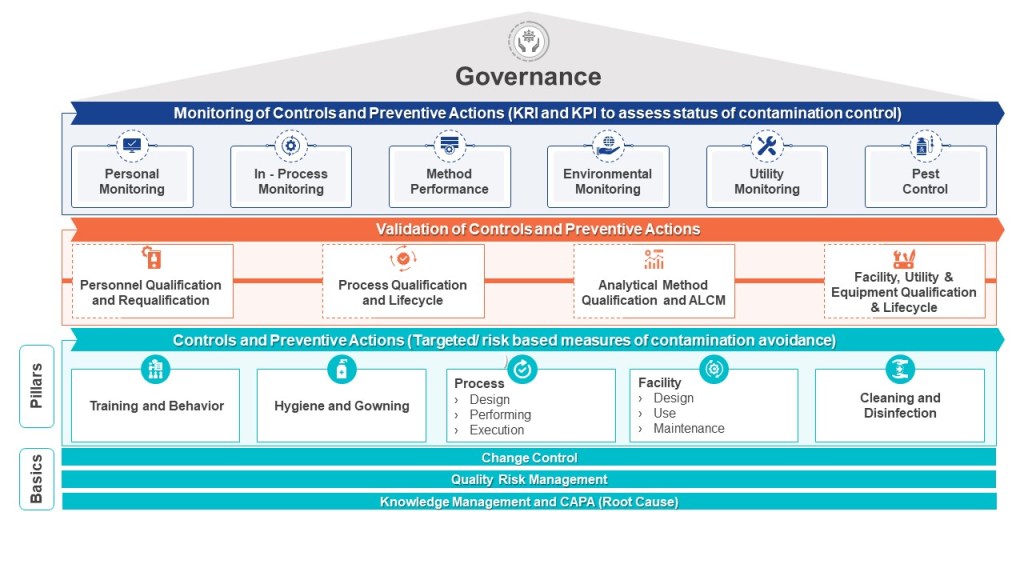
House of contamination control

Bacterial Endotoxins: Bridging Compendial Safety and Facility-Specific Risks

Bacterial endotoxins pose unique challenges as their control depends on facility infrastructure rather than process parameters alone. Unlike sterility assurance, which can be validated through autoclave cycles, endotoxin control requires continuous vigilance over water systems, HVAC performance, and material sourcing. The compendial limit of 5.0 EU/kg ensures pyrogen-free products, but HAs argue this threshold does not account for facility-wide contamination risks that could compromise multiple batches. For example, a 2023 EMA review found 62% of endotoxin-related recalls stemmed from biofilm breaches in water-for-injection (WFI) systems rather than product-specific failures.

Annex 1 addresses this through CCS requirements that mandate:

  • Facility-wide risk assessments identifying endotoxin ingress points (e.g., inadequate sanitization intervals for cleanroom surfaces)
  • Tiered control limits integrating compendial safety thresholds (specifications) with preventive action limits (in-process controls)
  • Lifecycle validation of sterilization processes, hold times, and monitoring systems

Annex 1’s Contamination Control Strategy: A Blueprint for Endotoxin Mitigation

Per Annex 1’s glossary, a CCS is “a planned set of controls […] derived from product and process understanding that assures process performance and product quality”. For endotoxins, this translates to 16 interrelated elements outlined in Annex 1’s Section 2.6, including:

  1. Water System Controls:
    • Validation of WFI biofilm prevention measures (turbulent flow >1.5 m/s, ozone sanitization cycles)
    • Real-time endotoxin monitoring using inline sensors (e.g., centrifugal microfluidics) complementing testing
  2. Closed Processing
  3. Material and Personnel Flow:
    • Gowning qualification programs assessing operator-borne endotoxin transfer
    • Raw material movement
  4. Environmental Monitoring:
    • Continuous viable particle monitoring in areas with critical operations with endotoxin correlation studies
    • Settle plate recovery validation accounting for desiccation effects on endotoxin-bearing particles

Risk Management Tools for Endotoxin Control

The revised Annex 1 mandates Quality Risk Management (QRM) per ICH Q9, requiring facilities to deploy appropriate risk management.

Hazard Analysis and Critical Control Points (HACCP) identifies critical control points (CCPs) where endotoxin ingress or proliferation could occur. For there a Failure Modes Effects and Criticality Analysis (FMECA) can further prioritizes risks based on severity, occurrence, and detectability.

Endotoxin-Specific FMECA (Failure Mode, Effects, and Criticality Analysis)

Failure ModeSeverity (S)Occurrence (O)Detectability (D)RPN (S×O×D)Mitigation
WFI biofilm formation5 (Product recall)3 (1/2 years)2 (Inline sensors)30Install ozone-resistant diaphragm valves
HVAC filter leakage4 (Grade C contamination)2 (1/5 years)4 (Weekly integrity tests)32HEPA filter replacement every 6 months
Simplified FMECA for endotoxin control (RPN thresholds: <15=Low, 15-50=Medium, >50=High)

Process Validation and Analytical Controls

As outlined in the FDA’s Process Validation: General Principles and Practices, PV is structured into three stages: process design, process qualification, and continued process verification (CPV). For bacterial endotoxin control, PV extends to validating sterilization processes, hold times, and water-for-injection (WFI) systems, where CPPs like sanitization frequency and turbulent flow rates are tightly controlled to prevent biofilm formation.

Analytical controls form the backbone of quality assurance, with method validation per ICH Q2(R1) ensuring accuracy, precision, and specificity for critical tests such as endotoxin quantification. The advent of rapid microbiological methods (RMM), including recombinant Factor C (rFC) assays, has reduced endotoxin testing timelines from hours to minutes, enabling near-real-time release of drug substances. These methods are integrated into continuous process verification programs, where action limits—set at 50% of the assay’s limit of quantitation (LOQ)—serve as early indicators of facility-wide contamination risks. For example, inline sensors in WFI systems or bioreactors provide continuous endotoxin data, which is trended alongside environmental monitoring results to preempt deviations. The USP <1220> lifecycle approach further mandates ongoing method performance verification, ensuring analytical procedures adapt to process changes or scale-up.

The integration of Process Analytical Technology (PAT) and Quality by Design (QbD) principles has transformed manufacturing by embedding real-time quality controls into the process itself. PAT tools such as Raman spectroscopy and centrifugal microfluidics enable on-line monitoring of product titers and impurity profiles, while multivariate data analysis (MVDA) correlates CPPs with CQAs to refine design spaces. Regulatory submissions now emphasize integrated control strategies that combine process validation data, analytical lifecycle management, and facility-wide contamination controls—aligning with EU GMP Annex 1’s mandate for holistic contamination control strategies (CCS). By harmonizing PV with advanced analytics, manufacturers can navigate HA expectations for tighter in-process limits while ensuring patient safety through compendial-aligned specifications.

Some examples may include:

1. Hold Time Validation

  • Microbial challenge studies using endotoxin-spiked samples (e.g., 10 EU/mL Burkholderia cepacia lysate)
  • Correlation between bioburden and endotoxin proliferation rates under varying temperatures

2. Rapid Microbiological Methods (RMM)

  • Comparative validation of recombinant Factor C (rFC) assays against LAL for in-process testing
  • 21 CFR Part 11-compliant data integration with CCS dashboards

3. Closed System Qualification

  • Extractable/leachable studies assessing endotoxin adsorption to single-use bioreactor films
  • Pressure decay testing with endotoxin indicators (Bacillus subtilis spores)

Harmonizing Compendial Limits with HA Expectations

To resolve regulator’s concerns about compendial limits being insufficiently preventive, a two-tier system aligns with Annex 1’s CCS principles:

ParameterRelease Specification (EU/kg)In-Process Action LimitRationale
Bulk Drug Substance5.0 (Ph. Eur. 5.1.10)1.0 (LOQ × 2)Detects WFI system drift
Excipient (Human serum albumin)0.25 (USP <85>)0.05 (50% LOQ)Prevents cumulative endotoxin load
Example tiered specifications for endotoxin control

Future Directions

Technology roadmaps should be driving adoption of:

  • AI-powered environmental monitoring: Machine learning models predicting endotoxin risks from particle counts
  • Single-use sensor networks: RFID-enabled endotoxin probes providing real-time CCS data
  • Advanced water system designs: Reverse osmosis (RO) and electrodeionization (EDI) systems with ≤0.001 EU/mL capability without distillation

Manufacturers can prioritize transforming endotoxin control from a compliance exercise into a strategic quality differentiator—ensuring patient safety while meeting HA expectations for preventive contamination management.

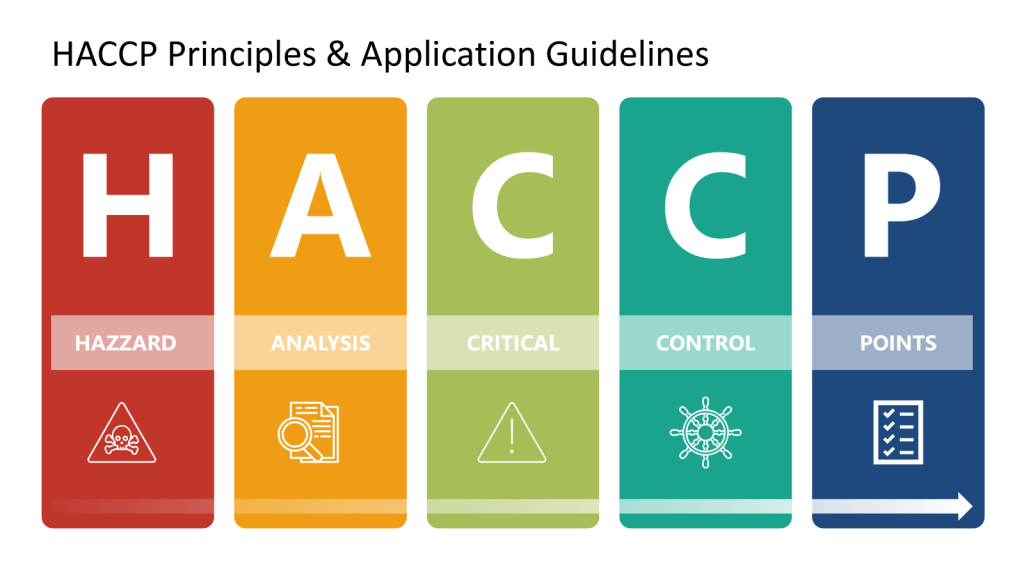
The Role of the HACCP

Reading Strukmyer LLC’s recent FDA Warning Letter, and reflecting back to last year’s Colgate-Palmolive/Tom’s of Maine, Inc. Warning Letter, has me thinking of common language In both warning letters where the FDA asks for “A comprehensive, independent assessment of the design and control of your firm’s manufacturing operations, with a detailed and thorough review of all microbiological hazards.”

It is hard to read that as anything else than a clarion call to use a HACCP.

If that isn’t a HACCP, I don’t know what is. Given the FDA’s rich history and connection to the tool, it is difficult to imagine them thinking of any other tool. Sure, I can invent about 7 other ways to do that, but why bother when there is a great tool, full of powerful uses, waiting to be used that the regulators pretty much have in their DNA.

The Evolution of HACCP in FDA Regulation: A Journey to Enhanced Food Safety

The Hazard Analysis and Critical Control Points (HACCP) system has a fascinating history that is deeply intertwined with FDA regulations. Initially developed in the 1960s by NASA, the Pillsbury Company, and the U.S. Army, HACCP was designed to ensure safe food for space missions. This pioneering collaboration aimed to prevent food safety issues by identifying and controlling critical points in food processing. The success of HACCP in space missions soon led to its application in commercial food production.

In the 1970s, Pillsbury applied HACCP to its commercial operations, driven by incidents such as the contamination of farina with glass. This prompted Pillsbury to adopt HACCP more widely across its production lines. A significant event in 1971 was a panel discussion at the National Conference on Food Protection, which led to the FDA’s involvement in promoting HACCP for food safety inspections. The FDA recognized the potential of HACCP to enhance food safety standards and began to integrate it into its regulatory framework.

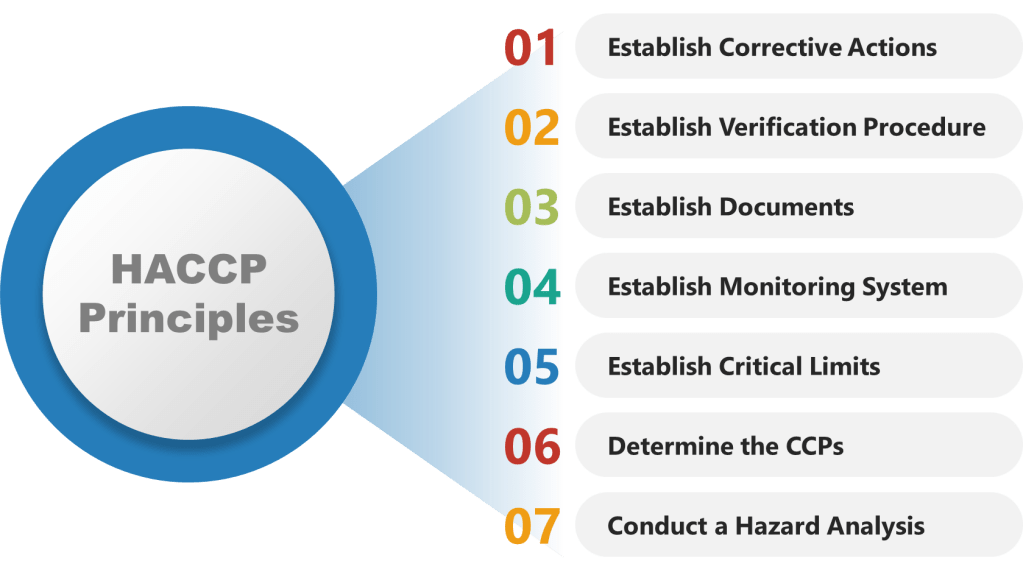
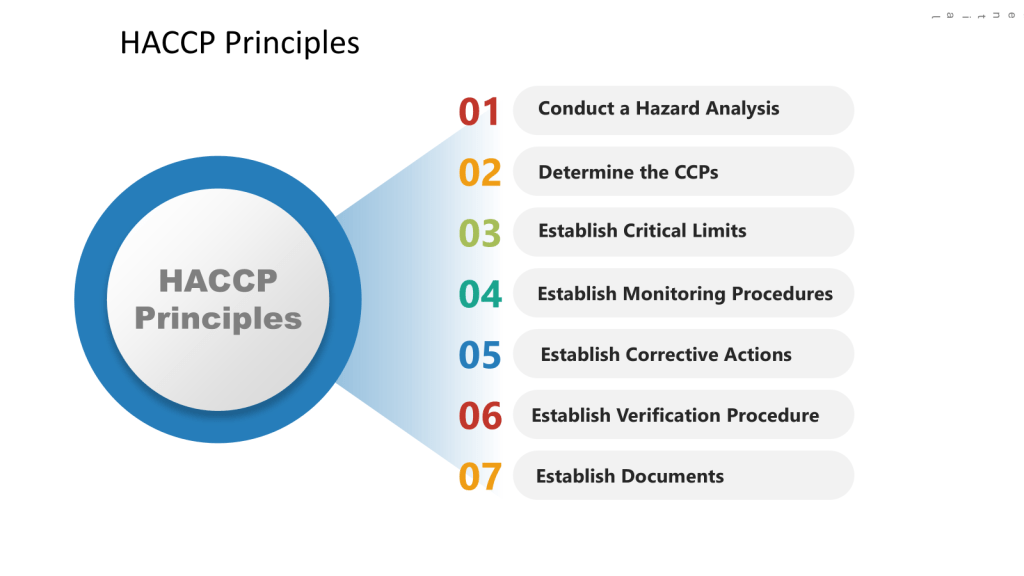
As HACCP gained prominence as a food safety standard in the 1980s and 1990s, the National Advisory Committee on Microbiological Criteria for Foods (NACMCF) refined its principles. The committee added preliminary steps and solidified the seven core principles of HACCP, which include hazard analysis, critical control points identification, establishing critical limits, monitoring procedures, corrective actions, verification procedures, and record-keeping. This structured approach helped standardize HACCP implementation across different sectors of the food industry.

A major milestone in the history of HACCP was the implementation of the Pathogen Reduction/HACCP Systems rule by the USDA’s Food Safety and Inspection Service (FSIS) in 1996. This rule mandated HACCP in meat and poultry processing facilities, marking a significant shift towards preventive food safety measures. By the late 1990s, HACCP became a requirement for all food businesses, with some exceptions for smaller operations. This widespread adoption underscored the importance of proactive food safety management.

The Food Safety Modernization Act (FSMA) of 2011 further emphasized preventive controls, including HACCP, to enhance food safety across the industry. FSMA shifted the focus from responding to food safety issues to preventing them, aligning with the core principles of HACCP. Today, HACCP remains a cornerstone of food safety management globally, with ongoing training and certification programs available to ensure compliance with evolving regulations. The FDA continues to support HACCP as part of its broader efforts to protect public health through safe food production and processing practices. As the food industry continues to evolve, the principles of HACCP remain essential for maintaining high standards of food safety and quality.

Why is a HACCP Useful in Biotech Manufacturing

The HACCP seeks to map a process – the manufacturing process, one cleanroom, a series of interlinked cleanrooms, or the water system – and identifies hazards (a point of contamination) by understanding the personnel, material, waste, and other parts of the operational flow. These hazards are assessed at each step in the process for their likelihood and severity. Mitigations are taken to reduce the risk the hazard presents (“a contamination control point”). Where a risk cannot be adequately minimized (either in terms of its likelihood of occurrence, the severity of its nature, or both), this “contamination control point” should be subject to a form of detection so that the facility has an understanding of whether the microbial hazard was potentially present at a given time, for a given operation. In other words, the “critical control point” provides a reasoned area for selecting a monitoring location. For aseptic processing, for example, the target is elimination, even if this cannot be absolutely demonstrated.

The HACCP approach can easily be applied to pharmaceutical manufacturing where it proves very useful for microbial control. Although alternative risk tools exist, such as Failure Modes and Effects Analysis, the HACCP approach is better for microbial control.

The HACCP is a core part of an effective layers of control analysis.

Conducting a HACCP

HACCP provides a systematic approach to identifying and controlling potential hazards throughout the production process.

Step 1: Conduct a Hazard Analysis

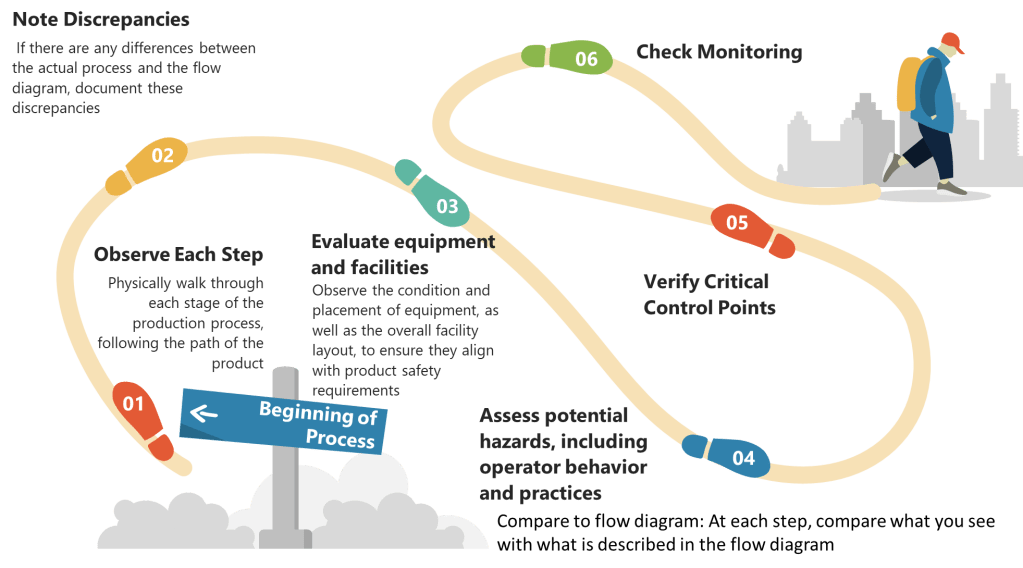
  1. List All Process Steps: Begin by detailing every step involved in your biotech manufacturing process, from raw material sourcing to final product packaging. Make sure to walk down the process thoroughly.
  2. Identify Potential Hazards: At each step, identify potential biological, chemical, and physical hazards. Biological hazards might include microbial contamination, while chemical hazards could involve chemical impurities or inappropriate reagents. Physical hazards might include particulates or inappropriate packaging materials.
  3. Evaluate Severity and Likelihood: Assess the severity and likelihood of each identified hazard. This evaluation helps prioritize which hazards require immediate attention.
  4. Determine Preventive Measures: Develop strategies to control significant hazards. This might involve adjusting process conditions, improving cleaning protocols, or enhancing monitoring systems.
  5. Document Justifications: Record the rationale behind including or excluding hazards from your analysis. This documentation is essential for transparency and regulatory compliance.

Step 2: Determine Critical Control Points (CCPs)

  1. Identify Control Points: Any step where biological, chemical, or physical factors can be controlled is considered a control point.
  2. Determine CCPs: Use a decision tree to identify which control points are critical. A CCP is a step at which control can be applied and is essential to prevent or eliminate a hazard or reduce it to an acceptable level.
  3. Establish Critical Limits: For each CCP, define the maximum or minimum values to which parameters must be controlled. These limits ensure that hazards are effectively managed.
Control PointsCritical Control Points
Process steps where a control measure (mitigation activity) is necessary to prevent the hazard from occurringProcess steps where both control and monitoring are necessary to assure product quality and patient safety
Are not necessarily critical control points (CCPs)Are also control points
Determined from the risk associated with the hazardDetermined through a decision tree

Step 3: Establish Monitoring Procedures

  1. Develop Monitoring Plans: Create detailed plans for monitoring each CCP. This includes specifying what to monitor, how often, and who is responsible.
  2. Implement Monitoring Tools: Use appropriate tools and equipment to monitor CCPs effectively. This might include temperature sensors, microbial testing kits, or chemical analyzers.
  3. Record Monitoring Data: Ensure that all monitoring data is accurately recorded and stored for future reference.

Step 4: Establish Corrective Actions

  1. Define Corrective Actions: Develop procedures for when monitoring indicates that a CCP is not within its critical limits. These actions should restore control and prevent hazards.
  2. Proceduralize: You are establishing alternative control strategies here so make sure they are appropriately verified and controlled by process/procedure in the quality system.
  3. Train Staff: Ensure that all personnel understand and can implement corrective actions promptly.

Step 5: Establish Verification Procedures

  1. Regular Audits: Conduct regular audits to verify that the HACCP system is functioning correctly. This includes reviewing monitoring data and observing process operations.
  2. Validation Studies: Perform validation studies to confirm that CCPs are effective in controlling hazards.
  3. Continuous Improvement: Use audit findings to improve the HACCP system over time.

Step 6: Establish Documentation and Record-Keeping

  1. Maintain Detailed Records: Keep comprehensive records of all aspects of the HACCP system, including hazard analyses, CCPs, monitoring data, corrective actions, and verification activities.
  2. Ensure Traceability: Use documentation to ensure traceability throughout the production process, facilitating quick responses to any safety issues.

Step 7: Implement and Review the HACCP Plan

  1. Implement the Plan: Ensure that all personnel involved in biotech manufacturing understand and follow the HACCP plan.
  2. Regular Review: Regularly review and update the HACCP plan to reflect changes in processes, new hazards, or lessons learned from audits and incidents.

Validating Manufacturing Process Closure for Biotech Utilizing Single-Use Systems (SUS)

Maintaining process closure is crucial for ensuring product quality and safety in biotechnology manufacturing, especially when using single-use systems (SUS). This approach is an integral part of the contamination control strategy (CCS). To validate process closure in SUS-based biotech manufacturing, a comprehensive method is necessary, incorporating:

  1. Risk assessment
  2. Thorough testing
  3. Ongoing monitoring

By employing risk analysis tools such as Hazard Analysis and Critical Control Points (HACCP) and Failure Mode and Effects Analysis (FMEA), manufacturers can identify potential weaknesses in their processes. Additionally, addressing all four layers of protection helps ensure process integrity and product safety. This risk-based approach to process closure validation is essential for maintaining the high standards required in biotechnology manufacturing, including meeting Annex 1.

Understanding Process Closure

Process closure refers to the isolation of the manufacturing process from the external environment to prevent contamination. In biotech, this is particularly crucial due to the sensitivity of biological products and the potential for microbial contamination.

The Four Layers of Protection

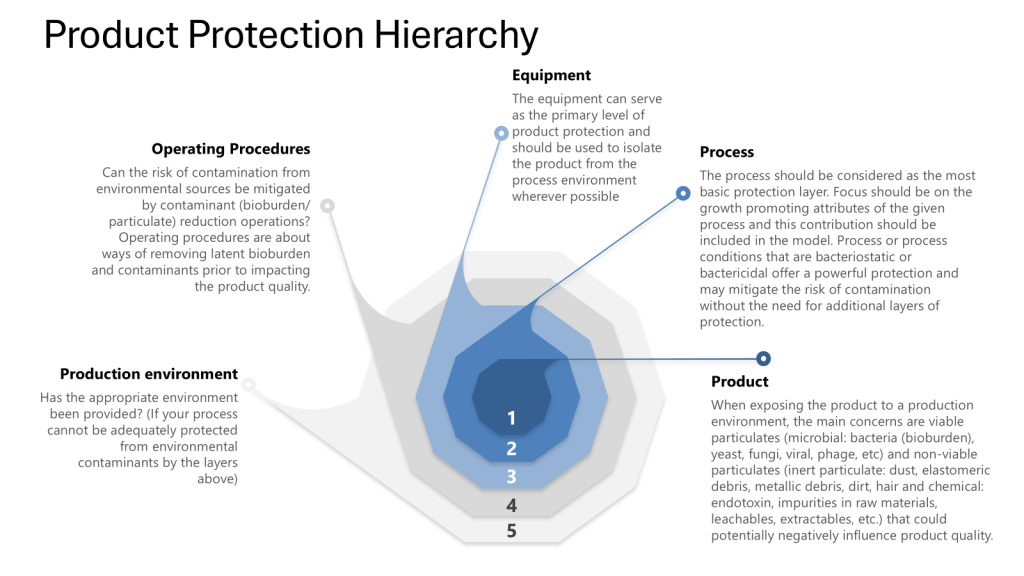
Throughout this process it is important to apply the four layers of protection that form the foundation of a robust contamination control strategy:

  1. Process: The inherent ability of the process to prevent or control contamination
  2. Equipment: The design and functionality of equipment to maintain closure
  3. Operating Procedures: The practices and protocols followed by personnel
  4. Production Environment: The controlled environment surrounding the process

I was discussing this with some colleagues this week (preparing for some risk assessments) and I was reminded that we really should put the Patient in at the center, the zero. Truer words have never been spoken as the patient truly is our zeroth law, the fundamental principle of the GxPs.

Key Steps for Validating Process Closure

Risk Assessment

Start with a comprehensive risk assessment using tools such as HACCP (Hazard Analysis and Critical Control Points) and FMEA (Failure Mode and Effects Analysis). It is important to remember this is not a one or another, but a multi-tiered approach where you first determine the hazards through the HACCP and then drill down into failures through an FMEA.

HACCP Approach

In the HACCP we will apply a systematic, preventative approach to identify hazards in the process with the aim to produce a documented plan to control these scenarios.

a) Conduct a hazard analysis
b) Identify Critical Control Points (CCPs)
c) Establish critical limits
d) Implement monitoring procedures
e) Define corrective actions
f) Establish verification procedures
g) Maintain documentation and records

FMEA Considerations

In the FMEA we will look for ways the process fails, focusing on the SUS components. We will evaluate failures at each level of control (process, equipment, operating procedure and environment).

  • Identify potential failure modes in the SUS components
  • Assess the severity, occurrence, and detectability of each failure mode
  • Calculate Risk Priority Numbers (RPN) to prioritize risks

Verification

Utilizing these risk assessments, define the user requirements specification (URS) for the SUS, focusing on critical aspects that could impact product quality and patient safety. This should include:

  • Process requirements (e.g. working volumes, flow rates, pressure ranges)
  • Material compatibility requirements
  • Sterility/bioburden control requirements
  • Leachables/extractables requirements
  • Integrity testing requirements
  • Connectivity and interface requirements

Following the ASTM E2500 approach, when we conduct the design review of the proposed SUS configuration, to evaluate how well it meets the URS, we want to ensure we cover:

  • Overall system design and component selection
  • Materials of construction
  • Sterilization/sanitization approach
  • Integrity assurance measures
  • Sampling and monitoring capabilities
  • Automation and control strategy

Circle back to the HACCP and FMEA to ensure they appropriately cover critical aspects like:

  • Loss of sterility/integrity
  • Leachables/extractables introduction
  • Bioburden control failures
  • Cross-contamination risks
  • Process parameter deviations

These risk assessments will define critical control parameters and acceptance criteria based on the risk assessment. These will form the basis for verification testing. We will through our verification plan have an appropriate approach to:

  • Verify proper installation of SUS components
  • Check integrity of connections and seals
  • Confirm correct placement of sensors and monitoring devices
  • Document as-built system configuration
  • Test system integrity under various operating conditions
  • Perform leak tests on connections and seals
  • Validate sterilization processes for SUS components
  • Verify functionality of critical sensors and control
  • Run simulated production cycles
  • Monitor for contamination using sensitive detection methods
  • Verify maintenance of sterility throughout the process
  • Assess product quality attributes

The verification strategy will leverage a variety of supplier documentation and internal testing.

Closure Analysis Risk Assessment (CLARA)

Acceptance and release will be to perform a detailed CLARA to:

  • Identify all potential points of contamination ingress
  • Assess the effectiveness of closure mechanisms
  • Evaluate the robustness of aseptic connections
  • Determine the impact of manual interventions on system closure

On Going Use

Coming out of our HACCP we will have a monitoring and verification plan, this will include some important aspects based on our CCPs.

  • Integrity Testing
    • Implement routine integrity testing protocols for SUS components
    • Utilize methods such as pressure decay tests or helium leak detection
    • Establish acceptance criteria for integrity tests
  • Environmental Monitoring
    • Develop a comprehensive environmental monitoring program
    • Include viable and non-viable particle monitoring
    • Establish alert and action limits for environmental contaminants
  • Operator Training and Qualification
    • Develop detailed SOPs for SUS handling and assembly
    • Implement a rigorous training program for operators
    • Qualify operators through practical assessments
  • Change Control and Continuous Improvement
    • Establish a robust change control process for any modifications to the SUS or process
    • Regularly review and update risk assessments based on new data or changes
    • Implement a continuous improvement program to enhance process closure

Leveraging the Four Layers of Protection

Throughout the validation process, ensure that each layer of protection is addressed:

  1. Process:
    • Optimize process parameters to minimize contamination risks
    • Implement in-process controls to detect deviations
  2. Equipment:
    • Validate the design and functionality of SUS components
    • Ensure proper integration of SUS with existing equipment
  3. Operating Procedures:
    • Develop and validate aseptic techniques for SUS handling
    • Implement procedures for system assembly and disassembly
  4. Production Environment:
    • Qualify the cleanroom environment
    • Validate HVAC systems and air filtration

Remember that validation is an ongoing process. Regular reviews, updates to risk assessments, and incorporation of new technologies and best practices are essential for maintaining a state of control in biotech manufacturing using single-use systems.

Connected to the Contamination Control Strategy

Closed systems are a key element of the overall contamination control strategy with closed processing and closed systems now accepted as the most effective contamination control risk mitigation strategy. I might not be able to manufacture in the woods yet, but darn if I won’t keep trying.

They serve as a primary barrier to prevent contamination from the manufacturing environment by helping to mitigate the risk of contamination by isolating the product from the surrounding environment. Closed systems are the key protective measure to prevent contamination from the manufacturing environment and cross-contamination from neighboring operations.

The risk assessments leveraged during the implementation of closed systems are a crucial part of developing an effective CCS and will communicate the (ideally) robust methods used to protect products from environmental contamination and cross-contamination. This is tied into the facility design, environmental controls, risk assessments, and overall manufacturing strategies, which are the key components of a comprehensive CCS.