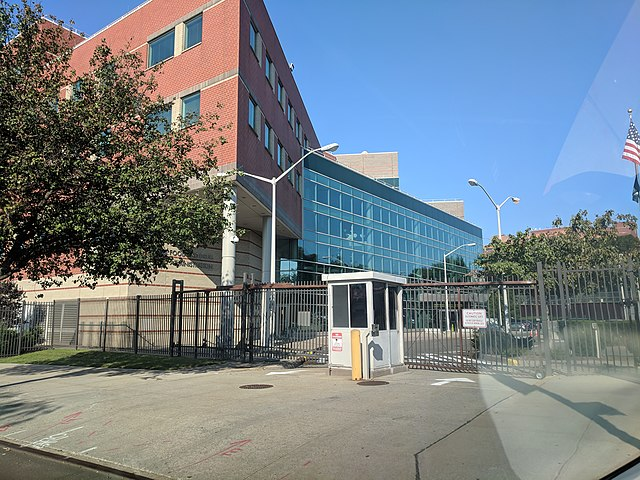
The Expertise Crisis at the FDA

The ongoing destruction of the U.S. Food and Drug Administration (FDA) through politically driven firings mirrors one of the most catastrophic regulatory failures in modern American history: the 1981 mass termination of air traffic controllers under President Reagan. Like the Federal Aviation Administration (FAA) crisis—which left aviation safety systems crippled for nearly a decade—the FDA’s current Reduction in Force (RIF) has purged irreplaceable expertise, with devastating consequences for public health and institutional memory.

Targeted Firings of FDA Leadership (2025)

The FDA’s decimation began in January 2025 under HHS Secretary Robert F. Kennedy Jr., with these key terminations:

  • Dr. Peter Marks (CBER Director): Fired March 28 after refusing to dilute vaccine safety standards, stripping the agency of its foremost expert on biologics and pandemic response.
  • Peter Stein (CDER Office of New Drugs): Terminated April 1 following his rejection of a demotion to a non-scientific role, eliminating critical oversight for rare disease therapies.
  • Brian King (Center for Tobacco Products): Dismissed April 3 amid efforts to weaken vaping regulations, abandoning enforcement against youth-targeting tobacco firms.
  • Vid Desai (Chief Information Officer): Axed April 5, sabotaging IT modernization crucial for drug reviews and food recall systems.

Expertise Loss: A Regulatory Time Bomb

The FDA’s crisis parallels the FAA’s 1981 collapse, when Reagan fired 11,345 unionized air traffic controllers. The FAA required five years to restore baseline staffing and 15 years to rebuild institutional knowledge—a delay that contributed to near-misses and fatal crashes like the 1986 Cerritos mid-air collision. Similarly, the FDA now faces:

  1. Brain Drain Accelerating Regulatory Failure
  • Vaccine review teams lost 40% of senior staff, risking delayed responses to avian flu outbreaks.
  • Medical device approvals stalled after 50% of AI/ML experts were purged from CDRH.
  • Food safety labs closed nationwide, mirroring the FAA’s loss of veteran controllers who managed complex airspace.
  1. Training Collapse
    Reagan’s FAA scrambled to hire replacements with just 3 months’ training versus the former 3-year apprenticeship. At the FDA, new hires now receive 6 weeks of onboarding compared to the previous 18-month mentorship under experts —a recipe for oversight failures.
  2. Erosion of Public Trust
    The FAA’s credibility took a decade to recover post-1981. The FDA’s transparency crisis—with FOIA response times stretching to 18 months and advisory committees disbanded—risks similar long-term distrust in drug safety and food inspections.

Repeating History’s Mistakes

The Reagan-era FAA firings cost $1.3 billion in today’s dollars and required emergency military staffing. The FDA’s RIF—projected to delay drug approvals by 2-3 years—could inflict far greater harm:

  • Pharmaceutical Impact: 900+ drug applications now languish without senior reviewers, akin to the FAA’s 30% spike in air traffic errors post-1981.
  • Food Safety: Shuttered labs mirror the FAA’s closed control towers, with state inspectors reporting a 45% drop in FDA support for outbreak investigations.
  • Replacement Challenges: Like the FAA’s struggle to attract talent after 1981, the FDA’s politicized environment deters top scientists. Only 12% of open roles have qualified applicants, per April 2025 HHS data.

A Preventable Disaster Motivated by Bad Politics

The FDA’s expertise purge replicates the FAA’s darkest chapter—but with higher stakes. While the FAA’s recovery took 15 years, the FDA’s specialized work in gene therapies, pandemic preparedness, and AI-driven devices cannot withstand such a timeline without catastrophic public health consequences. Commissioner Marty Makary now presides over a skeleton crew ill-equipped to prevent the next opioid crisis, foodborne outbreak, or unsafe medical device. Without immediate congressional intervention to reverse these firings, Americans face a future where regulatory failures become routine, and trust in public health institutions joins aviation safety circa 1981 in the annals of preventable disasters.

FDA in Flux: Regulatory Shifts and Workforce Challenges Under the Trump Administration (March 2025)

Since the Trump administration’s return to power in January 2025, the U.S. Food and Drug Administration (FDA) has faced sweeping changes to its regulatory framework, advisory processes, and workforce stability. These developments—driven by executive orders, leadership appointments, and policy shifts—have reshaped the agency’s operations during a critical period of public health challenges.

January 2025: Leadership Transition and Regulatory Freeze

The administration began with a regulatory freeze enacted on January 20, 2025, halting all new FDA rulemaking pending review by incoming leadership. This directly delayed critical updates, including medical device classifications and food safety protocols. Simultaneously, Robert F. Kennedy Jr. assumed leadership of the Department of Health and Human Services (HHS), bringing his longstanding opposition to vaccines into federal health policy. Despite pledging to maintain CDC vaccine recommendations, Kennedy declined to retract past claims linking vaccines to autism during his confirmation hearings, signaling his true intents.

Staffing cuts emerged immediately as a priority. HHS announced plans to reduce its workforce by 24%, translating to approximately 3,500 FDA positions. Early layoffs targeted probationary staff in food safety, medical devices, and tobacco divisions, exacerbating existing vacancies documented in a November 2024 GAO report. The FDA’s drug inspection workforce, already 36% smaller than pre-pandemic levels, faced further attrition, with 63% of investigators having fewer than five years of experience.

February 2025: Advisory Committee Disruptions and Workforce Pressures

February saw the cancellation of two pivotal advisory committee meetings: the FDA’s Vaccines and Related Biological Products Advisory Committee (VRBPAC) and the CDC’s Advisory Committee on Immunization Practices (ACIP). These groups, which traditionally review flu vaccine strains and public health recommendations, were sidelined despite a severe 2024–2025 flu season causing up to 92,000 deaths. The administration’s reluctance to convene independent experts marked a departure from decades of transparent vaccine policy development.

Workforce challenges deepened with the February 11 executive order mandating a 4:1 attrition-to-hiring ratio across federal agencies. At the FDA, this exacerbated recruitment struggles in specialized roles, particularly food safety inspectors—25% of whom were retirement-eligible by mid-2024. GAO data revealed the agency had conducted only 917 annual foreign food inspections since 2018, far below its 19,200-target mandate. Domestic inspection backlogs worsened as experienced staff diverted time to train new hires.

March 2025: Policy Shifts and Vaccine Oversight Changes

March brought structural reforms to FDA’s regulatory processes. Secretary Kennedy directed revisions to the Generally Recognized as Safe (GRAS) rule, specifically targeting industry self-affirmed safety determinations for food additives—a move aligned with his criticism of ultra-processed foods. Simultaneously, the FDA revoked authorization for 35 PFAS-containing food contact substances, reflecting heightened chemical safety concerns but straining already limited compliance staff.

Vaccine oversight faced indirect pressure. While no formal guidance withdrawals occurred, Kennedy’s influence raised fears of stricter development criteria for future vaccines. The Office of Vaccines Research and Review (OVRR), depleted by pre-2025 staff departures, risked slowed review timelines amid ongoing attrition. Industry analysts noted that VRBPAC’s cancellation forced manufacturers to align flu vaccine production with non-U.S. markets first, complicating domestic rollout schedules.

Ongoing Impacts: Staffing, Inspections, and Public Health Risks

Workforce and Inspection Capacity

The FDA’s inspectional workforce crisis, highlighted in multiple GAO reports, has reached critical levels. Drug inspections remain 36% below pre-pandemic volumes, with foreign site evaluations particularly lagging. Food safety inspections face similar shortfalls: FDA met only 60% of high-risk domestic facility targets in 2023, contributing to preventable outbreaks like the 2024 E. coli-linked onion crisis. Training new food inspectors requires two years, ensuring gaps will persist and get worse.

Advisory Board Erosion

The administration’s dismissal of advisory committees has introduced unpredictability into vaccine policy. By bypassing VRBPAC for the 2025–2026 flu vaccine strain selection, the FDA abandoned a 50-year precedent of transparent expert review. This politicization risks public trust, particularly as Kennedy’s team weighs revisions to vaccine development guidance without formal stakeholder input.

Regulatory Uncertainty

The regulatory freeze has stalled over 170 planned guidance documents, including updates to AI-enabled medical device oversight and compounding pharmacy rules. Combined with staffing shortages, this has delayed responses to emerging issues like long COVID therapies and drug compounding disputes.

Evaluating the Broader Impact

The Trump administration’s FDA reforms prioritize deregulation and workforce reduction, but collateral damage to public health safeguards is evident:

  1. Food and Drug Safety Risks: Inspection backlogs increase the likelihood of undetected manufacturing violations. GAO warns that inexperienced staff may miss critical compliance issues, elevating risks of adulterated products reaching consumers.
  2. Vaccine Development Challenges: While no direct policy reversals have occurred, the erosion of advisory input and OVRR staffing cuts threaten to delay novel vaccine approvals and strain pandemic preparedness.
  3. Industry Adaptation Costs: Pharmaceutical and food manufacturers face uncertainty as delayed guidance and abrupt policy shifts (e.g., GRAS revisions) disrupt long-term planning.
  4. Global Health Isolation: Withdrawal from WHO collaborations like the Medical Device Single Audit Program (MDSAP) complicates international market access for U.S. device manufacturers.

Conclusion: A Agency at a Crossroads

The FDA’s first quarter under the second Trump administration leadership reveals an agency straining to with foundational public health mandates. Workforce attrition, politicized advisory processes, and stalled rulemaking have collectively undermined the FDA’s capacity to proactively address foodborne illness, drug safety, and vaccine development. With little hope for congressional action to stabilize staffing and safeguard advisory mechanisms, the FDA risks becoming a reactive rather than preventive force in U.S. healthcare—a shift with consequences that could resonate for decades.

Sources

Silence Gets You Nowhere – FDA Layoffs

Add me to the list of people who are disheartened y the silence of the Pharmaceutical Research and Manufacturers of America and the Biotechnology Innovation Organization to the cuts at the FDA. In an interest to write something that should be coming loud and clear from our industry groups, I give you…

The Impact of Recent FDA Layoffs on Agency Capacity and Public Health

The recent wave of layoffs at the U.S. Food and Drug Administration (FDA), enacted as part of broader illegal federal workforce reductions under the Trump administration, has exacerbated long-standing staffing challenges at the agency. By targeting probationary employees—recent hires and those promoted within the past two years—the cuts have disproportionately affected early-career professionals with cutting-edge technical expertise, disrupted workforce development pipelines, and weakened oversight in critical areas such as medical device regulation, food safety, veterinary medicine, and emerging technologies. These reductions come at a time when the FDA is already grappling with recruitment challenges, inspection backlogs, and increasing demands for regulatory innovation.

Scope and Targets of the Layoffs

The Department of Health and Human Services (HHS), under Secretary Robert F. Kennedy Jr., terminated approximately 5,200 probationary employees across its agencies in mid-February 2025, including hundreds at the FDA. While the agency’s drug review divisions were largely spared, layoffs hit staff in the Center for Devices and Radiological Health (CDRH), the Center for Food Safety and Applied Nutrition (CFSAN), the Center for Veterinary Medicine (CVM), and the Center for Tobacco Products (CTP).

Medical Devices and Digital Health

In CDRH, at least 230 employees were dismissed, including specialists in artificial intelligence (AI) and digital health—fields undergoing rapid technological advancement. These roles are critical for evaluating AI-driven diagnostic tools, wearable devices, and software-as-a-medical-device (SaMD) products. The loss of early-career researchers and engineers threatens the FDA’s ability to keep pace with industry innovation, potentially delaying approvals for technologies like neural interfaces and AI-powered imaging systems.

Food Safety and Additives

CFSAN lost staff responsible for reviewing new food additives, colorings, and ingredients—a priority area for Kennedy, who has advocated for stricter chemical regulations. With approximately 2,000 uninspected food and drug facilities globally, the FDA’s inspection backlog is now likely to grow further, raising risks of contamination incidents similar to recent outbreaks linked to infant formula and baby food.

Veterinary Medicine

The Center for Veterinary Medicine (CVM) saw cuts to reviewers assessing the safety of pharmaceuticals for pets and livestock. These roles ensure that medications for animals are effective and that residues in products like milk and eggs remain safe for human consumption. Reductions here could delay approvals for veterinary drugs and weaken monitoring of antimicrobial resistance.

Exacerbating Existing Staffing Challenges

The FDA has historically struggled to recruit and retain specialized staff due to competition from higher-paying private-sector roles. The layoffs worsen these issues by destabilizing workforce development and eroding institutional knowledge.

Loss of Early-Career Talent

Probationary employees—often younger professionals with advanced degrees in fields like data science, bioengineering, and toxicology—represent the FDA’s pipeline for replacing retiring staff. By targeting this group, the cuts disrupt the “learning chain” essential for maintaining expertise. As Kenneth Kaitin, a Tufts University professor, noted: “You’re eliminating the learning chain of people who come into the agency. There’s a long learning curve, and you’re eliminating people at the early stage” (https://www.biopharmadive.com/news/fda-layoffs-trump-doge-hhs-cuts-impact/740499/).

Increased Workloads and Burnout

Remaining staff now face expanded responsibilities. For example, CDRH’s device reviewers, already managing a surge in AI and digital health submissions, must absorb the work of dismissed colleagues without additional support. Similarly, food safety inspectors—many of whom were hired post-pandemic to address backlogs—are now stretched thinner, increasing the likelihood of oversights.

Recruitment and Morale

The layoffs have demoralized the workforce and damaged the FDA’s reputation as a stable employer. As Mitch Zeller, former FDA tobacco director, stated: “The combined effect of what they’re trying to do is going to destroy the ability to recruit and retain talent” (https://www.startribune.com/trump-administration-cuts-reach-fda-employees-in-food-safety-medical-devices-and-tobacco-products/601223844). With hiring frozen under an executive order requiring agencies to replace only one employee for every four departures, the FDA cannot easily rebuild capacity.

The Training Bottleneck

The probationary period at the FDA (1–2 years for new hires) is designed to provide hands-on training in complex regulatory science. Dismissing employees during this phase wastes significant investments in onboarding and delays the development of proficiency.

Specialized Skill Development

Reviewers in areas like AI-driven medical devices or gene therapies require months of training to evaluate technical dossiers, assess clinical data, and understand regulatory precedents. Losing these employees resets progress, forcing the FDA to restart the training process once hiring resumes.

Cross-Departmental Collaboration

New hires often rotate through multiple divisions to build interdisciplinary expertise. For instance, a food additive reviewer might collaborate with toxicologists and epidemiologists to assess long-term health risks. Disrupting these rotations limits opportunities for knowledge-sharing, weakening the agency’s ability to address novel public health challenges.

Long-Term Consequences for Public Health

Slower Product Reviews

User fee-funded positions—which account for nearly half of the FDA’s $6.9 billion budget—were not spared from cuts. Since these roles are financed by industry to expedite reviews, their elimination could delay approvals for new drugs, devices, and food ingredients without reducing federal spending.

Weakened Outbreak Response

The FDA collaborates with the CDC to trace contamination sources during foodborne illness outbreaks. With fewer inspectors and scientists, the agency’s capacity to identify pathogens like Salmonella or Listeria will diminish, prolonging outbreaks and increasing hospitalization risks.

Erosion of Global Leadership

The FDA’s regulatory standards influence global markets. Slower reviews and outdated technical capacity could push companies to seek approvals in regions with more predictable oversight, such as the EU or Singapore, undermining U.S. competitiveness.

Conclusion

The FDA layoffs represent a shortsighted approach to government efficiency that prioritizes short-term spending cuts over long-term public health. By targeting probationary employees, the administration has exacerbated recruitment challenges, disrupted workforce development, and weakened oversight in critical areas. Rebuilding the FDA’s capacity will require reversing hiring freezes, increasing salaries to compete with the private sector, and safeguarding user fee funds from political interference. Without these steps, the agency’s ability to ensure food safety, evaluate emerging technologies, and respond to health crises will continue to erode—with dire consequences for consumers, industry, and global health security.

“The cuts at FDA will be terribly harmful for the American people. Indiscriminately firing people because they are new to the agency makes no sense.”
– Patti Zettler, former HHS Deputy General Counsel (https://www.biopharmadive.com/news/fda-layoffs-trump-doge-hhs-cuts-impact/740499/)

Understanding Some International Organizations – ICH, ICMRA and PIC/S

The ICH, ICMRA, and PIC/S are three important international organizations in the pharmaceutical regulatory space that folks should pay attention to and understand how they shape our profession’s future.

International Council for Harmonisation of Technical Requirements for Pharmaceuticals for Human Use (ICH)

The International Council for Harmonisation of Technical Requirements for Pharmaceuticals for Human Use (ICH) is a global initiative that brings together regulatory authorities and the pharmaceutical industry to discuss and establish common guidelines and standards for developing, registering, and post-approval pharmaceutical products.

History and Evolution

  • Establishment: ICH was established in 1990 by the regulatory authorities and pharmaceutical industry associations from Europe, Japan, and the United States. The goal was to harmonize the regulatory requirements for pharmaceutical product registration across these regions.
  • Reformation: In 2015, ICH was reformed and became a legal entity under Swiss law, transforming from the International Conference on Harmonisation to the International Council for Harmonisation. This change aimed to create a more robust and transparent governance structure and to expand its global reach.

Objectives and Goals

  • Harmonization: The primary goal of ICH is to achieve greater harmonization worldwide to ensure that safe, effective, and high-quality medicines are developed and registered in the most resource-efficient manner.
  • Efficiency: By harmonizing technical requirements, ICH aims to improve the efficiency of the drug development and registration process, reduce duplication of clinical trials, and minimize the use of animal testing without compromising safety and effectiveness.

Structure and Governance

  • ICH Assembly: This is the overarching governing body, which includes all members and observers. It adopts decisions on guidelines, membership, work plans, and budgets.
  • ICH Management Committee: This committee oversees the operational aspects, including administrative and financial matters and working group activities.
  • MedDRA Management Committee: This committee manages the Medical Dictionary for Regulatory Activities (MedDRA), standardizing medical terminology for adverse event reporting and clinical trial data.
  • ICH Secretariat: Handles the day-to-day management and coordination of ICH activities.

Guidelines and Categories

ICH guidelines are categorized into four main areas:

  • Quality: Covers topics such as stability testing, analytical validation, and good manufacturing practices (GMP).
  • Safety: Includes guidelines on genotoxicity, reproductive toxicity, and other safety evaluations.
  • Efficacy: Focuses on the design, conduct, safety, and reporting of clinical trials, including novel drug classes and pharmacogenetics.
  • Multidisciplinary: Encompasses cross-cutting topics like the Common Technical Document (CTD) and electronic standards for regulatory information transfer.

Global Impact and Implementation

  • Membership: ICH includes regulatory authorities and industry associations from around the world. It currently has 20 members and 36 observers.
  • Implementation: Regulatory members are committed to adopting and implementing ICH guidelines within their jurisdictions, ensuring consistent regulatory standards globally.

Key Activities

  • Guideline Development: ICH develops harmonized guidelines through a consensus-based process involving regulatory and industry experts.
  • Training and Support: Provide training materials and support to facilitate the consistent implementation of guidelines across different regions.

The ICH plays a crucial role in the global pharmaceutical regulatory landscape by promoting harmonized standards, improving the efficiency of drug development, and ensuring the safety and efficacy of medicines worldwide.

International Coalition of Medicines Regulatory Authorities (ICMRA)

The International Coalition of Medicines Regulatory Authorities (ICMRA) is a voluntary, executive-level, strategic coordinating, advocacy, and leadership entity. It brings together heads of national and regional medicines regulatory authorities worldwide to address global and emerging human medicine regulatory and safety challenges.

Objectives and Goals

  • Global Coordination: ICMRA provides a global architecture to support enhanced communication, information sharing, crisis response, and addressing regulatory science issues.
  • Strategic Direction: It offers direction for areas and activities common to many regulatory authorities’ missions and identifies areas for potential synergies.
  • Leveraging Resources: ICMRA leverages existing initiatives, enablers, and resources to maximize the global regulatory impact wherever possible.

Membership

  • Voluntary Participation: Membership is voluntary and open to all medicines regulatory authorities. It includes prominent entities such as the European Medicines Agency (EMA), the U.S. Food and Drug Administration (FDA), and many others worldwide.
  • Global Representation: The coalition includes regulatory authorities from various regions, with the World Health Organization (WHO) participating as an observer.

Key Activities and Projects

  • Antimicrobial Resistance (AMR): Developing a coordinated global approach to tackle AMR.
  • COVID-19 Response: During the COVID-19 pandemic, ICMRA has been pivotal in expediting and streamlining the development, authorization, and availability of COVID-19 treatments and vaccines worldwide.
  • Innovation and Pharmacovigilance: Ongoing investigations and case studies relating to emerging regulatory challenges and working on real-world evidence, adverse event reporting, and vaccine confidence.
  • Supply Chain Integrity: Ensuring the integrity of the global supply chain for medicines.

Strategic Importance

  • Enhanced Collaboration: ICMRA fosters international collaboration among medicine regulatory authorities to ensure the safety, quality, and efficacy of medicinal products globally.
  • Regulatory Agility: The coalition promotes regulatory agility and rapid response to global health emergencies, ensuring patients have timely access to safe and effective medical products.

The ICMRA plays a crucial role in the global regulatory landscape by enhancing communication and cooperation among medicines regulatory authorities, addressing shared challenges, and promoting the safety and efficacy of medicinal products worldwide.

Pharmaceutical Inspection Co-operation Scheme.

PIC/S stands for the Pharmaceutical Inspection Co-operation Scheme, a non-binding, informal co-operative arrangement between regulatory authorities in Good Manufacturing Practice (GMP) of medicinal products for human or veterinary use. Its main purpose is to lead the international development, implementation, and maintenance of harmonized GMP standards and quality systems of inspectorates in the pharmaceutical field.

History: PIC/S was established in 1995 as an extension to the Pharmaceutical Inspection Convention (PIC) of 1970. It was created to overcome legal limitations that prevented new countries from joining the original PIC due to incompatibilities with European law.

Membership: PIC/S is open to any regulatory authority with a comparable GMP inspection system. As of 2023, it comprises 56 participating authorities worldwide, including Europe, Africa, America, Asia, and Australasia.

Structure: PIC/S operates as an association under Swiss law, registered in Geneva, Switzerland. It has a committee, an executive bureau, and various working groups.

Relationship with Other Organizations: PIC/S works closely with other international bodies, including the European Medicines Agency (EMA), to promote GMP harmonization and share resources.

Objectives

  • Harmonizing inspection procedures worldwide
  • Providing training opportunities for inspectors
  • Developing common standards in GMP
  • Facilitating cooperation between competent authorities and international organizations

Activities

    • Developing and promoting harmonized GMP standards and guidance documents
    • Training competent authorities, particularly inspectors
    • Assessing and reassessing inspectorates
    • Facilitating networking among regulatory authorities

    Benefits

      • Ensures high standards among members
      • Provides training and networking opportunities
      • May facilitate pharmaceutical exports indirectly
      • Increases confidence in medicines manufactured in member countries

      PIC/S plays a crucial role in global pharmaceutical regulation by promoting harmonized standards, facilitating cooperation between regulatory authorities, and working towards ensuring the quality and safety of medicinal products worldwide.

      The Three in Overview

      AspectICHICMRAPIC/S
      Full NameInternational Council for Harmonisation of Technical Requirements for Pharmaceuticals for Human UseInternational Coalition of Medicines Regulatory AuthoritiesPharmaceutical Inspection Co-operation Scheme
      Established1990 (reformed in 2015)20131995
      Primary FocusHarmonization of technical requirements for drug development and registrationStrategic coordination and leadership in global human medicine regulationHarmonization of Good Manufacturing Practice (GMP) standards and inspections
      Main ObjectivesDevelop harmonized guidelines for drug development, registration, and post-approvalEnhance communication, information sharing, and crisis response among regulatorsDevelop common GMP standards and train inspectors
      Membership20 members, 36 observers (regulatory authorities and industry associations)Heads of medicines regulatory authorities worldwideGuideline development, training, and implementation support
      ScopeGlobal, with emphasis on technical aspects of drug developmentGlobal, focusing on high-level strategic issuesGlobal, concentrating on GMP and quality systems
      Key ActivitiesGuideline development, training, implementation supportStrategic direction, crisis response, addressing emerging challengesInspector training, assessment of inspectorates, developing GMP guidance
      Legal StatusLegal entity under Swiss lawVoluntary coalitionNon-binding, informal co-operative arrangement
      Industry InvolvementDirect involvement of pharmaceutical industry associationsLimited direct industry involvementNo direct industry involvement
      Main OutputHarmonized guidelines (Quality, Safety, Efficacy, Multidisciplinary)Strategic initiatives, position papers, statementsGMP guidelines, inspection reports, training programs

      This table highlights the distinct roles and focuses of these three important international pharmaceutical regulatory organizations. While they all contribute to global harmonization and cooperation in pharmaceutical regulation, each has a unique emphasis:

      • ICH primarily develops technical guidelines for drug development and registration.
      • ICMRA focuses on high-level strategic coordination among regulatory authorities.
      • PIC/S concentrates on harmonizing GMP standards and inspection practices.

      Their complementary roles contribute to a more cohesive global regulatory environment for pharmaceuticals.

      How to Monitor

      OrganizationWhat to MonitorHow to MonitorFrequency
      ICMRA– COVID-19 updates and guidance
      – Statements on regulatory issues
      – Reports on emerging topics (e.g., AI, RWE)
      – Strategic meetings and workshops
      – Check ICMRA website regularly
      – Subscribe to ICMRA newsletter
      – Follow ICMRA on social media
      – Attend public workshops when possible
      Monthly
      ICH– New and updated guidelines
      – Ongoing harmonization efforts
      – Implementation status of guidelines
      – Training materials and events
      – Monitor ICH website for updates
      – Subscribe to ICH news alerts
      – Participate in public consultations
      – Attend ICH training programs
      Bi-weekly
      PIC/S– GMP guide updates
      – New guidance documents
      – Training events and seminars
      – Inspection trends and focus areas
      – Check PIC/S website regularly
      – Subscribe to PIC/S newsletter
      – Review annual reports
      – Participate in PIC/S seminars if eligible
      Monthly

      Key points for monitoring:

      • Set up automated alerts or RSS feeds where available
      • Create a calendar reminder for regular check-ins on each organization’s website
      • Collaborate with regulatory affairs colleagues to share insights and updates
      • Implement a system to disseminate relevant information within your organization
      • Consider joining industry associations that actively engage with these organizations

      Key Links

      Well this was a dizzy ride – thanks SCOTUS for everything (not)

      The 2024 U.S. Supreme Court decisions have had significant impacts on the Food and Drug Administration (FDA) and other federal agencies. I don’t think we will truly understand the impact for years as matters move through the courts. This increased uncertainty has led to new questions arising as we assess risk.

      Overturning the Chevron Doctrine

      A significant decision was made to overturn the Chevron doctrine, a longstanding precedent that mandated courts to defer to federal agencies’ expertise when interpreting unclear statutes. This doctrine has played a crucial role in enabling agencies such as the FDA to establish and enforce regulations based on their specialized knowledge.

      • Reduced Authority: With the Chevron doctrine overturned, the FDA’s ability to interpret and enforce regulations without judicial interference is significantly curtailed. This change makes it easier for regulations to be challenged in court, potentially leading to increased litigation and uncertainty in regulatory enforcement.

      Challenges to Regulatory Actions

      The decisions made by the Supreme Court have made it harder for federal agencies to effectively carry out their regulatory functions. The court’s rulings have extended the time frames for challenging agency actions, leading to delays in implementing new regulations and enforcement actions. This could particularly affect the FDA’s ability to respond promptly to emerging public health issues.

      Specific Cases Affecting the FDA

      Several other cases have also directly impacted the scope of FDA regulations:

      • Environmental and Safety Regulations: Recent court decisions have impacted the FDA’s ability to enforce regulations concerning food safety and environmental protection. For example, the decision to block certain EPA regulations on cross-state pollution indirectly affects the FDA’s responsibility to ensure the safety of food and drugs that might be affected by environmental factors. It’s still uncertain how significant this impact will be, but I am more concerned about this issue than I am about the weakening of the Chevron defense.
      • The Supreme Court’s decision to protect access to the abortion medication mifepristone is an important exception. The court upheld the FDA’s regulatory decision, which ensures that the FDA can continue to regulate and approve medications important to public health. However, it’s worth noting that this ruling was specifically about the legal standing of the case, so it’s not an entirely straightforward situation.

      Broader Implications

      The recent decisions signal a change in the balance of power between the judiciary and federal agencies. The Supreme Court’s decision to limit the deference typically given to agencies such as the FDA has altered the federal regulatory landscape. This change could result in a more restricted and litigious regulatory environment.

      Laboratory diagnostic testing regulations

      The recent Supreme Court rulings, especially the overturning of the Chevron doctrine in Loper Bright Enterprises v. Raimondo, will first impact the FDA’s new laboratory diagnostic testing regulations.

      1. Increased Legal Challenges: The removal of Chevron deference means that courts will no longer automatically defer to the FDA’s interpretation of ambiguous statutes. This change might result in more legal disputes regarding the FDA’s power to regulate laboratory-developed tests (LDTs) as medical devices. The American Clinical Laboratory Association (ACLA) has already filed a lawsuit against the FDA over the new LDT rule, and this Supreme Court decision could strengthen their case.
      2. Uncertainty in Regulatory Framework: The FDA’s final rule, published on May 6, 2024, regulates Laboratory Developed Tests (LDTs) as medical devices, similar to in vitro diagnostics. However, due to a new Supreme Court ruling, the FDA’s authority to regulate LDTs may face greater scrutiny by the courts. This could lead to uncertainty in the regulatory framework for clinical laboratories.
      3. Potential Delays in Implementation: The Supreme Court’s decision in Corner Post v. Board of Governors extends the timeframe for challenging agency rules. This could lead to delays in the implementation of the FDA’s LDT regulations because stakeholders may now have more time to challenge the rules in court.
      4. Stricter Scrutiny of FDA Decisions: The new ruling emphasizes that courts should exercise independent judgment in deciding whether an agency has acted within its statutory authority. This could lead to stricter scrutiny of FDA decisions regarding LDT approvals and regulations.

      Keep in mind that although these potential impacts are meaningful, the complete effects of the Supreme Court’s rulings on FDA regulations will likely become more apparent over time as cases are presented in court and as the agency adjusts its approach. The situation is still evolving, and those of us involved in FDA regulated industries should be prepared for significant changes ahead.