
A Halloween confession from someone who spends their days investigating quality failures
Halloween seems like the perfect time for a personal confession: I’m a horror film devotee. Not the kind who seeks out the latest gore-fest or jump-scare factory, but someone drawn to the films that understand fear as something more complex than shock value. These ten films have shaped not just my appreciation for cinema, but my understanding of how we process uncertainty, confront the unknown, and maintain psychological safety in the face of genuine threat.
It strikes me that there’s something deeply familiar about the best horror films for someone who works in quality systems. Both domains are fundamentally about investigating what goes wrong, understanding the nature of threat, and building frameworks to manage the unmanageable. The films that have stayed with me longest are the ones that treat fear with the same seriousness I try to bring to quality investigations—as a signal worth understanding rather than a problem to be quickly resolved.
The Foundation: Four Classics
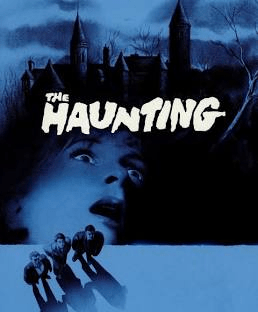
The Haunting (1963) remains the gold standard for atmospheric horror. Robert Wise’s adaptation of Shirley Jackson’s novel creates terror through suggestion, architecture, and Julie Harris’s powerhouse performance as Eleanor Lance. What makes this film essential is its understanding that the most effective horror comes from internal uncertainty rather than external threat. Eleanor’s breakdown mirrors the kind of systemic failure I see in quality investigations—a slow erosion of confidence until the very frameworks meant to provide safety become sources of fear.
The Thing (1982) represents John Carpenter at his paranoid peak. This Antarctic nightmare about shape-shifting aliens attacking a research station operates as both visceral horror and meditation on trust, isolation, and the breakdown of social systems. The film’s exploration of how groups respond to existential threat—the descent into suspicion, the collapse of collaborative decision-making, the way fear transforms competent professionals into reactive survivors—feels remarkably relevant to anyone who’s witnessed organizational crisis.
The Wicker Man (1973) stands as perhaps the greatest film about belief systems in collision. Edward Woodward’s devout Christian policeman investigating a missing child on a pagan Scottish island creates a masterclass in cultural investigation that ends in one of cinema’s most shocking conclusions. The film’s exploration of how our fundamental assumptions about right and wrong can become liabilities in unfamiliar contexts resonates with anyone who’s tried to implement quality systems across different organizational cultures.
The Exorcist (1973) anchors supernatural horror in mundane medical and institutional reality. William Friedkin’s methodical approach treats possession as a quality problem—ruling out rational explanations, bringing in specialists, following established procedures until those procedures fail. The film’s power comes from its recognition that some problems exceed our frameworks for understanding them, but that professional competence and human connection remain our best tools for confronting the incomprehensible.
The Art House Visionaries
Possession (1981) might be Andrzej Żuławski’s masterpiece of marital breakdown as cosmic horror. Isabelle Adjani and Sam Neill deliver performances of such raw intensity that the film becomes genuinely disturbing on multiple levels—domestic, psychological, and existential. Like the best quality investigations, the film refuses simple explanations, building layers of interpretation that deepen rather than resolve the central mystery. Its exploration of how personal and professional relationships disintegrate under stress feels uncomfortably relevant to anyone who’s worked through organizational crisis.
Don’t Look Now (1973) uses Nicolas Roeg’s innovative editing and Venice’s maze-like geography to create a ghost story that’s really about grief, memory, and the dangerous comfort of pattern recognition. Donald Sutherland and Julie Christie’s grieving couple chasing mysterious signs in the aftermath of their daughter’s drowning creates the same kind of interpretive challenge I encounter in complex quality investigations—when do meaningful patterns become dangerous obsessions? The film’s shocking ending suggests that our need to find meaning in tragedy can become its own form of blindness.
The Psychological Deep Cuts
Session 9 (2001) transforms an abandoned mental hospital into a meditation on workplace stress, environmental contamination, and the thin line between professional competence and psychological breakdown. Brad Anderson’s low-budget masterpiece follows asbestos removal workers slowly succumbing to the building’s malevolent influence, creating genuine atmospheric dread without relying on supernatural explanations. The film’s exploration of how work environments shape psychological states resonates with anyone who’s spent time investigating workplace safety and culture.
Cure (1997) stands as Kiyoshi Kurosawa’s masterpiece of J-horror psychological investigation. Detective Takabe’s pursuit of a serial killer who somehow compels ordinary people to commit murders creates a procedural that becomes increasingly surreal and disturbing. The film’s exploration of social disconnection, memory, and the infectious nature of certain ideas operates as both police procedural and existential horror. Its methodical approach to inexplicable events mirrors the investigative mindset required for complex quality problems.
Kill List (2011) begins as a gritty crime drama about two ex-military contractors taking a mysterious job, then transforms into something far more disturbing. Ben Wheatley’s exploration of violence, trauma, and masculine identity builds to one of the most shocking endings in recent horror. The film’s refusal to explain its supernatural elements creates the same interpretive challenge I encounter in quality investigations where the data suggests conclusions that exceed our frameworks for understanding.
The Contemporary Master
When Evil Lurks (2023) represents Demián Rugna’s breakthrough achievement in possession horror. This Argentinian film about two brothers trying to stop a demonic outbreak creates genuine dread through its systematic approach to supernatural contagion. The film’s exploration of how well-intentioned interventions can accelerate rather than resolve crisis resonates with anyone who’s witnessed quality initiatives that inadvertently destabilize the systems they’re meant to improve.
Candyman (1992) transcends typical slasher conventions through Bernard Rose’s exploration of urban legends, racial commentary, and the power of belief itself. Virginia Madsen’s academic investigation into the Candyman legend in Chicago’s Cabrini-Green projects becomes a meditation on how stories shape reality, how research changes researchers, and how some truths carry dangerous consequences. Tony Todd’s iconic performance and Philip Glass’s haunting score elevate what could have been exploitation into genuine social horror.
What Horror Teaches Quality
Reflecting on these films, I’m struck by how many of their themes echo the work I do in quality. The best horror films understand that fear isn’t about shock value—it’s about the breakdown of systems we depend on for safety and meaning. They explore how competent professionals respond when their frameworks fail, how groups make decisions under extreme stress, and how the investigation process itself can become a source of contamination.
Perhaps most importantly, these films understand that the most effective horror comes from taking time—building atmosphere, developing character, allowing dread to accumulate through patient observation rather than manufactured surprise. It’s the same patience required for effective quality work, the same recognition that sustainable solutions emerge from understanding systems rather than treating symptoms.
This Halloween, as I revisit these films, I’m reminded that horror at its best is really about resilience—how we maintain professional competence and human connection when everything familiar becomes unreliable. That’s a lesson worth carrying beyond October, into every quality investigation, every organizational crisis, every moment when the frameworks we depend on prove insufficient to the challenges we face.
The best horror films, like the best quality work, don’t provide easy answers. They create space for sitting with uncertainty, for maintaining curiosity in the face of fear, for remembering that our professional competence is most valuable precisely when our personal comfort is most threatened.
Perhaps that’s what I love most about these films: they treat fear as information rather than obstacle, as signal rather than noise. In a world that increasingly demands quick fixes and simple explanations, they offer something more valuable—the discipline of patient observation, the courage of sustained inquiry, and the recognition that some mysteries are worth living with rather than solving away.
What horror films have shaped your understanding of fear, uncertainty, or resilience? I’d love to hear about the films that have taught you something beyond scares, the ones that have changed how you think, as I am always looking for horror movie recommendations.
 Investigations of a Dog