Every process improvement, every experiment, requires us to persuade others. There is a diversity of ideas, of needs, of requirements from stakeholders. I’ve written before about practicing “Yes..But…And“. Sometimes you just find people who are in naysayer category and you should have strategies for dealing with them. Try these:
Have you acknowledged the individual and their concerns? Sometimes the person simply wants to acknowledged. Although the naysayer’s actions can be frustrating because they are delaying the process of implementing, it can be worth it – and save time in the long run – to meet with the individual and listen to their concerns and thoughts.
What is the person not saying? Do they feel threatened or excluded?
As the individual how they would handle the challenge your idea seeks to solve. When you listen to them, you may find you have a kernel of common agreement upon which to build. Listen to their arguments against your idea – that could help you as you sell your idea to stakehoders and build an army of volunteers.
Does your idea potentially affect the naysayer’s area? Could it be a matter of a turf war? Can you gain insights by seeing things from their perspective – for example how would you feel if someone offered a similar idea that affected your team?
Does the person have someone whom they respect and will listen to? Can you discuss your idea with that individual and ask them to speak with the naysayer?
Are there other allies whom you can persuade and whom you can gain as allies to counter the naysayer? You may have to accept that the naysayer won’t come around to your idea.
Reach out to the naysayer for casual conversation to try to establish a collegial bond and build a better relationship for the long term.
Love what you do. Love the practice of quality. Your enthusiasm will take you a long way. If you don’t love the work you do, well…. maybe get a different job, or if you are like me, learn to exude exuberance.
Your enthusiasm is the secret sauce of quality success. It is the launching pad to get folks to listen, learn, participate and strive for changes. You should inspire hope, energy, and excitement about the future.
Please don’t confuse enthusiasm with entertainment. Enthusiasm is a passion for what you do, commitment to whom you do it form, and confidence in how you do it.
I am passionate about quality and building systems. And yes, some days I have more enthusiasm than others. We all have days like that. So have a few ways to help:
Look for ways to do something out of the ordinary
Examine the parts of my work I enjoy the least and then look for opportunities to fix them.
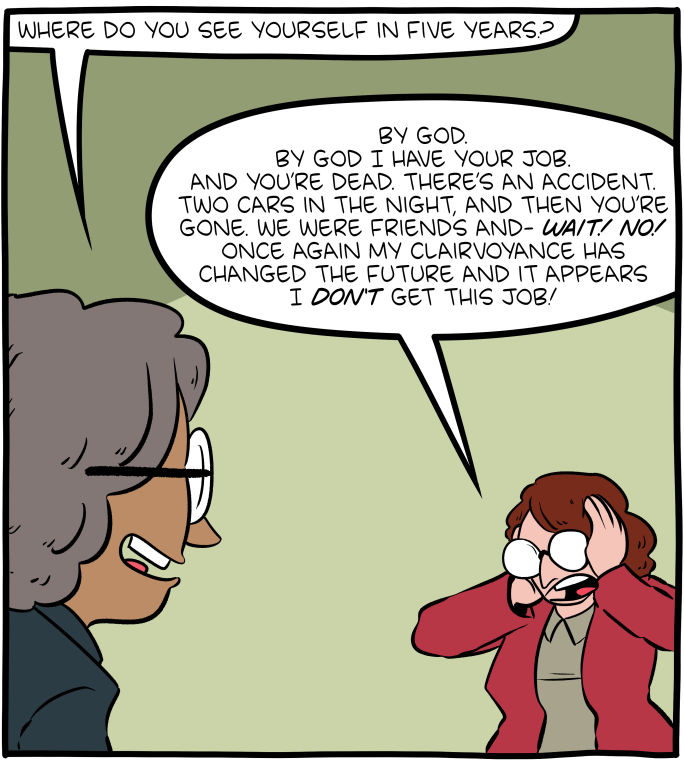
Do not ask this question during interviews. The answers are always inane, the question is inane, it is a waste of precious interview time.
We cannot plan for the future. If we could I would be living on a space station, painting giraffes as my 4-year-old self anticipated. For those wondering, I have no space station or giraffe in my life.
There are just too many factors beyond your control that will shape job options–global economic trends, political elections, and technological changes, just to name a few. Please do yourself the favor and avoid committing the hubris of thinking that anyone can determine their professional glide path.
What we can control are the options we choose now to give ourselves more options in the future. A better question is “What do you want to learn in this job and how can we help make that happen?”
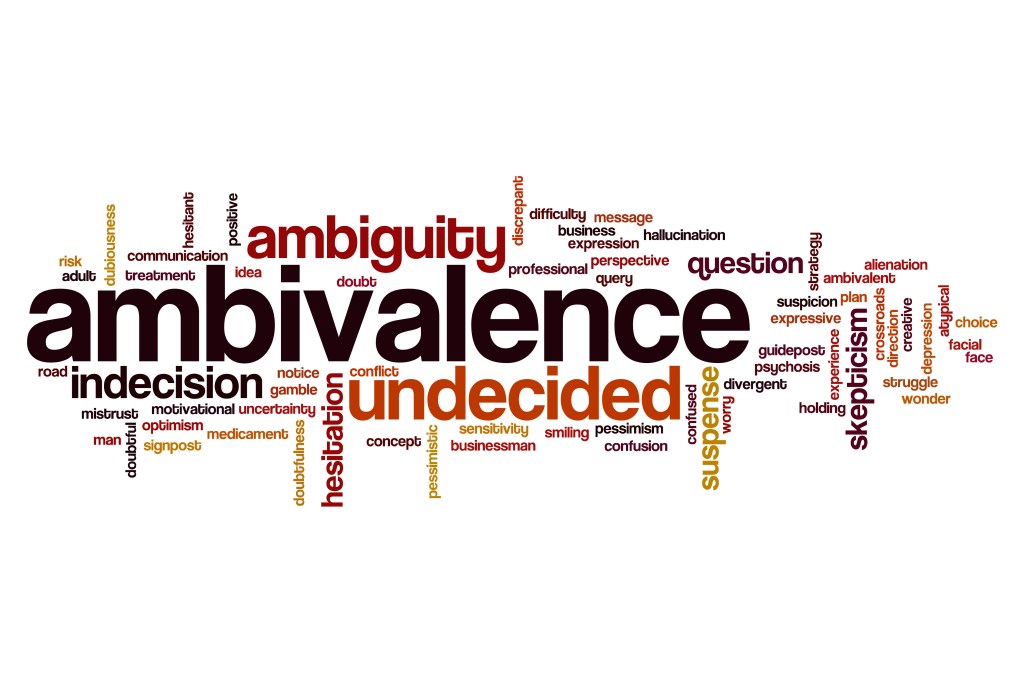
Ambivalence, the A in VUCA, is a concept that quality professionals struggle with. We often call it “navigating the gray” or something similar. It is a skill we need to grow into, and definitely an area that should be central to your development program.
There is a great article in Harvard Business Review on “Embracing the Power of Ambivalence” that I strongly recommend folks read. This article focuses on emotional ambivalence, the feeling of being “torn” and discusses the return to the office. I’m not focusing on that topic (though like everyone I have strong opinions), instead I think the practices described there are great to think about as we develop a culture of quality.




 Investigations of a Dog