The FDA’s August 11, 2025 warning letter to LeMaitre Vascular reads like a masterclass in how fundamental water system deficiencies can cascade into comprehensive quality system failures. This warning letter offers lessons about the interconnected nature of pharmaceutical water systems and the regulatory expectations that surround them.
The Foundation Cracks
What makes this warning letter particularly instructive is how it demonstrates that water systems aren’t just utilities—they’re critical manufacturing infrastructure whose failures ripple through every aspect of product quality. LeMaitre’s North Brunswick facility, which manufactures Artegraft Collagen Vascular Grafts, found itself facing six major violations, with water system inadequacies serving as the primary catalyst.
The Artegraft device itself—a bovine carotid artery graft processed through enzymatic digestion and preserved in USP purified water and ethyl alcohol—places unique demands on water system reliability. When that foundation fails, everything built upon it becomes suspect.
Water Sampling: The Devil in the Details
The first violation strikes at something discussed extensively in previous posts: representative sampling. LeMaitre’s USP water sampling procedures contained what the FDA termed “inconsistent and conflicting requirements” that fundamentally compromised the representativeness of their sampling.
Consider the regulatory expectation here. As outlined in ISPE guideline, “sampling a POU must include any pathway that the water travels to reach the process”. Yet LeMaitre was taking samples through methods that included purging, flushing, and disinfection steps that bore no resemblance to actual production use. This isn’t just a procedural misstep—it’s a fundamental misunderstanding of what water sampling is meant to accomplish.
The FDA’s criticism centers on three critical sampling failures:
Sampling Location Discrepancies: Taking samples through different pathways than production water actually follows. This violates the basic principle that quality control sampling should “mimic the way the water is used for manufacturing”.
Pre-Sampling Conditioning: The procedures required extensive purging and cleaning before sampling—activities that would never occur during normal production use. This creates “aspirational data”—results that reflect what we wish our system looked like rather than how it actually performs.
Inconsistent Documentation: Failure to document required replacement activities during sampling, creating gaps in the very records meant to demonstrate control.
The Sterilant Switcheroo
Perhaps more concerning was LeMaitre’s unauthorized change of sterilant solutions for their USP water system sanitization. The company switched sterilants sometime in 2024 without documenting the change control, assessing biocompatibility impacts, or evaluating potential contaminant differences.
This represents a fundamental failure in change control—one of the most basic requirements in pharmaceutical manufacturing. Every change to a validated system requires formal assessment, particularly when that change could affect product safety. The fact that LeMaitre couldn’t provide documentation allowing for this change during inspection suggests a broader systemic issue with their change control processes.
Environmental Monitoring: Missing the Forest for the Trees
The second major violation addressed LeMaitre’s environmental monitoring program—specifically, their practice of cleaning surfaces before sampling. This mirrors issues we see repeatedly in pharmaceutical manufacturing, where the desire for “good” data overrides the need for representative data.
Environmental monitoring serves a specific purpose: to detect contamination that could reasonably be expected to occur during normal operations. When you clean surfaces before sampling, you’re essentially asking, “How clean can we make things when we try really hard?” rather than “How clean are things under normal operating conditions?”
The regulatory expectation is clear: environmental monitoring should reflect actual production conditions, including normal personnel traffic and operational activities. LeMaitre’s procedures required cleaning surfaces and minimizing personnel traffic around air samplers—creating an artificial environment that bore little resemblance to actual production conditions.
Sterilization Validation: Building on Shaky Ground
The third violation highlighted inadequate sterilization process validation for the Artegraft products. LeMaitre failed to consider bioburden of raw materials, their storage conditions, and environmental controls during manufacturing—all fundamental requirements for sterilization validation.
This connects directly back to the water system failures. When your water system monitoring doesn’t provide representative data, and your environmental monitoring doesn’t reflect actual conditions, how can you adequately assess the bioburden challenges your sterilization process must overcome?
The FDA noted that LeMaitre had six out-of-specification bioburden results between September 2024 and March 2025, yet took no action to evaluate whether testing frequency should be increased. This represents a fundamental misunderstanding of how bioburden data should inform sterilization validation and ongoing process control.
CAPA: When Process Discipline Breaks Down
The final violations addressed LeMaitre’s Corrective and Preventive Action (CAPA) system, where multiple CAPAs exceeded their own established timeframes by significant margins. A high-risk CAPA took 81 days instead of the required timeframe, while medium and low-risk CAPAs exceeded deadlines by 120-216 days.
This isn’t just about missing deadlines—it’s about the erosion of process discipline. When CAPA systems lose their urgency and rigor, it signals a broader cultural issue where quality requirements become suggestions rather than requirements.
The Recall That Wasn’t
Perhaps most concerning was LeMaitre’s failure to report a device recall to the FDA. The company distributed grafts manufactured using raw material from a non-approved supplier, with one graft implanted in a patient before the recall was initiated. This constituted a reportable removal under 21 CFR Part 806, yet LeMaitre failed to notify the FDA as required.
This represents the ultimate failure: when quality system breakdowns reach patients. The cascade from water system failures to inadequate environmental monitoring to poor change control ultimately resulted in a product safety issue that required patient intervention.
Gap Assessment Questions
For organizations conducting their own gap assessments based on this warning letter, consider these critical questions:
Water System Controls
Are your water sampling procedures representative of actual production use conditions?
Do you have documented change control for any modifications to water system sterilants or sanitization procedures?
Are all water system sampling activities properly documented, including any maintenance or replacement activities?
Have you assessed the impact of any sterilant changes on product biocompatibility?
Environmental Monitoring
Do your environmental monitoring procedures reflect normal production conditions?
Are surfaces cleaned before environmental sampling, and if so, is this representative of normal operations?
Does your environmental monitoring capture the impact of actual personnel traffic and operational activities?
Are your sampling frequencies and locations justified by risk assessment?
Sterilization and Bioburden Control
Does your sterilization validation consider bioburden from all raw materials and components?
Have you established appropriate bioburden testing frequencies based on historical data and risk assessment?
Do you have procedures for evaluating when bioburden testing frequency should be increased based on out-of-specification results?
Are bioburden results from raw materials and packaging components included in your sterilization validation?
CAPA System Integrity
Are CAPA timelines consistently met according to your established procedures?
Do you have documented rationales for any CAPA deadline extensions?
Is CAPA effectiveness verification consistently performed and documented?
Are supplier corrective actions properly tracked and their effectiveness verified?
Change Control and Documentation
Are all changes to validated systems properly documented and assessed?
Do you have procedures for notifying relevant departments when suppliers change materials or processes?
Are the impacts of changes on product quality and safety systematically evaluated?
Is there a formal process for assessing when changes require revalidation?
Regulatory Compliance
Are all required reports (corrections, removals, MDRs) submitted within regulatory timeframes?
Do you have systems in place to identify when product removals constitute reportable events?
Are all regulatory communications properly documented and tracked?
Learning from LeMaitre’s Missteps
This warning letter serves as a reminder that pharmaceutical manufacturing is a system of interconnected controls, where failures in fundamental areas like water systems can cascade through every aspect of operations. The path from water sampling deficiencies to patient safety issues is shorter than many organizations realize.
The most sobering aspect of this warning letter is how preventable these violations were. Representative sampling, proper change control, and timely CAPA completion aren’t cutting-edge regulatory science—they’re fundamental GMP requirements that have been established for decades.
For quality professionals, this warning letter reinforces the importance of treating utility systems with the same rigor we apply to manufacturing processes. Water isn’t just a raw material—it’s a critical quality attribute that deserves the same level of control, monitoring, and validation as any other aspect of your manufacturing process.
The question isn’t whether your water system works when everything goes perfectly. The question is whether your monitoring and control systems will detect problems before they become patient safety issues. Based on LeMaitre’s experience, that’s a question worth asking—and answering—before the FDA does it for you.
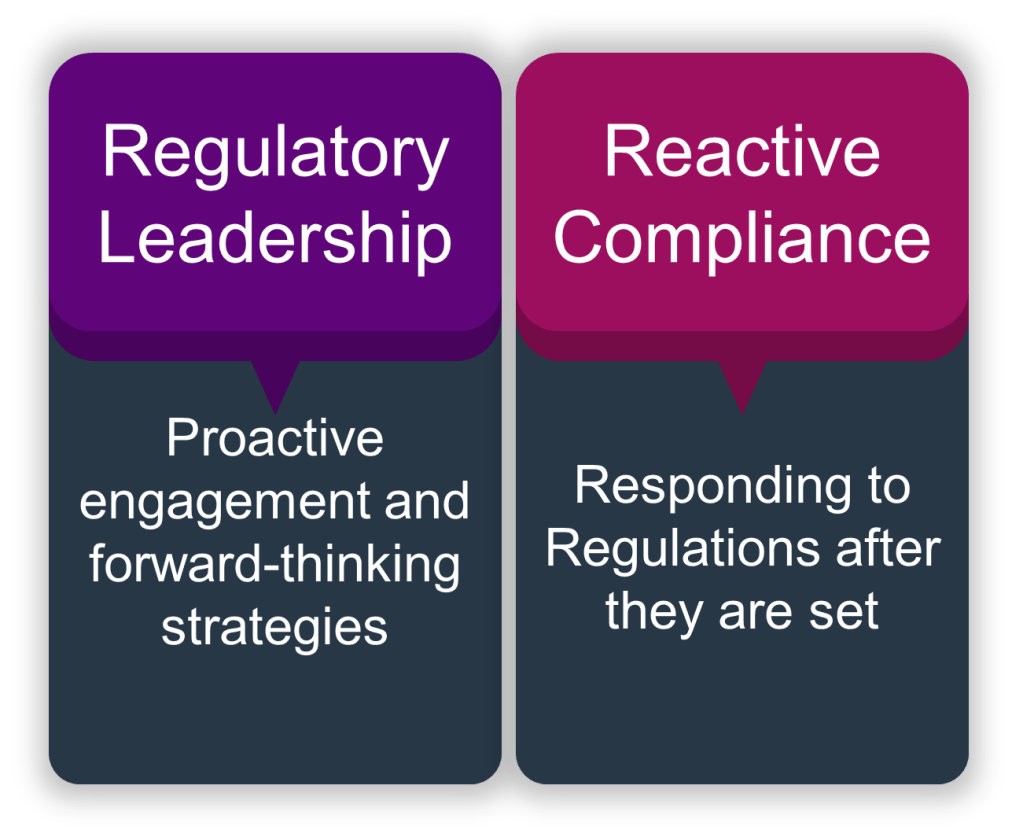
In pharmaceutical quality, we face a fundamental choice that defines our trajectory: we can either help set the direction of our regulatory landscape, or we can struggle to keep up with changes imposed upon us. As quality leaders, this choice isn’t just about compliance—it’s about positioning our organizations to drive meaningful change while delivering better patient outcomes.
The reactive compliance mindset has dominated our industry for too long, where companies view regulators as adversaries and quality as a cost center. This approach treats regulatory guidance as something that happens to us rather than something we actively shape. Companies operating in this mode find themselves perpetually behind the curve, scrambling to interpret new requirements, implement last-minute changes, and justify their approaches to skeptical regulators.
But there’s another way—one where quality professionals actively engage with the regulatory ecosystem to influence the development of standards before they become mandates.
The Strategic Value of Industry Group Engagement
Organizations like BioPhorum, NIIMBL, ISPE, and PDA represent far more than networking opportunities—they are the laboratories where tomorrow’s regulatory expectations are forged today. These groups don’t just discuss new regulations; they actively participate in defining what excellence looks like through standard-setting initiatives, white papers, and direct dialogue with regulatory authorities.
BioPhorum, with its collaborative network of 160+ manufacturers and suppliers deploying over 7,500 subject matter experts, demonstrates the power of collective engagement. Their success stories speak to tangible outcomes: harmonized approaches to routine environmental monitoring that save weeks on setup time, product yield improvements of up to 44%, and flexible manufacturing lines that reduce costs while maintaining regulatory compliance. Most significantly, their quality phorum launched in 2024 provides a dedicated space for quality professionals to collaborate on shared industry challenges.
NIIMBL exemplifies the strategic integration of industry voices with federal priorities, bringing together pharmaceutical manufacturers with academic institutions and government agencies to advance biopharmaceutical manufacturing standards. Their public-private partnership model demonstrates how industry engagement can shape policy while advancing technical capabilities that benefit all stakeholders.
ISPE and PDA provide complementary platforms where technical expertise translates into regulatory influence. Through their guidance documents, technical reports, and direct responses to regulatory initiatives, these organizations ensure that industry perspectives inform regulatory development. Their members don’t just consume regulatory intelligence—they help create it.
The Big Company Advantage—And Why Smaller Companies Must Close This Gap
Large pharmaceutical companies understand this dynamic intuitively. They maintain dedicated teams whose sole purpose is to engage with these industry groups, contribute to standard-setting activities, and maintain ongoing relationships with regulatory authorities. They recognize that regulatory intelligence isn’t just about monitoring changes—it’s about influencing the trajectory of those changes before they become requirements.
The asymmetry is stark: while multinational corporations deploy key leaders to these forums, smaller innovative companies often view such engagement as a luxury they cannot afford. This creates a dangerous gap where the voices shaping regulatory policy come predominantly from established players, potentially disadvantaging the very companies driving the most innovative therapeutic approaches.
But here’s the critical insight from my experience working with quality systems: smaller companies cannot afford NOT to be at these tables. When you’re operating with limited resources, you need every advantage in predicting regulatory direction, understanding emerging expectations, and building the credibility that comes from being recognized as a thoughtful contributor to industry discourse.
Consider the TESTED framework I’ve previously discussed—structured hypothesis formation requires deep understanding of regulatory thinking that only comes from being embedded in these conversations. When BioPhorum members collaborate on cleaning validation approaches or manufacturing flexibility standards, they’re not just sharing best practices—they’re establishing the scientific foundation for future regulatory expectations. When the ISPE comes out with a new good practice guide they are doing the same. The list goes on.
Making the Business Case: Job Descriptions and Performance Evaluation
Good regulatory intelligence practices requires systematically building this engagement into our organizational DNA. This means making industry participation an explicit component of senior quality roles and measuring our leaders’ contributions to the broader regulatory dialogue.
For quality directors and above, job descriptions should explicitly include:
Active participation in relevant industry working groups and technical committees
Contribution to industry white papers, guidance documents, and technical reports
Maintenance of productive relationships with regulatory authorities through formal and informal channels
Intelligence gathering and strategic assessment of emerging regulatory trends
Internal education and capability building based on industry insights
Performance evaluations must reflect these priorities:
Measure contributions to industry publications and standard-setting activities
Assess the quality and strategic value of regulatory intelligence gathered through industry networks
Evaluate success in anticipating and preparing for regulatory changes before they become requirements
Track the organization’s reputation within industry forums as a thoughtful contributor
This isn’t about checking boxes or accumulating conference attendance credits. It’s about recognizing that in our interconnected regulatory environment, isolation equals irrelevance. The companies that will thrive in tomorrow’s regulatory landscape are those whose leaders are actively shaping that landscape today.
Development plans for individuals should have clear milestones based on these requirements, so as individuals work their way up in an organization they are building good behaviors.
The Competitive Advantage of Regulatory Leadership
When we engage strategically with industry groups, we gain access to three critical advantages that reactive companies lack. First, predictive intelligence—understanding not just what regulations say today, but where regulatory thinking is headed. Second, credibility capital—the trust that comes from being recognized as a thoughtful contributor rather than a passive recipient of regulatory requirements. Third, collaborative problem-solving—access to the collective expertise needed to address complex quality challenges that no single organization can solve alone.
The pharmaceutical industry is moving toward more sophisticated quality metrics, risk-based approaches, and integrated lifecycle management. Companies that help develop these approaches will implement them more effectively than those who wait for guidance to arrive as mandates.c
As I’ve explored in previous discussions of hypothesis-driven quality systems, the future belongs to organizations that can move beyond compliance toward genuine quality leadership. This requires not just technical excellence, but strategic engagement with the regulatory ecosystem that shapes our industry’s direction.
The choice is ours: we can continue struggling to keep up with changes imposed upon us, or we can help set the direction through strategic engagement with the organizations and forums that define excellence in our field. For senior quality leaders, this isn’t just a career opportunity—it’s a strategic imperative that directly impacts our organizations’ ability to deliver innovative therapies to patients who need them.
The bandwidth required for this engagement isn’t overhead—it’s investment in the intelligence and relationships that make everything else we do more effective. In a world where regulatory agility determines competitive advantage, being at the table where standards are set isn’t optional—it’s essential.
The draft revision of EU GMP Chapter 4 introduces what can only be described as a revolutionary framework for data governance systems. This isn’t merely an update to existing documentation requirements—it is a keystone document that cements the decade long paradigm shift of data governance as the cornerstone of modern pharmaceutical quality systems.
The Genesis of Systematic Data Governance
The most striking aspect of the draft Chapter 4 is the introduction of sections 4.10 through 4.18, which establish data governance systems as mandatory infrastructure within pharmaceutical quality systems. This comprehensive framework emerges from lessons learned during the past decade of data integrity enforcement actions and reflects the reality that modern pharmaceutical manufacturing operates in an increasingly digital environment where traditional documentation approaches are insufficient.
The requirement that regulated users “establish a data governance system integral to the pharmaceutical quality system” moves far beyond the current Chapter 4’s basic documentation requirements. This integration ensures that data governance isn’t treated as an IT afterthought or compliance checkbox, but rather as a fundamental component of how pharmaceutical companies ensure product quality and patient safety. The emphasis on integration with existing pharmaceutical quality systems builds on synergies that I’ve previously discussed in my analysis of how data governance, data quality, and data integrity work together as interconnected pillars.
The requirement for regular documentation and review of data governance arrangements establishes accountability and ensures continuous improvement. This aligns with my observations about risk-based thinking where effective quality systems must anticipate, monitor, respond, and learn from their operational environment.
Comprehensive Data Lifecycle Management
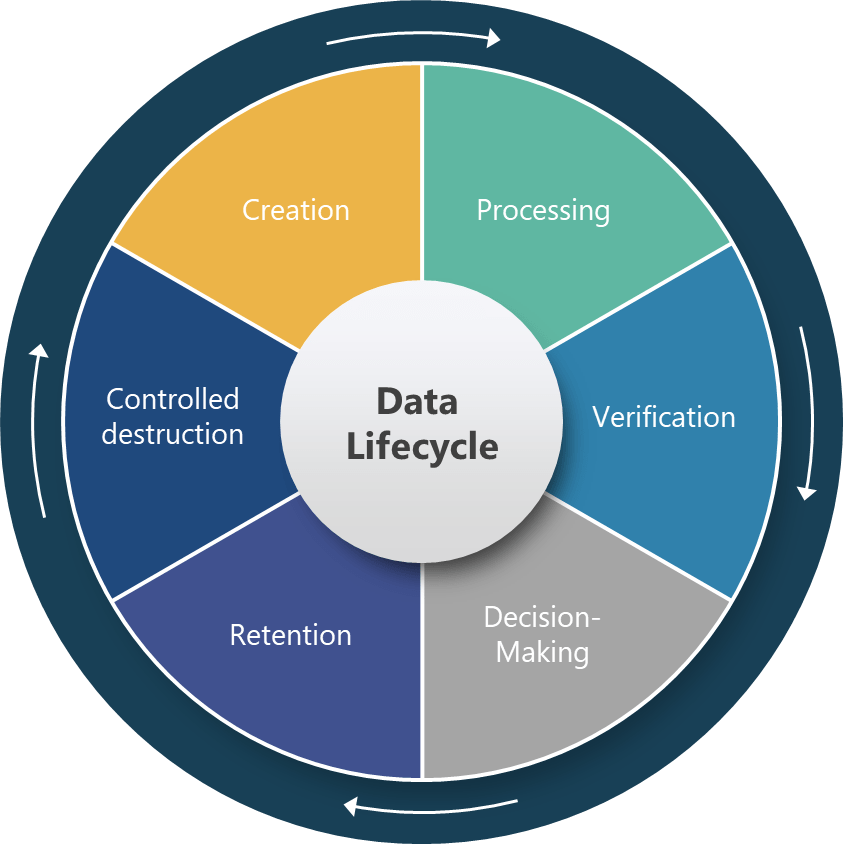
Section 4.12 represents perhaps the most technically sophisticated requirement in the draft, establishing a six-stage data lifecycle framework that covers creation, processing, verification, decision-making, retention, and controlled destruction. This approach acknowledges that data integrity cannot be ensured through point-in-time controls but requires systematic management throughout the entire data journey.
The specific requirement for “reconstruction of all data processing activities” for derived data establishes unprecedented expectations for data traceability and transparency. This requirement will fundamentally change how pharmaceutical companies design their data processing workflows, particularly in areas like process analytical technology (PAT), manufacturing execution systems (MES), and automated batch release systems where raw data undergoes significant transformation before supporting critical quality decisions.
The lifecycle approach also creates direct connections to computerized system validation requirements under Annex 11, as noted in section 4.22. This integration ensures that data governance systems are not separate from, but deeply integrated with, the technical systems that create, process, and store pharmaceutical data. As I’ve discussed in my analysis of computer system validation frameworks, effective validation programs must consider the entire system ecosystem, not just individual software applications.
Risk-Based Data Criticality Assessment
The draft introduces a sophisticated two-dimensional risk assessment framework through section 4.13, requiring organizations to evaluate both data criticality and data risk. Data criticality focuses on the impact to decision-making and product quality, while data risk considers the opportunity for alteration or deletion and the likelihood of detection. This framework provides a scientific basis for prioritizing data protection efforts and designing appropriate controls.
This approach represents a significant evolution from current practices where data integrity controls are often applied uniformly regardless of the actual risk or impact of specific data elements. The risk-based framework allows organizations to focus their most intensive controls on the data that matters most while applying appropriate but proportionate controls to lower-risk information. This aligns with principles I’ve discussed regarding quality risk management under ICH Q9(R1), where structured, science-based approaches reduce subjectivity and improve decision-making.
The requirement to assess “likelihood of detection” introduces a crucial element often missing from traditional data integrity approaches. Organizations must evaluate not only how to prevent data integrity failures but also how quickly and reliably they can detect failures that occur despite preventive controls. This assessment drives requirements for monitoring systems, audit trail analysis capabilities, and incident detection procedures.
Service Provider Oversight and Accountability
Section 4.18 establishes specific requirements for overseeing service providers’ data management policies and risk control strategies. This requirement acknowledges the reality that modern pharmaceutical operations depend heavily on cloud services, SaaS platforms, contract manufacturing organizations, and other external providers whose data management practices directly impact pharmaceutical company compliance.
The risk-based frequency requirement for service provider reviews represents a practical approach that allows organizations to focus oversight efforts where they matter most while ensuring that all service providers receive appropriate attention. For more details on the evolving regulatory expectations around supplier management see the post “draft Annex 11’s supplier oversight requirements“.
The service provider oversight requirement also creates accountability throughout the pharmaceutical supply chain, ensuring that data integrity expectations extend beyond the pharmaceutical company’s direct operations to encompass all entities that handle GMP-relevant data. This approach recognizes that regulatory accountability cannot be transferred to external providers, even when specific activities are outsourced.
Operational Implementation Challenges
The transition to mandatory data governance systems will present significant operational challenges for most pharmaceutical organizations. The requirement for “suitably designed systems, the use of technologies and data security measures, combined with specific expertise” in section 4.14 acknowledges that effective data governance requires both technological infrastructure and human expertise.
Organizations will need to invest in personnel with specialized data governance expertise, implement technology systems capable of supporting comprehensive data lifecycle management, and develop procedures for managing the complex interactions between data governance requirements and existing quality systems. This represents a substantial change management challenge that will require executive commitment and cross-functional collaboration.
The requirement for regular review of risk mitigation effectiveness in section 4.17 establishes data governance as a continuous improvement discipline rather than a one-time implementation project. Organizations must develop capabilities for monitoring the performance of their data governance systems and adjusting controls as risks evolve or new technologies are implemented.
The integration with quality risk management principles throughout sections 4.10-4.22 creates powerful synergies between traditional pharmaceutical quality systems and modern data management practices. This integration ensures that data governance supports rather than competes with existing quality initiatives while providing a systematic framework for managing the increasing complexity of pharmaceutical data environments.
The draft’s emphasis on data ownership throughout the lifecycle in section 4.15 establishes clear accountability that will help organizations avoid the diffusion of responsibility that often undermines data integrity initiatives. Clear ownership models provide the foundation for effective governance, accountability, and continuous improvement.
The draft Annex 11’s Section 15 Security represents nothing less than the regulatory codification of modern cybersecurity principles into pharmaceutical GMP. Where the 2011 version offered three brief security provisions totaling fewer than 100 words, the 2025 draft delivers 20 comprehensive subsections that read like a cybersecurity playbook designed by paranoid auditors who’ve spent too much time investigating ransomware attacks on manufacturing facilities. As someone with a bit of experience in that, I find the draft fascinating.
Section 15 transforms cybersecurity from a peripheral IT concern into a mandatory foundation of pharmaceutical operations, requiring organizations to implement enterprise-grade security controls. The European regulators have essentially declared that pharmaceutical cybersecurity can no longer be treated as someone else’s problem. Nor can it be treated as something outside of the GMPs.
The Philosophical Transformation: From Trust-Based to Threat-Driven Security
The current Annex 11’s security provisions reflect a fundamentally different era of threat landscape with an approach centering on access restriction and basic audit logging, assuming that physical controls and password authentication provide adequate protection. The language suggests that security controls should be “suitable” and scale with system “criticality,” offering organizations considerable discretion in determining what constitutes appropriate protection.
Section 15 obliterates this discretionary approach by mandating specific, measurable security controls that assume persistent, sophisticated threats as the baseline condition. Rather than suggesting organizations “should” implement firewalls and access controls, the draft requires organizations to deploy network segmentation, disaster recovery capabilities, penetration testing programs, and continuous security improvement processes.
The shift from “suitable methods of preventing unauthorised entry” to requiring “effective information security management systems” represents a fundamental change in regulatory philosophy. The 2011 version treats security breaches as unfortunate accidents to be prevented through reasonable precautions. The 2025 draft treats security breaches as inevitable events requiring comprehensive preparation, detection, response, and recovery capabilities.
Section 15.1 establishes this new paradigm by requiring regulated users to “ensure an effective information security management system is implemented and maintained, which safeguards authorised access to, and detects and prevents unauthorised access to GMP systems and data”. This language transforms cybersecurity from an operational consideration into a regulatory mandate with explicit requirements for ongoing management and continuous improvement.
Quite frankly, I worry that many Quality Units may not be ready for this new level of oversight.
Comparing Section 15 Against ISO 27001: Pharmaceutical-Specific Cybersecurity
The draft Section 15 creates striking alignments with ISO 27001’s Information Security Management System requirements while adding pharmaceutical-specific controls that reflect the unique risks of GMP environments. ISO 27001’s emphasis on risk-based security management, continuous improvement, and comprehensive control frameworks becomes regulatory mandate rather than voluntary best practice.
Physical Security Requirements in Section 15.4 exceed typical ISO 27001 implementations by mandating multi-factor authentication for physical access to server rooms and data centers. Where ISO 27001 Control A.11.1.1 requires “physical security perimeters” and “appropriate entry controls,” Section 15.4 specifically mandates protection against unauthorized access, damage, and loss while requiring secure locking mechanisms for data centers.
The pharmaceutical-specific risk profile drives requirements that extend beyond ISO 27001’s framework. Section 15.5’s disaster recovery provisions require data centers to be “constructed to minimise the risk and impact of natural and manmade disasters” including storms, flooding, earthquakes, fires, power outages, and network failures. This level of infrastructure resilience reflects the critical nature of pharmaceutical manufacturing where system failures can impact patient safety and drug supply chains.
Continuous Security Improvement mandated by Section 15.2 aligns closely with ISO 27001’s Plan-Do-Check-Act cycle while adding pharmaceutical-specific language about staying “updated about new security threats” and implementing measures to “counter this development”. The regulatory requirement transforms ISO 27001’s voluntary continuous improvement into a compliance obligation with potential inspection implications.
The Security Training and Testing requirements in Section 15.3 exceed typical ISO 27001 implementations by mandating “recurrent security awareness training” with effectiveness evaluation through “simulated tests”. This requirement acknowledges that pharmaceutical environments face sophisticated social engineering attacks targeting personnel with access to valuable research data and manufacturing systems.
NIST Cybersecurity Framework Convergence: Functions Become Requirements
Section 15’s structure and requirements create remarkable alignment with NIST Cybersecurity Framework 2.0’s core functions while transforming voluntary guidelines into mandatory pharmaceutical compliance requirements. The NIST CSF’s Identify, Protect, Detect, Respond, and Recover functions become implicit organizing principles for Section 15’s comprehensive security controls.
Asset Management and Risk Assessment requirements embedded throughout Section 15 align with NIST CSF’s Identify function. Section 15.8’s network segmentation requirements necessitate comprehensive asset inventories and network topology documentation, while Section 15.10’s platform management requirements demand systematic tracking of operating systems, applications, and support lifecycles.
The Protect function manifests through Section 15’s comprehensive defensive requirements including network segmentation, firewall management, access controls, and encryption. Section 15.8 mandates that “networks should be segmented, and effective firewalls implemented to provide barriers between networks, and control incoming and outgoing network traffic”. This requirement transforms NIST CSF’s voluntary protective measures into regulatory obligations with specific technical implementations.
Detection capabilities appear in Section 15.19’s penetration testing requirements, which mandate “regular intervals” of ethical hacking assessments for “critical systems facing the internet”. Section 15.18’s anti-virus requirements extend detection capabilities to endpoint protection with requirements for “continuously updated” virus definitions and “effectiveness monitoring”.
The Respond function emerges through Section 15.7’s disaster recovery planning requirements, which mandate tested disaster recovery plans ensuring “continuity of operation within a defined Recovery Time Objective (RTO)”. Section 15.13’s timely patching requirements create response obligations for addressing “critical vulnerabilities” that “might be immediately” requiring patches.
Recovery capabilities center on Section 15.6’s data replication requirements, which mandate automatic replication of “critical data” from primary to secondary data centers with “delay which is short enough to minimise the risk of loss of data”. The requirement for secondary data centers to be located at “safe distance from the primary site” ensures geographic separation supporting business continuity objectives.
Summary Across Key Guidance Documents
Security Requirement Area
Draft Annex 11 Section 15 (2025)
Current Annex 11 (2011)
ISO 27001:2022
NIST CSF 2.0 (2024)
Implementation Complexity
Information Security Management System
Mandatory – Effective ISMS implementation and maintenance required (15.1)
Basic – General security measures, no ISMS requirement
Core – ISMS is fundamental framework requirement (Clause 4-10)
Framework – Governance as foundational function across all activities
High – Requires comprehensive ISMS deployment
Continuous Security Improvement
Required – Continuous updates on threats and countermeasures (15.2)
Not specified – No continuous improvement mandate
Mandatory – Continual improvement through PDCA cycle (Clause 10.2)
Built-in – Continuous improvement through framework implementation
Medium – Ongoing process establishment needed
Security Training & Testing
Mandatory – Recurrent training with simulated testing effectiveness evaluation (15.3)
Not mentioned – No training or testing requirements
Required – Information security awareness and training (A.6.3)
Emphasized – Cybersecurity workforce development and training (GV.WF)
Medium – Training programs and testing infrastructure
Physical Security Controls
Explicit – Multi-factor authentication for server rooms, secure data centers (15.4)
Limited – “Suitable methods” for preventing unauthorized entry
Detailed – Physical and environmental security controls (A.11.1-11.2)
Addressed – Physical access controls within Protect function (PR.AC-2)
Medium – Physical infrastructure and access systems
Medium – Supplier assessment and management processes
Encryption & Data Protection
Limited – Not explicitly detailed beyond data replication requirements
Not specified – No encryption requirements
Comprehensive – Cryptography and data protection controls (A.10)
Included – Data security and privacy protection (PR.DS)
Medium – Encryption deployment and key management
Change Management Integration
Integrated – Security updates must align with GMP validation processes
Basic – Change control mentioned generally
Integrated – Change management throughout ISMS (A.14.2.2)
Embedded – Change management within improvement processes
High – Integration with existing GMP change control
Compliance Monitoring
Built-in – Regular reviews, testing, and continuous improvement mandated
Limited – Periodic review mentioned without specifics
Required – Monitoring, measurement, and internal audits (Clause 9)
Systematic – Continuous monitoring and measurement (DE, GV functions)
Medium – Monitoring and measurement systems
Executive Oversight & Governance
Implied – Through ISMS requirements and continuous improvement mandates
Not specified – No governance requirements
Mandatory – Leadership commitment and management responsibility (Clause 5)
Essential – Governance and leadership accountability (GV function)4
Medium – Governance structure and accountability
The alignment with ISO 27001 and NIST CSF demonstrates that pharmaceutical organizations can no longer treat cybersecurity as a separate concern from GMP compliance—they become integrated regulatory requirements demanding enterprise-grade security capabilities that most pharmaceutical companies have historically considered optional.
Technical Requirements That Challenge Traditional Pharmaceutical IT Architecture
Section 15’s technical requirements will force fundamental changes in how pharmaceutical organizations architect, deploy, and manage their IT infrastructure. The regulatory prescriptions extend far beyond current industry practices and demand enterprise-grade security capabilities that many pharmaceutical companies currently lack.
Network Architecture Revolution begins with Section 15.8’s segmentation requirements, which mandate that “networks should be segmented, and effective firewalls implemented to provide barriers between networks”. This requirement eliminates the flat network architectures common in pharmaceutical manufacturing environments where laboratory instruments, manufacturing equipment, and enterprise systems often share network segments for operational convenience.
The firewall rule requirements demand “IP addresses, destinations, protocols, applications, or ports” to be “defined as strict as practically feasible, only allowing necessary and permissible traffic”. For pharmaceutical organizations accustomed to permissive network policies that allow broad connectivity for troubleshooting and maintenance, this represents a fundamental shift toward zero-trust architecture principles.
Section 15.9’s firewall review requirements acknowledge that “firewall rules tend to be changed or become insufficient over time” and mandate periodic reviews to ensure firewalls “continue to be set as tight as possible”. This requirement transforms firewall management from a deployment activity into an ongoing operational discipline requiring dedicated resources and systematic review processes.
Platform and Patch Management requirements in Sections 15.10 through 15.14 create comprehensive lifecycle management obligations that most pharmaceutical organizations currently handle inconsistently. Section 15.10 requires operating systems and platforms to be “updated in a timely manner according to vendor recommendations, to prevent their use in an unsupported state”.
The validation and migration requirements in Section 15.11 create tension between security imperatives and GMP validation requirements. Organizations must “plan and complete” validation of applications on updated platforms “in due time prior to the expiry of the vendor’s support”. This requirement demands coordination between IT security, quality assurance, and validation teams to ensure system updates don’t compromise GMP compliance.
Section 15.12’s isolation requirements for unsupported platforms acknowledge the reality that pharmaceutical organizations often operate legacy systems that cannot be easily updated. The requirement that such systems “should be isolated from computer networks and the internet” creates network architecture challenges where isolated systems must still support critical manufacturing processes.
Endpoint Security and Device Management requirements in Sections 15.15 through 15.18 address the proliferation of connected devices in pharmaceutical environments. Section 15.15’s “strict control” of bidirectional devices like USB drives acknowledges that pharmaceutical manufacturing environments often require portable storage for equipment maintenance and data collection.
The effective scanning requirements in Section 15.16 for devices that “may have been used outside the organisation” create operational challenges for service technicians and contractors who need to connect external devices to pharmaceutical systems. Organizations must implement scanning capabilities that can “effectively” detect malware without disrupting operational workflows.
Section 15.17’s requirements to deactivate USB ports “by default” unless needed for essential devices like keyboards and mice will require systematic review of all computer systems in pharmaceutical facilities. Manufacturing computers, laboratory instruments, and quality control systems that currently rely on USB connectivity for routine operations may require architectural changes or enhanced security controls.
Operational Impact: How Section 15 Changes Day-to-Day Operations
The implementation of Section 15’s security requirements will fundamentally change how pharmaceutical organizations conduct routine operations, from equipment maintenance to data management to personnel access. These changes extend far beyond IT departments to impact every function that interacts with computerized systems.
Manufacturing and Laboratory Operations will experience significant changes through network segmentation and access control requirements. Section 15.8’s segmentation requirements may isolate manufacturing systems from corporate networks, requiring new procedures for accessing data, transferring files, and conducting remote troubleshooting1. Equipment vendors who previously connected remotely to manufacturing systems for maintenance may need to adapt to more restrictive access controls and monitored connections.
The USB control requirements in Sections 15.15-15.17 will particularly impact operations where portable storage devices are routinely used for data collection, equipment calibration, and maintenance activities. Laboratory personnel accustomed to using USB drives for transferring analytical data may need to adopt network-based file transfer systems or enhanced scanning procedures.
Information Technology Operations must expand significantly to support Section 15’s comprehensive requirements. The continuous security improvement mandate in Section 15.2 requires dedicated resources for threat intelligence monitoring, security tool evaluation, and control implementation. Organizations that currently treat cybersecurity as a periodic concern will need to establish ongoing security operations capabilities.
Section 15.19’s penetration testing requirements for “critical systems facing the internet” will require organizations to either develop internal ethical hacking capabilities or establish relationships with external security testing providers. The requirement for “regular intervals” suggests ongoing testing programs rather than one-time assessments.
The firewall review requirements in Section 15.9 necessitate systematic processes for evaluating and updating network security rules. Organizations must establish procedures for documenting firewall changes, reviewing rule effectiveness, and ensuring rules remain “as tight as possible” while supporting legitimate business functions.
Quality Unit functions must expand to encompass cybersecurity validation and documentation requirements. Section 15.11’s requirements to validate applications on updated platforms before vendor support expires will require QA involvement in IT infrastructure changes. Quality systems must incorporate procedures for evaluating the GMP impact of security patches, platform updates, and network changes.
The business continuity requirements in Section 15.7 necessitate testing of disaster recovery plans and validation that systems can meet “defined Recovery Time Objectives”. Quality assurance must develop capabilities for validating disaster recovery processes and documenting that backup systems can support GMP operations during extended outages.
Strategic Implications: Organizational Structure and Budget Priorities
Section 15’s comprehensive security requirements will force pharmaceutical organizations to reconsider their IT governance structures, budget allocations, and strategic priorities. The regulatory mandate for enterprise-grade cybersecurity capabilities creates organizational challenges that extend beyond technical implementation.
IT-OT Convergence Acceleration becomes inevitable as Section 15’s requirements apply equally to traditional IT systems and operational technology supporting manufacturing processes. Organizations must develop unified security approaches spanning enterprise networks, manufacturing systems, and laboratory instruments. The traditional separation between corporate IT and manufacturing systems operations becomes unsustainable when both domains require coordinated security management.
The network segmentation requirements in Section 15.8 demand comprehensive understanding of all connected systems and their communication requirements. Organizations must develop capabilities for mapping and securing complex environments where ERP systems, manufacturing execution systems, laboratory instruments, and quality management applications share network infrastructure.
Cybersecurity Organizational Evolution will likely drive consolidation of security responsibilities under dedicated chief information security officer roles with expanded authority over both IT and operational technology domains. The continuous improvement mandates and comprehensive technical requirements demand specialized cybersecurity expertise that extends beyond traditional IT administration.
Section 15.3’s training and testing requirements necessitate systematic cybersecurity awareness programs with “effectiveness evaluation” through simulated attacks1. Organizations must develop internal capabilities for conducting phishing simulations, security training programs, and measuring personnel security behaviors.
Budget and Resource Reallocation becomes necessary to support Section 15’s comprehensive requirements. The penetration testing, platform management, network segmentation, and disaster recovery requirements represent significant ongoing operational expenses that many pharmaceutical organizations have not historically prioritized.
The validation requirements for security updates in Section 15.11 create ongoing costs for qualifying platform changes and validating application compatibility. Organizations must budget for accelerated validation cycles to ensure security updates don’t result in unsupported systems.
Inspection and Enforcement: The New Reality
Section 15’s detailed technical requirements create specific inspection targets that regulatory authorities can evaluate objectively during facility inspections. Unlike the current Annex 11’s general security provisions, Section 15’s prescriptive requirements enable inspectors to assess compliance through concrete evidence and documentation.
Technical Evidence Requirements emerge from Section 15’s specific mandates for firewalls, network segmentation, patch management, and penetration testing. Inspectors can evaluate firewall configurations, review network topology documentation, assess patch deployment records, and verify penetration testing reports. Organizations must maintain detailed documentation demonstrating compliance with each technical requirement.
The continuous improvement mandate in Section 15.2 creates expectations for ongoing security enhancement activities with documented evidence of threat monitoring and control implementation. Inspectors will expect to see systematic processes for identifying emerging threats and implementing appropriate countermeasures.
Operational Process Validation requirements extend to security operations including incident response, access control management, and backup testing. Section 15.7’s disaster recovery testing requirements create inspection opportunities for validating recovery procedures and verifying RTO achievement1. Organizations must demonstrate that their business continuity plans work effectively through documented testing activities.
The training and testing requirements in Section 15.3 create audit trails for security awareness programs and simulated attack exercises. Inspectors can evaluate training effectiveness through documentation of phishing simulation results, security incident responses, and personnel security behaviors.
Industry Transformation: From Compliance to Competitive Advantage
Organizations that excel at implementing Section 15’s requirements will gain significant competitive advantages through superior operational resilience, reduced cyber risk exposure, and enhanced regulatory relationships. The comprehensive security requirements create opportunities for differentiation through demonstrated cybersecurity maturity.
Supply Chain Security Leadership emerges as pharmaceutical companies with robust cybersecurity capabilities become preferred partners for collaborations, clinical trials, and manufacturing agreements. Section 15’s requirements create third-party evaluation criteria that customers and partners can use to assess supplier cybersecurity capabilities.
The disaster recovery and business continuity requirements in Sections 15.6 and 15.7 create operational resilience that supports supply chain reliability. Organizations that can demonstrate rapid recovery from cyber incidents maintain competitive advantages in markets where supply chain disruptions have significant patient impact.
Regulatory Efficiency Benefits accrue to organizations that proactively implement Section 15’s requirements before they become mandatory. Early implementation demonstrates regulatory leadership and may result in more efficient inspection processes and enhanced regulatory relationships.
The systematic approach to cybersecurity documentation and process validation creates operational efficiencies that extend beyond compliance. Organizations that implement comprehensive cybersecurity management systems often discover improvements in change control, incident response, and operational monitoring capabilities.
Section 15 Security ultimately represents the transformation of pharmaceutical cybersecurity from optional IT initiative to mandatory operational capability that is part of the pharmaceutical quality system. The pharmaceutical industry’s digital future depends on treating cybersecurity as seriously as traditional quality assurance—and Section 15 makes that treatment legally mandatory.
The pharmaceutical industry stands at an inflection point where artificial intelligence meets regulatory compliance, creating new paradigms for quality decision-making that neither fully automate nor abandon human expertise. The concept of the “missing middle” first articulated by Paul Daugherty and H. James Wilson in their seminal work Human + Machine: Reimagining Work in the Age of AI has found profound resonance in the pharmaceutical sector, particularly as regulators grapple with how to govern AI applications in Good Manufacturing Practice (GMP) environments
The recent publication of EU GMP Annex 22 on Artificial Intelligence marks a watershed moment in this evolution, establishing the first dedicated regulatory framework for AI use in pharmaceutical manufacturing while explicitly mandating human oversight in critical decision-making processes. This convergence of the missing middle concept with regulatory reality creates unprecedented opportunities and challenges for pharmaceutical quality professionals, fundamentally reshaping how we approach GMP decision-making in an AI-augmented world.
Understanding the Missing Middle: Beyond the Binary of Human Versus Machine
The missing middle represents a fundamental departure from the simplistic narrative of AI replacing human workers. Instead, it describes the collaborative space where human expertise and artificial intelligence capabilities combine to create outcomes superior to what either could achieve independently. In Daugherty and Wilson’s framework, this space is characterized by fluid, adaptive work processes that can be modified in real-time—a stark contrast to the rigid, sequential workflows that have dominated traditional business operations.
Within the pharmaceutical context, the missing middle takes on heightened significance due to the industry’s unique requirements for safety, efficacy, and regulatory compliance. Unlike other sectors where AI can operate with relative autonomy, pharmaceutical manufacturing demands a level of human oversight that ensures patient safety while leveraging AI’s analytical capabilities. This creates what we might call a “regulated missing middle”—a space where human-machine collaboration must satisfy not only business objectives but also stringent regulatory requirements.
Traditional pharmaceutical quality relies heavily on human decision-making supported by deterministic systems and established procedures. However, the complexity of modern pharmaceutical manufacturing, coupled with the vast amounts of data generated throughout the production process, creates opportunities for AI to augment human capabilities in ways that were previously unimaginable. The challenge lies in harnessing these capabilities while maintaining the control, traceability, and accountability that GMP requires.
Annex 22: Codifying Human Oversight in AI-Driven GMP Environments
The draft EU GMP Annex 22, published for consultation in July 2025, represents the first comprehensive regulatory framework specifically addressing AI use in pharmaceutical manufacturing. The annex establishes clear boundaries around acceptable AI applications while mandating human oversight mechanisms that reflect the missing middle philosophy in practice.
Scope and Limitations: Defining the Regulatory Boundaries
Annex 22 applies exclusively to static, deterministic AI models—those that produce consistent outputs when given identical inputs. This deliberate limitation reflects regulators’ current understanding of AI risk and their preference for predictable, controllable systems in GMP environments. The annex explicitly excludes dynamic models that continuously learn during operation, generative AI systems, and large language models (LLMs) from critical GMP applications, recognizing that these technologies present challenges in terms of explainability, reproducibility, and risk control that current regulatory frameworks cannot adequately address.
This regulatory positioning creates a clear delineation between AI applications that can operate within established GMP principles and those that require different governance approaches. The exclusion of dynamic learning systems from critical applications reflects a risk-averse stance that prioritizes patient safety and regulatory compliance over technological capability—a decision that has sparked debate within the industry about the pace of AI adoption in regulated environments.
Human-in-the-Loop Requirements: Operationalizing the Missing Middle
Perhaps the most significant aspect of Annex 22 is its explicit requirement for human oversight in AI-driven processes. The guidance mandates that qualified personnel must be responsible for ensuring AI outputs are suitable for their intended use, particularly in processes that could impact patient safety, product quality, or data integrity. This requirement operationalizes the missing middle concept by ensuring that human judgment remains central to critical decision-making processes, even as AI capabilities expand.
The human-in-the-loop (HITL) framework outlined in Annex 22 goes beyond simple approval mechanisms. It requires that human operators understand the AI system’s capabilities and limitations, can interpret its outputs meaningfully, and possess the expertise necessary to intervene when circumstances warrant. This creates new skill requirements for pharmaceutical quality professionals, who must develop what Daugherty and Wilson term “fusion skills”—capabilities that enable effective collaboration with AI systems.
Validation and Performance Requirements: Ensuring Reliability in the Missing Middle
Annex 22 establishes rigorous validation requirements for AI systems used in GMP contexts, mandating that models undergo testing against predefined acceptance criteria that are at least as stringent as the processes they replace. This requirement ensures that AI augmentation does not compromise existing quality standards while providing a framework for demonstrating the value of human-machine collaboration.
The validation framework emphasizes explainability and confidence scoring, requiring AI systems to provide transparent justifications for their decisions. This transparency requirement enables human operators to understand AI recommendations and exercise appropriate judgment in their implementation—a key principle of effective missing middle operations. The focus on explainability also facilitates regulatory inspections and audits, ensuring that AI-driven decisions can be scrutinized and validated by external parties.
The Evolution of GMP Decision Making: From Human-Centric to Human-AI Collaborative
Traditional GMP decision-making has been characterized by hierarchical approval processes, extensive documentation requirements, and risk-averse approaches that prioritize compliance over innovation. While these characteristics have served the industry well in ensuring product safety and regulatory compliance, they have also created inefficiencies and limited opportunities for continuous improvement.
Traditional GMP Decision Paradigms
Conventional pharmaceutical quality assurance relies on trained personnel making decisions based on established procedures, historical data, and their professional judgment. Quality control laboratories generate data through standardized testing protocols, which trained analysts interpret according to predetermined specifications. Deviation investigations follow structured methodologies that emphasize root cause analysis and corrective action implementation. Manufacturing decisions are made through change control processes that require multiple levels of review and approval.
This approach has proven effective in maintaining product quality and regulatory compliance, but it also has significant limitations. Human decision-makers can be overwhelmed by the volume and complexity of data generated in modern pharmaceutical manufacturing. Cognitive biases can influence judgment, and the sequential nature of traditional decision-making processes can delay responses to emerging issues. Additionally, the reliance on historical precedent can inhibit innovation and limit opportunities for process optimization.
AI-Augmented Decision Making: Expanding Human Capabilities
The integration of AI into GMP decision-making processes offers opportunities to address many limitations of traditional approaches while maintaining the human oversight that regulations require. AI systems can process vast amounts of data rapidly, identify patterns that might escape human observation, and provide data-driven recommendations that complement human judgment.
In quality control laboratories, AI-powered image recognition systems can analyze visual inspections with greater speed and consistency than human inspectors, while still requiring human validation of critical decisions. Predictive analytics can identify potential quality issues before they manifest, enabling proactive interventions that prevent problems rather than merely responding to them. Real-time monitoring systems can continuously assess process parameters and alert human operators to deviations that require attention.
The transformation of deviation management exemplifies the potential of AI-augmented decision-making. Traditional deviation investigations can be time-consuming and resource-intensive, often requiring weeks or months to complete. AI systems can rapidly analyze historical data to identify potential root causes, suggest relevant corrective actions based on similar past events, and even predict the likelihood of recurrence. However, the final decisions about root cause determination and corrective action implementation remain with qualified human personnel, ensuring that professional judgment and regulatory accountability are preserved.
Maintaining Human Accountability in AI-Augmented Processes
The integration of AI into GMP decision-making raises important questions about accountability and responsibility. Annex 22 addresses these concerns by maintaining clear lines of human accountability while enabling AI augmentation. The guidance requires that qualified personnel remain responsible for all decisions that could impact patient safety, product quality, or data integrity, regardless of the level of AI involvement in the decision-making process.
This approach reflects the missing middle philosophy by recognizing that AI augmentation should enhance rather than replace human judgment. Human operators must understand the AI system’s recommendations, evaluate them in the context of their broader knowledge and experience, and take responsibility for the final decisions. This creates a collaborative dynamic where AI provides analytical capabilities that exceed human limitations while humans provide contextual understanding, ethical judgment, and regulatory accountability that AI systems cannot replicate.
Fusion Skills for Pharmaceutical Quality Professionals: Navigating the AI-Augmented Landscape
The successful implementation of AI in GMP environments requires pharmaceutical quality professionals to develop new capabilities that enable effective collaboration with AI systems. Daugherty and Wilson identify eight “fusion skills” that are essential for thriving in the missing middle. These skills take on particular significance in the highly regulated pharmaceutical environment, where the consequences of poor decision-making can directly impact patient safety.
Intelligent interrogation involves knowing how to effectively query AI systems to obtain meaningful insights. In pharmaceutical quality contexts, this skill enables professionals to leverage AI analytical capabilities while maintaining critical thinking about the results. For example, when investigating a deviation, a quality professional might use AI to analyze historical data for similar events, but must know how to frame queries that yield relevant and actionable insights.
The development of intelligent interrogation skills requires understanding both the capabilities and limitations of specific AI systems. Quality professionals must learn to ask questions that align with the AI system’s training and design while recognizing when human judgment is necessary to interpret or validate the results. This skill is particularly important in GMP environments, where the accuracy and completeness of information can have significant regulatory and safety implications.
Judgment Integration: Combining AI Insights with Human Wisdom
Judgment integration involves combining AI-generated insights with human expertise to make informed decisions. This skill is critical in pharmaceutical quality, where decisions often require consideration of factors that may not be captured in historical data or AI training sets. For instance, an AI system might recommend a particular corrective action based on statistical analysis, but a human professional might recognize unique circumstances that warrant a different approach.
Effective judgment integration requires professionals to maintain a critical perspective on AI recommendations while remaining open to insights that challenge conventional thinking. In GMP contexts, this balance is particularly important because regulatory compliance demands both adherence to established procedures and responsiveness to unique circumstances. Quality professionals must develop the ability to synthesize AI insights with their understanding of regulatory requirements, product characteristics, and manufacturing constraints.
Reciprocal Apprenticing: Mutual Learning Between Humans and AI
Reciprocal apprenticing describes the process by which humans and AI systems learn from each other to improve performance over time. In pharmaceutical quality applications, this might involve humans providing feedback on AI recommendations that helps the system improve its future performance, while simultaneously learning from AI insights to enhance their own decision-making capabilities.
This bidirectional learning process is particularly valuable in GMP environments, where continuous improvement is both a regulatory expectation and a business imperative. Quality professionals can help AI systems become more effective by providing context about why certain recommendations were or were not appropriate in specific situations. Simultaneously, they can learn from AI analysis to identify patterns or relationships that might inform future decision-making.
Additional Fusion Skills: Building Comprehensive AI Collaboration Capabilities
Beyond the three core skills highlighted by Daugherty and Wilson for generative AI applications, their broader framework includes additional capabilities that are relevant to pharmaceutical quality professionals. Responsible normalizing involves shaping the perception and purpose of human-machine interaction in ways that align with organizational values and regulatory requirements. In pharmaceutical contexts, this skill helps ensure that AI implementation supports rather than undermines the industry’s commitment to patient safety and product quality.
Re-humanizing time involves using AI to free up human capacity for distinctly human activities such as creative problem-solving, relationship building, and ethical decision-making. For pharmaceutical quality professionals, this might mean using AI to automate routine data analysis tasks, creating more time for strategic thinking about quality improvements and regulatory strategy.
Bot-based empowerment and holistic melding involve developing mental models of AI capabilities that enable more effective collaboration. These skills help quality professionals understand how to leverage AI systems most effectively while maintaining appropriate skepticism about their limitations.
Real-World Applications: The Missing Middle in Pharmaceutical Manufacturing
The theoretical concepts of the missing middle and human-AI collaboration are increasingly being translated into practical applications within pharmaceutical manufacturing environments. These implementations demonstrate how the principles outlined in Annex 22 can be operationalized while delivering tangible benefits to product quality, operational efficiency, and regulatory compliance.
Quality Control and Inspection: Augmenting Human Visual Capabilities
One of the most established applications of AI in pharmaceutical manufacturing involves augmenting human visual inspection capabilities. Traditional visual inspection of tablets, capsules, and packaging materials relies heavily on human operators who must identify defects, contamination, or other quality issues. While humans excel at recognizing unusual patterns and exercising judgment about borderline cases, they can be limited by fatigue, inconsistency, and the volume of materials that must be inspected.
AI-powered vision systems can process images at speeds far exceeding human capabilities while maintaining consistent performance standards. These systems can identify defects that might be missed by human inspectors and flag potential issues for further review89. However, the most effective implementations maintain human oversight over critical decisions, with AI serving to augment rather than replace human judgment.
Predictive Maintenance: Preventing Quality Issues Through Proactive Intervention
Predictive maintenance represents another area where AI applications align with the missing middle philosophy by augmenting human decision-making rather than replacing it. Traditional maintenance approaches in pharmaceutical manufacturing have relied on either scheduled maintenance intervals or reactive responses to equipment failures. Both approaches can result in unnecessary costs or quality risks.
AI-powered predictive maintenance systems analyze sensor data, equipment performance histories, and maintenance records to predict when equipment failures are likely to occur. This information enables maintenance teams to schedule interventions before failures impact production or product quality. However, the final decisions about maintenance timing and scope remain with qualified personnel who can consider factors such as production schedules, regulatory requirements, and risk assessments that AI systems cannot fully evaluate.
Real-Time Process Monitoring: Enhancing Human Situational Awareness
Real-time process monitoring applications leverage AI’s ability to continuously analyze large volumes of data to enhance human situational awareness and decision-making capabilities. Traditional process monitoring in pharmaceutical manufacturing relies on control systems that alert operators when parameters exceed predetermined limits. While effective, this approach can result in delayed responses to developing issues and may miss subtle patterns that indicate emerging problems.
AI-enhanced monitoring systems can analyze multiple data streams simultaneously to identify patterns that might indicate developing quality issues or process deviations. These systems can provide early warnings that enable operators to take corrective action before problems become critical. The most effective implementations provide operators with explanations of why alerts were generated, enabling them to make informed decisions about appropriate responses.
The integration of AI into Manufacturing Execution Systems (MES) exemplifies this approach. AI algorithms can monitor real-time production data to detect deviations in drug formulation, dissolution rates, and environmental conditions. When potential issues are identified, the system alerts qualified operators who can evaluate the situation and determine appropriate corrective actions. This approach maintains human accountability for critical decisions while leveraging AI’s analytical capabilities to enhance situational awareness.
Deviation Management: Accelerating Root Cause Analysis
Deviation management represents a critical area where AI applications can significantly enhance human capabilities while maintaining the rigorous documentation and accountability requirements that GMP mandates. Traditional deviation investigations can be time-consuming processes that require extensive data review, analysis, and documentation.
AI systems can rapidly analyze historical data to identify patterns, potential root causes, and relevant precedents for similar deviations. This capability can significantly reduce the time required for initial investigation phases while providing investigators with comprehensive background information. However, the final determinations about root causes, risk assessments, and corrective actions remain with qualified human personnel who can exercise professional judgment and ensure regulatory compliance.
The application of AI to root cause analysis demonstrates the value of the missing middle approach in highly regulated environments. AI can process vast amounts of data to identify potential contributing factors and suggest hypotheses for investigation, but human expertise remains essential for evaluating these hypotheses in the context of specific circumstances, regulatory requirements, and risk considerations.
Regulatory Landscape: Beyond Annex 22
While Annex 22 represents the most comprehensive regulatory guidance for AI in pharmaceutical manufacturing, it is part of a broader regulatory landscape that is evolving to address the challenges and opportunities presented by AI technologies. Understanding this broader context is essential for pharmaceutical organizations seeking to implement AI applications that align with both current requirements and emerging regulatory expectations.
FDA Perspectives: Encouraging Innovation with Appropriate Safeguards
The U.S. Food and Drug Administration (FDA) has taken a generally supportive stance toward AI applications in pharmaceutical manufacturing, recognizing their potential to enhance product quality and manufacturing efficiency. The agency’s approach emphasizes the importance of maintaining human oversight and accountability while encouraging innovation that can benefit public health.
The FDA’s guidance on Process Analytical Technology (PAT) provides a framework for implementing advanced analytical and control technologies, including AI applications, in pharmaceutical manufacturing. The PAT framework emphasizes real-time monitoring and control capabilities that align well with AI applications, while maintaining requirements for validation, risk assessment, and human oversight that are consistent with the missing middle philosophy.
The agency has also indicated interest in AI applications that can enhance regulatory processes themselves, including automated analysis of manufacturing data for inspection purposes and AI-assisted review of regulatory submissions. These applications could potentially streamline regulatory interactions while maintaining appropriate oversight and accountability mechanisms.
International Harmonization: Toward Global Standards
The development of AI governance frameworks in pharmaceutical manufacturing is increasingly taking place within international forums that seek to harmonize approaches across different regulatory jurisdictions. The International Conference on Harmonisation (ICH) has begun considering how existing guidelines might need to be modified to address AI applications, particularly in areas such as quality risk management and pharmaceutical quality systems.
The European Medicines Agency (EMA) has published reflection papers on AI use throughout the medicinal product lifecycle, providing broader context for how AI applications might be governed beyond manufacturing applications. These documents emphasize the importance of human-centric approaches that maintain patient safety and product quality while enabling innovation.
The Pharmaceutical Inspection Convention and Pharmaceutical Inspection Co-operation Scheme (PIC/S) has also begun developing guidance on AI applications, recognizing the need for international coordination in this rapidly evolving area. The alignment between Annex 22 and PIC/S approaches suggests movement toward harmonized international standards that could facilitate global implementation of AI applications.
Industry Standards: Complementing Regulatory Requirements
Professional organizations and industry associations are developing standards and best practices that complement regulatory requirements while providing more detailed guidance for implementation. The International Society for Pharmaceutical Engineering (ISPE) has published guidance on AI governance frameworks that emphasize risk-based approaches and lifecycle management principles.
Emerging Considerations: Preparing for Future Developments
The regulatory landscape for AI in pharmaceutical manufacturing continues to evolve as regulators gain experience with specific applications and technologies advance. Several emerging considerations are likely to influence future regulatory developments and should be considered by organizations planning AI implementations.
The potential for AI applications to generate novel insights that challenge established practices raises questions about how regulatory frameworks should address innovation that falls outside existing precedents. The missing middle philosophy provides a framework for managing these situations by maintaining human accountability while enabling AI-driven insights to inform decision-making.
The increasing sophistication of AI technologies, including advances in explainable AI and federated learning approaches, may enable applications that are currently excluded from critical GMP processes. Regulatory frameworks will need to evolve to address these capabilities while maintaining appropriate safeguards for patient safety and product quality.
Challenges and Limitations: Navigating the Complexities of AI Implementation
Despite the promise of AI applications in pharmaceutical manufacturing, significant challenges and limitations must be addressed to realize the full potential of human-machine collaboration in GMP environments. These challenges span technical, organizational, and regulatory dimensions and require careful consideration in the design and implementation of AI systems.
Technical Challenges: Ensuring Reliability and Performance
The implementation of AI in GMP environments faces significant technical challenges related to data quality, system validation, and performance consistency. Pharmaceutical manufacturing generates vast amounts of data from multiple sources, including process sensors, laboratory instruments, and quality control systems. Ensuring that this data is of sufficient quality to train and operate AI systems requires robust data governance frameworks and quality assurance processes.
Data integrity requirements in GMP environments are particularly stringent, demanding that all data be attributable, legible, contemporaneous, original, and accurate (ALCOA principles). AI systems must be designed to maintain these data integrity principles throughout their operation, including during data preprocessing, model training, and prediction generation phases. This requirement can complicate AI implementations and requires careful attention to system design and validation approaches.
System validation presents another significant technical challenge. Traditional validation approaches for computerized systems rely on deterministic testing methodologies that may not be fully applicable to AI systems, particularly those that employ machine learning algorithms. Annex 22 addresses some of these challenges by focusing on static, deterministic AI models, but even these systems require validation approaches that can demonstrate consistent performance across expected operating conditions.
The black box nature of some AI algorithms creates challenges for meeting explainability requirements. While Annex 22 mandates that AI systems provide transparent justifications for their decisions, achieving this transparency can be technically challenging for complex machine learning models. Organizations must balance the analytical capabilities of sophisticated AI algorithms with the transparency requirements of GMP environments.
Organizational Challenges: Building Capabilities and Managing Change
The successful implementation of AI in pharmaceutical manufacturing requires significant organizational capabilities that many companies are still developing. The missing middle approach demands that organizations build fusion skills across their workforce while maintaining existing competencies in traditional pharmaceutical quality practices.
Skills development represents a particular challenge, as it requires investment in both technical training for AI systems and conceptual training for understanding how to collaborate effectively with AI. Quality professionals must develop capabilities in data analysis, statistical interpretation, and AI system interaction while maintaining their expertise in pharmaceutical science, regulatory requirements, and quality assurance principles.
Change management becomes critical when implementing AI systems that alter established workflows and decision-making processes. Traditional pharmaceutical organizations often have deeply embedded cultures that emphasize risk aversion and adherence to established procedures. Introducing AI systems that recommend changes to established practices or challenge conventional thinking requires careful change management to ensure adoption while maintaining appropriate risk controls.
The integration of AI systems with existing pharmaceutical quality systems presents additional organizational challenges. Many pharmaceutical companies operate with legacy systems that were not designed to interface with AI applications. Integrating AI capabilities while maintaining system reliability and regulatory compliance can require significant investments in system upgrades and integration capabilities.
The evolving nature of regulatory requirements for AI applications creates uncertainty for pharmaceutical organizations planning implementations. While Annex 22 provides important guidance, it is still in draft form and subject to change based on consultation feedback. Organizations must balance the desire to implement AI capabilities with the need to ensure compliance with final regulatory requirements.
The international nature of pharmaceutical manufacturing creates additional regulatory challenges, as organizations must navigate different AI governance frameworks across multiple jurisdictions. While there is movement toward harmonization, differences in regulatory approaches could complicate global implementations.
Inspection readiness represents a particular challenge for AI implementations in GMP environments. Traditional pharmaceutical inspections focus on evaluating documented procedures, training records, and system validations. AI systems introduce new elements that inspectors may be less familiar with, requiring organizations to develop new approaches to demonstrate compliance and explain AI-driven decisions to regulatory authorities.
The dynamic nature of AI systems, even static models as defined by Annex 22, creates challenges for maintaining validation status over time. Unlike traditional computerized systems that remain stable once validated, AI systems may require revalidation as they are updated or as their operating environments change. Organizations must develop lifecycle management approaches that maintain validation status while enabling continuous improvement.
Future Implications: The Evolution of Pharmaceutical Quality Assurance
The integration of AI into pharmaceutical manufacturing represents more than a technological upgrade; it signals a fundamental transformation in how quality assurance is conceptualized and practiced. As AI capabilities continue to advance and regulatory frameworks mature, the implications for pharmaceutical quality assurance extend far beyond current applications to encompass new paradigms for ensuring product safety and efficacy.
The Transformation of Quality Professional Roles
The missing middle philosophy suggests that AI integration will transform rather than eliminate quality professional roles in pharmaceutical manufacturing. Future quality professionals will likely serve as AI collaborators who combine domain expertise with AI literacy to make more informed decisions than either humans or machines could make independently.
These evolved roles will require professionals who can bridge the gap between pharmaceutical science and data science, understanding both the regulatory requirements that govern pharmaceutical manufacturing and the capabilities and limitations of AI systems. Quality professionals will need to develop skills in AI system management, including understanding how to train, validate, and monitor AI applications while maintaining appropriate skepticism about their outputs.
The emergence of new role categories seems likely, including AI trainers who specialize in developing and maintaining AI models for pharmaceutical applications, AI explainers who help interpret AI outputs for regulatory and business purposes, and AI sustainers who ensure that AI systems continue to operate effectively over time. These roles reflect the missing middle philosophy by combining human expertise with AI capabilities to create new forms of value.
Fusion Skill
Category
Definition
Pharmaceutical Quality Application
Current Skill Level (Typical)
Target Skill Level (AI Era)
Intelligent Interrogation
Machines Augment Humans
Knowing how to ask the right questions of AI systems across levels of abstraction to get meaningful insights
Querying AI systems for deviation analysis, asking specific questions about historical patterns and root causes
Low – Basic
High – Advanced
Judgment Integration
Machines Augment Humans
The ability to combine AI-generated insights with human expertise and judgment to make informed decisions
Combining AI recommendations with regulatory knowledge and professional judgment in quality decisions
Medium – Developing
High – Advanced
Reciprocal Apprenticing
Humans + Machines (Both)
Mutual learning where humans train AI while AI teaches humans, creating bidirectional skill development
Training AI on quality patterns while learning from AI insights about process optimization
Low – Basic
High – Advanced
Bot-based Empowerment
Machines Augment Humans
Working effectively with AI agents to extend human capabilities and create enhanced performance
Using AI-powered inspection systems while maintaining human oversight and decision authority
Low – Basic
High – Advanced
Holistic Melding
Machines Augment Humans
Developing robust mental models of AI capabilities to improve collaborative outcomes
Understanding AI capabilities in predictive maintenance to optimize intervention timing
Low – Basic
Medium – Proficient
Re-humanizing Time
Humans Manage Machines
Using AI to free up human capacity for distinctly human activities like creativity and relationship building
Automating routine data analysis to focus on strategic quality improvements and regulatory planning
Medium – Developing
High – Advanced
Responsible Normalizing
Humans Manage Machines
Responsibly shaping the purpose and perception of human-machine interaction for individuals and society
Ensuring AI implementations align with GMP principles and patient safety requirements
Medium – Developing
High – Advanced
Relentless Reimagining
Humans + Machines (Both)
The discipline of creating entirely new processes and business models rather than just automating existing ones
Redesigning quality processes from scratch to leverage AI capabilities while maintaining compliance
Low – Basic
Medium – Proficient
Advanced AI Applications: Beyond Current Regulatory Boundaries
While current regulatory frameworks focus on static, deterministic AI models, the future likely holds opportunities for more sophisticated AI applications that could further transform pharmaceutical quality assurance. Dynamic learning systems, currently excluded from critical GMP applications by Annex 22, may eventually be deemed acceptable as our understanding of their risks and benefits improves.
Generative AI applications, while currently limited to non-critical applications, could potentially revolutionize areas such as deviation investigation, regulatory documentation, and training material development. As these technologies mature and appropriate governance frameworks develop, they may enable new forms of human-AI collaboration that further expand the missing middle in pharmaceutical manufacturing.
The integration of AI with other emerging technologies, such as digital twins and advanced sensor networks, could create comprehensive pharmaceutical manufacturing ecosystems that continuously optimize quality while maintaining human oversight. These integrated systems could enable unprecedented levels of process understanding and control while preserving the human accountability that regulations require.
Personalized Medicine and Quality Assurance Implications
The trend toward personalized medicine presents unique challenges and opportunities for AI applications in pharmaceutical quality assurance. Traditional GMP frameworks are designed around standardized products manufactured at scale, but personalized therapies may require individualized quality approaches that adapt to specific patient or product characteristics.
AI systems could enable quality assurance approaches that adjust to the unique requirements of personalized therapies while maintaining appropriate safety and efficacy standards. This might involve AI-driven risk assessments that consider patient-specific factors or quality control approaches that adapt to the characteristics of individual therapeutic products.
The regulatory frameworks for these applications will likely need to evolve beyond current approaches, potentially incorporating more flexible risk-based approaches that can accommodate the variability inherent in personalized medicine while maintaining patient safety. The missing middle philosophy provides a framework for managing this complexity by ensuring that human judgment remains central to quality decisions while leveraging AI capabilities to manage the increased complexity of personalized manufacturing.
Global Harmonization and Regulatory Evolution
The future of AI in pharmaceutical manufacturing will likely be shaped by efforts to harmonize regulatory approaches across different jurisdictions. The current patchwork of national and regional guidelines creates complexity for global pharmaceutical companies, but movement toward harmonized international standards could facilitate broader AI adoption.
The development of risk-based regulatory frameworks that focus on outcomes rather than specific technologies could enable more flexible approaches to AI implementation while maintaining appropriate safeguards. These frameworks would need to balance the desire for innovation with the fundamental regulatory imperative to protect patient safety and ensure product quality.
The evolution of regulatory science itself may be influenced by AI applications, with regulatory agencies potentially using AI tools to enhance their own capabilities in areas such as data analysis, risk assessment, and inspection planning. This could create new opportunities for collaboration between industry and regulators while maintaining appropriate independence and oversight.
Recommendations for Industry Implementation
Based on the analysis of current regulatory frameworks, technological capabilities, and industry best practices, several key recommendations emerge for pharmaceutical organizations seeking to implement AI applications that align with the missing middle philosophy and regulatory expectations.
Developing AI Governance Frameworks
Organizations should establish comprehensive AI governance frameworks that address the full lifecycle of AI applications from development through retirement. These frameworks should align with existing pharmaceutical quality systems while addressing the unique characteristics of AI technologies. The governance framework should define roles and responsibilities for AI oversight, establish approval processes for AI implementations, and create mechanisms for ongoing monitoring and risk management.
The governance framework should explicitly address the human oversight requirements outlined in Annex 22, ensuring that qualified personnel remain accountable for all decisions that could impact patient safety, product quality, or data integrity. This includes defining the knowledge and training requirements for personnel who will work with AI systems and establishing procedures for ensuring that human operators understand AI capabilities and limitations.
Risk assessment processes should be integrated throughout the AI lifecycle, beginning with initial feasibility assessments and continuing through ongoing monitoring of system performance. These risk assessments should consider not only technical risks but also regulatory, business, and ethical considerations that could impact AI implementations.
AI Family
Description
Key Characteristics
Annex 22 Classification
GMP Applications
Validation Requirements
Risk Level
Rule-Based Systems
If-then logic systems with predetermined decision trees and fixed algorithms
Not applicable – prohibited for critical GMP applications
High
Federated Learning
Distributed learning across multiple sites while keeping data local
Privacy-preserving distributed training, model aggregation
Prohibited for Critical GMP
Multi-site model training while preserving data privacy
Not applicable – prohibited for critical GMP applications
Medium
detailed classification table of AI families and their regulatory status under the draft EU Annex 22
Building Organizational Capabilities
Successful AI implementation requires significant investment in organizational capabilities that enable effective human-machine collaboration. This includes technical capabilities for developing, validating, and maintaining AI systems, as well as human capabilities for collaborating effectively with AI.
Technical capability development should focus on areas such as data science, machine learning, and AI system validation. Organizations may need to hire new personnel with these capabilities or invest in training existing staff. The technical capabilities should be integrated with existing pharmaceutical science and quality assurance expertise to ensure that AI applications align with industry requirements.
Human capability development should focus on fusion skills that enable effective collaboration with AI systems. This includes intelligent interrogation skills for querying AI systems effectively, judgment integration skills for combining AI insights with human expertise, and reciprocal apprenticing skills for mutual learning between humans and AI. Training programs should help personnel understand both the capabilities and limitations of AI systems while maintaining their core competencies in pharmaceutical quality assurance.
Implementing Pilot Programs
Organizations should consider implementing pilot programs that demonstrate AI capabilities in controlled environments before pursuing broader implementations. These pilots should focus on applications that align with current regulatory frameworks while providing opportunities to develop organizational capabilities and understanding.
Pilot programs should be designed to generate evidence of AI effectiveness while maintaining rigorous controls that ensure patient safety and regulatory compliance. This includes comprehensive validation approaches, robust change control processes, and thorough documentation of AI system performance.
The pilot programs should also serve as learning opportunities for developing organizational capabilities and refining AI governance approaches. Lessons learned from pilot implementations should be captured and used to inform broader AI strategies and implementation approaches.
Engaging with Regulatory Authorities
Organizations should actively engage with regulatory authorities to understand expectations and contribute to the development of regulatory frameworks for AI applications. This engagement can help ensure that AI implementations align with regulatory expectations while providing input that shapes future guidance.
Regulatory engagement should begin early in the AI development process, potentially including pre-submission meetings or other formal interaction mechanisms. Organizations should be prepared to explain their AI approaches, demonstrate compliance with existing requirements, and address any novel aspects of their implementations.
Industry associations and professional organizations provide valuable forums for collective engagement with regulatory authorities on AI-related issues. Organizations should participate in these forums to contribute to industry understanding and influence regulatory development.
Conclusion: Embracing the Collaborative Future of Pharmaceutical Quality
The convergence of the missing middle concept with the regulatory reality of Annex 22 represents a defining moment for pharmaceutical quality assurance. Rather than viewing AI as either a replacement for human expertise or a mere automation tool, the industry has the opportunity to embrace a collaborative paradigm that enhances human capabilities while maintaining the rigorous oversight that patient safety demands.
The journey toward effective human-AI collaboration in GMP environments will not be without challenges. Technical hurdles around data quality, system validation, and explainability must be overcome. Organizational capabilities in both AI technology and fusion skills must be developed. Regulatory frameworks will continue to evolve as experience accumulates and understanding deepens. However, the potential benefits—enhanced product quality, improved operational efficiency, and more effective regulatory compliance—justify the investment required to address these challenges.
The missing middle philosophy provides a roadmap for navigating this transformation. By focusing on collaboration rather than replacement, by maintaining human accountability while leveraging AI capabilities, and by developing the fusion skills necessary for effective human-machine partnerships, pharmaceutical organizations can position themselves to thrive in an AI-augmented future while upholding the industry’s fundamental commitment to patient safety and product quality.
Annex 22 represents just the beginning of this transformation. As AI technologies continue to advance and regulatory frameworks mature, new opportunities will emerge for expanding the scope and sophistication of human-AI collaboration in pharmaceutical manufacturing. Organizations that invest now in building the capabilities, governance frameworks, and organizational cultures necessary for effective AI collaboration will be best positioned to benefit from these future developments.
The future of pharmaceutical quality assurance lies not in choosing between human expertise and artificial intelligence, but in combining them in ways that create value neither could achieve alone. The missing middle is not empty space to be filled, but fertile ground for innovation that maintains the human judgment and accountability that regulations require while leveraging the analytical capabilities that AI provides. As we move forward into this new era, the most successful organizations will be those that master the art of human-machine collaboration, creating a future where technology serves to amplify rather than replace the human expertise that has always been at the heart of pharmaceutical quality assurance.
The integration of AI into pharmaceutical manufacturing represents more than a technological evolution; it embodies a fundamental reimagining of how quality is assured, how decisions are made, and how human expertise can be augmented rather than replaced. The missing middle concept, operationalized through frameworks like Annex 22, provides a path forward that honors both the innovative potential of AI and the irreplaceable value of human judgment in ensuring that the medicines we manufacture continue to meet the highest standards of safety, efficacy, and quality that patients deserve.