Models of Verification

In the pharmaceutical industry, qualification and validation is a critical process to ensure the quality, safety, and efficacy of products. Over the years, several models have emerged to guide efforts for facilities, utilities, systems, equipment, and processes. This blog post will explore three prominent models: the 4Q model, the V-model, and the W-model. We’ll also discuss relevant regulatory guidelines and industry standards.

The 4Q Model

The 4Q model is a widely accepted approach to qualification in the pharmaceutical industry. It consists of four stages:

  1. Design Qualification (DQ): This initial stage focuses on documenting that the design of facilities, systems, and equipment is suitable for the intended purpose. DQ should verify that the proposed design of facilities, systems, and equipment is suitable for the intended purpose. The requirements of the user requirements specification (URS) should be verified during DQ.
  2. Installation Qualification (IQ): IQ verifies that the equipment or system has been properly installed according to specifications. IQ should include verification of the correct installation of components and instrumentation against engineering drawings and specifications — the pre-defined criteria.
  3. Operational Qualification (OQ): This stage demonstrates that the equipment or system operates as intended across the expected operating ranges. OQ should ensure the system is operating as designed, confirming the upper and lower operating limits, and/or “worst case” conditions. Depending on the complexity of the equipment, OQ may be performed as a combined Installation/Operation Qualification (IOQ). The completion of a successful OQ should allow for the finalization of standard operating and cleaning procedures, operator training, and preventative maintenance requirements.
  4. Performance Qualification (PQ): PQ confirms that the equipment or system consistently performs as expected under routine production conditions. PQ should normally follow the successful completion of IQ and OQ, though in some cases, it may be appropriate to perform PQ in conjunction with OQ or Process Validation. PQ should include tests using production materials, qualified substitutes, or simulated products proven to have equivalent behavior under normal operating conditions with worst-case batch sizes. The extent of PQ tests depends on the results from development and the frequency of sampling during PQ should be justified.

The V-Model

The V-model, introduced by the International Society of Pharmaceutical Engineers (ISPE) in 1994, provides a visual representation of the qualification process:

  1. The left arm of the “V” represents the planning and specification phases.
  2. The bottom of the “V” represents the build and unit testing phases.
  3. The right arm represents the execution and qualification phases.

This model emphasizes the relationship between each development stage and its corresponding testing phase, promoting a systematic approach to validation.

The W-Model

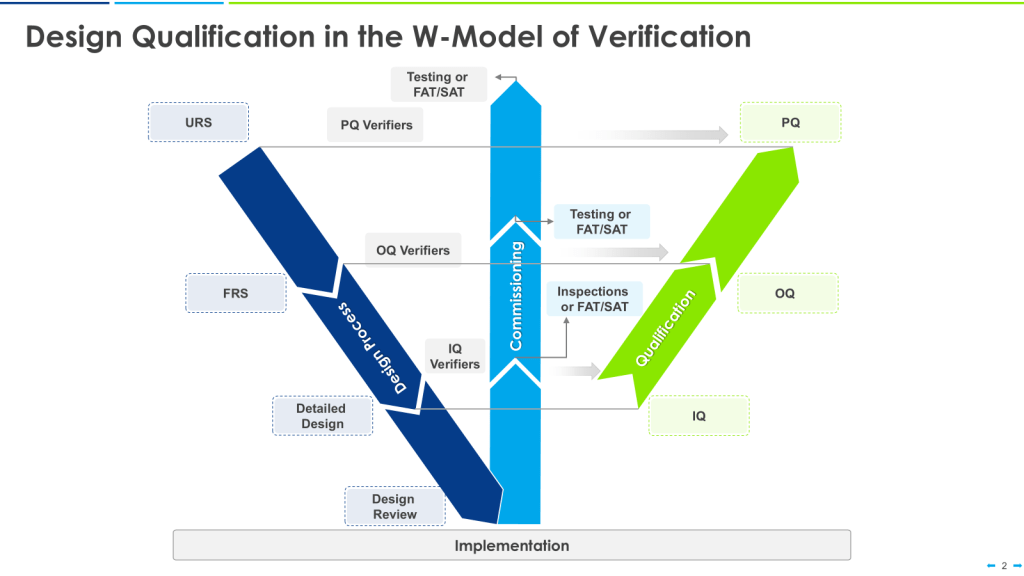
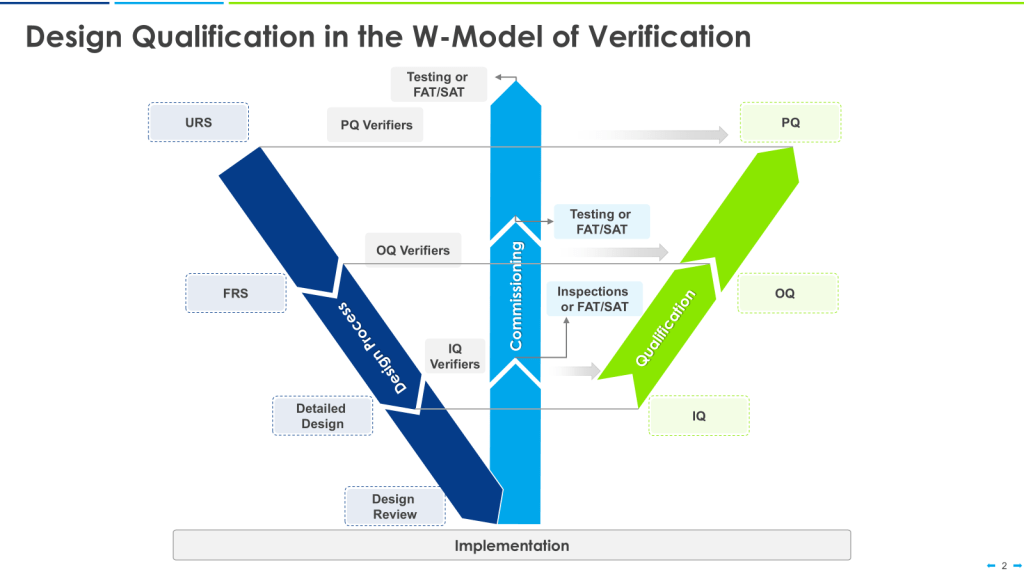
The W-model is an extension of the V-model that explicitly incorporates commissioning activities:

  1. The first “V” represents the traditional V-model stages.
  2. The center portion of the “W” represents commissioning activities.
  3. The second “V” represents qualification activities.

This model provides more granularity to what is identified as “verification testing,” including both commissioning (e.g., FAT, SAT) and qualification testing (IQ, OQ, PQ).
Aspect4Q ModelV-ModelW-Model
StagesDQ, IQ, OQ, PQUser Requirements, Functional Specs, Design Specs, IQ, OQ, PQUser Requirements, Functional Specs, Design Specs, Commissioning, IQ, OQ, PQ
FocusSequential qualification stagesLinking development and testing phasesIntegrating commissioning with qualification
FlexibilityModerateHighHigh
Emphasis on CommissioningLimitedLimitedExplicit
Risk-based ApproachCan be incorporatedCan be incorporatedInherently risk-based

Where Qualifcation Fits into the Regulatory Landscape and Industry Guidelines

WHO Guidelines

The World Health Organization (WHO) provides guidance on validation and qualification in its “WHO good manufacturing practices for pharmaceutical products: main principles”. While not explicitly endorsing a specific model, WHO emphasizes the importance of a systematic approach to validation.

EMA Guidelines

The European Medicines Agency (EMA) has published guidelines on process validation for the manufacture of biotechnology-derived active substances and data to be provided in regulatory submissions. These guidelines align with the principles of ICH Q8, Q9, and Q10, promoting a lifecycle approach to validation.

Annex 15 provides guidance on qualification and validation in pharmaceutical manufacturing. Regarding Design Qualification (DQ), Installation Qualification (IQ), Operational Qualification (OQ), and Performance Qualification (PQ) which is pretty much either the V or W model.

Annex 15 emphasizes a lifecycle approach to validation, considering all stages from initial development of the user requirements specification through to the end of use of the equipment, facility, utility, or system. The main stages of qualification and some suggested criteria are indicated as a “could” option, allowing for flexibility in approach.

Annex 15 provides a structured yet flexible approach to qualification, allowing pharmaceutical manufacturers to adapt their validation strategies to the complexity of their equipment and processes while maintaining compliance with regulatory requirements.

FDA Guidance

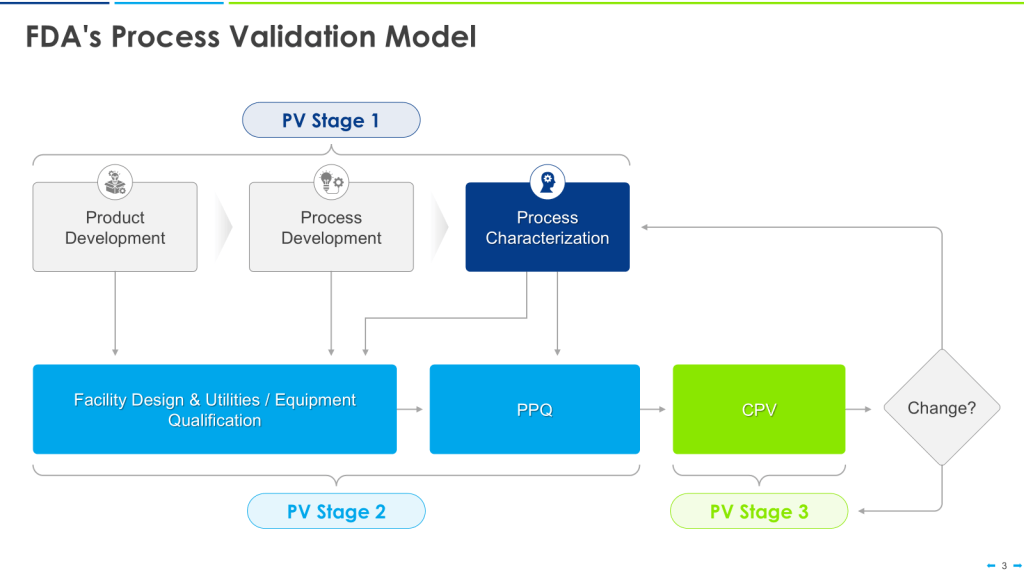
The U.S. Food and Drug Administration (FDA) issued its “Guidance for Industry: Process Validation: General Principles and Practices” in 2011. This guidance emphasizes a lifecycle approach to process validation, consisting of three stages: process design, process qualification, and continued process verification.

ASTM E2500

ASTM E2500, “Standard Guide for Specification, Design, and Verification of Pharmaceutical and Biopharmaceutical Manufacturing Systems and Equipment,” provides a risk-based approach to validation. It introduces the concept of “verification” as an alternative to traditional qualification steps, allowing for more flexible and efficient validation processes.

ISPE Guidelines

The International Society for Pharmaceutical Engineering (ISPE) has published several baseline guides and good practice guides that complement regulatory requirements. These include guides on commissioning and qualification, as well as on the implementation of ASTM E2500.

Baseline Guide Vol 5: Commissioning & Qualification (Second Edition)

This guide offers practical guidance on implementing a science and risk-based approach to commissioning and qualification (C&Q). Key aspects include:

  • Applying Quality Risk Management to C&Q
  • Best practices for User Requirements Specification, Design Review, Design Qualification, and acceptance/release
  • Efficient use of change management to support C&Q
  • Good Engineering Practice documentation standards

The guide aims to simplify and improve the C&Q process by integrating concepts from regulatory guidances (EMA, FDA, ISO) and replacing certain aspects of previous approaches with Quality Risk Management and Good Engineering Practice concepts.

Conclusion

While the 4Q, V, and W models provide structured approaches to validation, the pharmaceutical industry is increasingly moving towards risk-based and science-driven methodologies. Regulatory agencies and industry organizations are promoting flexible approaches that focus on critical aspects of product quality and patient safety.

By leveraging guidelines such as ASTM E2500 and ISPE recommendations, pharmaceutical companies can develop efficient validation strategies that meet regulatory requirements while optimizing resources. The key is to understand the principles behind these models and guidelines and apply them in a way that best suits the specific needs of each facility, system, or process.
Performing Design Review and Design Qualification

A critical step in ensuring the quality and safety of processes as part of verification is Design Review, which is sometimes expanded to Design Qualification.

Design Review: The Foundation of Quality

Design Review is a systematic, documented examination of a proposed design to evaluate its adequacy and identify potential issues early in the development process. Here’s how to conduct an effective Design Review:

  1. Plan Systematically: Schedule reviews at appropriate stages of development, ensuring they align with your project timeline.
  2. Involve the Right People: Include representatives from all relevant functions and an independent reviewer not directly responsible for the design stage being evaluated.
  3. Focus on Critical Aspects: Prioritize design elements that directly impact product quality and patient safety.
  4. Document Thoroughly: Record all findings, including the design under review, participants, date, and any proposed actions.
  5. Iterate as Needed: Conduct reviews iteratively as supplier design documents are published, allowing for early issue identification and correction.

Design Qualification: Verifying Suitability

Design Qualification (DQ) is the documented verification that the proposed design of facilities, equipment, or systems is suitable for its intended purpose. Here’s how to implement DQ effectively:

  1. Develop User Requirements: Create a detailed User Requirements Specification (URS) outlining what the equipment or system is expected to do.
  2. Create Functional Specifications: Translate user requirements into technical specifications that guide the design process.
  3. Perform Risk Assessment: Identify potential risks associated with the design and develop mitigation strategies.
  4. Review Design Specifications: Ensure the design meets all specified requirements, including GMP and regulatory standards.
  5. Document and Approve: Formally document the DQ process and obtain approval from key stakeholders, including quality assurance personnel.

Integrating Design Review and DQ

To maximize the effectiveness of these processes:

  1. Use a Risk-Based Approach: Prioritize efforts based on the level of risk to product quality and patient safety.
  2. Leverage Subject Matter Experts: Involve SMEs from the start to contribute their expertise throughout the process.
  3. Implement Change Management: Establish a robust system to manage design changes effectively and avoid late-stage issues.
  4. Ensure Quality Oversight: Have Quality Assurance provide oversight to maintain compliance with current regulations and GMP requirements.
  5. Document Comprehensively: Maintain thorough records of all reviews, qualifications, and decisions made during the process.

Implementing a systematic approach to Design Review and Design Qualification not only helps meet regulatory expectations but also contributes to operational efficiency and product excellence. As the pharmaceutical landscape evolves, staying committed to these foundational practices will remain crucial for success in this highly regulated industry.

The Types of User Requirements

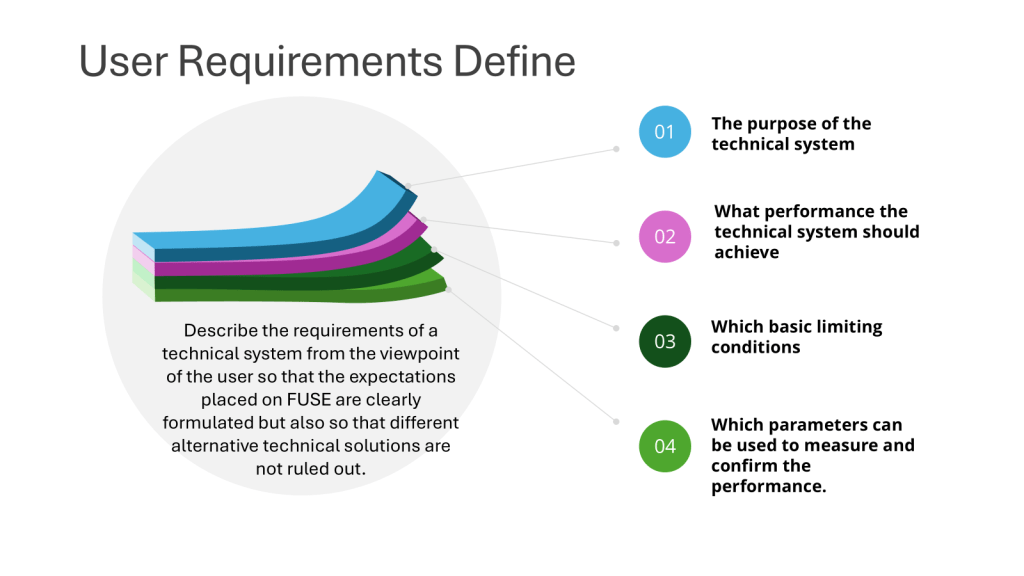
User requirements are typically divided into several categories to ensure comprehensive coverage of all aspects of product development, manufacturing, and quality control and to help guide the risk-based approach to verification.

Product User Requirements

These requirements relate directly to the product being manufactured and the processes involved in its production. They include:

  • Critical Quality Attributes (CQAs) of the product
  • Critical Process Parameters (CPPs)
  • Required throughput and production conditions
  • Specifications for raw materials and finished products

Quality Requirements

Quality requirements focus on ensuring that the product meets all necessary quality standards and regulatory compliance. This category includes:

  • Good Manufacturing Practices (GMP) compliance, including around cleaning, cross-contamination, etc to ensure compliance with various regulations such as FDA guidelines, EU GMP, and ICH standards.
  • Documentation and record-keeping standards
  • Contamination control strategies are a key part of quality requirements, as they are essential for maintaining product quality and patient safety.
  • Data integrity requirements fall under this category, as they are crucial for ensuring the quality and reliability of data.

Not everyone advocates for this breakdown but I am a huge proponent as it divides the product specific requirements for the more standard must’s of meeting the cGMPs that are not product specific. This really helps when you are a multi-product facility and it helps define what is in the PQ versus what is in the PPQ.

Safety User Requirements

Safety requirements address the safety of personnel, patients, and the environment. They encompass:

  • Occupational health and safety measures
  • Environmental protection protocols
  • Patient safety considerations in product design

General User Requirements

General requirements cover broader aspects of the manufacturing system and facility. These may include:

  • Facility design and layout
  • Equipment specifications
  • Utility requirements (e.g., power, water, HVAC)
  • Maintenance procedures

By categorizing user requirements in this way, pharmaceutical companies can ensure a comprehensive approach to product development and manufacturing, addressing all critical aspects from product quality to regulatory compliance and safety. This will help drive appropriate verification.

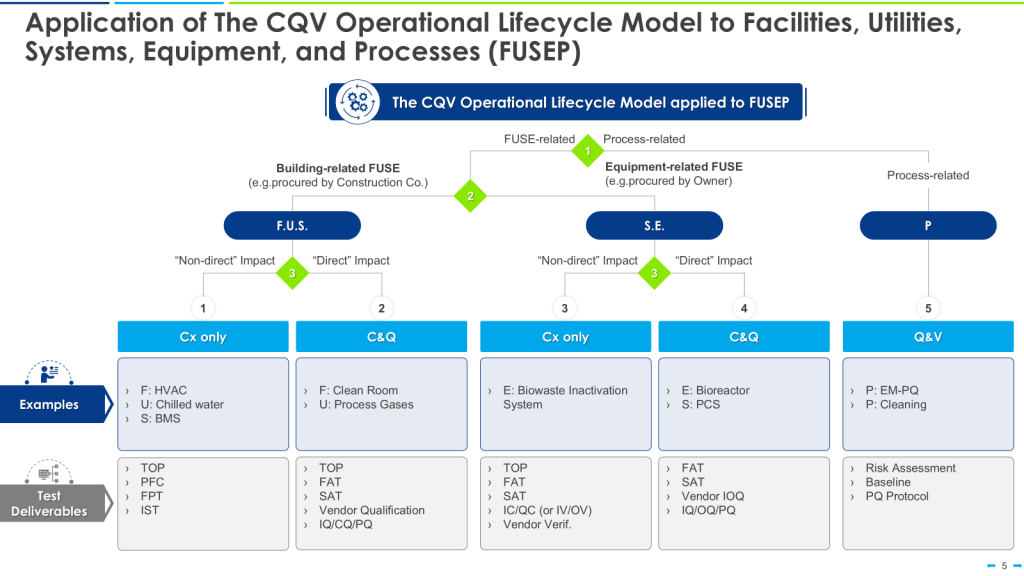
Building the FUSE(P) User Requirements in an ICH Q8, Q9 and Q10 World

“The specification for equipment, facilities, utilities or systems should be defined in a URS and/or a functional specification. The essential elements of quality need to be built in at this stage and any GMP risks mitigated to an acceptable level. The URS should be a point of reference throughout the validation life cycle.” – Annex 15, Section 3.2, Eudralex Volume 4

User Requirement Specifications serve as a cornerstone of quality in pharmaceutical manufacturing. They are not merely bureaucratic documents but vital tools that ensure the safety, efficacy, and quality of pharmaceutical products.

Defining the Essentials

A well-crafted URS outlines the critical requirements for facilities, equipment, utilities, systems and processes in a regulated environment. It captures the fundamental aspects and scope of users’ needs, ensuring that all stakeholders have a clear understanding of what is expected from the final product or system.

Building Quality from the Ground Up

The phrase “essential elements of quality need to be built in at this stage” emphasizes the proactive approach to quality assurance. By incorporating quality considerations from the outset, manufacturers can:

  • Minimize the risk of errors and defects
  • Reduce the need for costly corrections later in the process
  • Ensure compliance with Good Manufacturing Practice (GMP) standards

Mitigating GMP Risks

Risk management is a crucial aspect of pharmaceutical manufacturing. The URS plays a vital role in identifying and addressing potential GMP risks early in the development process. By doing so, manufacturers can:

  • Implement appropriate control measures
  • Design systems with built-in safeguards
  • Ensure that the final product meets regulatory requirements

The URS as a Living Document

One of the key points in the regulations is that the URS should be “a point of reference throughout the validation life cycle.” This underscores the dynamic nature of the URS and its ongoing importance.

Continuous Reference

Throughout the development, implementation, and operation of a system or equipment, the URS serves as:

  • A benchmark for assessing progress
  • A guide for making decisions
  • A tool for resolving disputes or clarifying requirements

Adapting to Change

As projects evolve, the URS may need to be updated to reflect new insights, technological advancements, or changing regulatory requirements. This flexibility ensures that the final product remains aligned with user needs and regulatory expectations.

Practical Implications

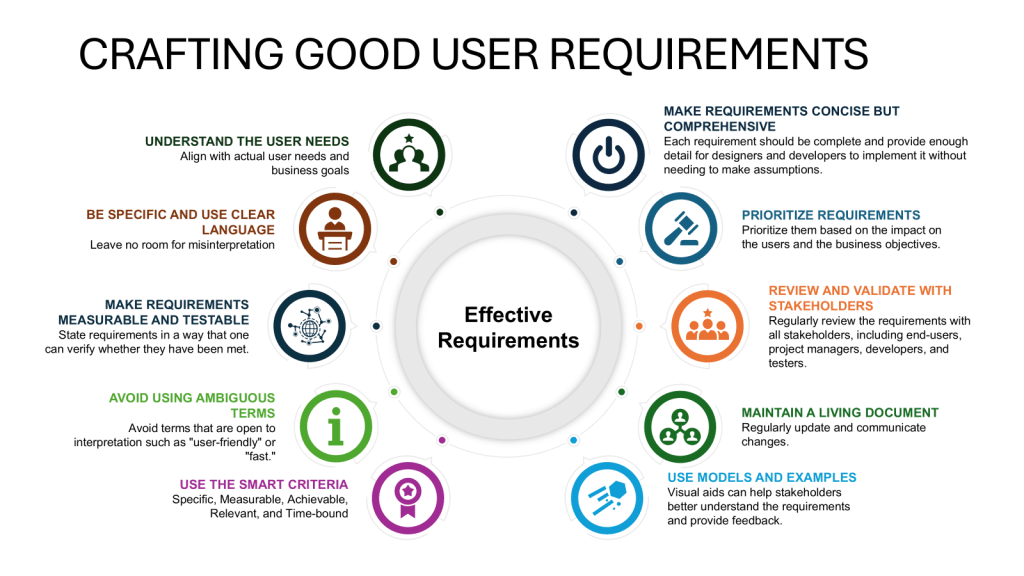
  1. Involve multidisciplinary teams in creating the URS, including representatives from quality assurance, engineering, production, and regulatory affairs.
  2. Conduct thorough risk assessments to identify potential GMP risks and incorporate mitigation strategies into the URS.
  3. Ensure clear, objectively stated requirements that are verifiable during testing and commissioning.
  4. Align the URS with company objectives and strategies to ensure long-term relevance and support.
  5. Implement robust version control and change management processes for the URS throughout the validation lifecycle.

Executing the Control Space from the Design Space

The User Requirements Specification (URS) is a mechanism for executing the control space, from the design space as outlined in ICH Q8. To understand that, let’s discuss the path from a Quality Target Product Profile (QTPP) to Critical Quality Attributes (CQAs) to Critical Process Parameters (CPPs) with Proven Acceptable Ranges (PARs), which is a crucial journey in pharmaceutical development using Quality by Design (QbD) principles. This systematic approach ensures that the final product meets the desired quality standards and user needs.

It is important to remember that this is usually a set of user requirements specifications, respecting the system boundaries.

From QTPP to CQAs

The journey begins with defining the Quality Target Product Profile (QTPP). The QTPP is a comprehensive summary of the quality characteristics that a drug product should possess to ensure its safety, efficacy, and overall quality. It serves as the foundation for product development and includes considerations such as:

  • Dosage strength
  • Delivery system
  • Dosage form
  • Container system
  • Purity
  • Stability
  • Sterility

Once the QTPP is established, the next step is to identify the Critical Quality Attributes (CQAs). CQAs are physical, chemical, biological, or microbiological properties that should be within appropriate limits to ensure the desired product quality. These attributes are derived from the QTPP and are critical to the safety and efficacy of the product.

From CQAs to CPPs

With the CQAs identified, the focus shifts to determining the Critical Process Parameters (CPPs). CPPs are process variables that have a direct impact on the CQAs. These parameters must be monitored and controlled to ensure that the product consistently meets the desired quality standards. Examples of CPPs include:

  • Temperature
  • pH
  • Cooling rate
  • Rotation speed

The relationship between CQAs and CPPs is established through risk assessment, experimentation, and data analysis. This step often involves Design of Experiments (DoE) to understand how changes in CPPs affect the CQAs. This is Process Characterization.

Establishing PARs

For each CPP, a Proven Acceptable Range (PAR) is determined. The PAR represents the operating range within which the CPP can vary while still ensuring that the CQAs meet the required specifications. PARs are established through rigorous testing and validation processes, often utilizing statistical tools and models.

Build the Requirements for the CPPs

The CPPs with PARs are process parameters that can affect critical quality attributes of the product and must be controlled within predetermined ranges. These are translated into user requirements. Many will specifically label these as Product User Requirements (PUR) to denote they are linked to the overall product capability. This helps to guide risk assessments and develop an overall verification approach.

Most of Us End Up on the Less than Happy Path

This approach is the happy path that aligns nicely with the FDA’s Process Validation Model.

This can quickly break down in the real world. Most of us go into CDMOs with already qualified equipment. We have platforms on which we’ve qualified our equipment, too. We don’t know the CPPs until just before PPQ.

This makes the user requirements even more important as living documents. Yes, we’ve qualified our equipment for these large ranges. Now that we have the CPPs, we update the user requirements for the Product User Requirements, perform an overall assessment of the gaps, and, with a risk-based approach, do additional verification activations either before or as part of Process Performance Qualification (PPQ).

Validating Manufacturing Process Closure for Biotech Utilizing Single-Use Systems (SUS)

Maintaining process closure is crucial for ensuring product quality and safety in biotechnology manufacturing, especially when using single-use systems (SUS). This approach is an integral part of the contamination control strategy (CCS). To validate process closure in SUS-based biotech manufacturing, a comprehensive method is necessary, incorporating:

  1. Risk assessment
  2. Thorough testing
  3. Ongoing monitoring

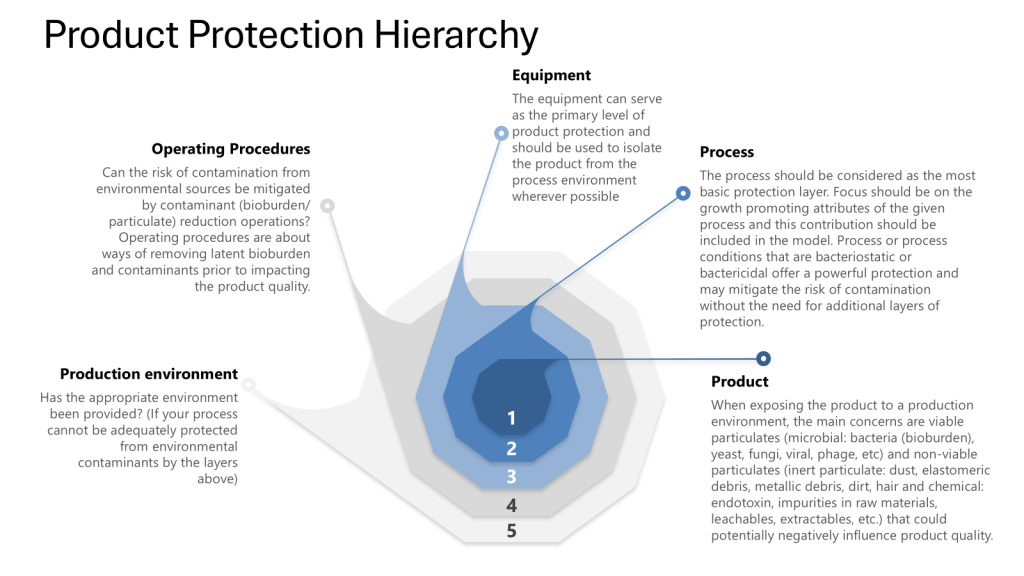
By employing risk analysis tools such as Hazard Analysis and Critical Control Points (HACCP) and Failure Mode and Effects Analysis (FMEA), manufacturers can identify potential weaknesses in their processes. Additionally, addressing all four layers of protection helps ensure process integrity and product safety. This risk-based approach to process closure validation is essential for maintaining the high standards required in biotechnology manufacturing, including meeting Annex 1.

Understanding Process Closure

Process closure refers to the isolation of the manufacturing process from the external environment to prevent contamination. In biotech, this is particularly crucial due to the sensitivity of biological products and the potential for microbial contamination.

The Four Layers of Protection

Throughout this process it is important to apply the four layers of protection that form the foundation of a robust contamination control strategy:

  1. Process: The inherent ability of the process to prevent or control contamination
  2. Equipment: The design and functionality of equipment to maintain closure
  3. Operating Procedures: The practices and protocols followed by personnel
  4. Production Environment: The controlled environment surrounding the process

I was discussing this with some colleagues this week (preparing for some risk assessments) and I was reminded that we really should put the Patient in at the center, the zero. Truer words have never been spoken as the patient truly is our zeroth law, the fundamental principle of the GxPs.

Key Steps for Validating Process Closure

Risk Assessment

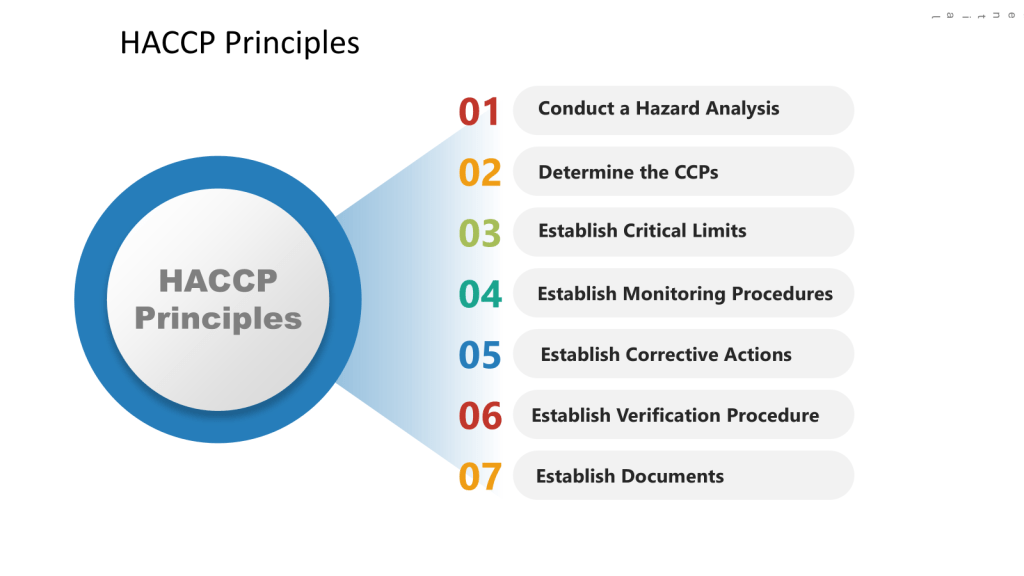
Start with a comprehensive risk assessment using tools such as HACCP (Hazard Analysis and Critical Control Points) and FMEA (Failure Mode and Effects Analysis). It is important to remember this is not a one or another, but a multi-tiered approach where you first determine the hazards through the HACCP and then drill down into failures through an FMEA.

HACCP Approach

In the HACCP we will apply a systematic, preventative approach to identify hazards in the process with the aim to produce a documented plan to control these scenarios.

a) Conduct a hazard analysis
b) Identify Critical Control Points (CCPs)
c) Establish critical limits
d) Implement monitoring procedures
e) Define corrective actions
f) Establish verification procedures
g) Maintain documentation and records

FMEA Considerations

In the FMEA we will look for ways the process fails, focusing on the SUS components. We will evaluate failures at each level of control (process, equipment, operating procedure and environment).

  • Identify potential failure modes in the SUS components
  • Assess the severity, occurrence, and detectability of each failure mode
  • Calculate Risk Priority Numbers (RPN) to prioritize risks

Verification

Utilizing these risk assessments, define the user requirements specification (URS) for the SUS, focusing on critical aspects that could impact product quality and patient safety. This should include:

  • Process requirements (e.g. working volumes, flow rates, pressure ranges)
  • Material compatibility requirements
  • Sterility/bioburden control requirements
  • Leachables/extractables requirements
  • Integrity testing requirements
  • Connectivity and interface requirements

Following the ASTM E2500 approach, when we conduct the design review of the proposed SUS configuration, to evaluate how well it meets the URS, we want to ensure we cover:

  • Overall system design and component selection
  • Materials of construction
  • Sterilization/sanitization approach
  • Integrity assurance measures
  • Sampling and monitoring capabilities
  • Automation and control strategy

Circle back to the HACCP and FMEA to ensure they appropriately cover critical aspects like:

  • Loss of sterility/integrity
  • Leachables/extractables introduction
  • Bioburden control failures
  • Cross-contamination risks
  • Process parameter deviations

These risk assessments will define critical control parameters and acceptance criteria based on the risk assessment. These will form the basis for verification testing. We will through our verification plan have an appropriate approach to:

  • Verify proper installation of SUS components
  • Check integrity of connections and seals
  • Confirm correct placement of sensors and monitoring devices
  • Document as-built system configuration
  • Test system integrity under various operating conditions
  • Perform leak tests on connections and seals
  • Validate sterilization processes for SUS components
  • Verify functionality of critical sensors and control
  • Run simulated production cycles
  • Monitor for contamination using sensitive detection methods
  • Verify maintenance of sterility throughout the process
  • Assess product quality attributes

The verification strategy will leverage a variety of supplier documentation and internal testing.

Closure Analysis Risk Assessment (CLARA)

Acceptance and release will be to perform a detailed CLARA to:

  • Identify all potential points of contamination ingress
  • Assess the effectiveness of closure mechanisms
  • Evaluate the robustness of aseptic connections
  • Determine the impact of manual interventions on system closure

On Going Use

Coming out of our HACCP we will have a monitoring and verification plan, this will include some important aspects based on our CCPs.

  • Integrity Testing
    • Implement routine integrity testing protocols for SUS components
    • Utilize methods such as pressure decay tests or helium leak detection
    • Establish acceptance criteria for integrity tests
  • Environmental Monitoring
    • Develop a comprehensive environmental monitoring program
    • Include viable and non-viable particle monitoring
    • Establish alert and action limits for environmental contaminants
  • Operator Training and Qualification
    • Develop detailed SOPs for SUS handling and assembly
    • Implement a rigorous training program for operators
    • Qualify operators through practical assessments
  • Change Control and Continuous Improvement
    • Establish a robust change control process for any modifications to the SUS or process
    • Regularly review and update risk assessments based on new data or changes
    • Implement a continuous improvement program to enhance process closure

Leveraging the Four Layers of Protection

Throughout the validation process, ensure that each layer of protection is addressed:

  1. Process:
    • Optimize process parameters to minimize contamination risks
    • Implement in-process controls to detect deviations
  2. Equipment:
    • Validate the design and functionality of SUS components
    • Ensure proper integration of SUS with existing equipment
  3. Operating Procedures:
    • Develop and validate aseptic techniques for SUS handling
    • Implement procedures for system assembly and disassembly
  4. Production Environment:
    • Qualify the cleanroom environment
    • Validate HVAC systems and air filtration

Remember that validation is an ongoing process. Regular reviews, updates to risk assessments, and incorporation of new technologies and best practices are essential for maintaining a state of control in biotech manufacturing using single-use systems.

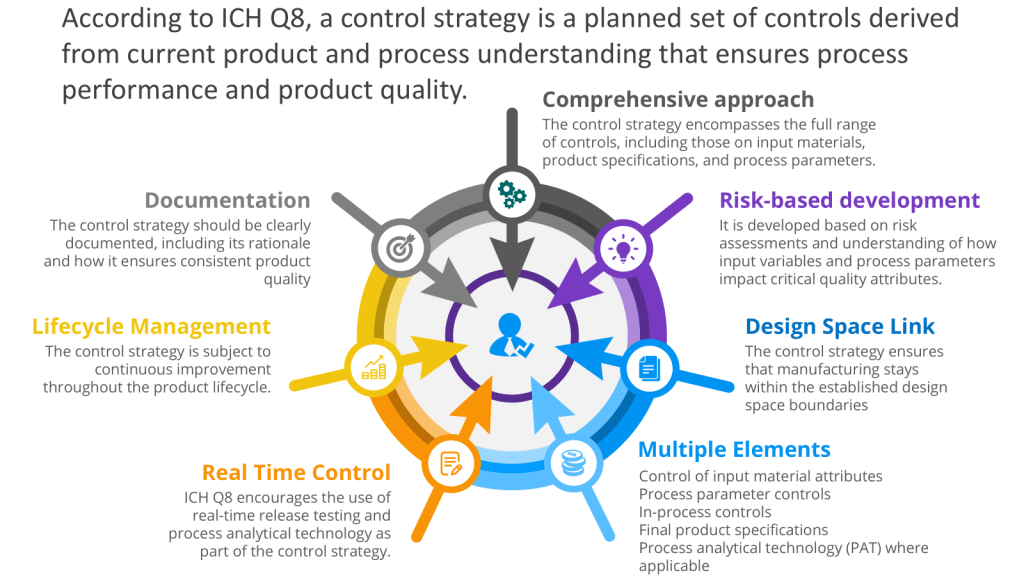
Connected to the Contamination Control Strategy

Closed systems are a key element of the overall contamination control strategy with closed processing and closed systems now accepted as the most effective contamination control risk mitigation strategy. I might not be able to manufacture in the woods yet, but darn if I won’t keep trying.

They serve as a primary barrier to prevent contamination from the manufacturing environment by helping to mitigate the risk of contamination by isolating the product from the surrounding environment. Closed systems are the key protective measure to prevent contamination from the manufacturing environment and cross-contamination from neighboring operations.

The risk assessments leveraged during the implementation of closed systems are a crucial part of developing an effective CCS and will communicate the (ideally) robust methods used to protect products from environmental contamination and cross-contamination. This is tied into the facility design, environmental controls, risk assessments, and overall manufacturing strategies, which are the key components of a comprehensive CCS.