For managers in an organization it is critical to understand and nurture the capabilities of our team members. I spend a lot of time on this blog talking about capability and competence frankly because they are an elusive concept, invisible to the naked eye. We can only perceive it through its manifestations – the tangible outputs and results produced by our team. This presents a unique challenge: how do we accurately gauge a team member’s highest level of capability?
The Evidence-Based Approach
The key to unraveling this mystery lies in evidence. We must adopt a systematic, iterative approach to testing and challenging our team members through carefully designed project work. This method allows us to gradually uncover the true extent of their competence.
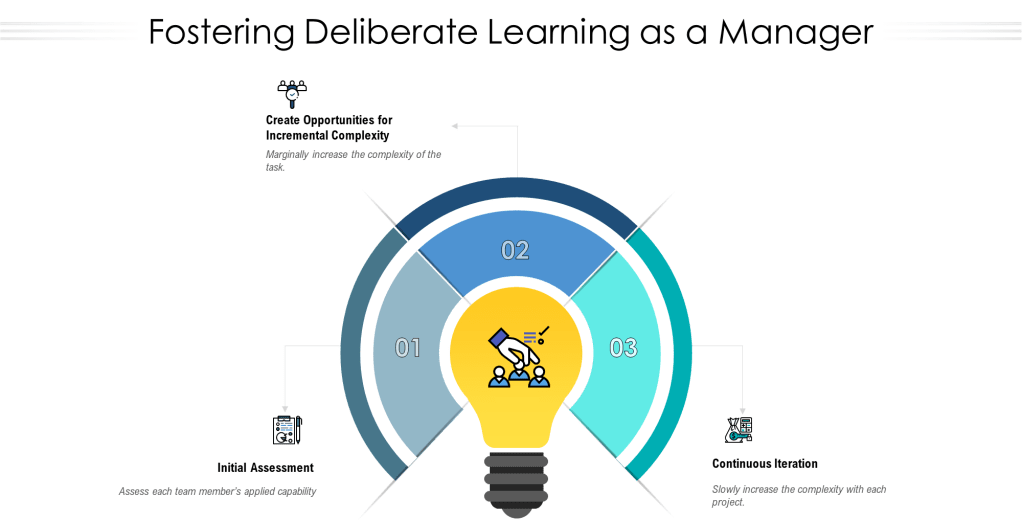
Step 1: Initial Assessment
The journey begins with a quick assessment of the team member’s current applied capability. This involves examining the fruits of their labor – the tangible outcomes of their work. As managers, we must rely on our intuitive judgment to evaluate these results. I strongly recommend this is a conversation with the individual as well.
Step 2: Incremental Complexity
Once we have established a baseline, the next step is to marginally increase the complexity of the task. This takes the form of a new project, slightly more challenging than the previous one. Crucially, we must promise a project debrief upon completion. This debrief serves as a valuable learning opportunity for both the team member and the manager.
If the project is successful, it becomes a springboard for the next challenge. We continue this process, incrementally increasing the complexity with each new project, always ensuring a debrief follows. This cycle persists until we reach a point of failure.
The Point of Failure: A Revelatory Moment
When a team member encounters failure, we gain invaluable insights into their competence. This moment of truth illuminates both their strengths and limitations. We now have a clearer understanding of where they excel and where they struggle.
However, this is not the end of the journey. After allowing some time for reflection and growth, we must challenge them again. This process of continual challenge and assessment should persist throughout the team member’s tenure with the organization.
The Role of Deliberate Practice
This approach aligns closely with the concept of deliberate practice, which is fundamental to the development of expertise. By providing our team members with guided practice, observation opportunities, problem-solving challenges, and experimentation, we create an environment conducive to skill development.
Building Competence
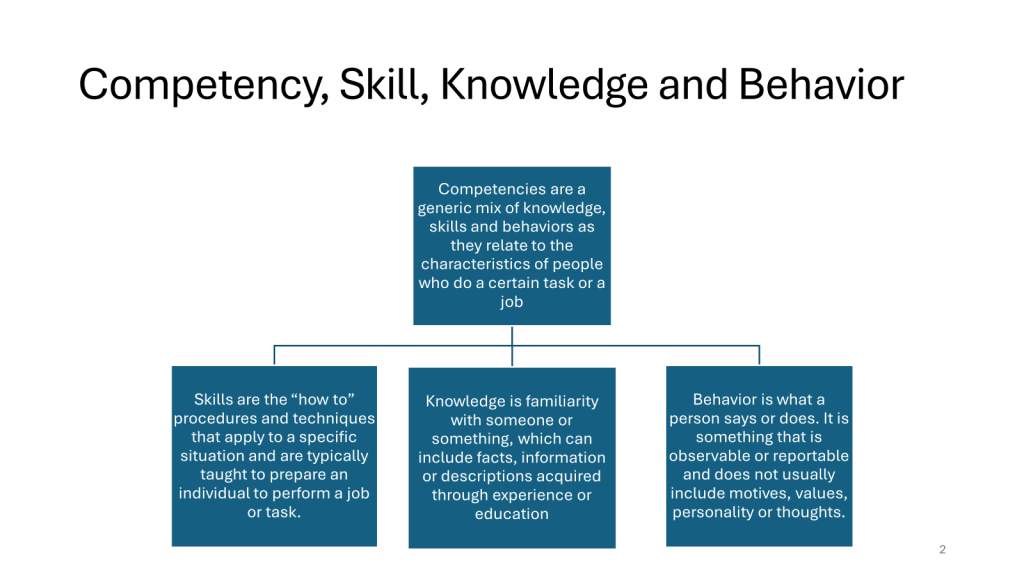
Remember, competence is a combination of capability and skill. While we cannot directly observe capability, we can nurture it through this process of continual challenge and assessment. By doing so, we also develop the skill component, as team members gain more opportunities for practice.
The Manager’s Toolkit
To effectively implement this approach, managers should cultivate several key attributes:
System thinking: Understanding the interdependencies within projects and anticipating consequences.
Judgment: Making rapid, wise decisions about when to increase complexity.
Context awareness: Taking into account the unique circumstances of each team member and project.
Interpersonal skills: Motivating and leading team members through challenges.
Communication: Constructing and delivering clear, persuasive messages about project goals and expectations.
By embracing this evidence-based, iterative approach to assessing capability, managers can unlock the hidden potential within their teams. It’s a continuous journey of discovery, challenge, and growth – one that benefits both the individual team members and the organization as a whole.
Organizational competencies are the skills, abilities, and knowledge that allow an organization to be successful in achieving its goals. They form the foundation of an organization’s culture, values, and strategy.
Organizational competencies can be broadly divided into two main categories:
Technical Competencies
Non-Technical Competencies (also called General Competencies)
Technical Competencies
Technical competencies are specific skills and knowledge required to perform particular jobs or functions within an organization. They are directly related to the core business activities and technical aspects of the work. For technical competencies:
They cover various fields of expertise relevant to the specific work carried out in the organization
They are at the heart of what the organizational employees do
They allow an organization to produce products or services efficiently and effectively
They often require ongoing training and reinforcement to stay current
Non-Technical Competencies
Non-technical competencies, also known as general competencies or soft skills, are broader skills and attributes that are important across various roles and functions. They include:
These competencies are crucial for effective interaction, collaboration, and overall organizational success.
Organizational Competencies for Validation (an example)
For an organization focusing on validation the following competencies would be particularly relevant:
Technical Competencies
Skill Area
Key Aspects
Proficiency Levels
Beginner
Intermediate
Advanced
Expert
General CQV Principles
Modern process validation and
guidance
Validation design and how to
reduce variability
Able
to review a basic protocol
Able
to review/approve Validation document deliverables.
Understands
the importance of a well-defined URS.
Able to be QEV lead in a small
project
Able to answer questions and
guide others in QEV
Participates in process
improvement
Able to review and approve
RTM/SRs
Able
to be QEV lead in a large project project
Trains
and mentors others in QEV
Leads
process improvement initiatives
Able
to provide Quality oversight on the creation of Validation Plans for complex
systems and/or projects
Sets
overall CQV strategy
Recognized
as an expert outside of JEB
Facilities
and Utilities
Oversee Facilities, HVAC and
Controlled Environments
Pharma Water and WFI
Pure Steam, Compressed Air,
Medical Gases
Understands
the principles and GMP requirements
Applies the principles,
activities, and deliverables that constitute an efficient and acceptable
approach to demonstrating facility fitness-for-use/qualification
Guide
the Design to Qualification Process for new facilities/utilities or the
expansion of existing facilities/utilities
Able
to establish best practices
Systems
and Equipment
Equipment, including Lab
equipment
Understands
the principles and GMP requirements
Principles, activities, and
deliverables that constitute an efficient and acceptable approach to
demonstrating equipment fitness-for-use/qualification
Able
to provide overall strategy for large projects
Able
to be QEV lead on complex systems and equipment.
Able
to establish best practices
Computer
Systems and Data Integrity
Computer lifecycle, including
validation
Understands
the principles and GMP requirements
Able to review CSV documents
Apply GAMP5 risk
based approach
Day-to-day quality oversight
Able
to provide overall strategy for a risk based GAMP5 approach to computer
system quality
Able
to establish best practices
Asset Lifecycle
Quality
oversight and decision making in the lifecycle asset lifecycle: Plan,
acquire, use, maintain, and dispose of assets
Can
use CMMS to look up Calibrations, Cal schedules and PM schedules
Quality
oversight of asset lifecycle decisions
Able
to provide oversight on Cal/PM frequency
Able
to assess impact to validated state for corrective WO’s.
Able
to establish asset lifecycle for new equipment classes
Establish
risk-based PM for new asset classes
verification
Establish
asset lifecycle approach
Serves
as the organization’s authority on GMP requirements related to asset
management in biotech facilities
Cleaning, Sanitization and Sterilization Validation
Evaluate
and execute cleaning practices, limit calculations, scientific rationales,
and validation documents
Manage
the challenges of multi-product facilities in the establishment of limits,
determination of validation strategies, and maintaining the validated state
Differentiate
the requirements for cleaning and sterilization validation when using manual,
semi-automatic, and automatic cleaning technologies
Review
protocols
Identify
and characterize potential residues including product, processing aids,
cleaning agents, and adventitious agents
Understand
Sterilization principles and requirements
Create,
review and approve scientifically sound rationales, validation protocols, and
reports
Manage
and remediate the pitfalls inherent in cleaning after the production of
biopharmaceutical and pharmaceutical products
Define
cleaning/sterilization validation strategy
Implements
a lifecycle approach to validation, ensuring continued process verification
Implements
a lifecycle approach to validation, ensuring continued process verification
Quality Risk Management
Apply
QRM principles according to Q9
Understands
basic risk assessment principles
Can
identify potential hazards and risks
Familiar
with risk matrices and scoring methods
Participate
in a risk assessment
Conducts
thorough risk assessments using established methodologies
Analyzes
risks quantitatively and qualitatively
Prioritizes
risks based on likelihood and impact
Determine
appropriate tools
Establish
risk-based decision-making tools
Leads
complex risk assessments across multiple areas
Develops
new risk assessment methodologies
Provides
expert guidance on risk analysis techniques
Serves
as the organization’s authority on regulatory requirements and expectations
related to quality risk management
Builds
a proactive risk culture across the organization, fostering risk awareness at
all levels
Process Validation
Demonstrating
that the manufacturing process can consistently produce a product that meets
predetermined specifications and quality attributes.
Understanding
of GMP principles and regulatory requirements
Basic
understanding of GMP principles and regulatory requirements
Can
independently write, approve and execute validation protocols for routine
processes
Ability to develop validation master plans
and protocols
Understanding
of critical process parameters (CPPs) and critical quality attributes (CQAs)
Expertise
in designing and implementing complex validation strategies
Ability
to troubleshoot and resolve validation issues
Deep
understanding of regulatory expectations and industry best practices
Leads
cross-functional validation teams for high-impact projects
Develops
innovative validation approaches for novel bioprocesses
Serves
as an organizational authority on validation matters and regulatory
interactions
Reflective learning is a powerful tool that organizations can leverage to build competency and drive continuous improvement. At its core, this approach involves actively analyzing and evaluating experiences and learning processes to enhance understanding and performance across all levels of the organization.
The process of reflective learning begins with individuals and teams taking the time to step back and critically examine their actions, decisions, and outcomes. This introspection allows them to identify what worked well, what didn’t, and why. By doing so, they can uncover valuable insights that might otherwise go unnoticed in the day-to-day rush of business activities.
One of the key benefits of reflective learning is its ability to transform tacit knowledge into explicit knowledge. Tacit knowledge is the unspoken, intuitive understanding that individuals develop through experience. By reflecting on and articulating these insights, organizations can capture and share this valuable wisdom, making it accessible to others and fostering a culture of collective learning.
To implement reflective learning effectively, organizations should create structured opportunities for reflection. This might include regular debriefing sessions after projects, dedicated time for personal reflection, or the use of learning journals. Additionally, leaders should model reflective practices and encourage open and honest discussions about both successes and failures.
It’s important to note that reflective learning is not just about looking back; it’s also about looking forward. The insights gained through reflection should be used to inform future actions and strategies. This forward-thinking approach helps organizations to be more adaptable and responsive to changing circumstances, ultimately leading to improved performance and innovation.
By embracing reflective learning as a core organizational practice, companies can create a dynamic environment where continuous learning and improvement become ingrained in the culture. This not only enhances individual and team performance but also contributes to the overall resilience and competitiveness of the organization in an ever-changing business landscape.
Implement Regular After-Action Reviews
After-action reviews (AARs) or Lessons Learned are critical to provide a structured way for teams to reflect on projects, initiatives, or events. To implement effective AARs:
Schedule them immediately after key milestones or project completions
Focus on what was planned, what actually happened, why there were differences, and what can be learned
Encourage open and honest discussion without blame
Document key insights and action items
Create a Supportive Environment for Reflection
Foster a culture that values and encourages reflection:
Provide dedicated time and space for individual and group reflection
Model reflective practices at the leadership level
Recognize and reward insights gained through reflection
By systematically implementing these practices, organizations can build a strong competency in reflective learning, leading to improved decision-making, innovation, and overall performance. Utilizing a model always helps.
Kolb’s Reflective Model
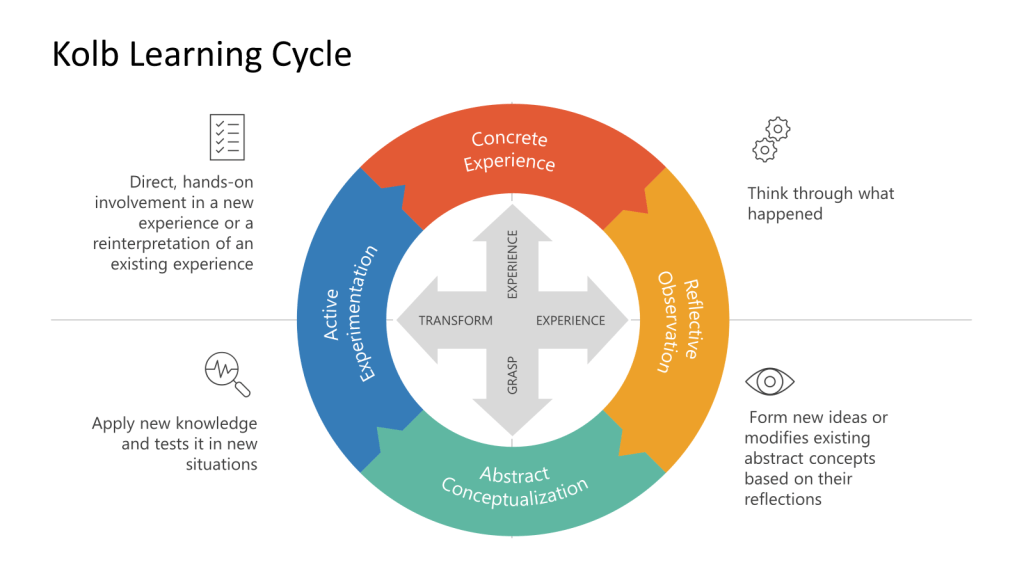
Kolb’s reflective model, also known as Kolb’s experiential learning cycle, is a widely used framework for understanding how people learn from experience. The model consists of four stages that form a continuous cycle of learning:
The Four Stages of Kolb’s Reflective Model
Concrete Experience: This is the stage where the learner actively experiences an activity or situation. It involves direct, hands-on involvement in a new experience or a reinterpretation of an existing experience.
Reflective Observation: In this stage, the learner reflects on and reviews the experience. They think about what happened, considering their feelings and the links to their existing knowledge and skills.
Abstract Conceptualization: Here, the learner forms new ideas or modifies existing abstract concepts based on their reflections. This stage involves analyzing the experience and drawing conclusions about what was learned.
Active Experimentation: In the final stage, the learner applies their new knowledge and tests it in new situations. This involves planning how to put the new learning into practice and experimenting with new approaches.
Create Opportunities for Concrete Experiences: Provide employees with hands-on learning experiences, such as job rotations, simulations, or real-world projects.
Encourage Reflection: Set up regular reflection sessions or debriefings after significant experiences. Encourage employees to keep learning journals or participate in group discussions to share their observations.
Facilitate Conceptualization: Provide resources and support for employees to analyze their experiences and form new concepts. This could involve training sessions, mentoring programs, or access to relevant literature and research.
Support Active Experimentation: Create a safe environment for employees to apply their new knowledge and skills. Encourage innovation and provide opportunities for employees to test new ideas in their work.
Integrate the Model into Learning Programs: Design training and development programs that incorporate all four stages of Kolb’s cycle, ensuring a comprehensive learning experience.
Personalize Learning: Recognize that individuals may have preferences for different stages of the cycle. Offer diverse learning opportunities to cater to various learning styles.
Measure and Iterate: Regularly assess the effectiveness of knowledge management initiatives based on Kolb’s model. Use feedback and results to continuously improve the learning process.
By incorporating Kolb’s reflective model into knowledge management practices, we can create a more holistic and effective approach to learning and development. This can lead to improved knowledge retention, better application of learning to real-world situations, and a more adaptable and skilled workforce.
– Expands on Kolb’s work – Recognizes various responses to potential learning situations
Backward Design
Grant Wiggins, Jay McTighe
1. Identify desired results 2. Determine acceptable evidence 3. Plan learning experiences and instruction
– Starts with learning outcomes – Focuses on designing effective learning experiences
Applying the Experiential Learning Model to Validation Competencies
To apply Kolb’s experiential learning model to building an organization’s competency for validation, we can structure the process as follows:
Concrete Experience
Have employees participate in actual validation activities or simulations
Provide hands-on training sessions on validation techniques and tools
Assign validation tasks to teams in real projects
Reflective Observation
Conduct debriefing sessions after validation activities
Encourage employees to keep validation journals or logs
Facilitate group discussions to share experiences and observations
Review validation results and outcomes as a team
Abstract Conceptualization
Offer formal training on validation principles, methodologies, and best practices
Encourage employees to develop validation frameworks or models based on their experiences
Analyze validation case studies from other organizations or industries
Create validation guidelines and standard operating procedures
Active Experimentation
Implement new validation approaches in upcoming projects
Encourage employees to propose and test innovative validation methods
Set up pilot programs to trial new validation tools or techniques
Assign employees to different types of validation projects to broaden their skills
To make this process continuous and effective:
Create a validation competency framework with clear learning objectives and skill levels
Develop a mentoring program where experienced team members guide less experienced colleagues
Establish regular knowledge-sharing sessions focused on validation topics
Implement a system for capturing and disseminating lessons learned from validation activities
Use technology platforms to support collaborative learning and information sharing about validation
Regularly assess and update the organization’s validation processes based on learning outcomes
Encourage cross-functional teams to work on validation projects to broaden perspectives
Partner with external experts or organizations to bring in fresh insights and best practices
Recognize and reward employees who demonstrate growth in validation competencies
Integrate validation competency development into performance reviews and career progression paths
By systematically applying Kolb’s model, we can create a robust learning environment that continuously improves our validation capabilities. This approach ensures that employees not only gain theoretical knowledge but also practical experience, leading to a more competent and adaptable workforce.
It is common for numerous meetings to go unrecorded, leading to the risk of losing valuable ideas that are dismissed. This can hinder the group’s ability to achieve its full potential, as revisiting past ideas has the potential to enhance overall performance. Forgetting is a significant barrier to generating innovative ideas; however, engaging in discussions about previous ideas can result in fresh insights. Fortunately, with the aid of chat windows, electronic whiteboards, and other virtual collaboration tools, it is possible to preserve past discussions effectively. This allows for easy access to previously overlooked ideas and facilitates thorough reviews, ultimately contributing to improved collaboration and innovation.
An idea vault is a tool or system that stores, organizes, and manages ideas for future use. This concept can be applied in various contexts, such as personal creativity, business innovation, and project management. Here’s a comprehensive guide on how to use an idea vault effectively:
Organizing Your Ideas
Ideas need to be curated to be of value:
Categorization: Group similar ideas together. Categories can be based on themes, projects, or types of ideas (e.g., story ideas, business concepts, marketing strategies).
Tagging: Use tags to make searching for specific ideas easier. Tags can include keywords, project names, or stages of development.
Prioritization: Rank your ideas based on their potential impact or urgency. This helps in focusing on the most promising ideas first.
Documentation: Provide enough detail for each idea so that you can understand and develop it later. This may include notes, sketches, diagrams, or links to related resources.
Using Your Idea Vault
With your ideas organized, you can now use your vault to enhance your creative and productive processes:
Idea Generation: Review your vault regularly to spark new ideas or find inspiration for current projects. Combining or modifying existing ideas can lead to innovative solutions.
Project Planning: Pull relevant ideas from your vault to create a solid foundation when starting a new project. This ensures that no good idea goes to waste.
Problem Solving: If you encounter a roadblock, your idea vault can provide alternative approaches or solutions you might not have considered initially.
Collaboration: Share your idea vault with team members or collaborators to gather feedback and build on each other’s ideas.
Maintenance and Updates
An idea vault is best used as a living document, which requires regular maintenance:
Regular Updates: Add new ideas as they come to you and update existing ones with new insights or developments.
Review and Cull: Periodically review your vault to remove outdated or irrelevant ideas. This keeps your vault focused and manageable.
Track Usage: Mark ideas that have been used or developed to avoid duplication and to keep track of your creative journey.
Blending Ideas
To make your ideas more interesting or unique, consider blending two or more concepts together. This can lead to unexpected and innovative outcomes. For example, combining elements from different genres or industries can result in novel solutions or creative projects.
By following these steps, you can effectively use an idea vault to capture, organize, and utilize your ideas, ensuring you and your team’s creative potential is fully realized.
I get it. When searching for a job, it’s easy to find the realities of that search depressing and direct criticism at hiring managers (or the recruiter, and it is almost never the recruiter) for slow hiring processes or seeming unresponsive to candidates. However, the reality is that most hiring managers, like myself, are not lazy – we are overwhelmed.
The Many Hats of a Hiring Manager
Hiring managers typically juggle multiple responsibilities beyond just recruiting:
We are managing our current team and ongoing projects. So many projects and remember we are all putting in too many hours as individual contributors.
Participating in strategic planning
Attending meetings and handling administrative tasks
Staying on top of industry trends and developments
On top of these day-to-day duties, hiring managers must also navigate the complex and time-consuming process of bringing on new team members. And too often, it is easy to get pulled away from hiring as critical issues happen.
The Time-Intensive Nature of Hiring
Recruiting quality candidates is far more involved than many realize:
Writing detailed job descriptions
Reviewing resumes and applications (often hundreds per role). Don’t underestimate the allure of just stopping after a certain point, picking your tops, and advancing them.
Conducting initial phone screenings. Which means coordinating at least two calendars.
Coordinating and participating in multiple rounds of interviews
Evaluating candidates and making hiring decisions
Negotiating offers and onboarding new hires
Studies show the average time to hire is 36 days, with hiring managers spending significant time on each step. For specialized or senior roles, the process can take even longer. In quality i’d love to take only 36 days, or 90.
Competing Priorities
While hiring is crucial, it often competes with other urgent business priorities. Managers must balance recruitment efforts with hitting targets, serving internal and external clients, and keeping current projects on track.
Apologies
Looking for a job sucks for everyone. The searcher hates it; the hiring manager hates the process; HR is just trying to keep things happening. Technology gets introduced, and frankly, it makes it more challenging. But we hiring managers aren’t lazy – we are dedicated professionals trying to balance competing priorities in a high-pressure environment.
I’m working with my therapist to become more comfortable with silence, which has never been one of my strengths. I’m researching and writing to figure out how to address this. Here are some thoughts on how I plan to incorporate this at work.
Why Silence?
Enhanced focus and reflection: Silence allows team members valuable time to process information, reflect on ideas, and formulate thoughtful responses, leading to deeper understanding and more insightful contributions.
Improved inclusivity: Silent periods level the playing field for all participants, giving everyone an equal opportunity to contribute regardless of personality type or language proficiency. This can help draw out insights from quieter team members who might otherwise struggle to be heard.
Increased efficiency: Silent meetings or periods of silence within discussions can be more time-efficient by eliminating unnecessary chatter and keeping the focus on the agenda.
Higher quality discussions: When participants have time to reflect silently, they often formulate more articulate and considered responses, leading to higher-quality discussions when verbal communication resumes.
Better idea generation: Silence can be particularly effective for brainstorming and ideation. Research suggests that silent brainstorming can yield more and better ideas compared to traditional verbal methods.
Improved listening: Periods of silence encourage active listening, allowing team members to fully absorb what others are saying without immediately formulating a response.
Reduced dominance by vocal members: Incorporating periods of silence into discussions can prevent a few voices from dominating the conversation. This can lead to more balanced and diverse input from the entire team.
Enhanced creativity: Silence allows for diverse perspectives and unexpected ideas, fostering innovative solutions.
Better decision-making: By allowing time for reflection and careful consideration, silence can contribute to more informed and thoughtful decision-making processes.
Improved emotional intelligence: Strategic use of silence can help team members become more aware of nonverbal cues and develop a better understanding of group dynamics.
Okay, so based on this, here’s my plan to effectively incorporate silence into team discussions. I chose team discussions as it seems like a good place to start.
Explain the purpose and benefits of silent periods to the team
Use collaborative tools for quiet idea sharing and note-taking. This will require some alignment and effort to implement as I think my team needs work here to be truly comfortable. Been meaning to do this more.
Plan to take some time to reflect after important points or before making major decisions.
Encourage a culture that values thoughtful pauses and reflection.

 Investigations of a Dog