Good Scientific Practices as Phase Appropriate

There has been increasing evidence in recent years that research in life sciences is lacking in reproducibility and data quality. This raises the need for effective systems to improve data integrity in the evolving non-GxP research environment. Reproducibility is a defining principle of scientific research, and broadly refers to the ability of researchers, other than the original researchers, to achieve the same findings using the same data and analysis data reproducibility is key to the reinforcement and credibility of scientific evidence. All results should be replicable by different investigators in varied geographical settings, using independent data, instruments, and analytical methods.

Some examples:

  • In 2022 there were 11 Federal Register notices with ORI findings of research misconduct that involved Public Health Service support or funding. These cases included falsified data submitted in National Institutes of Health grant applications and PHS-supported publications. These cases resulted debarment periods of up to four years and supervision periods of up to 12 years.
  • Novartis “data manipulation” involving its Zolgensma gene therapy
  • Leen Kawas Resigned as CEO of Athira in 2021 following an investigation into her doctoral work.

Without a doubt it is critical to build a quality culture within our research organizations. Through educating our scientific staff we can continue to innovate and discover new pathways, new drugs and new treatments. Efficient processes enhance research effectiveness and lead to scientific discoveries. Data integrity supports good science, drug safety, products and treatment development for patients and customers. While this looks similar in research as in later phases there are 4 primary pillars:

  1. Train researchers on basic documentation processes and good scientific practices to ensure data integrity and quality. Targeted training should be added on new guidelines, processes and regulations applied to their specific activities.
  2. Empower for change and to speak up
  3. Incentives for Behaviours Which Support Research Quality
  4. Promote a Positive Error Culture

I’m a huge fan of the EQIPD approach:

  • Bespalov, A., Bernard, R., Gilis, A., Gerlach, B., Guillén, J., Castagné, V., Lefevre, I. A., Ducrey, F., Monk, L., Bongiovanni, S., Altevogt, B., Arroyo-Araujo, M., Bikovski, L., Bruin, N. de, Castaños-Vélez, E., Dityatev, A., Emmerich, C. H., Fares, R., Ferland-Beckham, C., … Steckler, T. (2021, May 24). Introduction to the EQIPD Quality System. eLife. https://elifesciences.org/articles/63294

Day 2 New Rules for Work

Due to a host of issues (work, my inability to be an early morning riser), I had a late start today. I appreciate the conference having events across time zones, and there are a few sessions I hope I get back to watch the videos.

Current and Future Risks of Travel, Meetings, and Humanity with Bruce McIndoe and Loren Edelstein

Given I went into the office last week and got a bad cold (I tested multiple times) this may be a topic I’m thinking of.

Starting heavy on the weather is critical. Folks still aren’t putting enough into the growing impact of weather.

I’m not an event planner, but as an individual who spends a lot of time thinking about risk management and contingency, thoughts on the weather, transportation, and pandemics are of constant thinking.

Kind of veered off into futuristic thinking.

3 Cs of Culture No matter Where People Are by Wayne Turmel

Wayne’s books are great, I am definitely getting his new one. His model for innovative cultures resonates well with the concept of quality culture.

Using Consent-Based Decision-Making to Launch Complex Initiatives into Action by Lynn Handy, Annette Gregory-McArthur and Shannon Scott

Consent based decision making has 2 questions to answer

  1. Is it good enough for now?
  2. Is it safe enough to try?

Progress over perfection.

I don’t think we discuss consent nearly enough in quality decision-making.

Making better, faster decisions that are good enough for now | by Bonnie Slater | Humans of Xero | Medium


Then work happened and I missed a lot of sessions some of which I will watch the videos of


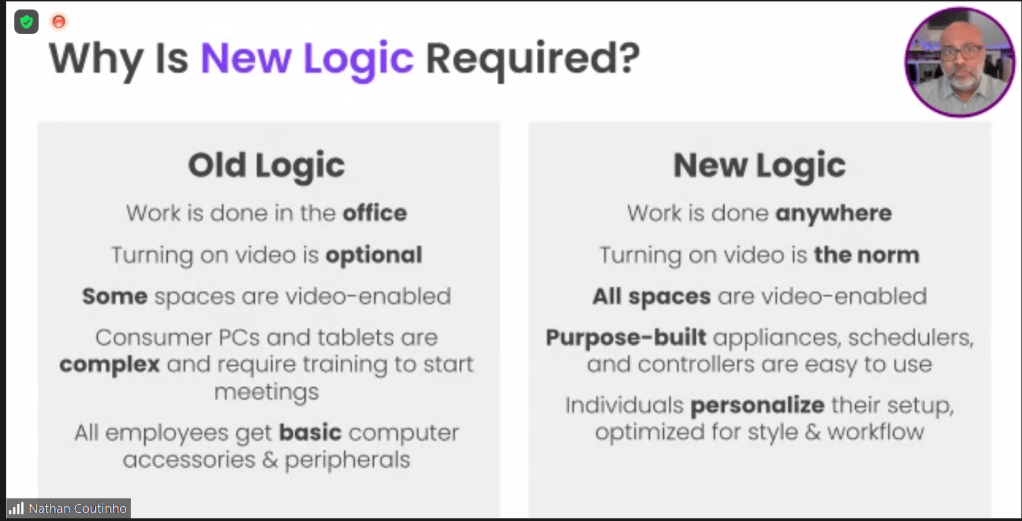
The New Logic of Work: A Smarter Vision for Hybrid by Nathan Coutinho

Let’s hear what Logitech wants me to be thinking about for hybrid work. Quick look around my work space shows I have a fair amount of their equipment.

I rather enjoyed this presentation. Learned a little on ergonomics but what I really liked was a round up of current technology offerings.

International Worker’s Day

Sunday is May 1st, International Worker’s Day. Last year I wrote “Drive Out Fear on International Workers Day“, which is definitely as true today as when I wrote it.

May 1st is International Worker’s Day

This weekend I’m snuggling up with Breaking Things at Work by Gavin Miller, and hope to have a review for Sunday, as well as some thoughts on just why the Luddites were right about why folks hate their jobs, and if there are lessons to learn in this new phase we are entering into of virtual and hybrid work.

Here’s a great interview with Gavin Miller from On The Media

Lessons from the Luddites” from On the Media (10Dec2021)

FDA Quality Metrics…Take 3

The US FDA has released the latest plan to collect quality metrics data in an attempt to unstall efforts to obtain manufacturing quality data as a means of mitigating potential drug shortages and promoting enhanced quality management in the pharmaceutical industry.

The agency promised that this program would be different from the original quality metrics draft guidance unveiled in 2015, as well as the revised draft guidance issued in 2016. The newly devised plan is based in the feedback it received through its voluntary quality metrics site visit and quality metrics feedback programs launched in 2018.

The FDA has identified four areas, and the individual metrics within these areas, for reporting:

  • Manufacturing process performance: This can include the proportion of lots that were accepted in a given time period as well as the proportion of lots manufactured without a non-conformance
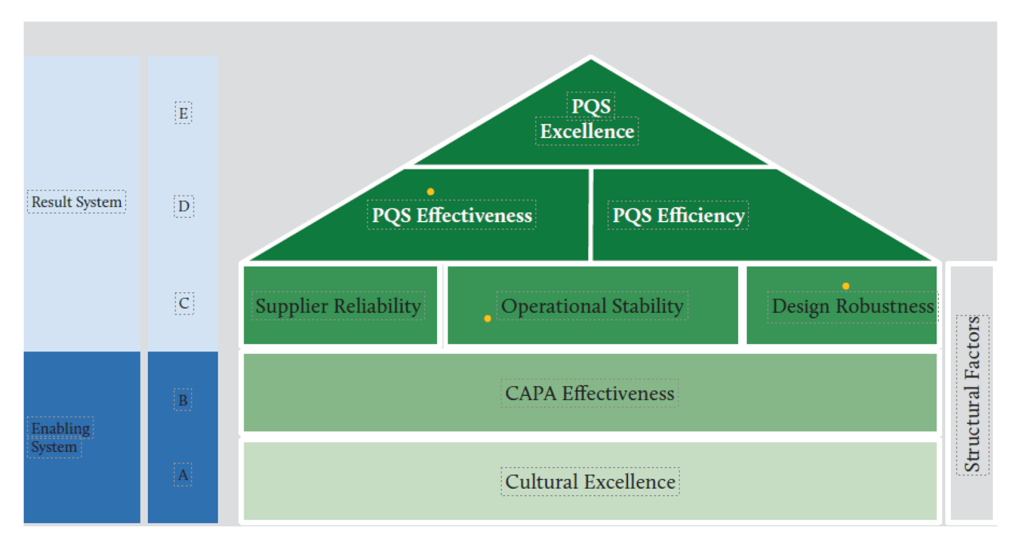
  • Pharmaceutical quality system (PQS) effectiveness: This metric can include the effectiveness of the corrective action and prevention action (CAPA) which can cover the number of CAPAs initiated or closed on time
  • Laboratory performance: This can include the proportion of laboratory test that are completed on schedule
  • Supply chain robustness: This can include the extent to which shipments are delivered on-time and containing the correct quantity

FDA Device QSR News

On 2 March, FDA’s Device Good Manufacturing Practice Advisory Committee will meet for the first time since 2013 to discuss the agency’s proposal. The meeting materials, and the meeting itself, could offer the first glimpse at the future of the QSR.

I have it on my calendar, and I don’t currently work with medical devices. That has changed before and can change again. More importantly, this QSR update is an important milestone for those who watch the FDA’s take on quality systems and is worth attending.