
Change Control- Leveraging regulatory inspection data

The Pfizer McPherson site has been under a great deal of regulatory scrutiny, and as a result there is a lot we can learn from their findings.

In July the MHRA stated the following:
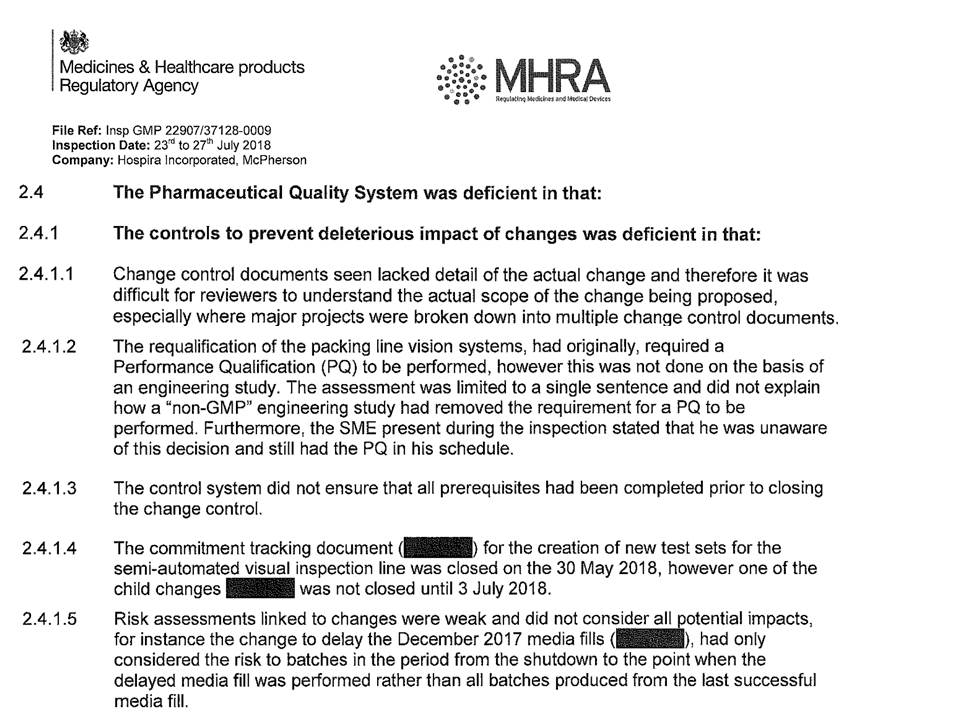
Hospira McPherson Changes

There is a lot to unpack here, and for most of it I can pull up some previous postings to start with:

Breaking down change controls is both a necessity and a difficulty. I talked about the need for a change strategy when breaking up changes. This connective tissue will help with issues like 2.4.1.1 above and can also serve as a good playbook for discussing the changes with an inspector. This is especially important when you find you need to implement related changes at different times. I talked about the various implementation dates in some detail.

Risk assessments are only getting more important, and for a company with international distribution it is important to consider the risks inherent to your regulatory strategy and distribution strategy and mitigate.
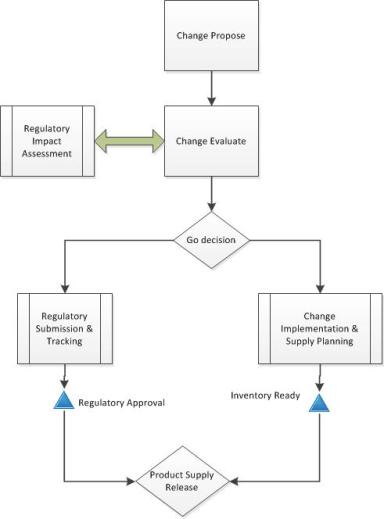
regulatory and change

If you have changes that will have long tails of regulatory approvals, then your change control needs to have the right controls to ensure appropriate and safe supply.

Build your actions to address all risks and impacts and ensure they are appropriately carried through.
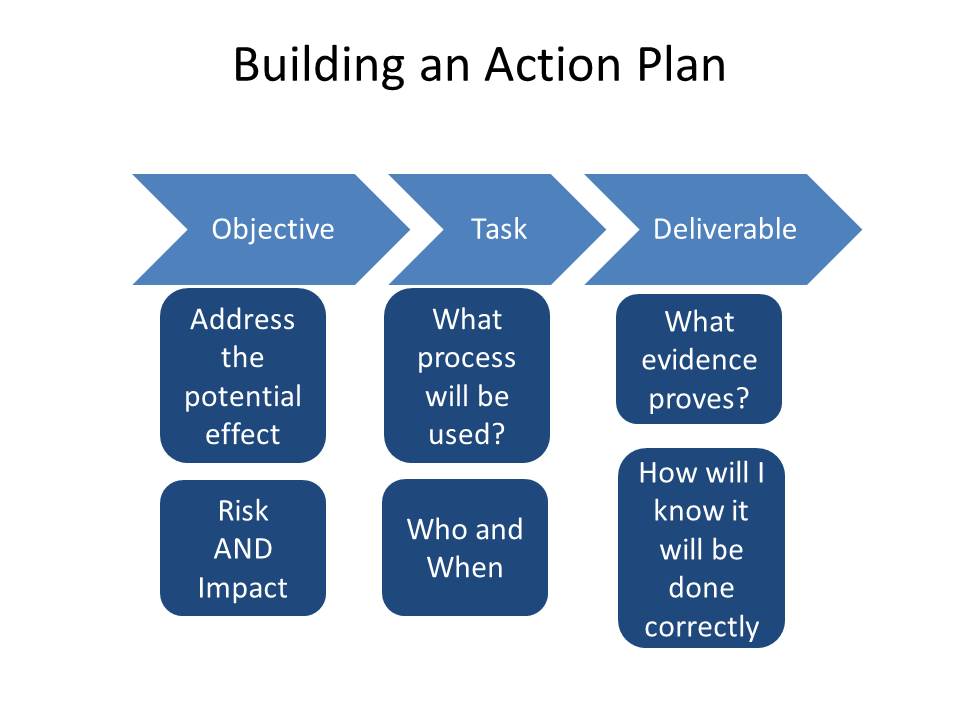
action items

Finally ensure your change control process has a way to revise the plan and ensure all stakeholders are included in the decisions.


FDA In Brief > FDA In Brief: FDA advances policies related to bolstering security of drug products in the U.S. supply chain

FDA issues drug supply chain guidances to alert industry of changes to pharmaceutical product identification and tracing procedures.
— Read on www.fda.gov/NewsEvents/Newsroom/FDAInBrief/ucm621095.htm

Today, the FDA is finalizing two guidance documents and making available one draft guidance to help ensure that prescription drug products are identified and traced properly as they move through the supply chain in compliance with federal law.

What Closing A Government Radio Station Would Mean For Your Clocks – Start contingency planning

Many clocks sync with a government radio station that’s been proposed to be closed. Scott Simon talks with Thomas Witherspoon of the website The SWLing Post.
— Read on www.npr.org/2018/08/25/641835302/what-closing-a-government-radio-station-would-mean-for-your-clocks

NIST’s full Fiscal Year (FY) 2019 budget request to Congress calls for the agency to “discontinue the dissemination of the US time and frequency via the NIST radio stations in Hawaii and Fort Collins, Colorado.” The agency noted, “These radio stations transmit signals that are used to synchronize consumer electronic products like wall clocks, clock radios, and wristwatches, and may be used in other applications like appliances, cameras, and irrigation controllers.” The specific cut, which would come from the NIST Fundamental Measurement, Quantum Science, and Measurement Dissemination budget, would amount to $6.3 million.

This is the type of thing to add to your SWOTs and other risk management/contingency planning activities. I, too, would like to have confidence it will not be in the final bill, but now is the time to take appropriate actions for your organization.