When Investigation Excellence Meets Contamination Reality: Lessons from the Rechon Life Science Warning Letter

The FDA’s April 30, 2025 warning letter to Rechon Life Science AB serves as a great learning opportunity about the importance robust investigation systems to contamination control to drive meaningful improvements. This Swedish contract manufacturer’s experience offers profound lessons for quality professionals navigating the intersection of EU Annex 1‘s contamination control strategy requirements and increasingly regulatory expectations. It is a mistake to think that just because the FDA doesn’t embrace the prescriptive nature of Annex 1 the agency is not fully aligned with the intent.

This Warning Letter resonates with similar systemic failures at companies like LeMaitre Vascular, Sanofi and others. The Rechon warning letter demonstrates a troubling but instructive pattern: organizations that fail to conduct meaningful contamination investigations inevitably find themselves facing regulatory action that could have been prevented through better investigation practices and systematic contamination control approaches.

The Cascade of Investigation Failures: Rechon’s Contamination Control Breakdown

Aseptic Process Failures and the Investigation Gap

Rechon’s primary violation centered on a fundamental breakdown in aseptic processing—operators were routinely touching critical product contact surfaces with gloved hands, a practice that was not only observed but explicitly permitted in their standard operating procedures. This represents more than poor technique; it reveals an organization that had normalized contamination risks through inadequate investigation and assessment processes.

The FDA’s citation noted that Rechon failed to provide environmental monitoring trend data for surface swab samples, representing exactly the kind of “aspirational data” problem. When investigation systems don’t capture representative information about actual manufacturing conditions, organizations operate in a state of regulatory blindness, making decisions based on incomplete or misleading data.

This pattern reflects a broader failure in contamination investigation methodology: environmental monitoring excursions require systematic evaluation that includes all environmental data (i.e. viable and non-viable tests) and must include areas that are physically adjacent or where related activities are performed. Rechon’s investigation gaps suggest they lacked these fundamental systematic approaches.

Environmental Monitoring Investigations: When Trend Analysis Fails

Perhaps more concerning was Rechon’s approach to persistent contamination with objectionable microorganisms—gram-negative organisms and spore formers—in ISO 5 and 7 areas since 2022. Their investigation into eight occurrences of gram-negative organisms concluded that the root cause was “operators talking in ISO 7 areas and an increase of staff illness,” a conclusion that demonstrates fundamental misunderstanding of contamination investigation principles.

As an aside, ISO7/Grade C is not normally an area we see face masks.

Effective investigations must provide comprehensive evaluation including:

  • Background and chronology of events with detailed timeline analysis
  • Investigation and data gathering activities including interviews and training record reviews
  • SME assessments from qualified microbiology and manufacturing science experts
  • Historical data review and trend analysis encompassing the full investigation zone
  • Manufacturing process assessment to determine potential contributing factors
  • Environmental conditions evaluation including HVAC, maintenance, and cleaning activities

Rechon’s investigation lacked virtually all of these elements, focusing instead on convenient behavioral explanations that avoided addressing systematic contamination sources. The persistence of gram-negative organisms and spore formers over a three-year period represented a clear adverse trend requiring a comprehensive investigation approach.

The Annex 1 Contamination Control Strategy Imperative: Beyond Compliance to Integration

The Paradigm Shift in Contamination Control

The revised EU Annex 1, effective since August 2023 demonstrates the current status of regulatory expectations around contamination control, moving from isolated compliance activities toward integrated risk management systems. The mandatory Contamination Control Strategy (CCS) requires manufacturers to develop comprehensive, living documents that integrate all aspects of contamination risk identification, mitigation, and monitoring.

Industry implementation experience since 2023 has revealed that many organizations are faiing to make meaningful connections between existing quality systems and the Annex 1 CCS requirements. Organizations struggle with the time and resource requirements needed to map existing contamination controls into coherent strategies, which often leads to discovering significant gaps in their understanding of their own processes.

Representative Environmental Monitoring Under Annex 1

The updated guidelines place emphasis on continuous monitoring and representative sampling that reflects actual production conditions rather than idealized scenarios. Rechon’s failure to provide comprehensive trend data demonstrates exactly the kind of gap that Annex 1 was designed to address.

Environmental monitoring must function as part of an integrated knowledge system that combines explicit knowledge (documented monitoring data, facility design specifications, cleaning validation reports) with tacit knowledge about facility-specific contamination risks and operational nuances. This integration demands investigation systems capable of revealing actual contamination patterns rather than providing comfortable explanations for uncomfortable realities.

The Design-First Philosophy

One of Annex 1’s most significant philosophical shifts is the emphasis on design-based contamination control rather than monitoring-based approaches. As we see from Warning Letters, and other regulatory intelligence, design gaps are frequently being cited as primary compliance failures, reinforcing the principle that organizations cannot monitor or control their way out of poor design.

This design-first philosophy fundamentally changes how contamination investigations must be conducted. Instead of simply investigating excursions after they occur, robust investigation systems must evaluate whether facility and process designs create inherent contamination risks that make excursions inevitable. Rechon’s persistent contamination issues suggest their investigation systems never addressed these fundamental design questions.

Best Practice 1: Implement Comprehensive Microbial Assessment Frameworks

Structured Organism Characterization

Effective contamination investigations begin with proper microbial assessments that characterize organisms based on actual risk profiles rather than convenient categorizations.

  • Complete microorganism documentation encompassing organism type, Gram stain characteristics, potential sources, spore-forming capability, and objectionable organism status. The structured approach outlined in formal assessment templates ensures consistent evaluation across different sample types (in-process, environmental monitoring, water and critical utilities).
  • Quantitative occurrence assessment using standardized vulnerability scoring systems that combine occurrence levels (Low, Medium, High) with nature and history evaluations. This matrix approach prevents investigators from minimizing serious contamination events through subjective assessments.
  • Severity evaluation based on actual manufacturing impact rather than theoretical scenarios. For environmental monitoring excursions, severity assessments must consider whether microorganisms were detected in controlled environments during actual production activities, the potential for product contamination, and the effectiveness of downstream processing steps.
  • Risk determination through systematic integration of vulnerability scores and severity ratings, providing objective classification of contamination risks that drives appropriate corrective action responses.

Rechon’s superficial investigation approach suggests they lacked these systematic assessment frameworks, focusing instead on behavioral explanations that avoided comprehensive organism characterization and risk assessment.

Best Practice 2: Establish Cross-Functional Investigation Teams with Defined Competencies

Investigation Team Composition and Qualifications

Major contamination investigations require dedicated cross-functional teams with clearly defined responsibilities and demonstrated competencies. The investigation lead must possess not only appropriate training and experience but also technical knowledge of the process and cGMP/quality system requirements, and ability to apply problem-solving tools.

Minimum team composition requirements for major investigations must include:

  • Impacted Department representatives (Manufacturing, Facilities) with direct operational knowledge
  • Subject Matter Experts (Manufacturing Sciences and Technology, QC Microbiology) with specialized technical expertise
  • Contamination Control specialists serving as Quality Assurance approvers with regulatory and risk assessment expertise

Investigation scope requirements must encompass systematic evaluation including background/chronology documentation, comprehensive data gathering activities (interviews, training record reviews), SME assessments, impact statement development, historical data review and trend analysis, and laboratory investigation summaries.

Training and Competency Management

Investigation team effectiveness depends on systematic competency development and maintenance. Teams must demonstrate proficiency in:

  • Root cause analysis methodologies including fishbone analysis, why-why questioning, fault tree analysis, and failure mode and effects analysis approaches suited to contamination investigation contexts.
  • Contamination microbiology principles including organism identification, source determination, growth condition assessment, and disinfectant efficacy evaluation specific to pharmaceutical manufacturing environments.
  • Risk assessment and impact evaluation capabilities that can translate investigation findings into meaningful product, process, and equipment risk determinations.
  • Regulatory requirement understanding encompassing both domestic and international contamination control expectations, investigation documentation standards, and CAPA development requirements.

The superficial nature of Rechon’s gram-negative organism investigation suggests their teams lacked these fundamental competencies, resulting in conclusions that satisfied neither regulatory expectations nor contamination control best practices.

Best Practice 3: Conduct Meaningful Historical Data Review and Comprehensive Trend Analysis

Investigation Zone Definition and Data Integration

Effective contamination investigations require comprehensive trend analysis that extends beyond simple excursion counting to encompass systematic pattern identification across related operational areas. As established in detailed investigation procedures, historical data review must include:

  • Physically adjacent areas and related activities recognition that contamination events rarely occur in isolation. Processing activities spanning multiple rooms, secondary gowning areas leading to processing zones, material transfer airlocks, and all critical utility distribution points must be included in investigation zones.
  • Comprehensive environmental data analysis encompassing all environmental data (i.e. viable and non-viable tests) to identify potential correlations between different contamination indicators that might not be apparent when examining single test types in isolation.
  • Extended historical review capabilities for situations where limited or no routine monitoring was performed during the questioned time frame, requiring investigation teams to expand their analytical scope to capture relevant contamination patterns.
  • Microorganism identification pattern assessment to determine shifts in routine microflora or atypical or objectionable organisms, enabling detection of contamination source changes that might indicate facility or process deterioration.

Temporal Correlation Analysis

Sophisticated trend analysis must correlate contamination events with operational activities, environmental conditions, and facility modifications that might contribute to adverse trends:

  • Manufacturing activity correlation examining whether contamination patterns correlate with specific production campaigns, personnel schedules, cleaning activities, or maintenance operations that might introduce contamination sources.
  • Environmental condition assessment including HVAC system performance, pressure differential maintenance, temperature and humidity control, and compressed air quality that could influence contamination recovery patterns.
  • Facility modification impact evaluation determining whether physical environment changes, equipment installations, utility upgrades, or process modifications correlate with contamination trend emergence or intensification.

Rechon’s three-year history of gram-negative and spore-former recovery represented exactly the kind of adverse trend requiring this comprehensive analytical approach. Their failure to conduct meaningful trend analysis prevented identification of systematic contamination sources that behavioral explanations could never address.

Best Practice 4: Integrate Investigation Findings with Dynamic Contamination Control Strategy

Knowledge Management and CCS Integration

Under Annex 1 requirements, investigation findings must feed directly into the overall Contamination Control Strategy, creating continuous improvement cycles that enhance contamination risk understanding and control effectiveness. This integration requires sophisticated knowledge management systems that capture both explicit investigation data and tacit operational insights.

  • Explicit knowledge integration encompasses formal investigation reports, corrective action documentation, trending analysis results, and regulatory correspondence that must be systematically incorporated into CCS risk assessments and control measure evaluations.
  • Tacit knowledge capture including personnel experiences with contamination events, operational observations about facility or process vulnerabilities, and institutional understanding about contamination source patterns that may not be fully documented but represent critical CCS inputs.

Risk Assessment Dynamic Updates

CCS implementation demands that investigation findings trigger systematic risk assessment updates that reflect enhanced understanding of contamination vulnerabilities:

  • Contamination source identification updates based on investigation findings that reveal previously unrecognized or underestimated contamination pathways requiring additional control measures or monitoring enhancements.
  • Control measure effectiveness verification through post-investigation monitoring that demonstrates whether implemented corrective actions actually reduce contamination risks or require further enhancement.
  • Monitoring program optimization based on investigation insights about contamination patterns that may indicate needs for additional sampling locations, modified sampling frequencies, or enhanced analytical methods.

Continuous Improvement Integration

The CCS must function as a living document that evolves based on investigation findings rather than remaining static until the next formal review cycle:

  • Investigation-driven CCS updates that incorporate new contamination risk understanding into facility design assessments, process control evaluations, and personnel training requirements.
  • Performance metrics integration that tracks investigation quality indicators alongside traditional contamination control metrics to ensure investigation systems themselves contribute to contamination risk reduction.
  • Cross-site knowledge sharing mechanisms that enable investigation insights from one facility to enhance contamination control strategies at related manufacturing sites.

Best Practice 5: Establish Investigation Quality Metrics and Systematic Oversight

Investigation Completeness and Quality Assessment

Organizations must implement systematic approaches to ensure investigation quality and prevent the superficial analysis demonstrated by Rechon. This requires comprehensive quality metrics that evaluate both investigation process compliance and outcome effectiveness:

  • Investigation completeness verification using a rubric or other standardized checklists that ensure all required investigation elements have been addressed before investigation closure. These must verify background documentation adequacy, data gathering comprehensiveness, SME assessment completion, impact evaluation thoroughness, and corrective action appropriateness.
  • Root cause determination quality assessment evaluating whether investigation conclusions demonstrate scientific rigor and logical connection between identified causes and observed contamination events. This includes verification that root cause analysis employed appropriate methodologies and that conclusions can withstand independent technical review.
  • Corrective action effectiveness verification through systematic post-implementation monitoring that demonstrates whether corrective actions achieved their intended contamination risk reduction objectives.

Management Review and Challenge Processes

Effective investigation oversight requires management systems that actively challenge investigation conclusions and ensure scientific rationale supports all determinations:

  • Technical review panels comprising independent SMEs who evaluate investigation methodology, data interpretation, and conclusion validity before investigation closure approval for major and critical deviations. I strongly recommend this as part of qualification and re-qualification activities.
  • Regulatory perspective integration ensuring investigation approaches and conclusions align with current regulatory expectations and enforcement trends rather than relying on outdated compliance interpretations.
  • Cross-functional impact assessment verifying that investigation findings and corrective actions consider all affected operational areas and don’t create unintended contamination risks in other facility areas.

CAPA System Integration and Effectiveness Tracking

Investigation findings must integrate with robust CAPA systems that ensure systematic improvements rather than isolated fixes:

  • Systematic improvement identification that links investigation findings to broader facility or process enhancement opportunities rather than limiting corrective actions to immediate excursion sources.
  • CAPA implementation quality management including resource allocation verification, timeline adherence monitoring, and effectiveness verification protocols that ensure corrective actions achieve intended risk reduction.
  • Knowledge management integration that captures investigation insights for application to similar contamination risks across the organization and incorporates lessons learned into training programs and preventive maintenance activities.

Rechon’s continued contamination issues despite previous investigations suggest their CAPA processes lacked this systematic improvement approach, treating each contamination event as isolated rather than symptoms of broader contamination control weaknesses.
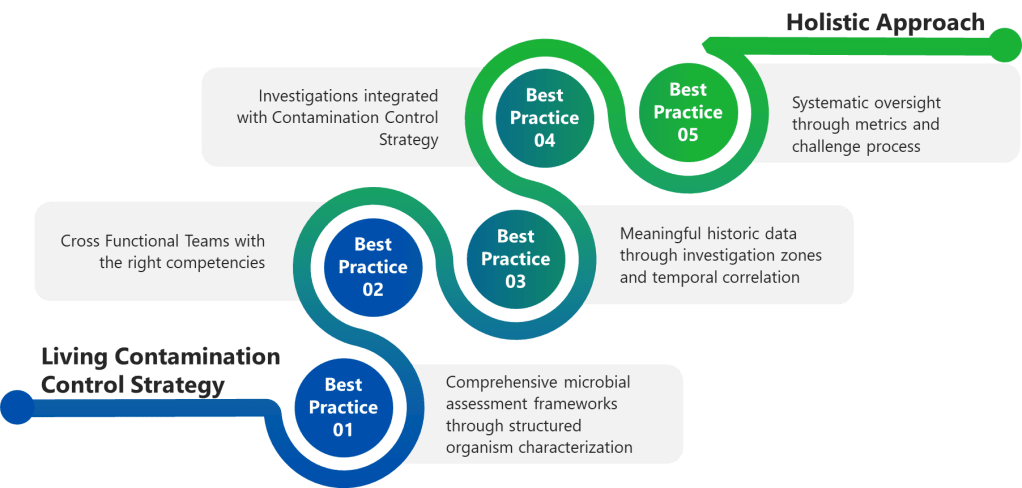
A visual diagram presents a "Living Contamination Control Strategy" progressing toward a "Holistic Approach" through a winding path marked by five key best practices. Each best practice is highlighted in a circular node along the colored pathway.

Best Practice 01: Comprehensive microbial assessment frameworks through structured organism characterization.

Best Practice 02: Cross functional teams with the right competencies.

Best Practice 03: Meaningful historic data through investigation zones and temporal correlation.

Best Practice 04: Investigations integrated with Contamination Control Strategy.

Best Practice 05: Systematic oversight through metrics and challenge process.

The diagram represents a continuous improvement journey from foundational practices focused on organism assessment and team competency to integrating data, investigations, and oversight, culminating in a holistic contamination control strategy.

The Investigation-Annex 1 Integration Challenge: Building Investigation Resilience

Holistic Contamination Risk Assessment

Contamination control requires investigation systems that function as integral components of comprehensive strategies rather than reactive compliance activities.

Design-Investigation Integration demands that investigation findings inform facility design assessments and process modification evaluations. When investigations reveal design-related contamination sources, CCS updates must address whether facility modifications or process changes can eliminate contamination risks at their source rather than relying on monitoring and control measures.

Process Knowledge Enhancement through investigation activities that systematically build organizational understanding of contamination vulnerabilities, control measure effectiveness, and operational factors that influence contamination risk profiles.

Personnel Competency Development that leverages investigation findings to identify training needs, competency gaps, and behavioral factors that contribute to contamination risks requiring systematic rather than individual corrective approaches.

Technology Integration and Future Investigation Capabilities

Advanced Monitoring and Investigation Support Systems

The increasing sophistication of regulatory expectations necessitates corresponding advances in investigation support technologies that enable more comprehensive and efficient contamination risk assessment:

Real-time monitoring integration that provides investigation teams with comprehensive environmental data streams enabling correlation analysis between contamination events and operational variables that might not be captured through traditional discrete sampling approaches.

Automated trend analysis capabilities that identify contamination patterns and correlations across multiple data sources, facility areas, and time periods that might not be apparent through manual analysis methods.

Integrated knowledge management platforms that capture investigation insights, corrective action outcomes, and operational observations in formats that enable systematic application to future contamination risk assessments and control strategy optimization.

Investigation Standardization and Quality Enhancement

Technology solutions must also address investigation process standardization and quality improvement:

Investigation workflow management systems that ensure consistent application of investigation methodologies, prevent shortcuts that compromise investigation quality, and provide audit trails demonstrating compliance with regulatory expectations.

Cross-site investigation coordination capabilities that enable investigation insights from one facility to inform contamination risk assessments and investigation approaches at related manufacturing sites.

Building Organizational Investigation Excellence

Cultural Transformation Requirements

The evolution from compliance-focused contamination investigations toward risk-based contamination control strategies requires fundamental cultural changes that extend beyond procedural updates:

Leadership commitment demonstration through resource allocation for investigation system enhancement, personnel competency development, and technology infrastructure investment that enables comprehensive contamination risk assessment rather than minimal compliance achievement.

Cross-functional collaboration enhancement that breaks down organizational silos preventing comprehensive investigation approaches and ensures investigation teams have access to all relevant operational expertise and information sources.

Continuous improvement mindset development that views contamination investigations as opportunities for systematic facility and process enhancement rather than unfortunate compliance burdens to be minimized.

Investigation as Strategic Asset

Organizations that excel in contamination investigation develop capabilities that provide competitive advantages beyond regulatory compliance:

Process optimization opportunities identification through investigation activities that reveal operational inefficiencies, equipment performance issues, and facility design limitations that, when addressed, improve both contamination control and operational effectiveness.

Risk management capability enhancement that enables proactive identification and mitigation of contamination risks before they result in regulatory scrutiny or product quality issues requiring costly remediation.

Regulatory relationship management through demonstration of investigation competence and commitment to continuous improvement that can influence regulatory inspection frequency and focus areas.

The Cost of Investigation Mediocrity: Lessons from Enforcement

Regulatory Consequences and Business Impact

Rechon’s experience demonstrates the ultimate cost of inadequate contamination investigations: comprehensive regulatory action that threatens market access and operational continuity. The FDA’s requirements for extensive remediation—including independent assessment of investigation systems, comprehensive personnel and environmental monitoring program reviews, and retrospective out-of-specification result analysis—represent exactly the kind of work that should be conducted proactively rather than reactively.

Resource Allocation and Opportunity Cost

The remediation requirements imposed on companies receiving warning letters far exceed the resource investment required for proactive investigation system development:

  • Independent consultant engagement costs for comprehensive facility and system assessment that could be avoided through internal investigation capability development and systematic contamination control strategy implementation.
  • Production disruption resulting from regulatory holds, additional sampling requirements, and corrective action implementation that interrupts normal manufacturing operations and delays product release.
  • Market access limitations including potential product recalls, import restrictions, and regulatory approval delays that affect revenue streams and competitive positioning.

Reputation and Trust Impact

Beyond immediate regulatory and financial consequences, investigation failures create lasting reputation damage that affects customer relationships, regulatory standing, and business development opportunities:

  • Customer confidence erosion when investigation failures become public through warning letters, regulatory databases, and industry communications that affect long-term business relationships.
  • Regulatory relationship deterioration that can influence future inspection focus areas, approval timelines, and enforcement approaches that extend far beyond the original contamination control issues.
  • Industry standing impact that affects ability to attract quality personnel, develop partnerships, and maintain competitive positioning in increasingly regulated markets.

Gap Assessment Framework: Organizational Investigation Readiness

Investigation System Evaluation Criteria

Organizations should systematically assess their investigation capabilities against current regulatory expectations and best practice standards. This assessment encompasses multiple evaluation dimensions:

  • Technical Competency Assessment
    • Do investigation teams possess demonstrated expertise in contamination microbiology, facility design, process engineering, and regulatory requirements?
    • Are investigation methodologies standardized, documented, and consistently applied across different contamination scenarios?
    • Does investigation scope routinely include comprehensive trend analysis, adjacent area assessment, and environmental correlation analysis?
    • Are investigation conclusions supported by scientific rationale and independent technical review?
  • Resource Adequacy Evaluation
    • Are sufficient personnel resources allocated to enable comprehensive investigation completion within reasonable timeframes?
    • Do investigation teams have access to necessary analytical capabilities, reference materials, and technical support resources?
    • Are investigation budgets adequate to support comprehensive data gathering, expert consultation, and corrective action implementation?
    • Does management demonstrate commitment through resource allocation and investigation priority establishment?
  • Integration and Effectiveness Assessment
    • Are investigation findings systematically integrated into contamination control strategy updates and facility risk assessments?
    • Do CAPA systems ensure investigation insights drive systematic improvements rather than isolated fixes?
    • Are investigation outcomes tracked and verified to confirm contamination risk reduction achievement?
    • Do knowledge management systems capture and apply investigation insights across the organization?

From Investigation Adequacy to Investigation Excellence

Rechon Life Science’s experience serves as a cautionary tale about the consequences of investigation mediocrity, but it also illustrates the transformation potential inherent in comprehensive contamination control strategy implementation. When organizations invest in systematic investigation capabilities—encompassing proper team composition, comprehensive analytical approaches, effective knowledge management, and continuous improvement integration—they build competitive advantages that extend far beyond regulatory compliance.

The key insight emerging from regulatory enforcement patterns is that contamination control has evolved from a specialized technical discipline into a comprehensive business capability that affects every aspect of pharmaceutical manufacturing. The quality of an organization’s contamination investigations often determines whether contamination events become learning opportunities that strengthen operations or regulatory nightmares that threaten business continuity.

For quality professionals responsible for contamination control, the message is unambiguous: investigation excellence is not an optional enhancement to existing compliance programs—it’s a fundamental requirement for sustainable pharmaceutical manufacturing in the modern regulatory environment. The organizations that recognize this reality and invest accordingly will find themselves well-positioned not only for regulatory success but for operational excellence that drives competitive advantage in increasingly complex global markets.

The regulatory landscape has fundamentally changed, and traditional approaches to contamination investigation are no longer sufficient. Organizations must decide whether to embrace the investigation excellence imperative or face the consequences of continuing with approaches that regulatory agencies have clearly indicated are inadequate. The choice is clear, but the window for proactive transformation is narrowing as regulatory expectations continue to evolve and enforcement intensifies.

The question facing every pharmaceutical manufacturer is not whether contamination control investigations will face increased scrutiny—it’s whether their investigation systems will demonstrate the excellence necessary to transform regulatory challenges into competitive advantages. Those that choose investigation excellence will thrive; those that don’t will join Rechon Life Science and others in explaining their investigation failures to regulatory agencies rather than celebrating their contamination control successes in the marketplace.
The Minimal Viable Risk Assessment Team

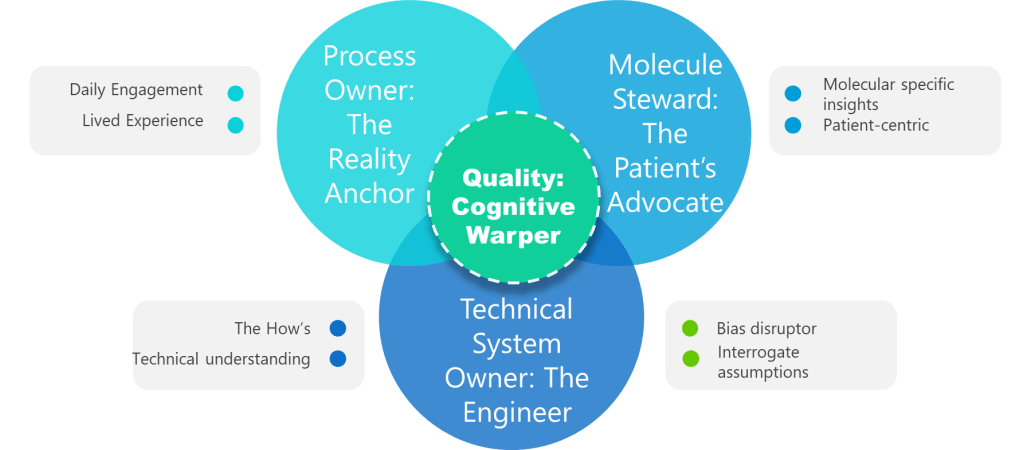
Ineffective risk management and quality systems revolve around superficial risk management. The core issue? Teams designed for compliance as a check-the-box activity rather than cognitive rigor. These gaps create systematic blind spots that no checklist can fix. The solution isn’t more assessors—it’s fewer, more competent ones anchored in science, patient impact, and lived process reality.

Core Roles: The Non-Negotiables

1. Process Owner: The Reality Anchor

Not a title. A lived experience. Superficial ownership creates the “unjustified assumptions.” This role requires daily engagement with the process—not just signature authority. Without it, assumptions go unchallenged.

2. ASTM E2500 Molecule Steward: The Patient’s Advocate

Beyond “SME”—the protein whisperer. This role demands provable knowledge of degradation pathways, critical quality attributes (CQAs), and patient impact. Contrast this with generic “subject matter experts” who lack molecule-specific insights. Without this anchor, assessments overlook patient-centric failure modes.

3. Technical System Owner: The Engineer

The value of the Technical System Owner—often the engineer—lies in their unique ability to bridge the worlds of design, operations, and risk control throughout the pharmaceutical lifecycle. Far from being a mere custodian of equipment, the system owner is the architect who understands not just how a system is built, but how it behaves under real-world conditions and how it integrates with the broader manufacturing program

4. Quality: The Cognitive Warper

Forget the auditor—this is your bias disruptor. Quality’s value lies in forcing cross-functional dialogue, challenging tacit assumptions, and documenting debates. When Quality fails to interrogate assumptions, hazards go unidentified. Their real role: Mandate “assumption logs” where every “We’ve always done it this way” must produce data or die.

A Venn diagram with three overlapping blue circles, each representing a different role: "Process Owner: The Reality Anchor," "Molecule Steward: The Patient’s Advocate," and "Technical System Owner: The Engineer." In the center, where all three circles overlap, is a green dashed circle labeled "Quality: Cognitive Warper." Each role has associated bullet points in colored dots:

Process Owner (top left): "Daily Engagement" and "Lived Experience" (blue dots).

Molecule Steward (top right): "Molecular specific insights" and "Patient-centric" (blue dots).

Technical System Owner (bottom): "The How’s" and "Technical understanding" (blue dots).

Additional points for Technical System Owner (bottom right): "Bias disruptor" and "Interrogate assumptions" (green dots).

The diagram visually emphasizes the intersection of these roles in achieving quality through cognitive diversity.

Team Design as Knowledge Preservation

Team design in the context of risk management is fundamentally an act of knowledge preservation, not just an exercise in filling seats or meeting compliance checklists. Every effective risk team is a living repository of the organization’s critical process insights, technical know-how, and nuanced operational experience. When teams are thoughtfully constructed to include individuals with deep, hands-on familiarity—process owners, technical system engineers, molecule stewards, and quality integrators—they collectively safeguard the hard-won lessons and tacit knowledge that are so often lost when people move on or retire. This approach ensures that risk assessments are not just theoretical exercises but are grounded in the practical realities that only those with lived experience can provide.

Combating organizational forgetting requires more than documentation or digital knowledge bases; it demands intentional, cross-functional team design that fosters active knowledge transfer. When a risk team brings together diverse experts who routinely interact, challenge each other’s assumptions, and share context from their respective domains, they create a dynamic environment where critical information is surfaced, scrutinized, and retained. This living dialogue is far more effective than static records, as it allows for the continuous updating and contextualization of knowledge in response to new challenges, regulatory changes, and operational shifts. In this way, team design becomes a strategic defense against the silent erosion of expertise that can leave organizations exposed to avoidable risks.

Ultimately, investing in team design as a knowledge preservation strategy is about building organizational resilience. It means recognizing that the greatest threats often arise not from what is known, but from what is forgotten or never shared. By prioritizing teams that embody both breadth and depth of experience, organizations create a robust safety net—one that catches subtle warning signs, adapts to evolving risks, and ensures that critical knowledge endures beyond any single individual’s tenure. This is how organizations move from reactive problem-solving to proactive risk management, turning collective memory into a competitive advantage and a foundation for sustained quality.

Call to Action: Build the Risk Team

Moving from compliance theater to true protection starts with assembling a team designed for cognitive rigor, knowledge depth and psychological safety.

Start with a Clear Charter, Not a Checklist

An excellent risk team exists to frame, analyse and communicate uncertainty so that the business can make science-based, patient-centred decisions. Assigning authorities and accountabilities is a leadership duty, not an after-thought. Before naming people, write down:

  • the decisions the team must enable,
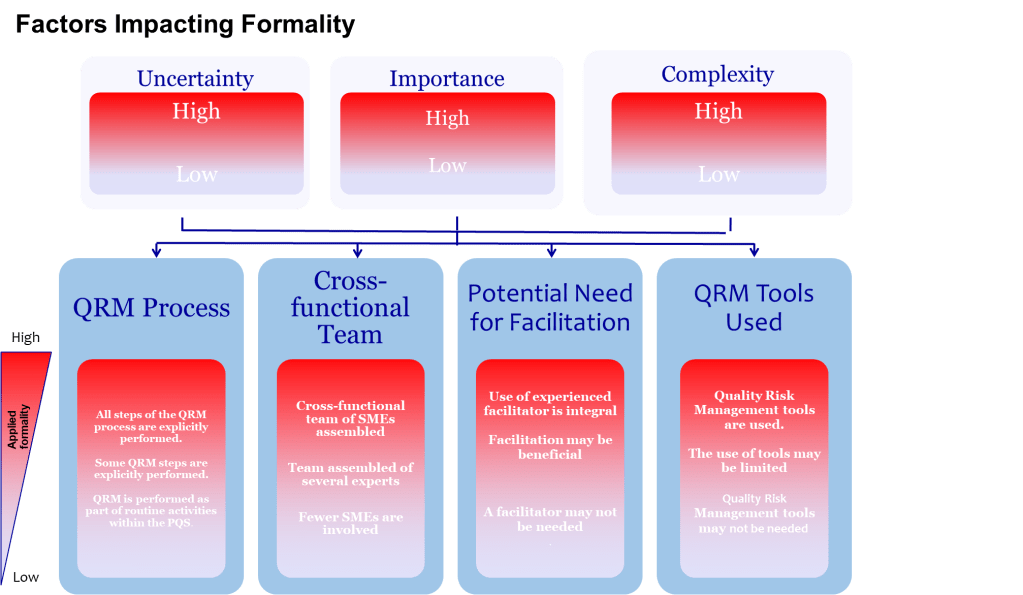
  • the degree of formality those decisions demand, and
  • the resources (time, data, tools) management will guarantee.

Without this charter, even star performers will default to box-ticking.

Fill Four Core Seats – And Prove Competence

ICH Q9 is blunt: risk work should be done by interdisciplinary teams that include experts from quality, engineering, operations and regulatory affairs. ASTM E2500 translates that into a requirement for documented subject-matter experts (SMEs) who own critical knowledge throughout the lifecycle. Map those expectations onto four non-negotiable roles.

  • Process Owner – The Reality Anchor: This individual has lived the operation in the last 90 days, not just signed SOPs. They carry the authority to change methods, budgets and training, and enough hands-on credibility to spot when a theoretical control will never work on the line. Authentic owners dismantle assumptions by grounding every risk statement in current shop-floor facts.
  • Molecule Steward – The Patient’s Advocate: Too often “SME” is shorthand for “the person available.” The molecule steward is different: a scientist who understands how the specific product fails and can translate deviations into patient impact. When temperature drifts two degrees during freeze-drying, the steward can explain whether a monoclonal antibody will aggregate or merely lose a day of shelf life. Without this anchor, the team inevitably under-scores hazards that never appear in a generic FMEA template.
  • Technical System Owner – The Engineering Interpreter: Equipment does not care about meeting minutes; it obeys physics. The system owner must articulate functional requirements, design limits and integration logic. Where a tool-focused team may obsess over gasket leaks, the system owner points out that a single-loop PLC has no redundancy and that a brief voltage dip could push an entire batch outside critical parameters—a classic case of method over physics.
  • Quality Integrator – The Bias Disruptor: Quality’s mission is to force cross-functional dialogue and preserve evidence. That means writing assumption logs, challenging confirmation bias and ensuring that dissenting voices are heard. The quality lead also maintains the knowledge repository so future teams are not condemned to repeat forgotten errors.

Secure Knowledge Accessibility, Not Just Possession

A credentialed expert who cannot be reached when the line is down at 2 a.m. is as useful as no expert at all. Conduct a Knowledge Accessibility Index audit before every major assessment.

Embed Psychological Safety to Unlock the Team’s Brainpower

No amount of SOPs compensates for a culture that punishes bad news. Staff speak up only when leaders are approachable, intolerant of blame and transparent about their own fallibility. Leaders must therefore:

  • Invite dissent early: begin meetings with “What might we be overlooking?”
  • Model vulnerability: share personal errors and how the system, not individuals, failed.
  • Reward candor: recognize the engineer who halted production over a questionable trend.

Psychological safety converts silent observers into active risk sensors.

Choose Methods Last, After Understanding the Science

Excellent teams let the problem dictate the tool, not vice versa. They build a failure-tree or block diagram first, then decide whether FMEA, FTA or bow-tie analysis will illuminate the weak spot. If the team defaults to a method because “it’s in the SOP,” stop and reassess. Tool selection is a decision, not a reflex.

Provide Time and Resources Proportionate to Uncertainty

ICH Q9 asks decision-makers to ensure resources match the risk question. Complex, high-uncertainty topics demand longer workshops, more data and external review, while routine changes may only need a rapid check. Resist the urge to shoehorn every assessment into a one-hour meeting because calendars are overloaded.

Institutionalize Learning Loops

Great teams treat every assessment as both analysis and experiment. They:

  1. Track prediction accuracy: did the “medium”-ranked hazard occur?
  2. Compare expected versus actual detectability: were controls as effective as assumed?
  3. Feed insights into updated templates and training so the next team starts smarter.

The loop closes when the knowledge base evolves at the same pace as the plant.

When to Escalate – The Abort-Mission Rule

If a risk scenario involves patient safety, novel technology and the molecule steward is unavailable, stop. The assessment waits until a proper team is in the room. Rushing ahead satisfies schedules, not safety.

Conclusion

Excellence in risk management is rarely about adding headcount; it is about curating brains with complementary lenses and giving them the culture, structure and time to think. Build that environment and the monsters stay on the storyboard, never in the plant.

Building a Competency Framework for Quality Professionals as System Gardeners

Quality management requires a sophisticated blend of skills that transcend traditional audit and compliance approaches. As organizations increasingly recognize quality systems as living entities rather than static frameworks, quality professionals must evolve from mere enforcers to nurturers—from auditors to gardeners. This paradigm shift demands a new approach to competency development that embraces both technical expertise and adaptive capabilities.

Building Competencies: The Integration of Skills, Knowledge, and Behavior

A comprehensive competency framework for quality professionals must recognize that true competency is more than a simple checklist of abilities. Rather, it represents the harmonious integration of three critical elements: skills, knowledge, and behaviors. Understanding how these elements interact and complement each other is essential for developing quality professionals who can thrive as “system gardeners” in today’s complex organizational ecosystems.

The Competency Triad

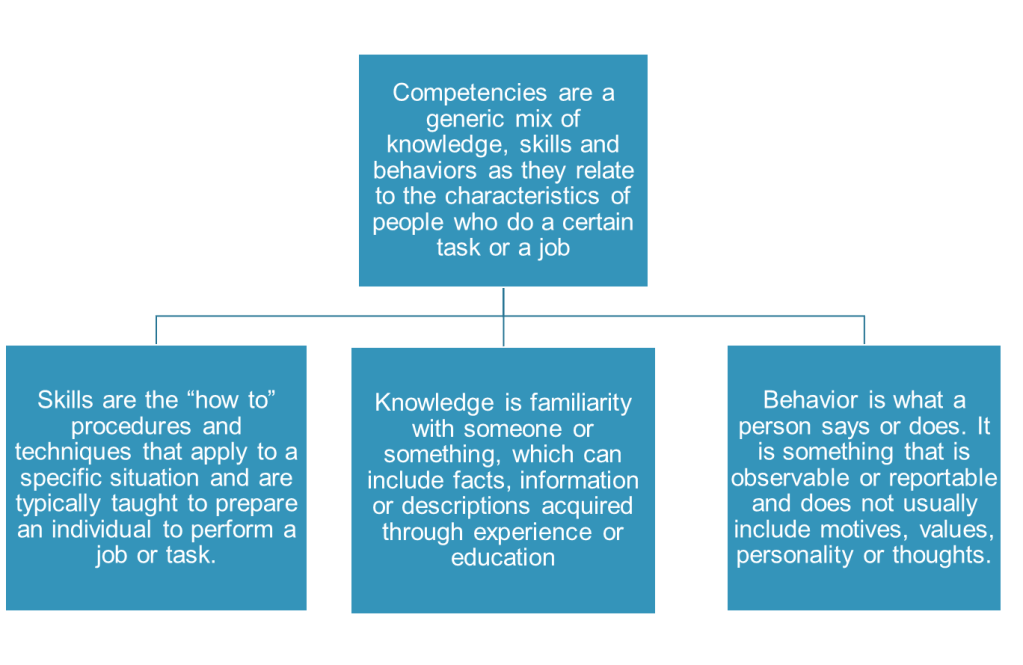
Competencies can be defined as the measurable or observable knowledge, skills, abilities, and behaviors critical to successful job performance. They represent a holistic approach that goes beyond what employees can do to include how they apply their capabilities in real-world contexts.

Knowledge: The Foundation of Understanding

Knowledge forms the theoretical foundation upon which all other aspects of competency are built. For quality professionals, this includes:

  • Comprehension of regulatory frameworks and compliance requirements
  • Understanding of statistical principles and data analysis methodologies
  • Familiarity with industry-specific processes and technical standards
  • Awareness of organizational systems and their interconnections

Knowledge is demonstrated through consistent application to real-world scenarios, where quality professionals translate theoretical understanding into practical solutions. For example, a quality professional might demonstrate knowledge by correctly interpreting a regulatory requirement and identifying its implications for a manufacturing process.

Skills: The Tools for Implementation

Skills represent the practical “how-to” abilities that quality professionals use to implement their knowledge effectively. These include:

  • Technical skills like statistical process control and data visualization
  • Methodological skills such as root cause analysis and risk assessment
  • Social skills including facilitation and stakeholder management
  • Self-management skills like prioritization and adaptability

Skills are best measured through observable performance in relevant contexts. A quality professional might demonstrate skill proficiency by effectively facilitating a cross-functional investigation meeting that leads to meaningful corrective actions.

Behaviors: The Expression of Competency

Behaviors are the observable actions and reactions that reflect how quality professionals apply their knowledge and skills in practice. These include:

  • Demonstrating curiosity when investigating deviations
  • Showing persistence when facing resistance to quality initiatives
  • Exhibiting patience when coaching others on quality principles
  • Displaying integrity when reporting quality issues

Behaviors often distinguish exceptional performers from average ones. While two quality professionals might possess similar knowledge and skills, the one who consistently demonstrates behaviors aligned with organizational values and quality principles will typically achieve superior results.

Building an Integrated Competency Development Approach

To develop well-rounded quality professionals who embody all three elements of competency, organizations should:

  1. Map the Competency Landscape: Create a comprehensive inventory of the knowledge, skills, and behaviors required for each quality role, categorized by proficiency level.
  2. Implement Multi-Modal Development: Recognize that different competency elements require different development approaches:
    • Knowledge is often best developed through structured learning, reading, and formal education
    • Skills typically require practice, coaching, and experiential learning
    • Behaviors are shaped through modeling, feedback, and reflective practice
  3. Assess Holistically: Develop assessment methods that evaluate all three elements:
    • Knowledge assessments through tests, case studies, and discussions
    • Skill assessments through demonstrations, simulations, and work products
    • Behavioral assessments through observation, peer feedback, and self-reflection
  4. Create Developmental Pathways: Design career progression frameworks that clearly articulate how knowledge, skills, and behaviors should evolve as quality professionals advance from foundational to leadership roles.

By embracing this integrated approach to competency development, organizations can nurture quality professionals who not only know what to do and how to do it, but who also consistently demonstrate the behaviors that make quality initiatives successful. These professionals will be equipped to serve as true “system gardeners,” cultivating environments where quality naturally flourishes rather than merely enforcing compliance with standards.

Understanding the Four Dimensions of Professional Skills

A comprehensive competency framework for quality professionals should address four fundamental skill dimensions that work in harmony to create holistic expertise:

Technical Skills: The Roots of Quality Expertise

Technical skills form the foundation upon which all quality work is built. For quality professionals, these specialized knowledge areas provide the essential tools needed to assess, measure, and improve systems.

Examples for Quality Gardeners:

  • Mastery of statistical process control and data analysis methodologies
  • Deep understanding of regulatory requirements and compliance frameworks
  • Proficiency in quality management software and digital tools
  • Knowledge of industry-specific technical processes (e.g., aseptic processing, sterilization validation, downstream chromatography)

Technical skills enable quality professionals to diagnose system health with precision—similar to how a gardener understands soil chemistry and plant physiology.

Methodological Skills: The Framework for System Cultivation

Methodological skills represent the structured approaches and techniques that quality professionals use to organize their work. These skills provide the scaffolding that supports continuous improvement and systematic problem-solving.

Examples for Quality Gardeners:

  • Application of problem solving methodologies
  • Risk management framework, methodology and and tools
  • Design and execution of effective audit programs
  • Knowledge management to capture insights and lessons learned

As gardeners apply techniques like pruning, feeding, and crop rotation, quality professionals use methodological skills to cultivate environments where quality naturally thrives.

Social Skills: Nurturing Collaborative Ecosystems

Social skills facilitate the human interactions necessary for quality to flourish across organizational boundaries. In living quality systems, these skills help create an environment where collaboration and improvement become cultural norms.

Examples for Quality Gardeners:

  • Coaching stakeholders rather than policing them
  • Facilitating cross-functional improvement initiatives
  • Mediating conflicts around quality priorities
  • Building trust through transparent communication
  • Inspiring leadership that emphasizes quality as shared responsibility

Just as gardeners create environments where diverse species thrive together, quality professionals with strong social skills foster ecosystems where teams naturally collaborate toward excellence.

Self-Skills: Personal Adaptability and Growth

Self-skills represent the quality professional’s ability to manage themselves effectively in dynamic environments. These skills are especially crucial in today’s volatile and complex business landscape.

Examples for Quality Gardeners:

  • Adaptability to changing regulatory landscapes and business priorities
  • Resilience when facing resistance to quality initiatives
  • Independent decision-making based on principles rather than rules
  • Continuous personal development and knowledge acquisition
  • Working productively under pressure

Like gardeners who must adapt to changing seasons and unexpected weather patterns, quality professionals need strong self-management skills to thrive in unpredictable environments.

DimensionDefinitionExamplesImportance
Technical SkillReferring to the specialized knowledge and practical skills– Mastering data analysis
– Understanding aseptic processing or freeze drying
Fundamental for any professional role; influences the ability to effectively perform specialized tasks
Methodological SkillAbility to apply appropriate techniques and methods– Applying Scrum or Lean Six Sigma
– Documenting and transferring insights into knowledge
Essential to promote innovation, strategic thinking, and investigation of deviations
Social SkillSkills for effective interpersonal interactions– Promoting collaboration
– Mediating team conflicts
– Inspiring leadership
Important in environments that rely on teamwork, dynamics, and culture
Self-SkillAbility to manage oneself in various professional contexts– Adapting to a fast-paced work environment
– Working productively under pressure
– Independent decision-making
Crucial in roles requiring a high degree of autonomy, such as leadership positions or independent work environments

Developing a Competency Model for Quality Gardeners

Building an effective competency model for quality professionals requires a systematic approach that aligns individual capabilities with organizational needs.

Step 1: Define Strategic Goals and Identify Key Roles

Begin by clearly articulating how quality contributes to organizational success. For a “living systems” approach to quality, goals might include:

  • Cultivating adaptive quality systems that evolve with the organization
  • Building resilience to regulatory changes and market disruptions
  • Fostering a culture where quality is everyone’s responsibility

From these goals, identify the critical roles needed to achieve them, such as:

  • Quality System Architects who design the overall framework
  • Process Gardeners who nurture specific quality processes
  • Cross-Pollination Specialists who transfer best practices across departments
  • System Immunologists who identify and respond to potential threats

Given your organization, you probably will have more boring titles than these. I certainly do, but it is still helpful to use the names when planning and imagining.

Step 2: Identify and Categorize Competencies

For each role, define the specific competencies needed across the four skill dimensions. For example:

Quality System Architect

  • Technical: Understanding of regulatory frameworks and system design principles
  • Methodological: Expertise in process mapping and system integration
  • Social: Ability to influence across the organization and align diverse stakeholders
  • Self: Strategic thinking and long-term vision implementation

Process Gardener

  • Technical: Deep knowledge of specific processes and measurement systems
  • Methodological: Proficiency in continuous improvement and problem-solving techniques
  • Social: Coaching skills and ability to build process ownership
  • Self: Patience and persistence in nurturing gradual improvements

Step 3: Create Behavioral Definitions

Develop clear behavioral indicators that demonstrate proficiency at different levels. For example, for the competency “Cultivating Quality Ecosystems”:

Foundational level: Understands basic principles of quality culture and can implement prescribed improvement tools

Intermediate level: Adapts quality approaches to fit specific team environments and facilitates process ownership among team members

Advanced level: Creates innovative approaches to quality improvement that harness the natural dynamics of the organization

Leadership level: Transforms organizational culture by embedding quality thinking into all business processes and decision-making structures

Step 4: Map Competencies to Roles and Development Paths

Create a comprehensive matrix that aligns competencies with roles and shows progression paths. This allows individuals to visualize their development journey and organizations to identify capability gaps.

For example:

CompetencyQuality SpecialistProcess GardenerQuality System Architect
Statistical AnalysisIntermediateAdvancedIntermediate
Process ImprovementFoundationalAdvancedIntermediate
Stakeholder EngagementFoundationalIntermediateAdvanced
Systems ThinkingFoundationalIntermediateAdvanced

Building a Training Plan for Quality Gardeners

A well-designed training plan translates the competency model into actionable development activities for each individual.

Step 1: Job Description Analysis

Begin by analyzing job descriptions to identify the specific processes and roles each quality professional interacts with. For example, a Quality Control Manager might have responsibilities for:

  • Leading inspection readiness activities
  • Supporting regulatory site inspections
  • Participating in vendor management processes
  • Creating and reviewing quality agreements
  • Managing deviations, change controls, and CAPAs

Step 2: Role Identification

For each job responsibility, identify the specific roles within relevant processes:

ProcessRole
Inspection ReadinessLead
Regulatory Site InspectionsSupport
Vendor ManagementParticipant
Quality AgreementsAuthor/Reviewer
Deviation/CAPAAuthor/Reviewer/Approver
Change ControlAuthor/Reviewer/Approver

Step 3: Training Requirements Mapping

Working with process owners, determine the training requirements for each role. Consider creating modular curricula that build upon foundational skills:

Foundational Quality Curriculum: Regulatory basics, quality system overview, documentation standards

Technical Writing Curriculum: Document creation, effective review techniques, technical communication

Process-Specific Curricula: Tailored training for each process (e.g., change control, deviation management)

Step 4: Implementation and Evolution

Recognize that like the quality systems they support, training plans should evolve over time:

  • Update as job responsibilities change
  • Adapt as processes evolve
  • Incorporate feedback from practical application
  • Balance formal training with experiential learning opportunities

Cultivating Excellence Through Competency Development

Building a competency framework aligned with the “living systems” view of quality management transforms how organizations approach quality professional development. By nurturing technical, methodological, social, and self-skills in balance, organizations create quality professionals who act as true gardeners—professionals who cultivate environments where quality naturally flourishes rather than imposing it through rigid controls.

As quality systems continue to evolve, the most successful organizations will be those that invest in developing professionals who can adapt and thrive amid complexity. These “quality gardeners” will lead the way in creating systems that, like healthy ecosystems, become more resilient and vibrant over time.

Applying the Competency Model

For organizational leadership in quality functions, adopting a competency model is a transformative step toward building a resilient, adaptive, and high-performing team—one that nurtures quality systems as living, evolving ecosystems rather than static structures. The competency model provides a unified language and framework to define, develop, and measure the capabilities needed for success in this gardener paradigm.

The Four Dimensions of the Competency Model

Competency Model DimensionDefinitionExamplesStrategic Importance
Technical CompetencySpecialized knowledge and practical abilities required for quality roles– Understanding aseptic processing
– Mastering root cause analysis
– Operating quality management software
Fundamental for effective execution of specialized quality tasks and ensuring compliance
Methodological CompetencyAbility to apply structured techniques, frameworks, and continuous improvement methods– Applying Lean Six Sigma
– Documenting and transferring process knowledge
– Designing audit frameworks
Drives innovation, strategic problem-solving, and systematic improvement of quality processes
Social CompetencySkills for effective interpersonal interactions and collaboration– Facilitating cross-functional teams
– Mediating conflicts
– Coaching and inspiring others
Essential for cultivating a culture of shared ownership and teamwork in quality initiatives
Self-CompetencyCapacity to manage oneself, adapt, and demonstrate resilience in dynamic environments– Adapting to change
– Working under pressure
– Exercising independent judgment
Crucial for autonomy, leadership, and thriving in evolving, complex quality environments

Leveraging the Competency Model Across Organizational Practices

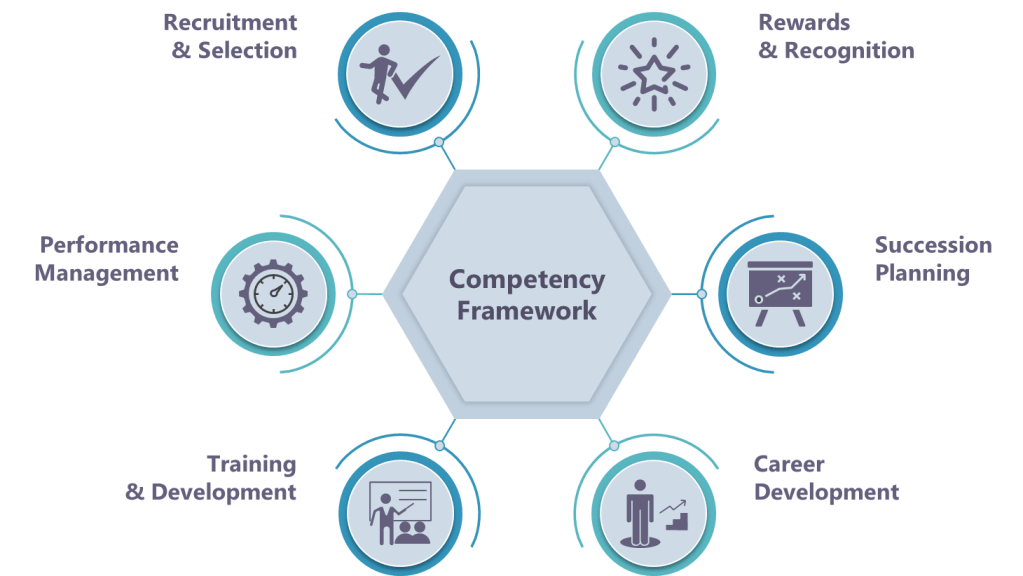
To fully realize the gardener approach, integrate the competency model into every stage of the talent lifecycle:

Recruitment and Selection

  • Role Alignment: Use the competency model to define clear, role-specific requirements—ensuring candidates are evaluated for technical, methodological, social, and self-competencies, not just past experience.
  • Behavioral Interviewing: Structure interviews around observable behaviors and scenarios that reflect the gardener mindset (e.g., “Describe a time you nurtured a process improvement across teams”).

Rewards and Recognition

  • Competency-Based Rewards: Recognize and reward not only outcomes, but also the demonstration of key competencies—such as collaboration, adaptability, and continuous improvement behaviors.
  • Transparency: Use the competency model to provide clarity on what is valued and how employees can be recognized for growing as “quality gardeners.”

Performance Management

  • Objective Assessment: Anchor performance reviews in the competency model, focusing on both results and the behaviors/skills that produced them.
  • Feedback and Growth: Provide structured, actionable feedback linked to specific competencies, supporting a culture of continuous development and accountability.

Training and Development

  • Targeted Learning: Identify gaps at the individual and team level using the competency model, and develop training programs that address all four competency dimensions.
  • Behavioral Focus: Ensure training goes beyond knowledge transfer, emphasizing the practical application and demonstration of new competencies in real-world settings.

Career Development

  • Progression Pathways: Map career paths using the competency model, showing how employees can grow from foundational to advanced levels in each competency dimension.
  • Self-Assessment: Empower employees to self-assess against the model, identify growth areas, and set targeted development goals.

Succession Planning

  • Future-Ready Talent: Use the competency model to identify and develop high-potential employees who exhibit the gardener mindset and can step into critical roles.
  • Capability Mapping: Regularly assess organizational competency strengths and gaps to ensure a robust pipeline of future leaders aligned with the gardener philosophy.

Leadership Call to Action

For quality organizations moving to the gardener approach, the competency model is a strategic lever. By consistently applying the model across recruitment, recognition, performance, development, career progression, and succession, leadership ensures the entire organization is equipped to nurture adaptive, resilient, and high-performing quality systems.

This integrated approach creates clarity, alignment, and a shared vision for what excellence looks like in the gardener era. It enables quality professionals to thrive as cultivators of improvement, collaboration, and innovation—ensuring your quality function remains vital and future-ready.

Unlocking Hidden Potential: The Art of Assessing Team Capability

For managers in an organization it is critical to understand and nurture the capabilities of our team members. I spend a lot of time on this blog talking about capability and competence frankly because they are an elusive concept, invisible to the naked eye. We can only perceive it through its manifestations – the tangible outputs and results produced by our team. This presents a unique challenge: how do we accurately gauge a team member’s highest level of capability?

The Evidence-Based Approach

The key to unraveling this mystery lies in evidence. We must adopt a systematic, iterative approach to testing and challenging our team members through carefully designed project work. This method allows us to gradually uncover the true extent of their competence.

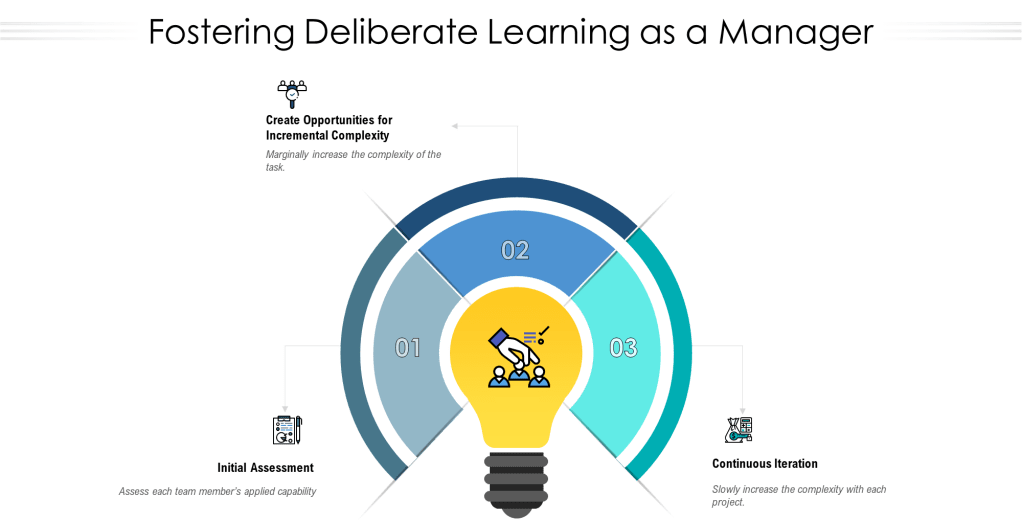
Step 1: Initial Assessment

The journey begins with a quick assessment of the team member’s current applied capability. This involves examining the fruits of their labor – the tangible outcomes of their work. As managers, we must rely on our intuitive judgment to evaluate these results. I strongly recommend this is a conversation with the individual as well.

Step 2: Incremental Complexity

Once we have established a baseline, the next step is to marginally increase the complexity of the task. This takes the form of a new project, slightly more challenging than the previous one. Crucially, we must promise a project debrief upon completion. This debrief serves as a valuable learning opportunity for both the team member and the manager.

Step 3: Continuous Iteration

If the project is successful, it becomes a springboard for the next challenge. We continue this process, incrementally increasing the complexity with each new project, always ensuring a debrief follows. This cycle persists until we reach a point of failure.

The Point of Failure: A Revelatory Moment

When a team member encounters failure, we gain invaluable insights into their competence. This moment of truth illuminates both their strengths and limitations. We now have a clearer understanding of where they excel and where they struggle.

However, this is not the end of the journey. After allowing some time for reflection and growth, we must challenge them again. This process of continual challenge and assessment should persist throughout the team member’s tenure with the organization.

The Role of Deliberate Practice

This approach aligns closely with the concept of deliberate practice, which is fundamental to the development of expertise. By providing our team members with guided practice, observation opportunities, problem-solving challenges, and experimentation, we create an environment conducive to skill development.

Building Competence

Remember, competence is a combination of capability and skill. While we cannot directly observe capability, we can nurture it through this process of continual challenge and assessment. By doing so, we also develop the skill component, as team members gain more opportunities for practice.

The Manager’s Toolkit

To effectively implement this approach, managers should cultivate several key attributes:

  1. System thinking: Understanding the interdependencies within projects and anticipating consequences.
  2. Judgment: Making rapid, wise decisions about when to increase complexity.
  3. Context awareness: Taking into account the unique circumstances of each team member and project.
  4. Interpersonal skills: Motivating and leading team members through challenges.
  5. Communication: Constructing and delivering clear, persuasive messages about project goals and expectations.

By embracing this evidence-based, iterative approach to assessing capability, managers can unlock the hidden potential within their teams. It’s a continuous journey of discovery, challenge, and growth – one that benefits both the individual team members and the organization as a whole.

Thinking About the High Performers

I am blessed to have inherited a lot of high performers from my predecessor, who built and sustained a highly functioning team, often amid chaos.

I think about what that means to my team a lot. Being a bunch of high performers, they tend to get:

  • Stressful projects and goalsThey often receive a lot of complex and risky projects and goals.
  • Meeting mania: Because my team is viewed as an essential part of the work (and they are) and can solve even the thorniest issues, their days are filled with back-to-back meetings.
  • Return-to-office pressure: Because they are “high profile,” my local team members are expected to work more from the plant, resulting in less flexibility. There are many good reasons for this, but that doesn’t make it more popular.

As I move through my 2nd quarter, here are the activities I am working to implement.

Establish a simple weekly team rhythm that drives intensity, not pressure. This is going to take a lot of effort with my peer teams. We need to build a rhythm where we know (to a much higher detail) the types of work we do. I want to move more to a model where we do prioritization on Monday, including defining projects, managing change controls, etc.; problem-solving midweek and a time we do a lot of execution (though frankly, that also happens on the weekend); and Friday is to review completed work, share feedback, and align on next steps. No matter what, we need to create a standardized calendar.

Measure the team’s motivation. As I get close to my 5-month mark, I will be asking the following questions:

  • What are teammates excited about working on in the second half of the year?
  • What might be causing them anxiety or pressure?
  • What habits does the team want to improve?
  • What are some specific ideas for improving those habits?
  • What did we do really well last quarter that we should maintain?

Continue to prioritize teaching. I will be scheduling a quarterly skill-check meeting with each of the team. During this conversation, I will help the individual reflect on their current skill goals and pick a new one if they don’t yet have any or have hit them all. We put a lot of work into this during my first quarter, and it is critical to continue to grow here.

Practice Joy. Practicing joy at work is important to maintaining a positive work environment and improving overall job satisfaction.

  1. Cultivate gratitude: Start each day by acknowledging something you’re grateful for at work.
  2. Celebrate small wins: Recognize and appreciate your accomplishments, no matter how small. This can boost your motivation and create a sense of progress.
  3. Find purpose in your work: Connect your daily tasks to the larger goals of your organization or to your personal values. Understanding how your work contributes to a greater purpose can increase job satisfaction.
  4. Find humor in daily situations: Look for opportunities to laugh and share light moments with your colleagues. Humor can help reduce stress and create a more positive work environment.
  5. Practice self-care: Prioritize your physical and mental health by getting enough sleep, eating well, and exercising regularly. When you feel good, it’s easier to experience joy at work.
Photo by Belle Co on Pexels.com