Building a Competency Framework for Quality Professionals as System Gardeners

Quality management requires a sophisticated blend of skills that transcend traditional audit and compliance approaches. As organizations increasingly recognize quality systems as living entities rather than static frameworks, quality professionals must evolve from mere enforcers to nurturers—from auditors to gardeners. This paradigm shift demands a new approach to competency development that embraces both technical expertise and adaptive capabilities.

Building Competencies: The Integration of Skills, Knowledge, and Behavior

A comprehensive competency framework for quality professionals must recognize that true competency is more than a simple checklist of abilities. Rather, it represents the harmonious integration of three critical elements: skills, knowledge, and behaviors. Understanding how these elements interact and complement each other is essential for developing quality professionals who can thrive as “system gardeners” in today’s complex organizational ecosystems.

The Competency Triad

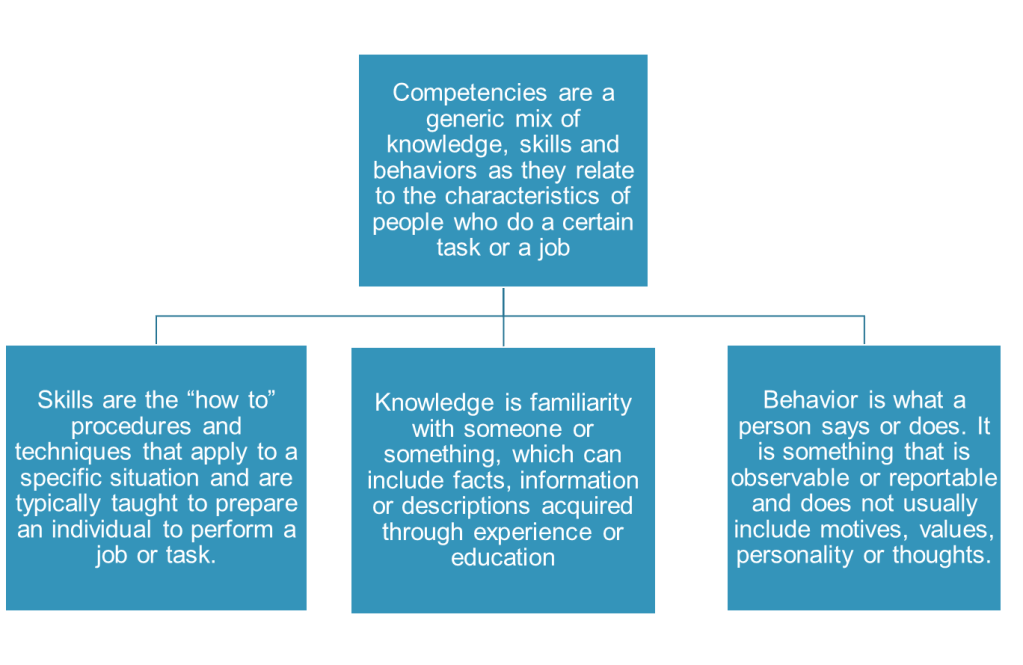
Competencies can be defined as the measurable or observable knowledge, skills, abilities, and behaviors critical to successful job performance. They represent a holistic approach that goes beyond what employees can do to include how they apply their capabilities in real-world contexts.

Knowledge: The Foundation of Understanding

Knowledge forms the theoretical foundation upon which all other aspects of competency are built. For quality professionals, this includes:

  • Comprehension of regulatory frameworks and compliance requirements
  • Understanding of statistical principles and data analysis methodologies
  • Familiarity with industry-specific processes and technical standards
  • Awareness of organizational systems and their interconnections

Knowledge is demonstrated through consistent application to real-world scenarios, where quality professionals translate theoretical understanding into practical solutions. For example, a quality professional might demonstrate knowledge by correctly interpreting a regulatory requirement and identifying its implications for a manufacturing process.

Skills: The Tools for Implementation

Skills represent the practical “how-to” abilities that quality professionals use to implement their knowledge effectively. These include:

  • Technical skills like statistical process control and data visualization
  • Methodological skills such as root cause analysis and risk assessment
  • Social skills including facilitation and stakeholder management
  • Self-management skills like prioritization and adaptability

Skills are best measured through observable performance in relevant contexts. A quality professional might demonstrate skill proficiency by effectively facilitating a cross-functional investigation meeting that leads to meaningful corrective actions.

Behaviors: The Expression of Competency

Behaviors are the observable actions and reactions that reflect how quality professionals apply their knowledge and skills in practice. These include:

  • Demonstrating curiosity when investigating deviations
  • Showing persistence when facing resistance to quality initiatives
  • Exhibiting patience when coaching others on quality principles
  • Displaying integrity when reporting quality issues

Behaviors often distinguish exceptional performers from average ones. While two quality professionals might possess similar knowledge and skills, the one who consistently demonstrates behaviors aligned with organizational values and quality principles will typically achieve superior results.

Building an Integrated Competency Development Approach

To develop well-rounded quality professionals who embody all three elements of competency, organizations should:

  1. Map the Competency Landscape: Create a comprehensive inventory of the knowledge, skills, and behaviors required for each quality role, categorized by proficiency level.
  2. Implement Multi-Modal Development: Recognize that different competency elements require different development approaches:
    • Knowledge is often best developed through structured learning, reading, and formal education
    • Skills typically require practice, coaching, and experiential learning
    • Behaviors are shaped through modeling, feedback, and reflective practice
  3. Assess Holistically: Develop assessment methods that evaluate all three elements:
    • Knowledge assessments through tests, case studies, and discussions
    • Skill assessments through demonstrations, simulations, and work products
    • Behavioral assessments through observation, peer feedback, and self-reflection
  4. Create Developmental Pathways: Design career progression frameworks that clearly articulate how knowledge, skills, and behaviors should evolve as quality professionals advance from foundational to leadership roles.

By embracing this integrated approach to competency development, organizations can nurture quality professionals who not only know what to do and how to do it, but who also consistently demonstrate the behaviors that make quality initiatives successful. These professionals will be equipped to serve as true “system gardeners,” cultivating environments where quality naturally flourishes rather than merely enforcing compliance with standards.
Understanding the Four Dimensions of Professional Skills

A comprehensive competency framework for quality professionals should address four fundamental skill dimensions that work in harmony to create holistic expertise:

Technical Skills: The Roots of Quality Expertise

Technical skills form the foundation upon which all quality work is built. For quality professionals, these specialized knowledge areas provide the essential tools needed to assess, measure, and improve systems.

Examples for Quality Gardeners:

  • Mastery of statistical process control and data analysis methodologies
  • Deep understanding of regulatory requirements and compliance frameworks
  • Proficiency in quality management software and digital tools
  • Knowledge of industry-specific technical processes (e.g., aseptic processing, sterilization validation, downstream chromatography)

Technical skills enable quality professionals to diagnose system health with precision—similar to how a gardener understands soil chemistry and plant physiology.

Methodological Skills: The Framework for System Cultivation

Methodological skills represent the structured approaches and techniques that quality professionals use to organize their work. These skills provide the scaffolding that supports continuous improvement and systematic problem-solving.

Examples for Quality Gardeners:

  • Application of problem solving methodologies
  • Risk management framework, methodology and and tools
  • Design and execution of effective audit programs
  • Knowledge management to capture insights and lessons learned

As gardeners apply techniques like pruning, feeding, and crop rotation, quality professionals use methodological skills to cultivate environments where quality naturally thrives.

Social Skills: Nurturing Collaborative Ecosystems

Social skills facilitate the human interactions necessary for quality to flourish across organizational boundaries. In living quality systems, these skills help create an environment where collaboration and improvement become cultural norms.

Examples for Quality Gardeners:

  • Coaching stakeholders rather than policing them
  • Facilitating cross-functional improvement initiatives
  • Mediating conflicts around quality priorities
  • Building trust through transparent communication
  • Inspiring leadership that emphasizes quality as shared responsibility

Just as gardeners create environments where diverse species thrive together, quality professionals with strong social skills foster ecosystems where teams naturally collaborate toward excellence.

Self-Skills: Personal Adaptability and Growth

Self-skills represent the quality professional’s ability to manage themselves effectively in dynamic environments. These skills are especially crucial in today’s volatile and complex business landscape.

Examples for Quality Gardeners:

  • Adaptability to changing regulatory landscapes and business priorities
  • Resilience when facing resistance to quality initiatives
  • Independent decision-making based on principles rather than rules
  • Continuous personal development and knowledge acquisition
  • Working productively under pressure

Like gardeners who must adapt to changing seasons and unexpected weather patterns, quality professionals need strong self-management skills to thrive in unpredictable environments.

DimensionDefinitionExamplesImportance
Technical SkillReferring to the specialized knowledge and practical skills– Mastering data analysis
– Understanding aseptic processing or freeze drying
Fundamental for any professional role; influences the ability to effectively perform specialized tasks
Methodological SkillAbility to apply appropriate techniques and methods– Applying Scrum or Lean Six Sigma
– Documenting and transferring insights into knowledge
Essential to promote innovation, strategic thinking, and investigation of deviations
Social SkillSkills for effective interpersonal interactions– Promoting collaboration
– Mediating team conflicts
– Inspiring leadership
Important in environments that rely on teamwork, dynamics, and culture
Self-SkillAbility to manage oneself in various professional contexts– Adapting to a fast-paced work environment
– Working productively under pressure
– Independent decision-making
Crucial in roles requiring a high degree of autonomy, such as leadership positions or independent work environments

Developing a Competency Model for Quality Gardeners

Building an effective competency model for quality professionals requires a systematic approach that aligns individual capabilities with organizational needs.

Step 1: Define Strategic Goals and Identify Key Roles

Begin by clearly articulating how quality contributes to organizational success. For a “living systems” approach to quality, goals might include:

  • Cultivating adaptive quality systems that evolve with the organization
  • Building resilience to regulatory changes and market disruptions
  • Fostering a culture where quality is everyone’s responsibility

From these goals, identify the critical roles needed to achieve them, such as:

  • Quality System Architects who design the overall framework
  • Process Gardeners who nurture specific quality processes
  • Cross-Pollination Specialists who transfer best practices across departments
  • System Immunologists who identify and respond to potential threats

Given your organization, you probably will have more boring titles than these. I certainly do, but it is still helpful to use the names when planning and imagining.

Step 2: Identify and Categorize Competencies

For each role, define the specific competencies needed across the four skill dimensions. For example:

Quality System Architect

  • Technical: Understanding of regulatory frameworks and system design principles
  • Methodological: Expertise in process mapping and system integration
  • Social: Ability to influence across the organization and align diverse stakeholders
  • Self: Strategic thinking and long-term vision implementation

Process Gardener

  • Technical: Deep knowledge of specific processes and measurement systems
  • Methodological: Proficiency in continuous improvement and problem-solving techniques
  • Social: Coaching skills and ability to build process ownership
  • Self: Patience and persistence in nurturing gradual improvements

Step 3: Create Behavioral Definitions

Develop clear behavioral indicators that demonstrate proficiency at different levels. For example, for the competency “Cultivating Quality Ecosystems”:

Foundational level: Understands basic principles of quality culture and can implement prescribed improvement tools

Intermediate level: Adapts quality approaches to fit specific team environments and facilitates process ownership among team members

Advanced level: Creates innovative approaches to quality improvement that harness the natural dynamics of the organization

Leadership level: Transforms organizational culture by embedding quality thinking into all business processes and decision-making structures

Step 4: Map Competencies to Roles and Development Paths

Create a comprehensive matrix that aligns competencies with roles and shows progression paths. This allows individuals to visualize their development journey and organizations to identify capability gaps.

For example:

CompetencyQuality SpecialistProcess GardenerQuality System Architect
Statistical AnalysisIntermediateAdvancedIntermediate
Process ImprovementFoundationalAdvancedIntermediate
Stakeholder EngagementFoundationalIntermediateAdvanced
Systems ThinkingFoundationalIntermediateAdvanced

Building a Training Plan for Quality Gardeners

A well-designed training plan translates the competency model into actionable development activities for each individual.

Step 1: Job Description Analysis

Begin by analyzing job descriptions to identify the specific processes and roles each quality professional interacts with. For example, a Quality Control Manager might have responsibilities for:

  • Leading inspection readiness activities
  • Supporting regulatory site inspections
  • Participating in vendor management processes
  • Creating and reviewing quality agreements
  • Managing deviations, change controls, and CAPAs

Step 2: Role Identification

For each job responsibility, identify the specific roles within relevant processes:

ProcessRole
Inspection ReadinessLead
Regulatory Site InspectionsSupport
Vendor ManagementParticipant
Quality AgreementsAuthor/Reviewer
Deviation/CAPAAuthor/Reviewer/Approver
Change ControlAuthor/Reviewer/Approver

Step 3: Training Requirements Mapping

Working with process owners, determine the training requirements for each role. Consider creating modular curricula that build upon foundational skills:

Foundational Quality Curriculum: Regulatory basics, quality system overview, documentation standards

Technical Writing Curriculum: Document creation, effective review techniques, technical communication

Process-Specific Curricula: Tailored training for each process (e.g., change control, deviation management)

Step 4: Implementation and Evolution

Recognize that like the quality systems they support, training plans should evolve over time:

  • Update as job responsibilities change
  • Adapt as processes evolve
  • Incorporate feedback from practical application
  • Balance formal training with experiential learning opportunities

Cultivating Excellence Through Competency Development

Building a competency framework aligned with the “living systems” view of quality management transforms how organizations approach quality professional development. By nurturing technical, methodological, social, and self-skills in balance, organizations create quality professionals who act as true gardeners—professionals who cultivate environments where quality naturally flourishes rather than imposing it through rigid controls.

As quality systems continue to evolve, the most successful organizations will be those that invest in developing professionals who can adapt and thrive amid complexity. These “quality gardeners” will lead the way in creating systems that, like healthy ecosystems, become more resilient and vibrant over time.

Applying the Competency Model

For organizational leadership in quality functions, adopting a competency model is a transformative step toward building a resilient, adaptive, and high-performing team—one that nurtures quality systems as living, evolving ecosystems rather than static structures. The competency model provides a unified language and framework to define, develop, and measure the capabilities needed for success in this gardener paradigm.

The Four Dimensions of the Competency Model

Competency Model DimensionDefinitionExamplesStrategic Importance
Technical CompetencySpecialized knowledge and practical abilities required for quality roles– Understanding aseptic processing
– Mastering root cause analysis
– Operating quality management software
Fundamental for effective execution of specialized quality tasks and ensuring compliance
Methodological CompetencyAbility to apply structured techniques, frameworks, and continuous improvement methods– Applying Lean Six Sigma
– Documenting and transferring process knowledge
– Designing audit frameworks
Drives innovation, strategic problem-solving, and systematic improvement of quality processes
Social CompetencySkills for effective interpersonal interactions and collaboration– Facilitating cross-functional teams
– Mediating conflicts
– Coaching and inspiring others
Essential for cultivating a culture of shared ownership and teamwork in quality initiatives
Self-CompetencyCapacity to manage oneself, adapt, and demonstrate resilience in dynamic environments– Adapting to change
– Working under pressure
– Exercising independent judgment
Crucial for autonomy, leadership, and thriving in evolving, complex quality environments

Leveraging the Competency Model Across Organizational Practices
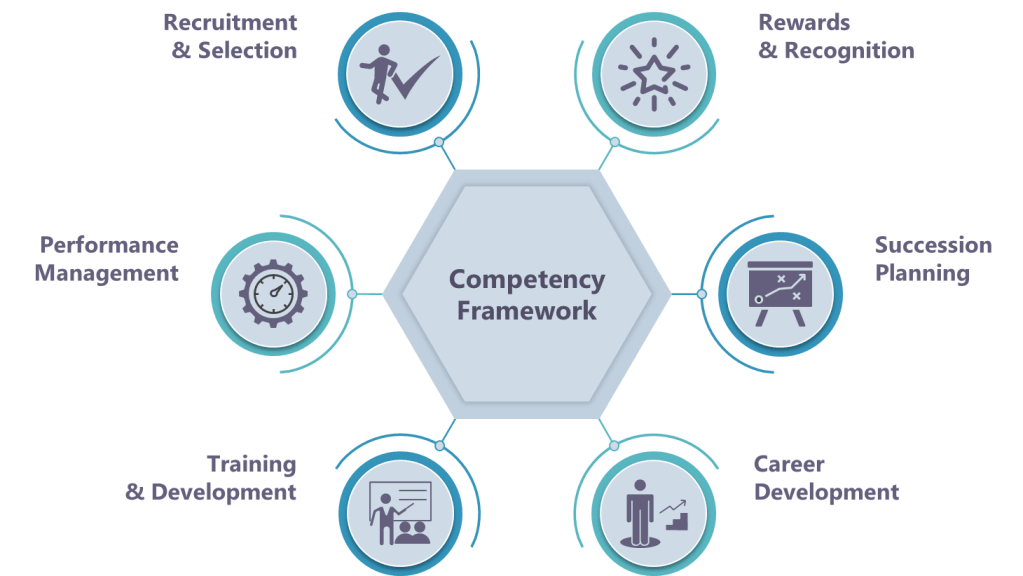
To fully realize the gardener approach, integrate the competency model into every stage of the talent lifecycle:

Recruitment and Selection

  • Role Alignment: Use the competency model to define clear, role-specific requirements—ensuring candidates are evaluated for technical, methodological, social, and self-competencies, not just past experience.
  • Behavioral Interviewing: Structure interviews around observable behaviors and scenarios that reflect the gardener mindset (e.g., “Describe a time you nurtured a process improvement across teams”).

Rewards and Recognition

  • Competency-Based Rewards: Recognize and reward not only outcomes, but also the demonstration of key competencies—such as collaboration, adaptability, and continuous improvement behaviors.
  • Transparency: Use the competency model to provide clarity on what is valued and how employees can be recognized for growing as “quality gardeners.”

Performance Management

  • Objective Assessment: Anchor performance reviews in the competency model, focusing on both results and the behaviors/skills that produced them.
  • Feedback and Growth: Provide structured, actionable feedback linked to specific competencies, supporting a culture of continuous development and accountability.

Training and Development

  • Targeted Learning: Identify gaps at the individual and team level using the competency model, and develop training programs that address all four competency dimensions.
  • Behavioral Focus: Ensure training goes beyond knowledge transfer, emphasizing the practical application and demonstration of new competencies in real-world settings.

Career Development

  • Progression Pathways: Map career paths using the competency model, showing how employees can grow from foundational to advanced levels in each competency dimension.
  • Self-Assessment: Empower employees to self-assess against the model, identify growth areas, and set targeted development goals.

Succession Planning

  • Future-Ready Talent: Use the competency model to identify and develop high-potential employees who exhibit the gardener mindset and can step into critical roles.
  • Capability Mapping: Regularly assess organizational competency strengths and gaps to ensure a robust pipeline of future leaders aligned with the gardener philosophy.

Leadership Call to Action

For quality organizations moving to the gardener approach, the competency model is a strategic lever. By consistently applying the model across recruitment, recognition, performance, development, career progression, and succession, leadership ensures the entire organization is equipped to nurture adaptive, resilient, and high-performing quality systems.

This integrated approach creates clarity, alignment, and a shared vision for what excellence looks like in the gardener era. It enables quality professionals to thrive as cultivators of improvement, collaboration, and innovation—ensuring your quality function remains vital and future-ready.
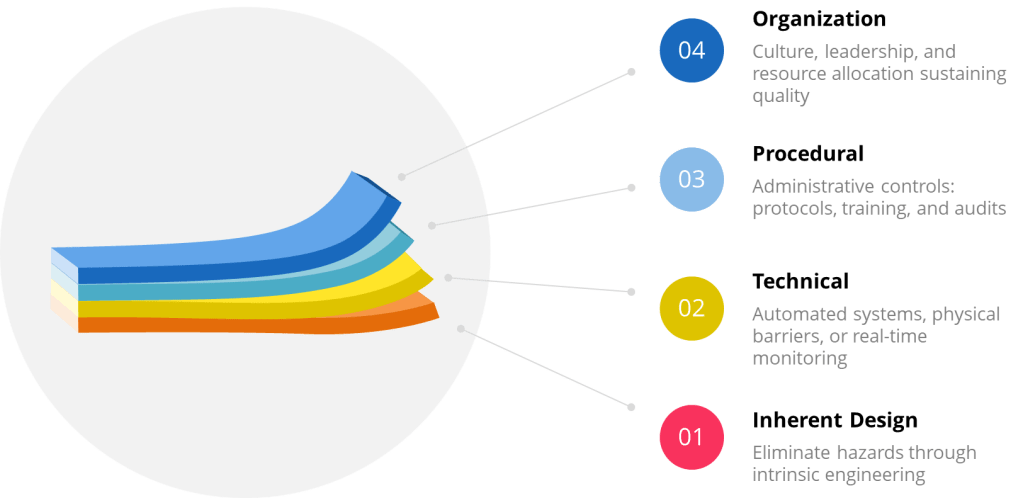
Four Layers of Protection

The Swiss Cheese Model, conceptualized by James Reason, fundamentally defined modern risk management by illustrating how layered defenses interact with active and latent failures to prevent or enable adverse events. This framework underpins the Four Layers of Protection, a systematic approach to mitigating risks across industries. By integrating Reason’s Theory of Active and Latent Failures with modern adaptations like resilience engineering, organizations can create robust, adaptive systems.

The Swiss Cheese Model and Reason’s Theory: A Foundation for Layered Defenses

Reason’s Theory distinguishes between active failures (immediate errors by frontline personnel) and latent failures (systemic weaknesses in design, management, or culture). The Swiss Cheese Model visualizes these failures as holes in successive layers of defense. When holes align, hazards penetrate the system. For example:

  • In healthcare, a mislabeled specimen (active failure) might bypass defenses if staff are overworked (latent failure) and barcode scanners malfunction (technical failure).
  • In aviation, a pilot’s fatigue-induced error (active) could combine with inadequate simulator training (latent) and faulty sensors (technical) to cause a near-miss.

This model emphasizes that no single layer is foolproof; redundancy and diversity across layers are critical.

Four Layers of Protection:

While industries tailor layers to their risks, four core categories form the backbone of defense:

LayerKey PrinciplesIndustry Example
Inherent DesignEliminate hazards through intrinsic engineering (e.g., fail-safe mechanisms)Pharmaceutical isolators preventing human contact with sterile products
ProceduralAdministrative controls: protocols, training, and auditsISO 27001’s access management policies for data security
TechnicalAutomated systems, physical barriers, or real-time monitoringSafety Instrumented Systems (SIS) shutting down chemical reactors during leaks
OrganizationalCulture, leadership, and resource allocation sustaining qualityJust Culture frameworks encouraging transparent incident reporting

Industry Applications

1. Healthcare: Reducing Surgical Infections

  • Inherent: Antimicrobial-coated implants resist biofilm formation.
  • Procedural: WHO Surgical Safety Checklists standardize pre-operative verification.
  • Technical: UV-C robots disinfect operating rooms post-surgery.
  • Organizational: Hospital boards prioritizing infection prevention budgets.

2. Information Security: Aligning with ISO/IEC 27001

  • Inherent: Encryption embedded in software design (ISO 27001 Annex A.10).
  • Procedural: Regular penetration testing and access reviews (Annex A.12).
  • Technical: Intrusion detection systems (Annex A.13).
  • Organizational: Enterprise-wide risk assessments and governance (Annex A.5).

3. Biotech Manufacturing: Contamination Control

  • Inherent: Closed-system bioreactors with sterile welders.
  • Procedural: FDA-mandated Contamination Control Strategies (CCS).
  • Technical: Real-time viable particle monitoring with auto-alerts.
  • Organizational: Cross-functional teams analyzing trend data to preempt breaches.

Contamination Control and Layers of Controls Analysis (LOCA)

In contamination-critical industries, a Layers of Controls Analysis (LOCA) evaluates how failures in one layer impact others. For example:

  1. Procedural Failure: Skipping gowning steps in a cleanroom.
  2. Technical Compromise: HEPA filter leaks due to poor maintenance.
  3. Organizational Gap: Inadequate staff training on updated protocols.

LOCA reveals that latent organizational failures (e.g., insufficient training budgets) often undermine technical and procedural layers. LOCA ties contamination risks to systemic resource allocation, not just frontline errors.

Integration with ISO/IEC 27001

ISO/IEC 27001, the international standard for information security, exemplifies layered risk management:

ISO 27001 Control (Annex A)Corresponding LayerExample
A.8.3 (Information labeling)ProceduralClassifying data by sensitivity
A.9.4 (Network security)TechnicalFirewalls and VPNs
A.11.1 (Physical security)Inherent/TechnicalBiometric access to server rooms
A.5.1 (Policies for IS)OrganizationalBoard-level oversight of cyber risks

This alignment ensures that technical safeguards (e.g., encryption) are reinforced by procedural (e.g., audits) and organizational (e.g., governance) layers, mirroring the Swiss Cheese Model’s redundancy principle.

Resilience Engineering: Evolving the Layers

Resilience engineering moves beyond static defenses, focusing on a system’s capacity to anticipate, adapt, and recover from disruptions. It complements the Four Layers by adding dynamism:

Traditional LayerResilience Engineering ApproachExample
Inherent DesignBuild adaptive capacity (e.g., modular systems)Pharmaceutical plants with flexible cleanroom layouts
ProceduralDynamic procedures adjusted via real-time dataAI-driven prescribing systems updating dosage limits during shortages
TechnicalSelf-diagnosing systems with graceful degradationPower grids rerouting energy during cyberattacks
OrganizationalLearning cultures prioritizing near-miss reportingAviation safety databases sharing incident trends globally

Challenges and Future Directions

While the Swiss Cheese Model remains influential, critics argue it oversimplifies complex systems where layers interact unpredictably. For example, a malfunctioning algorithm (technical) could override procedural safeguards, necessitating organizational oversight of machine learning outputs.

Future applications will likely integrate:

  • Predictive Analytics: Leverages advanced algorithms, machine learning, and vast datasets to forecast future risks and opportunities, transforming risk management from a reactive to a proactive discipline. By analyzing historical and real-time data, predictive analytics identifies patterns and anomalies that signal potential threats—such as equipment failures or contamination events —enabling organizations to anticipate and mitigate risks before they escalate. The technology’s adaptability allows it to integrate internal and external data sources, providing dynamic, data-driven insights that support better decision-making, resource allocation, and compliance monitoring. As a result, predictive analytics not only enhances operational resilience and efficiency but also reduces costs associated with failures, recalls, or regulatory breaches, making it an indispensable tool for modern risk and quality management.
  • Human-Machine Teaming: Integrates human cognitive flexibility with machine precision to create collaborative systems that outperform isolated human or machine efforts. By framing machines as adaptive teammates rather than passive tools, HMT enables dynamic task allocation. Key benefits include accelerated decision-making through AI-driven data synthesis, reduced operational errors via automated safeguards, and enhanced resilience in complex environments. However, effective HMT requires addressing challenges such as establishing bidirectional trust through explainable AI, aligning ethical frameworks for accountability, and balancing autonomy levels through risk-categorized architectures. As HMT evolves, success hinges on designing systems that leverage human intuition and machine scalability while maintaining rigorous quality protocols.
  • Epistemic Governance: The processes through which actors collectively shape perceptions, validate knowledge, and steer decision-making in complex systems, particularly during crises. Rooted in the dynamic interplay between recognized reality (actors’ constructed understanding of a situation) and epistemic work (efforts to verify, apply, or challenge knowledge), this approach emphasizes adaptability over rigid frameworks. By appealing to norms like transparency and scientific rigor, epistemic governance bridges structural frameworks (e.g., ISO standards) and grassroots actions, enabling systems to address latent organizational weaknesses while fostering trust. It also confronts power dynamics in knowledge production, ensuring marginalized voices inform policies—a critical factor in sustainability and crisis management where equitable participation shapes outcomes. Ultimately, it transforms governance into a reflexive practice, balancing institutional mandates with the agility to navigate evolving threats.

Conclusion

The Four Layers of Protection, rooted in Reason’s Swiss Cheese Model, provide a versatile framework for managing risks—from data breaches to pharmaceutical contamination. By integrating standards and embracing resilience engineering, organizations can transform static defenses into adaptive systems capable of navigating modern complexities. As industries face evolving threats, the synergy between layered defenses and dynamic resilience will define the next era of risk management.

Emergence in the Quality System

The concept of emergence—where complex behaviors arise unpredictably from interactions among simpler components—has haunted and inspired quality professionals since Aristotle first observed that “the whole is something besides the parts.” In modern quality systems, this ancient paradox takes new form: our meticulously engineered controls often birth unintended consequences, from phantom batch failures to self-reinforcing compliance gaps. Understanding emergence isn’t just an academic exercise—it’s a survival skill in an era where hyperconnected processes and globalized supply chains amplify systemic unpredictability.

The Spectrum of Emergence: From Predictable to Baffling

Emergence manifests across a continuum of complexity, each type demanding distinct management approaches:

1. Simple Emergence
Predictable patterns emerge from component interactions, observable even in abstracted models. Consider document control workflows: while individual steps like review or approval seem straightforward, their sequencing creates emergent properties like approval cycle times. These can be precisely modeled using flowcharts or digital twins, allowing proactive optimization.

2. Weak Emergence
Behaviors become explainable only after they occur, requiring detailed post-hoc analysis. A pharmaceutical company’s CAPA system might show seasonal trends in effectiveness—a pattern invisible in individual case reviews but emerging from interactions between manufacturing schedules, audit cycles, and supplier quality fluctuations. Weak emergence often reveals itself through advanced analytics like machine learning clustering.

3. Multiple Emergence
Here, system behaviors directly contradict component properties. A validated sterile filling line passing all IQ/OQ/PQ protocols might still produce unpredictable media fill failures when integrated with warehouse scheduling software. This “emergent invalidation” stems from hidden interaction vectors that only manifest at full operational scale.

4. Strong Emergence
Consistent with components but unpredictably manifested, strong emergence plagues culture-driven quality systems. A manufacturer might implement identical training programs across global sites, yet some facilities develop proactive quality innovation while others foster blame-avoidance rituals. The difference emerges from subtle interactions between local leadership styles and corporate KPIs.

5. Spooky Emergence
The most perplexing category, where system behaviors defy both component properties and simulation. A medical device company once faced identical cleanrooms producing statistically divergent particulate counts—despite matching designs, procedures, and personnel. Root cause analysis eventually traced the emergence to nanometer-level differences in HVAC duct machining, interacting with shift-change lighting schedules to alter airflow dynamics.

TypeCharacteristicsQuality System Example
SimplePredictable through component analysisDocument control workflows
WeakExplainable post-occurrence through detailed modelingCAPA effectiveness trends
MultipleContradicts component properties, defies simulationValidated processes failing at scale
StrongConsistent with components but unpredictably manifestedCulture-driven quality behaviors
SpookyDefies component properties and simulation entirelyPhantom batch failures in identical systems

The Modern Catalysts of Emergence

Three forces amplify emergence in contemporary quality systems:

Hyperconnected Processes

IoT-enabled manufacturing equipment generates real-time data avalanches. A biologics plant’s environmental monitoring system might integrate 5,000 sensors updating every 15 seconds. The emergent property? A “data tide” that overwhelms traditional statistical process control, requiring AI-driven anomaly detection to discern meaningful signals.

Compressed Innovation Cycles

Compressed innovation cycles are transforming the landscape of product development and quality management. In this new paradigm, the pressure to deliver products faster—whether due to market demands, technological advances, or public health emergencies—means that the traditional, sequential approach to development is replaced by a model where multiple phases run in parallel. Design, manufacturing, and validation activities that once followed a linear path now overlap, requiring organizations to verify quality in real time rather than relying on staged reviews and lengthy data collection.

One of the most significant consequences of this acceleration is the telescoping of validation windows. Where stability studies and shelf-life determinations once spanned years, they are now compressed into a matter of months or even weeks. This forces quality teams to make critical decisions based on limited data, often relying on predictive modeling and statistical extrapolation to fill in the gaps. The result is what some call “validation debt”—a situation where the pace of development outstrips the accumulation of empirical evidence, leaving organizations to manage risks that may not be fully understood until after product launch.

Regulatory frameworks are also evolving in response to compressed innovation cycles. Instead of the traditional, comprehensive submission and review process, regulators are increasingly open to iterative, rolling reviews and provisional specifications that can be adjusted as more data becomes available post-launch. This shift places greater emphasis on computational evidence, such as in silico modeling and digital twins, rather than solely on physical testing and historical precedent.

The acceleration of development timelines amplifies the risk of emergent behaviors within quality systems. Temporal compression means that components and subsystems are often scaled up and integrated before they have been fully characterized or validated in isolation. This can lead to unforeseen interactions and incompatibilities that only become apparent at the system level, sometimes after the product has reached the market. The sheer volume and velocity of data generated in these environments can overwhelm traditional quality monitoring tools, making it difficult to identify and respond to critical quality attributes in a timely manner.

Another challenge arises from the collision of different quality management protocols. As organizations attempt to blend frameworks such as GMP, Agile, and Lean to keep pace with rapid development, inconsistencies and gaps can emerge. Cross-functional teams may interpret standards differently, leading to confusion or conflicting priorities that undermine the integrity of the quality system.

The systemic consequences of compressed innovation cycles are profound. Cryptic interaction pathways can develop, where components that performed flawlessly in isolation begin to interact in unexpected ways at scale. Validation artifacts—such as artificial stability observed in accelerated testing—may fail to predict real-world performance, especially when environmental variables or logistics introduce new stressors. Regulatory uncertainty increases as control strategies become obsolete before they are fully implemented, and critical process parameters may shift unpredictably during technology transfer or scale-up.

To navigate these challenges, organizations are adopting adaptive quality strategies. Predictive quality modeling, using digital twins and machine learning, allows teams to simulate thousands of potential interaction scenarios and forecast failure modes even with incomplete data. Living control systems, powered by AI and continuous process verification, enable dynamic adjustment of specifications and risk priorities as new information emerges. Regulatory agencies are also experimenting with co-evolutionary approaches, such as shared industry databases for risk intelligence and regulatory sandboxes for testing novel quality controls.

Ultimately, compressed innovation cycles demand a fundamental rethinking of quality management. The focus shifts from simply ensuring compliance to actively navigating complexity and anticipating emergent risks. Success in this environment depends on building quality systems that are not only robust and compliant, but also agile and responsive—capable of detecting, understanding, and adapting to surprises as they arise in real time.

Supply Chain Entanglement

Globalization has fundamentally transformed supply chains, creating vast networks that span continents and industries. While this interconnectedness has brought about unprecedented efficiencies and access to resources, it has also introduced a web of hidden interaction vectors—complex, often opaque relationships and dependencies that can amplify both risk and opportunity in ways that are difficult to predict or control.

At the heart of this complexity is the fragmentation of production across multiple jurisdictions. This spatial and organizational dispersion means that disruptions—whether from geopolitical tensions, natural disasters, regulatory changes, or even cyberattacks—can propagate through the network in unexpected ways, sometimes surfacing as quality issues, delays, or compliance failures far from the original source of the problem.

Moreover, the rise of powerful transnational suppliers, sometimes referred to as “Big Suppliers,” has shifted the balance of power within global value chains. These entities do not merely manufacture goods; they orchestrate entire ecosystems of production, labor, and logistics across borders. Their decisions about sourcing, labor practices, and compliance can have ripple effects throughout the supply chain, influencing not just operational outcomes but also the diffusion of norms and standards. This reconsolidation at the supplier level complicates the traditional view that multinational brands are the primary drivers of supply chain governance, revealing instead a more distributed and dynamic landscape of influence.

The hidden interaction vectors created by globalization are further obscured by limited supply chain visibility. Many organizations have a clear understanding of their direct, or Tier 1, suppliers but lack insight into the lower tiers where critical risks often reside. This opacity can mask vulnerabilities such as overreliance on a single region, exposure to forced labor, or susceptibility to regulatory changes in distant markets. As a result, companies may find themselves blindsided by disruptions that originate deep within their supply networks, only becoming apparent when they manifest as operational or reputational crises.

In this environment, traditional risk management approaches are often insufficient. The sheer scale and complexity of global supply chains demand new strategies for mapping connections, monitoring dependencies, and anticipating how shocks in one part of the world might cascade through the system. Advanced analytics, digital tools, and collaborative relationships with suppliers are increasingly essential for uncovering and managing these hidden vectors. Ultimately, globalization has made supply chains more efficient but also more fragile, with hidden interaction points that require constant vigilance and adaptive management to ensure resilience and sustained performance.

Emergence and the Success/Failure Space: Navigating Complexity in System Design

The interplay between emergence and success/failure space reveals a fundamental tension in managing complex systems: our ability to anticipate outcomes is constrained by both the unpredictability of component interactions and the inherent asymmetry between defining success and preventing failure. Emergence is not merely a technical challenge, but a manifestation of how systems oscillate between latent potential and realized risk.

The Duality of Success and Failure Spaces

Systems exist in a continuum where:

  • Success space encompasses infinite potential pathways to desired outcomes, characterized by continuous variables like efficiency and adaptability.
  • Failure space contains discrete, identifiable modes of dysfunction, often easier to consensus-build around than nebulous success metrics.

Emergence complicates this duality. While traditional risk management focuses on cataloging failure modes, emergent behaviors—particularly strong emergence—defy this reductionist approach. Failures can arise not from component breakdowns, but from unexpected couplings between validated subsystems operating within design parameters. This creates a paradox: systems optimized for success space metrics (e.g., throughput, cost efficiency) may inadvertently amplify failure space risks through emergent interactions.

Emergence as a Boundary Phenomenon

Emergent behaviors manifest at the interface of success and failure spaces:

  1. Weak Emergence
    Predictable through detailed modeling, these behaviors align with traditional failure space analysis. For example, a pharmaceutical plant might anticipate temperature excursion risks in cold chain logistics through FMEA, implementing redundant monitoring systems.
  2. Strong Emergence
    Unpredictable interactions that bypass conventional risk controls. Consider a validated ERP system that unexpectedly generates phantom batch records when integrated with new MES modules—a failure emerging from software handshake protocols never modeled during individual system validation.

To return to a previous analogy of house purchasing to illustrate this dichotomy: while we can easily identify foundation cracks (failure space), defining the “perfect home” (success space) remains subjective. Similarly, strong emergence represents foundation cracks in system architectures that only become visible after integration.

Reconciling Spaces Through Emergence-Aware Design

To manage this complexity, organizations must:

1. Map Emergence Hotspots
Emergence hotspots represent critical junctures where localized interactions generate disproportionate system-wide impacts—whether beneficial innovations or cascading failures. Effectively mapping these zones requires integrating spatial, temporal, and contextual analytics to navigate the interplay between component behaviors and collective outcomes..

2. Implement Ambidextrous Monitoring
Combine failure space triggers (e.g., sterility breaches) with success space indicators (e.g., adaptive process capability) – pairing traditional deviation tracking with positive anomaly detection systems that flag beneficial emergent patterns.

3. Cultivate Graceful Success

Graceful success represents a paradigm shift from failure prevention to intelligent adaptation—creating systems that maintain core functionality even when components falter. Rooted in resilience engineering principles, this approach recognizes that perfect system reliability is unattainable, and instead focuses on designing architectures that fail into high-probability success states while preserving safety and quality.

  1. Controlled State Transitions: Systems default to reduced-but-safe operational modes during disruptions.
  2. Decoupled Subsystem Design: Modular architectures prevent cascading failures. This implements the four layers of protection philosophy through physical and procedural isolation.
  3. Dynamic Risk Reconfiguration: Continuously reassess risk priorities using real-time data brings the concept of fail forward into structured learning modes.

This paradigm shift from failure prevention to failure navigation represents the next evolution of quality systems. By designing for graceful success, organizations transform disruptions into structured learning opportunities while maintaining continuous value delivery—a critical capability in an era of compressed innovation cycles and hyperconnected supply chains.

The Emergence Literacy Imperative

This evolution demands rethinking Deming’s “profound knowledge” for the complexity age. Just as failure space analysis provides clearer boundaries, understanding emergence gives us lenses to see how those boundaries shift through system interactions. The organizations thriving in this landscape aren’t those eliminating surprises, but those building architectures where emergence more often reveals novel solutions than catastrophic failures—transforming the success/failure continuum into a discovery engine rather than a risk minefield.

Strategies for Emergence-Aware Quality Leadership

1. Cultivate Systemic Literacy
Move beyond component-level competence. Trains quality employees in basic complexity science..

2. Design for Graceful Failure
When emergence inevitably occurs, systems should fail into predictable states. For example, you can redesign batch records with:

  • Modular sections that remain valid if adjacent components fail
  • Context-aware checklists that adapt requirements based on real-time bioreactor data
  • Decoupled approvals allowing partial releases while investigating emergent anomalies

3. Harness Beneficial Emergence
The most advanced quality systems intentionally foster positive emergence.

The Emergence Imperative

Future-ready quality professionals will balance three tensions:

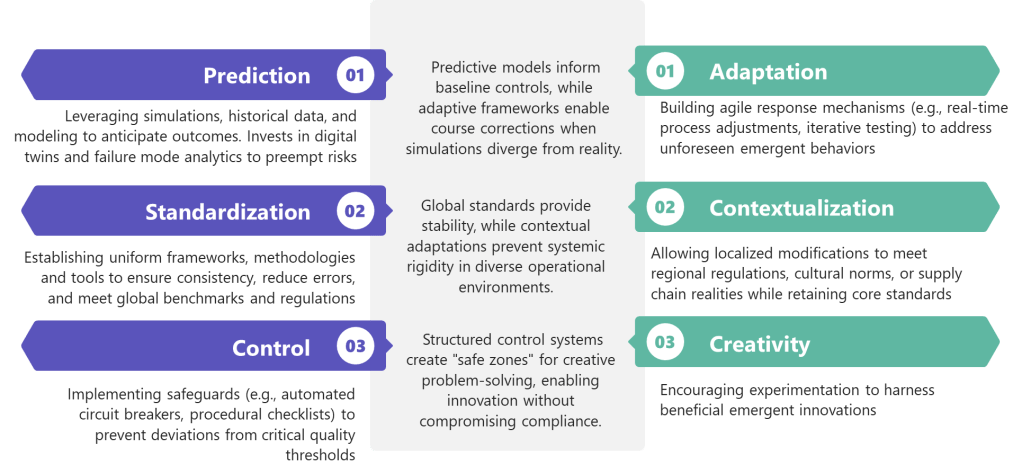
  • Prediction AND Adaptation : Investing in simulation while building response agility
  • Standardization AND Contextualization : Maintaining global standards while allowing local adaptation
  • Control AND Creativity : Preventing harm while nurturing beneficial emergence

The organizations thriving in this new landscape aren’t those with perfect compliance records, but those that rapidly detect and adapt to emergent patterns. They understand that quality systems aren’t static fortresses, but living networks—constantly evolving, occasionally surprising, and always revealing new paths to excellence.

In this light, Aristotle’s ancient insight becomes a modern quality manifesto: Our systems will always be more than the sum of their parts. The challenge—and opportunity—lies in cultivating the wisdom to guide that “more” toward better outcomes.

Principles-Based Compliance: Empowering Technology Implementation in GMP Environments

You will often hear discussions of how a principles-based approach to compliance, focusing on adhering to core principles rather than rigid, prescriptive rules, allowing for greater flexibility and innovation in GMP environments. A term often used in technology implementations, it is at once a lot to unpack and a salesmen’s pitch that might not be out of place for a monorail.

Understanding Principles-Based Compliance

Principles-based compliance is an approach that emphasizes the underlying intent of regulations rather than strict adherence to specific rules. It provides a framework for decision-making that allows organizations to adapt to changing technologies and processes while maintaining the spirit of GXP requirements.

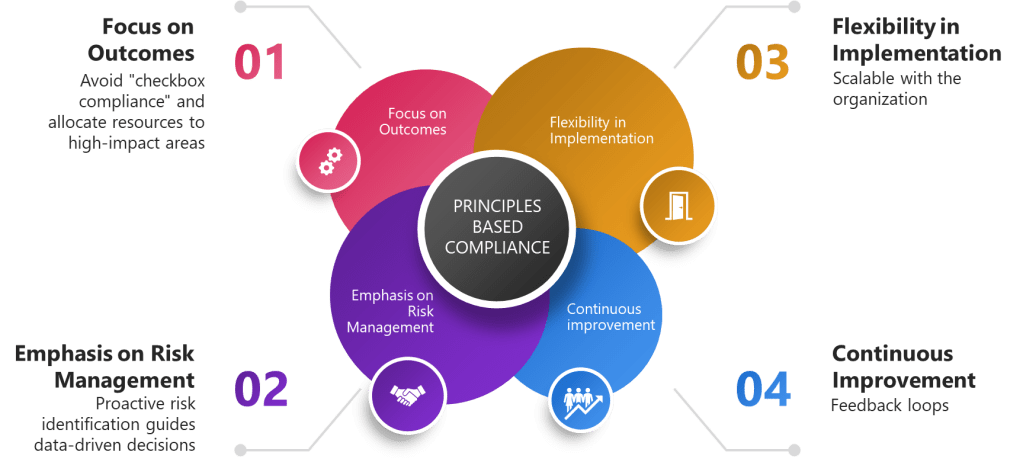
Key aspects of principles-based compliance include:

  1. Focus on outcomes rather than processes
  2. Emphasis on risk management
  3. Flexibility in implementation
  4. Continuous improvement

At it’s heart, and when done right, these are the principles of risk based approaches such as ASTM E2500.

Dangers of Focusing on Outcomes Rather than Processes

Focusing on outcomes rather than processes in principles-based compliance introduces several risks that organizations must carefully manage. One major concern is the lack of clear guidance. Outcome-focused compliance provides flexibility but can lead to ambiguity, as employees may struggle to interpret how to achieve the desired results. This ambiguity can result in inconsistent implementation or “herding behavior,” where organizations mimic peers’ actions rather than adhering to the principles, potentially undermining regulatory objectives.

Another challenge lies in measuring outcomes. If outcomes are not measurable, regulators may struggle to assess compliance effectively, leaving room for discrepancies in interpretation and enforcement.

The risk of non-compliance also increases when organizations focus solely on outcomes. Insufficient monitoring and enforcement can allow organizations to interpret desired outcomes in ways that prioritize their own interests over regulatory intent, potentially leading to non-compliance.

Finally, accountability becomes more challenging under this approach. Principles-based compliance relies heavily on organizational integrity and judgment. If a company’s culture does not support ethical decision-making, there is a risk that short-term gains will be prioritized over long-term compliance goals. While focusing on outcomes offers flexibility and encourages innovation, these risks highlight the importance of balancing principles-based compliance with adequate guidance, monitoring, and enforcement mechanisms to ensure regulatory objectives are met effectively.

Benefits for Technology Implementation

Adopting a principles-based approach to compliance can significantly benefit technology implementation in GMP environments:

1. Adaptability to Emerging Technologies

Principles-based compliance allows organizations to more easily integrate new technologies without being constrained by outdated, prescriptive regulations. This flexibility is crucial in rapidly evolving fields like pharmaceuticals and medical devices.

2. Streamlined Validation Processes

By focusing on the principles of data integrity and product quality, organizations can streamline their validation processes for new technologies. This approach can lead to faster implementation times and reduced costs.

3. Enhanced Risk Management

A principles-based approach encourages a more holistic view of risk, allowing organizations to allocate resources more effectively and focus on areas that have the most significant impact on product quality and patient safety.

4. Fostering Innovation

By providing more flexibility in how compliance is achieved, principles-based compliance can foster a culture of innovation within GMP environments. This can lead to improved processes and ultimately better products.

Implementing Principles-Based Compliance

To successfully implement a principles-based approach to compliance in GMP environments:

  1. Develop a Strong Quality Culture: Ensure that all employees understand the principles behind GMP regulations and their importance in maintaining product quality and safety.
  2. Invest in Training: Provide comprehensive training to employees at all levels to ensure they can make informed decisions aligned with GMP principles.
  3. Leverage Technology: Implement robust quality management systems (QMS) that support principles-based compliance by providing flexibility in process design while maintaining strict control over critical quality attributes.
  4. Encourage Continuous Improvement: Foster a culture of continuous improvement, where processes are regularly evaluated and optimized based on GMP principles rather than rigid rules.
  5. Engage with Regulators: Maintain open communication with regulatory bodies to ensure alignment on the interpretation and application of GMP principles.

Challenges and Considerations

Principles-based compliance frameworks, while advantageous for their adaptability and focus on outcomes, introduce distinct challenges that organizations must navigate thoughtfully.

Interpretation Variability poses a significant hurdle, as the flexibility inherent in principles-based systems can lead to inconsistent implementation. Without prescriptive rules, organizations—or even departments within the same company—may interpret regulatory principles differently based on their risk appetite, operational context, or cultural priorities. For example, a biotech firm’s R&D team might prioritize innovation in process optimization to meet quality outcomes, while the manufacturing unit adheres to traditional methods to minimize deviation risks. This fragmentation can create compliance gaps, operational inefficiencies, or even regulatory scrutiny if interpretations diverge from authorities’ expectations. In industries like pharmaceuticals, where harmonization with standards such as ICH Q10 is critical, subjective interpretations of principles like “continual improvement” could lead to disputes during audits or inspections.

Increased Responsibility shifts the burden of proof onto organizations to justify their compliance strategies. Unlike rules-based systems, where adherence to checklists suffices, principles-based frameworks demand robust documentation, data-driven rationale, and proactive risk assessments to demonstrate alignment with regulatory intent. . Additionally, employees at all levels must understand the ethical and operational “why” behind decisions, necessitating ongoing training and cultural alignment to prevent shortcuts or misinterpretations.

Regulatory Alignment becomes more complex in a principles-based environment, as expectations evolve alongside technological and market shifts. Regulators like the FDA or EMA often provide high-level guidance (e.g., “ensure data integrity”) but leave specifics open to interpretation. Organizations must engage in continuous dialogue with authorities to avoid misalignment—a challenge exemplified by the 2023 EMA guidance on AI in drug development, which emphasized transparency without defining technical thresholds. Companies using machine learning for clinical trial analysis had to iteratively refine their validation approaches through pre-submission meetings to avoid approval delays. Furthermore, global operations face conflicting regional priorities; a therapy compliant with the FDA’s patient-centric outcomes framework might clash with the EU’s stricter environmental sustainability mandates. Staying aligned requires investing in regulatory intelligence teams, participating in industry working groups, and sometimes advocating for clearer benchmarks to bridge principle-to-practice gaps.

These challenges underscore the need for organizations to balance flexibility with rigor, ensuring that principles-based compliance does not compromise accountability or patient safety in pursuit of innovation.

Conclusion

Principles-based compliance can represent a paradigm shift in how organizations approach GMP in technology-driven environments. By focusing on the core principles of quality, safety, and efficacy, this approach enables greater flexibility and innovation in implementing new technologies while maintaining rigorous standards of compliance.

Embracing principles-based compliance can provide a competitive advantage, allowing organizations to adapt more quickly to technological advancements while ensuring the highest standards of product quality and patient safety. However, successful implementation requires a strong quality culture, comprehensive training, and ongoing engagement with regulatory bodies to ensure alignment and consistency in interpretation.

By adopting a principles-based approach to compliance, organizations can create a more agile and innovative GMP environment that is well-equipped to meet the challenges of modern manufacturing while upholding the fundamental principles of product quality and safety.

The Hidden Pitfalls of Naïve Realism in Problem Solving, Risk Management, and Decision Making

Naïve realism—the unconscious belief that our perception of reality is objective and universally shared—acts as a silent saboteur in professional and personal decision-making. While this mindset fuels confidence, it also blinds us to alternative perspectives, amplifies cognitive biases, and undermines collaborative problem-solving. This blog post explores how this psychological trap distorts critical processes and offers actionable strategies to counteract its influence, drawing parallels to frameworks like the Pareto Principle and insights from risk management research.

Problem Solving: When Certainty Breeds Blind Spots

Naïve realism convinces us that our interpretation of a problem is the only logical one, leading to overconfidence in solutions that align with preexisting beliefs. For instance, teams often dismiss contradictory evidence in favor of data that confirms their assumptions. A startup scaling a flawed product because early adopters praised it—while ignoring churn data—exemplifies this trap. The Pareto Principle’s “vital few” heuristic can exacerbate this bias by oversimplifying complex issues. Organizations might prioritize frequent but low-impact problems, neglecting rare yet catastrophic risks, such as cybersecurity vulnerabilities masked by daily operational hiccups.

Functional fixedness, another byproduct of naïve realism, stifles innovation by assuming resources can only be used conventionally. To mitigate this pitfall, teams should actively challenge assumptions through adversarial brainstorming, asking questions like “Why will this solution fail?” Involving cross-functional teams or external consultants can also disrupt echo chambers, injecting fresh perspectives into problem-solving processes.

Risk Management: The Illusion of Objectivity

Risk assessments are inherently subjective, yet naïve realism convinces decision-makers that their evaluations are purely data-driven. Overreliance on historical data, such as prioritizing minor customer complaints over emerging threats, mirrors the Pareto Principle’s “static and historical bias” pitfall.

Reactive devaluation further complicates risk management. Organizations can counteract these biases by appropriately leveraging risk management to drive subjectivity out while better accounting for uncertainty. Simulating worst-case scenarios, such as sudden supplier price hikes or regulatory shifts, also surfaces blind spots that static models overlook.

Decision Making: The Myth of the Rational Actor

Even in data-driven cultures, subjectivity stealthily shapes choices. Leaders often overestimate alignment within teams, mistaking silence for agreement. Individuals frequently insist their assessments are objective despite clear evidence of self-enhancement bias. This false consensus erodes trust and stifles dissent with the assumption that future preferences will mirror current ones.

Organizations must normalize dissent through anonymous voting or “red team” exercises to dismantle these myths, including having designated critics scrutinize plans. Adopting probabilistic thinking, where outcomes are assigned likelihoods instead of binary predictions, reduces overconfidence.

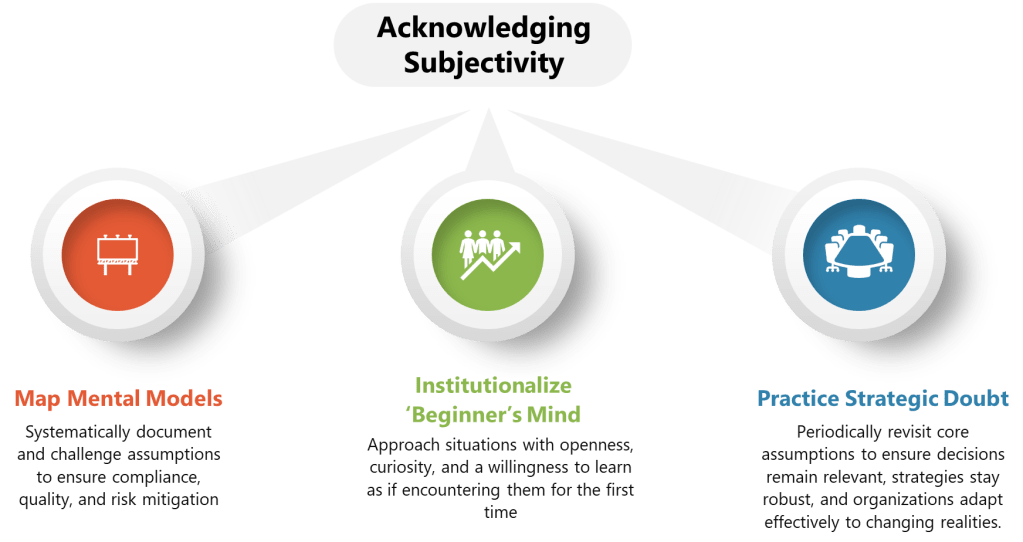
Acknowledging Subjectivity: Three Practical Steps

1. Map Mental Models

Mapping mental models involves systematically documenting and challenging assumptions to ensure compliance, quality, and risk mitigation. For example, during risk assessments or deviation investigations, teams should explicitly outline their assumptions about processes, equipment, and personnel. Statements such as “We assume the equipment calibration schedule is sufficient to prevent deviations” or “We assume operator training is adequate to avoid errors” can be identified and critically evaluated.

Foster a culture of continuous improvement and accountability by stress-testing assumptions against real-world data—such as audit findings, CAPA (Corrective and Preventive Actions) trends, or process performance metrics—to reveal gaps that might otherwise go unnoticed. For instance, a team might discover that while calibration schedules meet basic requirements, they fail to account for unexpected environmental variables that impact equipment accuracy.

By integrating assumption mapping into routine GMP activities like risk assessments, change control reviews, and deviation investigations, organizations can ensure their decision-making processes are robust and grounded in evidence rather than subjective beliefs. This practice enhances compliance and strengthens the foundation for proactive quality management.

2. Institutionalize ‘Beginner’s Mind’

A beginner’s mindset is about approaching situations with openness, curiosity, and a willingness to learn as if encountering them for the first time. This mindset challenges the assumptions and biases that often limit creativity and problem-solving. In team environments, fostering a beginner’s mindset can unlock fresh perspectives, drive innovation, and create a culture of continuous improvement. However, building this mindset in teams requires intentional strategies and ongoing reinforcement to ensure it is actively utilized.

What is a Beginner’s Mindset?

At its core, a beginner’s mindset involves setting aside preconceived notions and viewing problems or opportunities with fresh eyes. Unlike experts who may rely on established knowledge or routines, individuals with a beginner’s mindset embrace uncertainty and ask fundamental questions such as “Why do we do it this way?” or “What if we tried something completely different?” This perspective allows teams to challenge the status quo, uncover hidden opportunities, and explore innovative solutions that might be overlooked.

For example, adopting this mindset in the workplace might mean questioning long-standing processes that no longer serve their purpose or rethinking how resources are allocated to align with evolving goals. By removing the constraints of “we’ve always done it this way,” teams can approach challenges with curiosity and creativity.

How to Build a Beginner’s Mindset in Teams

Fostering a beginner’s mindset within teams requires deliberate actions from leadership to create an environment where curiosity thrives. Here are some key steps to build this mindset:

  1. Model Curiosity and Openness
    Leaders play a critical role in setting the tone for their teams. By modeling curiosity—asking questions, admitting gaps in knowledge, and showing enthusiasm for learning—leaders demonstrate that it is safe and encouraged to approach work with an open mind. For instance, during meetings or problem-solving sessions, leaders can ask questions like “What haven’t we considered yet?” or “What would we do if we started from scratch?” This signals to team members that exploring new ideas is valued over rigid adherence to past practices.
  2. Encourage Questioning Assumptions
    Teams should be encouraged to question their assumptions regularly. Structured exercises such as “assumption audits” can help identify ingrained beliefs that may no longer hold true. By challenging assumptions, teams open themselves up to new insights and possibilities.
  3. Create Psychological Safety
    A beginner’s mindset flourishes in environments where team members feel safe taking risks and sharing ideas without fear of judgment or failure. Leaders can foster psychological safety by emphasizing that mistakes are learning opportunities rather than failures. For example, during project reviews, instead of focusing solely on what went wrong, leaders can ask, “What did we learn from this experience?” This shifts the focus from blame to growth and encourages experimentation.
  4. Rotate Roles and Responsibilities
    Rotating team members across roles or projects is an effective way to cultivate fresh perspectives. When individuals step into unfamiliar areas of responsibility, they are less likely to rely on habitual thinking and more likely to approach tasks with curiosity and openness. For instance, rotating quality assurance personnel into production oversight roles can reveal inefficiencies or risks that might have been overlooked due to overfamiliarity within silos.
  5. Provide Opportunities for Learning
    Continuous learning is essential for maintaining a beginner’s mindset. Organizations should invest in training programs, workshops, or cross-functional collaborations that expose teams to new ideas and approaches. For example, inviting external speakers or consultants to share insights from other industries can inspire innovative thinking within teams by introducing them to unfamiliar concepts or methodologies.
  6. Use Structured Exercises for Fresh Thinking
    Design Thinking exercises or brainstorming techniques like “reverse brainstorming” (where participants imagine how to create the worst possible outcome) can help teams break free from conventional thinking patterns. These activities force participants to look at problems from unconventional angles and generate novel solutions.

Ensuring Teams Utilize a Beginner’s Mindset

Building a beginner’s mindset is only half the battle; ensuring it is consistently applied requires ongoing reinforcement:

  • Integrate into Processes: Embed beginner’s mindset practices into regular workflows such as project kickoffs, risk assessments, or strategy sessions. For example, make it standard practice to start meetings by revisiting assumptions or brainstorming alternative approaches before diving into execution plans.
  • Reward Curiosity: Recognize and reward behaviors that reflect a beginner’s mindset—such as asking insightful questions, proposing innovative ideas, or experimenting with new approaches—even if they don’t immediately lead to success.
  • Track Progress: Use metrics like the number of new ideas generated during brainstorming sessions or the diversity of perspectives incorporated into decision-making processes to measure how well teams utilize a beginner’s mindset.
  • Reflect Regularly: Encourage teams to reflect on using the beginner’s mindset through retrospectives or debriefs after significant projects and events. Questions like “How did our openness to new ideas impact our results?” or “What could we do differently next time?” help reinforce the importance of maintaining this perspective.

Organizations can ensure their teams consistently leverage the power of a beginner’s mindset by cultivating curiosity, creating psychological safety, and embedding practices that challenge conventional thinking into daily operations. This drives innovation and fosters adaptability and resilience in an ever-changing business landscape.

3. Revisit Assumptions by Practicing Strategic Doubt

Assumptions are the foundation of decision-making, strategy development, and problem-solving. They represent beliefs or premises we take for granted, often without explicit evidence. While assumptions are necessary to move forward in uncertain environments, they are not static. Over time, new information, shifting circumstances, or emerging trends can render them outdated or inaccurate. Periodically revisiting core assumptions is essential to ensure decisions remain relevant, strategies stay robust, and organizations adapt effectively to changing realities.

Why Revisiting Assumptions Matters

Assumptions often shape the trajectory of decisions and strategies. When left unchecked, they can lead to flawed projections, misallocated resources, and missed opportunities. For example, Kodak’s assumption that film photography would dominate forever led to its downfall in the face of digital innovation. Similarly, many organizations assume their customers’ preferences or market conditions will remain stable, only to find themselves blindsided by disruptive changes. Revisiting assumptions allows teams to challenge these foundational beliefs and recalibrate their approach based on current realities.

Moreover, assumptions are frequently made with incomplete knowledge or limited data. As new evidence emerges, whether through research, technological advancements, or operational feedback, testing these assumptions against reality is critical. This process ensures that decisions are informed by the best available information rather than outdated or erroneous beliefs.

How to Periodically Revisit Core Assumptions

Revisiting assumptions requires a structured approach integrating critical thinking, data analysis, and collaborative reflection.

1. Document Assumptions from the Start

The first step is identifying and articulating assumptions explicitly during the planning stages of any project or strategy. For instance, a team launching a new product might document assumptions about market size, customer preferences, competitive dynamics, and regulatory conditions. By making these assumptions visible and tangible, teams create a baseline for future evaluation.

2. Establish Regular Review Cycles

Revisiting assumptions should be institutionalized as part of organizational processes rather than a one-off exercise. Build assumption audits into the quality management process. During these sessions, teams critically evaluate whether their assumptions still hold true in light of recent data or developments. This ensures that decision-making remains agile and responsive to change.

3. Use Feedback Loops

Feedback loops provide real-world insights into whether assumptions align with reality. Organizations can integrate mechanisms such as surveys, operational metrics, and trend analyses into their workflows to continuously test assumptions.

4. Test Assumptions Systematically

Not all assumptions carry equal weight; some are more critical than others. Teams can prioritize testing based on three parameters: severity (impact if the assumption is wrong), probability (likelihood of being inaccurate), and cost of resolution (resources required to validate or adjust). 

5. Encourage Collaborative Reflection

Revisiting assumptions is most effective when diverse perspectives are involved. Bringing together cross-functional teams—including leaders, subject matter experts, and customer-facing roles—ensures that blind spots are uncovered and alternative viewpoints are considered. Collaborative workshops or strategy recalibration sessions can facilitate this process by encouraging open dialogue about what has changed since the last review.

6. Challenge Assumptions with Data

Assumptions should always be validated against evidence rather than intuition alone. Teams can leverage predictive analytics tools to assess whether their assumptions align with emerging trends or patterns. 

How Organizations Can Ensure Assumptions Are Utilized Effectively

To ensure revisited assumptions translate into actionable insights, organizations must integrate them into decision-making processes:

Monitor Continuously: Establish systems for continuously monitoring critical assumptions through dashboards or regular reporting mechanisms. This allows leadership to identify invalidated assumptions promptly and course-correct before significant risks materialize.

Update Strategies and Goals: Adjust goals and objectives based on revised assumptions to maintain alignment with current realities. 

Refine KPIs: Key Performance Indicators (KPIs) should evolve alongside updated assumptions to reflect shifting priorities and external conditions. Metrics that once seemed relevant may need adjustment as new data emerges.

Embed Assumption Testing into Culture: Encourage teams to view assumption testing as an ongoing practice rather than a reactive measure. Leaders can model this behavior by openly questioning their own decisions and inviting critique from others.

From Certainty to Curious Inquiry

Naïve realism isn’t a personal failing but a universal cognitive shortcut. By recognizing its influence—whether in misapplying the Pareto Principle or dismissing dissent—we can reframe conflicts as opportunities for discovery. The goal isn’t to eliminate subjectivity but to harness it, transforming blind spots into lenses for sharper, more inclusive decision-making.

The path to clarity lies not in rigid certainty but in relentless curiosity.