It is fascinating that for all the discussion around quality culture, which borrows from Safety II and other safety movements/submovements, we’ve largely avoided using the term justice, which is so prevalent in certain areas of the safety world. One can replace quality with justice and talk about many of the same things.
Both attempt to realize Deming’s Point 8—to drive out fear—which I consider Deming’s most radical proposition.
We really should see them as building blocks. A just culture enables the open reporting and analysis of errors necessary for a quality culture to identify areas for improvement. The two cultures are complementary—a robust quality program requires psychological safety fostered by a just culture. However, a quality culture has broader aims beyond responding to errors or safety lapses. We cannot have a Quality Culture without a Just Culture.
Psychological safety creates an environment where staff can speak up, enabling a just culture. A just culture defines the balanced accountability approach for responding to errors and safety events. A quality culture is a broader concept that drives improvement across the organization, relying on the foundation of a just culture.
But I really wish we used the term justice more. Promoting justice is an activity I wish we took more seriously as a profession.
The Nadler-Tushman Congruence model is a diagnostic tool developed by organizational theorists David A. Nadler and Michael L. Tushman in the early 1980s. It analyzes and identifies the root causes of performance issues within an organization and can be a helpful model for diagnosing and improving a culture of quality.
Nadler-Tushman Congruence Framework
The Nadler-Tushman Congruence model is based on several assumptions that are common to modern organizational diagnostic models:
Organizations are open social systems within a larger environment.
Organizations are dynamic entities (i.e., change is possible and occurs).
Organizational behavior occurs at the individual, group, and systems level.
Interactions occur between the individual, group, and systems levels of organizational behavior
The model is based on the premise that an organization can achieve high performance when four key elements – work, people, structure, and culture – are aligned or congruent with each other. These elements are defined as:
Work
This refers to the core tasks and activities that the organization performs to achieve its goals. It includes the processes, workflows, and the skills/knowledge required to carry out the work effectively.
People
This element focuses on the individuals within the organization, their skills, knowledge, personalities, work styles, and how well they fit with the work requirements.
Structure
This encompasses the formal aspects of the organization, such as its hierarchy, reporting lines, policies, procedures, and systems that govern how work gets done.
Culture
This includes the shared values, beliefs, behaviors, and norms that shape how people interact and work together within the organization. The basic premise is that when these four elements are well-aligned and congruent, the organization operates smoothly and performs at a high level. However, a misalignment or incongruence among these elements can lead to friction, inefficiencies, and poor organizational performance.
Use
The Nadler-Tushman Congruence model can be effectively used for root cause analysis of organizational performance issues by following these steps:
Identify the symptoms or performance gaps within the organization, such as low productivity, high employee turnover, quality issues, etc.
Analyze the four key elements of the model – work, people, structure, and culture – to understand their current state within the organization.
Assess the level of congruence or alignment among these four elements by examining their interactions in pairs:
Work and people: Do employees have the right skills/knowledge for the work? Is the work meaningful to them?
Work and structure: Does the organizational structure support efficient work processes?
Structure and people: Does the structure enable or hinder employee engagement/motivation?
People and culture: Are employee values/behaviors aligned with the organizational culture?
Culture and work: Does the culture facilitate or impede effective work practices?
Structure and culture: Is there harmony or conflict between the structure and cultural norms?
Identify areas of incongruence or misalignment among these elements that could be the root causes of the performance issues. For example, a misalignment between people’s skills and work requirements or between an innovative culture and a rigid hierarchical structure.
Conduct a root cause analysis by further investigating the specific reasons behind the identified incongruences using techniques like fishbone diagrams or Why-Why analysis.
Develop an action plan to address the root causes by realigning the incongruent elements. This may involve changes to work processes, training programs, organizational policies, cultural initiatives, etc.
The key strength of the Nadler-Tushman model is its ability to provide a comprehensive framework for diagnosing performance problems by examining the interactions among the critical organizational elements. This systemic approach helps uncover root causes that may be overlooked in a siloed analysis of individual elements.
A central premise of the Quality mindset is that the means justify the ends and that how we work produces a better result.
At its core, a Quality mindset values the journey as much as the destination. It’s an understanding that the path taken to achieve results is integral to the quality of those results. This mindset shifts the focus from merely meeting targets to how those targets are met, emphasizing continuous improvement, attention to detail, and a commitment to excellence at every step of the process.
The Means Define the Culture
One of the most profound impacts of adopting a Quality mindset is on organizational culture. When a company prioritizes the means as much as the ends, it fosters a culture of integrity, responsibility, and continuous learning. Employees are encouraged to take ownership of their work, innovate, and find better ways to achieve objectives. This enhances the quality of work and boosts morale and engagement among team members.
Process Improvement as a Habit
Incorporating a Quality mindset means viewing process improvement as not a one-time initiative but an ongoing habit. It’s about making small, continuous adjustments that cumulatively lead to significant improvements.
Building Resilience through Quality
Another critical aspect of the Quality mindset is its role in building organizational resilience. Companies can create flexible and robust processes that withstand external pressures and disruptions by concentrating on the means. This resilience is crucial in today’s fast-paced and ever-changing business environment, where adaptability and agility are key to survival and success.
The Role of Leadership
Leadership plays a pivotal role in cultivating a Quality mindset within an organization. Leaders must set the tone by demonstrating a commitment to quality in their actions and decisions. They should encourage open communication, foster a culture of feedback and learning, and recognize and reward quality improvements. By leading by example, leaders can inspire their teams to adopt a Quality mindset and contribute to a culture of excellence.
Conclusion
Adopting a Quality mindset is a strategic choice that can lead to superior outcomes for organizations. By focusing on the means—how work is done—companies can improve processes, foster a positive culture, build resilience, and ultimately achieve higher-quality results. Embedding this mindset into the fabric of the company’s operations requires a commitment from all levels of the organization, especially leadership. In the end, a Quality mindset is not just about achieving better results; it’s about building a better organization.
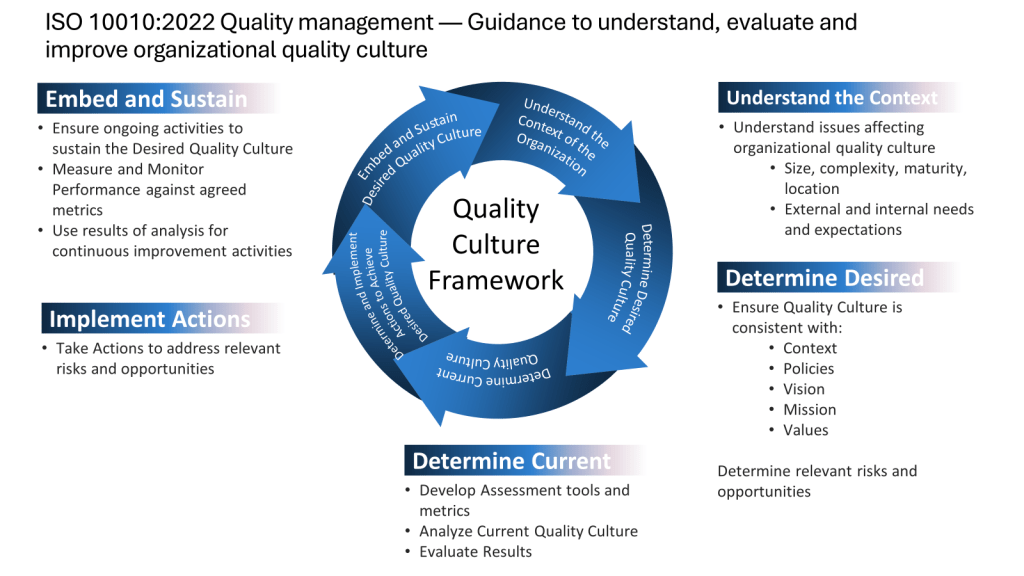
At the SQA’s Quality College, I presented a workshop on Quality Culture. In interests of time, I glossed over the ISOs and wanted to come back and treat them in more detail.
ISO 9000 is a set of international standards on quality management and quality assurance developed to help companies effectively document the quality system elements needed to maintain an efficient quality system. Designed to be general in approach, they are not specific to any one industry and can be applied to organizations of any size.
There are some 25 series 9000 standards, with the core for this topic being:
ISO 9000 Quality management systems -Fundamentals and vocabulary
ISO 9001 Quality management systems – Requirements
ISO 9004 Managing for the sustained success of an organization – A quality management approach
The ISO 10000 series supports standards in the ISO 9000 series with more specific guidelines, there are several here relevant to the question of Quality Culture:
ISO 10010 Quality management — Guidance to understand, evaluate and improve organizational quality culture
ISO 10015 Quality Management – Guidelines for competence management and people development Training
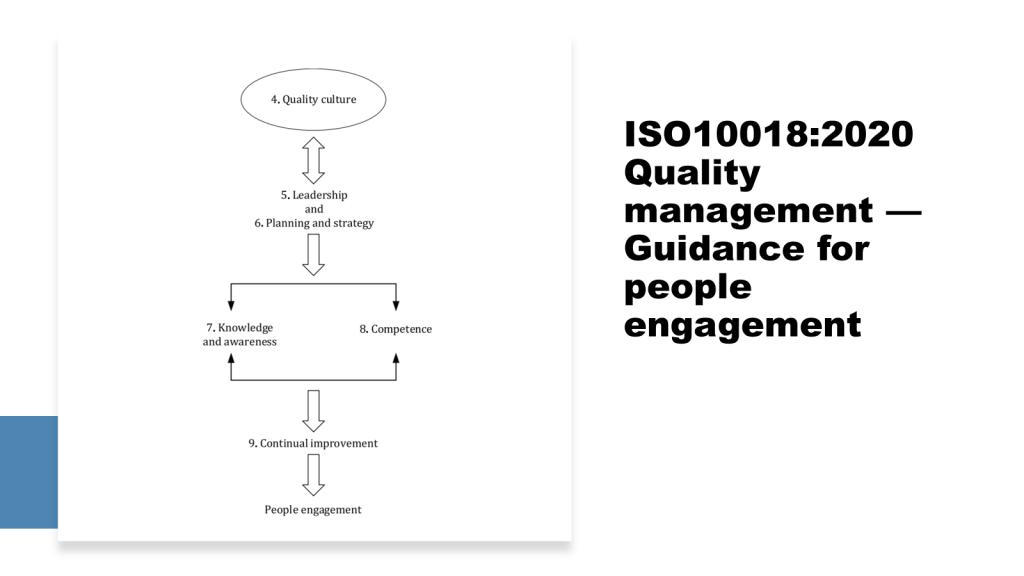
ISO 10018 Quality Management – Guidelines on People Involvement and Competence
I recently joined Just Evotec Biologics as the Senior Director of Global Quality Engineering and Validation. For a variety of reasons (just look at my past company on my LinkedIn bio and search the news to find one) it was a good time to move. I had decided that I wanted a position that was tied to an innovative manufacturing company and was deep in domain expertise. The combination of Just Evotec Biologics innovative technology aims and the ability to deep dive into one of my favorite topics was just too much to resist. Add to it the opportunity to work with a leader I deeply respected again and well, here I am. And feeling very good about it.
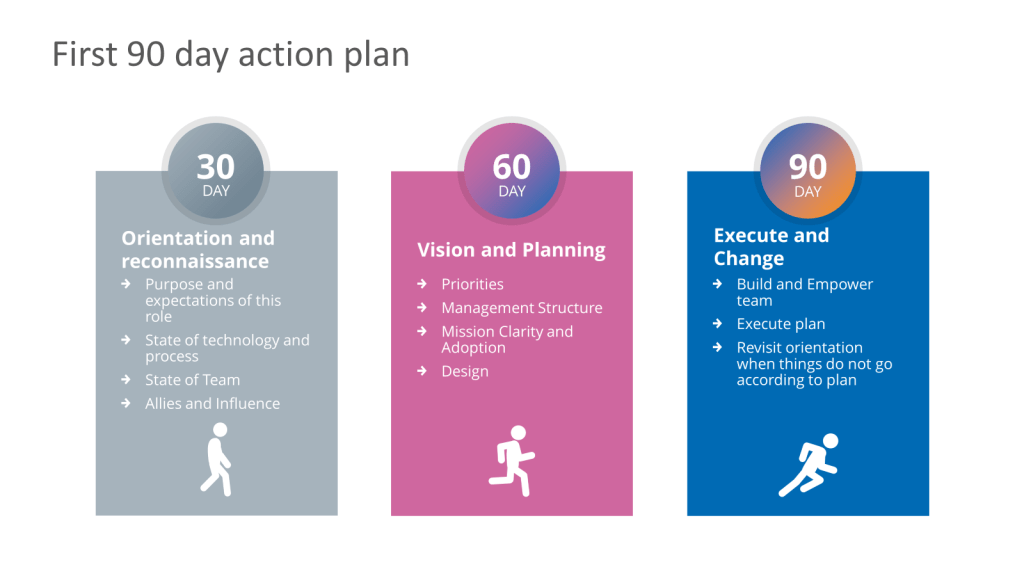
When I first started I met with the team and laid out my 30-60-90 day goals.
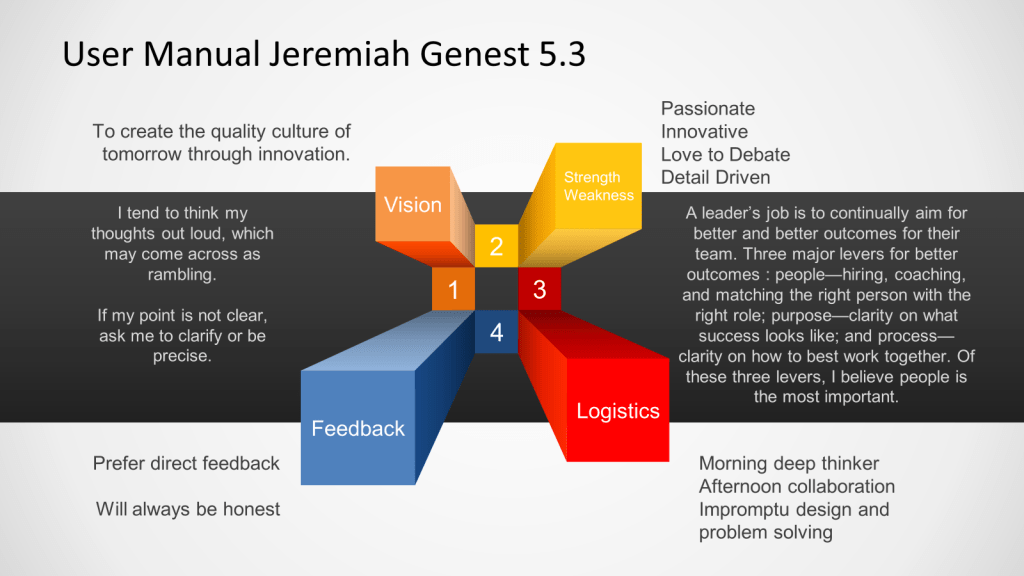
As well as talking a little about how I operate.
A big chunk of my time has been getting the lay-of-the-land institutionally. Setting some standards, doing gap assessments, figuring out what-is-what, and getting to know all my partners and stakeholders. For reasons of confidentiality, this post won’t be going deep on that.
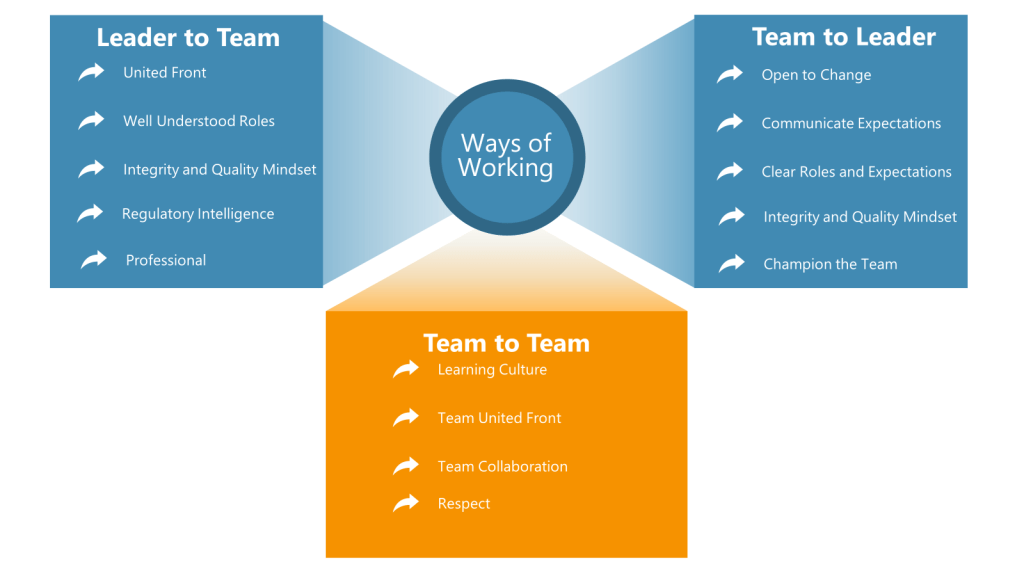
What I do want to talk about is our team values and ways of working. I’ve been focused heavily on three areas with the team:
Team Values
Team Decision Making
Team Competencies
Team Values
We did a few workshops where we identified a set of values:
Leader to Team: How I expect the team to perform
Team to Leader: How the Team expects me to perform
Team to Team: How we expect each other to perform
This exercise really helped me understand what was going on within the team and through it I really started to understand some priorities.
For each of these, we created a Value Statement. Here are some examples.
Value: United Front
Definition: Decisions are made and recorded honestly and transparently. Employees understand decisions and how to execute them. The entire team represents the decisions made, and the decision-making process with one voice.
Desired Behaviors:
I hold myself accountable for representing the decisions made by the team.
I work to anticipate and fend off the possibility of failures occurring.
I engage with decision making and respect the decisions that result.
Value: Open to Change
Definition: Willingness to listen to the team. Actively looking for feedback and input from the team before making decisions that impact the team. Open to changing established ways and revisiting previously made decisions.
I will create an environment where new ideas are welcome and challenging ideas are encouraged.
I will include the team in decision-making where applicable.
I will actively seek out individual and group feedback to enable continuous improvements.
Value: Learning Culture
Definition: Share lessons learned from projects so team can grow together and remain aligned. Engage in knowledge-sharing sessions.
Desired Behaviors:
I will share lessons learned from each project with the wider QEV team via teams channel &/or weekly team meetings.
I will encourage team members to openly share their experiences, successes, and challenges without fear of judgement.
I will update RAID log with decisions made by the team.
I will identify possible process improvements and update the process improvement tracker
Team Decision Making
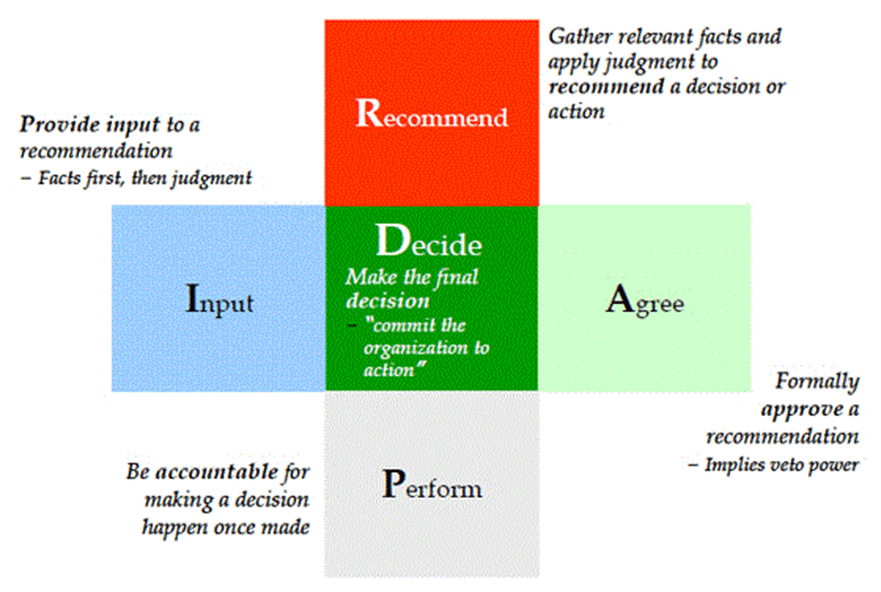
Currently working with the team to define decision-making, introducing the RAPID model and working on a matrix of decisions.
Team Competencies
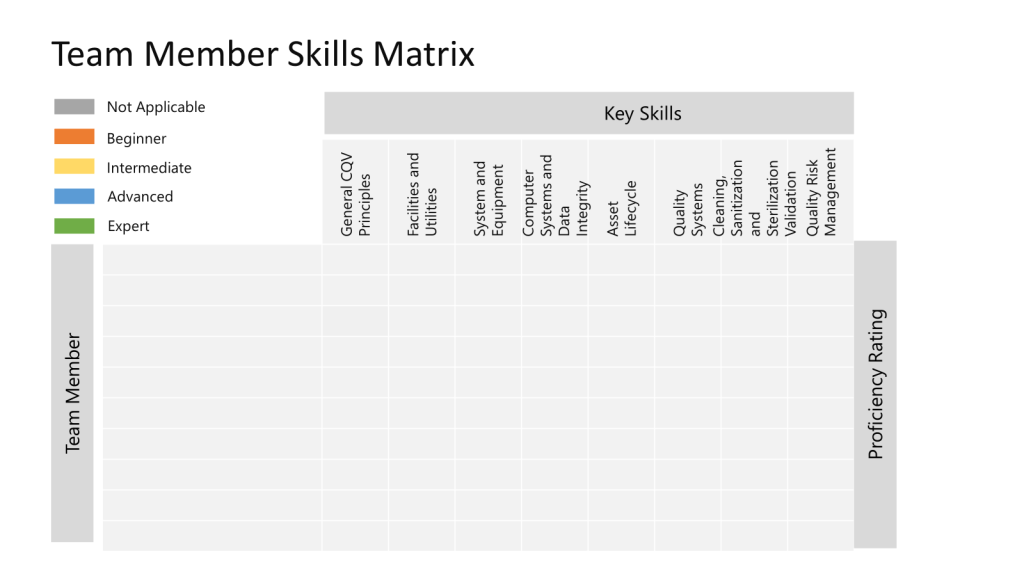
Starting with technical skills we are defining our core competencies. Next, we will tackle, with the larger quality organization, the soft skill side of the equation. This is definitely a work in progress.
Skill
Area
Key
Aspects
Proficiency
Levels
Beginner
Intermediate
Advanced
Expert
General
CQV Principles
�Modern
process validation and guidance
�Validation
design and how to reduce variability
�Able
to review a basic protocol
�Able
to review/approve Validation document deliverables.
�Understands
the importance of a well-defined URS.
�Able
to be QEV lead in a small project
�Able
to answer questions and guide others in QEV
�Participates
in process improvement
�Able
to review and approve RTM/SRs
�Able
to be QEV lead in a large project project
�Trains
and mentors others in QEV
�Leads
process improvement initiatives
�Able
to provide Quality oversight on the creation of Validation Plans for complex
systems and/or projects
�Sets
overall CQV strategy
�Recognized
as an expert outside of JEB
Facilities and Utilities
�Oversee
Facilities, HVAC and Controlled Environments
�Pharma
Water and WFI
�Pure
Steam, Compressed Air, Medical Gases
�Understands
the principles and GMP requirements
�Applies
the principles, activities, and deliverables that constitute an efficient and
acceptable approach to demonstrating facility fitness-for-use/qualification
�Guide
the Design to Qualification Process for new facilities/utilities or the
expansion of existing facilities/utilities
�Able
to establish best practices
Systems and Equipment
�Equipment,
including Lab equipment
�Understands
the principles and GMP requirements
�Principles,
activities, and deliverables that constitute an efficient and acceptable
approach to demonstrating equipment fitness-for-use/qualification
�Able
to provide overall strategy for large projects
�Able
to be QEV lead on complex systems and equipment.
�Able
to establish best practices
Computer Systems and Data Integrity
�Computer
lifecycle, including validation
�Understands
the principles and GMP requirements
�Able
to review CSV documents
�Apply
GAMP5 risk based approach
�Day-to-day
quality oversight
�Able
to provide overall strategy for a risk based GAMP5 approach to computer
system quality
�Able
to establish best practices
Asset Lifecycle
�Quality
oversight and decision making in the lifecycle asset lifecycle: Plan,
acquire, use, maintain, and dispose of assets
�Can
use CMMS to look up Calibrations, Cal schedules and PM schedules
�Quality
oversight of asset lifecycle decisions
�Able
to provide oversight on Cal/PM frequency
�Able
to assess impact to validated state for corrective WO’s.
�Able
to establish asset lifecycle for new equipment classes
�Establish
risk-based PM for new asset classes
�Establish
asset lifecycle approach
Quality Systems
�SOP/WI
and other GxP Documents
�Deviation
�Change
Control
�Able
to use the eQMS
�Deviation
reviewer (minor/major)
�Change
Control approver
�Document
author/approver
�Deviation
reviewer (critical)
�Manage
umbrella/Parent changes
�Able
to set strategic direction
Cleaning,
Sanitization and Sterilization Validation
�Evaluate
and execute cleaning practices, limit calculations, scientific rationales,
and validation documents
�Manage
the challenges of multi-product facilities in the establishment of limits,
determination of validation strategies, and maintaining the validated state
�Differentiate
the requirements for cleaning and sterilization validation when using manual,
semi-automatic, and automatic cleaning technologies
�Review
protocols
�Identify
and characterize potential residues including product, processing aids,
cleaning agents, and adventitious agents
�Understand
Sterilization principles and requirements
�Create,
review and approve scientifically sound rationales,
validation protocols, and reports
�Manage
and remediate the pitfalls inherent in cleaning after the production of
biopharmaceutical and pharmaceutical products
�Define
cleaning/sterilization validation strategy to meet GMP requirements
Quality Risk Management
�Apply
QRM principles according to Q9
�Participate
in a risk assessment
�Determine
appropriate tools
�Establish
risk-based decision-making tools
�Set
risk-based approaches
�Define
risk management program for CQV activities
I’d love feedback on this.
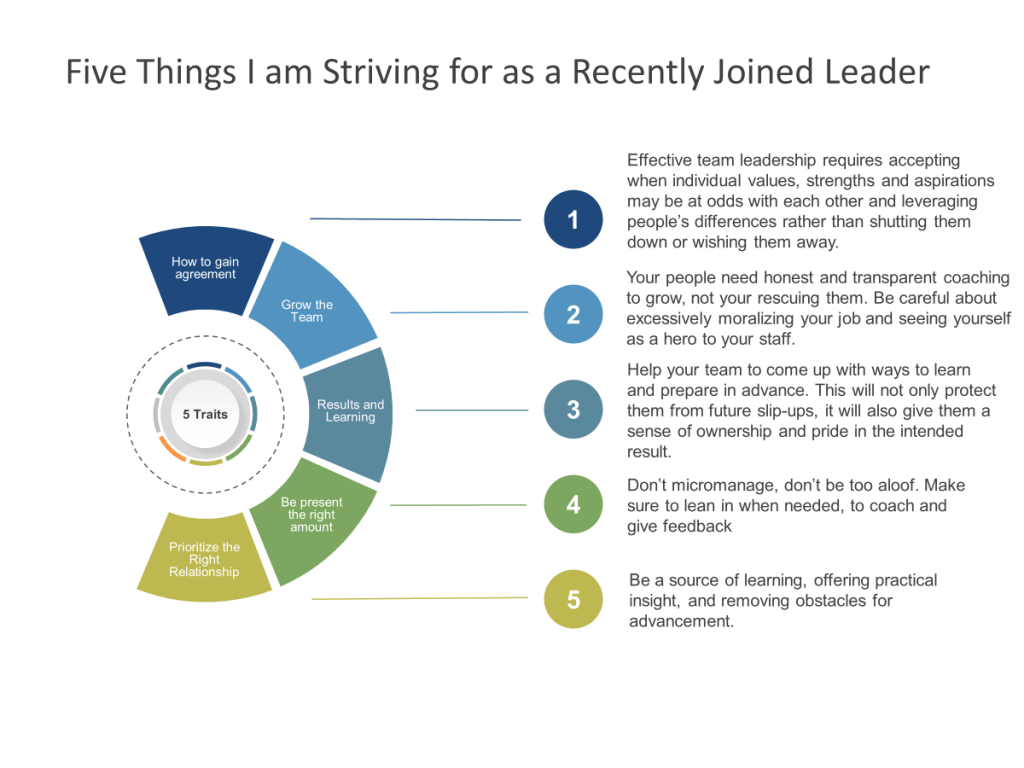
My Overall Philosophy
I’ve been focusing on five key tasks as a leader in this organization:



 Investigations of a Dog