Dr. Valerie Mulholland’s recent exploration of the GI Joe Bias strikes gets to the heart of a fundamental challenge in pharmaceutical quality management: the persistent belief that awareness of cognitive biases is sufficient to overcome them. I find Valerie’s analysis particularly compelling because it connects directly to the practical realities we face when implementing ICH Q9(R1)’s mandate to actively manage subjectivity in risk assessment.
Valerie’s observation that “awareness of a bias does little to prevent it from influencing our decisions” shows us that the GI Joe Bias underlays a critical gap between intellectual understanding and practical application—a gap that pharmaceutical organizations must bridge if they hope to achieve the risk-based decision-making excellence that ICH Q9(R1) demands.
The Expertise Paradox: Why Quality Professionals Are Particularly Vulnerable
Valerie correctly identifies that quality risk management facilitators are often better at spotting biases in others than in themselves. This observation connects to a deeper challenge I’ve previously explored: the fallacy of expert immunity. Our expertise in pharmaceutical quality systems creates cognitive patterns that simultaneously enable rapid, accurate technical judgments while increasing our vulnerability to specific biases.
The very mechanisms that make us effective quality professionals—pattern recognition, schema-based processing, heuristic shortcuts derived from base rate experiences—are the same cognitive tools that generate bias. When I conduct investigations or facilitate risk assessments, my extensive experience with similar events creates expectations and assumptions that can blind me to novel failure modes or unexpected causal relationships. This isn’t a character flaw; it’s an inherent part of how expertise develops and operates.
Valerie’s emphasis on the need for trained facilitators in high-formality QRM activities reflects this reality. External facilitation isn’t just about process management—it’s about introducing cognitive diversity and bias detection capabilities that internal teams, no matter how experienced, cannot provide for themselves. The facilitator serves as a structured intervention against the GI Joe fallacy, embodying the systematic approaches that awareness alone cannot deliver.
From Awareness to Architecture: Building Bias-Resistant Quality Systems
The critical insight from both Valerie’s work and my writing about structured hypothesis formation is that effective bias management requires architectural solutions, not individual willpower. ICH Q9(R1)’s introduction of the “Managing and Minimizing Subjectivity” section represents recognition that regulatory compliance requires systematic approaches to cognitive bias management.
Leveraging Knowledge Management: Rather than relying on individual awareness, effective bias management requires systematic capture and application of objective information. When risk assessors can access structured historical data, supplier performance metrics, and process capability studies, they’re less dependent on potentially biased recollections or impressions.
Good Risk Questions: The formulation of risk questions represents a critical intervention point. Well-crafted questions can anchor assessments in specific, measurable terms rather than vague generalizations that invite subjective interpretation. Instead of asking “What are the risks to product quality?”, effective risk questions might ask “What are the potential causes of out-of-specification dissolution results for Product X in the next 6 months based on the last three years of data?”
Cross-Functional Teams: Valerie’s observation that we’re better at spotting biases in others translates directly into team composition strategies. Diverse, cross-functional teams naturally create the external perspective that individual bias recognition cannot provide. The manufacturing engineer, quality analyst, and regulatory specialist bring different cognitive frameworks that can identify blind spots in each other’s reasoning.
Structured Decision-Making Processes: The tools Valerie mentions—PHA, FMEA, Ishikawa, bow-tie analysis—serve as external cognitive scaffolding that guides thinking through systematic pathways rather than relying on intuitive shortcuts that may be biased.
The Formality Framework: When and How to Escalate Bias Management
One of the most valuable aspects of ICH Q9(R1) is its introduction of the formality concept—the idea that different situations require different levels of systematic intervention. Valerie’s article implicitly addresses this by noting that “high formality QRM activities” require trained facilitators. This suggests a graduated approach to bias management that scales intervention intensity with decision importance.
This formality framework needs to include bias management that organizations can use to determine when and how intensively to apply bias mitigation strategies:
Low Formality Situations: Routine decisions with well-understood parameters, limited stakeholders, and reversible outcomes. Basic bias awareness training and standardized checklists may be sufficient.
Medium Formality Situations: Decisions involving moderate complexity, uncertainty, or impact. These require cross-functional input, structured decision tools, and documentation of rationales.
High Formality Situations: Complex, high-stakes decisions with significant uncertainty, multiple conflicting objectives, or diverse stakeholders. These demand external facilitation, systematic bias checks, and formal documentation of how potential biases were addressed.
This framework acknowledges that the GI Joe fallacy is most dangerous in high-formality situations where the stakes are highest and the cognitive demands greatest. It’s precisely in these contexts that our confidence in our ability to overcome bias through awareness becomes most problematic.
The Cultural Dimension: Creating Environments That Support Bias Recognition
Valerie’s emphasis on fostering humility, encouraging teams to acknowledge that “no one is immune to bias, even the most experienced professionals” connects to my observations about building expertise in quality organizations. Creating cultures that can effectively manage subjectivity requires more than tools and processes; it requires psychological safety that allows bias recognition without professional threat.
I’ve noted in past posts that organizations advancing beyond basic awareness levels demonstrate “systematic recognition of cognitive bias risks” with growing understanding that “human judgment limitations can affect risk assessment quality.” However, the transition from awareness to systematic application requires cultural changes that make bias discussion routine rather than threatening.
This cultural dimension becomes particularly important when we consider the ironic processing effects that Valerie references. When organizations create environments where acknowledging bias is seen as admitting incompetence, they inadvertently increase bias through suppression attempts. Teams that must appear confident and decisive may unconsciously avoid bias recognition because it threatens their professional identity.
The solution is creating cultures that frame bias recognition as professional competence rather than limitation. Just as we expect quality professionals to understand statistical process control or regulatory requirements, we should expect them to understand and systematically address their cognitive limitations.
Practical Implementation: Moving Beyond the GI Joe Fallacy
Building on Valerie’s recommendations for structured tools and systematic approaches, here are some specific implementation strategies that organizations can adopt to move beyond bias awareness toward bias management:
Bias Pre-mortems: Before conducting risk assessments, teams explicitly discuss what biases might affect their analysis and establish specific countermeasures. This makes bias consideration routine rather than reactive.
Devil’s Advocate Protocols: Systematic assignment of team members to challenge prevailing assumptions and identify information that contradicts emerging conclusions.
Perspective-Taking Requirements: Formal requirements to consider how different stakeholders (patients, regulators, operators) might view risks differently from the assessment team.
Bias Audit Trails: Documentation requirements that capture not just what decisions were made, but how potential biases were recognized and addressed during the decision-making process.
External Review Requirements: For high-formality decisions, mandatory review by individuals who weren’t involved in the initial assessment and can provide fresh perspectives.
These interventions acknowledge that bias management is not about eliminating human judgment—it’s about scaffolding human judgment with systematic processes that compensate for known cognitive limitations.
The Broader Implications: Subjectivity as Systemic Challenge
Valerie’s analysis of the GI Joe Bias connects to broader themes in my work about the effectiveness paradox and the challenges of building rigorous quality systems in an age of pop psychology. The pharmaceutical industry’s tendency to adopt appealing frameworks without rigorous evaluation extends to bias management strategies. Organizations may implement “bias training” or “awareness programs” that create the illusion of progress while failing to address the systematic changes needed for genuine improvement.
The GI Joe Bias serves as a perfect example of this challenge. It’s tempting to believe that naming the bias—recognizing that awareness isn’t enough—somehow protects us from falling into the awareness trap. But the bias is self-referential: knowing about the GI Joe Bias doesn’t automatically prevent us from succumbing to it when implementing bias management strategies.
This is why Valerie’s emphasis on systematic interventions rather than individual awareness is so crucial. Effective bias management requires changing the decision-making environment, not just the decision-makers’ knowledge. It requires building systems, not slogans.
A Call for Systematic Excellence in Bias Management
Valerie’s exploration of the GI Joe Bias provides a crucial call for advancing pharmaceutical quality management beyond the illusion that awareness equals capability. Her work, combined with ICH Q9(R1)’s explicit recognition of subjectivity challenges, creates an opportunity for the industry to develop more sophisticated approaches to cognitive bias management.
The path forward requires acknowledging that bias management is a core competency for quality professionals, equivalent to understanding analytical method validation or process characterization. It requires systematic approaches that scaffold human judgment rather than attempting to eliminate it. Most importantly, it requires cultures that view bias recognition as professional strength rather than weakness.
As I continue to build frameworks for reducing subjectivity in quality risk management and developing structured approaches to decision-making, Valerie’s insights about the limitations of awareness provide essential grounding. The GI Joe Bias reminds us that knowing is not half the battle—it’s barely the beginning.
The real battle lies in creating pharmaceutical quality systems that systematically compensate for human cognitive limitations while leveraging human expertise and judgment. That battle is won not through individual awareness or good intentions, but through systematic excellence in bias management architecture.
What structured approaches has your organization implemented to move beyond bias awareness toward systematic bias management? Share your experiences and challenges as we work together to advance the maturity of risk management practices in our industry.
Meet Valerie Mulholland
Dr. Valerie Mulholland is transforming how our industry thinks about quality risk management. As CEO and Principal Consultant at GMP Services in Ireland, Valerie brings over 25 years of hands-on experience auditing and consulting across biopharmaceutical, pharmaceutical, medical device, and blood transfusion industries throughout the EU, US, and Mexico.
But what truly sets Valerie apart is her unique combination of practical expertise and cutting-edge research. She recently earned her PhD from TU Dublin’s Pharmaceutical Regulatory Science Team, focusing on “Effective Risk-Based Decision Making in Quality Risk Management”. Her groundbreaking research has produced 13 academic papers, with four publications specifically developed to support ICH’s work—research that’s now incorporated into the official ICH Q9(R1) training materials. This isn’t theoretical work gathering dust on academic shelves; it’s research that’s actively shaping global regulatory guidance.
Why Risk Revolution Deserves Your Attention
The Risk Revolution podcast, co-hosted by Valerie alongside Nuala Calnan (25-year pharmaceutical veteran and Arnold F. Graves Scholar) and Dr. Lori Richter (Director of Risk Management at Ultragenyx with 21+ years industry experience), represents something unique in pharmaceutical podcasting. This isn’t your typical regulatory update show—it’s a monthly masterclass in advancing risk management maturity.
In an industry where staying current isn’t optional—it’s essential for patient safety—Risk Revolution offers the kind of continuing education that actually advances your professional capabilities. These aren’t recycled conference presentations; they’re conversations with the people shaping our industry’s future.
The Hidden Architecture of Risk Assessment Failure
Peter Baker‘s blunt assessment, “We allowed all these players into the market who never should have been there in the first place, ” hits at something we all recognize but rarely talk about openly. Here’s the uncomfortable truth: even seasoned quality professionals with decades of experience and proven methodologies can miss critical risks that seem obvious in hindsight. Recognizing this truth is not about competence or dedication. It is about acknowledging that our expertise, no matter how extensive, operates within cognitive frameworks that can create blind spots. The real opportunity lies in understanding how these mental patterns shape our decisions and building knowledge systems that help us see what we might otherwise miss. When we’re honest about these limitations, we can strengthen our approaches and create more robust quality systems.
The framework of risk management, designed to help avoid the monsters of bad decision-making, can all too often fail us. Luckily, the Pharmaceutical Inspection Co-operation Scheme (PIC/S) guidance document PI 038-2 “Assessment of Quality Risk Management Implementation” identifies three critical observations that reveal systematic vulnerabilities in risk management practice: unjustified assumptions, incomplete identification of risks or inadequate information, and lack of relevant experience with inappropriate use of risk assessment tools. These observations represent something more profound than procedural failures—they expose cognitive and knowledge management vulnerabilities that can undermine even the most well-intentioned quality systems..
Understanding these vulnerabilities through the lens of cognitive behavioral science and knowledge management principles provides a pathway to more robust and resilient quality systems. Instead of viewing these failures as isolated incidents or individual shortcomings, we should recognize them as predictable patterns that emerge from systematic limitations in how humans process information and organizations manage knowledge. This recognition opens the door to designing quality systems that work with, rather than against, these cognitive realities
The Framework Foundation of Risk Management Excellence
Risk management operates fundamentally as a frameworkrather than a rigid methodology, providing the structural architecture that enables systematic approaches to identifying, assessing, and controlling uncertainties that could impact pharmaceutical quality objectives. This distinction proves crucial for understanding how cognitive biases manifest within risk management systems and how excellence-driven quality systems can effectively address them.
A framework establishes the high-level structure, principles, and processes for managing risks systematically while allowing flexibility in execution and adaptation to specific organizational contexts. The framework defines structural components like governance and culture, strategy and objective-setting, and performance monitoring that establish the scaffolding for risk management without prescribing inflexible procedures.
Within this framework structure, organizations deploy specific methodological elements as tools for executing particular risk management tasks. These methodologies include techniques such as Failure Mode and Effects Analysis (FMEA), brainstorming sessions, SWOT analysis, and risk surveys for identification activities, while assessment methodologies encompass qualitative and quantitative approaches including statistical models and scenario analysis. The critical insight is that frameworks provide the systematic architecture that counters cognitive biases, while methodologies are specific techniques deployed within this structure.
This framework approach directly addresses the three PIC/S observations by establishing systematic requirements that counter natural cognitive tendencies. Standardized framework processes force systematic consideration of risk factors rather than allowing teams to rely on intuitive pattern recognition that might be influenced by availability bias or anchoring on familiar scenarios. Documented decision rationales required by framework approaches make assumptions explicit and subject to challenge, preventing the perpetuation of unjustified beliefs that may have become embedded in organizational practices.
The governance components inherent in risk management frameworks address the expertise and knowledge management challenges identified in PIC/S guidance by establishing clear roles, responsibilities, and requirements for appropriate expertise involvement in risk assessment activities. Rather than leaving expertise requirements to chance or individual judgment, frameworks systematically define when specialized knowledge is required and how it should be accessed and validated.
ICH Q9’s approach to Quality Risk Management in pharmaceuticals demonstrates this framework principle through its emphasis on scientific knowledge and proportionate formality. The guideline establishes framework requirements that risk assessments be “based on scientific knowledge and linked to patient protection” while allowing methodological flexibility in how these requirements are met. This framework approach provides systematic protection against the cognitive biases that lead to unjustified assumptions while supporting the knowledge management processes necessary for complete risk identification and appropriate tool application.
The continuous improvement cycles embedded in mature risk management frameworks provide ongoing validation of cognitive bias mitigation effectiveness through operational performance data. These systematic feedback loops enable organizations to identify when initial assumptions prove incorrect or when changing conditions alter risk profiles, supporting the adaptive learning required for sustained excellence in pharmaceutical risk management.
The Systematic Nature of Risk Assessment Failure
Unjustified Assumptions: When Experience Becomes Liability
The first PIC/S observation—unjustified assumptions—represents perhaps the most insidious failure mode in pharmaceutical risk management. These are decisions made without sufficient scientific evidence or rational basis, often arising from what appears to be strength: extensive experience with familiar processes. The irony is that the very expertise we rely upon can become a source of systematic error when it leads to unfounded confidence in our understanding.
This phenomenon manifests most clearly in what cognitive scientists call anchoring bias—the tendency to rely too heavily on the first piece of information encountered when making decisions. In pharmaceutical risk assessments, this might appear as teams anchoring on historical performance data without adequately considering how process changes, equipment aging, or supply chain modifications might alter risk profiles. The assumption becomes: “This process has worked safely for five years, so the risk profile remains unchanged.”
Confirmation bias compounds this issue by causing assessors to seek information that confirms their existing beliefs while ignoring contradictory evidence. Teams may unconsciously filter available data to support predetermined conclusions about process reliability or control effectiveness. This creates a self-reinforcing cycle where assumptions become accepted facts, protected from challenge by selective attention to supporting evidence.
The knowledge management dimension of this failure is equally significant. Organizations often lack systematic approaches to capturing and validating the assumptions embedded in institutional knowledge. Tacit knowledge—the experiential, intuitive understanding that experts develop over time—becomes problematic when it remains unexamined and unchallenged. Without explicit processes to surface and test these assumptions, they become invisible constraints on risk assessment effectiveness.
Incomplete Risk Identification: The Boundaries of Awareness
The second observation—incomplete identification of risks or inadequate information—reflects systematic failures in the scope and depth of risk assessment activities. This represents more than simple oversight; it demonstrates how cognitive limitations and organizational boundaries constrain our ability to identify potential hazards comprehensively.
Availability bias plays a central role in this failure mode. Risk assessment teams naturally focus on hazards that are easily recalled or recently experienced, leading to overemphasis on dramatic but unlikely events while underestimating more probable but less memorable risks. A team might spend considerable time analyzing the risk of catastrophic equipment failure while overlooking the cumulative impact of gradual process drift or material variability.
The knowledge management implications are profound. Organizations often struggle with knowledge that exists in isolated pockets of expertise. Critical information about process behaviors, failure modes, or control limitations may be trapped within specific functional areas or individual experts. Without systematic mechanisms to aggregate and synthesize distributed knowledge, risk assessments operate on fundamentally incomplete information.
Groupthink and organizational boundaries further constrain risk identification. When risk assessment teams are composed of individuals from similar backgrounds or organizational levels, they may share common blind spots that prevent recognition of certain hazard categories. The pressure to reach consensus can suppress dissenting views that might identify overlooked risks.
Inappropriate Tool Application: When Methodology Becomes Mythology
The third observation—lack of relevant experience with process assessment and inappropriate use of risk assessment tools—reveals how methodological sophistication can mask fundamental misunderstanding. This failure mode is particularly dangerous because it generates false confidence in risk assessment conclusions while obscuring the limitations of the analysis.
Overconfidence bias drives teams to believe they have more expertise than they actually possess, leading to misapplication of complex risk assessment methodologies. A team might apply Failure Mode and Effects Analysis (FMEA) to a novel process without adequate understanding of either the methodology’s limitations or the process’s unique characteristics. The resulting analysis appears scientifically rigorous while providing misleading conclusions about risk levels and control effectiveness.
This connects directly to knowledge management failures in expertise distribution and access. Organizations may lack systematic approaches to identifying when specialized knowledge is required for risk assessments and ensuring that appropriate expertise is available when needed. The result is risk assessments conducted by well-intentioned teams who lack the specific knowledge required for accurate analysis.
The problem is compounded when organizations rely heavily on external consultants or standardized methodologies without developing internal capabilities for critical evaluation. While external expertise can be valuable, sole reliance on these resources may result in inappropriate conclusions or a lack of ownership of the assessment, as the PIC/S guidance explicitly warns.
The Role of Negative Reasoning in Risk Assessment
The research on causal reasoning versus negative reasoning from Energy Safety Canada provides additional insight into systematic failures in pharmaceutical risk assessments. Traditional root cause analysis often focuses on what did not happen rather than what actually occurred—identifying “counterfactuals” such as “operators not following procedures” or “personnel not stopping work when they should have.”
This approach, termed “negative reasoning,” is fundamentally flawed because what was not happening cannot create the outcomes we experienced. These counterfactuals “exist only in retrospection and never actually influenced events,” yet they dominate many investigation conclusions. In risk assessment contexts, this manifests as teams focusing on the absence of desired behaviors or controls rather than understanding the positive factors that actually influence system performance.
The shift toward causal reasoning requires understanding what actually occurred and what factors positively influenced the outcomes observed.
Knowledge-Enabled Decision Making
The intersection of cognitive science and knowledge management reveals how organizations can design systems that support better risk assessment decisions. Knowledge-enabled decision making requires structures that make relevant information accessible at the point of decision while supporting the cognitive processes necessary for accurate analysis.
This involves several key elements:
Structured knowledge capture that explicitly identifies assumptions, limitations, and context for recorded information. Rather than simply documenting conclusions, organizations must capture the reasoning process and evidence base that supports risk assessment decisions.
Knowledge validation systems that systematically test assumptions embedded in organizational knowledge. This includes processes for challenging accepted wisdom and updating mental models when new evidence emerges.
Expertise networks that connect decision-makers with relevant specialized knowledge when required. Rather than relying on generalist teams for all risk assessments, organizations need systematic approaches to accessing specialized expertise when process complexity or novelty demands it.
Decision support systems that prompt systematic consideration of potential biases and alternative explanations.
Excellence and Elegance: Designing Quality Systems for Cognitive Reality
Structured Decision-Making Processes
Excellence in pharmaceutical quality systems requires moving beyond hoping that individuals will overcome cognitive limitations through awareness alone. Instead, organizations must design structured decision-making processes that systematically counter known biases while supporting comprehensive risk identification and analysis.
Forced systematic consideration involves using checklists, templates, and protocols that require teams to address specific risk categories and evidence types before reaching conclusions. Rather than relying on free-form discussion that may be influenced by availability bias or groupthink, these tools ensure comprehensive coverage of relevant factors.
Devil’s advocate processes systematically introduce alternative perspectives and challenge preferred conclusions. By assigning specific individuals to argue against prevailing views or identify overlooked risks, organizations can counter confirmation bias and overconfidence while identifying blind spots in risk assessments.
Staged decision-making separates risk identification from risk evaluation, preventing premature closure and ensuring adequate time for comprehensive hazard identification before moving to analysis and control decisions.
Multi-Perspective Analysis and Diverse Assessment Teams
Cognitive diversity in risk assessment teams provides natural protection against individual and group biases. This goes beyond simple functional representation to include differences in experience, training, organizational level, and thinking styles that can identify risks and solutions that homogeneous teams might miss.
Cross-functional integration ensures that risk assessments benefit from different perspectives on process performance, control effectiveness, and potential failure modes. Manufacturing, quality assurance, regulatory affairs, and technical development professionals each bring different knowledge bases and mental models that can reveal different aspects of risk.
External perspectives through consultants, subject matter experts from other sites, or industry benchmarking can provide additional protection against organizational blind spots. However, as the PIC/S guidance emphasizes, these external resources should facilitate and advise rather than replace internal ownership and accountability.
Rotating team membership for ongoing risk assessment activities prevents the development of group biases and ensures fresh perspectives on familiar processes. This also supports knowledge transfer and prevents critical risk assessment capabilities from becoming concentrated in specific individuals.
Evidence-Based Analysis Requirements
Scientific justification for all risk assessment conclusions requires teams to base their analysis on objective, verifiable data rather than assumptions or intuitive judgments. This includes collecting comprehensive information about process performance, material characteristics, equipment reliability, and environmental factors before drawing conclusions about risk levels.
Assumption documentation makes implicit beliefs explicit and subject to challenge. Any assumptions made during risk assessment must be clearly identified, justified with available evidence, and flagged for future validation. This transparency helps identify areas where additional data collection may be needed and prevents assumptions from becoming accepted facts over time.
Evidence quality assessment evaluates the strength and reliability of information used to support risk assessment conclusions. This includes understanding limitations, uncertainties, and potential sources of bias in the data itself.
Structured uncertainty analysisexplicitly addresses areas where knowledge is incomplete or confidence is low. Rather than treating uncertainty as a weakness to be minimized, mature quality systems acknowledge uncertainty and design controls that remain effective despite incomplete information.
Continuous Monitoring and Reassessment Systems
Performance validation provides ongoing verification of risk assessment accuracy through operational performance data. The PIC/S guidance emphasizes that risk assessments should be “periodically reviewed for currency and effectiveness” with systems to track how well predicted risks align with actual experience.
Assumption testing uses operational data to validate or refute assumptions embedded in risk assessments. When monitoring reveals discrepancies between predicted and actual performance, this triggers systematic review of the original assessment to identify potential sources of bias or incomplete analysis.
Feedback loopsensure that lessons learned from risk assessment performance are incorporated into future assessments. This includes both successful risk predictions and instances where significant risks were initially overlooked.
Adaptive learning systems use accumulated experience to improve risk assessment methodologies and training programs. Organizations can track patterns in assessment effectiveness to identify systematic biases or knowledge gaps that require attention.
Knowledge Management as the Foundation of Cognitive Excellence
The Critical Challenge of Tacit Knowledge Capture
ICH Q10’s definition of knowledge management as “a systematic approach to acquiring, analysing, storing and disseminating information related to products, manufacturing processes and components” provides the regulatory framework, but the cognitive dimensions of knowledge management are equally critical. The distinction between tacit knowledge (experiential, intuitive understanding) and explicit knowledge (documented procedures and data) becomes crucial when designing systems to support effective risk assessment.
Tacit knowledge capture represents one of the most significant challenges in pharmaceutical quality systems. The experienced process engineer who can “feel” when a process is running correctly possesses invaluable knowledge, but this knowledge remains vulnerable to loss through retirements, organizational changes, or simply the passage of time. More critically, tacit knowledge often contains embedded assumptions that may become outdated as processes, materials, or environmental conditions change.
Structured knowledge elicitation processes systematically capture not just what experts know, but how they know it—the cues, patterns, and reasoning processes that guide their decision-making. This involves techniques such as cognitive interviewing, scenario-based discussions, and systematic documentation of decision rationales that make implicit knowledge explicit and subject to validation.
Knowledge validation and updating cycles ensure that captured knowledge remains current and accurate. This is particularly important for tacit knowledge, which may be based on historical conditions that no longer apply. Systematic processes for testing and updating knowledge prevent the accumulation of outdated assumptions that can compromise risk assessment effectiveness.
Expertise Distribution and Access
Knowledge networks provide systematic approaches to connecting decision-makers with relevant expertise when complex risk assessments require specialized knowledge. Rather than assuming that generalist teams can address all risk assessment challenges, mature organizations develop capabilities to identify when specialized expertise is required and ensure it is accessible when needed.
Expertise mapping creates systematic inventories of knowledge and capabilities distributed throughout the organization. This includes not just formal qualifications and roles, but understanding of specific process knowledge, problem-solving experience, and decision-making capabilities that may be relevant to risk assessment activities.
Dynamic expertise allocation ensures that appropriate knowledge is available for specific risk assessment challenges. This might involve bringing in experts from other sites for novel process assessments, engaging specialists for complex technical evaluations, or providing access to external expertise when internal capabilities are insufficient.
Knowledge accessibility systems make relevant information available at the point of decision-making through searchable databases, expert recommendation systems, and structured repositories that support rapid access to historical decisions, lessons learned, and validated approaches.
Knowledge Quality and Validation
Systematic assumption identification makes embedded beliefs explicit and subject to validation. Knowledge management systems must capture not just conclusions and procedures, but the assumptions and reasoning that support them. This enables systematic testing and updating when new evidence emerges.
Evidence-based knowledge validation uses operational performance data, scientific literature, and systematic observation to test the accuracy and currency of organizational knowledge. This includes both confirming successful applications and identifying instances where accepted knowledge may be incomplete or outdated.
Knowledge audit processes systematically evaluate the quality, completeness, and accessibility of knowledge required for effective risk assessment. This includes identifying knowledge gaps that may compromise assessment effectiveness and developing plans to address critical deficiencies.
Continuous knowledge improvement integrates lessons learned from risk assessment performance into organizational knowledge bases. When assessments prove accurate or identify overlooked risks, these experiences become part of organizational learning that improves future performance.
Integration with Risk Assessment Processes
Knowledge-enabled risk assessment systematically integrates relevant organizational knowledge into risk evaluation processes. This includes access to historical performance data, previous risk assessments for similar situations, lessons learned from comparable processes, and validated assumptions about process behaviors and control effectiveness.
Decision support integration provides risk assessment teams with structured access to relevant knowledge at each stage of the assessment process. This might include automated recommendations for relevant expertise, access to similar historical assessments, or prompts to consider specific knowledge domains that may be relevant.
Knowledge visualization and analytics help teams identify patterns, relationships, and insights that might not be apparent from individual data sources. This includes trend analysis, correlation identification, and systematic approaches to integrating information from multiple sources.
Real-time knowledge validation uses ongoing operational performance to continuously test and refine knowledge used in risk assessments. Rather than treating knowledge as static, these systems enable dynamic updating based on accumulating evidence and changing conditions.
A Maturity Model for Cognitive Excellence in Risk Management
Level 1: Reactive – The Bias-Blind Organization
Organizations at the reactive level operate with ad hoc risk assessments that rely heavily on individual judgment with minimal recognition of cognitive bias effects. Risk assessments are typically performed by whoever is available rather than teams with appropriate expertise, and conclusions are based primarily on immediate experience or intuitive responses.
Knowledge management characteristics at this level include isolated expertise with no systematic capture or sharing mechanisms. Critical knowledge exists primarily as tacit knowledge held by specific individuals, creating vulnerabilities when personnel changes occur. Documentation is minimal and typically focused on conclusions rather than reasoning processes or supporting evidence.
Cognitive bias manifestations are pervasive but unrecognized. Teams routinely fall prey to anchoring, confirmation bias, and availability bias without awareness of these influences on their conclusions. Unjustified assumptions are common and remain unchallenged because there are no systematic processes to identify or test them.
Decision-making processes lack structure and repeatability. Risk assessments may produce different conclusions when performed by different teams or at different times, even when addressing identical situations. There are no systematic approaches to ensuring comprehensive risk identification or validating assessment conclusions.
Typical challenges include recurring problems despite seemingly adequate risk assessments, inconsistent risk assessment quality across different teams or situations, and limited ability to learn from assessment experience. Organizations at this level often experience surprise failures where significant risks were not identified during formal risk assessment processes.
Level 2: Awareness – Recognizing the Problem
Organizations advancing to the awareness level demonstrate basic recognition of cognitive bias risks with inconsistent application of structured methods. There is growing understanding that human judgment limitations can affect risk assessment quality, but systematic approaches to addressing these limitations are incomplete or irregularly applied.
Knowledge management progress includes beginning attempts at knowledge documentation and expert identification. Organizations start to recognize the value of capturing expertise and may implement basic documentation requirements or expert directories. However, these efforts are often fragmented and lack systematic integration with risk assessment processes.
Cognitive bias recognition becomes more systematic, with training programs that help personnel understand common bias types and their potential effects on decision-making. However, awareness does not consistently translate into behavior change, and bias mitigation techniques are applied inconsistently across different assessment situations.
Decision-making improvements include basic templates or checklists that promote more systematic consideration of risk factors. However, these tools may be applied mechanically without deep understanding of their purpose or integration with broader quality system objectives.
Emerging capabilities include better documentation of assessment rationales, more systematic involvement of diverse perspectives in some assessments, and beginning recognition of the need for external expertise in complex situations. However, these practices are not yet embedded consistently throughout the organization.
Level 3: Systematic – Building Structured Defenses
Level 3 organizations implement standardized risk assessment protocols with built-in bias checks and documented decision rationales. There is systematic recognition that cognitive limitations require structured countermeasures, and processes are designed to promote more reliable decision-making.
Knowledge management formalization includes formal knowledge management processes including expert networks and structured knowledge capture. Organizations develop systematic approaches to identifying, documenting, and sharing expertise relevant to risk assessment activities. Knowledge is increasingly treated as a strategic asset requiring active management.
Bias mitigation integration embeds cognitive bias awareness and countermeasures into standard risk assessment procedures. This includes systematic use of devil’s advocate processes, structured approaches to challenging assumptions, and requirements for evidence-based justification of conclusions.
Structured decision processes ensure consistent application of comprehensive risk assessment methodologies with clear requirements for documentation, evidence, and review. Teams follow standardized approaches that promote systematic consideration of relevant risk factors while providing flexibility for situation-specific analysis.
Quality characteristics include more consistent risk assessment performance across different teams and situations, systematic documentation that enables effective review and learning, and better integration of risk assessment activities with broader quality system objectives.
Level 4: Integrated – Cultural Transformation
Level 4 organizations achieve cross-functional teams, systematic training, and continuous improvement processes with bias mitigation embedded in quality culture. Cognitive excellence becomes an organizational capability rather than a set of procedures, supported by culture, training, and systematic reinforcement.
Knowledge management integration fully integrates knowledge management with risk assessment processes and supports these with technology platforms. Knowledge flows seamlessly between different organizational functions and activities, with systematic approaches to maintaining currency and relevance of organizational knowledge assets.
Cultural integration creates organizational environments where systematic, evidence-based decision-making is expected and rewarded. Personnel at all levels understand the importance of cognitive rigor and actively support systematic approaches to risk assessment and decision-making.
Systematic training and development builds organizational capabilities in both technical risk assessment methodologies and cognitive skills required for effective application. Training programs address not just what tools to use, but how to think systematically about complex risk assessment challenges.
Continuous improvement mechanisms systematically analyze risk assessment performance to identify opportunities for enhancement and implement improvements in methodologies, training, and support systems.
Level 5: Optimizing – Predictive Intelligence
Organizations at the optimizing level implement predictive analytics, real-time bias detection, and adaptive systems that learn from assessment performance. These organizations leverage advanced technologies and systematic approaches to achieve exceptional performance in risk assessment and management.
Predictive capabilities enable organizations to anticipate potential risks and bias patterns before they manifest in assessment failures. This includes systematic monitoring of assessment performance, early warning systems for potential cognitive failures, and proactive adjustment of assessment approaches based on accumulated experience.
Adaptive learning systems continuously improve organizational capabilities based on performance feedback and changing conditions. These systems can identify emerging patterns in risk assessment challenges and automatically adjust methodologies, training programs, and support systems to maintain effectiveness.
Industry leadership characteristics include contributing to industry knowledge and best practices, serving as benchmarks for other organizations, and driving innovation in risk assessment methodologies and cognitive excellence approaches.
Implementation Strategies: Building Cognitive Excellence
Training and Development Programs
Cognitive bias awareness training must go beyond simple awareness to build practical skills in bias recognition and mitigation. Effective programs use case studies from pharmaceutical manufacturing to illustrate how biases can lead to serious consequences and provide hands-on practice with bias recognition and countermeasure application.
Critical thinking skill development builds capabilities in systematic analysis, evidence evaluation, and structured problem-solving. These programs help personnel recognize when situations require careful analysis rather than intuitive responses and provide tools for engaging systematic thinking processes.
Risk assessment methodology training combines technical instruction in formal risk assessment tools with cognitive skills required for effective application. This includes understanding when different methodologies are appropriate, how to adapt tools for specific situations, and how to recognize and address limitations in chosen approaches.
Knowledge management skills help personnel contribute effectively to organizational knowledge capture, validation, and sharing activities. This includes skills in documenting decision rationales, participating in knowledge networks, and using knowledge management systems effectively.
Technology Integration
Decision support systems provide structured frameworks that prompt systematic consideration of relevant factors while providing access to relevant organizational knowledge. These systems help teams engage appropriate cognitive processes while avoiding common bias traps.
Knowledge management platforms support effective capture, organization, and retrieval of organizational knowledge relevant to risk assessment activities. Advanced systems can provide intelligent recommendations for relevant expertise, historical assessments, and validated approaches based on assessment context.
Performance monitoring systems track risk assessment effectiveness and provide feedback for continuous improvement. These systems can identify patterns in assessment performance that suggest systematic biases or knowledge gaps requiring attention.
Collaboration tools support effective teamwork in risk assessment activities, including structured approaches to capturing diverse perspectives and managing group decision-making processes to avoid groupthink and other collective biases.
Organizational Culture Development
Leadership commitment demonstrates visible support for systematic, evidence-based approaches to risk assessment. This includes providing adequate time and resources for thorough analysis, recognizing effective risk assessment performance, and holding personnel accountable for systematic approaches to decision-making.
Psychological safety creates environments where personnel feel comfortable challenging assumptions, raising concerns about potential risks, and admitting uncertainty or knowledge limitations. This requires organizational cultures that treat questioning and systematic analysis as valuable contributions rather than obstacles to efficiency.
Learning orientation emphasizes continuous improvement in risk assessment capabilities rather than simply achieving compliance with requirements. Organizations with strong learning cultures systematically analyze assessment performance to identify improvement opportunities and implement enhancements in methodologies and capabilities.
Knowledge sharing cultures actively promote the capture and dissemination of expertise relevant to risk assessment activities. This includes recognition systems that reward knowledge sharing, systematic approaches to capturing lessons learned, and integration of knowledge management activities with performance evaluation and career development.
Conducting a Knowledge Audit for Risk Assessment
Organizations beginning this journey should start with a systematic knowledge audit that identifies potential vulnerabilities in expertise availability and access. This audit should address several key areas:
Expertise mapping to identify knowledge holders, their specific capabilities, and potential vulnerabilities from personnel changes or workload concentration. This includes both formal expertise documented in job descriptions and informal knowledge that may be critical for effective risk assessment.
Knowledge accessibility assessment to evaluate how effectively relevant knowledge can be accessed when needed for risk assessment activities. This includes both formal systems such as databases and informal networks that provide access to specialized expertise.
Knowledge quality evaluation to assess the currency, accuracy, and completeness of knowledge used to support risk assessment decisions. This includes identifying areas where assumptions may be outdated or where knowledge gaps may compromise assessment effectiveness.
Cognitive bias vulnerability assessment to identify situations where systematic biases are most likely to affect risk assessment conclusions. This includes analyzing past assessment performance to identify patterns that suggest bias effects and evaluating current processes for bias mitigation effectiveness.
Structured assessment protocols should incorporate specific checkpoints and requirements designed to counter known cognitive biases. This includes mandatory consideration of alternative explanations, requirements for external validation of conclusions, and systematic approaches to challenging preferred solutions.
Team composition guidelines should ensure appropriate cognitive diversity while maintaining technical competence. This includes balancing experience levels, functional backgrounds, and thinking styles to maximize the likelihood of identifying diverse perspectives on risk assessment challenges.
Evidence requirements should specify the types and quality of information required to support different types of risk assessment conclusions. This includes guidelines for evaluating evidence quality, addressing uncertainty, and documenting limitations in available information.
Review and validation processes should provide systematic quality checks on risk assessment conclusions while identifying potential bias effects. This includes independent review requirements, structured approaches to challenging conclusions, and systematic tracking of assessment performance over time.
Building Knowledge-Enabled Decision Making
Integration strategies should systematically connect knowledge management activities with risk assessment processes. This includes providing risk assessment teams with structured access to relevant organizational knowledge and ensuring that assessment conclusions contribute to organizational learning.
Technology selection should prioritize systems that enhance rather than replace human judgment while providing effective support for systematic decision-making processes. This includes careful evaluation of user interface design, integration with existing workflows, and alignment with organizational culture and capabilities.
Performance measurement should track both risk assessment effectiveness and knowledge management performance to ensure that both systems contribute effectively to organizational objectives. This includes metrics for knowledge quality, accessibility, and utilization as well as traditional risk assessment performance indicators.
Continuous improvement processes should systematically analyze performance in both risk assessment and knowledge management to identify enhancement opportunities and implement improvements in methodologies, training, and support systems.
Excellence Through Systematic Cognitive Development
The journey toward cognitive excellence in pharmaceutical risk management requires fundamental recognition that human cognitive limitations are not weaknesses to be overcome through training alone, but systematic realities that must be addressed through thoughtful system design. The PIC/S observations of unjustified assumptions, incomplete risk identification, and inappropriate tool application represent predictable patterns that emerge when sophisticated professionals operate without systematic support for cognitive excellence.
Excellence in this context means designing quality systems that work with human cognitive capabilities rather than against them. This requires integrating knowledge management principles with cognitive science insights to create environments where systematic, evidence-based decision-making becomes natural and sustainable. It means moving beyond hope that awareness will overcome bias toward systematic implementation of structures, processes, and cultures that promote cognitive rigor.
Elegance lies in recognizing that the most sophisticated risk assessment methodologies are only as effective as the cognitive processes that apply them. True elegance in quality system design comes from seamlessly integrating technical excellence with cognitive support, creating systems where the right decisions emerge naturally from the intersection of human expertise and systematic process.
Organizations that successfully implement these approaches will develop competitive advantages that extend far beyond regulatory compliance. They will build capabilities in systematic decision-making that improve performance across all aspects of pharmaceutical quality management. They will create resilient systems that can adapt to changing conditions while maintaining consistent effectiveness. Most importantly, they will develop cultures of excellence that attract and retain exceptional talent while continuously improving their capabilities.
The framework presented here provides a roadmap for this transformation, but each organization must adapt these principles to their specific context, culture, and capabilities. The maturity model offers a path for progressive development that builds capabilities systematically while delivering value at each stage of the journey.
As we face increasingly complex pharmaceutical manufacturing challenges and evolving regulatory expectations, the organizations that invest in systematic cognitive excellence will be best positioned to protect patient safety while achieving operational excellence. The choice is not whether to address these cognitive foundations of quality management, but how quickly and effectively we can build the capabilities required for sustained success in an increasingly demanding environment.
The cognitive foundations of pharmaceutical quality excellence represent both opportunity and imperative. The opportunity lies in developing systematic capabilities that transform good intentions into consistent results. The imperative comes from recognizing that patient safety depends not just on our technical knowledge and regulatory compliance, but on our ability to think clearly and systematically about complex risks in an uncertain world.
Reflective Questions for Implementation
How might you assess your organization’s current vulnerability to the three PIC/S observations in your risk management practices? What patterns in past risk assessment performance might indicate systematic cognitive biases affecting your decision-making processes?
Where does critical knowledge for risk assessment currently reside in your organization, and how accessible is it when decisions must be made? What knowledge audit approach would be most valuable for identifying vulnerabilities in your current risk management capabilities?
Which level of the cognitive bias mitigation maturity model best describes your organization’s current state, and what specific capabilities would be required to advance to the next level? How might you begin building these capabilities while maintaining current operational effectiveness?
What systematic changes in training, process design, and cultural expectations would be required to embed cognitive excellence into your quality culture? How would you measure progress in building these capabilities and demonstrate their value to organizational leadership?
The persistent attribution of human error as a root cause deviations reveals far more about systemic weaknesses than individual failings. The label often masks deeper organizational, procedural, and cultural flaws. Like cracks in a foundation, recurring human errors signal where quality management systems (QMS) fail to account for the complexities of human cognition, communication, and operational realities.
The Myth of Human Error as a Root Cause
Regulatory agencies increasingly reject “human error” as an acceptable conclusion in deviation investigations. This shift recognizes that human actions occur within a web of systemic influences. A technician’s missed documentation step or a formulation error rarely stem from carelessness alone but emerge from:
Procedural complexity: Overly complicated standard operating procedures (SOPs) that exceed working memory capacity
Cognitive overload: High-stress environments where operators juggle competing priorities
The aviation industry’s “Tower of Babel” problem—where siloed teams develop isolated communication loops—parallels pharmaceutical manufacturing. The Quality Unit may prioritize regulatory compliance, while production focuses on throughput, creating disjointed interpretations of “quality.” These disconnects manifest as errors when cross-functional risks go unaddressed.
Cognitive Architecture and Error Propagation
Human cognition operates under predictable constraints. Attentional biases, memory limitations, and heuristic decision-making—while evolutionarily advantageous—create vulnerabilities in GMP environments. For example:
Attentional tunneling: An operator hyper-focused on solving a equipment jam may overlook a temperature excursion alert.
Procedural drift: Subtle deviations from written protocols accumulate over time as workers optimize for perceived efficiency.
Complacency cycles: Over-familiarity with routine tasks reduces vigilance, particularly during night shifts or prolonged operations.
These cognitive patterns aren’t failures but features of human neurobiology. Effective QMS design anticipates them through:
Error-proofing: Automated checkpoints that detect deviations before critical process stages
Cognitive load management: Procedures (including batch records) tailored to cognitive load principles with decision-support prompts
Resilience engineering: Simulations that train teams to recognize and recover from near-misses
Strategies for Reframing Human Error Analysis
Conduct Cognitive Autopsies
Move beyond 5-Whys to adopt human factors analysis frameworks:
Human Error Assessment and Reduction Technique (HEART): Quantifies the likelihood of specific error types based on task characteristics
Critical Action and Decision (CAD) timelines: Maps decision points where system defenses failed
For example, a labeling mix-up might reveal:
Task factors: Nearly identical packaging for two products (29% contribution to error likelihood)
Environmental factors: Poor lighting in labeling area (18%)
Organizational factors: Inadequate change control when adding new SKUs (53%)
Redesign for Intuitive Use
The redesign of for intuitive use requires multilayered approaches based on understand how human brains actually work. At the foundation lies procedural chunking, an evidence-based method that restructures complex standard operating procedures (SOPs) into digestible cognitive units aligned with working memory limitations. This approach segments multiphase processes like aseptic filling into discrete verification checkpoints, reducing cognitive overload while maintaining procedural integrity through sequenced validation gates. By mirroring the brain’s natural pattern recognition capabilities, chunked protocols demonstrate significantly higher compliance rates compared to traditional monolithic SOP formats.
To sustain these engineered safeguards, progressive facilities implement peer-to-peer audit protocols during critical operations and transition periods.
Leverage Error Data Analytics
The integration of data analytics into organizational processes has emerged as a critical strategy for minimizing human error, enhancing accuracy, and driving informed decision-making. By leveraging advanced computational techniques, automation, and machine learning, data analytics addresses systemic vulnerabilities.
Human Error Assessment and Reduction Technique (HEART): A Systematic Framework for Error Mitigation
Benefits of the Human Error Assessment and Reduction Technique (HEART)
1. Simplicity and Speed: HEART is designed to be straightforward and does not require complex tools, software, or large datasets. This makes it accessible to organizations without extensive human factors expertise and allows for rapid assessments. The method is easy to understand and apply, even in time-constrained or resource-limited environments.
2. Flexibility and Broad Applicability: HEART can be used across a wide range of industries—including nuclear, healthcare, aviation, rail, process industries, and engineering—due to its generic task classification and adaptability to different operational contexts. It is suitable for both routine and complex tasks.
3. Systematic Identification of Error Influences: The technique systematically identifies and quantifies Error Producing Conditions (EPCs) that increase the likelihood of human error. This structured approach helps organizations recognize the specific factors—such as time pressure, distractions, or poor procedures—that most affect reliability.
4. Quantitative Error Prediction: HEART provides a numerical estimate of human error probability for specific tasks, which can be incorporated into broader risk assessments, safety cases, or design reviews. This quantification supports evidence-based decision-making and prioritization of interventions.
5. Actionable Risk Reduction: By highlighting which EPCs most contribute to error, HEART offers direct guidance on where to focus improvement efforts—whether through engineering redesign, training, procedural changes, or automation. This can lead to reduced error rates, improved safety, fewer incidents, and increased productivity.
6. Supports Accident Investigation and Design: HEART is not only a predictive tool but also valuable in investigating incidents and guiding the design of safer systems and procedures. It helps clarify how and why errors occurred, supporting root cause analysis and preventive action planning.
7. Encourages Safety and Quality Culture and Awareness: Regular use of HEART increases awareness of human error risks and the importance of control measures among staff and management, fostering a proactive culture.
When Is HEART Best Used?
Risk Assessment for Critical Tasks: When evaluating tasks where human error could have severe consequences (e.g., operating nuclear control systems, administering medication, critical maintenance), HEART helps quantify and reduce those risks.
Design and Review of Procedures: During the design or revision of operational procedures, HEART can identify steps most vulnerable to error and suggest targeted improvements.
Incident Investigation: After an failure or near-miss, HEART helps reconstruct the event, identify contributing EPCs, and recommend changes to prevent recurrence.
Training and Competence Assessment: HEART can inform training programs by highlighting the conditions and tasks where errors are most likely, allowing for focused skill development and awareness.
Resource-Limited or Fast-Paced Environments: Its simplicity and speed make HEART ideal for organizations needing quick, reliable human error assessments without extensive resources or data.
Generic Task Types (GTTs): Establishing Baselines
HEART classifies human activities into nine Generic Task Types (GTT) with predefined nominal human error probabilities (NHEPs) derived from decades of industrial incident data:
GTT Code
Task Description
Nominal HEP Range
A
Complex, novel tasks requiring problem-solving
0.55 (0.35–0.97)
B
Shifting attention between multiple systems
0.26 (0.14–0.42)
C
High-skill tasks under time constraints
0.16 (0.12–0.28)
D
Rule-based diagnostics under stress
0.09 (0.06–0.13)
E
Routine procedural tasks
0.02 (0.007–0.045)
F
Restoring system states
0.003 (0.0008–0.007)
G
Highly practiced routine operations
0.0004 (0.00008–0.009)
H
Supervised automated actions
0.00002 (0.000006–0.0009)
M
Miscellaneous/undefined tasks
0.003 (0.008–0.11)
Comprehensive Taxonomy of Error-Producing Conditions (EPCs)
HEART’s 38 Error Producing Conditionss represent contextual amplifiers of error probability, categorized under the 4M Framework (Man, Machine, Media, Management):
The HEART equation incorporates both multiplicative and additive effects of EPCs:
Where:
NHEP: Nominal Human Error Probability from GTT
EPC_i: Maximum effect of i-th EPC
APOE_i: Assessed Proportion of Effect (0–1)
HEART Case Study: Operator Error During Biologics Drug Substance Manufacturing
A biotech facility was producing a monoclonal antibody (mAb) drug substance using mammalian cell culture in large-scale bioreactors. The process involved upstream cell culture (expansion and production), followed by downstream purification (protein A chromatography, filtration), and final bulk drug substance filling. The manufacturing process required strict adherence to parameters such as temperature, pH, and feed rates to ensure product quality, safety, and potency.
During a late-night shift, an operator was responsible for initiating a nutrient feed into a 2,000L production bioreactor. The standard operating procedure (SOP) required the feed to be started at 48 hours post-inoculation, with a precise flow rate of 1.5 L/hr for 12 hours. The operator, under time pressure and after a recent shift change, incorrectly programmed the feed rate as 15 L/hr rather than 1.5 L/hr.
Outcome:
The rapid addition of nutrients caused a metabolic imbalance, leading to excessive cell growth, increased waste metabolite (lactate/ammonia) accumulation, and a sharp drop in product titer and purity.
The batch failed to meet quality specifications for potency and purity, resulting in the loss of an entire production lot.
Investigation revealed no system alarms for the high feed rate, and the error was only detected during routine in-process testing several hours later.
HEART Analysis
Task Definition
Task: Programming and initiating nutrient feed in a GMP biologics manufacturing bioreactor.
Criticality: Direct impact on cell culture health, product yield, and batch quality.
Generic Task Type (GTT)
GTT Code
Description
Nominal HEP
E
Routine procedural task with checking
0.02
Error-Producing Conditions (EPCs) Using the 5M Model
5M Category
EPC (HEART)
Max Effect
APOE
Example in Incident
Man
Inexperience with new feed system (EPC15)
3×
0.8
Operator recently trained on upgraded control interface
Machine
Poor feedback (no alarm for high feed rate, EPC13)
4×
0.7
System did not alert on out-of-range input
Media
Ambiguous SOP wording (EPC11)
5×
0.5
SOP listed feed rate as “1.5L/hr” in a table, not text
Management
Time pressure to meet batch deadlines (EPC2)
11×
0.6
Shift was behind schedule due to earlier equipment delay
Milieu
Distraction during shift change (EPC36)
1.03×
0.9
Handover occurred mid-setup, leading to divided attention
Human Error Probability (HEP) Calculation
HEP ≈ 3.5 (350%) This extremely high error probability highlights a systemic vulnerability, not just an individual lapse.
Root Cause and Contributing Factors
Operator: Recently trained, unfamiliar with new interface (Man)
System: No feedback or alarm for out-of-spec feed rate (Machine)
SOP: Ambiguous presentation of critical parameter (Media)
Management: High pressure to recover lost time (Management)
Automated Range Checks: Bioreactor control software now prevents entry of feed rates outside validated ranges and requires supervisor override for exceptions.
Visual SOP Enhancements: Critical parameters are now highlighted in both text and tables, and reviewed during operator training.
Human Factors & Training
Simulation-Based Training: Operators practice feed setup in a virtual environment simulating distractions and time pressure.
Shift Handover Protocol: Critical steps cannot be performed during handover periods; tasks must be paused or completed before/after shift changes.
Management & Environmental Controls
Production Scheduling: Buffer time added to schedules to reduce time pressure during critical steps.
Alarm System Upgrade: Real-time alerts for any parameter entry outside validated ranges.
Outcomes (6-Month Review)
Metric
Pre-Intervention
Post-Intervention
Feed rate programming errors
4/year
0/year
Batch failures (due to feed)
2/year
0/year
Operator confidence (survey)
62/100
91/100
Lessons Learned
Systemic Safeguards: Reliance on operator vigilance alone is insufficient in complex biologics manufacturing; layered controls are essential.
Human Factors: Addressing EPCs across the 5M model—Man, Machine, Media, Management, Milieu—dramatically reduces error probability.
Continuous Improvement: Regular review of near-misses and operator feedback is crucial for maintaining process robustness in biologics manufacturing.
This case underscores how a HEART-based approach, tailored to biologics drug substance manufacturing, can identify and mitigate multi-factorial risks before they result in costly failures.
Naïve realism—the unconscious belief that our perception of reality is objective and universally shared—acts as a silent saboteur in professional and personal decision-making. While this mindset fuels confidence, it also blinds us to alternative perspectives, amplifies cognitive biases, and undermines collaborative problem-solving. This blog post explores how this psychological trap distorts critical processes and offers actionable strategies to counteract its influence, drawing parallels to frameworks like the Pareto Principle and insights from risk management research.
Problem Solving: When Certainty Breeds Blind Spots
Naïve realism convinces us that our interpretation of a problem is the only logical one, leading to overconfidence in solutions that align with preexisting beliefs. For instance, teams often dismiss contradictory evidence in favor of data that confirms their assumptions. A startup scaling a flawed product because early adopters praised it—while ignoring churn data—exemplifies this trap. The Pareto Principle’s “vital few” heuristic can exacerbate this bias by oversimplifying complex issues. Organizations might prioritize frequent but low-impact problems, neglecting rare yet catastrophic risks, such as cybersecurity vulnerabilities masked by daily operational hiccups.
Functional fixedness, another byproduct of naïve realism, stifles innovation by assuming resources can only be used conventionally. To mitigate this pitfall, teams should actively challenge assumptions through adversarial brainstorming, asking questions like “Why will this solution fail?” Involving cross-functional teams or external consultants can also disrupt echo chambers, injecting fresh perspectives into problem-solving processes.
Risk Management: The Illusion of Objectivity
Risk assessments are inherently subjective, yet naïve realism convinces decision-makers that their evaluations are purely data-driven. Overreliance on historical data, such as prioritizing minor customer complaints over emerging threats, mirrors the Pareto Principle’s “static and historical bias” pitfall.
Reactive devaluation further complicates risk management. Organizations can counteract these biases by appropriately leveraging risk management to drive subjectivity out while better accounting for uncertainty. Simulating worst-case scenarios, such as sudden supplier price hikes or regulatory shifts, also surfaces blind spots that static models overlook.
Decision Making: The Myth of the Rational Actor
Even in data-driven cultures, subjectivity stealthily shapes choices. Leaders often overestimate alignment within teams, mistaking silence for agreement. Individuals frequently insist their assessments are objective despite clear evidence of self-enhancement bias. This false consensus erodes trust and stifles dissent with the assumption that future preferences will mirror current ones.
Organizations must normalize dissent through anonymous voting or “red team” exercises to dismantle these myths, including having designated critics scrutinize plans. Adopting probabilistic thinking, where outcomes are assigned likelihoods instead of binary predictions, reduces overconfidence.
Acknowledging Subjectivity: Three Practical Steps
1. Map Mental Models
Mapping mental models involves systematically documenting and challenging assumptions to ensure compliance, quality, and risk mitigation. For example, during risk assessments or deviation investigations, teams should explicitly outline their assumptions about processes, equipment, and personnel. Statements such as “We assume the equipment calibration schedule is sufficient to prevent deviations” or “We assume operator training is adequate to avoid errors” can be identified and critically evaluated.
Foster a culture of continuous improvement and accountability by stress-testing assumptions against real-world data—such as audit findings, CAPA (Corrective and Preventive Actions) trends, or process performance metrics—to reveal gaps that might otherwise go unnoticed. For instance, a team might discover that while calibration schedules meet basic requirements, they fail to account for unexpected environmental variables that impact equipment accuracy.
By integrating assumption mapping into routine GMP activities like risk assessments, change control reviews, and deviation investigations, organizations can ensure their decision-making processes are robust and grounded in evidence rather than subjective beliefs. This practice enhances compliance and strengthens the foundation for proactive quality management.
2. Institutionalize ‘Beginner’s Mind’
A beginner’s mindset is about approaching situations with openness, curiosity, and a willingness to learn as if encountering them for the first time. This mindset challenges the assumptions and biases that often limit creativity and problem-solving. In team environments, fostering a beginner’s mindset can unlock fresh perspectives, drive innovation, and create a culture of continuous improvement. However, building this mindset in teams requires intentional strategies and ongoing reinforcement to ensure it is actively utilized.
What is a Beginner’s Mindset?
At its core, a beginner’s mindset involves setting aside preconceived notions and viewing problems or opportunities with fresh eyes. Unlike experts who may rely on established knowledge or routines, individuals with a beginner’s mindset embrace uncertainty and ask fundamental questions such as “Why do we do it this way?” or “What if we tried something completely different?” This perspective allows teams to challenge the status quo, uncover hidden opportunities, and explore innovative solutions that might be overlooked.
For example, adopting this mindset in the workplace might mean questioning long-standing processes that no longer serve their purpose or rethinking how resources are allocated to align with evolving goals. By removing the constraints of “we’ve always done it this way,” teams can approach challenges with curiosity and creativity.
How to Build a Beginner’s Mindset in Teams
Fostering a beginner’s mindset within teams requires deliberate actions from leadership to create an environment where curiosity thrives. Here are some key steps to build this mindset:
Model Curiosity and Openness Leaders play a critical role in setting the tone for their teams. By modeling curiosity—asking questions, admitting gaps in knowledge, and showing enthusiasm for learning—leaders demonstrate that it is safe and encouraged to approach work with an open mind. For instance, during meetings or problem-solving sessions, leaders can ask questions like “What haven’t we considered yet?” or “What would we do if we started from scratch?” This signals to team members that exploring new ideas is valued over rigid adherence to past practices.
Encourage Questioning Assumptions Teams should be encouraged to question their assumptions regularly. Structured exercises such as “assumption audits” can help identify ingrained beliefs that may no longer hold true. By challenging assumptions, teams open themselves up to new insights and possibilities.
Create Psychological Safety A beginner’s mindset flourishes in environments where team members feel safe taking risks and sharing ideas without fear of judgment or failure. Leaders can foster psychological safety by emphasizing that mistakes are learning opportunities rather than failures. For example, during project reviews, instead of focusing solely on what went wrong, leaders can ask, “What did we learn from this experience?” This shifts the focus from blame to growth and encourages experimentation.
Rotate Roles and Responsibilities Rotating team members across roles or projects is an effective way to cultivate fresh perspectives. When individuals step into unfamiliar areas of responsibility, they are less likely to rely on habitual thinking and more likely to approach tasks with curiosity and openness. For instance, rotating quality assurance personnel into production oversight roles can reveal inefficiencies or risks that might have been overlooked due to overfamiliarity within silos.
Provide Opportunities for Learning Continuous learning is essential for maintaining a beginner’s mindset. Organizations should invest in training programs, workshops, or cross-functional collaborations that expose teams to new ideas and approaches. For example, inviting external speakers or consultants to share insights from other industries can inspire innovative thinking within teams by introducing them to unfamiliar concepts or methodologies.
Use Structured Exercises for Fresh Thinking Design Thinking exercises or brainstorming techniques like “reverse brainstorming” (where participants imagine how to create the worst possible outcome) can help teams break free from conventional thinking patterns. These activities force participants to look at problems from unconventional angles and generate novel solutions.
Ensuring Teams Utilize a Beginner’s Mindset
Building a beginner’s mindset is only half the battle; ensuring it is consistently applied requires ongoing reinforcement:
Integrate into Processes: Embed beginner’s mindset practices into regular workflows such as project kickoffs, risk assessments, or strategy sessions. For example, make it standard practice to start meetings by revisiting assumptions or brainstorming alternative approaches before diving into execution plans.
Reward Curiosity: Recognize and reward behaviors that reflect a beginner’s mindset—such as asking insightful questions, proposing innovative ideas, or experimenting with new approaches—even if they don’t immediately lead to success.
Track Progress: Use metrics like the number of new ideas generated during brainstorming sessions or the diversity of perspectives incorporated into decision-making processes to measure how well teams utilize a beginner’s mindset.
Reflect Regularly: Encourage teams to reflect on using the beginner’s mindset through retrospectives or debriefs after significant projects and events. Questions like “How did our openness to new ideas impact our results?” or “What could we do differently next time?” help reinforce the importance of maintaining this perspective.
Organizations can ensure their teams consistently leverage the power of a beginner’s mindset by cultivating curiosity, creating psychological safety, and embedding practices that challenge conventional thinking into daily operations. This drives innovation and fosters adaptability and resilience in an ever-changing business landscape.
3. Revisit Assumptions by Practicing Strategic Doubt
Assumptions are the foundation of decision-making, strategy development, and problem-solving. They represent beliefs or premises we take for granted, often without explicit evidence. While assumptions are necessary to move forward in uncertain environments, they are not static. Over time, new information, shifting circumstances, or emerging trends can render them outdated or inaccurate. Periodically revisiting core assumptions is essential to ensure decisions remain relevant, strategies stay robust, and organizations adapt effectively to changing realities.
Why Revisiting Assumptions Matters
Assumptions often shape the trajectory of decisions and strategies. When left unchecked, they can lead to flawed projections, misallocated resources, and missed opportunities. For example, Kodak’s assumption that film photography would dominate forever led to its downfall in the face of digital innovation. Similarly, many organizations assume their customers’ preferences or market conditions will remain stable, only to find themselves blindsided by disruptive changes. Revisiting assumptions allows teams to challenge these foundational beliefs and recalibrate their approach based on current realities.
Moreover, assumptions are frequently made with incomplete knowledge or limited data. As new evidence emerges, whether through research, technological advancements, or operational feedback, testing these assumptions against reality is critical. This process ensures that decisions are informed by the best available information rather than outdated or erroneous beliefs.
How to Periodically Revisit Core Assumptions
Revisiting assumptions requires a structured approach integrating critical thinking, data analysis, and collaborative reflection.
1. Document Assumptions from the Start
The first step is identifying and articulating assumptions explicitly during the planning stages of any project or strategy. For instance, a team launching a new product might document assumptions about market size, customer preferences, competitive dynamics, and regulatory conditions. By making these assumptions visible and tangible, teams create a baseline for future evaluation.
2. Establish Regular Review Cycles
Revisiting assumptions should be institutionalized as part of organizational processes rather than a one-off exercise. Build assumption audits into the quality management process. During these sessions, teams critically evaluate whether their assumptions still hold true in light of recent data or developments. This ensures that decision-making remains agile and responsive to change.
3. Use Feedback Loops
Feedback loops provide real-world insights into whether assumptions align with reality. Organizations can integrate mechanisms such as surveys, operational metrics, and trend analyses into their workflows to continuously test assumptions.
4. Test Assumptions Systematically
Not all assumptions carry equal weight; some are more critical than others. Teams can prioritize testing based on three parameters: severity (impact if the assumption is wrong), probability (likelihood of being inaccurate), and cost of resolution (resources required to validate or adjust).
5. Encourage Collaborative Reflection
Revisiting assumptions is most effective when diverse perspectives are involved. Bringing together cross-functional teams—including leaders, subject matter experts, and customer-facing roles—ensures that blind spots are uncovered and alternative viewpoints are considered. Collaborative workshops or strategy recalibration sessions can facilitate this process by encouraging open dialogue about what has changed since the last review.
6. Challenge Assumptions with Data
Assumptions should always be validated against evidence rather than intuition alone. Teams can leverage predictive analytics tools to assess whether their assumptions align with emerging trends or patterns.
How Organizations Can Ensure Assumptions Are Utilized Effectively
To ensure revisited assumptions translate into actionable insights, organizations must integrate them into decision-making processes:
Monitor Continuously: Establish systems for continuously monitoring critical assumptions through dashboards or regular reporting mechanisms. This allows leadership to identify invalidated assumptions promptly and course-correct before significant risks materialize.
Update Strategies and Goals: Adjust goals and objectives based on revised assumptions to maintain alignment with current realities.
Refine KPIs: Key Performance Indicators (KPIs) should evolve alongside updated assumptions to reflect shifting priorities and external conditions. Metrics that once seemed relevant may need adjustment as new data emerges.
Embed Assumption Testing into Culture: Encourage teams to view assumption testing as an ongoing practice rather than a reactive measure. Leaders can model this behavior by openly questioning their own decisions and inviting critique from others.
From Certainty to Curious Inquiry
Naïve realism isn’t a personal failing but a universal cognitive shortcut. By recognizing its influence—whether in misapplying the Pareto Principle or dismissing dissent—we can reframe conflicts as opportunities for discovery. The goal isn’t to eliminate subjectivity but to harness it, transforming blind spots into lenses for sharper, more inclusive decision-making.
The path to clarity lies not in rigid certainty but in relentless curiosity.
In a previous post, I discussed how overcoming subjectivity in risk management and decision-making requires fostering a culture of quality and excellence. This is an issue that it is important to continue to evaluate and push for additional improvement.
The revised ICH Q9(R1) guideline, finalized in January 2023, introduces critical updates to Quality Risk Management (QRM) practices, emphasizing the need to address subjectivity, enhance formality, improve risk-based decision-making, and manage product availability risks. These revisions aim to ensure that QRM processes are more science-driven, knowledge-based, and effective in safeguarding product quality and patient safety. Two years later it is important to continue to build on key strategies for reducing subjectivity in QRM and aligning with the updated requirements.
Understanding Subjectivity in QRM
Subjectivity in QRM arises from personal opinions, biases, heuristics, or inconsistent interpretations of risks by stakeholders. This can impact every stage of the QRM process—from hazard identification to risk evaluation and mitigation. The revised ICH Q9(R1) explicitly addresses this issue by introducing a new subsection, “Managing and Minimizing Subjectivity,” which emphasizes that while subjectivity cannot be entirely eliminated, it can be controlled through structured approaches.
The guideline highlights that subjectivity often stems from poorly designed scoring systems, differing perceptions of hazards and risks among stakeholders, and cognitive biases. To mitigate these challenges, organizations must adopt robust strategies that prioritize scientific knowledge and data-driven decision-making.
Strategies to Reduce Subjectivity
Leveraging Knowledge Management
ICH Q9(R1) underscores the importance of knowledge management as a tool to reduce uncertainty and subjectivity in risk assessments. Effective knowledge management involves systematically capturing, organizing, and applying internal and external knowledge to inform QRM activities. This includes maintaining centralized repositories for technical data, fostering real-time information sharing across teams, and learning from past experiences through structured lessons-learned processes.
By integrating knowledge management into QRM, organizations can ensure that decisions are based on comprehensive data rather than subjective estimations. For example, using historical data on process performance or supplier reliability can provide objective insights into potential risks.
To integrate knowledge management (KM) more effectively into quality risk management (QRM), organizations can implement several strategies to ensure decisions are based on comprehensive data rather than subjective estimations:
Establish Robust Knowledge Repositories
Create centralized, easily accessible repositories for storing and organizing historical data, lessons learned, and best practices. These repositories should include:
Process performance data
Supplier reliability metrics
Deviation and CAPA records
Audit findings and inspection observations
Technology transfer documentation
By maintaining these repositories, organizations can quickly access relevant historical information when conducting risk assessments.
Implement Knowledge Mapping
Conduct knowledge mapping exercises to identify key sources of knowledge within the organization. This process helps to:
The revised guideline introduces a dedicated section on risk-based decision-making, emphasizing the need for structured approaches that consider the complexity, uncertainty, and importance of decisions. Organizations should establish clear criteria for decision-making processes, define acceptable risk tolerance levels, and use evidence-based methods to evaluate options.
Structured decision-making tools can help standardize how risks are assessed and prioritized. Additionally, calibrating expert opinions through formal elicitation techniques can further reduce variability in judgments.
Addressing Cognitive Biases
Cognitive biases—such as overconfidence or anchoring—can distort risk assessments and lead to inconsistent outcomes. To address this, organizations should provide training on recognizing common biases and their impact on decision-making. Encouraging diverse perspectives within risk assessment teams can also help counteract individual biases.
For example, using cross-functional teams ensures that different viewpoints are considered when evaluating risks, leading to more balanced assessments. Regularly reviewing risk assessment outputs for signs of bias or inconsistencies can further enhance objectivity.
Enhancing Formality in QRM
ICH Q9(R1) introduces the concept of a “formality continuum,” which aligns the level of effort and documentation with the complexity and significance of the risk being managed. This approach allows organizations to allocate resources effectively by applying less formal methods to lower-risk issues while reserving rigorous processes for high-risk scenarios.
For instance, routine quality checks may require minimal documentation compared to a comprehensive risk assessment for introducing new manufacturing technologies. By tailoring formality levels appropriately, organizations can ensure consistency while avoiding unnecessary complexity.
Calibrating Expert Opinions
We need to recognize the importance of expert knowledge in QRM activities, but also acknowledges the potential for subjectivity and bias in expert judgments. We need to ensure we:
Implement formal processes for expert opinion elicitation
Use techniques to calibrate expert judgments, especially when estimating probabilities
Provide training on common cognitive biases and their impact on risk assessment
Employ diverse teams to counteract individual biases
Regularly review risk assessment outputs for signs of bias or inconsistencies
Calibration techniques may include:
Structured elicitation protocols that break down complex judgments into more manageable components
Feedback and training to help experts align their subjective probability estimates with actual frequencies of events
Using multiple experts and aggregating their judgments through methods like Cooke’s classical model
Employing facilitation techniques to mitigate groupthink and encourage independent thinking
By calibrating expert opinions, organizations can leverage valuable expertise while minimizing subjectivity in risk assessments.
Utilizing Cooke’s Classical Model
Cooke’s Classical Model is a rigorous method for evaluating and combining expert judgments to quantify uncertainty. Here are the key steps for using the Classical Model to evaluate expert judgment:
Select and calibrate experts:
Choose 5-10 experts in the relevant field
Have experts assess uncertain quantities (“calibration questions”) for which true values are known or will be known soon
These calibration questions should be from the experts’ domain of expertise
Elicit expert assessments:
Have experts provide probabilistic assessments (usually 5%, 50%, and 95% quantiles) for both calibration questions and questions of interest
Document experts’ reasoning and rationales
Score expert performance:
Evaluate experts on two measures: a) Statistical accuracy: How well their probabilistic assessments match the true values of calibration questions b) Informativeness: How precise and focused their uncertainty ranges are
Calculate performance-based weights:
Derive weights for each expert based on their statistical accuracy and informativeness scores
Experts performing poorly on calibration questions receive little or no weight
Combine expert assessments:
Use the performance-based weights to aggregate experts’ judgments on the questions of interest
This creates a “Decision Maker” combining the experts’ assessments
Validate the combined assessment:
Evaluate the performance of the weighted combination (“Decision Maker”) using the same scoring as for individual experts
Compare to equal-weight combination and best-performing individual experts
Conduct robustness checks:
Perform cross-validation by using subsets of calibration questions to form weights
Assess how well performance on calibration questions predicts performance on questions of interest
The Classical Model aims to create an optimal aggregate assessment that outperforms both equal-weight combinations and individual experts. By using objective performance measures from calibration questions, it provides a scientifically defensible method for evaluating and synthesizing expert judgment under uncertainty.
Using Data to Support Decisions
ICH Q9(R1) emphasizes the importance of basing risk management decisions on scientific knowledge and data. The guideline encourages organizations to:
Develop robust knowledge management systems to capture and maintain product and process knowledge
Create standardized repositories for technical data and information
Implement systems to collect and convert data into usable knowledge
Gather and analyze relevant data to support risk-based decisions
Use quantitative methods where feasible, such as statistical models or predictive analytics
Specific approaches for using data in QRM may include:
Analyzing historical data on process performance, deviations, and quality issues to inform risk assessments
Employing statistical process control and process capability analysis to evaluate and monitor risks
Utilizing data mining and machine learning techniques to identify patterns and potential risks in large datasets
Implementing real-time data monitoring systems to enable proactive risk management
Conducting formal data quality assessments to ensure decisions are based on reliable information
Digitalization and emerging technologies can support data-driven decision making, but remember that validation requirements for these technologies should not be overlooked.
Improving Risk Assessment Tools
The design of risk assessment tools plays a critical role in minimizing subjectivity. Tools with well-defined scoring criteria and clear guidance on interpreting results can reduce variability in how risks are evaluated. For example, using quantitative methods where feasible—such as statistical models or predictive analytics—can provide more objective insights compared to qualitative scoring systems.
Organizations should also validate their tools periodically to ensure they remain fit-for-purpose and aligned with current regulatory expectations.
Leverage Good Risk Questions
A well-formulated risk question can significantly help reduce subjectivity in quality risk management (QRM) activities. Here’s how a good risk question contributes to reducing subjectivity:
Clarity and Focus
A good risk question provides clarity and focus for the risk assessment process. By clearly defining the scope and context of the risk being evaluated, it helps align all participants on what specifically needs to be assessed. This alignment reduces the potential for individual interpretations and subjective assumptions about the risk scenario.
Specific and Measurable Terms
Effective risk questions use specific and measurable terms rather than vague or ambiguous language. For example, instead of asking “What are the risks to product quality?”, a better question might be “What are the potential causes of out-of-specification dissolution results for Product X in the next 6 months?”. The specificity in the latter question helps anchor the assessment in objective, measurable criteria.
Factual Basis
A well-crafted risk question encourages the use of factual information and data rather than opinions or guesses. It should prompt the risk assessment team to seek out relevant data, historical information, and scientific knowledge to inform their evaluation. This focus on facts and evidence helps minimize the influence of personal biases and subjective judgments.
Standardized Approach
Using a consistent format for risk questions across different assessments promotes a standardized approach to risk identification and analysis. This consistency reduces variability in how risks are framed and evaluated, thereby decreasing the potential for subjective interpretations.
Objective Criteria
Good risk questions often incorporate or imply objective criteria for risk evaluation. For instance, a question like “What factors could lead to a deviation from the acceptable range of 5-10% for impurity Y?” sets clear, objective parameters for the assessment, reducing the room for subjective interpretation of what constitutes a significant risk.
Promotes Structured Thinking
Well-formulated risk questions encourage structured thinking about potential hazards, their causes, and consequences. This structured approach helps assessors focus on objective factors and causal relationships rather than relying on gut feelings or personal opinions.
Facilitates Knowledge Utilization
A good risk question should prompt the assessment team to utilize available knowledge effectively. It encourages the team to draw upon relevant data, past experiences, and scientific understanding, thereby grounding the assessment in objective information rather than subjective impressions.
By crafting risk questions that embody these characteristics, QRM practitioners can significantly reduce the subjectivity in risk assessments, leading to more reliable, consistent, and scientifically sound risk management decisions.
Fostering a Culture of Continuous Improvement
Reducing subjectivity in QRM is an ongoing process that requires a commitment to continuous improvement. Organizations should regularly review their QRM practices to identify areas for enhancement and incorporate feedback from stakeholders. Investing in training programs that build competencies in risk assessment methodologies and decision-making frameworks is essential for sustaining progress.
Moreover, fostering a culture that values transparency, collaboration, and accountability can empower teams to address subjectivity proactively. Encouraging open discussions about uncertainties or disagreements during risk assessments can lead to more robust outcomes.
Conclusion
The revisions introduced in ICH Q9(R1) represent a significant step forward in addressing long-standing challenges associated with subjectivity in QRM. By leveraging knowledge management, implementing structured decision-making processes, addressing cognitive biases, enhancing formality levels appropriately, and improving risk assessment tools, organizations can align their practices with the updated guidelines while ensuring more reliable and science-based outcomes.
It has been two years, it is long past time be be addressing these in your risk management process and quality system.
Ultimately, reducing subjectivity not only strengthens compliance with regulatory expectations but also enhances the quality of pharmaceutical products and safeguards patient safety—a goal that lies at the heart of effective Quality Risk Management.


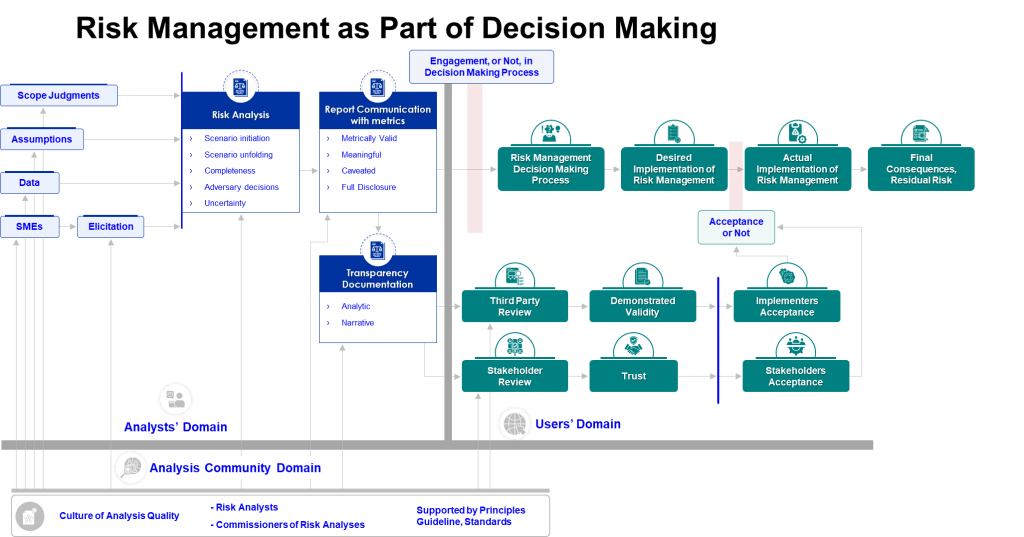
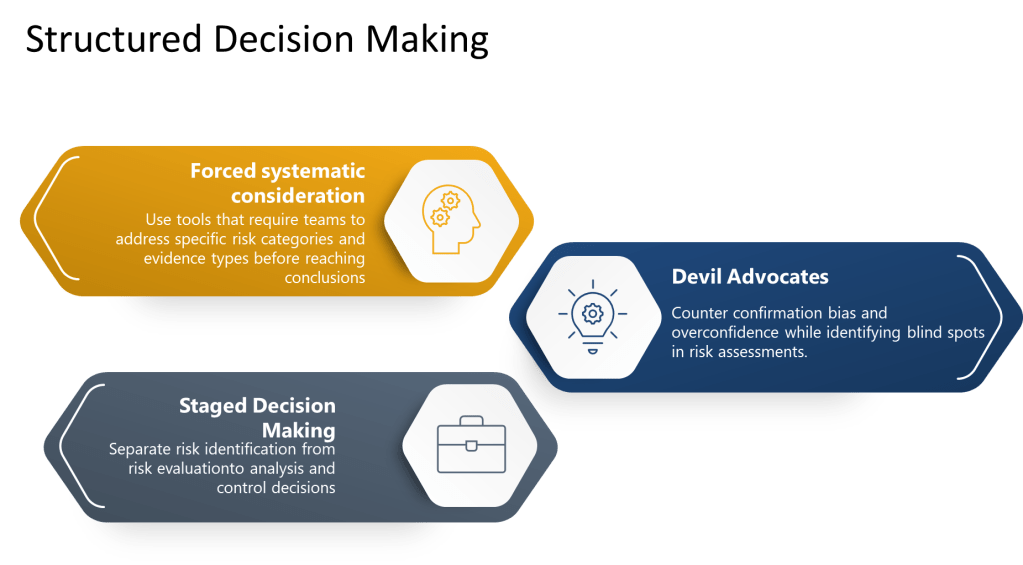
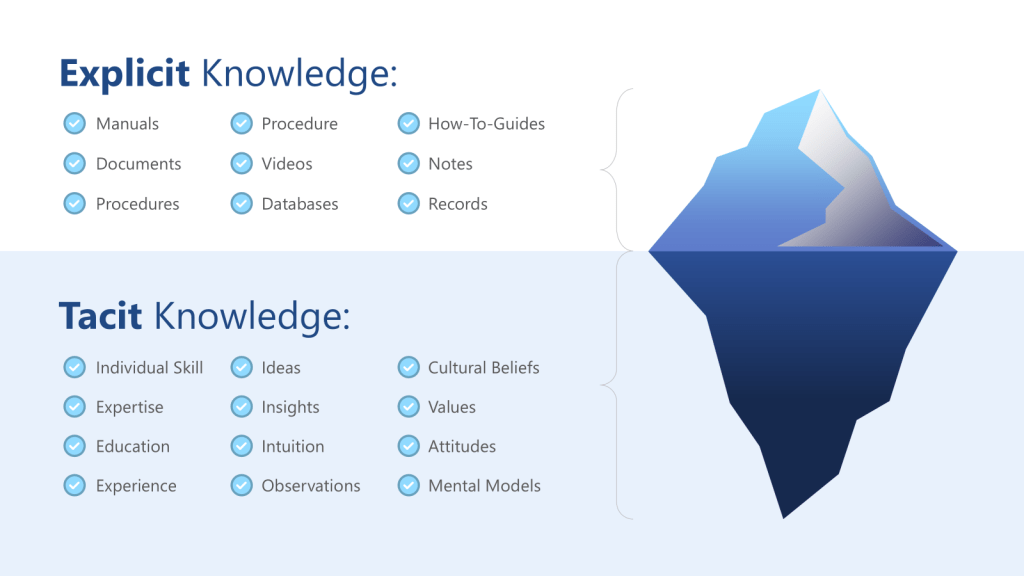
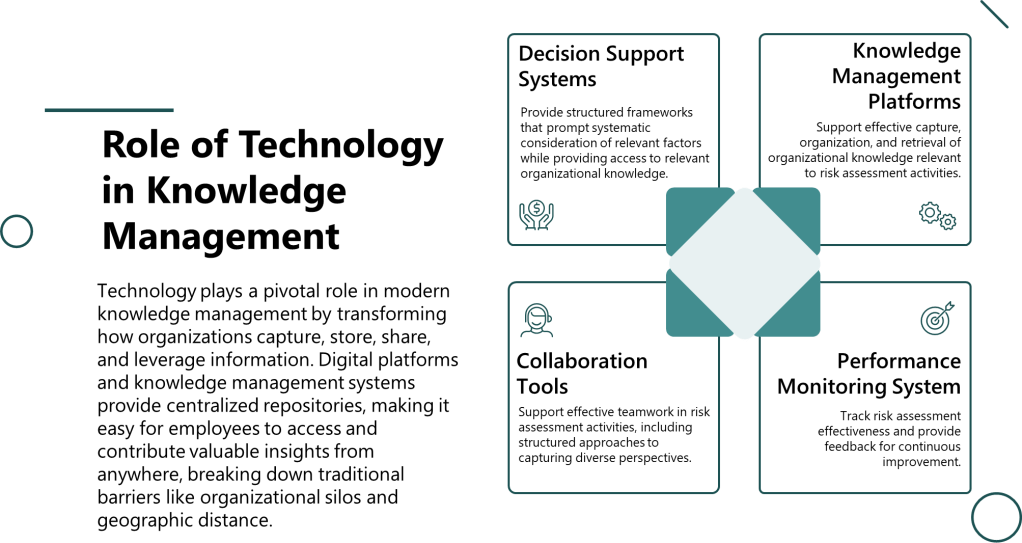
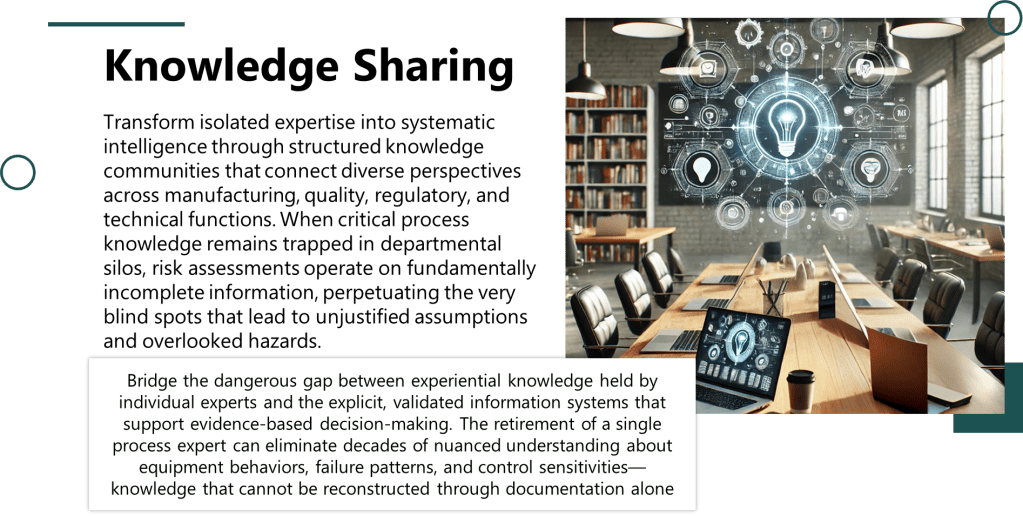

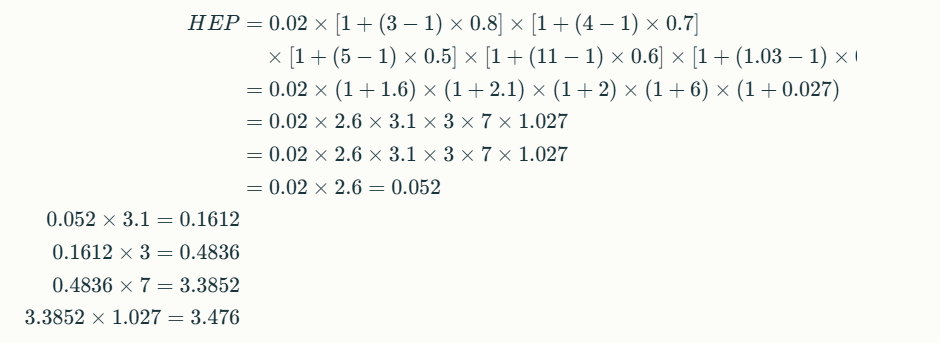

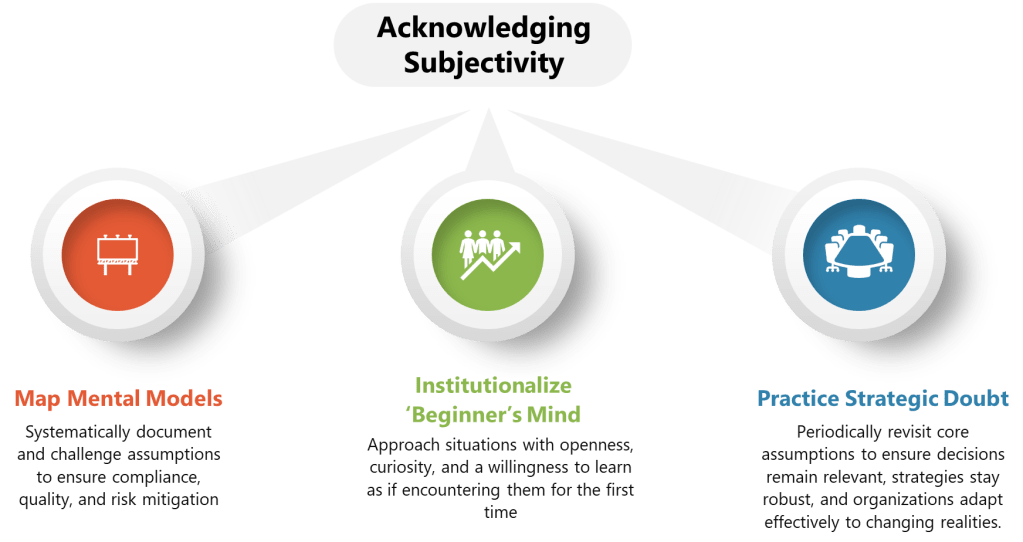
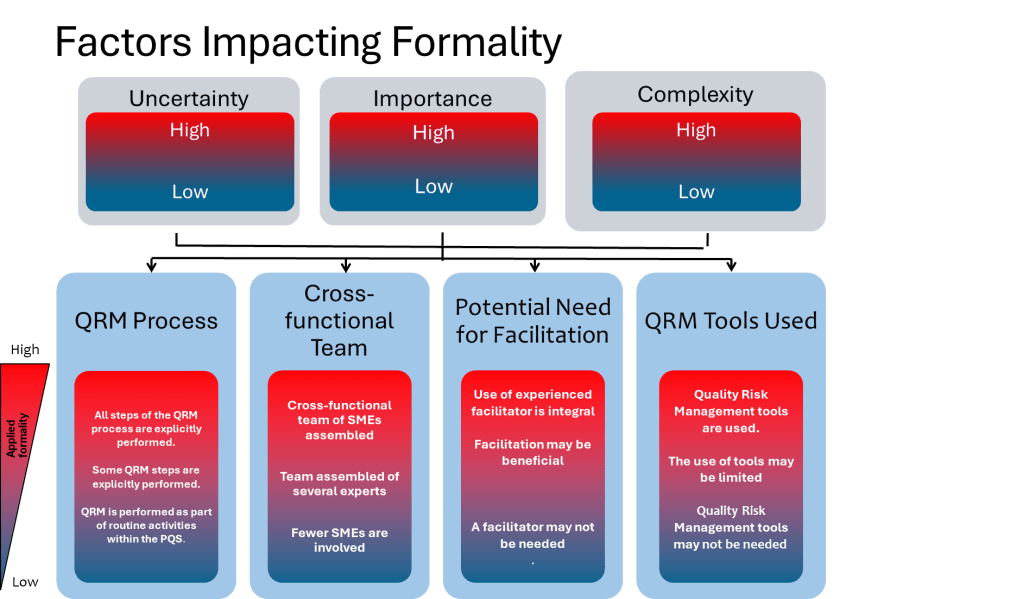


 Investigations of a Dog