Four Layers of Protection

The Swiss Cheese Model, conceptualized by James Reason, fundamentally defined modern risk management by illustrating how layered defenses interact with active and latent failures to prevent or enable adverse events. This framework underpins the Four Layers of Protection, a systematic approach to mitigating risks across industries. By integrating Reason’s Theory of Active and Latent Failures with modern adaptations like resilience engineering, organizations can create robust, adaptive systems.

The Swiss Cheese Model and Reason’s Theory: A Foundation for Layered Defenses

Reason’s Theory distinguishes between active failures (immediate errors by frontline personnel) and latent failures (systemic weaknesses in design, management, or culture). The Swiss Cheese Model visualizes these failures as holes in successive layers of defense. When holes align, hazards penetrate the system. For example:

  • In healthcare, a mislabeled specimen (active failure) might bypass defenses if staff are overworked (latent failure) and barcode scanners malfunction (technical failure).
  • In aviation, a pilot’s fatigue-induced error (active) could combine with inadequate simulator training (latent) and faulty sensors (technical) to cause a near-miss.

This model emphasizes that no single layer is foolproof; redundancy and diversity across layers are critical.

Four Layers of Protection:

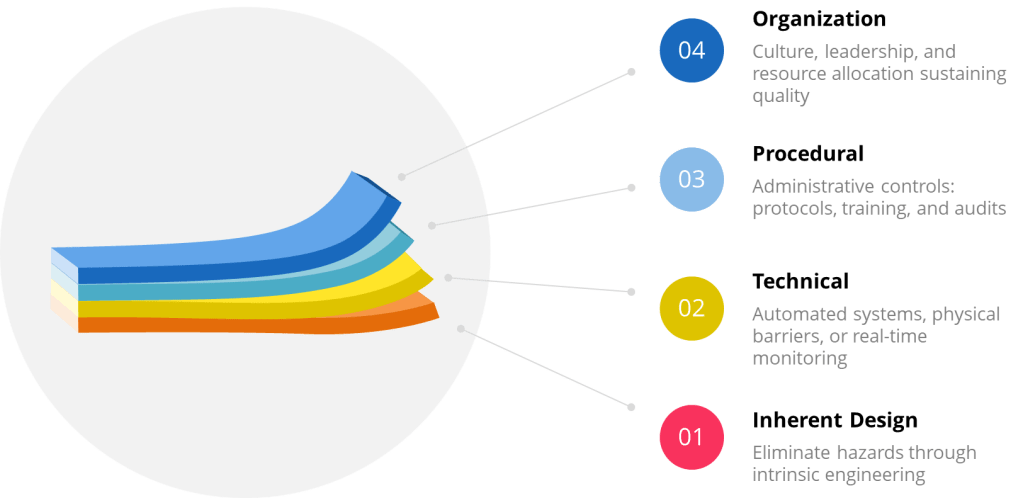
While industries tailor layers to their risks, four core categories form the backbone of defense:

LayerKey PrinciplesIndustry Example
Inherent DesignEliminate hazards through intrinsic engineering (e.g., fail-safe mechanisms)Pharmaceutical isolators preventing human contact with sterile products
ProceduralAdministrative controls: protocols, training, and auditsISO 27001’s access management policies for data security
TechnicalAutomated systems, physical barriers, or real-time monitoringSafety Instrumented Systems (SIS) shutting down chemical reactors during leaks
OrganizationalCulture, leadership, and resource allocation sustaining qualityJust Culture frameworks encouraging transparent incident reporting

Industry Applications

1. Healthcare: Reducing Surgical Infections

  • Inherent: Antimicrobial-coated implants resist biofilm formation.
  • Procedural: WHO Surgical Safety Checklists standardize pre-operative verification.
  • Technical: UV-C robots disinfect operating rooms post-surgery.
  • Organizational: Hospital boards prioritizing infection prevention budgets.

2. Information Security: Aligning with ISO/IEC 27001

  • Inherent: Encryption embedded in software design (ISO 27001 Annex A.10).
  • Procedural: Regular penetration testing and access reviews (Annex A.12).
  • Technical: Intrusion detection systems (Annex A.13).
  • Organizational: Enterprise-wide risk assessments and governance (Annex A.5).

3. Biotech Manufacturing: Contamination Control

  • Inherent: Closed-system bioreactors with sterile welders.
  • Procedural: FDA-mandated Contamination Control Strategies (CCS).
  • Technical: Real-time viable particle monitoring with auto-alerts.
  • Organizational: Cross-functional teams analyzing trend data to preempt breaches.

Contamination Control and Layers of Controls Analysis (LOCA)

In contamination-critical industries, a Layers of Controls Analysis (LOCA) evaluates how failures in one layer impact others. For example:

  1. Procedural Failure: Skipping gowning steps in a cleanroom.
  2. Technical Compromise: HEPA filter leaks due to poor maintenance.
  3. Organizational Gap: Inadequate staff training on updated protocols.

LOCA reveals that latent organizational failures (e.g., insufficient training budgets) often undermine technical and procedural layers. LOCA ties contamination risks to systemic resource allocation, not just frontline errors.

Integration with ISO/IEC 27001

ISO/IEC 27001, the international standard for information security, exemplifies layered risk management:

ISO 27001 Control (Annex A)Corresponding LayerExample
A.8.3 (Information labeling)ProceduralClassifying data by sensitivity
A.9.4 (Network security)TechnicalFirewalls and VPNs
A.11.1 (Physical security)Inherent/TechnicalBiometric access to server rooms
A.5.1 (Policies for IS)OrganizationalBoard-level oversight of cyber risks

This alignment ensures that technical safeguards (e.g., encryption) are reinforced by procedural (e.g., audits) and organizational (e.g., governance) layers, mirroring the Swiss Cheese Model’s redundancy principle.

Resilience Engineering: Evolving the Layers

Resilience engineering moves beyond static defenses, focusing on a system’s capacity to anticipate, adapt, and recover from disruptions. It complements the Four Layers by adding dynamism:

Traditional LayerResilience Engineering ApproachExample
Inherent DesignBuild adaptive capacity (e.g., modular systems)Pharmaceutical plants with flexible cleanroom layouts
ProceduralDynamic procedures adjusted via real-time dataAI-driven prescribing systems updating dosage limits during shortages
TechnicalSelf-diagnosing systems with graceful degradationPower grids rerouting energy during cyberattacks
OrganizationalLearning cultures prioritizing near-miss reportingAviation safety databases sharing incident trends globally

Challenges and Future Directions

While the Swiss Cheese Model remains influential, critics argue it oversimplifies complex systems where layers interact unpredictably. For example, a malfunctioning algorithm (technical) could override procedural safeguards, necessitating organizational oversight of machine learning outputs.

Future applications will likely integrate:

  • Predictive Analytics: Leverages advanced algorithms, machine learning, and vast datasets to forecast future risks and opportunities, transforming risk management from a reactive to a proactive discipline. By analyzing historical and real-time data, predictive analytics identifies patterns and anomalies that signal potential threats—such as equipment failures or contamination events —enabling organizations to anticipate and mitigate risks before they escalate. The technology’s adaptability allows it to integrate internal and external data sources, providing dynamic, data-driven insights that support better decision-making, resource allocation, and compliance monitoring. As a result, predictive analytics not only enhances operational resilience and efficiency but also reduces costs associated with failures, recalls, or regulatory breaches, making it an indispensable tool for modern risk and quality management.
  • Human-Machine Teaming: Integrates human cognitive flexibility with machine precision to create collaborative systems that outperform isolated human or machine efforts. By framing machines as adaptive teammates rather than passive tools, HMT enables dynamic task allocation. Key benefits include accelerated decision-making through AI-driven data synthesis, reduced operational errors via automated safeguards, and enhanced resilience in complex environments. However, effective HMT requires addressing challenges such as establishing bidirectional trust through explainable AI, aligning ethical frameworks for accountability, and balancing autonomy levels through risk-categorized architectures. As HMT evolves, success hinges on designing systems that leverage human intuition and machine scalability while maintaining rigorous quality protocols.
  • Epistemic Governance: The processes through which actors collectively shape perceptions, validate knowledge, and steer decision-making in complex systems, particularly during crises. Rooted in the dynamic interplay between recognized reality (actors’ constructed understanding of a situation) and epistemic work (efforts to verify, apply, or challenge knowledge), this approach emphasizes adaptability over rigid frameworks. By appealing to norms like transparency and scientific rigor, epistemic governance bridges structural frameworks (e.g., ISO standards) and grassroots actions, enabling systems to address latent organizational weaknesses while fostering trust. It also confronts power dynamics in knowledge production, ensuring marginalized voices inform policies—a critical factor in sustainability and crisis management where equitable participation shapes outcomes. Ultimately, it transforms governance into a reflexive practice, balancing institutional mandates with the agility to navigate evolving threats.

Conclusion

The Four Layers of Protection, rooted in Reason’s Swiss Cheese Model, provide a versatile framework for managing risks—from data breaches to pharmaceutical contamination. By integrating standards and embracing resilience engineering, organizations can transform static defenses into adaptive systems capable of navigating modern complexities. As industries face evolving threats, the synergy between layered defenses and dynamic resilience will define the next era of risk management.
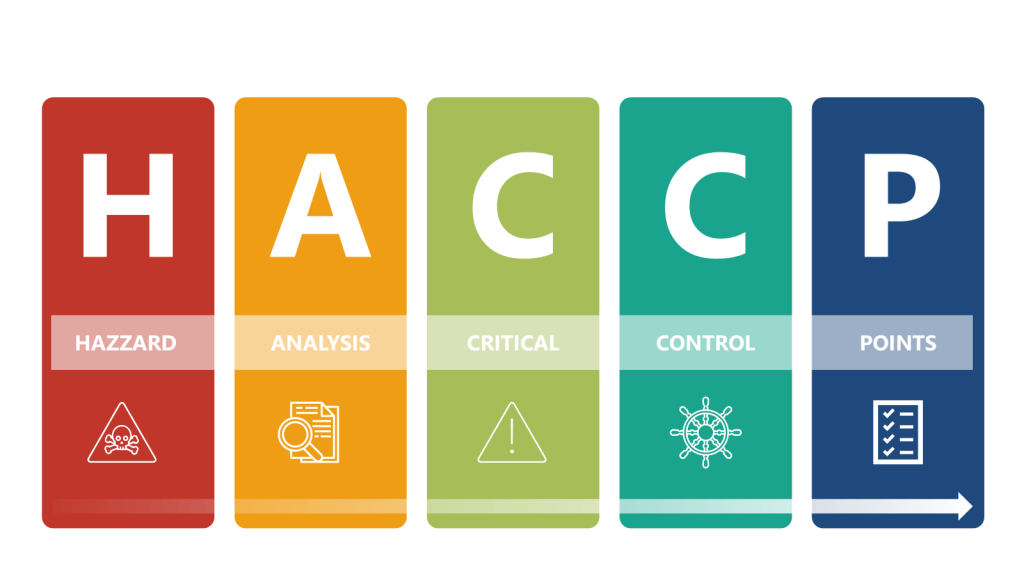
The Role of the HACCP

Reading Strukmyer LLC’s recent FDA Warning Letter, and reflecting back to last year’s Colgate-Palmolive/Tom’s of Maine, Inc. Warning Letter, has me thinking of common language In both warning letters where the FDA asks for “A comprehensive, independent assessment of the design and control of your firm’s manufacturing operations, with a detailed and thorough review of all microbiological hazards.”

It is hard to read that as anything else than a clarion call to use a HACCP.

If that isn’t a HACCP, I don’t know what is. Given the FDA’s rich history and connection to the tool, it is difficult to imagine them thinking of any other tool. Sure, I can invent about 7 other ways to do that, but why bother when there is a great tool, full of powerful uses, waiting to be used that the regulators pretty much have in their DNA.

The Evolution of HACCP in FDA Regulation: A Journey to Enhanced Food Safety

The Hazard Analysis and Critical Control Points (HACCP) system has a fascinating history that is deeply intertwined with FDA regulations. Initially developed in the 1960s by NASA, the Pillsbury Company, and the U.S. Army, HACCP was designed to ensure safe food for space missions. This pioneering collaboration aimed to prevent food safety issues by identifying and controlling critical points in food processing. The success of HACCP in space missions soon led to its application in commercial food production.

In the 1970s, Pillsbury applied HACCP to its commercial operations, driven by incidents such as the contamination of farina with glass. This prompted Pillsbury to adopt HACCP more widely across its production lines. A significant event in 1971 was a panel discussion at the National Conference on Food Protection, which led to the FDA’s involvement in promoting HACCP for food safety inspections. The FDA recognized the potential of HACCP to enhance food safety standards and began to integrate it into its regulatory framework.

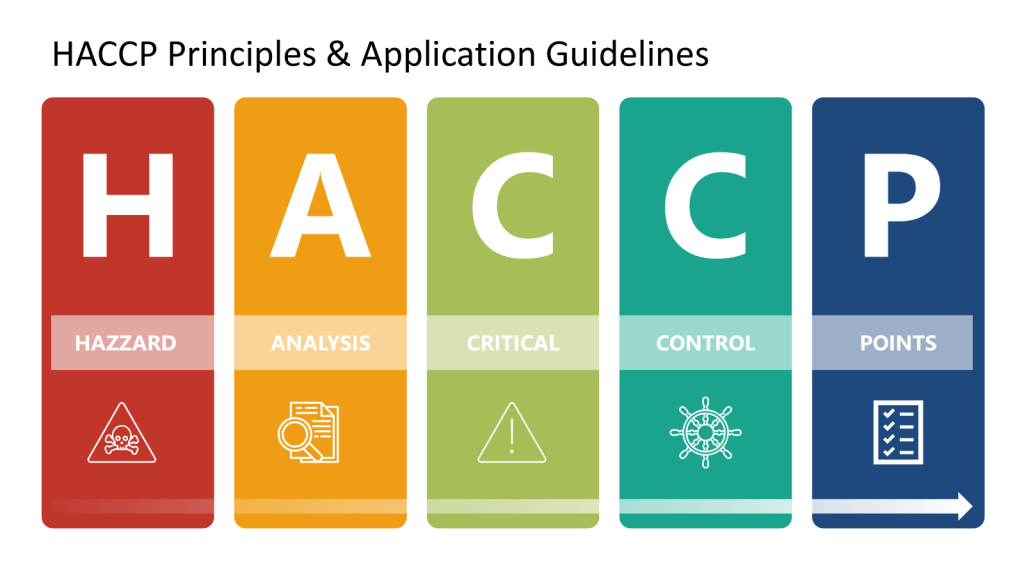
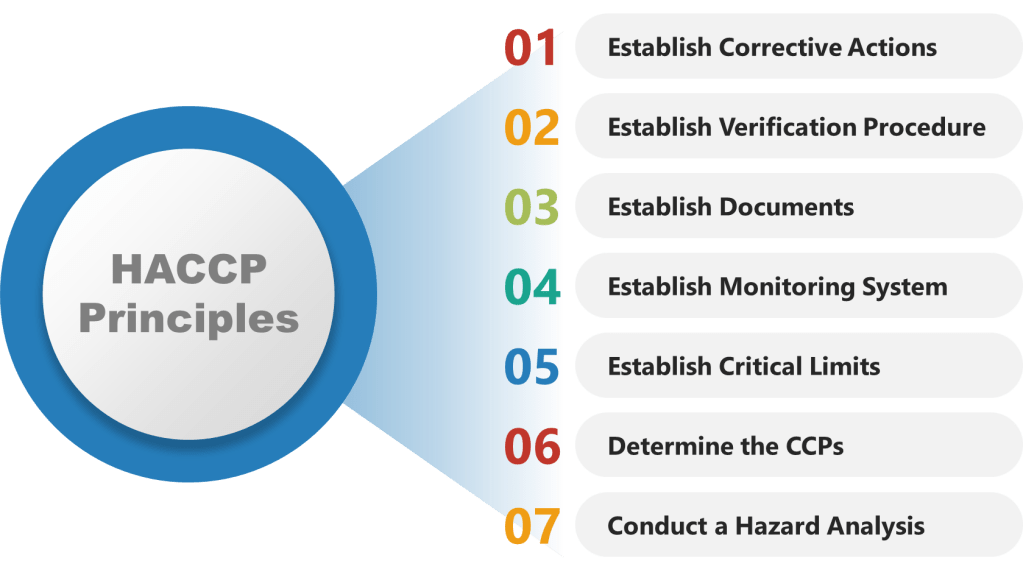
As HACCP gained prominence as a food safety standard in the 1980s and 1990s, the National Advisory Committee on Microbiological Criteria for Foods (NACMCF) refined its principles. The committee added preliminary steps and solidified the seven core principles of HACCP, which include hazard analysis, critical control points identification, establishing critical limits, monitoring procedures, corrective actions, verification procedures, and record-keeping. This structured approach helped standardize HACCP implementation across different sectors of the food industry.

A major milestone in the history of HACCP was the implementation of the Pathogen Reduction/HACCP Systems rule by the USDA’s Food Safety and Inspection Service (FSIS) in 1996. This rule mandated HACCP in meat and poultry processing facilities, marking a significant shift towards preventive food safety measures. By the late 1990s, HACCP became a requirement for all food businesses, with some exceptions for smaller operations. This widespread adoption underscored the importance of proactive food safety management.

The Food Safety Modernization Act (FSMA) of 2011 further emphasized preventive controls, including HACCP, to enhance food safety across the industry. FSMA shifted the focus from responding to food safety issues to preventing them, aligning with the core principles of HACCP. Today, HACCP remains a cornerstone of food safety management globally, with ongoing training and certification programs available to ensure compliance with evolving regulations. The FDA continues to support HACCP as part of its broader efforts to protect public health through safe food production and processing practices. As the food industry continues to evolve, the principles of HACCP remain essential for maintaining high standards of food safety and quality.

Why is a HACCP Useful in Biotech Manufacturing

The HACCP seeks to map a process – the manufacturing process, one cleanroom, a series of interlinked cleanrooms, or the water system – and identifies hazards (a point of contamination) by understanding the personnel, material, waste, and other parts of the operational flow. These hazards are assessed at each step in the process for their likelihood and severity. Mitigations are taken to reduce the risk the hazard presents (“a contamination control point”). Where a risk cannot be adequately minimized (either in terms of its likelihood of occurrence, the severity of its nature, or both), this “contamination control point” should be subject to a form of detection so that the facility has an understanding of whether the microbial hazard was potentially present at a given time, for a given operation. In other words, the “critical control point” provides a reasoned area for selecting a monitoring location. For aseptic processing, for example, the target is elimination, even if this cannot be absolutely demonstrated.

The HACCP approach can easily be applied to pharmaceutical manufacturing where it proves very useful for microbial control. Although alternative risk tools exist, such as Failure Modes and Effects Analysis, the HACCP approach is better for microbial control.

The HACCP is a core part of an effective layers of control analysis.

Conducting a HACCP

HACCP provides a systematic approach to identifying and controlling potential hazards throughout the production process.

Step 1: Conduct a Hazard Analysis

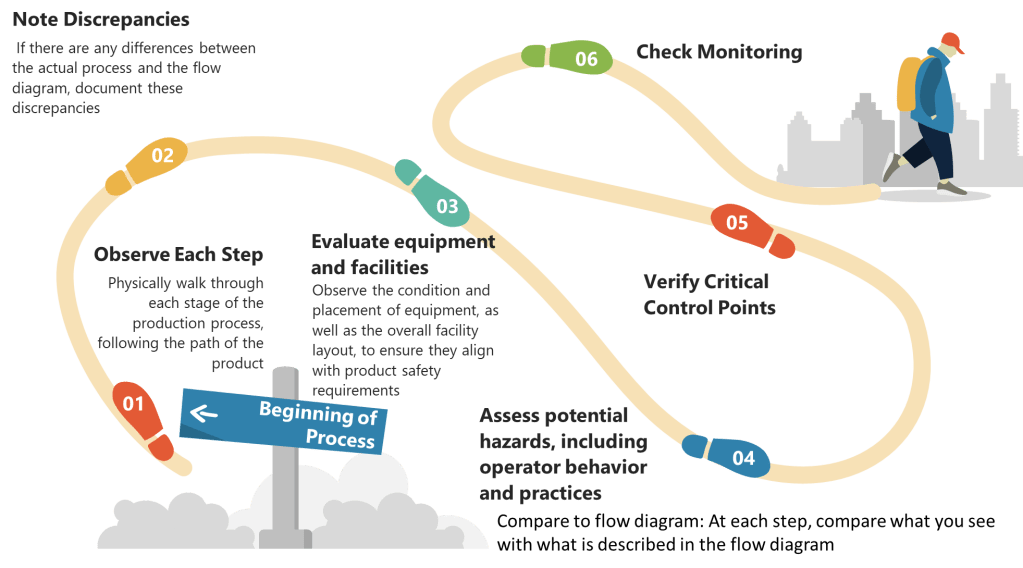
  1. List All Process Steps: Begin by detailing every step involved in your biotech manufacturing process, from raw material sourcing to final product packaging. Make sure to walk down the process thoroughly.
  2. Identify Potential Hazards: At each step, identify potential biological, chemical, and physical hazards. Biological hazards might include microbial contamination, while chemical hazards could involve chemical impurities or inappropriate reagents. Physical hazards might include particulates or inappropriate packaging materials.
  3. Evaluate Severity and Likelihood: Assess the severity and likelihood of each identified hazard. This evaluation helps prioritize which hazards require immediate attention.
  4. Determine Preventive Measures: Develop strategies to control significant hazards. This might involve adjusting process conditions, improving cleaning protocols, or enhancing monitoring systems.
  5. Document Justifications: Record the rationale behind including or excluding hazards from your analysis. This documentation is essential for transparency and regulatory compliance.

Step 2: Determine Critical Control Points (CCPs)

  1. Identify Control Points: Any step where biological, chemical, or physical factors can be controlled is considered a control point.
  2. Determine CCPs: Use a decision tree to identify which control points are critical. A CCP is a step at which control can be applied and is essential to prevent or eliminate a hazard or reduce it to an acceptable level.
  3. Establish Critical Limits: For each CCP, define the maximum or minimum values to which parameters must be controlled. These limits ensure that hazards are effectively managed.
Control PointsCritical Control Points
Process steps where a control measure (mitigation activity) is necessary to prevent the hazard from occurringProcess steps where both control and monitoring are necessary to assure product quality and patient safety
Are not necessarily critical control points (CCPs)Are also control points
Determined from the risk associated with the hazardDetermined through a decision tree

Step 3: Establish Monitoring Procedures

  1. Develop Monitoring Plans: Create detailed plans for monitoring each CCP. This includes specifying what to monitor, how often, and who is responsible.
  2. Implement Monitoring Tools: Use appropriate tools and equipment to monitor CCPs effectively. This might include temperature sensors, microbial testing kits, or chemical analyzers.
  3. Record Monitoring Data: Ensure that all monitoring data is accurately recorded and stored for future reference.

Step 4: Establish Corrective Actions

  1. Define Corrective Actions: Develop procedures for when monitoring indicates that a CCP is not within its critical limits. These actions should restore control and prevent hazards.
  2. Proceduralize: You are establishing alternative control strategies here so make sure they are appropriately verified and controlled by process/procedure in the quality system.
  3. Train Staff: Ensure that all personnel understand and can implement corrective actions promptly.

Step 5: Establish Verification Procedures

  1. Regular Audits: Conduct regular audits to verify that the HACCP system is functioning correctly. This includes reviewing monitoring data and observing process operations.
  2. Validation Studies: Perform validation studies to confirm that CCPs are effective in controlling hazards.
  3. Continuous Improvement: Use audit findings to improve the HACCP system over time.

Step 6: Establish Documentation and Record-Keeping

  1. Maintain Detailed Records: Keep comprehensive records of all aspects of the HACCP system, including hazard analyses, CCPs, monitoring data, corrective actions, and verification activities.
  2. Ensure Traceability: Use documentation to ensure traceability throughout the production process, facilitating quick responses to any safety issues.

Step 7: Implement and Review the HACCP Plan

  1. Implement the Plan: Ensure that all personnel involved in biotech manufacturing understand and follow the HACCP plan.
  2. Regular Review: Regularly review and update the HACCP plan to reflect changes in processes, new hazards, or lessons learned from audits and incidents.

Risk Management for the 4 Levels of Controls for Product

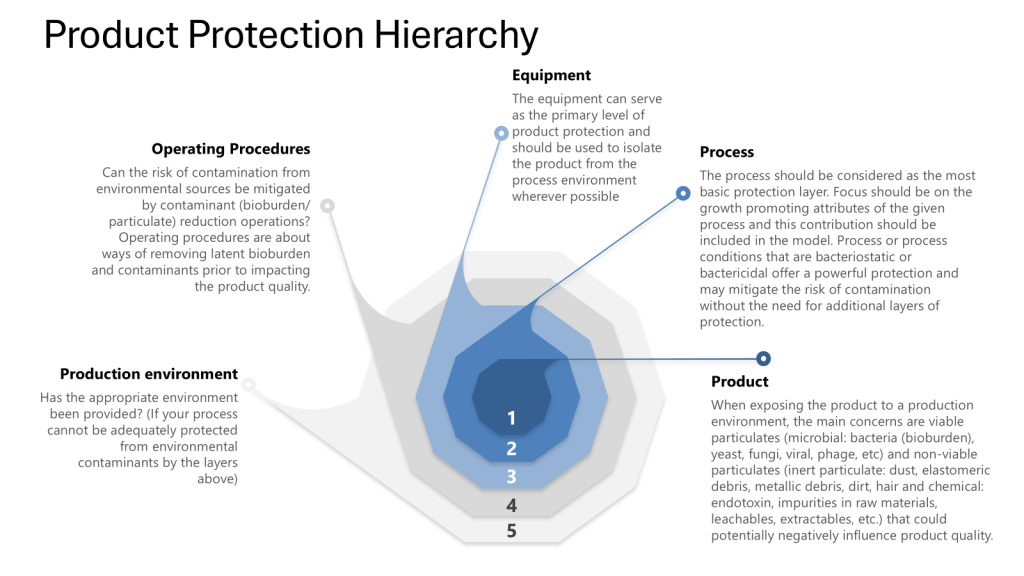
There are really 4 layers of protection for our pharmaceutical product.

  1. Process controls
  2. Equipment controls
  3. Operating procedure controls
  4. Production environment controls

These individually and together are evaluated as part of the HACCP process, forming our layers of control analysis.

Process Controls:

    • Conduct a detailed hazard analysis for each step in the production process
    • Identify critical control points (CCPs) where hazards can be prevented, eliminated or reduced
    • Establish critical limits for each CCP (e.g. time/temperature parameters)
    • Develop monitoring procedures to ensure critical limits are met
    • Establish corrective actions if critical limits are not met
    • Validate and verify the effectiveness of process controls

    Equipment Controls:

      • Evaluate equipment design and materials for hazards
      • Establish preventive maintenance schedules
      • Develop sanitation and cleaning procedures for equipment
      • Calibrate equipment and instruments regularly
      • Validate equipment performance for critical processes
      • Establish equipment monitoring procedures

      Operating Procedure Controls:

        • Develop standard operating procedures (SOPs) for all key tasks
        • Create good manufacturing practices (GMPs) for personnel
        • Establish hygiene and sanitation procedures
        • Implement employee training programs on contamination control
        • Develop recordkeeping and documentation procedures
        • Regularly review and update operating procedures

        Production Environment Controls:

          • Design facility layout to prevent cross-contamination
          • Establish zoning and traffic patterns
          • Implement pest control programs
          • Develop air handling and filtration systems
          • Create sanitation schedules for production areas
          • Monitor environmental conditions (temperature, humidity, etc.)
          • Conduct regular environmental testing

          The key is to use a systematic, science-based approach to identify potential hazards at each layer and implement appropriate preventive controls. The controls should be validated, monitored, verified and documented as part of the overall contamination control strategy (system). Regular review and updates are needed to ensure the controls remain effective.

          Applying a Layers of Controls Analysis to Contamination Control

          Layers of Controls Analysis (LOCA)

          Layers of Controls Analysis (LOCA) provides a comprehensive framework for evaluating multiple layers of protection to reduce and manage operational risks. By examining both preventive and mitigative control measures simultaneously, LOCA allows organizations to gain a holistic view of their risk management strategy. This approach is particularly valuable in complex operational environments where multiple safeguards and protective systems are in place.

          One of the key strengths of LOCA is its ability to identify gaps in protection. By systematically analyzing each layer of control, from basic process design to emergency response procedures, LOCA can reveal areas where additional safeguards may be necessary. This insight is crucial for guiding decisions on implementing new risk reduction measures or enhancing existing ones. The analysis helps organizations prioritize their risk management efforts and allocate resources more effectively.

          Furthermore, LOCA provides a structured way to document and justify risk reduction measures. This documentation is invaluable for regulatory compliance, internal audits, and continuous improvement initiatives. By clearly outlining the rationale behind each protective layer and its contribution to overall risk reduction, organizations can demonstrate due diligence in their safety and risk management practices.

          Another significant advantage of LOCA is its promotion of a holistic view of risk control. Rather than evaluating individual safeguards in isolation, LOCA considers the cumulative effect of multiple protective layers. This approach recognizes that risk reduction is often achieved through the interaction of various control measures, ranging from engineered systems to administrative procedures and emergency response capabilities.

          By building on other risk assessment techniques, such as Hazard and Operability (HAZOP) studies and Fault Tree Analysis, LOCA provides a more complete picture of protection systems. It allows organizations to assess the effectiveness of their entire risk management strategy, from prevention to mitigation, and ensures that risks are reduced to an acceptable level. This comprehensive approach is particularly valuable in high-hazard industries where the consequences of failures can be severe.

          LOCA combines elements of two other methods – Layers of Protection Analysis (LOPA) and Layers of Mitigation Analysis (LOMA).

          Layers of Protection Analysis

          To execute a Layers of Protection Analysis (LOPA), follow these key steps:

          Define the hazardous scenario and consequences:

          • Clearly identify the hazardous event being analyzed
          • Determine the potential consequences if all protection layers fail

          Identify initiating events:

          • List events that could trigger the hazardous scenario
          • Estimate the frequency of each initiating event

          Identify Independent Protection Layers (IPLs):

          • Determine existing safeguards that can prevent the scenario
          • Evaluate if each safeguard qualifies as an IPL (independent, auditable, effective)
          • Estimate the Probability of Failure on Demand (PFD) for each IPL

          Identify Conditional Modifiers:

          • Determine factors that impact scenario probability (e.g. occupancy, ignition probability)
          • Estimate probability for each modifier

          Calculate scenario frequency:

          • Multiply initiating event frequency by PFDs of IPLs and conditional modifiers

          Compare to risk tolerance criteria:

          • Determine if calculated frequency meets acceptable risk level
          • If not, identify need for additional IPLs

          Document results:

          • Record all assumptions, data sources, and calculations
          • Summarize findings and recommendations

          Review and validate:

          • Have results reviewed by subject matter experts
          • Validate key assumptions and data inputs

          Key aspects for successful LOPA execution

          • Use a multidisciplinary team
          • Ensure independence between IPLs
          • Be conservative in estimates
          • Focus on prevention rather than mitigation
          • Consider human factors in IPL reliability
          • Use consistent data sources and methods

          Layers of Mitigation Analysis

          LOMA focuses on analyzing reactionary or mitigative measures, as opposed to preventive measures.

          A LOCA as part of Contamination Control

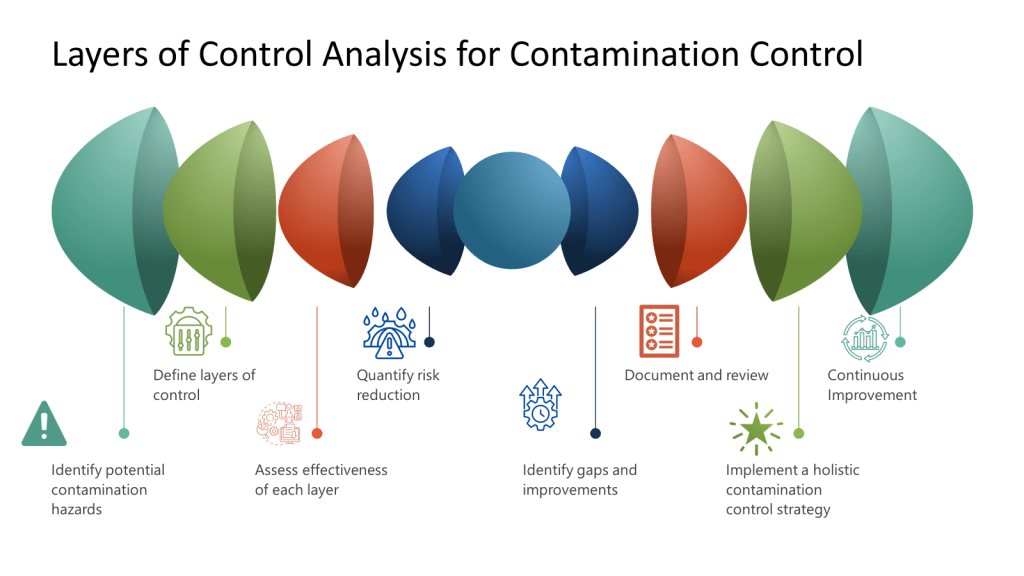
          A Layers of Controls Analysis (LOCA) can be effectively applied to contamination control in biotech manufacturing by systematically evaluating multiple layers of protection against contamination risks.

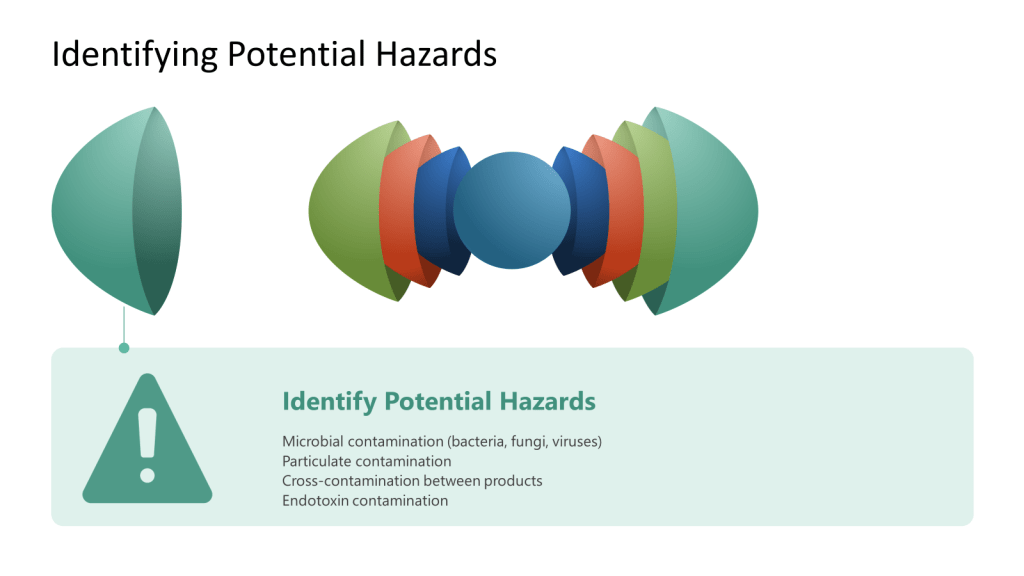
          To determine potential hazards when conducting a Layer of Controls Analysis (LOCA) for contamination control in biotech, follow these steps:

          1. Form a multidisciplinary team: Include members from manufacturing, quality control, microbiology, engineering, and environmental health & safety to gain diverse perspectives.
          2. Review existing processes and procedures: Examine standard operating procedures, experimental protocols, and equipment manuals to identify potential risks associated with each step.
          3. Consider different hazard types. Focus on categories like:
            • Biological hazards (e.g., microorganisms, cell lines)
            • Chemical hazards (e.g., toxic substances, flammable materials)
            • Physical hazards (e.g., equipment-related risks)
            • Radiological hazards (if applicable)
          4. Analyze specific contamination hazard types for biotech settings:
            • Mix-up: Materials used for the wrong product
            • Mechanical transfer: Cross-contamination via personnel, supplies, or equipment
            • Airborne transfer: Contaminant movement through air/HVAC systems
            • Retention: Inadequate removal of materials from surfaces
            • Proliferation: Potential growth of biological agents
          5. Conduct a process analysis: Break down each laboratory activity into steps and identify potential hazards at each stage.
          6. Consider human factors: Evaluate potential for human error, such as incorrect handling of materials or improper use of equipment.
          7. Assess facility and equipment: Examine the layout, containment measures, and equipment condition for potential hazards.
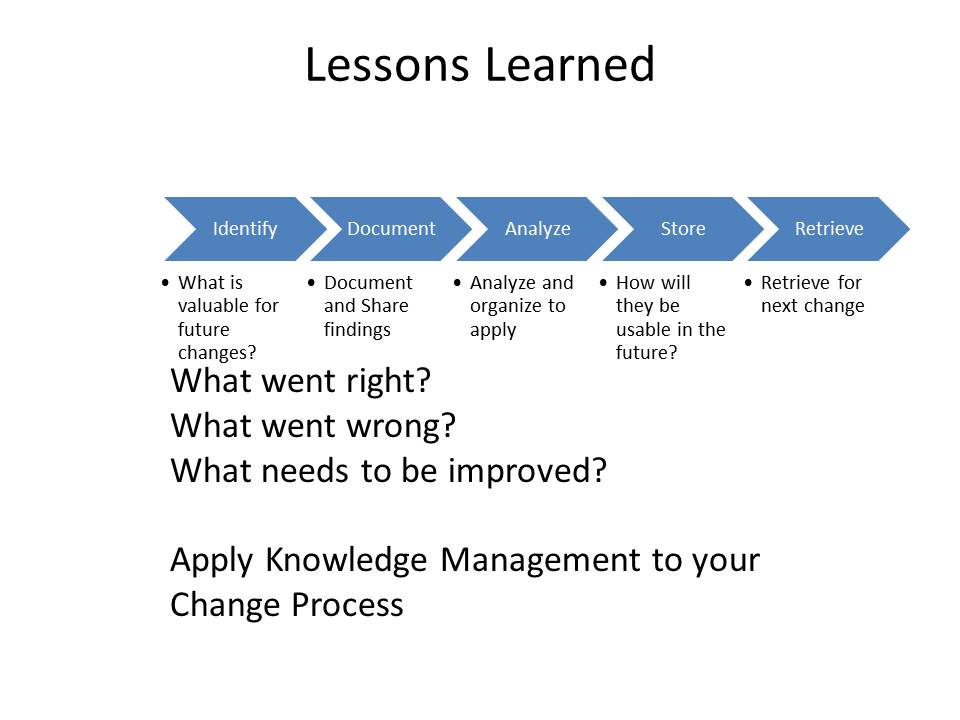
          8. Review past incidents and near-misses: Analyze previous safety incidents or close calls to identify recurring or potential hazards.
          9. Consult relevant guidelines and regulations: Reference industry standards, biosafety guidelines, and regulatory requirements to ensure comprehensive hazard identification.
          10. Use brainstorming techniques: Encourage team members to think creatively about potential hazards that may not be immediately obvious.
          11. Evaluate hazards at different scales: Consider how hazards might change as processes scale up from research to production levels.
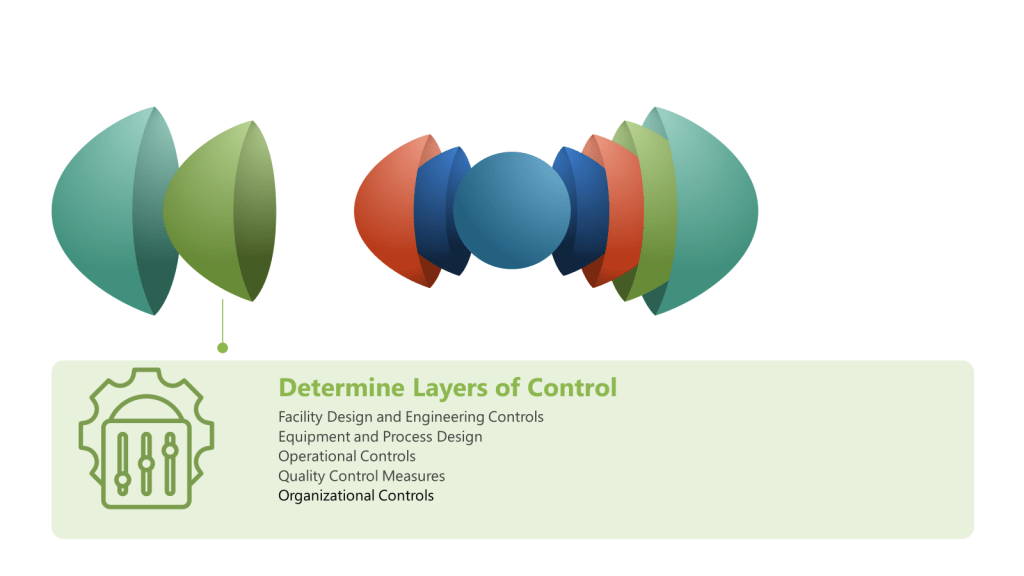
          • Facility Design and Engineering Controls
            • Cleanroom design and classification
            • HVAC systems with HEPA filtration
            • Airlocks and pressure cascades
            • Segregated manufacturing areas
          • Equipment and Process Design
            • Closed processing systems
            • Single-use technologies
            • Sterilization and sanitization systems
            • In-line filtration
          • Operational Controls
            • Aseptic techniques and procedures
            • Environmental monitoring programs
            • Cleaning and disinfection protocols
            • Personnel gowning and hygiene practices
          • Quality Control Measures
            • In-process testing (e.g., bioburden, endotoxin)
            • Final product sterility testing
            • Environmental monitoring data review
            • Batch record review
          • Organizational Controls
            • Training programs
            • Standard operating procedures (SOPs)
            • Quality management systems
            • Change control processes
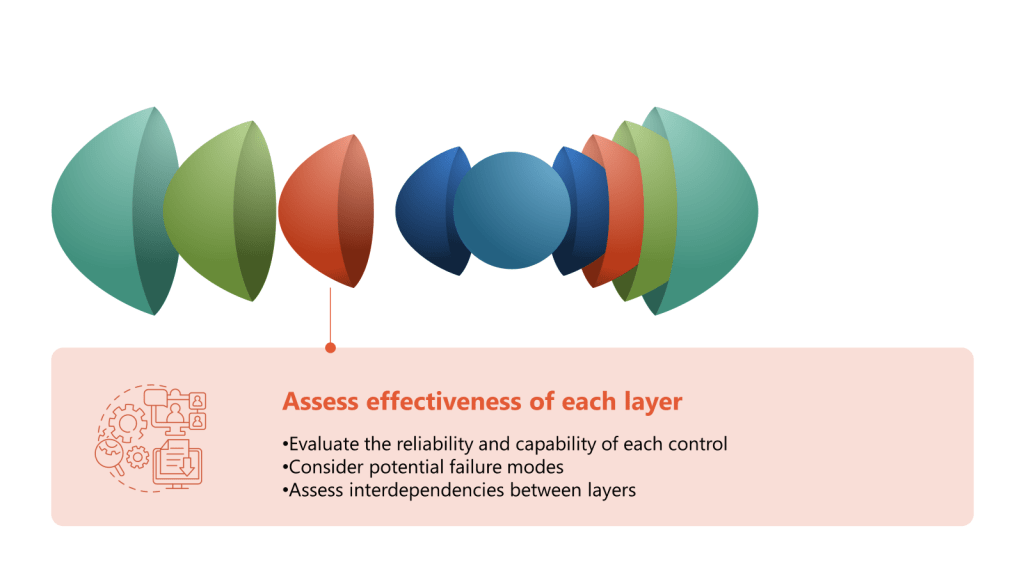
          1. Evaluate reliability and capability of each control:
            • Review historical performance data for each control measure
            • Assess the control’s ability to prevent or detect contamination
            • Consider the control’s consistency in different operating conditions
          2. Consider potential failure modes:
            • Conduct a Failure Mode and Effects Analysis (FMEA) for each control
            • Identify potential ways the control could fail or be compromised
            • Assess the likelihood and impact of each failure mode
          3. Evaluate human factors:
            • Assess the complexity and potential for human error in each control
            • Review training effectiveness and compliance with procedures
            • Consider ergonomics and usability of equipment and systems
          4. Analyze technology effectiveness:
            • Evaluate the performance of automated systems and equipment
            • Assess the reliability of monitoring and detection technologies
            • Consider the integration of different technological controls
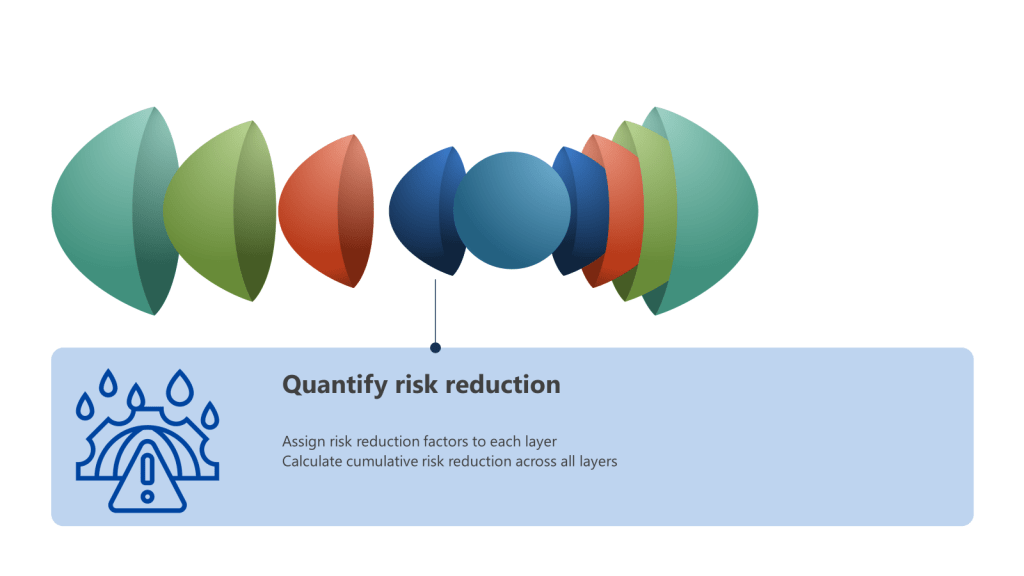
          1. Quantify risk reduction:
            • Assign risk reduction factors to each layer based on its effectiveness
            • Use a consistent scale (e.g., 1-10) to rate each control’s risk reduction capability
            • Calculate the cumulative risk reduction across all layers
          2. Assess interdependencies between layers:
            • Identify any controls that rely on or affect other controls
            • Evaluate how failures in one layer might impact the effectiveness of others
            • Consider potential common mode failures across multiple layers
          3. Review control performance metrics:
            • Analyze trends in environmental monitoring data
            • Examine out-of-specification results and their root causes
            • Assess the frequency and severity of contamination events
          1. Determine acceptable risk levels:
            • Define your organization’s risk tolerance for contamination events
            • Compare current risk levels against these thresholds
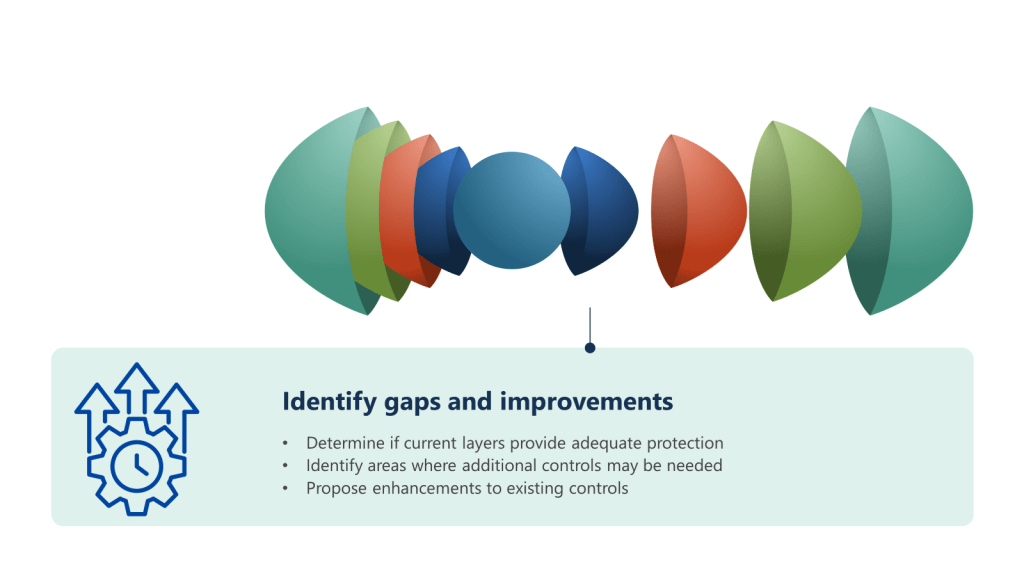
          2. Identify gaps:
            • Highlight areas where current controls fall short of required protection
            • Note processes or areas with insufficient redundancy
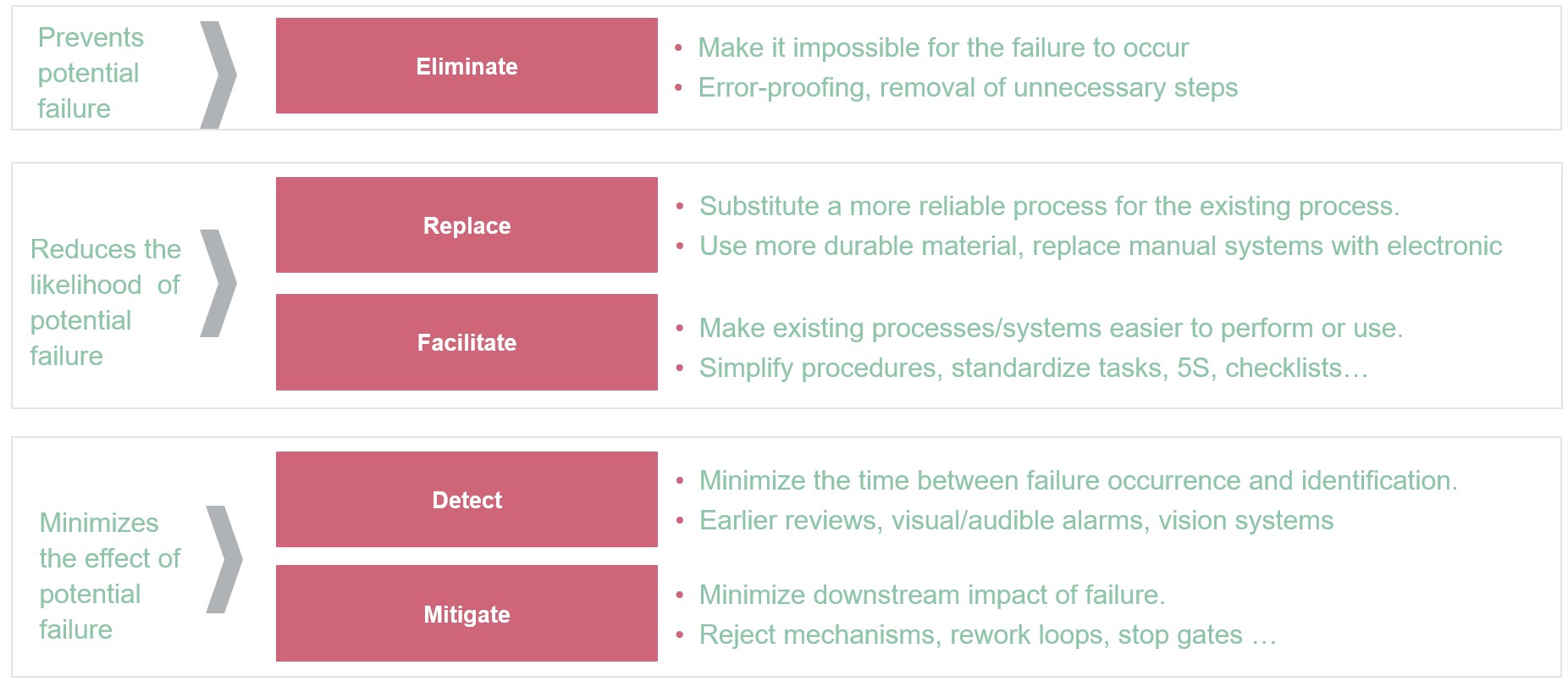
          3. Propose improvements:
            • Suggest enhancements to existing controls
            • Recommend new control measures to address identified gaps
          4. Prioritize actions:
            • Rank proposed improvements based on risk reduction potential and feasibility
            • Consider cost-benefit analysis for major changes
          5. Seek expert input:
            • Consult with subject matter experts on proposed improvements
            • Consider third-party assessments for critical areas
          6. Plan for implementation:
            • Develop action plans for addressing identified gaps
            • Assign responsibilities and timelines for improvements
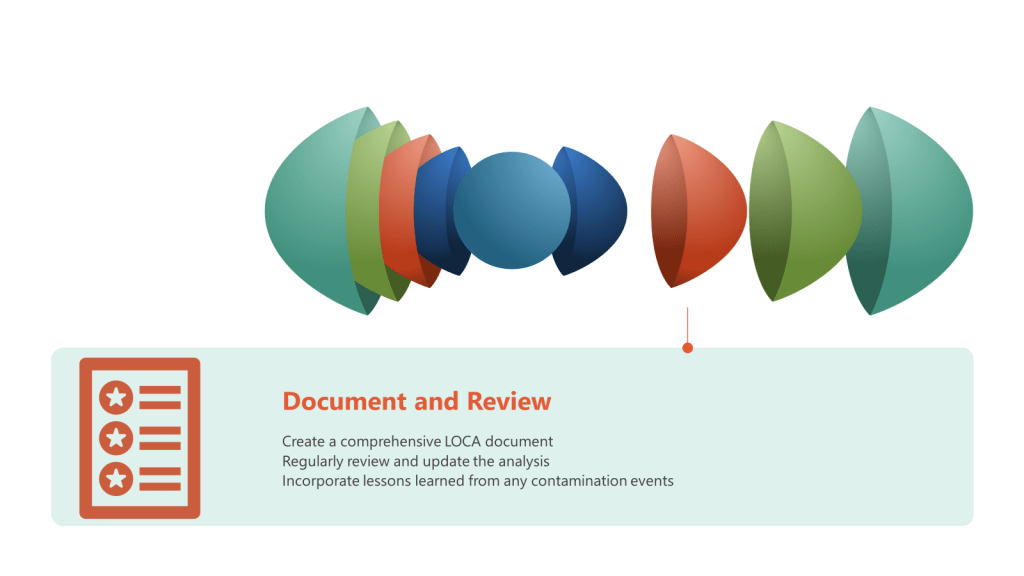
          1. Document and review:
          1. Implement continuous monitoring and review:
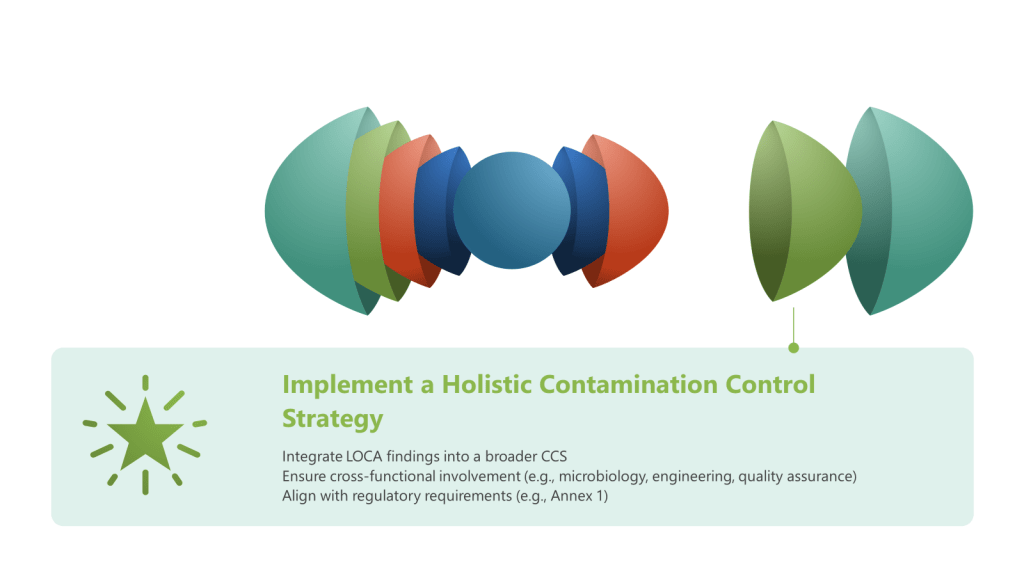
          2. Develop a holistic CCS document:
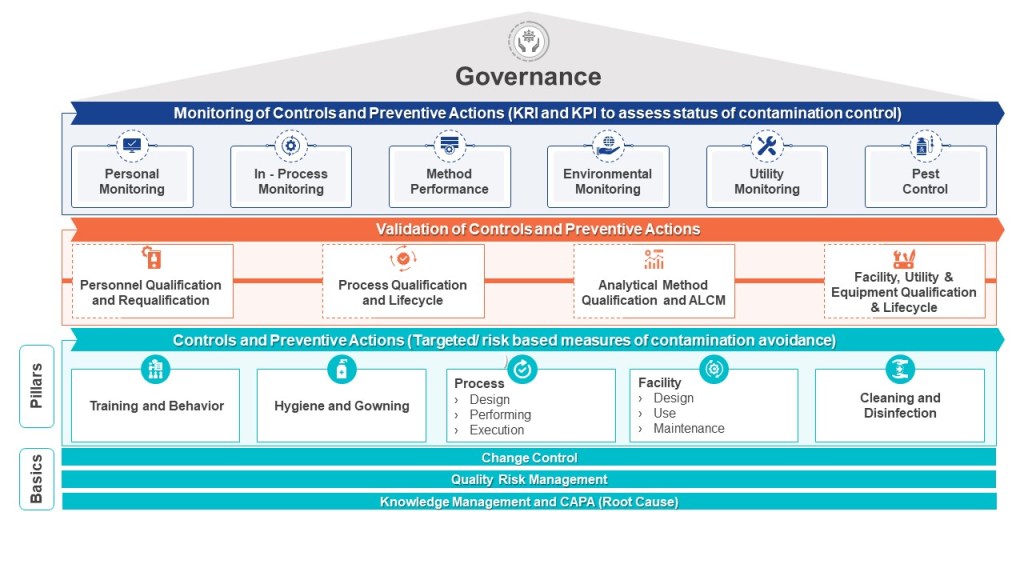
            • Describe overall contamination control approach
            • Detail how different controls work together
            • Include risk assessments and rationales
          3. Establish governance and oversight:
            • Create a cross-functional CCS team
            • Define roles and responsibilities
            • Implement a regular review process
          4. Integrate with quality systems:
            • Align CCS with existing quality management processes
            • Ensure change control procedures consider CCS impact
          5. Provide comprehensive training:
            • Train all personnel on CCS principles and practices
            • Implement contamination control ambassador program
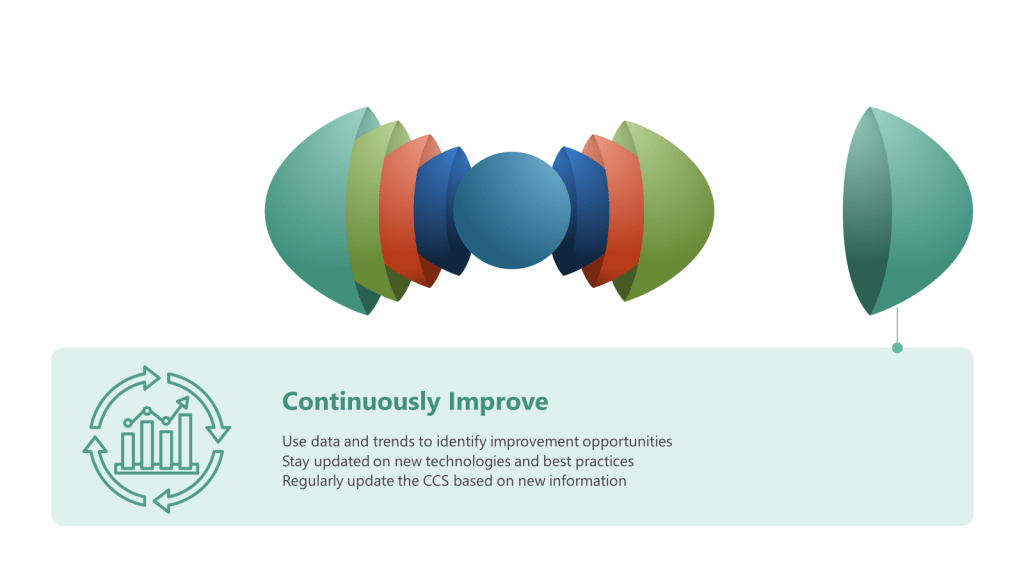
          1. Implement regular review cycles:
            • Schedule periodic reviews of the LOCA (e.g., annually or bi-annually)
            • Involve a cross-functional team including quality, manufacturing, and engineering
          2. Analyze trends and data:
            • Review environmental monitoring data
            • Examine out-of-specification results and their root causes
            • Assess the frequency and severity of contamination events
          3. Identify improvement opportunities:
            • Use gap analysis to compare current controls against industry best practices
            • Evaluate new technologies and methodologies for contamination control
            • Consider feedback from contamination control ambassadors and staff
          4. Prioritize improvements:
            • Rank proposed enhancements based on risk reduction potential and feasibility
            • Consider cost-benefit analysis for major changes
          5. Implement changes:
            • Update standard operating procedures (SOPs) as needed
            • Provide training on new or modified control measures
            • Validate changes to ensure effectiveness
          6. Monitor and measure impact:
            • Establish key performance indicators (KPIs) for each layer of control
            • Track improvements in contamination rates and overall control effectiveness
          7. Foster a culture of continuous improvement:
            • Encourage proactive reporting of potential issues
            • Recognize and reward staff contributions to contamination control
          8. Stay updated on regulatory requirements:
            • Regularly review and incorporate changes in regulations (e.g., EU GMP Annex 1)
            • Attend industry conferences and workshops on contamination control
          9. Integrate with overall quality systems:
            • Ensure LOCA improvements align with the site’s Quality Management System
            • Update the Contamination Control Strategy (CCS) document as needed
          10. Leverage technology:
            • Implement digital solutions for environmental monitoring and data analysis
            • Consider advanced technologies like rapid microbial detection methods
          11. Conduct periodic audits:
            • Perform surprise audits to ensure adherence to protocols
            • Use findings to further refine the LOCA and control measures