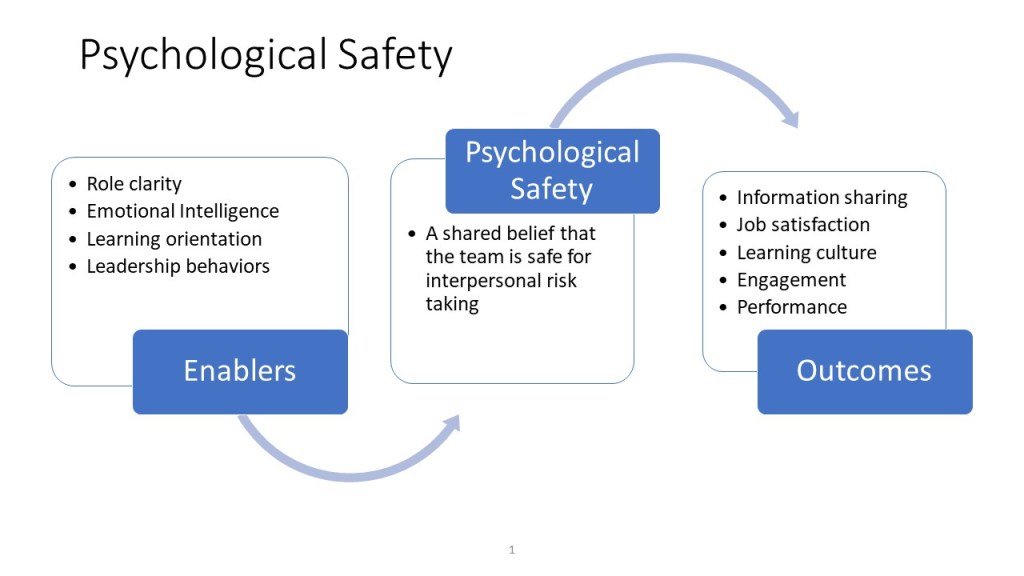
Psychological safety refers to a shared belief among team members that they are safe to take risks, share their thoughts, and learn from their mistakes without fear of negative consequences. This concept is foundational to building a culture where individuals feel valued, included, and motivated to contribute their unique perspectives. It is the bedrock upon which effective collaboration, creativity, and problem-solving are built. In environments where psychological safety is prioritized, employees are more likely to engage in open dialogue, admit mistakes, and explore new ideas, leading to enhanced innovation and productivity.
The Role of Leadership in Fostering Psychological Safety
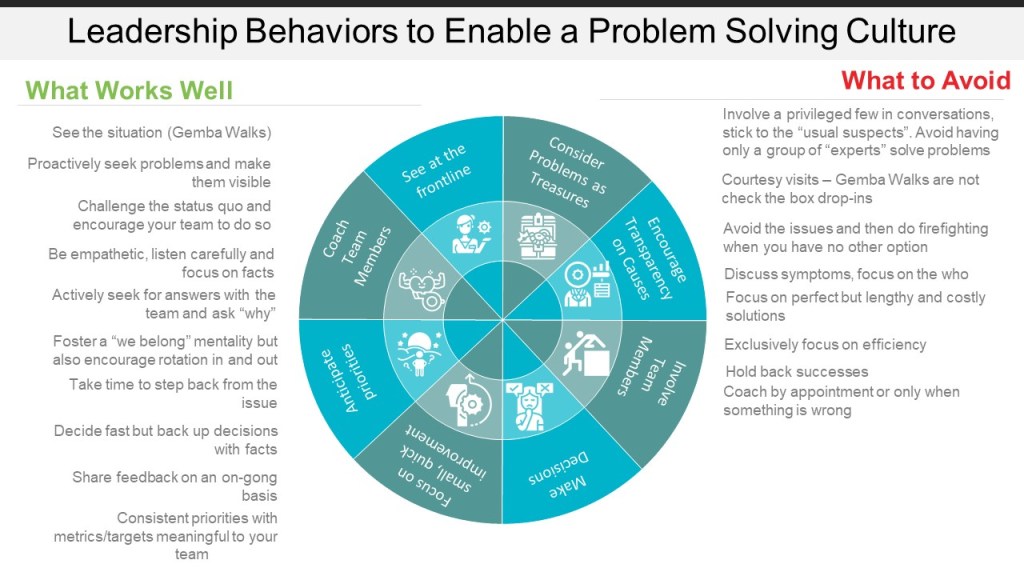
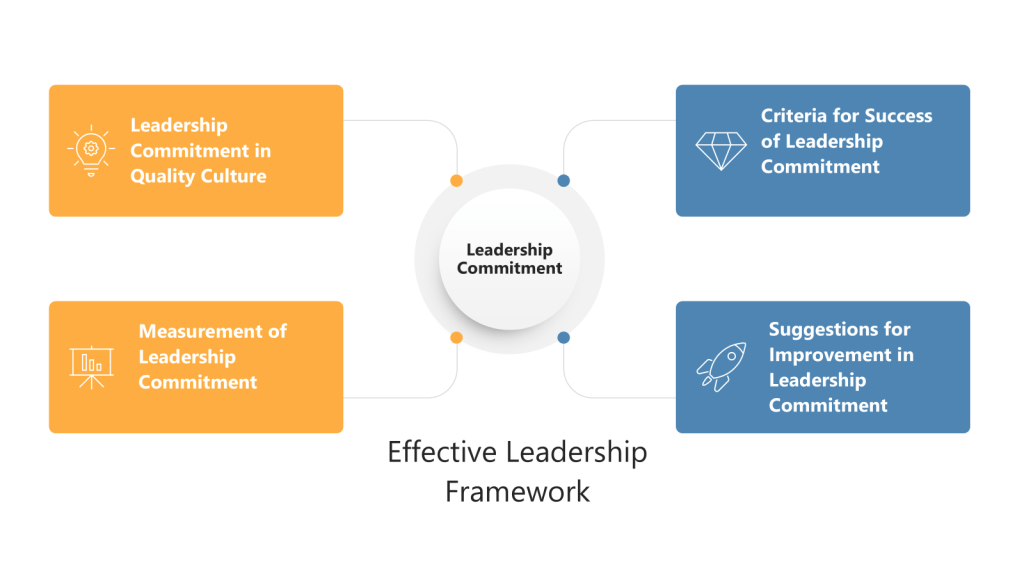
Effective leadership plays a pivotal role in establishing and maintaining a culture of psychological safety. Leaders must set the tone by modeling vulnerability, encouraging open communication, and demonstrating empathy towards their team members. They should establish clear expectations of respect and inclusivity, ensuring that diverse perspectives are welcomed and valued. By doing so, leaders create an environment where employees feel comfortable sharing their thoughts and ideas, which is essential for driving innovation and solving complex problems.
In the past post on Psychological Safety, Reflexivity, and Problem Solving, I explored how psychological safety enables individuals to behave authentically and express themselves candidly, which is crucial for effective problem-solving and reflexivity in organizations. This authenticity allows teams to tackle challenges more effectively by leveraging diverse viewpoints and experiences.
Building a Quality Culture
A quality culture is deeply intertwined with psychological safety. It emphasizes continuous improvement, learning from mistakes, and a commitment to excellence. In such a culture, employees are encouraged to reflect on their processes, identify areas for improvement, and implement changes that enhance overall performance. This reflective practice is facilitated by psychological safety, as it allows individuals to share insights and ideas without fear of criticism, thereby fostering a collaborative and adaptive environment.
Strategies for Creating a Safe Space for Reflection
Creating a safe space for reflection involves several strategic steps:
Establishing Open Communication Channels
Organizations should implement transparent and constructive communication channels that allow employees to express their thoughts, concerns, and ideas without fear of negative consequences. This can be achieved through regular team meetings, anonymous feedback systems, or open forums where employees feel comfortable sharing their perspectives. Active listening and empathy are crucial in these interactions, as they reinforce the sense of safety and encourage further participation.
Implementing Psychological Safety Training
Providing comprehensive training on psychological safety is essential for building awareness and equipping employees with the skills needed to navigate complex interactions and support their colleagues. These programs should emphasize the importance of trust, vulnerability, and inclusivity, and offer practical strategies for fostering a psychologically safe environment. By educating employees on these principles, organizations can ensure that psychological safety becomes an integral part of their culture.
Encouraging Active Participation and Feedback
Encouraging active participation involves creating opportunities for employees to engage in collaborative discussions and provide feedback. This can be facilitated through workshops, brainstorming sessions, or project meetings where diverse perspectives are sought and valued. Feedback loops should be open and constructive, allowing employees to learn from their experiences and grow professionally.
Measuring Psychological Safety
Measuring psychological safety is critical for understanding its impact on organizational culture and identifying areas for improvement. This can be achieved through surveys, behavioral indicators, and engagement scores. Surveys should include questions that assess employees’ perceptions of safety, trust, and openness within their teams. Behavioral indicators, such as the frequency of idea sharing and openness in feedback loops, can also provide valuable insights into the level of psychological safety within an organization.
In our previous discussions on on this blog, I have emphasized the importance of a culture that supports open dialogue and continuous improvement. A few examples include:
“Change Strategies for Accelerating Change“: This post discusses strategies such as promoting cross-functional training, fostering informal interactions, and implementing feedback loops. These strategies are crucial for creating a culture that supports open dialogue and continuous improvement.
“Reducing Subjectivity in Quality Risk Management: Aligning with ICH Q9(R1)“: This post focuses on reducing subjectivity through structured approaches and data-driven decision-making. It underscores the importance of a culture that encourages open communication to ensure that decisions are based on comprehensive data rather than personal biases.
These examples illustrate the importance of fostering a culture that supports open dialogue and continuous improvement in complex industries.
Overcoming Challenges
Despite the benefits of psychological safety, several challenges may arise when attempting to implement it within an organization. Fear and resistance to change are common obstacles, particularly in hierarchical structures where speaking up can be perceived as risky. To overcome these challenges, organizations should identify influential champions who can model psychological safety behaviors and inspire others to do the same. Regular assessments and feedback sessions can also help identify areas where psychological safety is lacking, allowing for targeted interventions.
Sustaining Psychological Safety
Sustaining a culture of psychological safety requires ongoing effort and commitment. Organizations must regularly assess the effectiveness of their psychological safety initiatives and refine their strategies based on feedback and performance data. This involves ensuring that leadership behaviors consistently reinforce psychological safety principles and that training programs are scaled to reach all levels of the organization.
Conclusion
Building a safe space for reflection within an organization is a multifaceted process that relies heavily on psychological safety and a quality culture. By fostering an environment where employees feel valued, included, and empowered to share their ideas, organizations can unlock their full potential and drive innovation. Psychological safety is not a static state but a continuous journey that requires leadership commitment, effective communication, and ongoing evaluation. As we continue to navigate the complexities of modern organizational challenges, prioritizing psychological safety will remain essential for creating a workplace where employees thrive and contribute meaningfully.
By embracing psychological safety and fostering a quality culture, organizations can create a safe space for reflection that drives innovation, enhances collaboration, and promotes continuous improvement. This approach not only benefits the organization but also contributes to the well-being and growth of its employees, ultimately leading to a more resilient and adaptive workforce.
In a previous post, I discussed how overcoming subjectivity in risk management and decision-making requires fostering a culture of quality and excellence. This is an issue that it is important to continue to evaluate and push for additional improvement.
The revised ICH Q9(R1) guideline, finalized in January 2023, introduces critical updates to Quality Risk Management (QRM) practices, emphasizing the need to address subjectivity, enhance formality, improve risk-based decision-making, and manage product availability risks. These revisions aim to ensure that QRM processes are more science-driven, knowledge-based, and effective in safeguarding product quality and patient safety. Two years later it is important to continue to build on key strategies for reducing subjectivity in QRM and aligning with the updated requirements.
Understanding Subjectivity in QRM
Subjectivity in QRM arises from personal opinions, biases, heuristics, or inconsistent interpretations of risks by stakeholders. This can impact every stage of the QRM process—from hazard identification to risk evaluation and mitigation. The revised ICH Q9(R1) explicitly addresses this issue by introducing a new subsection, “Managing and Minimizing Subjectivity,” which emphasizes that while subjectivity cannot be entirely eliminated, it can be controlled through structured approaches.
The guideline highlights that subjectivity often stems from poorly designed scoring systems, differing perceptions of hazards and risks among stakeholders, and cognitive biases. To mitigate these challenges, organizations must adopt robust strategies that prioritize scientific knowledge and data-driven decision-making.
Strategies to Reduce Subjectivity
Leveraging Knowledge Management
ICH Q9(R1) underscores the importance of knowledge management as a tool to reduce uncertainty and subjectivity in risk assessments. Effective knowledge management involves systematically capturing, organizing, and applying internal and external knowledge to inform QRM activities. This includes maintaining centralized repositories for technical data, fostering real-time information sharing across teams, and learning from past experiences through structured lessons-learned processes.
By integrating knowledge management into QRM, organizations can ensure that decisions are based on comprehensive data rather than subjective estimations. For example, using historical data on process performance or supplier reliability can provide objective insights into potential risks.
To integrate knowledge management (KM) more effectively into quality risk management (QRM), organizations can implement several strategies to ensure decisions are based on comprehensive data rather than subjective estimations:
Establish Robust Knowledge Repositories
Create centralized, easily accessible repositories for storing and organizing historical data, lessons learned, and best practices. These repositories should include:
Process performance data
Supplier reliability metrics
Deviation and CAPA records
Audit findings and inspection observations
Technology transfer documentation
By maintaining these repositories, organizations can quickly access relevant historical information when conducting risk assessments.
Implement Knowledge Mapping
Conduct knowledge mapping exercises to identify key sources of knowledge within the organization. This process helps to:
The revised guideline introduces a dedicated section on risk-based decision-making, emphasizing the need for structured approaches that consider the complexity, uncertainty, and importance of decisions. Organizations should establish clear criteria for decision-making processes, define acceptable risk tolerance levels, and use evidence-based methods to evaluate options.
Structured decision-making tools can help standardize how risks are assessed and prioritized. Additionally, calibrating expert opinions through formal elicitation techniques can further reduce variability in judgments.
Addressing Cognitive Biases
Cognitive biases—such as overconfidence or anchoring—can distort risk assessments and lead to inconsistent outcomes. To address this, organizations should provide training on recognizing common biases and their impact on decision-making. Encouraging diverse perspectives within risk assessment teams can also help counteract individual biases.
For example, using cross-functional teams ensures that different viewpoints are considered when evaluating risks, leading to more balanced assessments. Regularly reviewing risk assessment outputs for signs of bias or inconsistencies can further enhance objectivity.
Enhancing Formality in QRM
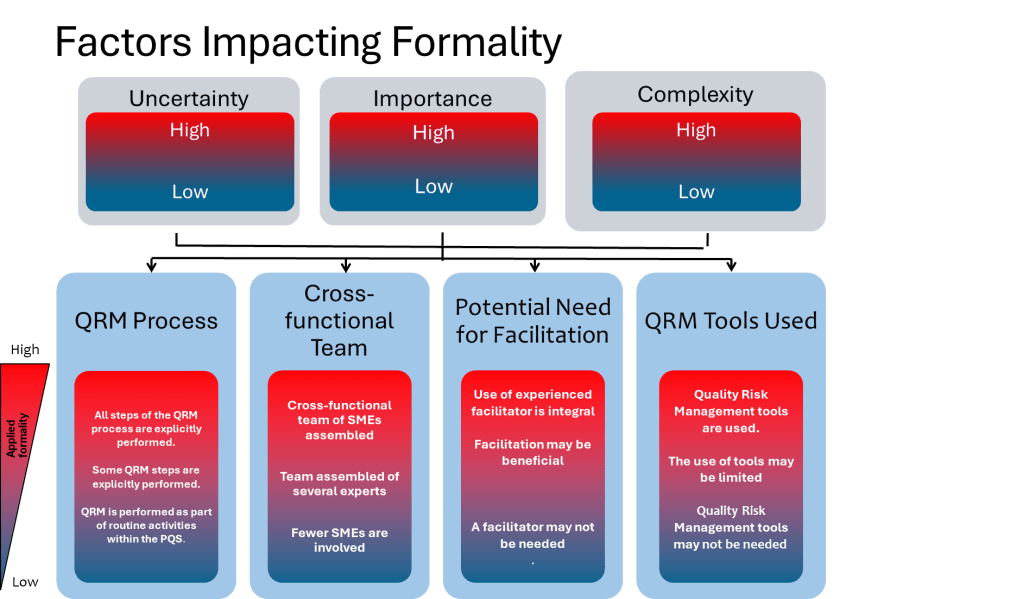
ICH Q9(R1) introduces the concept of a “formality continuum,” which aligns the level of effort and documentation with the complexity and significance of the risk being managed. This approach allows organizations to allocate resources effectively by applying less formal methods to lower-risk issues while reserving rigorous processes for high-risk scenarios.
For instance, routine quality checks may require minimal documentation compared to a comprehensive risk assessment for introducing new manufacturing technologies. By tailoring formality levels appropriately, organizations can ensure consistency while avoiding unnecessary complexity.
Calibrating Expert Opinions
We need to recognize the importance of expert knowledge in QRM activities, but also acknowledges the potential for subjectivity and bias in expert judgments. We need to ensure we:
Implement formal processes for expert opinion elicitation
Use techniques to calibrate expert judgments, especially when estimating probabilities
Provide training on common cognitive biases and their impact on risk assessment
Employ diverse teams to counteract individual biases
Regularly review risk assessment outputs for signs of bias or inconsistencies
Calibration techniques may include:
Structured elicitation protocols that break down complex judgments into more manageable components
Feedback and training to help experts align their subjective probability estimates with actual frequencies of events
Using multiple experts and aggregating their judgments through methods like Cooke’s classical model
Employing facilitation techniques to mitigate groupthink and encourage independent thinking
By calibrating expert opinions, organizations can leverage valuable expertise while minimizing subjectivity in risk assessments.
Utilizing Cooke’s Classical Model
Cooke’s Classical Model is a rigorous method for evaluating and combining expert judgments to quantify uncertainty. Here are the key steps for using the Classical Model to evaluate expert judgment:
Select and calibrate experts:
Choose 5-10 experts in the relevant field
Have experts assess uncertain quantities (“calibration questions”) for which true values are known or will be known soon
These calibration questions should be from the experts’ domain of expertise
Elicit expert assessments:
Have experts provide probabilistic assessments (usually 5%, 50%, and 95% quantiles) for both calibration questions and questions of interest
Document experts’ reasoning and rationales
Score expert performance:
Evaluate experts on two measures: a) Statistical accuracy: How well their probabilistic assessments match the true values of calibration questions b) Informativeness: How precise and focused their uncertainty ranges are
Calculate performance-based weights:
Derive weights for each expert based on their statistical accuracy and informativeness scores
Experts performing poorly on calibration questions receive little or no weight
Combine expert assessments:
Use the performance-based weights to aggregate experts’ judgments on the questions of interest
This creates a “Decision Maker” combining the experts’ assessments
Validate the combined assessment:
Evaluate the performance of the weighted combination (“Decision Maker”) using the same scoring as for individual experts
Compare to equal-weight combination and best-performing individual experts
Conduct robustness checks:
Perform cross-validation by using subsets of calibration questions to form weights
Assess how well performance on calibration questions predicts performance on questions of interest
The Classical Model aims to create an optimal aggregate assessment that outperforms both equal-weight combinations and individual experts. By using objective performance measures from calibration questions, it provides a scientifically defensible method for evaluating and synthesizing expert judgment under uncertainty.
Using Data to Support Decisions
ICH Q9(R1) emphasizes the importance of basing risk management decisions on scientific knowledge and data. The guideline encourages organizations to:
Develop robust knowledge management systems to capture and maintain product and process knowledge
Create standardized repositories for technical data and information
Implement systems to collect and convert data into usable knowledge
Gather and analyze relevant data to support risk-based decisions
Use quantitative methods where feasible, such as statistical models or predictive analytics
Specific approaches for using data in QRM may include:
Analyzing historical data on process performance, deviations, and quality issues to inform risk assessments
Employing statistical process control and process capability analysis to evaluate and monitor risks
Utilizing data mining and machine learning techniques to identify patterns and potential risks in large datasets
Implementing real-time data monitoring systems to enable proactive risk management
Conducting formal data quality assessments to ensure decisions are based on reliable information
Digitalization and emerging technologies can support data-driven decision making, but remember that validation requirements for these technologies should not be overlooked.
Improving Risk Assessment Tools
The design of risk assessment tools plays a critical role in minimizing subjectivity. Tools with well-defined scoring criteria and clear guidance on interpreting results can reduce variability in how risks are evaluated. For example, using quantitative methods where feasible—such as statistical models or predictive analytics—can provide more objective insights compared to qualitative scoring systems.
Organizations should also validate their tools periodically to ensure they remain fit-for-purpose and aligned with current regulatory expectations.
Leverage Good Risk Questions
A well-formulated risk question can significantly help reduce subjectivity in quality risk management (QRM) activities. Here’s how a good risk question contributes to reducing subjectivity:
Clarity and Focus
A good risk question provides clarity and focus for the risk assessment process. By clearly defining the scope and context of the risk being evaluated, it helps align all participants on what specifically needs to be assessed. This alignment reduces the potential for individual interpretations and subjective assumptions about the risk scenario.
Specific and Measurable Terms
Effective risk questions use specific and measurable terms rather than vague or ambiguous language. For example, instead of asking “What are the risks to product quality?”, a better question might be “What are the potential causes of out-of-specification dissolution results for Product X in the next 6 months?”. The specificity in the latter question helps anchor the assessment in objective, measurable criteria.
Factual Basis
A well-crafted risk question encourages the use of factual information and data rather than opinions or guesses. It should prompt the risk assessment team to seek out relevant data, historical information, and scientific knowledge to inform their evaluation. This focus on facts and evidence helps minimize the influence of personal biases and subjective judgments.
Standardized Approach
Using a consistent format for risk questions across different assessments promotes a standardized approach to risk identification and analysis. This consistency reduces variability in how risks are framed and evaluated, thereby decreasing the potential for subjective interpretations.
Objective Criteria
Good risk questions often incorporate or imply objective criteria for risk evaluation. For instance, a question like “What factors could lead to a deviation from the acceptable range of 5-10% for impurity Y?” sets clear, objective parameters for the assessment, reducing the room for subjective interpretation of what constitutes a significant risk.
Promotes Structured Thinking
Well-formulated risk questions encourage structured thinking about potential hazards, their causes, and consequences. This structured approach helps assessors focus on objective factors and causal relationships rather than relying on gut feelings or personal opinions.
Facilitates Knowledge Utilization
A good risk question should prompt the assessment team to utilize available knowledge effectively. It encourages the team to draw upon relevant data, past experiences, and scientific understanding, thereby grounding the assessment in objective information rather than subjective impressions.
By crafting risk questions that embody these characteristics, QRM practitioners can significantly reduce the subjectivity in risk assessments, leading to more reliable, consistent, and scientifically sound risk management decisions.
Fostering a Culture of Continuous Improvement
Reducing subjectivity in QRM is an ongoing process that requires a commitment to continuous improvement. Organizations should regularly review their QRM practices to identify areas for enhancement and incorporate feedback from stakeholders. Investing in training programs that build competencies in risk assessment methodologies and decision-making frameworks is essential for sustaining progress.
Moreover, fostering a culture that values transparency, collaboration, and accountability can empower teams to address subjectivity proactively. Encouraging open discussions about uncertainties or disagreements during risk assessments can lead to more robust outcomes.
Conclusion
The revisions introduced in ICH Q9(R1) represent a significant step forward in addressing long-standing challenges associated with subjectivity in QRM. By leveraging knowledge management, implementing structured decision-making processes, addressing cognitive biases, enhancing formality levels appropriately, and improving risk assessment tools, organizations can align their practices with the updated guidelines while ensuring more reliable and science-based outcomes.
It has been two years, it is long past time be be addressing these in your risk management process and quality system.
Ultimately, reducing subjectivity not only strengthens compliance with regulatory expectations but also enhances the quality of pharmaceutical products and safeguards patient safety—a goal that lies at the heart of effective Quality Risk Management.
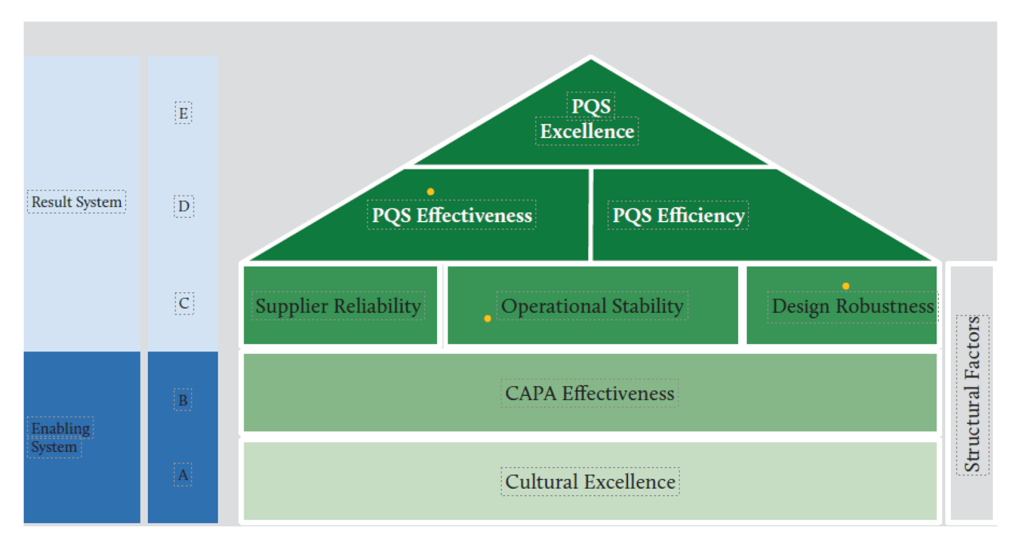
I do love a house metaphor or visualization, almost as I like a good tree, and this visualization of the house of quality is one I often return to. I want to turn to the question of efficiency, as it is often one I hear stressed by many leaders, and frankly I think the use can get a little off-kilter.
We can define efficiency as the “productivity of a process and the utilization of resources.” The St Gallen reports commissioned by the FDA as part of the quality metrics initiative finds that efficiency and effectiveness in pharmaceutical quality systems are positively correlated, though the relationship is not as strong as some may expect.
The study analyzed data from over 60 pharmaceutical manufacturing plants found a slight positive correlation between measures of quality system effectiveness and efficiency. This indicates that plants with more effective quality systems also tend to be more efficient in their operations. However, effectiveness only explained about 4% of the variation in efficiency scores, suggesting other factors play a major role as well.
To dig deeper, the researchers separated plants into four groups based on their levels of quality effectiveness and efficiency. The top performing group excelled in both areas, while the lowest group struggled with both. Interestingly, there were also groups that performed well in one area but not the other. This reveals that effectiveness and efficiency, while related, are distinct capabilities that must be built separately.
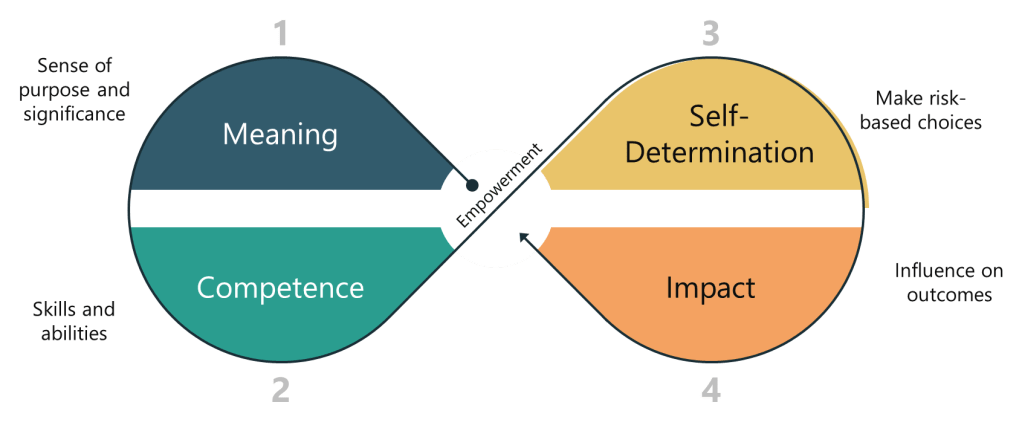
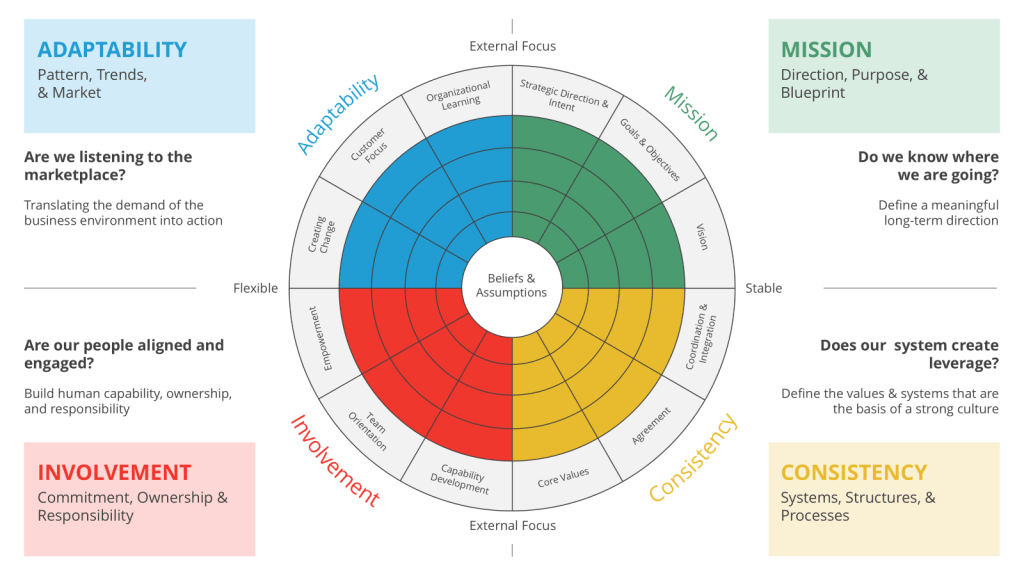
What really set apart the top performers was their higher implementation of operational excellence practices across areas like total productive maintenance, quality management, and just-in-time production. They also tended to have more empowered employees and a stronger culture of continuous improvement. This suggests that building these foundational capabilities is key to achieving both quality and efficiency.
The research provides evidence that quality and efficiency can be mutually reinforcing when the right systems and culture are in place. However, it also shows this is not automatic – companies must be intentional about developing both in tandem. Those that focus solely on efficiency without building quality maturity may struggle to sustain performance in the long run. The most successful manufacturers find ways to make quality a driver of operational excellence, not a constraint on it.
Dangers of an Excessive Focus on Efficiency
An excessive focus on efficiency in organizations can further lead to several unintended negative consequences:
Reduced Resilience and Flexibility
Prioritizing efficiency often involves streamlining processes, reducing redundancies, and optimizing resource allocation. While this can boost short-term productivity, it can also make organizations less resilient to unexpected disruptions.
Stifled Innovation and Creativity
Efficiency-driven environments tend to emphasize standardization and predictability, which can hinder innovation. When resources are tightly controlled and risk-aversion is high, there’s little room for experimentation and creative problem-solving. This can leave companies vulnerable to being outpaced by more innovative competitors.
Pushing for ever-increasing efficiency can lead to work environments where employees are constantly pressured to do more with less. This approach can increase stress levels, leading to burnout, reduced morale, and ultimately, lower overall productivity. Overworked employees may struggle with work-life balance and experience health issues, potentially resulting in higher turnover rates.
There’s often a delicate balance between efficiency and quality. In the pursuit of faster and cheaper ways of doing things, organizations may inadvertently compromise on product or service quality. Over time, this can erode brand reputation and customer loyalty.
Short-term Focus at the Expense of Long-term Success
An overemphasis on efficiency can lead to a myopic focus on short-term gains while neglecting long-term strategic objectives. This can result in missed opportunities for sustainable growth and innovation.
Resource Dilution and Competing Priorities
When organizations try to be efficient across too many initiatives simultaneously, it can lead to resource dilution. This often results in many projects being worked on, but few being completed effectively or on time. Competing priorities can also lead to different departments working at cross-purposes, potentially canceling out each other’s efforts.
Loss of Human Connection and Engagement
Prioritizing task efficiency over human connection can have significant negative impacts on workplace culture and employee engagement. A lack of connection in the workplace can chip away at healthy mindsets and organizational culture.
Reduced Adaptability to Change
Highly efficient systems are often optimized for specific conditions. When those conditions change, such systems may struggle to adapt. This can leave organizations vulnerable in rapidly changing business environments.
To mitigate these risks, organizations should strive for a balance between efficiency and other important factors such as resilience, innovation, and employee well-being. This may involve maintaining some redundancies, allowing for periods of “productive inefficiency,” and fostering a culture that values both productivity and human factors.
Quality and Efficiency
Building efficiency from quality, often referred to as “Good Quality – Good Business”, is best tackled by:
Reduced waste and rework: By focusing on quality, companies can reduce defects, errors, and the need for rework. This directly improves efficiency by reducing wasted time, materials, and labor.
Improved processes: Quality initiatives often involve analyzing and optimizing processes. These improvements can lead to more streamlined operations and better resource utilization.
Enhanced reliability: High-quality products and processes tend to be more reliable. This reliability can reduce downtime, maintenance costs, and other inefficiencies.
Cultural excellence: Organizations with a higher levels of cultural excellence, including employee engagement and continuous improvement mindsets supports both quality and efficiency improvements.
The important thing to remember is efficiency that does not help the worker, that does not build resilience, is not efficiency at all.
I often joke that as a biotech company employee I am primarily responsible for the manufacture of data (and water) first and foremost, and as a result we get a byproduct of a pharmaceutical drugs.
Many of us face challenges within organizations when it comes to effectively managing data. There tends to be a prevailing mindset that views data handling as a distinct activity, often relegated to the responsibility of someone else, rather than recognizing it as an integral part of everyone’s role. This separation can lead to misunderstandings and missed opportunities for utilizing data to its fullest potential.
Many organizations suffer some multifaceted challenges around data management:
Lack of ownership: When data is seen as “someone else’s job,” it often falls through the cracks.
Inconsistent quality: Without a unified approach, data quality can vary widely across departments.
Missed insights: Siloed data management can result in missed opportunities for valuable insights.
Inefficient processes: Disconnected data handling often leads to duplicated efforts and wasted resources.
Integrate Data into Daily Work
Make data part of job descriptions: Clearly define data-related responsibilities for each role, emphasizing how data contributes to overall job performance.
Provide context: Help employees understand how their data-related tasks directly impact business outcomes and decision-making processes.
Encourage data-driven decision making: Train employees to use data in their daily work, from small decisions to larger strategic choices.
We want to strive to ask four questions.
Understanding: Do people understand that they are data creators and how the data they create fits into the bigger picture?
Empowerment: Are there mechanisms for people to voice concerns, suggest potential improvements, and make changes? Do you provide psychological safety so they do so without fear?
Accountability: Do people feel pride of ownership and take on responsibly to create, obtain, and put to work data that supports the organization’s mission?
Collaboration: Do people see themselves as customers of data others create, with the right and responsibility to explain what they need and help creators craft solutions for the good of all involved?
Foster a Data-Driven Culture
Fostering a data-driven culture is essential for organizations seeking to leverage the full potential of their data assets. This cultural shift requires a multi-faceted approach that starts at the top and permeates throughout the entire organization.
Leadership by example is crucial in establishing a data-driven culture. Managers and executives must actively incorporate data into their decision-making processes and discussions. By consistently referencing data in meetings, presentations, and communications, leaders demonstrate the value they place on data-driven insights. This behavior sets the tone for the entire organization, encouraging employees at all levels to adopt a similar approach. When leaders ask data-informed questions and base their decisions on factual evidence, it reinforces the importance of data literacy and analytical thinking across the company.
Continuous learningis another vital component of a data-driven culture. Organizations should invest in regular training sessions that enhance data literacy and proficiency with relevant analysis tools. These educational programs should be tailored to each role within the company, ensuring that employees can apply data skills directly to their specific responsibilities. By providing ongoing learning opportunities, companies empower their workforce to make informed decisions and contribute meaningfully to data-driven initiatives. This investment in employee development not only improves individual performance but also strengthens the organization’s overall analytical capabilities.
Creating effective feedback loops is essential for refining and improving data processes over time. Organizations should establish systems that allow employees to provide input on data-related practices and suggest enhancements. This two-way communication fosters a sense of ownership and engagement among staff, encouraging them to actively participate in the data-driven culture. By valuing employee feedback, companies can identify bottlenecks, streamline processes, and uncover innovative ways to utilize data more effectively. These feedback mechanisms also help in closing the loop between data insights and actionable outcomes, ensuring that the organization continually evolves its data practices to meet changing needs and challenges.
Build Data as a Core Principle
Focus on quality: Emphasize the importance of data quality to the mission of the organization
Continuous improvement: Encourage ongoing refinement of data processes,.
Pride in workmanship: Foster a sense of ownership and pride in data-related tasks, .
Break down barriers: Promote cross-departmental collaboration on data initiatives and eliminate silos.
Drive out fear: Create a safe environment for employees to report data issues or inconsistencies without fear of reprisal.
By implementing these strategies, organizations can effectively tie data to employees’ daily work and create a robust data culture that enhances overall performance and decision-making capabilities.
The best quality folks I know, indeed the best of any profession I know, are those who manage to bring their authentic self to the job. This capability is core to building psychological safety and driving quality culture. And yet, too often, we teach people how to bury it or reward a degree of inauthenticity in service of some idea of “professional.” People quickly tune out, disengage, and lose trust when they sense insincerity. Being authentic allows you to connect and relate much more quickly with and bond with our fellow workers. To be an authentic quality champion, you must create a safe space to encourage people to open up and express themselves without fearing retribution. If people do not feel comfortable or safe conveying their feelings, they won’t be able to present their true, authentic selves. Trust is the key to encouraging others to express their thoughts and feelings. Without trust and authenticity, there can be no learning culture, no improvement, and little to no quality.
Be Yourself
Authenticity starts with being true to who you are. Don’t try to adopt a stereotypical quality personality or style that doesn’t feel natural to you. Instead:
Embrace your unique personality and style, whether that’s reserved, energetic, or straightforward
Admit when you don’t know something rather than pretending
By bringing your true self to the role, you build trust and create a psychologically safe environment.
Foster Genuine Connections
By building authentic relationships with colleagues, we can enhance collaboration, boost job satisfaction, and contribute to a more fulfilling professional experience. These connections go beyond superficial interactions and involve showing a genuine interest in coworkers’ success, engaging in healthy competition, and contributing to an authentic workplace culture.
Strive to find time for relationship-building with and among your fellows
Share personal anecdotes and experiences when relevant
Demonstrate vulnerability by discussing your own learning journey and challenges you’ve overcome
Active listening contributes to authenticity by encouraging open communication and transparency. When we actively listen to one another, we create a safe space for sharing ideas, concerns, and feedback without fear of judgment. This openness allows individuals to be true to their personalities and values, fostering a culture where authenticity is valued and respected. Moreover, active listening helps in recognizing the unsaid emotions and underlying messages, enabling a deeper understanding of colleagues’ experiences and perspectives.
Give your full attention to speakers, noting both verbal and non-verbal cues
Paraphrase and summarize to ensure you’ve understood correctly
Ask probing questions to dig deeper into folk’s thoughts and ideas
Model the Desired Culture
When a quality partner brings their authentic self to the team, they set the tone. This demonstrates the behaviors and attitudes we want to see in our culture. This is important at all levels of the quality organization, but frankly I think quality leaders may be a little to uncomfortable here. Many people get ahead in quality by being analytical, which means thse who are outside that norm are asked to act like they are to get ahead. Which frankly, can be prety disastrrious.