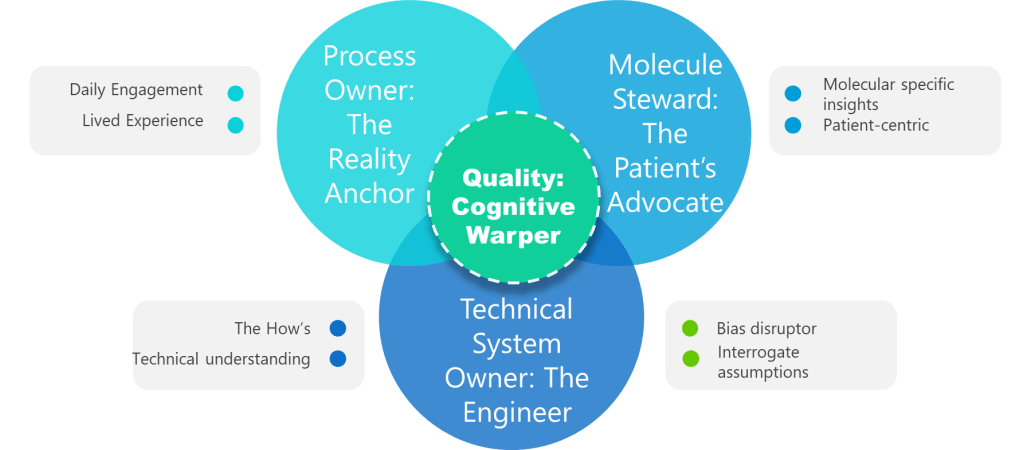
Ineffective risk management and quality systems revolve around superficial risk management. The core issue? Teams designed for compliance as a check-the-box activity rather than cognitive rigor. These gaps create systematic blind spots that no checklist can fix. The solution isn’t more assessors—it’s fewer, more competent ones anchored in science, patient impact, and lived process reality.
Not a title. A lived experience. Superficial ownership creates the “unjustified assumptions.” This role requires daily engagement with the process—not just signature authority. Without it, assumptions go unchallenged.
Beyond “SME”—the protein whisperer. This role demands provable knowledge of degradation pathways, critical quality attributes (CQAs), and patient impact. Contrast this with generic “subject matter experts” who lack molecule-specific insights. Without this anchor, assessments overlook patient-centric failure modes.
3. Technical System Owner: The Engineer
The value of the Technical System Owner—often the engineer—lies in their unique ability to bridge the worlds of design, operations, and risk control throughout the pharmaceutical lifecycle. Far from being a mere custodian of equipment, the system owner is the architect who understands not just how a system is built, but how it behaves under real-world conditions and how it integrates with the broader manufacturing program
4. Quality: The Cognitive Warper
Forget the auditor—this is your bias disruptor. Quality’s value lies in forcing cross-functional dialogue, challenging tacit assumptions, and documenting debates. When Quality fails to interrogate assumptions, hazards go unidentified. Their real role: Mandate “assumption logs” where every “We’ve always done it this way” must produce data or die.
Team Design as Knowledge Preservation
Team design in the context of risk management is fundamentally an act of knowledge preservation, not just an exercise in filling seats or meeting compliance checklists. Every effective risk team is a living repository of the organization’s critical process insights, technical know-how, and nuanced operational experience. When teams are thoughtfully constructed to include individuals with deep, hands-on familiarity—process owners, technical system engineers, molecule stewards, and quality integrators—they collectively safeguard the hard-won lessons and tacit knowledge that are so often lost when people move on or retire. This approach ensures that risk assessments are not just theoretical exercises but are grounded in the practical realities that only those with lived experience can provide.
Combating organizational forgetting requires more than documentation or digital knowledge bases; it demands intentional, cross-functional team design that fosters active knowledge transfer. When a risk team brings together diverse experts who routinely interact, challenge each other’s assumptions, and share context from their respective domains, they create a dynamic environment where critical information is surfaced, scrutinized, and retained. This living dialogue is far more effective than static records, as it allows for the continuous updating and contextualization of knowledge in response to new challenges, regulatory changes, and operational shifts. In this way, team design becomes a strategic defense against the silent erosion of expertise that can leave organizations exposed to avoidable risks.
Ultimately, investing in team design as a knowledge preservation strategy is about building organizational resilience. It means recognizing that the greatest threats often arise not from what is known, but from what is forgotten or never shared. By prioritizing teams that embody both breadth and depth of experience, organizations create a robust safety net—one that catches subtle warning signs, adapts to evolving risks, and ensures that critical knowledge endures beyond any single individual’s tenure. This is how organizations move from reactive problem-solving to proactive risk management, turning collective memory into a competitive advantage and a foundation for sustained quality.
Call to Action: Build the Risk Team
Moving from compliance theater to true protection starts with assembling a team designed for cognitive rigor, knowledge depth and psychological safety.
Start with a Clear Charter, Not a Checklist
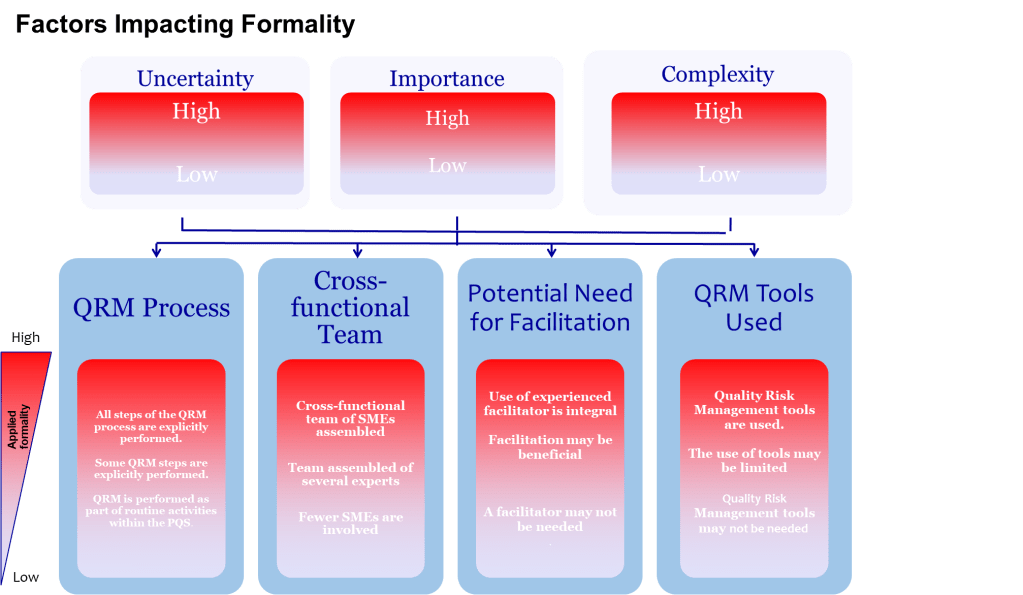
An excellent risk team exists to frame, analyse and communicate uncertainty so that the business can make science-based, patient-centred decisions. Assigning authorities and accountabilities is a leadership duty, not an after-thought. Before naming people, write down:
the decisions the team must enable,
the degree of formality those decisions demand, and
the resources (time, data, tools) management will guarantee.
Without this charter, even star performers will default to box-ticking.
Fill Four Core Seats – And Prove Competence
ICH Q9 is blunt: risk work should be done by interdisciplinary teams that include experts from quality, engineering, operations and regulatory affairs. ASTM E2500 translates that into a requirement for documented subject-matter experts (SMEs) who own critical knowledge throughout the lifecycle. Map those expectations onto four non-negotiable roles.
Process Owner – The Reality Anchor: This individual has lived the operation in the last 90 days, not just signed SOPs. They carry the authority to change methods, budgets and training, and enough hands-on credibility to spot when a theoretical control will never work on the line. Authentic owners dismantle assumptions by grounding every risk statement in current shop-floor facts.
Molecule Steward – The Patient’s Advocate: Too often “SME” is shorthand for “the person available.” The molecule steward is different: a scientist who understands how the specific product fails and can translate deviations into patient impact. When temperature drifts two degrees during freeze-drying, the steward can explain whether a monoclonal antibody will aggregate or merely lose a day of shelf life. Without this anchor, the team inevitably under-scores hazards that never appear in a generic FMEA template.
Technical System Owner – The Engineering Interpreter: Equipment does not care about meeting minutes; it obeys physics. The system owner must articulate functional requirements, design limits and integration logic. Where a tool-focused team may obsess over gasket leaks, the system owner points out that a single-loop PLC has no redundancy and that a brief voltage dip could push an entire batch outside critical parameters—a classic case of method over physics.
Quality Integrator – The Bias Disruptor: Quality’s mission is to force cross-functional dialogue and preserve evidence. That means writing assumption logs, challenging confirmation bias and ensuring that dissenting voices are heard. The quality lead also maintains the knowledge repository so future teams are not condemned to repeat forgotten errors.
Secure Knowledge Accessibility, Not Just Possession
A credentialed expert who cannot be reached when the line is down at 2 a.m. is as useful as no expert at all. Conduct aKnowledge Accessibility Index audit before every major assessment.
Embed Psychological Safety to Unlock the Team’s Brainpower
No amount of SOPs compensates for a culture that punishes bad news. Staff speak up only when leaders are approachable, intolerant of blame and transparent about their own fallibility. Leaders must therefore:
Invite dissent early: begin meetings with “What might we be overlooking?”
Model vulnerability: share personal errors and how the system, not individuals, failed.
Reward candor: recognize the engineer who halted production over a questionable trend.
Choose Methods Last, After Understanding the Science
Excellent teams let the problem dictate the tool, not vice versa. They build a failure-tree or block diagram first, then decide whether FMEA, FTA or bow-tie analysis will illuminate the weak spot. If the team defaults to a method because “it’s in the SOP,” stop and reassess. Tool selection is a decision, not a reflex.
Provide Time and Resources Proportionate to Uncertainty
ICH Q9 asks decision-makers to ensure resources match the risk question. Complex, high-uncertainty topics demand longer workshops, more data and external review, while routine changes may only need a rapid check. Resist the urge to shoehorn every assessment into a one-hour meeting because calendars are overloaded.
Institutionalize Learning Loops
Great teams treat every assessment as both analysis and experiment. They:
Track prediction accuracy: did the “medium”-ranked hazard occur?
Compare expected versus actual detectability: were controls as effective as assumed?
Feed insights into updated templates and training so the next team starts smarter.
The loop closes when the knowledge base evolves at the same pace as the plant.
When to Escalate – The Abort-Mission Rule
If a risk scenario involves patient safety, novel technology and the molecule steward is unavailable, stop. The assessment waits until a proper team is in the room. Rushing ahead satisfies schedules, not safety.
Conclusion
Excellence in risk management is rarely about adding headcount; it is about curating brains with complementary lenses and giving them the culture, structure and time to think. Build that environment and the monsters stay on the storyboard, never in the plant.
Quality management requires a sophisticated blend of skills that transcend traditional audit and compliance approaches. As organizations increasingly recognize quality systems as living entities rather than static frameworks, quality professionals must evolve from mere enforcers to nurturers—from auditors to gardeners. This paradigm shift demands a new approach to competency development that embraces both technical expertise and adaptive capabilities.
Building Competencies: The Integration of Skills, Knowledge, and Behavior
A comprehensive competency framework for quality professionals must recognize that true competency is more than a simple checklist of abilities. Rather, it represents the harmonious integration of three critical elements: skills, knowledge, and behaviors. Understanding how these elements interact and complement each other is essential for developing quality professionals who can thrive as “system gardeners” in today’s complex organizational ecosystems.
The Competency Triad
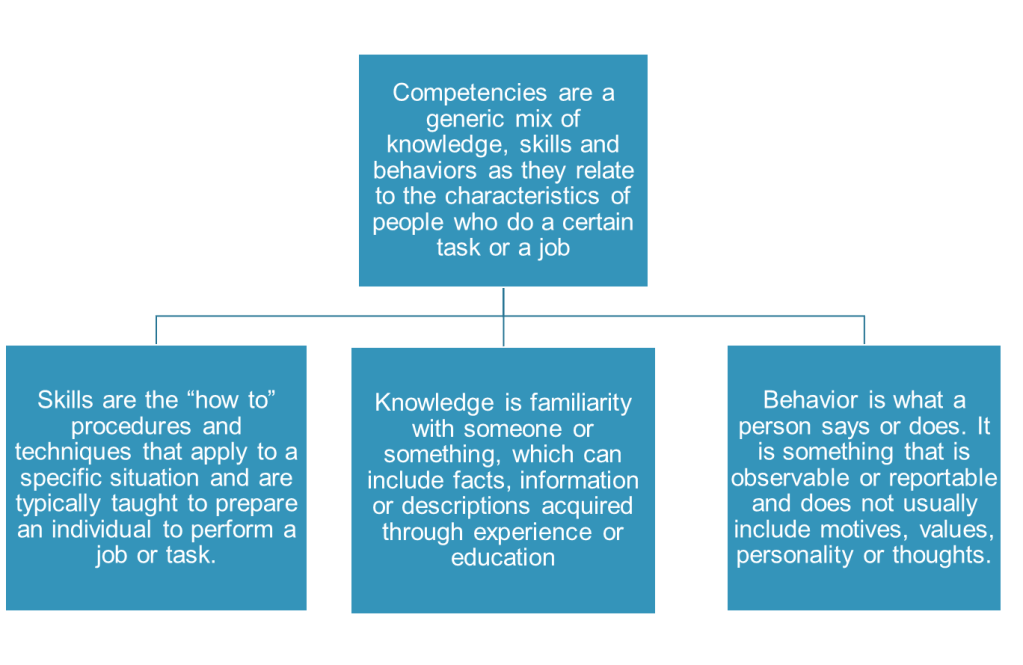
Competencies can be defined as the measurable or observable knowledge, skills, abilities, and behaviors critical to successful job performance. They represent a holistic approach that goes beyond what employees can do to include how they apply their capabilities in real-world contexts.
Knowledge: The Foundation of Understanding
Knowledge forms the theoretical foundation upon which all other aspects of competency are built. For quality professionals, this includes:
Comprehension of regulatory frameworks and compliance requirements
Understanding of statistical principles and data analysis methodologies
Familiarity with industry-specific processes and technical standards
Awareness of organizational systems and their interconnections
Knowledge is demonstrated through consistent application to real-world scenarios, where quality professionals translate theoretical understanding into practical solutions. For example, a quality professional might demonstrate knowledge by correctly interpreting a regulatory requirement and identifying its implications for a manufacturing process.
Skills: The Tools for Implementation
Skills represent the practical “how-to” abilities that quality professionals use to implement their knowledge effectively. These include:
Technical skills like statistical process control and data visualization
Methodological skills such as root cause analysis and risk assessment
Social skills including facilitation and stakeholder management
Self-management skills like prioritization and adaptability
Skills are best measured through observable performance in relevant contexts. A quality professional might demonstrate skill proficiency by effectively facilitating a cross-functional investigation meeting that leads to meaningful corrective actions.
Behaviors: The Expression of Competency
Behaviors are the observable actions and reactions that reflect how quality professionals apply their knowledge and skills in practice. These include:
Demonstrating curiosity when investigating deviations
Showing persistence when facing resistance to quality initiatives
Exhibiting patience when coaching others on quality principles
Displaying integrity when reporting quality issues
Behaviors often distinguish exceptional performers from average ones. While two quality professionals might possess similar knowledge and skills, the one who consistently demonstrates behaviors aligned with organizational values and quality principles will typically achieve superior results.
Building an Integrated Competency Development Approach
To develop well-rounded quality professionals who embody all three elements of competency, organizations should:
Map the Competency Landscape: Create a comprehensive inventory of the knowledge, skills, and behaviors required for each quality role, categorized by proficiency level.
Implement Multi-Modal Development: Recognize that different competency elements require different development approaches:
Knowledge is often best developed through structured learning, reading, and formal education
Skills typically require practice, coaching, and experiential learning
Assess Holistically: Develop assessment methods that evaluate all three elements:
Knowledge assessments through tests, case studies, and discussions
Skill assessments through demonstrations, simulations, and work products
Behavioral assessments through observation, peer feedback, and self-reflection
Create Developmental Pathways: Design career progression frameworks that clearly articulate how knowledge, skills, and behaviors should evolve as quality professionals advance from foundational to leadership roles.
By embracing this integrated approach to competency development, organizations can nurture quality professionals who not only know what to do and how to do it, but who also consistently demonstrate the behaviors that make quality initiatives successful. These professionals will be equipped to serve as true “system gardeners,” cultivating environments where quality naturally flourishes rather than merely enforcing compliance with standards.
Understanding the Four Dimensions of Professional Skills
A comprehensive competency framework for quality professionals should address four fundamental skill dimensions that work in harmony to create holistic expertise:
Technical Skills: The Roots of Quality Expertise
Technical skills form the foundation upon which all quality work is built. For quality professionals, these specialized knowledge areas provide the essential tools needed to assess, measure, and improve systems.
Technical skills enable quality professionals to diagnose system health with precision—similar to how a gardener understands soil chemistry and plant physiology.
Methodological Skills: The Framework for System Cultivation
Methodological skills represent the structured approaches and techniques that quality professionals use to organize their work. These skills provide the scaffolding that supports continuous improvement and systematic problem-solving.
Risk management framework, methodology and and tools
Design and execution of effective audit programs
Knowledge management to capture insights and lessons learned
As gardeners apply techniques like pruning, feeding, and crop rotation, quality professionals use methodological skills to cultivate environments where quality naturally thrives.
Social Skills: Nurturing Collaborative Ecosystems
Social skills facilitate the human interactions necessary for quality to flourish across organizational boundaries. In living quality systems, these skills help create an environment where collaboration and improvement become cultural norms.
Inspiring leadership that emphasizes quality as shared responsibility
Just as gardeners create environments where diverse species thrive together, quality professionals with strong social skills foster ecosystems where teams naturally collaborate toward excellence.
Self-Skills: Personal Adaptability and Growth
Self-skills represent the quality professional’s ability to manage themselves effectively in dynamic environments. These skills are especially crucial in today’s volatile and complex business landscape.
Examples for Quality Gardeners:
Adaptability to changing regulatory landscapes and business priorities
Independent decision-making based on principles rather than rules
Continuous personal development and knowledge acquisition
Working productively under pressure
Like gardeners who must adapt to changing seasons and unexpected weather patterns, quality professionals need strong self-management skills to thrive in unpredictable environments.
Dimension
Definition
Examples
Importance
Technical Skill
Referring to the specialized knowledge and practical skills
– Mastering data analysis – Understanding aseptic processing or freeze drying
Fundamental for any professional role; influences the ability to effectively perform specialized tasks
Methodological Skill
Ability to apply appropriate techniques and methods
– Applying Scrum or Lean Six Sigma – Documenting and transferring insights into knowledge
Essential to promote innovation, strategic thinking, and investigation of deviations
Social Skill
Skills for effective interpersonal interactions
– Promoting collaboration – Mediating team conflicts – Inspiring leadership
Important in environments that rely on teamwork, dynamics, and culture
Self-Skill
Ability to manage oneself in various professional contexts
– Adapting to a fast-paced work environment – Working productively under pressure – Independent decision-making
Crucial in roles requiring a high degree of autonomy, such as leadership positions or independent work environments
Developing a Competency Model for Quality Gardeners
Building an effective competency model for quality professionals requires a systematic approach that aligns individual capabilities with organizational needs.
Step 1: Define Strategic Goals and Identify Key Roles
Begin by clearly articulating how quality contributes to organizational success. For a “living systems” approach to quality, goals might include:
Cultivating adaptive quality systems that evolve with the organization
Building resilience to regulatory changes and market disruptions
Fostering a culture where quality is everyone’s responsibility
From these goals, identify the critical roles needed to achieve them, such as:
Quality System Architects who design the overall framework
Cross-Pollination Specialists who transfer best practices across departments
System Immunologists who identify and respond to potential threats
Given your organization, you probably will have more boring titles than these. I certainly do, but it is still helpful to use the names when planning and imagining.
Step 2: Identify and Categorize Competencies
For each role, define the specific competencies needed across the four skill dimensions. For example:
Quality System Architect
Technical: Understanding of regulatory frameworks and system design principles
Methodological: Expertise in process mapping and system integration
Social: Ability to influence across the organization and align diverse stakeholders
Self: Strategic thinking and long-term vision implementation
Process Gardener
Technical: Deep knowledge of specific processes and measurement systems
Methodological: Proficiency in continuous improvement and problem-solving techniques
Social: Coaching skills and ability to build process ownership
Self: Patience and persistence in nurturing gradual improvements
Step 3: Create Behavioral Definitions
Develop clear behavioral indicators that demonstrate proficiency at different levels. For example, for the competency “Cultivating Quality Ecosystems”:
Foundational level: Understands basic principles of quality culture and can implement prescribed improvement tools
Intermediate level: Adapts quality approaches to fit specific team environments and facilitates process ownership among team members
Advanced level: Creates innovative approaches to quality improvement that harness the natural dynamics of the organization
Leadership level: Transforms organizational culture by embedding quality thinking into all business processes and decision-making structures
Step 4: Map Competencies to Roles and Development Paths
Create a comprehensive matrix that aligns competencies with roles and shows progression paths. This allows individuals to visualize their development journey and organizations to identify capability gaps.
For example:
Competency
Quality Specialist
Process Gardener
Quality System Architect
Statistical Analysis
Intermediate
Advanced
Intermediate
Process Improvement
Foundational
Advanced
Intermediate
Stakeholder Engagement
Foundational
Intermediate
Advanced
Systems Thinking
Foundational
Intermediate
Advanced
Building a Training Plan for Quality Gardeners
A well-designed training plan translates the competency model into actionable development activities for each individual.
Step 1: Job Description Analysis
Begin by analyzing job descriptions to identify the specific processes and roles each quality professional interacts with. For example, a Quality Control Manager might have responsibilities for:
Leading inspection readiness activities
Supporting regulatory site inspections
Participating in vendor management processes
Creating and reviewing quality agreements
Managing deviations, change controls, and CAPAs
Step 2: Role Identification
For each job responsibility, identify the specific roles within relevant processes:
Process
Role
Inspection Readiness
Lead
Regulatory Site Inspections
Support
Vendor Management
Participant
Quality Agreements
Author/Reviewer
Deviation/CAPA
Author/Reviewer/Approver
Change Control
Author/Reviewer/Approver
Step 3: Training Requirements Mapping
Working with process owners, determine the training requirements for each role. Consider creating modular curricula that build upon foundational skills:
Foundational Quality Curriculum: Regulatory basics, quality system overview, documentation standards
Technical Writing Curriculum: Document creation, effective review techniques, technical communication
Process-Specific Curricula: Tailored training for each process (e.g., change control, deviation management)
Step 4: Implementation and Evolution
Recognize that like the quality systems they support, training plans should evolve over time:
Update as job responsibilities change
Adapt as processes evolve
Incorporate feedback from practical application
Balance formal training with experiential learning opportunities
Cultivating Excellence Through Competency Development
Building a competency framework aligned with the “living systems” view of quality management transforms how organizations approach quality professional development. By nurturing technical, methodological, social, and self-skills in balance, organizations create quality professionals who act as true gardeners—professionals who cultivate environments where quality naturally flourishes rather than imposing it through rigid controls.
As quality systems continue to evolve, the most successful organizations will be those that invest in developing professionals who can adapt and thrive amid complexity. These “quality gardeners” will lead the way in creating systems that, like healthy ecosystems, become more resilient and vibrant over time.
Applying the Competency Model
For organizational leadership in quality functions, adopting a competency model is a transformative step toward building a resilient, adaptive, and high-performing team—one that nurtures quality systems as living, evolving ecosystems rather than static structures. The competency model provides a unified language and framework to define, develop, and measure the capabilities needed for success in this gardener paradigm.
The Four Dimensions of the Competency Model
Competency Model Dimension
Definition
Examples
Strategic Importance
Technical Competency
Specialized knowledge and practical abilities required for quality roles
Fundamental for effective execution of specialized quality tasks and ensuring compliance
Methodological Competency
Ability to apply structured techniques, frameworks, and continuous improvement methods
– Applying Lean Six Sigma – Documenting and transferring process knowledge – Designing audit frameworks
Drives innovation, strategic problem-solving, and systematic improvement of quality processes
Social Competency
Skills for effective interpersonal interactions and collaboration
– Facilitating cross-functional teams – Mediating conflicts – Coaching and inspiring others
Essential for cultivating a culture of shared ownership and teamwork in quality initiatives
Self-Competency
Capacity to manage oneself, adapt, and demonstrate resilience in dynamic environments
– Adapting to change – Working under pressure – Exercising independent judgment
Crucial for autonomy, leadership, and thriving in evolving, complex quality environments
Leveraging the Competency Model Across Organizational Practices
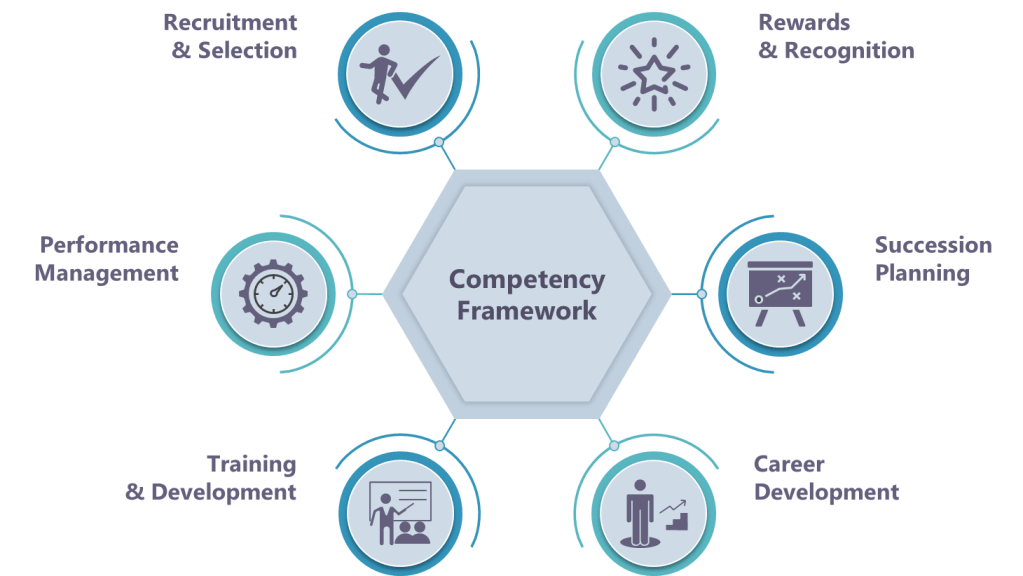
To fully realize the gardener approach, integrate the competency model into every stage of the talent lifecycle:
Recruitment and Selection
Role Alignment: Use the competency model to define clear, role-specific requirements—ensuring candidates are evaluated for technical, methodological, social, and self-competencies, not just past experience.
Behavioral Interviewing: Structure interviews around observable behaviors and scenarios that reflect the gardener mindset (e.g., “Describe a time you nurtured a process improvement across teams”).
Rewards and Recognition
Competency-Based Rewards: Recognize and reward not only outcomes, but also the demonstration of key competencies—such as collaboration, adaptability, and continuous improvement behaviors.
Transparency: Use the competency model to provide clarity on what is valued and how employees can be recognized for growing as “quality gardeners.”
Performance Management
Objective Assessment: Anchor performance reviews in the competency model, focusing on both results and the behaviors/skills that produced them.
Feedback and Growth: Provide structured, actionable feedback linked to specific competencies, supporting a culture of continuous development and accountability.
Training and Development
Targeted Learning: Identify gaps at the individual and team level using the competency model, and develop training programs that address all four competency dimensions.
Behavioral Focus: Ensure training goes beyond knowledge transfer, emphasizing the practical application and demonstration of new competencies in real-world settings.
Career Development
Progression Pathways: Map career paths using the competency model, showing how employees can grow from foundational to advanced levels in each competency dimension.
Self-Assessment: Empower employees to self-assess against the model, identify growth areas, and set targeted development goals.
Succession Planning
Future-Ready Talent: Use the competency model to identify and develop high-potential employees who exhibit the gardener mindset and can step into critical roles.
Capability Mapping: Regularly assess organizational competency strengths and gaps to ensure a robust pipeline of future leaders aligned with the gardener philosophy.
Leadership Call to Action
For quality organizations moving to the gardener approach, the competency model is a strategic lever. By consistently applying the model across recruitment, recognition, performance, development, career progression, and succession, leadership ensures the entire organization is equipped to nurture adaptive, resilient, and high-performing quality systems.
This integrated approach creates clarity, alignment, and a shared vision for what excellence looks like in the gardener era. It enables quality professionals to thrive as cultivators of improvement, collaboration, and innovation—ensuring your quality function remains vital and future-ready.
For managers in an organization it is critical to understand and nurture the capabilities of our team members. I spend a lot of time on this blog talking about capability and competence frankly because they are an elusive concept, invisible to the naked eye. We can only perceive it through its manifestations – the tangible outputs and results produced by our team. This presents a unique challenge: how do we accurately gauge a team member’s highest level of capability?
The Evidence-Based Approach
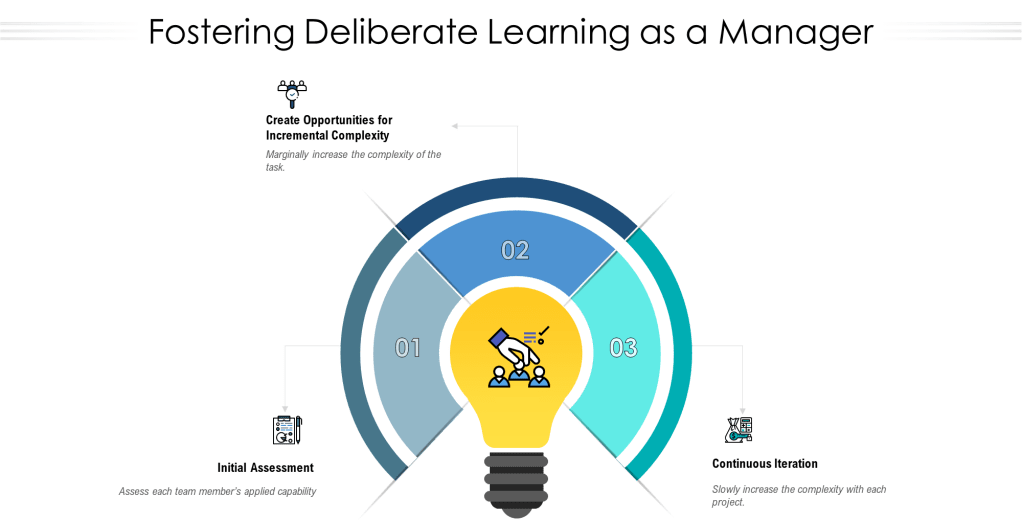
The key to unraveling this mystery lies in evidence. We must adopt a systematic, iterative approach to testing and challenging our team members through carefully designed project work. This method allows us to gradually uncover the true extent of their competence.
Step 1: Initial Assessment
The journey begins with a quick assessment of the team member’s current applied capability. This involves examining the fruits of their labor – the tangible outcomes of their work. As managers, we must rely on our intuitive judgment to evaluate these results. I strongly recommend this is a conversation with the individual as well.
Step 2: Incremental Complexity
Once we have established a baseline, the next step is to marginally increase the complexity of the task. This takes the form of a new project, slightly more challenging than the previous one. Crucially, we must promise a project debrief upon completion. This debrief serves as a valuable learning opportunity for both the team member and the manager.
If the project is successful, it becomes a springboard for the next challenge. We continue this process, incrementally increasing the complexity with each new project, always ensuring a debrief follows. This cycle persists until we reach a point of failure.
The Point of Failure: A Revelatory Moment
When a team member encounters failure, we gain invaluable insights into their competence. This moment of truth illuminates both their strengths and limitations. We now have a clearer understanding of where they excel and where they struggle.
However, this is not the end of the journey. After allowing some time for reflection and growth, we must challenge them again. This process of continual challenge and assessment should persist throughout the team member’s tenure with the organization.
The Role of Deliberate Practice
This approach aligns closely with the concept of deliberate practice, which is fundamental to the development of expertise. By providing our team members with guided practice, observation opportunities, problem-solving challenges, and experimentation, we create an environment conducive to skill development.
Building Competence
Remember, competence is a combination of capability and skill. While we cannot directly observe capability, we can nurture it through this process of continual challenge and assessment. By doing so, we also develop the skill component, as team members gain more opportunities for practice.
The Manager’s Toolkit
To effectively implement this approach, managers should cultivate several key attributes:
System thinking: Understanding the interdependencies within projects and anticipating consequences.
Judgment: Making rapid, wise decisions about when to increase complexity.
Context awareness: Taking into account the unique circumstances of each team member and project.
Interpersonal skills: Motivating and leading team members through challenges.
Communication: Constructing and delivering clear, persuasive messages about project goals and expectations.
By embracing this evidence-based, iterative approach to assessing capability, managers can unlock the hidden potential within their teams. It’s a continuous journey of discovery, challenge, and growth – one that benefits both the individual team members and the organization as a whole.
I’m working with my therapist to become more comfortable with silence, which has never been one of my strengths. I’m researching and writing to figure out how to address this. Here are some thoughts on how I plan to incorporate this at work.
Why Silence?
Enhanced focus and reflection: Silence allows team members valuable time to process information, reflect on ideas, and formulate thoughtful responses, leading to deeper understanding and more insightful contributions.
Improved inclusivity: Silent periods level the playing field for all participants, giving everyone an equal opportunity to contribute regardless of personality type or language proficiency. This can help draw out insights from quieter team members who might otherwise struggle to be heard.
Increased efficiency: Silent meetings or periods of silence within discussions can be more time-efficient by eliminating unnecessary chatter and keeping the focus on the agenda.
Higher quality discussions: When participants have time to reflect silently, they often formulate more articulate and considered responses, leading to higher-quality discussions when verbal communication resumes.
Better idea generation: Silence can be particularly effective for brainstorming and ideation. Research suggests that silent brainstorming can yield more and better ideas compared to traditional verbal methods.
Improved listening: Periods of silence encourage active listening, allowing team members to fully absorb what others are saying without immediately formulating a response.
Reduced dominance by vocal members: Incorporating periods of silence into discussions can prevent a few voices from dominating the conversation. This can lead to more balanced and diverse input from the entire team.
Enhanced creativity: Silence allows for diverse perspectives and unexpected ideas, fostering innovative solutions.
Better decision-making: By allowing time for reflection and careful consideration, silence can contribute to more informed and thoughtful decision-making processes.
Improved emotional intelligence: Strategic use of silence can help team members become more aware of nonverbal cues and develop a better understanding of group dynamics.
Okay, so based on this, here’s my plan to effectively incorporate silence into team discussions. I chose team discussions as it seems like a good place to start.
Explain the purpose and benefits of silent periods to the team
Use collaborative tools for quiet idea sharing and note-taking. This will require some alignment and effort to implement as I think my team needs work here to be truly comfortable. Been meaning to do this more.
Plan to take some time to reflect after important points or before making major decisions.
Encourage a culture that values thoughtful pauses and reflection.
As leaders, embracing change, both the ones we foster and change that stems from other places within and without our organizations, is critical. By embracing change ourselves, we lead by example and demonstrate the behaviors and mindset they expect from their teams. This can create a ripple effect, encouraging others to adopt a similar attitude toward change.
Understanding the Importance of Change
Recognize the Necessity of Change: Change is inevitable and essential for growth and improvement. Leaders who embrace change are more adaptable and capable of handling various challenges.
View Change as an Opportunity: Change opens doors to new opportunities, skills, and knowledge. It fosters innovation and can lead to excellence by pushing leaders and their teams out of their comfort zones.
Developing Key Leadership Skills
Adaptability: Being adaptable allows leaders to act quickly, face conflicts head-on, and learn from failures. This skill is pivotal in managing and leading change successfully.
Visionary Thinking: Setting a clear direction and purpose for the future helps inspire others to embrace change. Visionary leaders can motivate their teams by outlining long-term strategies and goals.
Communication and Influencing: Effective communication is crucial during times of change. Leaders should clearly articulate what changes are occurring, why they are necessary, and how they will be implemented. Listening with empathy and being transparent helps build trust and engagement.
Emotional Intelligence: It is essential to manage one’s emotions and respond well to others’ emotions. Recognizing and acknowledging others’ feelings can help mitigate stress and resistance to change.
Resilience and Persistence: Change can be challenging and unpredictable. Resilient leaders can bounce back from obstacles and remain focused on desired outcomes. Persistence helps sustain momentum throughout the change process.
Practical Steps to Embrace Change
Build a Support System: Don’t go it alone. Seek support from mentors, peers, and team members. Encourage your employees to do the same.
Create a Clear Vision and Plan: Establish and communicate a vision for the change early on. Develop a comprehensive change management plan that includes clear communication channels and methods to monitor progress.
Model Expected Behaviors: Demonstrate the behaviors you expect from your team. Show a willingness to try new things, ask questions, and share insights about the change process.
Engage and Support Employees: Regularly share information about the status and impact of the change. Show empathy and provide opportunities for employees to voice their concerns and successes.
Recognize and Celebrate Successes: Acknowledge and celebrate small victories along the way. This helps maintain motivation and reinforces positive behaviors.
Be Patient and Understanding: Understand that some employees may adapt more quickly than others. Provide ongoing support and check-ins to ensure everyone is coping well with the change.
Leading by Example
Embrace a Proactive Attitude: Be proactive rather than reactive. Seek out new opportunities and challenges, and constantly look for ways to improve and innovate.
Show Humility and Openness: Foster trust and psychological safety by being humble, authentic, and open. This enables your team to reach their full potential and navigate changes effectively.
Encourage Leadership at All Levels: Empower your team members to take on leadership roles and make decisions. This helps build a change-ready culture where everyone is involved in the process.
Encouraging your team to embrace change involves clear communication, active involvement, and supportive leadership.
Understand and Address Resistance
Identify the Root Causes of Resistance: Understand why team members might resist change. Common reasons include fear of the unknown, lack of trust, loss of control, and attachment to the status quo. You can address these issues more effectively by listening to their concerns and empathizing with their emotions.
Communicate the Vision and Benefits: Explain why the change is necessary, the expected outcomes, and how it will benefit the team and the organization. Use stories, examples, and testimonials to illustrate the benefits and inspire the team.
Involve and Empower Your Team
Encourage Participation: Involve team members in the decision-making process. Seek their input, feedback, and suggestions on implementing the change. This will help them feel valued and give them a sense of ownership over the change process.
Provide Training and Support: Offer training and resources to help team members adjust to the change and ensure they have the skills and knowledge to succeed in the new environment.
Create a Supportive Environment: Foster a culture of open communication where team members feel comfortable sharing their ideas and concerns. This can help build trust and reduce resistance.
Communicate Effectively
Be Clear and Transparent: Communicate clearly and consistently about the change. Explain the change’s purpose, scope, and impact and how it aligns with the organization’s vision and goals.
Tailor Your Communication: Different stakeholders may react and be concerned about the change. Tailor your communication to address their specific needs and interests.
Use Multiple Channels: Use various communication methods to reach all team members. This can include team meetings, one-on-one sessions, emails, and interactive platforms.
Foster a Change-Ready Culture
Promote a Culture of Continuous Improvement: Encourage a mindset of adaptability and continuous learning. This helps team members see change as a natural part of growth and improvement.
Build Trust and Collaboration: Foster a culture of trust and collaboration where team members feel supported and valued. This can help reduce resistance and increase engagement with the change process.

 Investigations of a Dog