Performing Design Review and Design Qualification

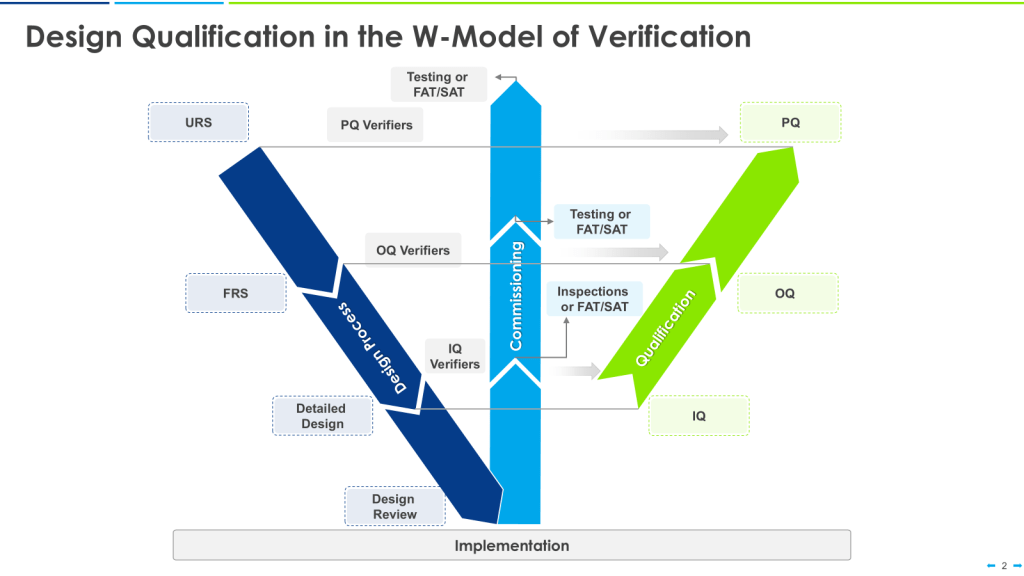
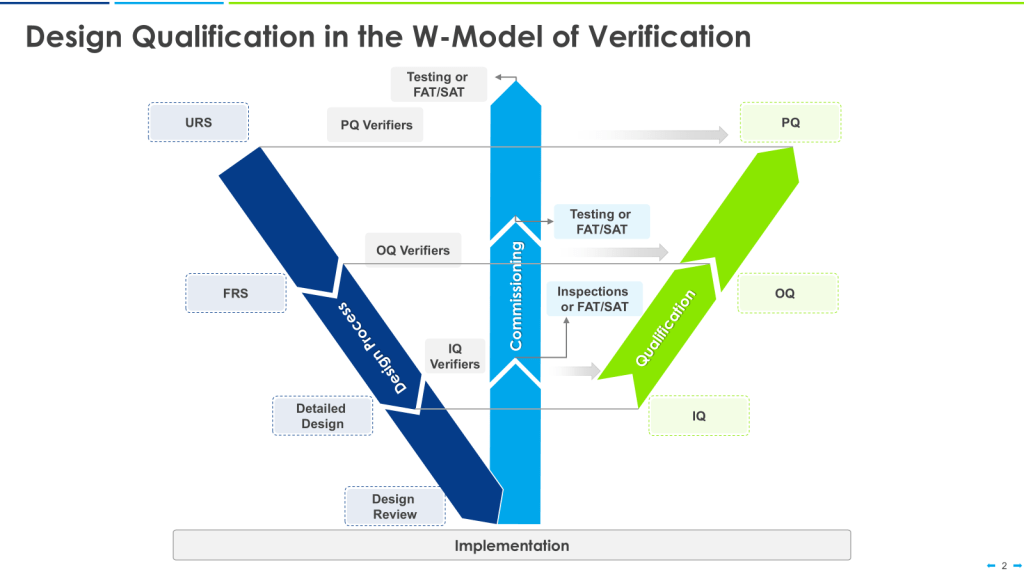
A critical step in ensuring the quality and safety of processes as part of verification is Design Review, which is sometimes expanded to Design Qualification.

Design Review: The Foundation of Quality

Design Review is a systematic, documented examination of a proposed design to evaluate its adequacy and identify potential issues early in the development process. Here’s how to conduct an effective Design Review:

  1. Plan Systematically: Schedule reviews at appropriate stages of development, ensuring they align with your project timeline.
  2. Involve the Right People: Include representatives from all relevant functions and an independent reviewer not directly responsible for the design stage being evaluated.
  3. Focus on Critical Aspects: Prioritize design elements that directly impact product quality and patient safety.
  4. Document Thoroughly: Record all findings, including the design under review, participants, date, and any proposed actions.
  5. Iterate as Needed: Conduct reviews iteratively as supplier design documents are published, allowing for early issue identification and correction.

Design Qualification: Verifying Suitability

Design Qualification (DQ) is the documented verification that the proposed design of facilities, equipment, or systems is suitable for its intended purpose. Here’s how to implement DQ effectively:

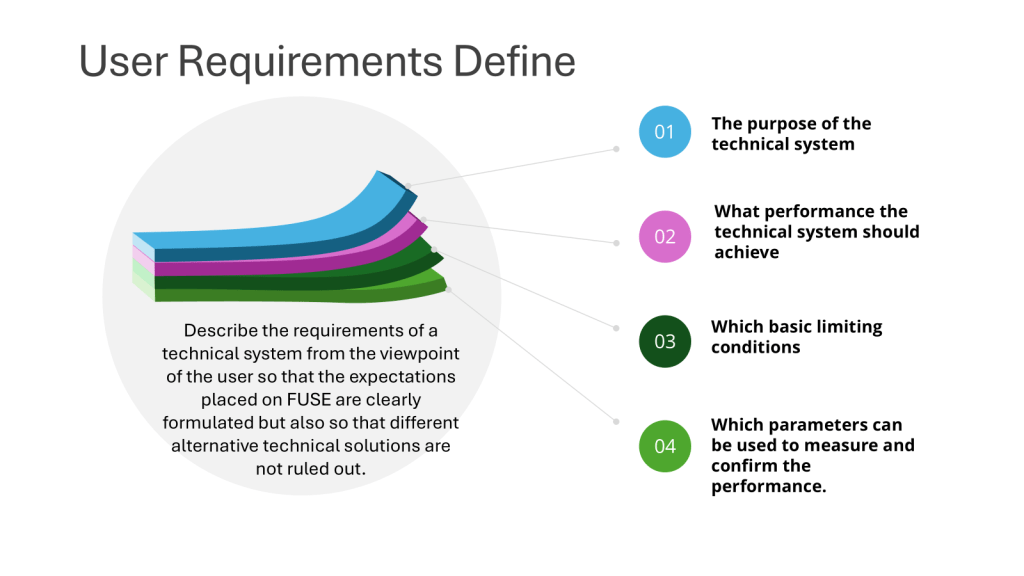
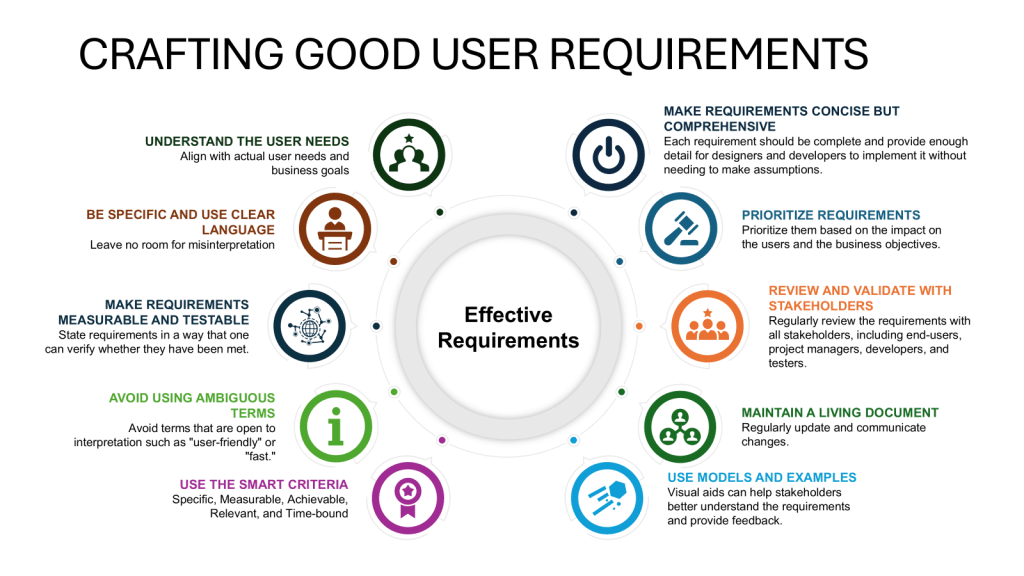
  1. Develop User Requirements: Create a detailed User Requirements Specification (URS) outlining what the equipment or system is expected to do.
  2. Create Functional Specifications: Translate user requirements into technical specifications that guide the design process.
  3. Perform Risk Assessment: Identify potential risks associated with the design and develop mitigation strategies.
  4. Review Design Specifications: Ensure the design meets all specified requirements, including GMP and regulatory standards.
  5. Document and Approve: Formally document the DQ process and obtain approval from key stakeholders, including quality assurance personnel.

Integrating Design Review and DQ

To maximize the effectiveness of these processes:

  1. Use a Risk-Based Approach: Prioritize efforts based on the level of risk to product quality and patient safety.
  2. Leverage Subject Matter Experts: Involve SMEs from the start to contribute their expertise throughout the process.
  3. Implement Change Management: Establish a robust system to manage design changes effectively and avoid late-stage issues.
  4. Ensure Quality Oversight: Have Quality Assurance provide oversight to maintain compliance with current regulations and GMP requirements.
  5. Document Comprehensively: Maintain thorough records of all reviews, qualifications, and decisions made during the process.

Implementing a systematic approach to Design Review and Design Qualification not only helps meet regulatory expectations but also contributes to operational efficiency and product excellence. As the pharmaceutical landscape evolves, staying committed to these foundational practices will remain crucial for success in this highly regulated industry.

The Types of User Requirements

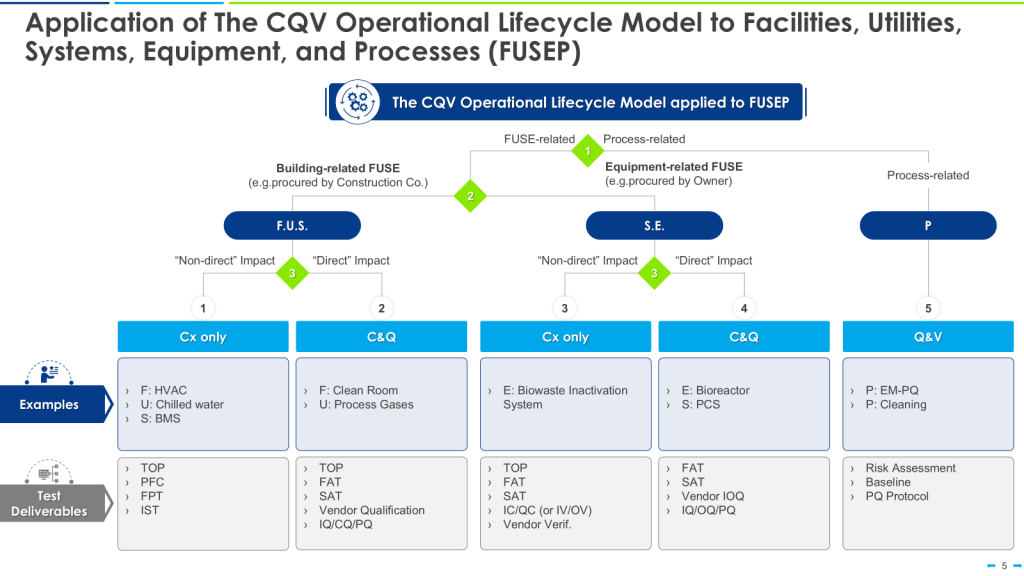
User requirements are typically divided into several categories to ensure comprehensive coverage of all aspects of product development, manufacturing, and quality control and to help guide the risk-based approach to verification.

Product User Requirements

These requirements relate directly to the product being manufactured and the processes involved in its production. They include:

  • Critical Quality Attributes (CQAs) of the product
  • Critical Process Parameters (CPPs)
  • Required throughput and production conditions
  • Specifications for raw materials and finished products

Quality Requirements

Quality requirements focus on ensuring that the product meets all necessary quality standards and regulatory compliance. This category includes:

  • Good Manufacturing Practices (GMP) compliance, including around cleaning, cross-contamination, etc to ensure compliance with various regulations such as FDA guidelines, EU GMP, and ICH standards.
  • Documentation and record-keeping standards
  • Contamination control strategies are a key part of quality requirements, as they are essential for maintaining product quality and patient safety.
  • Data integrity requirements fall under this category, as they are crucial for ensuring the quality and reliability of data.

Not everyone advocates for this breakdown but I am a huge proponent as it divides the product specific requirements for the more standard must’s of meeting the cGMPs that are not product specific. This really helps when you are a multi-product facility and it helps define what is in the PQ versus what is in the PPQ.

Safety User Requirements

Safety requirements address the safety of personnel, patients, and the environment. They encompass:

  • Occupational health and safety measures
  • Environmental protection protocols
  • Patient safety considerations in product design

General User Requirements

General requirements cover broader aspects of the manufacturing system and facility. These may include:

  • Facility design and layout
  • Equipment specifications
  • Utility requirements (e.g., power, water, HVAC)
  • Maintenance procedures

By categorizing user requirements in this way, pharmaceutical companies can ensure a comprehensive approach to product development and manufacturing, addressing all critical aspects from product quality to regulatory compliance and safety. This will help drive appropriate verification.

Building the FUSE(P) User Requirements in an ICH Q8, Q9 and Q10 World

“The specification for equipment, facilities, utilities or systems should be defined in a URS and/or a functional specification. The essential elements of quality need to be built in at this stage and any GMP risks mitigated to an acceptable level. The URS should be a point of reference throughout the validation life cycle.” – Annex 15, Section 3.2, Eudralex Volume 4

User Requirement Specifications serve as a cornerstone of quality in pharmaceutical manufacturing. They are not merely bureaucratic documents but vital tools that ensure the safety, efficacy, and quality of pharmaceutical products.

Defining the Essentials

A well-crafted URS outlines the critical requirements for facilities, equipment, utilities, systems and processes in a regulated environment. It captures the fundamental aspects and scope of users’ needs, ensuring that all stakeholders have a clear understanding of what is expected from the final product or system.

Building Quality from the Ground Up

The phrase “essential elements of quality need to be built in at this stage” emphasizes the proactive approach to quality assurance. By incorporating quality considerations from the outset, manufacturers can:

  • Minimize the risk of errors and defects
  • Reduce the need for costly corrections later in the process
  • Ensure compliance with Good Manufacturing Practice (GMP) standards

Mitigating GMP Risks

Risk management is a crucial aspect of pharmaceutical manufacturing. The URS plays a vital role in identifying and addressing potential GMP risks early in the development process. By doing so, manufacturers can:

  • Implement appropriate control measures
  • Design systems with built-in safeguards
  • Ensure that the final product meets regulatory requirements

The URS as a Living Document

One of the key points in the regulations is that the URS should be “a point of reference throughout the validation life cycle.” This underscores the dynamic nature of the URS and its ongoing importance.

Continuous Reference

Throughout the development, implementation, and operation of a system or equipment, the URS serves as:

  • A benchmark for assessing progress
  • A guide for making decisions
  • A tool for resolving disputes or clarifying requirements

Adapting to Change

As projects evolve, the URS may need to be updated to reflect new insights, technological advancements, or changing regulatory requirements. This flexibility ensures that the final product remains aligned with user needs and regulatory expectations.

Practical Implications

  1. Involve multidisciplinary teams in creating the URS, including representatives from quality assurance, engineering, production, and regulatory affairs.
  2. Conduct thorough risk assessments to identify potential GMP risks and incorporate mitigation strategies into the URS.
  3. Ensure clear, objectively stated requirements that are verifiable during testing and commissioning.
  4. Align the URS with company objectives and strategies to ensure long-term relevance and support.
  5. Implement robust version control and change management processes for the URS throughout the validation lifecycle.

Executing the Control Space from the Design Space

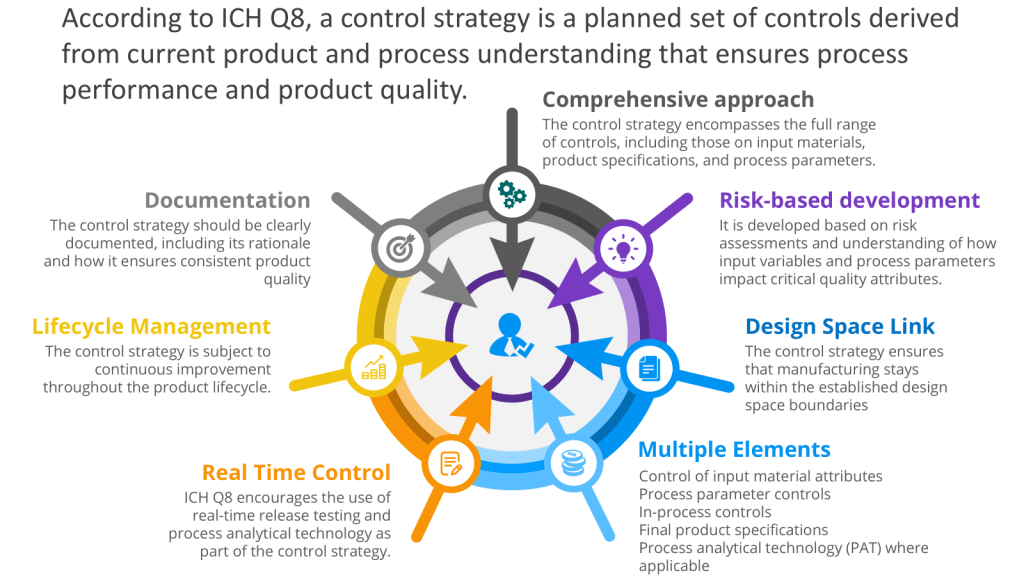
The User Requirements Specification (URS) is a mechanism for executing the control space, from the design space as outlined in ICH Q8. To understand that, let’s discuss the path from a Quality Target Product Profile (QTPP) to Critical Quality Attributes (CQAs) to Critical Process Parameters (CPPs) with Proven Acceptable Ranges (PARs), which is a crucial journey in pharmaceutical development using Quality by Design (QbD) principles. This systematic approach ensures that the final product meets the desired quality standards and user needs.

It is important to remember that this is usually a set of user requirements specifications, respecting the system boundaries.

From QTPP to CQAs

The journey begins with defining the Quality Target Product Profile (QTPP). The QTPP is a comprehensive summary of the quality characteristics that a drug product should possess to ensure its safety, efficacy, and overall quality. It serves as the foundation for product development and includes considerations such as:

  • Dosage strength
  • Delivery system
  • Dosage form
  • Container system
  • Purity
  • Stability
  • Sterility

Once the QTPP is established, the next step is to identify the Critical Quality Attributes (CQAs). CQAs are physical, chemical, biological, or microbiological properties that should be within appropriate limits to ensure the desired product quality. These attributes are derived from the QTPP and are critical to the safety and efficacy of the product.

From CQAs to CPPs

With the CQAs identified, the focus shifts to determining the Critical Process Parameters (CPPs). CPPs are process variables that have a direct impact on the CQAs. These parameters must be monitored and controlled to ensure that the product consistently meets the desired quality standards. Examples of CPPs include:

  • Temperature
  • pH
  • Cooling rate
  • Rotation speed

The relationship between CQAs and CPPs is established through risk assessment, experimentation, and data analysis. This step often involves Design of Experiments (DoE) to understand how changes in CPPs affect the CQAs. This is Process Characterization.

Establishing PARs

For each CPP, a Proven Acceptable Range (PAR) is determined. The PAR represents the operating range within which the CPP can vary while still ensuring that the CQAs meet the required specifications. PARs are established through rigorous testing and validation processes, often utilizing statistical tools and models.

Build the Requirements for the CPPs

The CPPs with PARs are process parameters that can affect critical quality attributes of the product and must be controlled within predetermined ranges. These are translated into user requirements. Many will specifically label these as Product User Requirements (PUR) to denote they are linked to the overall product capability. This helps to guide risk assessments and develop an overall verification approach.

Most of Us End Up on the Less than Happy Path

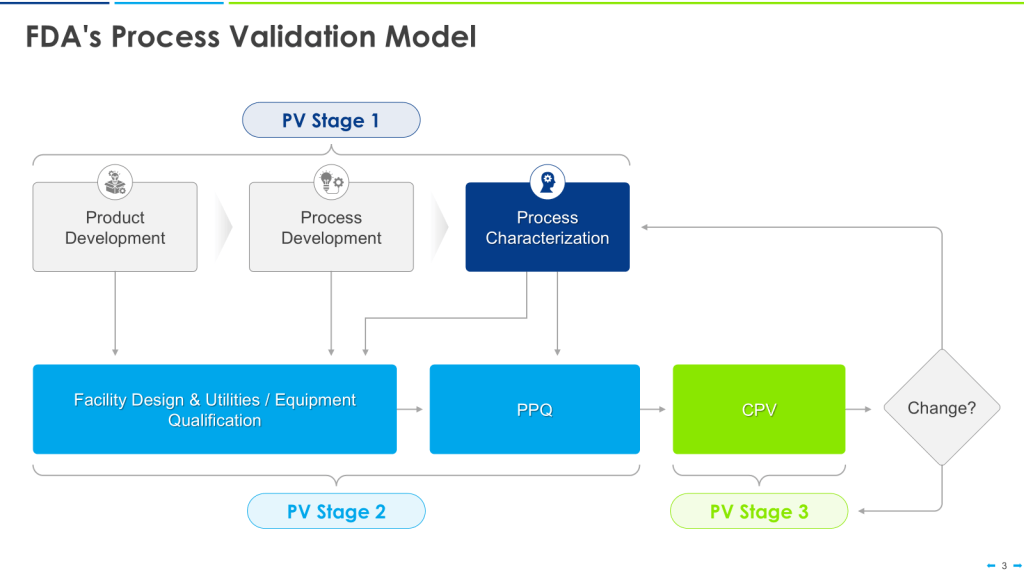
This approach is the happy path that aligns nicely with the FDA’s Process Validation Model.

This can quickly break down in the real world. Most of us go into CDMOs with already qualified equipment. We have platforms on which we’ve qualified our equipment, too. We don’t know the CPPs until just before PPQ.

This makes the user requirements even more important as living documents. Yes, we’ve qualified our equipment for these large ranges. Now that we have the CPPs, we update the user requirements for the Product User Requirements, perform an overall assessment of the gaps, and, with a risk-based approach, do additional verification activations either before or as part of Process Performance Qualification (PPQ).

Best Practices for Managing the Life-Cycle of Single-Use Systems

Single-use systems (SUS) have become increasingly prevalent in biopharmaceutical manufacturing due to their flexibility, reduced contamination risk, and cost-effectiveness. The thing is, management of the life-cycle of single-use systems becomes critical and is an area organizations can truly screw up by cutting corners. To do it right requires careful collaboration between all stakeholders in the supply chain, from raw material suppliers to end users.

Design and Development

Apply Quality by Design (QbD) principles from the outset by focusing on process understanding and the design space to create controlled and consistent manufacturing processes that result in high-quality, efficacious products. This approach should be applied to SUS design.

ASTM E3051 “Standard guide for specification, design, verification, and application of SUS in pharmaceutical and biopharmaceutical manufacturing” provides an excellent framework for the design process.

Make sure to conduct thorough risk assessments, considering potential failure modes and effects throughout the SUS life-cycle.

Engage end-users early to understand their specific requirements and process constraints. A real mistake in organizations is not involving the end-users early enough. From the molecule steward to manufacturing these users are critical.

    Raw Material and Component Selection

    Carefully evaluate and qualify raw materials and components. Work closely with suppliers to understand material properties, extractables/leachables profiles, and manufacturing processes.

    Develop comprehensive specifications for critical materials and components. ASTM E3244 is handy place to look for guidance on raw material qualification for SUS.

    Manage the Supplier through Manufacturing and Assembly

    Implementing robust supplier qualification and auditing programs and establish change control agreements with suppliers to be notified of any changes that could impact SUS performance or quality. It is important the supplier have a robust quality management system and that they apply Good Manufacturing Practices (GMP) through their facilities. Ensure they have in place appropriate controls to

    • Validate sterilization processes
    • Conduct routine bioburden and endotoxin testing
    • Design packaging to protect SUS during transportation and storage. Shipping methods need to protect against physical damage and temperature excursions
    • Establish appropriate storage conditions and shelf-life based on stability studies
    • Provide appropriate labeling and traceability
    • Have appropriate inventory controls. Ideally select suppliers who understand the importance of working with you for collaborative planning, forecasting and replenishment (CPFR)

    Testing and Qualification

    Develop a comprehensive testing strategy, including integrity testing and conduct extractables and leachables studies following industry guidelines. Evaluate the suppliers shipping and transportation studies to evaluate SUS robustness and determine if you need additional studies.

      Implementation and Use

      End users should have appropriate and comprehensive documentation and training to end users on proper handling, installation, and use of SUS. These procedures should include how to perform pre-use integrity testing at the point of use as well as how to perform thorough in-process and final inspections.

      Consider implementing automated visual inspection systems and other appropriate monitoring.

      Implement appropriate environmental monitoring programs in SUS manufacturing areas. While the dream of manufacturing outdoors is a good one, chances are we aren’t even close yet. Don’t short this layer of control.

        Continuous Improvement

        Ensure you have appropriate mechanisms in place to gather data on SUS performance and any issues encountered during use. Share relevant information across the supply chain to drive improvements.

        Conduct periodic audits of suppliers and manufacturing facilities.

        Stay updated on evolving regulatory guidance and industry best practices. There is still a lot changing in this space.

        Health of the Validation Program

        In the Metrics Plan for Facility, Utility, System and Equipment that is being developed a focus is on effective commissioning, qualification, and validation processes.

        To demonstrate the success of a CQV program we might brainstorm the following metrics.

        Deviation and Non-Conformance Rates

        • Track the number and severity of deviations related to commissioned, qualified and validated processes and FUSE elements.
        • The effectiveness of CAPAs that involve CQV elements

        Change Control Effectiveness

        • Measure the number of successful changes implemented without issues
        • Track the time taken to implement and qualify validate changes

        Risk Reduction

        • Quantify the reduction in high and medium risks identified during risk assessments as a result of CQV activities
        • Monitor the effectiveness of risk mitigation strategies

        Training and Competency

        • Measure the percentage of personnel with up-to-date training on CQV procedures
        • Track competency assessment scores for key validation personnel

        Documentation Quality

        • Measure the number of validation discrepancies found during reviews
        • Track the time taken to approve validation documents

        Supplier Performance

        • Monitor supplier audit results related to validated systems or components
        • Track supplier-related deviations or non-conformances

        Regulatory Inspection Outcomes

        • Track the number and severity of validation-related observations during inspections
        • Measure the time taken to address and close out regulatory findings

        Cost and Efficiency Metrics

        • Measure the time and resources required to complete validation activities
        • Track cost savings achieved through optimized CQV approaches

        By tracking these metrics, we might be able to demonstrate a comprehensive and effective CQV program that aligns with regulatory expectations. Or we might just spend time measuring stuff that may not be tailored to our individual company’s processes, products, and risk profile. And quite frankly, will they influence the system the way we want? It’s time to pull out an IMPACT key behavior analysis to help us tailor a right-sized set of metrics.

        The first thing to do is to go to first principles, to take a big step back and ask – what do I really want to improve?

        The purpose of a CQV program is to provide documented evidence that facilities, systems, equipment and processes have been designed, installed and operate in accordance with predetermined specifications and quality attributes:

        • To verify that critical aspects of a facility, utility system, equipment or process meet approved design specifications and quality attributes.
        • To demonstrate that processes, equipment and systems are fit for their intended use and perform as expected to consistently produce a product meeting its quality attributes.
        • To establish confidence that the manufacturing process is capable of consistently delivering quality product.
        • To identify and understand sources of variability in the process to better control it.
        • To detect potential problems early in development and prevent issues during routine production.

        The ultimate measure of success is demonstrating and maintaining a validated state that ensures consistent production of safe and effective products meeting all quality requirements. 

        Focusing on the Impact is important. What are we truly concerned about for our CQV program. Based on that we come up with two main factors:

        1. The level of deviations that stem from root causes associated with our CQV program
        2. The readiness of FUSE elements for use (project adherence)

        Reducing Deviations from CQV Activities

        First, we gather data, what deviations are we looking for? These are the types of root causes that we will evaluate. Of course, your use of the 7Ms may vary, this list is to start conversation.

          Means  Automation or Interface Design Inadequate/DefectiveValidated machine or computer system interface or automation failed to meet specification due to inadequate/defective design.
          Means  Preventative Maintenance InadequateThe preventive maintenance performed on the equipment was insufficient or not performed as required.
          MeansPreventative Maintenance Not DefinedNo preventive maintenance is defined for the equipment used.
          MeansEquipment Defective/Damaged/FailureThe equipment used was defective or a specific component failed to operate as intended.
          Means  Equipment IncorrectEquipment required for the task was set up or used incorrectly or the wrong equipment was used for the task.
          Means  Equipment Design Inadequate/DefectiveThe equipment was not designed or qualified to perform the task required or the equipment was defective, which prevented its normal operation.
        MediaFacility DesignImproper or inadequate layout or construction of facility, area, or work station.
          MethodsCalibration Frequency is Not Sufficient/DeficiencyCalibration interval is too long and/or calibration schedule is lacking.
          Methods  Calibration/Validation ProblemAn error occurred because of a data collection- related issue regarding calibration or validation.
        MethodsSystem / Process Not DefinedThe system/tool or the defined process to perform the task does not exist.

        Based on analysis of what is going on we can move into using a why-why technique to look at our layers.

        Why 1Why are deviations stemming from CQV events not at 0%
        Because unexpected issues or discrepancies arise after the commissioning, qualification, or validation processes

        Success factor needed for this step: Effectiveness of the CQV program

        Metric for this step: Adherence to CQV requirements
        Why 2 (a)Why are unexpected issues arising after CQV?
        Because of inadequate planning and resource constraints in the CQV process.

        Success Factor needed for this step: Appropriate project and resource planning

        Metric for this Step: Resource allocation
        Why 3 (a)Why are we not performing adequate resource planning?
        Because of the tight project timelines, and the involvement of multiple stakeholders with different areas of expertise

        Success Factor needed for this step: Cross-functional governance to implement risk methodologies to focus efforts on critical areas

        Metric for this Step: Risk Coverage Ratio measuring the percentage of identified critical risks that have been properly assessed and and mitigated through the cross-functional risk management process. This metric helps evaluate how effectively the governance structure is addressing the most important risks facing the organization.
        Why 2 (b)Why are unexpected issues arising after CQV?
        Because of poorly executed elements of the CQV process stemming from poorly written procedures and under-qualified staff.

        Success Factor needed for this step: Process Improvements and Training Qualification

        Metric for this Step: Performance to Maturity Plan

        There were somethings I definitely glossed over there, and forgive me for not providing numbers there, but I think you get the gist.

        So now I’ve identified the I – How do we improve reliability of our CQV program, measured by reducing deviations. Let’s break out the rest.

        ParametersExecuted for CQV
        IDENTIFYThe desired quality or process improvement goal (the top-level goal)Improve the effectiveness of the CQV program by taking actions to reduce deviations stemming from verification of FUSE and process.
        MEASUREEstablish the existing Measure (KPI) used to conform and report achievement of the goalSet a target reduction of deviations related to CQV activities.
        PinpointPinpoint the “desired” behaviors necessary to deliver the goal (behaviors that contribute successes and failures)Drive good project planning and project adherence.

        Promote and coach for enhanced attention to detail where “quality is everyone’s job.”

        Encourage a speak-up culture where concerns, issues or suggestions are shared in a timely manner in a neutral constructive forum.
        ACTIVATE the CONSEQUENCESActivate the Consequences to motivate the delivery of the goal
        (4:1 positive to negative actionable consequences)
        Organize team briefings on consequences

        Review outcomes of project health

        Senior leadership celebrate/acknowledge

        Acknowledge and recognize improvements

        Motivate the team through team awards

        Measure success on individual deliverables through a Rubric
        TRANSFERTransfer the knowledge across the organization to sustain the performance improvementCreate learning teams

        Lessons learned are documented and shared

        Lunch-and-learn sessions

        Create improvement case studies

        From these two exercises I’ve now identified my lagging and leading indicators at the KPI and the KBI level.