Validating Manufacturing Process Closure for Biotech Utilizing Single-Use Systems (SUS)

Maintaining process closure is crucial for ensuring product quality and safety in biotechnology manufacturing, especially when using single-use systems (SUS). This approach is an integral part of the contamination control strategy (CCS). To validate process closure in SUS-based biotech manufacturing, a comprehensive method is necessary, incorporating:

  1. Risk assessment
  2. Thorough testing
  3. Ongoing monitoring

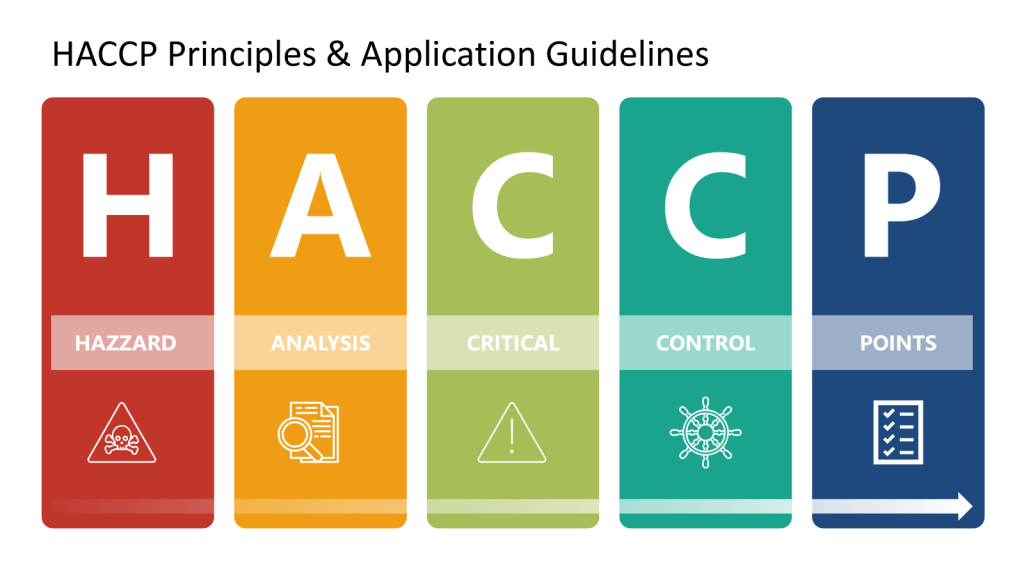
By employing risk analysis tools such as Hazard Analysis and Critical Control Points (HACCP) and Failure Mode and Effects Analysis (FMEA), manufacturers can identify potential weaknesses in their processes. Additionally, addressing all four layers of protection helps ensure process integrity and product safety. This risk-based approach to process closure validation is essential for maintaining the high standards required in biotechnology manufacturing, including meeting Annex 1.

Understanding Process Closure

Process closure refers to the isolation of the manufacturing process from the external environment to prevent contamination. In biotech, this is particularly crucial due to the sensitivity of biological products and the potential for microbial contamination.

The Four Layers of Protection

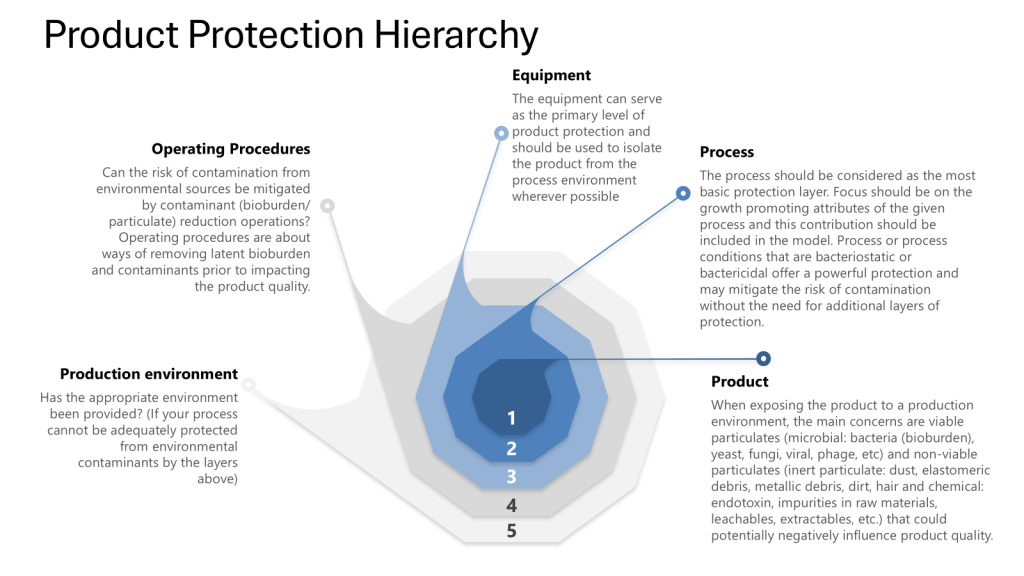
Throughout this process it is important to apply the four layers of protection that form the foundation of a robust contamination control strategy:

  1. Process: The inherent ability of the process to prevent or control contamination
  2. Equipment: The design and functionality of equipment to maintain closure
  3. Operating Procedures: The practices and protocols followed by personnel
  4. Production Environment: The controlled environment surrounding the process

I was discussing this with some colleagues this week (preparing for some risk assessments) and I was reminded that we really should put the Patient in at the center, the zero. Truer words have never been spoken as the patient truly is our zeroth law, the fundamental principle of the GxPs.

Key Steps for Validating Process Closure

Risk Assessment

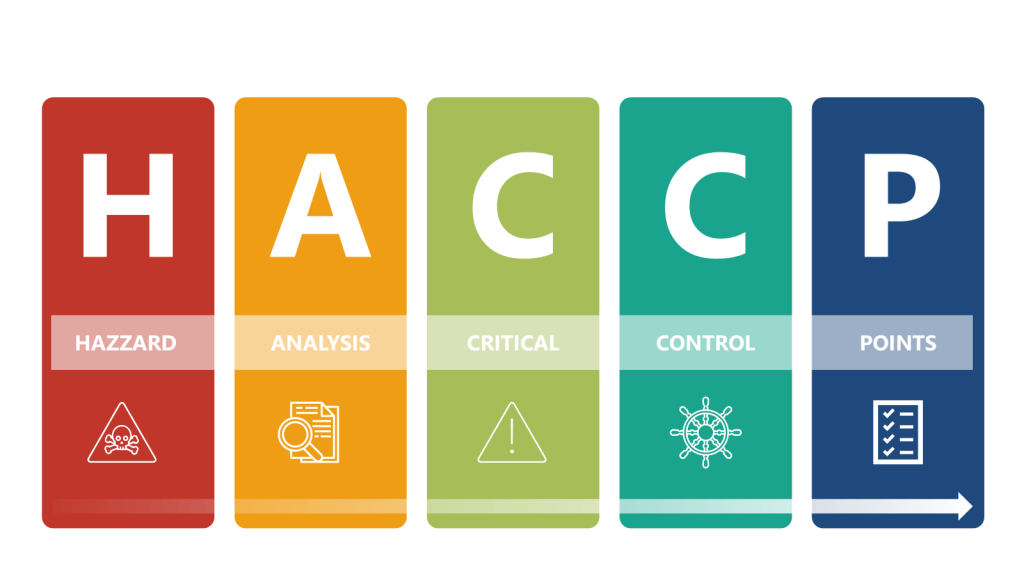
Start with a comprehensive risk assessment using tools such as HACCP (Hazard Analysis and Critical Control Points) and FMEA (Failure Mode and Effects Analysis). It is important to remember this is not a one or another, but a multi-tiered approach where you first determine the hazards through the HACCP and then drill down into failures through an FMEA.

HACCP Approach

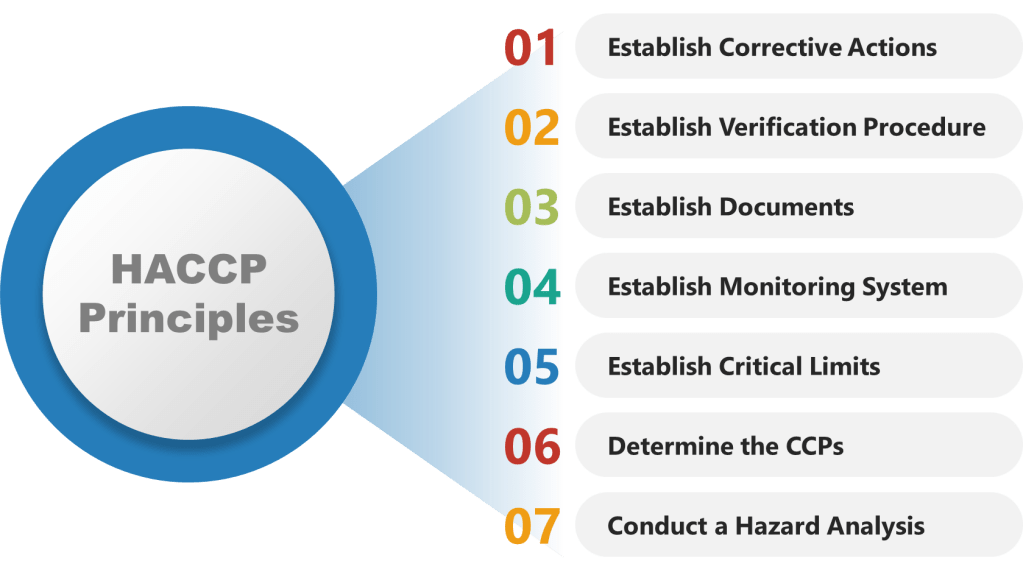
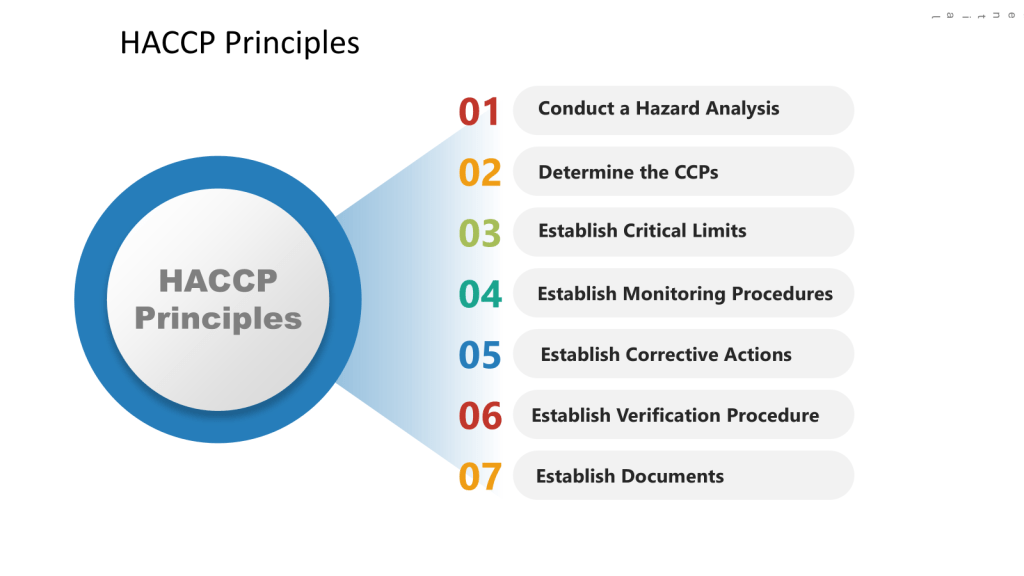
In the HACCP we will apply a systematic, preventative approach to identify hazards in the process with the aim to produce a documented plan to control these scenarios.

a) Conduct a hazard analysis
b) Identify Critical Control Points (CCPs)
c) Establish critical limits
d) Implement monitoring procedures
e) Define corrective actions
f) Establish verification procedures
g) Maintain documentation and records

FMEA Considerations

In the FMEA we will look for ways the process fails, focusing on the SUS components. We will evaluate failures at each level of control (process, equipment, operating procedure and environment).

  • Identify potential failure modes in the SUS components
  • Assess the severity, occurrence, and detectability of each failure mode
  • Calculate Risk Priority Numbers (RPN) to prioritize risks

Verification

Utilizing these risk assessments, define the user requirements specification (URS) for the SUS, focusing on critical aspects that could impact product quality and patient safety. This should include:

  • Process requirements (e.g. working volumes, flow rates, pressure ranges)
  • Material compatibility requirements
  • Sterility/bioburden control requirements
  • Leachables/extractables requirements
  • Integrity testing requirements
  • Connectivity and interface requirements

Following the ASTM E2500 approach, when we conduct the design review of the proposed SUS configuration, to evaluate how well it meets the URS, we want to ensure we cover:

  • Overall system design and component selection
  • Materials of construction
  • Sterilization/sanitization approach
  • Integrity assurance measures
  • Sampling and monitoring capabilities
  • Automation and control strategy

Circle back to the HACCP and FMEA to ensure they appropriately cover critical aspects like:

  • Loss of sterility/integrity
  • Leachables/extractables introduction
  • Bioburden control failures
  • Cross-contamination risks
  • Process parameter deviations

These risk assessments will define critical control parameters and acceptance criteria based on the risk assessment. These will form the basis for verification testing. We will through our verification plan have an appropriate approach to:

  • Verify proper installation of SUS components
  • Check integrity of connections and seals
  • Confirm correct placement of sensors and monitoring devices
  • Document as-built system configuration
  • Test system integrity under various operating conditions
  • Perform leak tests on connections and seals
  • Validate sterilization processes for SUS components
  • Verify functionality of critical sensors and control
  • Run simulated production cycles
  • Monitor for contamination using sensitive detection methods
  • Verify maintenance of sterility throughout the process
  • Assess product quality attributes

The verification strategy will leverage a variety of supplier documentation and internal testing.

Closure Analysis Risk Assessment (CLARA)

Acceptance and release will be to perform a detailed CLARA to:

  • Identify all potential points of contamination ingress
  • Assess the effectiveness of closure mechanisms
  • Evaluate the robustness of aseptic connections
  • Determine the impact of manual interventions on system closure

On Going Use

Coming out of our HACCP we will have a monitoring and verification plan, this will include some important aspects based on our CCPs.

  • Integrity Testing
    • Implement routine integrity testing protocols for SUS components
    • Utilize methods such as pressure decay tests or helium leak detection
    • Establish acceptance criteria for integrity tests
  • Environmental Monitoring
    • Develop a comprehensive environmental monitoring program
    • Include viable and non-viable particle monitoring
    • Establish alert and action limits for environmental contaminants
  • Operator Training and Qualification
    • Develop detailed SOPs for SUS handling and assembly
    • Implement a rigorous training program for operators
    • Qualify operators through practical assessments
  • Change Control and Continuous Improvement
    • Establish a robust change control process for any modifications to the SUS or process
    • Regularly review and update risk assessments based on new data or changes
    • Implement a continuous improvement program to enhance process closure

Leveraging the Four Layers of Protection

Throughout the validation process, ensure that each layer of protection is addressed:

  1. Process:
    • Optimize process parameters to minimize contamination risks
    • Implement in-process controls to detect deviations
  2. Equipment:
    • Validate the design and functionality of SUS components
    • Ensure proper integration of SUS with existing equipment
  3. Operating Procedures:
    • Develop and validate aseptic techniques for SUS handling
    • Implement procedures for system assembly and disassembly
  4. Production Environment:
    • Qualify the cleanroom environment
    • Validate HVAC systems and air filtration

Remember that validation is an ongoing process. Regular reviews, updates to risk assessments, and incorporation of new technologies and best practices are essential for maintaining a state of control in biotech manufacturing using single-use systems.

Connected to the Contamination Control Strategy

Closed systems are a key element of the overall contamination control strategy with closed processing and closed systems now accepted as the most effective contamination control risk mitigation strategy. I might not be able to manufacture in the woods yet, but darn if I won’t keep trying.

They serve as a primary barrier to prevent contamination from the manufacturing environment by helping to mitigate the risk of contamination by isolating the product from the surrounding environment. Closed systems are the key protective measure to prevent contamination from the manufacturing environment and cross-contamination from neighboring operations.

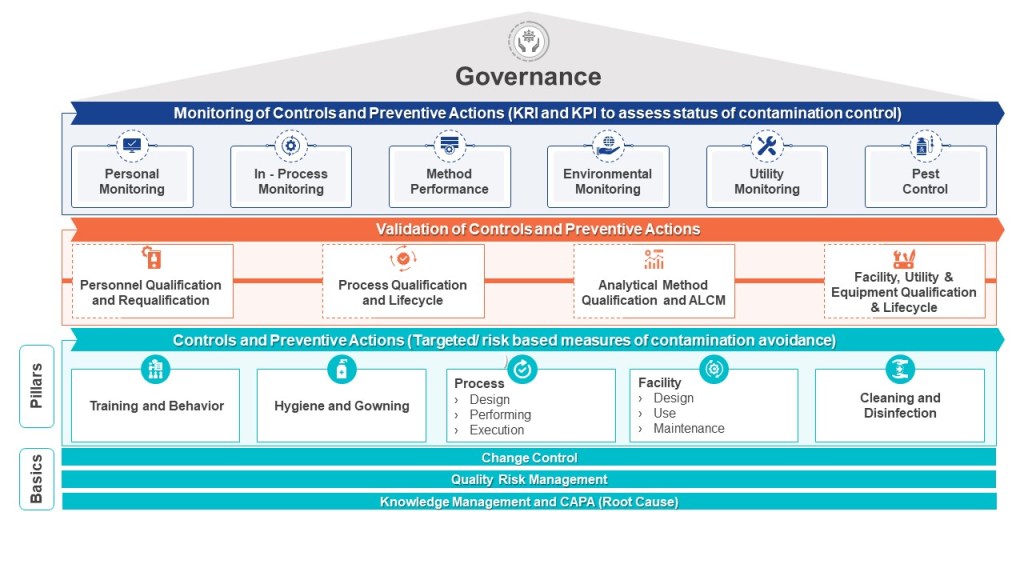
The risk assessments leveraged during the implementation of closed systems are a crucial part of developing an effective CCS and will communicate the (ideally) robust methods used to protect products from environmental contamination and cross-contamination. This is tied into the facility design, environmental controls, risk assessments, and overall manufacturing strategies, which are the key components of a comprehensive CCS.

Risk Management for the 4 Levels of Controls for Product

There are really 4 layers of protection for our pharmaceutical product.

  1. Process controls
  2. Equipment controls
  3. Operating procedure controls
  4. Production environment controls

These individually and together are evaluated as part of the HACCP process, forming our layers of control analysis.

Process Controls:

    • Conduct a detailed hazard analysis for each step in the production process
    • Identify critical control points (CCPs) where hazards can be prevented, eliminated or reduced
    • Establish critical limits for each CCP (e.g. time/temperature parameters)
    • Develop monitoring procedures to ensure critical limits are met
    • Establish corrective actions if critical limits are not met
    • Validate and verify the effectiveness of process controls

    Equipment Controls:

      • Evaluate equipment design and materials for hazards
      • Establish preventive maintenance schedules
      • Develop sanitation and cleaning procedures for equipment
      • Calibrate equipment and instruments regularly
      • Validate equipment performance for critical processes
      • Establish equipment monitoring procedures

      Operating Procedure Controls:

        • Develop standard operating procedures (SOPs) for all key tasks
        • Create good manufacturing practices (GMPs) for personnel
        • Establish hygiene and sanitation procedures
        • Implement employee training programs on contamination control
        • Develop recordkeeping and documentation procedures
        • Regularly review and update operating procedures

        Production Environment Controls:

          • Design facility layout to prevent cross-contamination
          • Establish zoning and traffic patterns
          • Implement pest control programs
          • Develop air handling and filtration systems
          • Create sanitation schedules for production areas
          • Monitor environmental conditions (temperature, humidity, etc.)
          • Conduct regular environmental testing

          The key is to use a systematic, science-based approach to identify potential hazards at each layer and implement appropriate preventive controls. The controls should be validated, monitored, verified and documented as part of the overall contamination control strategy (system). Regular review and updates are needed to ensure the controls remain effective.

          Applying a Layers of Controls Analysis to Contamination Control

          Layers of Controls Analysis (LOCA)

          Layers of Controls Analysis (LOCA) provides a comprehensive framework for evaluating multiple layers of protection to reduce and manage operational risks. By examining both preventive and mitigative control measures simultaneously, LOCA allows organizations to gain a holistic view of their risk management strategy. This approach is particularly valuable in complex operational environments where multiple safeguards and protective systems are in place.

          One of the key strengths of LOCA is its ability to identify gaps in protection. By systematically analyzing each layer of control, from basic process design to emergency response procedures, LOCA can reveal areas where additional safeguards may be necessary. This insight is crucial for guiding decisions on implementing new risk reduction measures or enhancing existing ones. The analysis helps organizations prioritize their risk management efforts and allocate resources more effectively.

          Furthermore, LOCA provides a structured way to document and justify risk reduction measures. This documentation is invaluable for regulatory compliance, internal audits, and continuous improvement initiatives. By clearly outlining the rationale behind each protective layer and its contribution to overall risk reduction, organizations can demonstrate due diligence in their safety and risk management practices.

          Another significant advantage of LOCA is its promotion of a holistic view of risk control. Rather than evaluating individual safeguards in isolation, LOCA considers the cumulative effect of multiple protective layers. This approach recognizes that risk reduction is often achieved through the interaction of various control measures, ranging from engineered systems to administrative procedures and emergency response capabilities.

          By building on other risk assessment techniques, such as Hazard and Operability (HAZOP) studies and Fault Tree Analysis, LOCA provides a more complete picture of protection systems. It allows organizations to assess the effectiveness of their entire risk management strategy, from prevention to mitigation, and ensures that risks are reduced to an acceptable level. This comprehensive approach is particularly valuable in high-hazard industries where the consequences of failures can be severe.

          LOCA combines elements of two other methods – Layers of Protection Analysis (LOPA) and Layers of Mitigation Analysis (LOMA).

          Layers of Protection Analysis

          To execute a Layers of Protection Analysis (LOPA), follow these key steps:

          Define the hazardous scenario and consequences:

          • Clearly identify the hazardous event being analyzed
          • Determine the potential consequences if all protection layers fail

          Identify initiating events:

          • List events that could trigger the hazardous scenario
          • Estimate the frequency of each initiating event

          Identify Independent Protection Layers (IPLs):

          • Determine existing safeguards that can prevent the scenario
          • Evaluate if each safeguard qualifies as an IPL (independent, auditable, effective)
          • Estimate the Probability of Failure on Demand (PFD) for each IPL

          Identify Conditional Modifiers:

          • Determine factors that impact scenario probability (e.g. occupancy, ignition probability)
          • Estimate probability for each modifier

          Calculate scenario frequency:

          • Multiply initiating event frequency by PFDs of IPLs and conditional modifiers

          Compare to risk tolerance criteria:

          • Determine if calculated frequency meets acceptable risk level
          • If not, identify need for additional IPLs

          Document results:

          • Record all assumptions, data sources, and calculations
          • Summarize findings and recommendations

          Review and validate:

          • Have results reviewed by subject matter experts
          • Validate key assumptions and data inputs

          Key aspects for successful LOPA execution

          • Use a multidisciplinary team
          • Ensure independence between IPLs
          • Be conservative in estimates
          • Focus on prevention rather than mitigation
          • Consider human factors in IPL reliability
          • Use consistent data sources and methods

          Layers of Mitigation Analysis

          LOMA focuses on analyzing reactionary or mitigative measures, as opposed to preventive measures.

          A LOCA as part of Contamination Control

          A Layers of Controls Analysis (LOCA) can be effectively applied to contamination control in biotech manufacturing by systematically evaluating multiple layers of protection against contamination risks.

          To determine potential hazards when conducting a Layer of Controls Analysis (LOCA) for contamination control in biotech, follow these steps:

          1. Form a multidisciplinary team: Include members from manufacturing, quality control, microbiology, engineering, and environmental health & safety to gain diverse perspectives.
          2. Review existing processes and procedures: Examine standard operating procedures, experimental protocols, and equipment manuals to identify potential risks associated with each step.
          3. Consider different hazard types. Focus on categories like:
            • Biological hazards (e.g., microorganisms, cell lines)
            • Chemical hazards (e.g., toxic substances, flammable materials)
            • Physical hazards (e.g., equipment-related risks)
            • Radiological hazards (if applicable)
          4. Analyze specific contamination hazard types for biotech settings:
            • Mix-up: Materials used for the wrong product
            • Mechanical transfer: Cross-contamination via personnel, supplies, or equipment
            • Airborne transfer: Contaminant movement through air/HVAC systems
            • Retention: Inadequate removal of materials from surfaces
            • Proliferation: Potential growth of biological agents
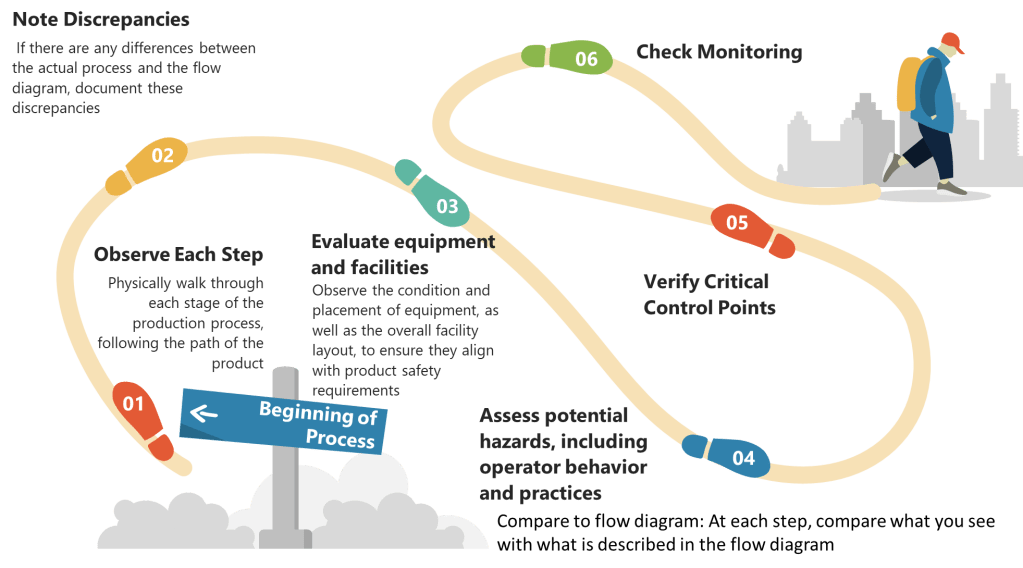
          5. Conduct a process analysis: Break down each laboratory activity into steps and identify potential hazards at each stage.
          6. Consider human factors: Evaluate potential for human error, such as incorrect handling of materials or improper use of equipment.
          7. Assess facility and equipment: Examine the layout, containment measures, and equipment condition for potential hazards.
          8. Review past incidents and near-misses: Analyze previous safety incidents or close calls to identify recurring or potential hazards.
          9. Consult relevant guidelines and regulations: Reference industry standards, biosafety guidelines, and regulatory requirements to ensure comprehensive hazard identification.
          10. Use brainstorming techniques: Encourage team members to think creatively about potential hazards that may not be immediately obvious.
          11. Evaluate hazards at different scales: Consider how hazards might change as processes scale up from research to production levels.
          • Facility Design and Engineering Controls
            • Cleanroom design and classification
            • HVAC systems with HEPA filtration
            • Airlocks and pressure cascades
            • Segregated manufacturing areas
          • Equipment and Process Design
            • Closed processing systems
            • Single-use technologies
            • Sterilization and sanitization systems
            • In-line filtration
          • Operational Controls
            • Aseptic techniques and procedures
            • Environmental monitoring programs
            • Cleaning and disinfection protocols
            • Personnel gowning and hygiene practices
          • Quality Control Measures
            • In-process testing (e.g., bioburden, endotoxin)
            • Final product sterility testing
            • Environmental monitoring data review
            • Batch record review
          • Organizational Controls
            • Training programs
            • Standard operating procedures (SOPs)
            • Quality management systems
            • Change control processes
          1. Evaluate reliability and capability of each control:
            • Review historical performance data for each control measure
            • Assess the control’s ability to prevent or detect contamination
            • Consider the control’s consistency in different operating conditions
          2. Consider potential failure modes:
            • Conduct a Failure Mode and Effects Analysis (FMEA) for each control
            • Identify potential ways the control could fail or be compromised
            • Assess the likelihood and impact of each failure mode
          3. Evaluate human factors:
            • Assess the complexity and potential for human error in each control
            • Review training effectiveness and compliance with procedures
            • Consider ergonomics and usability of equipment and systems
          4. Analyze technology effectiveness:
            • Evaluate the performance of automated systems and equipment
            • Assess the reliability of monitoring and detection technologies
            • Consider the integration of different technological controls
          1. Quantify risk reduction:
            • Assign risk reduction factors to each layer based on its effectiveness
            • Use a consistent scale (e.g., 1-10) to rate each control’s risk reduction capability
            • Calculate the cumulative risk reduction across all layers
          2. Assess interdependencies between layers:
            • Identify any controls that rely on or affect other controls
            • Evaluate how failures in one layer might impact the effectiveness of others
            • Consider potential common mode failures across multiple layers
          3. Review control performance metrics:
            • Analyze trends in environmental monitoring data
            • Examine out-of-specification results and their root causes
            • Assess the frequency and severity of contamination events
          1. Determine acceptable risk levels:
            • Define your organization’s risk tolerance for contamination events
            • Compare current risk levels against these thresholds
          2. Identify gaps:
            • Highlight areas where current controls fall short of required protection
            • Note processes or areas with insufficient redundancy
          3. Propose improvements:
            • Suggest enhancements to existing controls
            • Recommend new control measures to address identified gaps
          4. Prioritize actions:
            • Rank proposed improvements based on risk reduction potential and feasibility
            • Consider cost-benefit analysis for major changes
          5. Seek expert input:
            • Consult with subject matter experts on proposed improvements
            • Consider third-party assessments for critical areas
          6. Plan for implementation:
            • Develop action plans for addressing identified gaps
            • Assign responsibilities and timelines for improvements
          1. Document and review:
          1. Implement continuous monitoring and review:
          2. Develop a holistic CCS document:
            • Describe overall contamination control approach
            • Detail how different controls work together
            • Include risk assessments and rationales
          3. Establish governance and oversight:
            • Create a cross-functional CCS team
            • Define roles and responsibilities
            • Implement a regular review process
          4. Integrate with quality systems:
            • Align CCS with existing quality management processes
            • Ensure change control procedures consider CCS impact
          5. Provide comprehensive training:
            • Train all personnel on CCS principles and practices
            • Implement contamination control ambassador program
          1. Implement regular review cycles:
            • Schedule periodic reviews of the LOCA (e.g., annually or bi-annually)
            • Involve a cross-functional team including quality, manufacturing, and engineering
          2. Analyze trends and data:
            • Review environmental monitoring data
            • Examine out-of-specification results and their root causes
            • Assess the frequency and severity of contamination events
          3. Identify improvement opportunities:
            • Use gap analysis to compare current controls against industry best practices
            • Evaluate new technologies and methodologies for contamination control
            • Consider feedback from contamination control ambassadors and staff
          4. Prioritize improvements:
            • Rank proposed enhancements based on risk reduction potential and feasibility
            • Consider cost-benefit analysis for major changes
          5. Implement changes:
            • Update standard operating procedures (SOPs) as needed
            • Provide training on new or modified control measures
            • Validate changes to ensure effectiveness
          6. Monitor and measure impact:
            • Establish key performance indicators (KPIs) for each layer of control
            • Track improvements in contamination rates and overall control effectiveness
          7. Foster a culture of continuous improvement:
            • Encourage proactive reporting of potential issues
            • Recognize and reward staff contributions to contamination control
          8. Stay updated on regulatory requirements:
            • Regularly review and incorporate changes in regulations (e.g., EU GMP Annex 1)
            • Attend industry conferences and workshops on contamination control
          9. Integrate with overall quality systems:
            • Ensure LOCA improvements align with the site’s Quality Management System
            • Update the Contamination Control Strategy (CCS) document as needed
          10. Leverage technology:
            • Implement digital solutions for environmental monitoring and data analysis
            • Consider advanced technologies like rapid microbial detection methods
          11. Conduct periodic audits:
            • Perform surprise audits to ensure adherence to protocols
            • Use findings to further refine the LOCA and control measures

          Contamination Control Policy

          Rationale:  An important element of the protection of patient safety, our highest priority, is preventing contamination and maintaining sterility, as applicable, for products or clinical materials. We have the important responsibility to assure controls are in place to prevent exposure to unintended and potentially harmful materials by patients being treated with products or participating in clinical trials.  Equally important is the protection of personnel working with materials from exposure levels that could exceed safe limits. 

          Policy objective:  To define the expectations in implementing containment controls designed to minimize the likelihood of contamination and if applicable to assure the maintenance of sterility.

          Procedures will be implemented to assure:

          • Establishment of effective means to contain ingredients, in process and finished materials to the manufacturing equipment and containers designed for their use, and which prevent airborne or physical transmittal of foreign materials into ingredients, in process, or finished products or product contact surfaces.
          • Application of risk based control mechanisms to establish steps to be taken to control cross contamination.  Factors to be considered include, but may not be limited to, toxic risk of materials; physical properties that present contamination risk; product contact surfaces; use of lubricants; establishment and monitoring of air pressure differential cascades in manufacturing areas; filtration of air, water, steam, gases, and vacuum; the proper use of cleaning materials, sanitizers, and application of pesticides; and the use of personal protective equipment for employees who work with high risk materials.
          • Classification of processing areas utilizing accepted international norms for viable and non-viable particulate levels
          • Design of facilities and utilities to ensure appropriate contamination controls and if applicable aseptic conditions
          • Definition of standards for and types of personal protective equipment (PPE) and procedures for donning PPE, plus additional personnel controls (such as hand washing and sanitization), and the exclusion of inappropriate materials (such as fiber shedding paper) as conditions of entry into classified areas.
          • Establishment of alert and action levels of viable and nonviable particulate matter in air, water, gases, product contact surfaces and personnel, together with monitoring methods and frequency, and steps to be taken when such levels are exceeded.
          • Assessment and validation of the effectiveness of containment controls, through methods such as periodic visualization of airflow patterns; water fills; media fills; and oversight of employee practices

          Thoughts on ISPE 2022 Aseptic Conference

          Just finished up the 2022 ISPE Aseptic Conference, and here are a few thoughts.

          EU GMP Annex 1 expected in later half of the year

          Paul Gustafson, chair of the Pharmaceutical Inspection Co-operation Scheme (PIC/S) and a senior corporate regulatory compliance and enforcement advisor with Health Canada, stated that the plan was to issue the widely anticipated Annex 1 in mid-year 2022. He repeatedly said July to September so that is interesting news and start getting your contamination control strategies going. There will be a one-year period before in force, with 2 years on some of the lyophilizer requirements.

          For those keeping track, it retains the provision calling for testing filters used in the sterilization process, pre-use, post-sterilization integrity testing (PUPSIT). The PUPSIT provision “has driven a substantial amount of discussion and has resulted in a number of papers being drafted,” said Gustafson. This was a very gracious understatement, and I have to admit I really admired his Canadian humor.

          FDA continues to evaluate COVID inspection measures

          Alonza Cruse, Director of the Office of Pharmaceutical Quality Operations at FDA/ORA did a thorough job going through the COVID measures of Remote Regulatory Assessments and Remote Interactive Evaluations and discussed how the agency was in the process of learning how best to do things going forward.

          He also clearly state how they were continuing to get back to normal inspections and discussed new personnel in foreign offices, such as India.

          Highlights from Panels

          One of my favorite panels was Jo Ann Jacobs and Kara Vogt speaking on “Building Resiliency into Single-Use-Technology Systems” They laid out some good work they are doing as part of a startup to design good functional equivalency and supplier management, obviously learning from PPAP and similar measures. Quite well done. While it leans heavily into my own practice around functional equivalency it was good to see such a rock-solid implementation, and I felt like I learned a few good ideas.

          I spoke on Contamination Control, Risk Management and the Quality Management System, having a blast doing so. I was followed by Christa Myers who spoke on “Contamination Control Strategy: From Annex 1 Draft Requirements to Implementation in Practice.” We made a good duo and between the two I hope participants got a real solid idea on how to do this contamination control strategy effectively.

          I learned a lot about robotics and isolators.

          Still a big fan of ISPE’s Women in Pharma.