Be Your Authentic Self

The best quality folks I know, indeed the best of any profession I know, are those who manage to bring their authentic self to the job. This capability is core to building psychological safety and driving quality culture. And yet, too often, we teach people how to bury it or reward a degree of inauthenticity in service of some idea of “professional.” People quickly tune out, disengage, and lose trust when they sense insincerity. Being authentic allows you to connect and relate much more quickly with and bond with our fellow workers. To be an authentic quality champion, you must create a safe space to encourage people to open up and express themselves without fearing retribution. If people do not feel comfortable or safe conveying their feelings, they won’t be able to present their true, authentic selves. Trust is the key to encouraging others to express their thoughts and feelings. Without trust and authenticity, there can be no learning culture, no improvement, and little to no quality.

Be Yourself

Authenticity starts with being true to who you are. Don’t try to adopt a stereotypical quality personality or style that doesn’t feel natural to you. Instead:

  • Embrace your unique personality and style, whether that’s reserved, energetic, or straightforward
  • Be honest about your knowledge and expertise
  • Admit when you don’t know something rather than pretending

By bringing your true self to the role, you build trust and create a psychologically safe environment.

Foster Genuine Connections

By building authentic relationships with colleagues, we can enhance collaboration, boost job satisfaction, and contribute to a more fulfilling professional experience. These connections go beyond superficial interactions and involve showing a genuine interest in coworkers’ success, engaging in healthy competition, and contributing to an authentic workplace culture.

  • Strive to find time for relationship-building with and among your fellows
  • Share personal anecdotes and experiences when relevant
  • Demonstrate vulnerability by discussing your own learning journey and challenges you’ve overcome

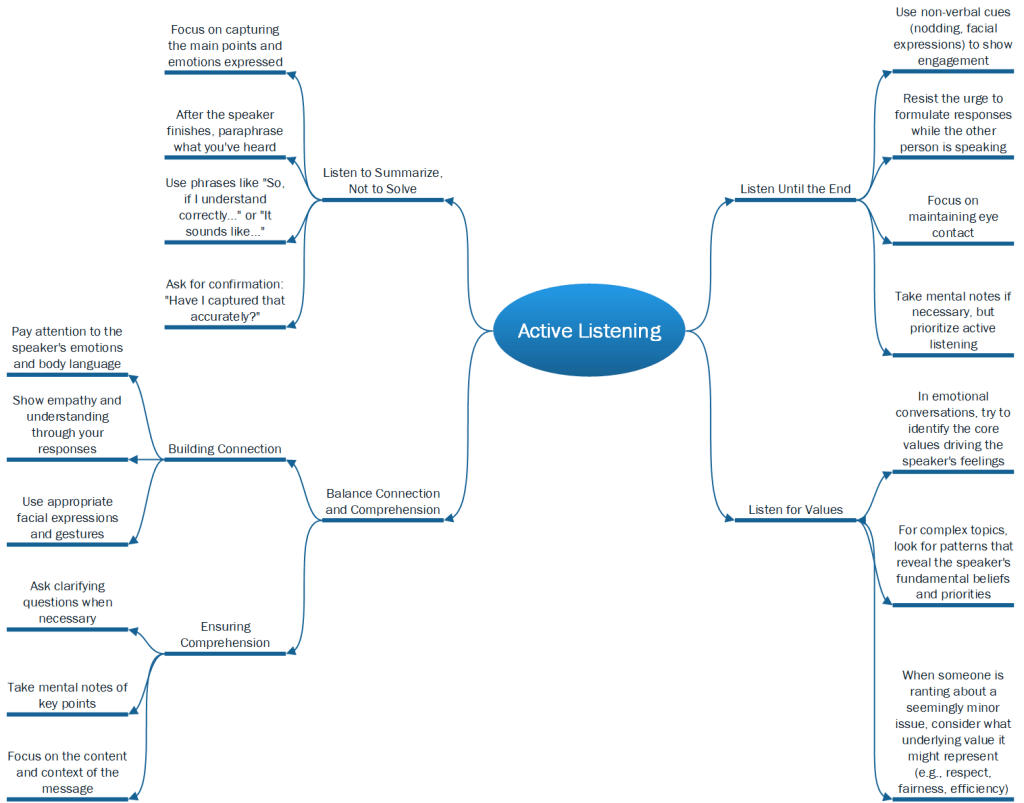
Practice Active Listening

Active listening contributes to authenticity by encouraging open communication and transparency. When we actively listen to one another, we create a safe space for sharing ideas, concerns, and feedback without fear of judgment. This openness allows individuals to be true to their personalities and values, fostering a culture where authenticity is valued and respected. Moreover, active listening helps in recognizing the unsaid emotions and underlying messages, enabling a deeper understanding of colleagues’ experiences and perspectives.

  • Give your full attention to speakers, noting both verbal and non-verbal cues
  • Paraphrase and summarize to ensure you’ve understood correctly
  • Ask probing questions to dig deeper into folk’s thoughts and ideas

Model the Desired Culture

When a quality partner brings their authentic self to the team, they set the tone. This demonstrates the behaviors and attitudes we want to see in our culture. This is important at all levels of the quality organization, but frankly I think quality leaders may be a little to uncomfortable here. Many people get ahead in quality by being analytical, which means thse who are outside that norm are asked to act like they are to get ahead. Which frankly, can be prety disastrrious.

Quality Management as Deontological Ethics

I think every quality professional should, somewhere between individual contributor and manager, have to do a deep study into philosophy.

Studying philosophy offers several important benefits for the modern professional, enhancing both personal development and professional capabilities. Here are some reasons why philosophy is valuable in today’s professional quality leader:

  1. Critical Thinking and Problem-Solving: Philosophy teaches individuals to think clearly, carefully, and logically about a wide range of topics. This skill is crucial for analyzing complex problems, making informed decisions, and developing innovative solutions in any professional field.
  2. Communication Skills: Engaging with philosophical texts and discussions enhances one’s ability to read closely, write clearly, and articulate thoughts effectively. These communication skills are essential for conveying ideas persuasively and collaborating with others in a professional setting.
  3. Ethical Reasoning: Philosophy provides a framework for addressing ethical questions and dilemmas. Understanding ethical principles helps professionals navigate moral challenges and make decisions that align with their values and societal norms. Ethical reasoning provides a framework for making decisions that are fair and just to all parties involved, ensuring that the organization’s actions align with its values and ethical standards
  4. Cultural Awareness and Adaptability: Studying philosophy fosters cultural awareness and sensitivity, enabling professionals to work effectively in diverse environments. This awareness is particularly valuable in globalized industries where understanding different perspectives and cultural contexts is crucial.
  5. Leadership and Strategic Thinking: Philosophy encourages big-picture thinking and strategic planning. Leaders who study philosophy are better equipped to anticipate future challenges, understand complex systems, and inspire others with a vision that goes beyond immediate concerns.
  6. Career Versatility: Philosophy graduates pursue careers in various fields, including technology, business, law, government, and journalism. The skills acquired through studying philosophy are transferable and valued across multiple industries, providing a strong foundation for diverse career paths.

I’m certainly not an expert, but I do believe my professional life has benefited from philosophical study. I tend to be drawn to deontological ethics, a branch of moral philosophy that emphasizes the importance of rules, duties, and obligations in determining the morality of actions, rather than focusing on the consequences of those actions.

I can apply deontological ethics to the philosophy of quality management, particularly in the work of one of my favorite thinkers, W. Edwards Deming, which resonates with the principles of duty, rules, and respect for individuals. Here are some of the integrations I draw from:

  1. Duty and Moral Rules: Deontological ethics emphasizes adherence to moral rules and duties. In quality management, this can translate to a commitment to ethical standards and practices that prioritize quality and integrity over short-term gains. Deming’s emphasis on building quality into the product from the start (rather than relying on inspection) aligns with a deontological focus on doing what is right as a matter of principle.
  2. Respect for Individuals: Deontological ethics stresses the importance of treating individuals with respect and dignity. Deming’s philosophy includes driving out fear and fostering an environment where employees can take pride in their work without fear of retribution. This reflects a deontological commitment to respecting the autonomy and rights of workers. Bocheński’s distinction between the nature of authority based on knowledge (epistemic) and authority based on power or obligation (deontic) is a fundamental read for understanding quality culture. 
  3. Leadership and Responsibility: Deming’s points on leadership—such as instituting leadership that helps people and systems perform better—can be seen through a deontological lens as a duty to lead ethically and responsibly. This involves creating systems that support ethical behavior and quality improvement as a core value.
  4. Systemic Integrity: Deming’s approach to quality management, which includes breaking down barriers between departments and fostering collaboration, can be aligned with deontological ethics by emphasizing the duty to maintain systemic integrity and fairness. This involves ensuring that all parts of an organization work together ethically to achieve common goals.
  5. Commitment to Continuous Improvement: While utilitarian approaches might focus on outcomes, a deontological perspective in quality management would emphasize the duty to continuously improve processes and systems as a moral obligation, regardless of immediate outcomes. This aligns with Deming’s focus on constant improvement and education.

By integrating deontological ethics into quality management, I feel we can create a framework that not only seeks to improve quality and efficiency but also adheres to ethical principles that respect and empower individuals within the system.

A Reading List

  • The Right and the Good by W.D. Ross: This classic work introduces Ross’s theory of prima facie duties, which is central to his deontological framework.
  • The View from Nowhere by Thomas Nagel: This book explores the tension between subjective and objective perspectives, which is relevant to understanding ethical duties and objectivity in decision-making.
  • On Human Nature by Roger Scruton: Scruton discusses human nature and ethics, providing insights into moral duties and the philosophical underpinnings of ethical behavior.
  • Intention by G.E.M. Anscombe: This influential work examines the philosophy of action and intention, contributing to discussions on moral responsibility and ethics.
  • Postures of the Mind by Annette Baier: Baier’s essays explore trust, ethics, and the moral psychology underlying ethical relationships.
  • What is Authority? by Józef Maria Bocheński: This book delves into the concept of authority, distinguishing between deontic and epistemic authority and is hugely influential.

Some Recent Psychological Safety Articles from HBR

When a Team Member Speaks Up — and It Doesn’t Go Well” by Megan Reitz
 and Amy C. Edmondson addresses the critical issue of speaking up in organizations and the potential negative outcomes that can occur. Great stuff, well worth the read, and particularly relevant to the themes of a just, conducive, and quality culture where open communication and diverse perspectives are core values.

“Research: “New Hires’ Psychological Safety Erodes Quickly” by Amy C. Edmondson, Derrick P. Bransby, and Michaela J. Kerrissey confirms what I’ve long suspected about a deadly trough in psychological safety. I’ve certainly felt it myself. Going to be thinking about this for a long while.

Navigating the New Era of Quality Management

One of the topics I’m passionate about is exploring the changing landscape of quality management and the challenges we face. The solutions that worked in the past decade won’t be as effective in our current era, marked by post-globalization, capital rationalization, spatial dispersion, shrinking workforces, and an increasing reliance on automation. This transformation calls for a new perspective on quality management, as traditional instincts and strategies may no longer be sufficient. The nature of opportunity and risk has fundamentally changed, and in order to thrive, we need to adapt our approach.

The New Rules of Engagement

In this era of volatility, several key trends are reshaping the business environment:

  • Post-Globalization: The shift towards localized operations and supply chains.
  • Capital Rationalization: More stringent allocation of financial resources. This is a huge trend in biotech.
  • Spatial Dispersion: Decentralized workforces and operations.
  • Shrinking Workforces: Reduced human resources due to demographic changes.
  • Dependence on Automation: Increased reliance on technologies like AI, ML, and RPA.

We need to reevaluate how we approach quality management in light of these trends.

Prediction: Anticipating the Future

In a volatile environment, it is crucial to predict and anticipate disruptions. Quality management must shift from being reactive to proactive. This involves:

  • Advanced Analytics: Utilizing data analytics to anticipate quality issues before they emerge. This necessitates a strong data foundation and the capability to analyze both structured and unstructured data.
  • Scenario Planning: Developing multiple scenarios to anticipate potential disruptions and their impacts on quality aids in making well-informed strategic decisions and preparing for various contingencies.

Adaptability: Embracing Change

Adaptability is crucial in a constantly changing world. Quality management systems need to be flexible and responsive to new challenges.

  • Agile Methodologies: Implementing agile practices to allow for quick adjustments to processes and workflows, fostering a culture of experimentation, and learning from failures.
  • Virtualization of Work: Adapting quality processes to support remote and hybrid work environments involves re-evaluating governance models and ensuring that quality standards are maintained regardless of the location of work.

Resilience: Building Robust Systems

Resilience ensures that organizations can withstand and recover from disruptions. This capability is built on strong foundations:

  • Robust Systems: Developing systems that can operate effectively under stress. This includes ensuring that automated processes are reliable and that there are contingencies for system failures.
  • Organizational Culture: Fostering a culture that values resilience and continuous improvement ensures that employees are prepared to handle disruptions and contribute to the organization’s long-term success.

Implementing the New Quality Paradigm

To effectively implement these principles, organizations should consider the following steps:

  1. Assess the Current State: Conduct a comprehensive assessment of existing quality processes, identifying areas for improvement and potential vulnerabilities.
  2. Set Clear Objectives: Establish clear, measurable objectives that align with the principles of prediction, adaptability, and resilience.
  3. Develop a Phased Approach: Implement changes gradually, with clear milestones and measurable outcomes to ensure smooth transitions.
  4. Engage Stakeholders: Involve all relevant stakeholders in the transformation process to ensure alignment and buy-in.
  5. Monitor Progress: Continuously monitor progress against predefined objectives and make adjustments as necessary to stay on track.
  6. Invest in Training: Provide employees with the necessary training and development opportunities to adapt to new technologies and processes.

Conclusion

It is important to change our mindset and strategy. Embracing the principles of prediction, adaptability, and resilience can help organizations navigate the complexities of a volatile environment and position themselves for long-term success. Going forward, it is essential to stay vigilant, flexible, and proactive in our approach to quality management. We must ensure that we not only meet but exceed stakeholder expectations in this rapidly changing world.

Thinking About the High Performers

I am blessed to have inherited a lot of high performers from my predecessor, who built and sustained a highly functioning team, often amid chaos.

I think about what that means to my team a lot. Being a bunch of high performers, they tend to get:

  • Stressful projects and goalsThey often receive a lot of complex and risky projects and goals.
  • Meeting mania: Because my team is viewed as an essential part of the work (and they are) and can solve even the thorniest issues, their days are filled with back-to-back meetings.
  • Return-to-office pressure: Because they are “high profile,” my local team members are expected to work more from the plant, resulting in less flexibility. There are many good reasons for this, but that doesn’t make it more popular.

As I move through my 2nd quarter, here are the activities I am working to implement.

Establish a simple weekly team rhythm that drives intensity, not pressure. This is going to take a lot of effort with my peer teams. We need to build a rhythm where we know (to a much higher detail) the types of work we do. I want to move more to a model where we do prioritization on Monday, including defining projects, managing change controls, etc.; problem-solving midweek and a time we do a lot of execution (though frankly, that also happens on the weekend); and Friday is to review completed work, share feedback, and align on next steps. No matter what, we need to create a standardized calendar.

Measure the team’s motivation. As I get close to my 5-month mark, I will be asking the following questions:

  • What are teammates excited about working on in the second half of the year?
  • What might be causing them anxiety or pressure?
  • What habits does the team want to improve?
  • What are some specific ideas for improving those habits?
  • What did we do really well last quarter that we should maintain?

Continue to prioritize teaching. I will be scheduling a quarterly skill-check meeting with each of the team. During this conversation, I will help the individual reflect on their current skill goals and pick a new one if they don’t yet have any or have hit them all. We put a lot of work into this during my first quarter, and it is critical to continue to grow here.

Practice Joy. Practicing joy at work is important to maintaining a positive work environment and improving overall job satisfaction.

  1. Cultivate gratitude: Start each day by acknowledging something you’re grateful for at work.
  2. Celebrate small wins: Recognize and appreciate your accomplishments, no matter how small. This can boost your motivation and create a sense of progress.
  3. Find purpose in your work: Connect your daily tasks to the larger goals of your organization or to your personal values. Understanding how your work contributes to a greater purpose can increase job satisfaction.
  4. Find humor in daily situations: Look for opportunities to laugh and share light moments with your colleagues. Humor can help reduce stress and create a more positive work environment.
  5. Practice self-care: Prioritize your physical and mental health by getting enough sleep, eating well, and exercising regularly. When you feel good, it’s easier to experience joy at work.
Photo by Belle Co on Pexels.com