
Navigating the New Era of Quality Management

One of the topics I’m passionate about is exploring the changing landscape of quality management and the challenges we face. The solutions that worked in the past decade won’t be as effective in our current era, marked by post-globalization, capital rationalization, spatial dispersion, shrinking workforces, and an increasing reliance on automation. This transformation calls for a new perspective on quality management, as traditional instincts and strategies may no longer be sufficient. The nature of opportunity and risk has fundamentally changed, and in order to thrive, we need to adapt our approach.

The New Rules of Engagement

In this era of volatility, several key trends are reshaping the business environment:

  • Post-Globalization: The shift towards localized operations and supply chains.
  • Capital Rationalization: More stringent allocation of financial resources. This is a huge trend in biotech.
  • Spatial Dispersion: Decentralized workforces and operations.
  • Shrinking Workforces: Reduced human resources due to demographic changes.
  • Dependence on Automation: Increased reliance on technologies like AI, ML, and RPA.

We need to reevaluate how we approach quality management in light of these trends.

Prediction: Anticipating the Future

In a volatile environment, it is crucial to predict and anticipate disruptions. Quality management must shift from being reactive to proactive. This involves:

  • Advanced Analytics: Utilizing data analytics to anticipate quality issues before they emerge. This necessitates a strong data foundation and the capability to analyze both structured and unstructured data.
  • Scenario Planning: Developing multiple scenarios to anticipate potential disruptions and their impacts on quality aids in making well-informed strategic decisions and preparing for various contingencies.

Adaptability: Embracing Change

Adaptability is crucial in a constantly changing world. Quality management systems need to be flexible and responsive to new challenges.

  • Agile Methodologies: Implementing agile practices to allow for quick adjustments to processes and workflows, fostering a culture of experimentation, and learning from failures.
  • Virtualization of Work: Adapting quality processes to support remote and hybrid work environments involves re-evaluating governance models and ensuring that quality standards are maintained regardless of the location of work.

Resilience: Building Robust Systems

Resilience ensures that organizations can withstand and recover from disruptions. This capability is built on strong foundations:

  • Robust Systems: Developing systems that can operate effectively under stress. This includes ensuring that automated processes are reliable and that there are contingencies for system failures.
  • Organizational Culture: Fostering a culture that values resilience and continuous improvement ensures that employees are prepared to handle disruptions and contribute to the organization’s long-term success.

Implementing the New Quality Paradigm

To effectively implement these principles, organizations should consider the following steps:

  1. Assess the Current State: Conduct a comprehensive assessment of existing quality processes, identifying areas for improvement and potential vulnerabilities.
  2. Set Clear Objectives: Establish clear, measurable objectives that align with the principles of prediction, adaptability, and resilience.
  3. Develop a Phased Approach: Implement changes gradually, with clear milestones and measurable outcomes to ensure smooth transitions.
  4. Engage Stakeholders: Involve all relevant stakeholders in the transformation process to ensure alignment and buy-in.
  5. Monitor Progress: Continuously monitor progress against predefined objectives and make adjustments as necessary to stay on track.
  6. Invest in Training: Provide employees with the necessary training and development opportunities to adapt to new technologies and processes.

Conclusion

It is important to change our mindset and strategy. Embracing the principles of prediction, adaptability, and resilience can help organizations navigate the complexities of a volatile environment and position themselves for long-term success. Going forward, it is essential to stay vigilant, flexible, and proactive in our approach to quality management. We must ensure that we not only meet but exceed stakeholder expectations in this rapidly changing world.
Pay Attention to the Psychological Contract

A psychological contract refers to the unwritten, intangible set of expectations, beliefs, and obligations that define the relationship between an employer and an employee. Unlike a formal employment contract, which is legally binding and outlines specific duties, responsibilities, and compensation, a psychological contract encompasses the informal and often unspoken aspects of the employment relationship.

Key Characteristics of a Psychological Contract

  1. Unwritten and Intangible: Psychological contracts are not documented formally. They are based on mutual perceptions and understandings that develop through interactions and experiences over time.
  2. Mutual Expectations: These contracts involve what each party expects from the other. For example, an employee might expect job security, opportunities for growth, and fair treatment, while an employer might expect loyalty, hard work, and a willingness to go above and beyond.
  3. Dynamic and Evolving: The terms of a psychological contract can change over time as the needs and circumstances of both the employee and employer evolve. What is considered fair and balanced at one stage of an employee’s career might change as their personal and professional priorities shift.
  4. Relational and Transactional Elements: Psychological contracts can be categorized into relational and transactional. Relational contracts are long-term and based on mutual trust and loyalty, while transactional contracts are short-term and focus on specific exchanges of labor for rewards.

Importance of Psychological Contracts

  • Employee Engagement and Motivation: A well-balanced psychological contract can increase employee engagement, motivation, and job satisfaction. Employees who feel their expectations are being met are more likely to be committed to their organization and perform better.
  • Organizational Performance: Organizations that manage psychological contracts effectively can benefit from improved performance and lower turnover rates. Employees who perceive their psychological contract as fair are likelier to stay with the company and contribute positively to its goals.
  • Trust and Fairness: The psychological contract is crucial for building trust between employees and employers. When employees feel that their employer is keeping its informal promises, it fosters a sense of fairness and mutual respect.

Breach of Psychological Contracts

A breach occurs when one party perceives that the other has failed to fulfill its obligations. This can lead to feelings of betrayal, decreased job satisfaction, and reduced organizational commitment. Common consequences of a breached psychological contract include increased turnover, lower productivity, and higher levels of employee disengagement.

Examples of Psychological Contracts

  1. Promotion Expectations: An employee might be verbally promised a promotion after completing specific training. If this promotion does not materialize, the employee may feel that the psychological contract has been breached.
  2. Work-Life Balance: An organization might have an unwritten rule that employees can leave early on Fridays. Employees might feel that their psychological contract has been violated if a new manager enforces strict hours.
  3. Job Security: Employees might expect job security in exchange for their loyalty and hard work. If the company undergoes layoffs without clear communication, it can lead to a breach of the psychological contract.

Managing Psychological Contracts

  • Communicate Clearly: Regular and transparent communication helps align expectations and reduces misunderstandings.
  • Foster Trust: Building a culture of trust and fairness can help maintain a positive psychological contract.
  • Adapt to Changes: Recognize that employees’ needs and expectations change over time and be willing to adapt accordingly.

Yes, psychological contracts change over time, and there are several ways this can occur:

  1. Organizational changes: Major organizational shifts, such as restructuring, mergers, or leadership changes, can alter the implicit expectations and obligations between employees and employers. For example, a company that previously emphasized job security may shift towards a more flexible workforce, changing the psychological contract around long-term employment.
  2. Societal and economic changes: Broader societal trends and economic conditions can influence psychological contracts. The COVID-19 pandemic, for instance, dramatically shifted expectations around remote work and work-life balance for many employees and employers.
  3. Career progression: As employees advance, their expectations and perceived obligations often evolve. An entry-level employee might prioritize learning opportunities, while a more experienced worker may expect greater autonomy and decision-making power.
  4. Generational differences: Different generations often have varying expectations about work. Younger generations may emphasize work-life balance and purpose-driven work more than older generations.
  5. Technological advancements: The rapid pace of technological change can alter how work is performed and what skills are valued, shifting the psychological contract.
  6. Personal life changes: Major life events for employees (e.g., starting a family or approaching retirement) can change their priorities and expectations from work.
  7. Ongoing experiences and interactions: Day-to-day experiences and interactions between employees and employers continuously shape and refine the psychological contract.
  8. Explicit renegotiation: In some cases, employers and employees may openly discuss and revise their mutual expectations, especially during performance reviews or when job roles change significantly.

It’s important to note that these changes in psychological contracts can sometimes lead to perceived breaches if not properly managed or communicated. Organizations and employees need to be aware of these potential shifts and work to maintain alignment in their mutual expectations over time. Regular communication, transparency, and flexibility are crucial to adapting psychological contracts as circumstances change.

Psychological contracts are under constant assault in most workplaces. Just look at all the tension around returning to work, quitting quietly, and whatever the new term de-jour is. We have entered an era in which continuous reinvention is the only way to manage continuous turbulence. This means that, when it comes to the psychological contract, we are (inadvertently) lying to our employees everywhere. Gone are the days when “you support this one-time transformation, and things will return to normal for a few years.” Now is the time for honest dialogue and explicit re-negotiation. We must allocate some of our time and resources to perpetual reinvention to survive and thrive in the perpetually turbulent world. That is the new normal. And psychological contracts are under a lot of tension. Plan to deal with that.

Use of Pronouns

Proper pronoun use is a small but significant step towards building a more inclusive, respectful, and equitable workplace. It helps create a culture where all individuals feel seen, heard, and valued, which is essential for fostering a positive and productive work environment.

Practical Steps to Ensure the Use of Preferred Pronouns at Work

1. Lead by Example

  • Include Pronouns in Signatures: Encourage employees to add their pronouns to email signatures, LinkedIn profiles, and other digital communication channels.
  • Introduce with Pronouns: Leaders and managers should model the behavior by introducing themselves with their pronouns in meetings and communications.

2. Use Gender-Neutral Language

  • Address Groups Inclusively: Use terms like “team,” “folks,” or “everyone” instead of gendered terms like “ladies and gentlemen”.
  • Inclusive Terms: Replace gender-specific terms such as “maternity leave” with “parental leave” and use “partner” or “spouse” instead of “husband” or “wife”.

3. Provide Education and Training

  • Regular Training Sessions: Conduct mandatory training on using correct pronouns and inclusive language.
  • Continuous Learning: Offer ongoing education opportunities rather than one-time sessions to ensure the practice becomes ingrained in the company culture.

4. Create a Supportive Environment

  • Encourage Voluntary Disclosure: While promoting pronoun sharing, ensure it remains voluntary to avoid pressuring employees who may not be ready to disclose their gender identity.
  • Normalize Pronoun Sharing: Make sharing pronouns a regular part of introductions and communications to normalize the practice.

5. Address Mistakes Appropriately

  • Correct and Apologize: If someone uses the wrong pronoun, they should correct themselves, apologize, and try to use the proper pronoun in the future.
  • Practice Pronouns: Encourage employees to practice using correct pronouns to prevent mistakes and create a more inclusive environment.

6. Implement Policies and Consequences

  • Anti-Discrimination Policies: Ensure that company policies explicitly prohibit discrimination based on gender identity and expression, including intentional misgendering.
  • Consequences for Misgendering: Include intentional misgendering and deadnaming in the formal definition of harassment and outline clear consequences for such behavior.

7. Visible Support from Leadership

  • Senior Leadership Engagement: Ensure senior leaders actively support and participate in pronoun initiatives to demonstrate the company’s commitment to inclusivity.

Conducive Culture

Another building block to Quality Culture is conducive culture, which is an environment that promotes employee productivity, satisfaction, and well-being. There is a huge overlap between the concepts of a Just and Conducive Culture.

  1. Physical Comfort and Resources: Ensuring employees have a comfortable physical environment and the necessary resources to perform their tasks effectively.
  2. Open Communication: Encouraging transparent and open communication between employees and management helps build trust and fosters a sense of teamwork.
  3. Recognition and Reward: Regularly acknowledging and rewarding individual contributions can maintain high levels of employee motivation and engagement.
  4. Diversity, Equity, and Inclusion (DEI): Promoting a culture that values diversity, equity, and inclusion can lead to a more respectful and collaborative workplace, enhancing employee morale and productivity.
  5. Work-Life Balance: Supporting employees in achieving a healthy work-life balance through flexible working hours and telecommuting opportunities can increase their engagement and motivation.
  6. Positive Organizational Values: Establishing and operationalizing core values that align with collaboration, learning, and adapting (CLA) can create a supportive and innovative work environment.
  7. Feedback and Development: Regular, constructive feedback and opportunities for professional growth help employees feel valued and supported in their roles.
  8. Team Culture: Promoting teamwork and collective responsibility for outcomes can enhance the organization’s overall performance and success.

A conducive culture fosters innovation, collaboration, and inclusivity, all vital elements of a quality culture.

Fostering Critical Thinking

As a leader, fostering critical thinking in my team and beyond is a core part of my job. Fostering critical thinking means an approach that encourages open-mindedness, curiosity, and structured problem-solving.

Encourage Questioning and Healthy Debate

It is essential to create an environment where team members feel comfortable questioning assumptions and engaging in constructive debates. Encourage them to ask “why” and explore different perspectives. This open dialogue promotes deeper thinking and prevents groupthink.

Foster a Culture of Curiosity

Inspire your team to ask questions and seek deeper understanding. Role model this behavior by starting meetings with thought-provoking “what if” scenarios or sharing your own curiosities. Celebrate curiosity and reward those who think outside the box.

Assign Stretch Assignments

Provide your team with challenging tasks that push them beyond their comfort zones. These stretch assignments force them to think critically, analyze information from multiple angles, and develop innovative solutions.

Promote Diverse Perspectives

Encourage diversity of thought within your team. Diverse backgrounds, experiences, and viewpoints can challenge assumptions and biases, leading to a more comprehensive understanding and better decision-making.

Engage in Collaborative Problem-Solving

Involve your team in decision-making processes and problem-solving exercises. Techniques like role reversal debates, where team members argue a point they disagree with, can help them understand different perspectives and refine their argumentative skills.

Provide Training and Resources

Offer training sessions on critical thinking techniques, such as SWOT analysis, root cause analysis, and logical fallacies. Equip your team with the tools and frameworks they need to think critically.

Lead by Example

As a leader, model critical thinking behaviors. Discuss your thought processes openly, question your assumptions, and show the value of critical evaluation in real-time decision-making. Your team will be more likely to emulate these habits.

Encourage Continuous Learning

Recommend learning resources, such as courses, articles, and books from diverse fields. Continuous learning can broaden perspectives and foster multifaceted thinking.

Embrace Feedback and Mistakes

Establish feedback loops within the team and create a safe environment where mistakes are treated as learning opportunities. Receiving and giving feedback helps refine understanding and overcome biases.

Implement Role-Playing Scenarios

Use role-playing scenarios to simulate real-world challenges. This helps team members practice critical thinking in a controlled environment, enhancing their ability to apply these skills in actual situations.

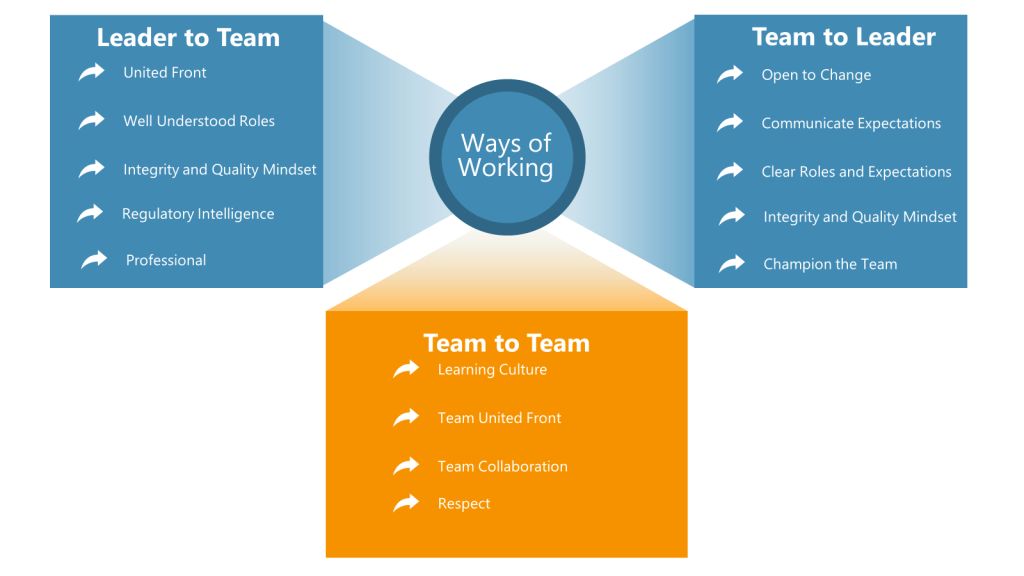
Build Into the Team Charter

Building these expectations into the team charter holds you and your team accountable.

Value: Regulatory Intelligence

Definition: Stay current on industry regulations and guidances. 

Desired Behaviors:

  1. I will dedicate time to reading industry-related guidance and regulation publications related to my job.
  2. I will share publications that I find interesting or applicable to my job with the team
  3. I will present to the team on at least one topic per year to share learnings with the team (or wider organization)

Value: Learning Culture

Definition: Share lessons learned from projects so the team can grow together and remain aligned.  Engage in knowledge-sharing sessions.

Desired Behaviors:

  1. I will share lessons learned from each project with the wider team via the team channel and/or weekly team meeting.
  2. I will encourage team members to openly share their experiences, successes, and challenges without fear of judgement.
  3. I will update RAID log with decisions made by the team.
  4. I will identify possible process improvements and update the process improvement tracker.

Value: Team Collaboration

Definition: Willingness to help teammates when they reach out for input/help

Desired Behaviors:

  1. I will be supportive of my teammate’s requests for assistance
  2. I will engage and offer my SME advice when asked or help identify another SME to assist 
  3. I will not ignore requests for input/help
  4. I will contribute to an environment where teammates can request help