Metrics Plan

A Metrics Plan describes how an organization intends to establish, implement, fund, collect, analyze, and report metrics. A Metrics Plan:

  • Ensures that the correct metrics are collected
  • Ensures that metric analysis and reporting meet all stakeholder needs
  • Ensures that adequate and appropriate resources (e.g., funding, personnel, tools) are available to properly perform metrics implementation, collection, and ongoing support.
  • Ensures that appropriate change management activities are undertaken

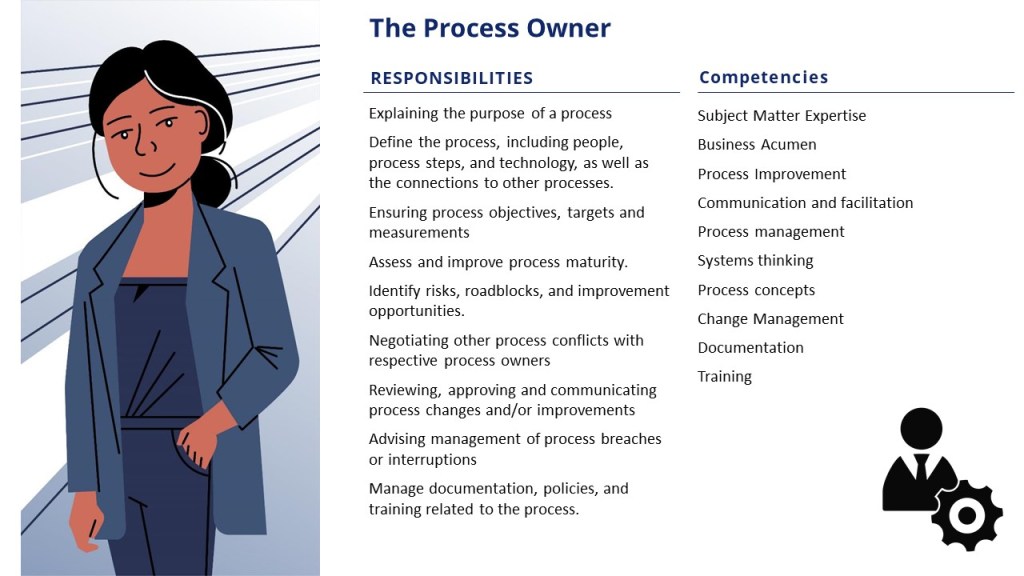
This is one of those that can be done at several levels, and it usually has several cuts, from a top-level strategic document to the process owner level to potentially deeper cuts lower in the organization. I am a big fan of each process owner owning their parts and it passing up.

This plan is a critical feed-in to quality management review.

A typical structure of a Metrics plan includes:

  • Strategy
    • Rationale and Desired Outcomes
    • Metrics Framework
    • Success Criteria
  • Implementation Plan
    • Steps, Timelines & Milestones
    • Resources
    • Governance
    • Communication
    • Training
  • Specific Metrics
    • Outcome Mapping
    • Outcome Action Plan
    • ROI Evaluation
    • Routine Analysis & Improvement Evaluation
    • Retirement Plan
  • Data Collection
    • Data Sources
    • Data Flow
    • Resources
    • Reconciliation
  • System & Technology
    • Data Visualization
    • Support
  • Communication Plan
  • Sustainability Plan

Common Ownership Challenges

Process Ownership Challenges

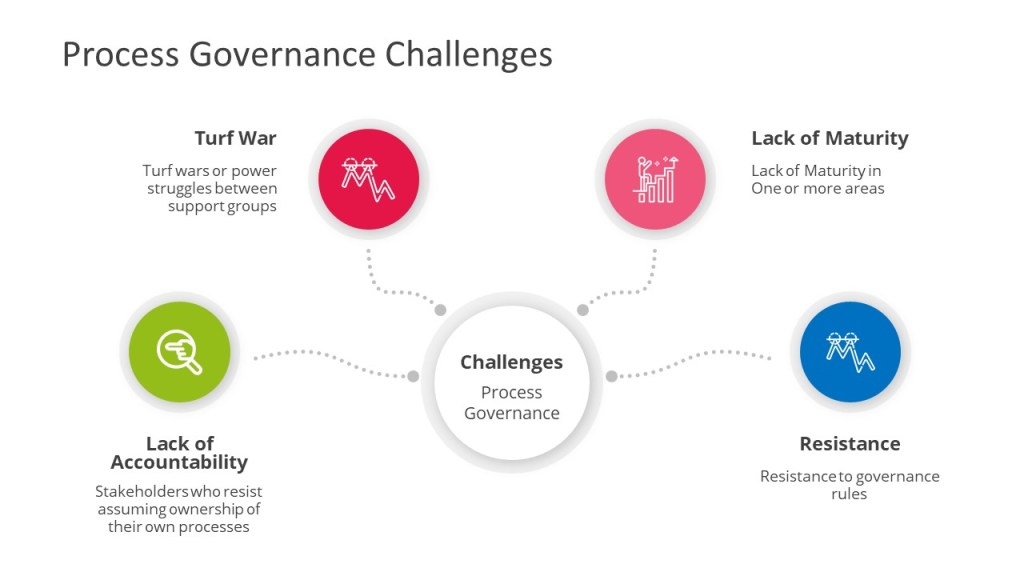
Governance and ownership challenges often arise in an organization for four reasons:

  1. Business stakeholders who resist assuming ownership of their own processes, data and/or knowledge, or have balkanized/siloed accountability
  2. Turf wars or power struggles between groups of stakeholders
  3. Lack of maturity in one or more areas
  4. Resistance to established governance rules

The Business Struggles with Accountability

Processes often have a number of stakeholders, but no apparent owners. This results in opportunity costs as compulsory process changes (e.g. legislative requirements, systems capacity, or company structural changes) or process improvements are not implemented because the business process owner is unaware of the change, or no clear business process owner has been identified which leads to an increase in risk.

Sometimes processes have a number of stakeholders who all think they are the owners of parts of the process or the whole process. When this overlap happens, each supposed owner often identifies their own strategy for the process and issues their own process change instructions to conform to their understanding of the purpose of the business process. These conflicting instructions lead to frustration and confusion by all parties involved.

Lack of accountability in process and system leads to inefficient processes, organizational disharmony, and wasted energy that can be better spent on process improvements.

Turf Wars

Due to silo thinking there can be subdivided processes, owned by different parts of the organization. For example, count how many types of change control your organization has. This requires silos to be broken down, and this takes time.

Lack of Maturity

Governance is challenging if process maturity is uneven across the organization.

Failure to Adhere to Governance

It can be hard to get the business to apply policy and standard consistently.

Process Owner Deliverables

Process Owner implementations require a lot of work, but when used can drive maturity in an organization. To ensure success, it is important to have clear deliverables. Below are a few recommendations:

TaskDemonstrated by
Ensuring process objectives are metGap Assessment against relevant external (e.g. regulations, standards, benchmarks) and internal (e.g. policy, strategy) obligations Process Definition Document and Resource Requirements Plan
Developing, deploying, and managing process documentationProcess and procedure documented (e.g. SOP, WI, etc)
Determine training requirementsRole-based curricula in place
Determining, implementing and monitoring metricsMetrics plan in place and in use
Improving process performanceImprovement plan in place and in use
Representing Process to LeadershipCommunication plan in place and in use
Representing the process during internal audits and third-party audits and inspectionsInspection readiness plan in place and in use