Quality needs to be managed as a program, and as such, it must walk a delicate line between setting long-term goals, short-term goals, improvement priorities, and interacting with a suite of portfolios, programs, and KPIs. As quality professionals navigate increasingly complex regulatory landscapes, technological disruptions, and evolving customer expectations, the need for structured approaches to quality planning has never been greater.
At the heart of this activity, I use an x-matrix, a powerful tool at the intersection of strategic planning and quality management. The X-Matrix provides a comprehensive framework that clarifies the chaos, visually representing how long-term quality objectives cascade into actionable initiatives with clear ownership and metrics – connecting the dots between aspiration and execution in a single, coherent framework.
Understanding the X-Matrix: Structure and Purpose
The X-Matrix is a strategic planning tool from Hoshin Kanri methodology that brings together multiple dimensions of organizational strategy onto a single page. Named for its distinctive X-shaped pattern of relationships, this tool enables us to visualize connections between long-term breakthroughs, annual objectives, improvement priorities, and measurable targets – all while clarifying ownership and resource allocation.
The X-Matrix is structured around four key quadrants that create its distinctive shape:
South Quadrant (3-5 Year Breakthrough Objectives): These are the foundational, long-term quality goals that align with organizational vision and regulatory expectations. In quality contexts, these might include achieving specific quality maturity levels, establishing new quality paradigms, or fundamentally transforming quality systems.
West Quadrant (Annual Objectives): These represent the quality priorities for the coming year that contribute directly to the longer-term breakthroughs. These objectives are specific enough to be actionable within a one-year timeframe.
North Quadrant (Improvement Priorities): These are the specific initiatives, projects, and process improvements that will be undertaken to achieve the annual objectives. Each improvement priority should have clear ownership and resource allocation.
East Quadrant (Targets/Metrics): These are the measurable indicators that will be used to track progress toward both annual objectives and breakthrough goals. In quality planning, these often include process capability indices, deviation rates, right-first-time metrics, and other key performance indicators.
The power of the X-Matrix lies in the correlation points where these quadrants intersect. These intersections show how initiatives support objectives and how objectives align with long-term goals. They create a clear line of sight from strategic quality vision to daily operations and improvement activities.
Why the X-Matrix Excels for Quality Planning
Traditional quality planning approaches often suffer from disconnection between strategic objectives and tactical activities. Quality initiatives may be undertaken in isolation, with limited understanding of how they contribute to broader organizational goals. The X-Matrix addresses this fragmentation through its integrated approach to planning.
The X-Matrix provides visibility into the interdependencies within your quality system. By mapping the relationships between long-term quality objectives, annual goals, improvement priorities, and key metrics, quality leaders can identify potential resource conflicts, capability gaps, and opportunities for synergy.
Developing an X-Matrix necessitates cross-functional input and alignment to ensure that quality objectives are not isolated but integrated with operations, regulatory, supply chain, and other critical functions. The development of an X-Matrix encourages the back-and-forth dialogue necessary to develop realistic, aligned goals.
Perhaps most importantly for quality organizations, the X-Matrix provides the structure and rigor to ensure quality planning is not left to chance. As the FDA and other regulatory bodies increasingly emphasize Quality Management Maturity (QMM) as a framework for evaluating pharmaceutical operations, the disciplined approach embodied in the X-Matrix becomes a competitive advantage. The matrix systematically considers resource constraints, capability requirements, and performance measures – all essential components of mature quality systems.
Mapping Modern Quality Challenges to the X-Matrix
The quality landscape is evolving rapidly, with several key challenges that must be addressed in any comprehensive quality planning effort. The X-Matrix provides an ideal framework for addressing these challenges systematically. Building on the post “The Challenges Ahead for Quality” we can start to build our an X-matrix.
Advanced Analytics and Digital Transformation
As data sources multiply and processing capabilities expand, quality organizations face increased expectations for data-driven insights and decision-making. An effective X-Matrix for quality planning couldinclude:
3-5 Year Breakthrough: Establish a predictive quality monitoring system that leverages advanced analytics to identify potential quality issues before they manifest.
Annual Objectives: Implement data visualization tools for key quality metrics; establish data governance framework for GxP data; develop predictive models for critical quality attributes.
Improvement Priorities: Create cross-functional data science capability; implement automated data capture for batch records; develop real-time dashboards for process parameters.
Metrics: Percentage of quality decisions made with data-driven insights; predictive model accuracy; reduction in quality investigation cycle time through analytics.
Operational Stability in Complex Supply Networks
As pharmaceutical manufacturing becomes increasingly globalized with complex supplier networks, operational stability emerges as a critical challenge. Operational stability represents the state where manufacturing and quality processes exhibit consistent, predictable performance over time with minimal unexpected variation. The X-Matrix can address this through:
3-5 Year Breakthrough: Achieve Level 4 (Proactive) operational stability across all manufacturing sites, networks and key suppliers.
Annual Objectives: Implement statistical process control for critical processes; establish supplier quality alignment program; develop operational stability metrics and monitoring system.
Improvement Priorities: Deploy SPC training and tools; conduct operational stability risk assessments; implement regular supplier quality reviews; establish cross-functional stability team.
Metrics: Process capability indices (Cp, Cpk); right-first-time batch rates; deviation frequency and severity patterns; supplier quality performance.
Using the X-Matrix to Address Validation Challenges
Validation presents unique challenges in modern pharmaceutical operations, particularly as data systems become more complex and interconnected. Handling complex data types and relationships can be time-consuming and difficult, while managing validation rules across large datasets becomes increasingly costly and challenging. The X-Matrix offers a structured approach to addressing these validation challenges:
3-5 Year Breakthrough: Establish a risk-based, continuous validation paradigm that accommodates rapidly evolving systems while maintaining compliance.
Annual Objectives: Implement risk-based validation approach for all GxP systems; establish automated testing capabilities for critical applications; develop validation strategy for AI/ML applications.
Improvement Priorities: Train validation team on risk-based approaches; implement validation tool for automated test execution; develop validation templates for different system types; establish validation center of excellence.
Metrics: Validation cycle time reduction; percentage of validation activities conducted via automated testing; validation resource efficiency; validation effectiveness (post-implementation defects).
This X-Matrix approach to validation challenges ensures that validation activities are not merely compliance exercises but strategic initiatives that support broader quality objectives. By connecting validation priorities to annual objectives and long-term breakthroughs, organizations can justify the necessary investments and resources while maintaining a clear focus on business value.
Connecting X-Matrix Planning to Quality Maturity Models
The FDA’s Quality Management Maturity (QMM) model provides a framework for assessing an organization’s progression from reactive quality management to optimized, continuous improvement. This model aligns perfectly with the X-Matrix planning approach, as both emphasize systematic progression toward excellence.
The X-Matrix can be structured to support advancement through quality maturity levels by targeting specific capabilities associated with each level:
Maturity Level
X-Matrix Breakthrough Objective
Annual Objectives
Improvement Priorities
Reactive (Level 1)
Move from reactive to controlled quality operations
Continuous process verification; innovation workshops; supplier development program
Innovative (Level 5)
Maintain and leverage innovative quality capabilities
Establish industry leading practices; develop quality thought leadership; implement next-generation quality approaches
Quality research initiatives; external benchmarking; technology innovation pilots
This alignment between the X-Matrix and quality maturity models offers several advantages. First, it provides a clear roadmap for progression through maturity levels. Second, it helps organizations prioritize initiatives based on their current maturity level and desired trajectory. Finally, it creates a framework for measuring and communicating progress toward maturity goals.
Implementation Best Practices for Quality X-Matrix Planning
Implementing an X-Matrix approach to quality planning requires careful consideration of several key factors.
1. Start With Clear Strategic Quality Imperatives
The foundation of any effective X-Matrix is a clear set of strategic quality imperatives that align with broader organizational goals. These imperatives should be derived from:
Regulatory expectations and trends
Customer quality requirements
Competitive quality positioning
Organizational quality vision
These imperatives form the basis for the 3-5 year breakthrough objectives in the X-Matrix. Without this clarity, the remaining elements of the matrix will lack focus and alignment.
2. Leverage Cross-Functional Input
Quality does not exist in isolation; it intersects with every aspect of the organization. Effective X-Matrix planning requires input from operations, regulatory affairs, supply chain, R&D, and other functions. This cross-functional perspective ensures that quality objectives are realistic, supported by appropriate capabilities, and aligned with broader organizational priorities.
The catchball process from Hoshin Kanri provides an excellent framework for this cross-functional dialogue, allowing for iterative refinement of objectives, priorities, and metrics based on input from various stakeholders.
3. Focus on Critical Few Priorities
The power of the X-Matrix lies in its ability to focus organizational attention on the most critical priorities. Resist the temptation to include too many initiatives, objectives, or metrics. Instead, identify the vital few that will drive meaningful progress toward quality maturity and operational excellence.
This focus is particularly important in regulated environments where resource constraints are common and compliance demands can easily overwhelm improvement initiatives. A well-designed X-Matrix helps quality leaders maintain strategic focus amid the daily demands of compliance activities.
4. Establish Clear Ownership and Resource Allocation
The X-Matrix should clearly identify who is responsible for each improvement priority and what resources they will have available. This clarity is essential for execution and accountability. Without explicit ownership and resource allocation, even the most well-conceived quality initiatives may fail to deliver results.
The structure of the X-Matrix facilitates this clarity by explicitly mapping resources to initiatives and objectives. This mapping helps identify potential resource conflicts early and ensures that critical initiatives have the support they need.
Balancing Structure with Adaptability in Quality Planning
A potential criticism of highly structured planning approaches like the X-Matrix is that they may constrain adaptability and innovation. However, a well-designed X-Matrix actually enhances adaptability by providing a clear framework for evaluating and integrating new priorities. The structure of the matrix makes it apparent when new initiatives align with strategic objectives and when they represent potential distractions. This clarity helps quality leaders make informed decisions about where to focus limited resources when disruptions occur.
The key lies in building what might be called “bounded flexibility”—freedom to innovate within well-understood boundaries. By thoroughly understanding which process parameters truly impact critical quality attributes, organizations can focus stability efforts where they matter most while allowing flexibility elsewhere. The X-Matrix supports this balanced approach by clearly delineating strategic imperatives (where stability is essential) from tactical initiatives (where adaptation may be necessary).
Change management systems represent another critical mechanism for balancing stability with innovation. Well-designed change management ensures that innovations are implemented in a controlled manner that preserves operational stability. The X-Matrix can incorporate change management as a specific improvement priority, ensuring that the organization’s ability to adapt is explicitly addressed in quality planning.
The X-Matrix as the Engine of Quality Excellence
The X-Matrix represents a powerful approach to quality planning that addresses the complex challenges facing modern quality organizations. By providing a structured framework for aligning long-term quality objectives with annual goals, specific initiatives, and measurable targets, the X-Matrix helps quality leaders navigate complexity while maintaining strategic focus.
As regulatory bodies evolve toward Quality Management Maturity models, the systematic approach embodied in the X-Matrix will become increasingly valuable. Organizations that establish and maintain strong operational stability through structured planning will find themselves well-positioned for both compliance and competition in an increasingly demanding pharmaceutical landscape.
The journey toward quality excellence is not merely technical but cultural and organizational. It requires systematic approaches, appropriate metrics, and balanced objectives that recognize quality not as an end in itself but as a means to deliver value to patients, practitioners, and the business. The X-Matrix provides the framework needed to navigate this journey successfully, translating quality vision into tangible results that advance both organizational performance and patient outcomes.
By adopting the X-Matrix approach to quality planning, organizations can ensure that their quality initiatives are not isolated efforts but components of a coherent strategy that addresses current challenges while building the foundation for future excellence. In a world of increasing complexity and rising expectations, this structured yet flexible approach to quality planning may well be the difference between merely complying and truly excelling.
Quality management requires a sophisticated blend of skills that transcend traditional audit and compliance approaches. As organizations increasingly recognize quality systems as living entities rather than static frameworks, quality professionals must evolve from mere enforcers to nurturers—from auditors to gardeners. This paradigm shift demands a new approach to competency development that embraces both technical expertise and adaptive capabilities.
Building Competencies: The Integration of Skills, Knowledge, and Behavior
A comprehensive competency framework for quality professionals must recognize that true competency is more than a simple checklist of abilities. Rather, it represents the harmonious integration of three critical elements: skills, knowledge, and behaviors. Understanding how these elements interact and complement each other is essential for developing quality professionals who can thrive as “system gardeners” in today’s complex organizational ecosystems.
The Competency Triad
Competencies can be defined as the measurable or observable knowledge, skills, abilities, and behaviors critical to successful job performance. They represent a holistic approach that goes beyond what employees can do to include how they apply their capabilities in real-world contexts.
Knowledge: The Foundation of Understanding
Knowledge forms the theoretical foundation upon which all other aspects of competency are built. For quality professionals, this includes:
Comprehension of regulatory frameworks and compliance requirements
Understanding of statistical principles and data analysis methodologies
Familiarity with industry-specific processes and technical standards
Awareness of organizational systems and their interconnections
Knowledge is demonstrated through consistent application to real-world scenarios, where quality professionals translate theoretical understanding into practical solutions. For example, a quality professional might demonstrate knowledge by correctly interpreting a regulatory requirement and identifying its implications for a manufacturing process.
Skills: The Tools for Implementation
Skills represent the practical “how-to” abilities that quality professionals use to implement their knowledge effectively. These include:
Technical skills like statistical process control and data visualization
Methodological skills such as root cause analysis and risk assessment
Social skills including facilitation and stakeholder management
Self-management skills like prioritization and adaptability
Skills are best measured through observable performance in relevant contexts. A quality professional might demonstrate skill proficiency by effectively facilitating a cross-functional investigation meeting that leads to meaningful corrective actions.
Behaviors: The Expression of Competency
Behaviors are the observable actions and reactions that reflect how quality professionals apply their knowledge and skills in practice. These include:
Demonstrating curiosity when investigating deviations
Showing persistence when facing resistance to quality initiatives
Exhibiting patience when coaching others on quality principles
Displaying integrity when reporting quality issues
Behaviors often distinguish exceptional performers from average ones. While two quality professionals might possess similar knowledge and skills, the one who consistently demonstrates behaviors aligned with organizational values and quality principles will typically achieve superior results.
Building an Integrated Competency Development Approach
To develop well-rounded quality professionals who embody all three elements of competency, organizations should:
Map the Competency Landscape: Create a comprehensive inventory of the knowledge, skills, and behaviors required for each quality role, categorized by proficiency level.
Implement Multi-Modal Development: Recognize that different competency elements require different development approaches:
Knowledge is often best developed through structured learning, reading, and formal education
Skills typically require practice, coaching, and experiential learning
Assess Holistically: Develop assessment methods that evaluate all three elements:
Knowledge assessments through tests, case studies, and discussions
Skill assessments through demonstrations, simulations, and work products
Behavioral assessments through observation, peer feedback, and self-reflection
Create Developmental Pathways: Design career progression frameworks that clearly articulate how knowledge, skills, and behaviors should evolve as quality professionals advance from foundational to leadership roles.
By embracing this integrated approach to competency development, organizations can nurture quality professionals who not only know what to do and how to do it, but who also consistently demonstrate the behaviors that make quality initiatives successful. These professionals will be equipped to serve as true “system gardeners,” cultivating environments where quality naturally flourishes rather than merely enforcing compliance with standards.
Understanding the Four Dimensions of Professional Skills
A comprehensive competency framework for quality professionals should address four fundamental skill dimensions that work in harmony to create holistic expertise:
Technical Skills: The Roots of Quality Expertise
Technical skills form the foundation upon which all quality work is built. For quality professionals, these specialized knowledge areas provide the essential tools needed to assess, measure, and improve systems.
Technical skills enable quality professionals to diagnose system health with precision—similar to how a gardener understands soil chemistry and plant physiology.
Methodological Skills: The Framework for System Cultivation
Methodological skills represent the structured approaches and techniques that quality professionals use to organize their work. These skills provide the scaffolding that supports continuous improvement and systematic problem-solving.
Risk management framework, methodology and and tools
Design and execution of effective audit programs
Knowledge management to capture insights and lessons learned
As gardeners apply techniques like pruning, feeding, and crop rotation, quality professionals use methodological skills to cultivate environments where quality naturally thrives.
Social Skills: Nurturing Collaborative Ecosystems
Social skills facilitate the human interactions necessary for quality to flourish across organizational boundaries. In living quality systems, these skills help create an environment where collaboration and improvement become cultural norms.
Inspiring leadership that emphasizes quality as shared responsibility
Just as gardeners create environments where diverse species thrive together, quality professionals with strong social skills foster ecosystems where teams naturally collaborate toward excellence.
Self-Skills: Personal Adaptability and Growth
Self-skills represent the quality professional’s ability to manage themselves effectively in dynamic environments. These skills are especially crucial in today’s volatile and complex business landscape.
Examples for Quality Gardeners:
Adaptability to changing regulatory landscapes and business priorities
Independent decision-making based on principles rather than rules
Continuous personal development and knowledge acquisition
Working productively under pressure
Like gardeners who must adapt to changing seasons and unexpected weather patterns, quality professionals need strong self-management skills to thrive in unpredictable environments.
Dimension
Definition
Examples
Importance
Technical Skill
Referring to the specialized knowledge and practical skills
– Mastering data analysis – Understanding aseptic processing or freeze drying
Fundamental for any professional role; influences the ability to effectively perform specialized tasks
Methodological Skill
Ability to apply appropriate techniques and methods
– Applying Scrum or Lean Six Sigma – Documenting and transferring insights into knowledge
Essential to promote innovation, strategic thinking, and investigation of deviations
Social Skill
Skills for effective interpersonal interactions
– Promoting collaboration – Mediating team conflicts – Inspiring leadership
Important in environments that rely on teamwork, dynamics, and culture
Self-Skill
Ability to manage oneself in various professional contexts
– Adapting to a fast-paced work environment – Working productively under pressure – Independent decision-making
Crucial in roles requiring a high degree of autonomy, such as leadership positions or independent work environments
Developing a Competency Model for Quality Gardeners
Building an effective competency model for quality professionals requires a systematic approach that aligns individual capabilities with organizational needs.
Step 1: Define Strategic Goals and Identify Key Roles
Begin by clearly articulating how quality contributes to organizational success. For a “living systems” approach to quality, goals might include:
Cultivating adaptive quality systems that evolve with the organization
Building resilience to regulatory changes and market disruptions
Fostering a culture where quality is everyone’s responsibility
From these goals, identify the critical roles needed to achieve them, such as:
Quality System Architects who design the overall framework
Cross-Pollination Specialists who transfer best practices across departments
System Immunologists who identify and respond to potential threats
Given your organization, you probably will have more boring titles than these. I certainly do, but it is still helpful to use the names when planning and imagining.
Step 2: Identify and Categorize Competencies
For each role, define the specific competencies needed across the four skill dimensions. For example:
Quality System Architect
Technical: Understanding of regulatory frameworks and system design principles
Methodological: Expertise in process mapping and system integration
Social: Ability to influence across the organization and align diverse stakeholders
Self: Strategic thinking and long-term vision implementation
Process Gardener
Technical: Deep knowledge of specific processes and measurement systems
Methodological: Proficiency in continuous improvement and problem-solving techniques
Social: Coaching skills and ability to build process ownership
Self: Patience and persistence in nurturing gradual improvements
Step 3: Create Behavioral Definitions
Develop clear behavioral indicators that demonstrate proficiency at different levels. For example, for the competency “Cultivating Quality Ecosystems”:
Foundational level: Understands basic principles of quality culture and can implement prescribed improvement tools
Intermediate level: Adapts quality approaches to fit specific team environments and facilitates process ownership among team members
Advanced level: Creates innovative approaches to quality improvement that harness the natural dynamics of the organization
Leadership level: Transforms organizational culture by embedding quality thinking into all business processes and decision-making structures
Step 4: Map Competencies to Roles and Development Paths
Create a comprehensive matrix that aligns competencies with roles and shows progression paths. This allows individuals to visualize their development journey and organizations to identify capability gaps.
For example:
Competency
Quality Specialist
Process Gardener
Quality System Architect
Statistical Analysis
Intermediate
Advanced
Intermediate
Process Improvement
Foundational
Advanced
Intermediate
Stakeholder Engagement
Foundational
Intermediate
Advanced
Systems Thinking
Foundational
Intermediate
Advanced
Building a Training Plan for Quality Gardeners
A well-designed training plan translates the competency model into actionable development activities for each individual.
Step 1: Job Description Analysis
Begin by analyzing job descriptions to identify the specific processes and roles each quality professional interacts with. For example, a Quality Control Manager might have responsibilities for:
Leading inspection readiness activities
Supporting regulatory site inspections
Participating in vendor management processes
Creating and reviewing quality agreements
Managing deviations, change controls, and CAPAs
Step 2: Role Identification
For each job responsibility, identify the specific roles within relevant processes:
Process
Role
Inspection Readiness
Lead
Regulatory Site Inspections
Support
Vendor Management
Participant
Quality Agreements
Author/Reviewer
Deviation/CAPA
Author/Reviewer/Approver
Change Control
Author/Reviewer/Approver
Step 3: Training Requirements Mapping
Working with process owners, determine the training requirements for each role. Consider creating modular curricula that build upon foundational skills:
Foundational Quality Curriculum: Regulatory basics, quality system overview, documentation standards
Technical Writing Curriculum: Document creation, effective review techniques, technical communication
Process-Specific Curricula: Tailored training for each process (e.g., change control, deviation management)
Step 4: Implementation and Evolution
Recognize that like the quality systems they support, training plans should evolve over time:
Update as job responsibilities change
Adapt as processes evolve
Incorporate feedback from practical application
Balance formal training with experiential learning opportunities
Cultivating Excellence Through Competency Development
Building a competency framework aligned with the “living systems” view of quality management transforms how organizations approach quality professional development. By nurturing technical, methodological, social, and self-skills in balance, organizations create quality professionals who act as true gardeners—professionals who cultivate environments where quality naturally flourishes rather than imposing it through rigid controls.
As quality systems continue to evolve, the most successful organizations will be those that invest in developing professionals who can adapt and thrive amid complexity. These “quality gardeners” will lead the way in creating systems that, like healthy ecosystems, become more resilient and vibrant over time.
Applying the Competency Model
For organizational leadership in quality functions, adopting a competency model is a transformative step toward building a resilient, adaptive, and high-performing team—one that nurtures quality systems as living, evolving ecosystems rather than static structures. The competency model provides a unified language and framework to define, develop, and measure the capabilities needed for success in this gardener paradigm.
The Four Dimensions of the Competency Model
Competency Model Dimension
Definition
Examples
Strategic Importance
Technical Competency
Specialized knowledge and practical abilities required for quality roles
Fundamental for effective execution of specialized quality tasks and ensuring compliance
Methodological Competency
Ability to apply structured techniques, frameworks, and continuous improvement methods
– Applying Lean Six Sigma – Documenting and transferring process knowledge – Designing audit frameworks
Drives innovation, strategic problem-solving, and systematic improvement of quality processes
Social Competency
Skills for effective interpersonal interactions and collaboration
– Facilitating cross-functional teams – Mediating conflicts – Coaching and inspiring others
Essential for cultivating a culture of shared ownership and teamwork in quality initiatives
Self-Competency
Capacity to manage oneself, adapt, and demonstrate resilience in dynamic environments
– Adapting to change – Working under pressure – Exercising independent judgment
Crucial for autonomy, leadership, and thriving in evolving, complex quality environments
Leveraging the Competency Model Across Organizational Practices
To fully realize the gardener approach, integrate the competency model into every stage of the talent lifecycle:
Recruitment and Selection
Role Alignment: Use the competency model to define clear, role-specific requirements—ensuring candidates are evaluated for technical, methodological, social, and self-competencies, not just past experience.
Behavioral Interviewing: Structure interviews around observable behaviors and scenarios that reflect the gardener mindset (e.g., “Describe a time you nurtured a process improvement across teams”).
Rewards and Recognition
Competency-Based Rewards: Recognize and reward not only outcomes, but also the demonstration of key competencies—such as collaboration, adaptability, and continuous improvement behaviors.
Transparency: Use the competency model to provide clarity on what is valued and how employees can be recognized for growing as “quality gardeners.”
Performance Management
Objective Assessment: Anchor performance reviews in the competency model, focusing on both results and the behaviors/skills that produced them.
Feedback and Growth: Provide structured, actionable feedback linked to specific competencies, supporting a culture of continuous development and accountability.
Training and Development
Targeted Learning: Identify gaps at the individual and team level using the competency model, and develop training programs that address all four competency dimensions.
Behavioral Focus: Ensure training goes beyond knowledge transfer, emphasizing the practical application and demonstration of new competencies in real-world settings.
Career Development
Progression Pathways: Map career paths using the competency model, showing how employees can grow from foundational to advanced levels in each competency dimension.
Self-Assessment: Empower employees to self-assess against the model, identify growth areas, and set targeted development goals.
Succession Planning
Future-Ready Talent: Use the competency model to identify and develop high-potential employees who exhibit the gardener mindset and can step into critical roles.
Capability Mapping: Regularly assess organizational competency strengths and gaps to ensure a robust pipeline of future leaders aligned with the gardener philosophy.
Leadership Call to Action
For quality organizations moving to the gardener approach, the competency model is a strategic lever. By consistently applying the model across recruitment, recognition, performance, development, career progression, and succession, leadership ensures the entire organization is equipped to nurture adaptive, resilient, and high-performing quality systems.
This integrated approach creates clarity, alignment, and a shared vision for what excellence looks like in the gardener era. It enables quality professionals to thrive as cultivators of improvement, collaboration, and innovation—ensuring your quality function remains vital and future-ready.
Naïve realism—the unconscious belief that our perception of reality is objective and universally shared—acts as a silent saboteur in professional and personal decision-making. While this mindset fuels confidence, it also blinds us to alternative perspectives, amplifies cognitive biases, and undermines collaborative problem-solving. This blog post explores how this psychological trap distorts critical processes and offers actionable strategies to counteract its influence, drawing parallels to frameworks like the Pareto Principle and insights from risk management research.
Problem Solving: When Certainty Breeds Blind Spots
Naïve realism convinces us that our interpretation of a problem is the only logical one, leading to overconfidence in solutions that align with preexisting beliefs. For instance, teams often dismiss contradictory evidence in favor of data that confirms their assumptions. A startup scaling a flawed product because early adopters praised it—while ignoring churn data—exemplifies this trap. The Pareto Principle’s “vital few” heuristic can exacerbate this bias by oversimplifying complex issues. Organizations might prioritize frequent but low-impact problems, neglecting rare yet catastrophic risks, such as cybersecurity vulnerabilities masked by daily operational hiccups.
Functional fixedness, another byproduct of naïve realism, stifles innovation by assuming resources can only be used conventionally. To mitigate this pitfall, teams should actively challenge assumptions through adversarial brainstorming, asking questions like “Why will this solution fail?” Involving cross-functional teams or external consultants can also disrupt echo chambers, injecting fresh perspectives into problem-solving processes.
Risk Management: The Illusion of Objectivity
Risk assessments are inherently subjective, yet naïve realism convinces decision-makers that their evaluations are purely data-driven. Overreliance on historical data, such as prioritizing minor customer complaints over emerging threats, mirrors the Pareto Principle’s “static and historical bias” pitfall.
Reactive devaluation further complicates risk management. Organizations can counteract these biases by appropriately leveraging risk management to drive subjectivity out while better accounting for uncertainty. Simulating worst-case scenarios, such as sudden supplier price hikes or regulatory shifts, also surfaces blind spots that static models overlook.
Decision Making: The Myth of the Rational Actor
Even in data-driven cultures, subjectivity stealthily shapes choices. Leaders often overestimate alignment within teams, mistaking silence for agreement. Individuals frequently insist their assessments are objective despite clear evidence of self-enhancement bias. This false consensus erodes trust and stifles dissent with the assumption that future preferences will mirror current ones.
Organizations must normalize dissent through anonymous voting or “red team” exercises to dismantle these myths, including having designated critics scrutinize plans. Adopting probabilistic thinking, where outcomes are assigned likelihoods instead of binary predictions, reduces overconfidence.
Acknowledging Subjectivity: Three Practical Steps
1. Map Mental Models
Mapping mental models involves systematically documenting and challenging assumptions to ensure compliance, quality, and risk mitigation. For example, during risk assessments or deviation investigations, teams should explicitly outline their assumptions about processes, equipment, and personnel. Statements such as “We assume the equipment calibration schedule is sufficient to prevent deviations” or “We assume operator training is adequate to avoid errors” can be identified and critically evaluated.
Foster a culture of continuous improvement and accountability by stress-testing assumptions against real-world data—such as audit findings, CAPA (Corrective and Preventive Actions) trends, or process performance metrics—to reveal gaps that might otherwise go unnoticed. For instance, a team might discover that while calibration schedules meet basic requirements, they fail to account for unexpected environmental variables that impact equipment accuracy.
By integrating assumption mapping into routine GMP activities like risk assessments, change control reviews, and deviation investigations, organizations can ensure their decision-making processes are robust and grounded in evidence rather than subjective beliefs. This practice enhances compliance and strengthens the foundation for proactive quality management.
2. Institutionalize ‘Beginner’s Mind’
A beginner’s mindset is about approaching situations with openness, curiosity, and a willingness to learn as if encountering them for the first time. This mindset challenges the assumptions and biases that often limit creativity and problem-solving. In team environments, fostering a beginner’s mindset can unlock fresh perspectives, drive innovation, and create a culture of continuous improvement. However, building this mindset in teams requires intentional strategies and ongoing reinforcement to ensure it is actively utilized.
What is a Beginner’s Mindset?
At its core, a beginner’s mindset involves setting aside preconceived notions and viewing problems or opportunities with fresh eyes. Unlike experts who may rely on established knowledge or routines, individuals with a beginner’s mindset embrace uncertainty and ask fundamental questions such as “Why do we do it this way?” or “What if we tried something completely different?” This perspective allows teams to challenge the status quo, uncover hidden opportunities, and explore innovative solutions that might be overlooked.
For example, adopting this mindset in the workplace might mean questioning long-standing processes that no longer serve their purpose or rethinking how resources are allocated to align with evolving goals. By removing the constraints of “we’ve always done it this way,” teams can approach challenges with curiosity and creativity.
How to Build a Beginner’s Mindset in Teams
Fostering a beginner’s mindset within teams requires deliberate actions from leadership to create an environment where curiosity thrives. Here are some key steps to build this mindset:
Model Curiosity and Openness Leaders play a critical role in setting the tone for their teams. By modeling curiosity—asking questions, admitting gaps in knowledge, and showing enthusiasm for learning—leaders demonstrate that it is safe and encouraged to approach work with an open mind. For instance, during meetings or problem-solving sessions, leaders can ask questions like “What haven’t we considered yet?” or “What would we do if we started from scratch?” This signals to team members that exploring new ideas is valued over rigid adherence to past practices.
Encourage Questioning Assumptions Teams should be encouraged to question their assumptions regularly. Structured exercises such as “assumption audits” can help identify ingrained beliefs that may no longer hold true. By challenging assumptions, teams open themselves up to new insights and possibilities.
Create Psychological Safety A beginner’s mindset flourishes in environments where team members feel safe taking risks and sharing ideas without fear of judgment or failure. Leaders can foster psychological safety by emphasizing that mistakes are learning opportunities rather than failures. For example, during project reviews, instead of focusing solely on what went wrong, leaders can ask, “What did we learn from this experience?” This shifts the focus from blame to growth and encourages experimentation.
Rotate Roles and Responsibilities Rotating team members across roles or projects is an effective way to cultivate fresh perspectives. When individuals step into unfamiliar areas of responsibility, they are less likely to rely on habitual thinking and more likely to approach tasks with curiosity and openness. For instance, rotating quality assurance personnel into production oversight roles can reveal inefficiencies or risks that might have been overlooked due to overfamiliarity within silos.
Provide Opportunities for Learning Continuous learning is essential for maintaining a beginner’s mindset. Organizations should invest in training programs, workshops, or cross-functional collaborations that expose teams to new ideas and approaches. For example, inviting external speakers or consultants to share insights from other industries can inspire innovative thinking within teams by introducing them to unfamiliar concepts or methodologies.
Use Structured Exercises for Fresh Thinking Design Thinking exercises or brainstorming techniques like “reverse brainstorming” (where participants imagine how to create the worst possible outcome) can help teams break free from conventional thinking patterns. These activities force participants to look at problems from unconventional angles and generate novel solutions.
Ensuring Teams Utilize a Beginner’s Mindset
Building a beginner’s mindset is only half the battle; ensuring it is consistently applied requires ongoing reinforcement:
Integrate into Processes: Embed beginner’s mindset practices into regular workflows such as project kickoffs, risk assessments, or strategy sessions. For example, make it standard practice to start meetings by revisiting assumptions or brainstorming alternative approaches before diving into execution plans.
Reward Curiosity: Recognize and reward behaviors that reflect a beginner’s mindset—such as asking insightful questions, proposing innovative ideas, or experimenting with new approaches—even if they don’t immediately lead to success.
Track Progress: Use metrics like the number of new ideas generated during brainstorming sessions or the diversity of perspectives incorporated into decision-making processes to measure how well teams utilize a beginner’s mindset.
Reflect Regularly: Encourage teams to reflect on using the beginner’s mindset through retrospectives or debriefs after significant projects and events. Questions like “How did our openness to new ideas impact our results?” or “What could we do differently next time?” help reinforce the importance of maintaining this perspective.
Organizations can ensure their teams consistently leverage the power of a beginner’s mindset by cultivating curiosity, creating psychological safety, and embedding practices that challenge conventional thinking into daily operations. This drives innovation and fosters adaptability and resilience in an ever-changing business landscape.
3. Revisit Assumptions by Practicing Strategic Doubt
Assumptions are the foundation of decision-making, strategy development, and problem-solving. They represent beliefs or premises we take for granted, often without explicit evidence. While assumptions are necessary to move forward in uncertain environments, they are not static. Over time, new information, shifting circumstances, or emerging trends can render them outdated or inaccurate. Periodically revisiting core assumptions is essential to ensure decisions remain relevant, strategies stay robust, and organizations adapt effectively to changing realities.
Why Revisiting Assumptions Matters
Assumptions often shape the trajectory of decisions and strategies. When left unchecked, they can lead to flawed projections, misallocated resources, and missed opportunities. For example, Kodak’s assumption that film photography would dominate forever led to its downfall in the face of digital innovation. Similarly, many organizations assume their customers’ preferences or market conditions will remain stable, only to find themselves blindsided by disruptive changes. Revisiting assumptions allows teams to challenge these foundational beliefs and recalibrate their approach based on current realities.
Moreover, assumptions are frequently made with incomplete knowledge or limited data. As new evidence emerges, whether through research, technological advancements, or operational feedback, testing these assumptions against reality is critical. This process ensures that decisions are informed by the best available information rather than outdated or erroneous beliefs.
How to Periodically Revisit Core Assumptions
Revisiting assumptions requires a structured approach integrating critical thinking, data analysis, and collaborative reflection.
1. Document Assumptions from the Start
The first step is identifying and articulating assumptions explicitly during the planning stages of any project or strategy. For instance, a team launching a new product might document assumptions about market size, customer preferences, competitive dynamics, and regulatory conditions. By making these assumptions visible and tangible, teams create a baseline for future evaluation.
2. Establish Regular Review Cycles
Revisiting assumptions should be institutionalized as part of organizational processes rather than a one-off exercise. Build assumption audits into the quality management process. During these sessions, teams critically evaluate whether their assumptions still hold true in light of recent data or developments. This ensures that decision-making remains agile and responsive to change.
3. Use Feedback Loops
Feedback loops provide real-world insights into whether assumptions align with reality. Organizations can integrate mechanisms such as surveys, operational metrics, and trend analyses into their workflows to continuously test assumptions.
4. Test Assumptions Systematically
Not all assumptions carry equal weight; some are more critical than others. Teams can prioritize testing based on three parameters: severity (impact if the assumption is wrong), probability (likelihood of being inaccurate), and cost of resolution (resources required to validate or adjust).
5. Encourage Collaborative Reflection
Revisiting assumptions is most effective when diverse perspectives are involved. Bringing together cross-functional teams—including leaders, subject matter experts, and customer-facing roles—ensures that blind spots are uncovered and alternative viewpoints are considered. Collaborative workshops or strategy recalibration sessions can facilitate this process by encouraging open dialogue about what has changed since the last review.
6. Challenge Assumptions with Data
Assumptions should always be validated against evidence rather than intuition alone. Teams can leverage predictive analytics tools to assess whether their assumptions align with emerging trends or patterns.
How Organizations Can Ensure Assumptions Are Utilized Effectively
To ensure revisited assumptions translate into actionable insights, organizations must integrate them into decision-making processes:
Monitor Continuously: Establish systems for continuously monitoring critical assumptions through dashboards or regular reporting mechanisms. This allows leadership to identify invalidated assumptions promptly and course-correct before significant risks materialize.
Update Strategies and Goals: Adjust goals and objectives based on revised assumptions to maintain alignment with current realities.
Refine KPIs: Key Performance Indicators (KPIs) should evolve alongside updated assumptions to reflect shifting priorities and external conditions. Metrics that once seemed relevant may need adjustment as new data emerges.
Embed Assumption Testing into Culture: Encourage teams to view assumption testing as an ongoing practice rather than a reactive measure. Leaders can model this behavior by openly questioning their own decisions and inviting critique from others.
From Certainty to Curious Inquiry
Naïve realism isn’t a personal failing but a universal cognitive shortcut. By recognizing its influence—whether in misapplying the Pareto Principle or dismissing dissent—we can reframe conflicts as opportunities for discovery. The goal isn’t to eliminate subjectivity but to harness it, transforming blind spots into lenses for sharper, more inclusive decision-making.
The path to clarity lies not in rigid certainty but in relentless curiosity.
The allure of shiny new tools in quality management is undeniable. Like magpies drawn to glittering objects, professionals often collect methodologies and technologies without a cohesive strategy. This “magpie syndrome” creates fragmented systems—FMEA here, 5S there, Six Sigma sprinkled in—that resemble disjointed toolkits rather than coherent ecosystems. The result? Confusion, wasted resources, and quality systems that look robust on paper but crumble under scrutiny. The antidote lies in reimagining quality systems not as static machines but as living organizations that evolve, adapt, and thrive.
The Shift from Machine Logic to Organic Design
Traditional quality systems mirror 20th-century industrial thinking: rigid hierarchies, linear processes, and documents that gather dust. These systems treat organizations as predictable machines, relying on policies to command and procedures to control. Yet living systems—forests, coral reefs, cities—operate differently. They self-organize around shared purpose, adapt through feedback, and balance structure with spontaneity. Deming foresaw this shift. His System of Profound Knowledge—emphasizing psychology, variation, and systems thinking—aligns with principles of living systems: coherence without control, stability with flexibility.
At the heart of this transformation is the recognition that quality emerges not from compliance checklists but from the invisible architecture of relationships, values, and purpose. Consider how a forest ecosystem thrives: trees communicate through fungal networks, species coexist through symbiotic relationships, and resilience comes from diversity, not uniformity. Similarly, effective quality systems depend on interconnected elements working in harmony, guided by a shared “DNA” of purpose.
The Four Pillars of Living Quality Systems
Purpose as Genetic Code Every living system has inherent telos—an aim that guides adaptation. For quality systems, this translates to policies that act as genetic non-negotiables. For pharmaceuticals and medical devices this is “patient safety above all.”. This “DNA” allowed teams to innovate while maintaining adherence to core requirements, much like genes express differently across environments without compromising core traits.
Self-Organization Through Frameworks Complex systems achieve order through frameworks as guiding principles. Coherence emerges from shared intent. Deming’s PDSA cycles and emphasis on psychological safety create similar conditions for self-organization.
Documentation as a Nervous System The enhanced document pyramid—policies, programs, procedures, work instructions, records—acts as an organizational nervous system. Adding a “program” level between policies and procedures bridges the gap between intent and action and can transform static documents into dynamic feedback loops.
Maturity as Evolution Living systems evolve through natural selection. Maturity models serve as evolutionary markers:
Ad-hoc (Primordial): Tools collected like random mutations.
Sustainability: Planning for decade-long impacts, not quarterly audits.
Elegance: Simplifying until it hurts, then relaxing slightly.
Coordination: Cross-pollinating across the organization
Convenience: Making compliance easier than non-compliance.
These principles operationalize Deming’s wisdom. Driving out fear (Point 8) fosters psychological safety, while breaking down barriers (Point 9) enables cross-functional symbiosis.
The Quality Professional’s New Role: Gardener, Not Auditor
Quality professionals must embrace a transformative shift in their roles. Instead of functioning as traditional enforcers or document controllers, we are now called to act as stewards of living systems. This evolution requires a mindset change from one of rigid oversight to one of nurturing growth and adaptability. The modern quality professional takes on new identities such as coach, data ecologist, and systems immunologist—roles that emphasize collaboration, learning, and resilience.
To thrive in this new capacity, practical steps must be taken. First, it is essential to prune toxic practices by eliminating fear-driven reporting mechanisms and redundant tools that stifle innovation and transparency. Quality professionals should focus on fostering trust and streamlining processes to create healthier organizational ecosystems. Next, they must plant feedback loops by embedding continuous learning into daily workflows. For instance, incorporating post-meeting retrospectives can help teams reflect on successes and challenges, ensuring ongoing improvement. Lastly, cross-pollination is key to cultivating diverse perspectives and skills. Rotating staff between quality assurance, operations, and research and development encourages knowledge sharing and breaks down silos, ultimately leading to more integrated and innovative solutions.
By adopting this gardener-like approach, quality professionals can nurture the growth of resilient systems that are better equipped to adapt to change and complexity. This shift not only enhances organizational performance but also fosters a culture of continuous improvement and collaboration.
Thriving, Not Just Surviving
Quality systems that mimic life—not machinery—turn crises into growth opportunities. As Deming noted, “Learning is not compulsory… neither is survival.” By embracing living system principles, we create environments where survival is the floor, and excellence is the emergent reward.
Start small: Audit one process using living system criteria. Replace one control mechanism with a self-organizing principle. Share learnings across your organizational “species.” The future of quality isn’t in thicker binders—it’s in cultivating systems that breathe, adapt, and evolve.
Just as magpies are attracted to shiny objects, collecting them without purpose or pattern, professionals often find themselves drawn to the latest tools, techniques, or technologies that promise quick fixes or dramatic improvements. We attend conferences, read articles, participate in webinars, and invariably come away with new tools to add to our professional toolkit.
This approach typically manifests in several recognizable patterns. You might see a quality professional enthusiastically implementing a fishbone diagram after attending a workshop, only to abandon it a month later for a new problem-solving methodology learned in a webinar. Or you’ve witnessed a manager who insists on using a particular project management tool simply because it worked well in their previous organization, regardless of its fit for current challenges. Even more common is the organization that accumulates a patchwork of disconnected tools over time – FMEA here, 5S there, with perhaps some Six Sigma tools sprinkled throughout – without a coherent strategy binding them together.
The consequences of this unsystematic approach are far-reaching. Teams become confused by constantly changing methodologies. Organizations waste resources on tools that don’t address fundamental needs and fail to build coherent quality systems that sustainably drive improvement. Instead, they create what might appear impressive on the surface but is fundamentally an incoherent collection of disconnected tools and techniques.
As I discussed in my recent post on methodologies, frameworks, and tools, this haphazard approach represents a fundamental misunderstanding of how effective quality systems function. The solution isn’t simply to stop acquiring new tools but to be deliberate and systematic in evaluating, selecting, and implementing them by starting with frameworks – the conceptual scaffolding that provides structure and guidance for our quality efforts – and working methodically toward appropriate tool selection.
I will outline a path from frameworks to tools in this post, utilizing the document pyramid as a structural guide. We’ll examine how the principles of sound systems design can inform this journey, how coherence emerges from thoughtful alignment of frameworks and tools, and how maturity models can help us track our progress. By the end, you’ll have a clear roadmap for transforming your organization’s approach to tool selection from random collection to strategic implementation.
Understanding the Hierarchy: Frameworks, Methodologies, and Tools
A framework provides a flexible structure that organizes concepts, principles, and practices to guide decision-making. Unlike methodologies, frameworks are not rigidly sequential; they provide a mental model or lens through which problems can be analyzed. Frameworks emphasize what needs to be addressed rather than how to address it.
A methodology is a systematic, step-by-step approach to solving problems or achieving objectives. It provides a structured sequence of actions, often grounded in theoretical principles, and defines how tasks should be executed. Methodologies are prescriptive, offering clear guidelines to ensure consistency and repeatability.
A tool is a specific technique, model, or instrument used to execute tasks within a methodology or framework. Tools are action-oriented and often designed for a singular purpose, such as data collection, analysis, or visualization.
How They Interrelate: Building a Cohesive Strategy
The relationship between frameworks, methodologies, and tools is not merely hierarchical but interconnected and synergistic. A framework provides the conceptual structure for understanding a problem, the methodology defines the execution plan, and tools enable practical implementation.
To illustrate this integration, consider how these elements work together in various contexts:
In Systems Thinking:
Framework: Systems theory identifies inputs, processes, outputs, and feedback loops
Tools: Design of Experiments (DoE) optimizes process parameters
Without frameworks, methodologies lack context and direction. Without methodologies, frameworks remain theoretical abstractions. Without tools, methodologies cannot be operationalized. The coherence and effectiveness of a quality management system depend on the proper alignment and integration of all three elements.
Understanding this hierarchy and interconnection is essential as we move toward establishing a deliberate path from frameworks to tools using the document pyramid structure.
The Document Pyramid: A Structure for Implementation
The document pyramid represents a hierarchical approach to organizing quality management documentation, which provides an excellent structure for mapping the path from frameworks to tools. In traditional quality systems, this pyramid typically consists of four levels: policies, procedures, work instructions, and records. However, I’ve found that adding an intermediate “program” level between policies and procedures creates a more effective bridge between high-level requirements and operational implementation.
Traditional Document Hierarchy in Quality Systems
Before examining the enhanced pyramid, let’s understand the traditional structure:
Policy Level: At the apex of the pyramid, policies establish the “what” – the requirements that must be met. They articulate the organization’s intentions, direction, and commitments regarding quality. Policies are typically broad, principle-based statements that apply across the organization.
Procedure Level: Procedures define the “who, what, when” of activities. They outline the sequence of steps, responsibilities, and timing for key processes. Procedures are more specific than policies but still focus on process flow rather than detailed execution.
Work Instruction Level: Work instructions provide the “how” – detailed steps for performing specific tasks. They offer step-by-step guidance for executing activities and are typically used by frontline staff directly performing the work.
Records Level: At the base of the pyramid, records provide evidence that work was performed according to requirements. They document the results of activities and serve as proof of compliance.
This structure establishes a logical flow from high-level requirements to detailed execution and documentation. However, in complex environments where requirements must be interpreted in various ways for different contexts, a gap often emerges between policies and procedures.
The Enhanced Pyramid: Adding the Program Level
To address this gap, I propose adding a “program” level between policies and procedures. The program level serves as a mapping requirement that shows the various ways to interpret high-level requirements for specific needs.
The beauty of the program document is that it helps translate from requirements (both internal and external) to processes and procedures. It explains how they interact and how they’re supported by technical assessments, risk management, and other control activities. Think of it as the design document and the connective tissue of your quality system.
With this enhanced structure, the document pyramid now consists of five levels:
Policy Level (frameworks): Establishes what must be done
Program Level (methodologies): Translates requirements into systems design
Procedure Level: Defines who, what, when of activities
Work Instruction Level (tools): Provides detailed how-to guidance
Records Level: Evidences that activities were performed
This enhanced pyramid provides a clear structure for mapping our journey from frameworks to tools.
Mapping Frameworks, Methodologies, and Tools to the Document Pyramid
When we overlay our hierarchy of frameworks, methodologies, and tools onto the document pyramid, we can see the natural alignment:
Frameworks operate at the Policy Level. They establish the conceptual structure and principles that guide the entire quality system. Policies articulate the “what” of quality management, just as frameworks define the “what” that needs to be addressed.
Methodologies align with the Program Level. They translate the conceptual guidance of frameworks into systematic approaches for implementation. The program level provides the connective tissue between high-level requirements and operational processes, similar to how methodologies bridge conceptual frameworks and practical tools.
Tools correspond to the Work Instruction Level. They provide specific techniques for executing tasks, just as work instructions detail exactly how to perform activities. Both are concerned with practical, hands-on implementation.
The Procedure Level sits between methodologies and tools, providing the organizational structure and process flow that guide tool selection and application. Procedures define who will use which tools, when they will be used, and in what sequence.
Finally, Records provide evidence of proper tool application and effectiveness. They document the results achieved through the application of tools within the context of methodologies and frameworks.
This mapping provides a structural framework for our journey from high-level concepts to practical implementation. It helps ensure that tool selection is not arbitrary but rather guided by and aligned with the organization’s overall quality framework and methodology.
Systems Thinking as a Meta-Framework
To guide our journey from frameworks to tools, we need a meta-framework that provides overarching principles for system design and evaluation. Systems thinking offers such a meta-framework, and I believe we can apply eight key principles that can be applied across the document pyramid to ensure coherence and effectiveness in our quality management system.
These eight principles form the foundation of effective system design, regardless of the specific framework, methodology, or tools employed:
Balance
Definition: The system creates value for multiple stakeholders. While the ideal is to develop a design that maximizes value for all key stakeholders, designers often must compromise and balance the needs of various stakeholders.
Application across the pyramid:
At the Policy/Framework level, balance ensures that quality objectives serve multiple organizational goals (compliance, customer satisfaction, operational efficiency)
At the Program/Methodology level, balance guides the design of systems that address diverse stakeholder needs
At the Work Instruction/Tool level, balance influences tool selection to ensure all stakeholder perspectives are considered
Congruence
Definition: The degree to which system components are aligned and consistent with each other and with other organizational systems, culture, plans, processes, information, resource decisions, and actions.
Application across the pyramid:
At the Policy/Framework level, congruence ensures alignment between quality frameworks and organizational strategy
At the Program/Methodology level, congruence guides the development of methodologies that integrate with existing systems
At the Work Instruction/Tool level, congruence ensures selected tools complement rather than contradict each other
Convenience
Definition: The system is designed to be as convenient as possible for participants to implement (a.k.a. user-friendly). The system includes specific processes, procedures, and controls only when necessary.
Application across the pyramid:
At the Policy/Framework level, convenience influences the selection of frameworks that suit organizational culture
At the Program/Methodology level, convenience shapes methodologies to be practical and accessible
At the Work Instruction/Tool level, convenience drives the selection of tools that users can easily adopt and apply
Coordination
Definition: System components are interconnected and harmonized with other (internal and external) components, systems, plans, processes, information, and resource decisions toward common action or effort. This goes beyond congruence and is achieved when individual components operate as a fully interconnected unit.
Application across the pyramid:
At the Policy/Framework level, coordination ensures frameworks complement each other
At the Program/Methodology level, coordination guides the development of methodologies that work together as an integrated system
At the Work Instruction/Tool level, coordination ensures tools are compatible and support each other
Elegance
Definition: Complexity vs. benefit — the system includes only enough complexity as necessary to meet stakeholders’ needs. In other words, keep the design as simple as possible but no simpler while delivering the desired benefits.
Application across the pyramid:
At the Policy/Framework level, elegance guides the selection of frameworks that provide sufficient but not excessive structure
At the Program/Methodology level, elegance shapes methodologies to include only necessary steps
At the Work Instruction/Tool level, elegance influences the selection of tools that solve problems without introducing unnecessary complexity
Human-Centered
Definition: Participants in the system are able to find joy, purpose, and meaning in their work.
Application across the pyramid:
At the Policy/Framework level, human-centeredness ensures frameworks consider human factors
At the Program/Methodology level, human-centeredness shapes methodologies to engage and empower participants
At the Work Instruction/Tool level, human-centeredness drives the selection of tools that enhance rather than diminish human capabilities
Definition: Knowledge management, with opportunities for reflection and learning (learning loops), is designed into the system. Reflection and learning are built into the system at key points to encourage single- and double-loop learning from experience.
Application across the pyramid:
At the Policy/Framework level, learning influences the selection of frameworks that promote improvement
At the Program/Methodology level, learning shapes methodologies to include feedback mechanisms
At the Work Instruction/Tool level, learning drives the selection of tools that generate insights and promote knowledge creation
Sustainability
Definition: The system effectively meets the near- and long-term needs of current stakeholders without compromising the ability of future generations of stakeholders to meet their own needs.
Application across the pyramid:
At the Policy/Framework level, sustainability ensures frameworks consider long-term viability
At the Program/Methodology level, sustainability shapes methodologies to create lasting value
At the Work Instruction/Tool level, sustainability influences the selection of tools that provide enduring benefits
These eight principles serve as evaluation criteria throughout our journey from frameworks to tools. They help ensure that each level of the document pyramid contributes to a coherent, effective, and sustainable quality system.
Systems Thinking and the Five Key Questions
In addition to these eight principles, systems thinking guides us to ask five key questions that apply across the document pyramid:
What is the purpose of the system? What happens in the system?
What is the system? What’s inside? What’s outside? Set the boundaries, the internal elements, and elements of the system’s environment.
What are the internal structure and dependencies?
How does the system behave? What are the system’s emergent behaviors, and do we understand their causes and dynamics?
What is the context? Usually in terms of bigger systems and interacting systems.
Answering these questions at each level of the document pyramid helps ensure alignment and coherence. For example:
At the Policy/Framework level, we ask about the overall purpose of our quality system, its boundaries, and its context within the broader organization
At the Program/Methodology level, we define the internal structure and dependencies of specific quality initiatives
At the Work Instruction/Tool level, we examine how individual tools contribute to system behavior and objectives
By applying systems thinking principles and questions throughout our journey from frameworks to tools, we create a coherent quality system rather than a collection of disconnected elements.
Coherence in Quality Systems
Coherence goes beyond mere alignment or consistency. While alignment ensures that different elements point in the same direction, coherence creates a deeper harmony where components work together to produce emergent properties that transcend their individual contributions.
In quality systems, coherence means that our frameworks, methodologies, and tools don’t merely align on paper but actually work together organically to produce desired outcomes. The parts reinforce each other, creating a whole that is greater than the sum of its parts.
Building Coherence Through the Document Pyramid
The enhanced document pyramid provides an excellent structure for building coherence in quality systems. Each level must not only align with those above and below it but also contribute to the emergent properties of the whole system.
At the Policy/Framework level, coherence begins with selecting frameworks that complement each other and align with organizational context. For example, combining systems thinking with Quality by Design creates a more coherent foundation than either framework alone.
At the Program/Methodology level, coherence develops through methodologies that translate framework principles into practical approaches while maintaining their essential character. The program level is where we design systems that build order through their function rather than through rigid control.
At the Procedure level, coherence requires processes that flow naturally from methodologies while addressing practical organizational needs. Procedures should feel like natural expressions of higher-level principles rather than arbitrary rules.
At the Work Instruction/Tool level, coherence depends on selecting tools that embody the principles of chosen frameworks and methodologies. Tools should not merely execute tasks but reinforce the underlying philosophy of the quality system.
Throughout the pyramid, coherence is enhanced by using similar building blocks across systems. Risk management, data integrity, and knowledge management can serve as common elements that create consistency while allowing for adaptation to specific contexts.
The Framework-to-Tool Path: A Structured Approach
Building on the foundations we’ve established – the hierarchy of frameworks, methodologies, and tools; the enhanced document pyramid; systems thinking principles; and coherence concepts – we can now outline a structured approach for moving from frameworks to tools in a deliberate and coherent manner.
Step 1: Framework Selection Based on System Needs
The journey begins at the Policy level with the selection of appropriate frameworks. This selection should be guided by organizational context, strategic objectives, and the nature of the challenges being addressed.
Key considerations in framework selection include:
System Purpose: What are we trying to achieve? Different frameworks emphasize different aspects of quality (e.g., risk reduction, customer satisfaction, operational excellence).
System Context: What is our operating environment? Regulatory requirements, industry standards, and market conditions all influence framework selection.
Stakeholder Needs: Whose interests must be served? Frameworks should balance the needs of various stakeholders, from customers and employees to regulators and shareholders.
Organizational Culture: What approaches will resonate with our people? Frameworks should align with organizational values and ways of working.
Examples of quality frameworks include Systems Thinking, Quality by Design (QbD), Total Quality Management (TQM), and various ISO standards. Organizations often adopt multiple complementary frameworks to address different aspects of their quality system.
The output of this step is a clear articulation of the selected frameworks in policy documents that establish the conceptual foundation for all subsequent quality efforts.
Step 2: Translating Frameworks to Methodologies
At the Program level, we translate the selected frameworks into methodologies that provide systematic approaches for implementation. This translation occurs through program documents that serve as connective tissue between high-level principles and operational procedures.
Key activities in this step include:
Framework Interpretation: How do our chosen frameworks apply to our specific context? Program documents explain how framework principles translate into organizational approaches.
Methodology Selection: What systematic approaches will implement our frameworks? Examples include Six Sigma (DMAIC), 8D problem-solving, and various risk management methodologies.
System Design: How will our methodologies work together as a coherent system? Program documents outline the interconnections and dependencies between different methodologies.
Resource Allocation: What resources are needed to support these methodologies? Program documents identify the people, time, and tools required for successful implementation.
The output of this step is a set of program documents that define the methodologies to be employed across the organization, explaining how they embody the chosen frameworks and how they work together as a coherent system.
Step 3: The Document Pyramid as Implementation Structure
With frameworks translated into methodologies, we use the document pyramid to structure their implementation throughout the organization. This involves creating procedures, work instructions, and records that bring methodologies to life in day-to-day operations.
Key aspects of this step include:
Procedure Development: At the Procedure level, we define who does what, when, and in what sequence. Procedures establish the process flows that implement methodologies without specifying detailed steps.
Work Instruction Creation: At the Work Instruction level, we provide detailed guidance on how to perform specific tasks. Work instructions translate methodological steps into practical actions.
Record Definition: At the Records level, we establish what evidence will be collected to demonstrate that processes are working as intended. Records provide feedback for evaluation and improvement.
The document pyramid ensures that there’s a clear line of sight from high-level frameworks to day-to-day activities, with each level providing appropriate detail for its intended audience and purpose.
Step 4: Tool Selection Criteria Derived from Higher Levels
With the structure in place, we can now establish criteria for tool selection that ensure alignment with frameworks and methodologies. These criteria are derived from the higher levels of the document pyramid, ensuring that tool selection serves overall system objectives.
Key criteria for tool selection include:
Framework Alignment: Does the tool embody the principles of our chosen frameworks? Tools should reinforce rather than contradict the conceptual foundation of the quality system.
Methodological Fit: Does the tool support the systematic approach defined in our methodologies? Tools should be appropriate for the specific methodology they’re implementing.
System Integration: Does the tool integrate with other tools and systems? Tools should contribute to overall system coherence rather than creating silos.
User Needs: Does the tool address the needs and capabilities of its users? Tools should be accessible and valuable to the people who will use them.
Value Contribution: Does the tool provide value that justifies its cost and complexity? Tools should deliver benefits that outweigh their implementation and maintenance costs.
These criteria ensure that tool selection is guided by frameworks and methodologies rather than by trends or personal preferences.
Step 5: Evaluating Tools Against Framework Principles
Finally, we evaluate specific tools against our selection criteria and the principles of good systems design. This evaluation ensures that the tools we choose not only fulfill specific functions but also contribute to the coherence and effectiveness of the overall quality system.
For each tool under consideration, we ask:
Balance: Does this tool address the needs of multiple stakeholders, or does it serve only limited interests?
Congruence: Is this tool aligned with our frameworks, methodologies, and other tools?
Convenience: Is this tool user-friendly and practical for regular use?
Coordination: Does this tool work harmoniously with other components of our system?
Elegance: Does this tool provide sufficient functionality without unnecessary complexity?
Human-Centered: Does this tool enhance rather than diminish the human experience?
Learning: Does this tool provide opportunities for reflection and improvement?
Sustainability: Will this tool provide lasting value, or will it quickly become obsolete?
Tools that score well across these dimensions are more likely to contribute to a coherent and effective quality system than those that excel in only one or two areas.
The result of this structured approach is a deliberate path from frameworks to tools that ensures coherence, effectiveness, and sustainability in the quality system. Each tool is selected not in isolation but as part of a coherent whole, guided by frameworks and methodologies that provide context and direction.
Maturity Models: Tracking Implementation Progress
As organizations implement the framework-to-tool path, they need ways to assess their progress and identify areas for improvement. Maturity models provide structured frameworks for this assessment, helping organizations benchmark their current state and plan their development journey.
Understanding Maturity Models as Assessment Frameworks
Maturity models are structured frameworks used to assess the effectiveness, efficiency, and adaptability of an organization’s processes. They provide a systematic methodology for evaluating current capabilities and guiding continuous improvement efforts.
Key characteristics of maturity models include:
Assessment and Classification: Maturity models help organizations understand their current process maturity level and identify areas for improvement.
Guiding Principles: These models emphasize a process-centric approach focused on continuous improvement, aligning improvements with business goals, standardization, measurement, stakeholder involvement, documentation, training, technology enablement, and governance.
Incremental Levels: Maturity models typically define a progression through distinct levels, each building on the capabilities of previous levels.
The Business Process Maturity Model (BPMM)
The Business Process Maturity Model is a structured framework for assessing and improving the maturity of an organization’s business processes. It provides a systematic methodology to evaluate the effectiveness, efficiency, and adaptability of processes within an organization, guiding continuous improvement efforts.
The BPMM typically consists of five incremental levels, each building on the previous one:
Initial Level: Ad-hoc Tool Selection
At this level, tool selection is chaotic and unplanned. Organizations exhibit these characteristics:
Tools are selected arbitrarily without connection to frameworks or methodologies
Different departments use different tools for similar purposes
There’s limited understanding of the relationship between frameworks, methodologies, and tools
Documentation is inconsistent and often incomplete
The “magpie syndrome” is in full effect, with tools collected based on current trends or personal preferences
Managed Level: Consistent but Localized Selection
At this level, some structure emerges, but it remains limited in scope:
Basic processes for tool selection are established but may not fully align with organizational frameworks
Some risk assessment is used in tool selection, but not consistently
Subject matter experts are involved in selection, but their roles are unclear
There’s increased awareness of the need for justification in tool selection
Tools may be selected consistently within departments but vary across the organization
Standardized Level: Organization-wide Approach
At this level, a consistent approach to tool selection is implemented across the organization:
Tool selection processes are standardized and align with organizational frameworks
Risk-based approaches are consistently used to determine tool requirements and priorities
Subject matter experts are systematically involved in the selection process
The concept of the framework-to-tool path is understood and applied
The document pyramid is used to structure implementation
At this level, quantitative measures are used to guide and evaluate tool selection:
Key Performance Indicators (KPIs) for tool effectiveness are established and regularly monitored
Data-driven decision-making is used to continually improve tool selection processes
Advanced risk management techniques predict and mitigate potential issues with tool implementation
There’s a strong focus on leveraging supplier documentation and expertise to streamline tool selection
Engineering procedures for quality activities are formalized and consistently applied
Return on investment calculations guide tool selection decisions
Optimizing Level: Continuous Improvement in Selection Process
At the highest level, the organization continuously refines its approach to tool selection:
There’s a culture of continuous improvement in tool selection processes
Innovation in selection approaches is encouraged while maintaining alignment with frameworks
The organization actively contributes to developing industry best practices in tool selection
Tool selection activities are seamlessly integrated with other quality management systems
Advanced technologies may be leveraged to enhance selection strategies
The organization regularly reassesses its frameworks and methodologies, adjusting tool selection accordingly
Applying Maturity Models to Tool Selection Processes
To effectively apply these maturity models to the framework-to-tool path, organizations should:
Assess Current State: Evaluate your current tool selection practices against the maturity model levels. Identify your organization’s position on each dimension.
Identify Gaps: Determine the gap between your current state and desired future state. Prioritize areas for improvement based on strategic objectives and available resources.
Develop Improvement Plan: Create a roadmap for advancing to higher maturity levels. Define specific actions, responsibilities, and timelines.
Implement Changes: Execute the improvement plan, monitoring progress and adjusting as needed.
Reassess Regularly: Periodically reassess maturity levels to track progress and identify new improvement opportunities.
By using maturity models to guide the evolution of their framework-to-tool path, organizations can move systematically from ad-hoc tool selection to a mature, deliberate approach that ensures coherence and effectiveness in their quality systems.
Practical Implementation Strategy
Translating the framework-to-tool path from theory to practice requires a structured implementation strategy. This section outlines a practical approach for organizations at any stage of maturity, from those just beginning their journey to those refining mature systems.
Assessing Current State of Tool Selection Practices
Before implementing changes, organizations must understand their current approach to tool selection. This assessment should examine:
Documentation Structure: Does your organization have a defined document pyramid? Are there clear policies, programs, procedures, work instructions, and records?
Framework Clarity: Have you explicitly defined the frameworks that guide your quality efforts? Are these frameworks documented and understood by key stakeholders?
Selection Processes: How are tools currently selected? Who makes these decisions, and what criteria do they use?
Coherence Evaluation: To what extent do your current tools work together as a coherent system rather than a collection of individual instruments?
Maturity Level: Sssess your organization’s current maturity in tool selection practices.
This assessment provides a baseline from which to measure progress and identify priority areas for improvement. It should involve stakeholders from across the organization to ensure a comprehensive understanding of current practices.
Identifying Framework Gaps and Misalignments
With a clear understanding of current state, the next step is to identify gaps and misalignments in your framework-to-tool path:
Framework Definition Gaps: Are there areas where frameworks are undefined or unclear? Do stakeholders have a shared understanding of guiding principles?
Translation Breaks: Are frameworks effectively translated into methodologies through program-level documents? Is there a clear connection between high-level principles and operational approaches?
Procedure Inconsistencies: Do procedures align with defined methodologies? Do they provide clear guidance on who, what, and when without overspecifying how?
Tool-Framework Misalignments: Do current tools align with and support organizational frameworks? Are there tools that contradict or undermine framework principles?
Document Hierarchy Gaps: Are there missing or inconsistent elements in your document pyramid? Are connections between levels clearly established?
These gaps and misalignments highlight areas where the framework-to-tool path needs strengthening. They become the focus of your implementation strategy.
Documenting the Selection Process Through the Document Pyramid
With gaps identified, the next step is to document a structured approach to tool selection using the document pyramid:
Policy Level: Develop policy documents that clearly articulate your chosen frameworks and their guiding principles. These documents should establish the “what” of your quality system without specifying the “how”.
Program Level: Create program documents that translate frameworks into methodologies. These documents should serve as connective tissue, showing how frameworks are implemented through systematic approaches.
Procedure Level: Establish procedures for tool selection that define roles, responsibilities, and process flow. These procedures should outline who is involved in selection decisions, what criteria they use, and when these decisions occur.
Work Instruction Level: Develop detailed work instructions for tool evaluation and implementation. These should provide step-by-step guidance for assessing tools against selection criteria and implementing them effectively.
Records Level: Define the records to be maintained throughout the tool selection process. These provide evidence that the process is being followed and create a knowledge base for future decisions.
This documentation creates a structured framework-to-tool path that guides all future tool selection decisions.
Creating Tool Selection Criteria Based on Framework Principles
With the process documented, the next step is to develop specific criteria for evaluating potential tools:
Framework Alignment: How well does the tool embody and support your chosen frameworks? Does it contradict any framework principles?
Methodological Fit: Is the tool appropriate for your defined methodologies? Does it support the systematic approaches outlined in your program documents?
Systems Principles Application: How does the tool perform against the eight principles of good systems (Balance, Congruence, Convenience, Coordination, Elegance, Human-Centered, Learning, Sustainability)?
Integration Capability: How well does the tool integrate with existing systems and other tools? Does it contribute to system coherence or create silos?
User Experience: Is the tool accessible and valuable to its intended users? Does it enhance rather than complicate their work?
Value Proposition: Does the tool provide value that justifies its cost and complexity? What specific benefits does it deliver, and how do these align with organizational objectives?
These criteria should be documented in your procedures and work instructions, providing a consistent framework for evaluating all potential tools.
Implementing Review Processes for Tool Efficacy
Once tools are selected and implemented, ongoing review ensures they continue to deliver value and remain aligned with frameworks:
Regular Assessments: Establish a schedule for reviewing existing tools against framework principles and selection criteria. This might occur annually or when significant changes in context occur.
Performance Metrics: Define and track metrics that measure each tool’s effectiveness and contribution to system objectives. These metrics should align with the specific value proposition identified during selection.
User Feedback Mechanisms: Create channels for users to provide feedback on tool effectiveness and usability. This feedback is invaluable for identifying improvement opportunities.
Improvement Planning: Develop processes for addressing identified issues, whether through tool modifications, additional training, or tool replacement.
These review processes ensure that the framework-to-tool path remains effective over time, adapting to changing needs and contexts.
Tracking Maturity Development Using Appropriate Models
Finally, organizations should track their progress in implementing the framework-to-tool path using maturity models:
Maturity Assessment: Regularly assess your organization’s maturity using the BPMM, PEMM, or similar models. Document current levels across all dimensions.
Gap Analysis: Identify gaps between current and desired maturity levels. Prioritize these gaps based on strategic importance and feasibility.
Improvement Roadmap: Develop a roadmap for advancing to higher maturity levels. This roadmap should include specific initiatives, timelines, and responsibilities.
Progress Tracking: Monitor implementation of the roadmap, tracking progress toward higher maturity levels. Adjust strategies as needed based on results and changing circumstances.
By systematically tracking maturity development, organizations can ensure continuous improvement in their framework-to-tool path, gradually moving from ad-hoc selection to a fully optimized approach.
This practical implementation strategy provides a structured approach to establishing and refining the framework-to-tool path. By following these steps, organizations at any maturity level can improve the coherence and effectiveness of their tool selection processes.
Common Pitfalls and How to Avoid Them
While implementing the framework-to-tool path, organizations often encounter several common pitfalls that can undermine their efforts. Understanding these challenges and how to address them is essential for successful implementation.
The Technology-First Trap
Pitfall: One of the most common errors is selecting tools based on technological appeal rather than alignment with frameworks and methodologies. This “technology-first” approach is the essence of the magpie syndrome, where organizations are attracted to shiny new tools without considering their fit within the broader system.
Signs you’ve fallen into this trap:
Tools are selected primarily based on features and capabilities
Framework and methodology considerations come after tool selection
Selection decisions are driven by technical teams without broader input
New tools are implemented because they’re trendy, not because they address specific needs
How to avoid it:
Always start with frameworks and methodologies, not tools
Establish clear selection criteria based on framework principles
Involve diverse stakeholders in selection decisions, not just technical experts
Require explicit alignment with frameworks for all tool selections
Use the five key questions of system design to evaluate any new technology
Ignoring the Human Element in Tool Selection
Pitfall: Tools are ultimately used by people, yet many organizations neglect the human element in selection decisions. Tools that are technically powerful but difficult to use or that undermine human capabilities often fail to deliver expected benefits.
Signs you’ve fallen into this trap:
User experience is considered secondary to technical capabilities
Training and change management are afterthoughts
Tools require extensive workarounds in practice
Users develop “shadow systems” to circumvent official tools
High resistance to adoption despite technical superiority
How to avoid it:
Include users in the selection process from the beginning
Evaluate tools against the “Human” principle of good systems
Consider the full user journey, not just isolated tasks
Prioritize adoption and usability alongside technical capabilities
Be empathetic with users, understanding their situation and feelings
Implement appropriate training and support mechanisms
Balance standardization with flexibility to accommodate user needs
Inconsistency Between Framework and Tools
Pitfall: Even when organizations start with frameworks, they often select tools that contradict framework principles or undermine methodological approaches. This inconsistency creates confusion and reduces effectiveness.
Signs you’ve fallen into this trap:
Tools enforce processes that conflict with stated methodologies
Multiple tools implement different approaches to the same task
Framework principles are not reflected in daily operations
Disconnection between policy statements and operational reality
Confusion among staff about “the right way” to approach tasks
How to avoid it:
Explicitly map tool capabilities to framework principles during selection
Use the program level of the document pyramid to ensure proper translation from frameworks to tools
Create clear traceability from frameworks to methodologies to tools
Regularly audit tools for alignment with frameworks
Address inconsistencies promptly through reconfiguration, replacement, or reconciliation
Pitfall: Without proper coordination, different levels of the quality system can become misaligned. Policies may say one thing, procedures another, and tools may enforce yet a third approach.
Signs you’ve fallen into this trap:
Procedures don’t reflect policy requirements
Tools enforce processes different from documented procedures
Records don’t provide evidence of policy compliance
Different departments interpret frameworks differently
Audit findings frequently identify inconsistencies between levels
How to avoid it:
Use the enhanced document pyramid to create clear connections between levels
Ensure each level properly translates requirements from the level above
Review all system levels together when making changes
Establish governance mechanisms that ensure alignment
Create visual mappings that show relationships between levels
Implement regular cross-level reviews
Use the “Congruence” and “Coordination” principles to evaluate alignment
Lack of Documentation and Institutional Memory
Pitfall: Many organizations fail to document their framework-to-tool path adequately, leading to loss of institutional memory when key personnel leave. Without documentation, decisions seem arbitrary and inconsistent over time.
Signs you’ve fallen into this trap:
Selection decisions are not documented with clear rationales
Framework principles exist but are not formally recorded
Tool implementations vary based on who led the project
Tribal knowledge dominates over documented processes
New staff struggle to understand the logic behind existing systems
How to avoid it:
Document all elements of the framework-to-tool path in the document pyramid
Record selection decisions with explicit rationales
Create and maintain framework and methodology documentation
Establish knowledge management practices for preserving insights
Use the “Learning” principle to build reflection and documentation into processes
Implement succession planning for key roles
Create orientation materials that explain frameworks and their relationship to tools
Failure to Adapt: The Static System Problem
Pitfall: Some organizations successfully implement a framework-to-tool path but then treat it as static, failing to adapt to changing contexts and requirements. This rigidity eventually leads to irrelevance and bypassing of formal systems.
Signs you’ve fallen into this trap:
Frameworks haven’t been revisited in years despite changing context
Tools are maintained long after they’ve become obsolete
Increasing use of “exceptions” and workarounds
Growing gap between formal processes and actual work
Resistance to new approaches because “that’s not how we do things”
How to avoid it:
Schedule regular reviews of frameworks and methodologies
Use the “Learning” and “Sustainability” principles to build adaptation into systems2
Establish processes for evaluating and incorporating new approaches
Monitor external developments in frameworks, methodologies, and tools
Create feedback mechanisms that capture changing needs
Develop change management capabilities for system evolution
Use maturity models to guide continuous improvement
By recognizing and addressing these common pitfalls, organizations can increase the effectiveness of their framework-to-tool path implementation. The key is maintaining vigilance against these tendencies and establishing practices that reinforce the principles of good system design.
Case Studies: Success Through Deliberate Selection
To illustrate the practical application of the framework-to-tool path, let’s examine three case studies from different industries. These examples demonstrate how organizations have successfully implemented deliberate tool selection guided by frameworks, with measurable benefits to their quality systems.
Case Study 1: Pharmaceutical Manufacturing Quality System Redesign
Organization: A mid-sized pharmaceutical manufacturer facing increasing regulatory scrutiny and operational inefficiencies.
Initial Situation: The company had accumulated dozens of quality tools over the years, with minimal coordination between them. Documentation was extensive but inconsistent, and staff complained about “check-box compliance” that added little value. Different departments used different approaches to similar problems, and there was no clear alignment between high-level quality objectives and daily operations.
Framework-to-Tool Path Implementation:
Framework Selection: The organization adopted a dual framework approach combining ICH Q10 (Pharmaceutical Quality System) with Systems Thinking principles. These frameworks were documented in updated quality policies that emphasized a holistic approach to quality.
Methodology Translation: At the program level, they developed a Quality System Master Plan that translated these frameworks into specific methodologies, including risk-based decision-making, knowledge management, and continuous improvement. This document served as connective tissue between frameworks and operational procedures.
Procedure Development: Procedures were redesigned to align with the selected methodologies, clearly defining roles, responsibilities, and processes. These procedures emphasized what needed to be done and by whom without overspecifying how tasks should be performed.
Tool Selection: Tools were evaluated against criteria derived from the frameworks and methodologies. This evaluation led to the elimination of redundant tools, reconfiguration of others, and the addition of new tools where gaps existed. Each tool was documented in work instructions that connected it to higher-level requirements.
Maturity Tracking: The organization used PEMM to assess their initial maturity and track progress over time, developing a roadmap for advancing from P-2 (basic standardization) to P-4 (optimization).
Results: Two years after implementation, the organization achieved:
30% decrease in deviation investigations through improved root cause analysis
Successful regulatory inspections with zero findings
Improved staff engagement in quality activities
Advancement from P-2 to P-3 on the PEMM maturity scale
Key Lessons:
The program-level documentation was crucial for translating frameworks into operational practices
The deliberate evaluation of tools against framework principles eliminated many inefficiencies
Maturity modeling provided a structured approach to continuous improvement
Executive sponsorship and cross-functional involvement were essential for success
Case Study 2: Medical Device Design Transfer Process
Organization: A growing medical device company struggling with inconsistent design transfer from R&D to manufacturing.
Initial Situation: The design transfer process involved multiple departments using different tools and approaches, resulting in delays, quality issues, and frequent rework. Teams had independently selected tools based on familiarity rather than appropriateness, creating communication barriers and inconsistent outputs.
Framework-to-Tool Path Implementation:
Framework Selection: The organization adopted the Quality by Design (QbD) framework integrated with Design Controls requirements from 21 CFR 820.30. These frameworks were documented in a new Design Transfer Policy that established principles for knowledge-based transfer.
Methodology Translation: A Design Transfer Program document was created to translate these frameworks into methodologies, specifically Stage-Gate processes, Risk-Based Design Transfer, and Knowledge Management methodologies. This document mapped how different approaches would work together across the product lifecycle.
Procedure Development: Cross-functional procedures defined responsibilities across departments and established standardized transfer points with clear entrance and exit criteria. These procedures created alignment without dictating specific technical approaches.
Tool Selection: Tools were evaluated against framework principles and methodological requirements. This led to standardization on a core set of tools, including Design Failure Mode Effects Analysis (DFMEA), Process Failure Mode Effects Analysis (PFMEA), Design of Experiments (DoE), and Statistical Process Control (SPC). Each tool was documented with clear connections to higher-level requirements.
Maturity Tracking: The organization used BPMM to assess and track their maturity in the design transfer process, initially identifying themselves at Level 2 (Managed) with a goal of reaching Level 4 (Predictable).
Results: 18 months after implementation, the organization achieved:
50% reduction in design transfer cycle time
60% reduction in manufacturing defects related to design transfer issues
Improved first-time-right performance in initial production runs
Better cross-functional collaboration and communication
Advancement from Level 2 to Level 3+ on the BPMM scale
Key Lessons:
The QbD framework provided a powerful foundation for selecting appropriate tools
Standardizing on a core toolset improved cross-functional communication
The program document was essential for creating a coherent approach
Regular maturity assessments helped maintain momentum for improvement
Lessons Learned from Successful Implementations
Across these diverse case studies, several common factors emerge as critical for successful implementation of the framework-to-tool path:
Executive Sponsorship: In all cases, senior leadership commitment was essential for establishing frameworks and providing resources for implementation.
Cross-Functional Involvement: Successful implementations involved stakeholders from multiple departments to ensure comprehensive perspective and buy-in.
Program-Level Documentation: The program level of the document pyramid consistently proved crucial for translating frameworks into operational approaches.
Deliberate Tool Evaluation: Taking the time to systematically evaluate tools against framework principles and methodological requirements led to more coherent and effective toolsets.
Maturity Modeling: Using maturity models to assess current state, set targets, and track progress provided structure and momentum for continuous improvement.
Balanced Standardization: Successful implementations balanced the need for standardization with appropriate flexibility for different contexts.
Clear Documentation: Comprehensive documentation of the framework-to-tool path created transparency and institutional memory.
Continuous Assessment: Regular evaluation of tool effectiveness against framework principles ensured ongoing alignment and adaptation.
These lessons provide valuable guidance for organizations embarking on their own journey from frameworks to tools. By following these principles and adapting them to their specific context, organizations can achieve similar benefits in quality, efficiency, and effectiveness.
Summary of Key Principles
Several fundamental principles emerge as essential for establishing an effective framework-to-tool path:
Start with Frameworks: Begin with the conceptual foundations that provide structure and guidance for your quality system. Frameworks establish the “what” and “why” before addressing the “how”.
Use the Document Pyramid: The enhanced document pyramid – with policies, programs, procedures, work instructions, and records – provides a coherent structure for implementing your framework-to-tool path.
Apply Systems Thinking: The eight principles of good systems (Balance, Congruence, Convenience, Coordination, Elegance, Human-Centered, Learning, Sustainability) serve as evaluation criteria throughout the journey.
Build Coherence: True coherence goes beyond alignment, creating systems that build order through their function rather than through rigid control.
Think Before Implementing: Understand system purpose, structure, behavior, and context – rather than simply implementing technology.
Follow a Structured Approach: The five-step approach (Framework Selection → Methodology Translation → Document Pyramid Implementation → Tool Selection Criteria → Tool Evaluation) provides a systematic path from concepts to implementation.
Track Maturity: Maturity models help assess current state and guide continuous improvement in your framework-to-tool path.
These principles provide a foundation for transforming tool selection from a haphazard collection of shiny objects to a deliberate implementation of coherent strategy.
The Value of Deliberate Selection in Professional Practice
The deliberate selection of tools based on frameworks offers numerous benefits over the “magpie” approach:
Coherence: Tools work together as an integrated system rather than a collection of disconnected parts.
Effectiveness: Tools directly support strategic objectives and methodological approaches.
Efficiency: Redundancies are eliminated, and resources are focused on tools that provide the greatest value.
Sustainability: The system adapts and evolves while maintaining its essential character and purpose.
Engagement: Staff understand the “why” behind tools, increasing buy-in and proper utilization.
Learning: The system incorporates feedback and continuously improves based on experience.
These benefits translate into tangible outcomes: better quality, lower costs, improved regulatory compliance, enhanced customer satisfaction, and increased organizational capability.
Next Steps for Implementing in Your Organization
If you’re ready to implement the framework-to-tool path in your organization, consider these practical next steps:
Assess Current State: Evaluate your current approach to tool selection using the maturity models described earlier. Identify your organization’s maturity level and key areas for improvement.
Document Existing Frameworks: Identify and document the frameworks that currently guide your quality efforts, whether explicit or implicit. These form the foundation for your path.
Enhance Your Document Pyramid: Review your documentation structure to ensure it includes all necessary levels, particularly the crucial program level that connects frameworks to operational practices.
Develop Selection Criteria: Based on your frameworks and the principles of good systems, create explicit criteria for tool selection and document these criteria in your procedures.
Evaluate Current Tools: Assess your existing toolset against these criteria, identifying gaps, redundancies, and misalignments. Based on this evaluation, develop an improvement plan.
Create a Maturity Roadmap: Develop a roadmap for advancing your organization’s maturity in tool selection. Define specific initiatives, timelines, and responsibilities.
Implement and Monitor: Execute your improvement plan, tracking progress against your maturity roadmap. Adjust strategies based on results and changing circumstances.
These steps will help you establish a deliberate path from frameworks to tools that enhances the coherence and effectiveness of your quality system.
The journey from frameworks to tools represents a fundamental shift from the “magpie syndrome” of haphazard tool collection to a deliberate approach that creates coherent, effective quality systems. Organizations can transform their tool selection processes by following the principles and techniques outlined here and significantly improve quality, efficiency, and effectiveness. The document pyramid provides the structure, maturity models track the progress, and systems thinking principles guide the journey. The result is better tool selection and a truly integrated quality system that delivers sustainable value.

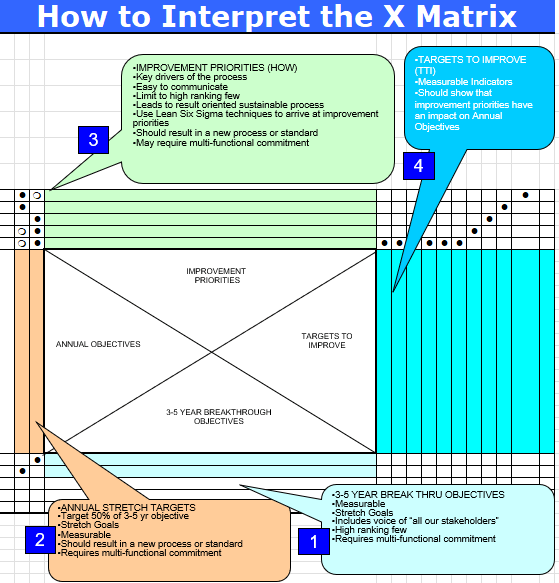

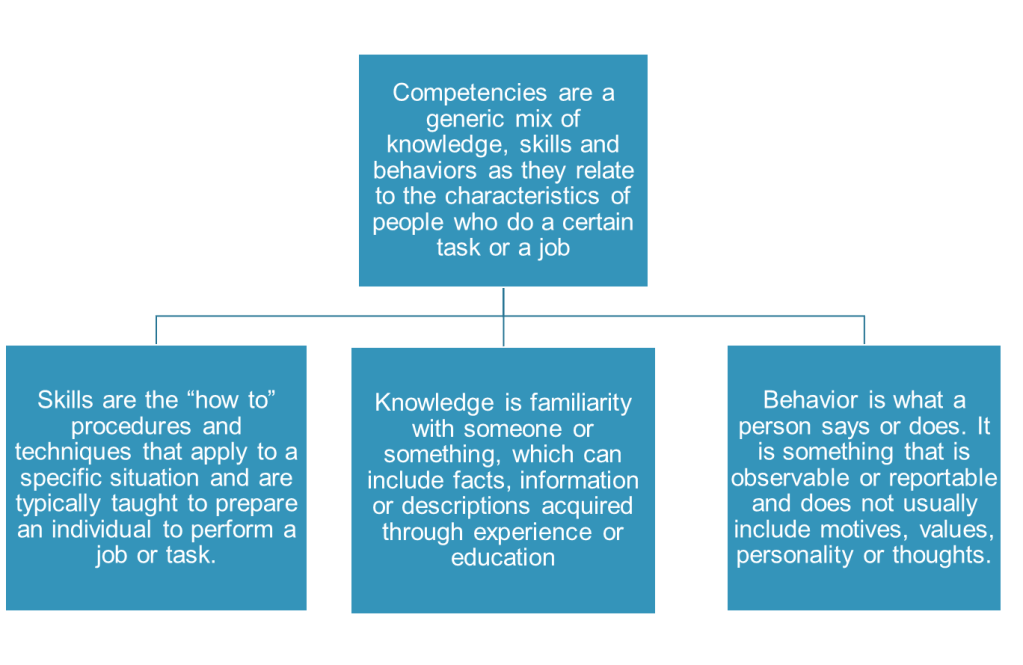
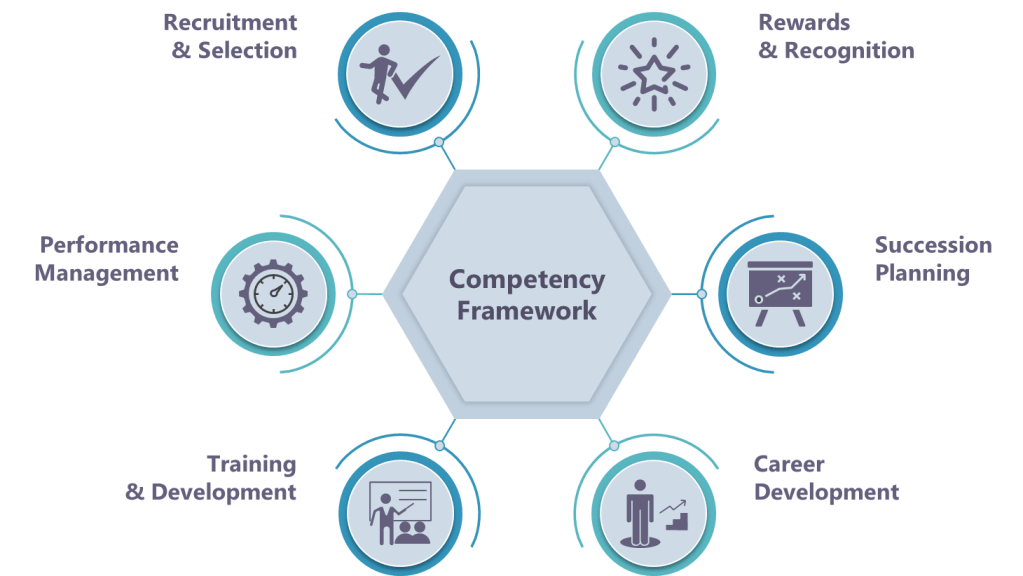
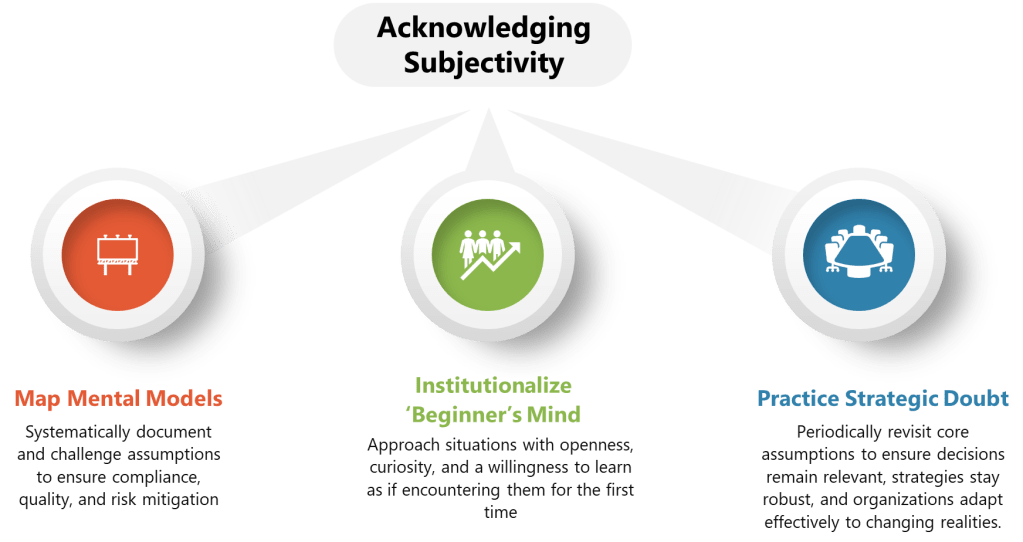
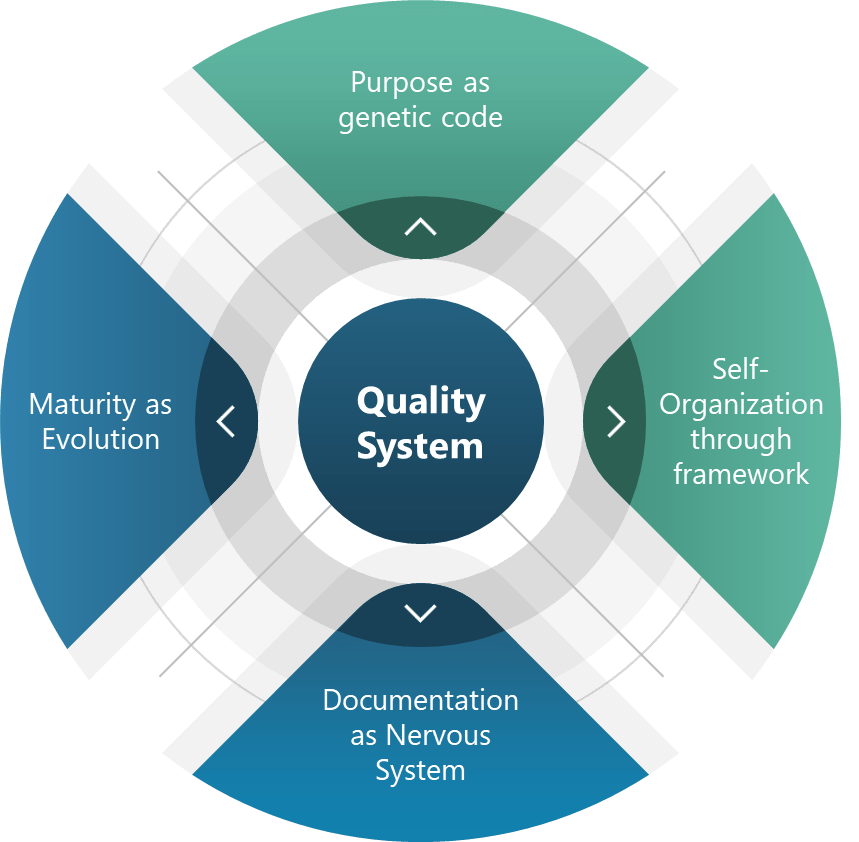


 Investigations of a Dog
.jpg)