As someone deeply embedded in the quality and regulatory systems that define our industry’s backbone, I’ve been a part of almost a dozen organizational upheavals in my 30 years, and witnessed from afar countless others. Some companies emerge stronger, their teams galvanized by new possibilities. Others fragment, losing critical talent and institutional knowledge just when they need it most. The difference invariably comes down to how leadership approaches the most human aspect of change: the emotional journey that every team member must navigate.
The Emotional Reality of Change
Let’s address what many executives prefer to sidestep: change is grief. When your familiar processes disappear, when trusted colleagues move to different roles, when the very systems you’ve mastered become obsolete—these losses are real and profound.The process of organizational grief follows a pattern similar to J. William Worden’s Four Tasks of Mourning: accepting the reality of what has been lost, processing the emotional pain of transition, adjusting to the new organizational reality, and finding ways to maintain connection to valuable aspects of the past while embracing the future.
In pharmaceutical M&As, this emotional cycle plays out with particular intensity. A quality manager who spent years perfecting validation protocols suddenly faces entirely new systems. A regulatory affairs specialist discovers their hard-won agency relationships may become irrelevant in a restructured organization. A manufacturing technician watches as decades of process knowledge gets labeled “legacy” and marked for replacement.
The instinct among well-meaning leaders is often to minimize these concerns or rush past them toward “more productive” discussions about synergies and efficiencies. This is a critical mistake. Research consistently shows that ignoring the emotional dimensions of change leads to higher resistance, decreased productivity, and catastrophic talent loss. In our industry, where specialized knowledge takes years to develop and regulatory missteps can cost millions, we cannot afford such oversight.
The Merger Reality Check
The numbers tell a sobering story. McKinsey research indicates that 47% of employees leave within the first year following a merger, with turnover reaching 75% within three years. In pharmaceutical companies, where regulatory expertise and process knowledge are irreplaceable assets, such exodus represents value destruction that far exceeds any projected synergies.
But these statistics reflect a choice, not an inevitability. Companies that approach M&A with genuine people-first principles achieve dramatically different outcomes. They recognize that every employee carries not just technical skills, but institutional memory, client relationships, and innovation potential that cannot be easily replaced.
Consider the emotional journey that unfolds in any significant merger. Initial excitement about growth opportunities quickly gives way to anxiety about job security. Questions multiply faster than answers: Will my role survive? Who will my new manager be? How will our proven quality systems integrate with theirs? The uncertainty creates what researchers call “change fatigue”—a state where even high-performing employees become disengaged and start planning their exit.
The Leadership Response: Compassion Meets Strategy
Effective leaders during transformation periods understand that acknowledging grief isn’t a sign of weakness—it’s a prerequisite for moving forward. Just as we would never expect someone who has lost a loved one to immediately return to peak performance, we cannot expect employees experiencing organizational loss to seamlessly adapt without support and time.
This doesn’t mean wallowing in nostalgia or avoiding necessary changes. Instead, it means creating space for honest dialogue about what’s being lost, what’s being gained, and how we’ll navigate the journey together. In practical terms, this involves several key strategies:
Transparent Communication as Foundation
Regular town halls, one-on-one conversations, and written updates that acknowledge both opportunities and challenges. Successful change requires consistent messaging about how the change will enhance rather than replace existing capabilities.
Structured Listening Programs
Creating formal mechanisms for employees to voice concerns, ask questions, and propose solutions. The best leaders understand that frontline employees often have the clearest view of integration challenges and opportunities.
Milestone Recognition
Celebrating both old achievements and new progress. This helps bridge the psychological gap between what was valuable before and what will be valuable going forward.
People Development as Transformation Strategy
Here’s where the opportunity truly lies: periods of organizational change, however challenging, represent unparalleled opportunities for individual growth and development. When done thoughtfully, transformation initiatives can accelerate employee capabilities in ways that benefit both individuals and organizations for years to come.
The most successful pharmaceutical companies approach M&A not as a cost-cutting exercise, but as a talent multiplication opportunity. They recognize that bringing together diverse teams with different expertise creates potential for innovation that neither organization could achieve alone.
Expanded Learning Opportunities
Mergers naturally create needs for new skills—from understanding different regulatory frameworks to mastering unfamiliar technologies. Forward-thinking companies invest heavily in training programs that help employees not just adapt, but excel in the expanded environment.
Cross-Functional Exposure
Integration projects provide unique opportunities for employees to work outside their usual domains. A quality assurance specialist might contribute to IT system selection. A regulatory affairs manager might help design new manufacturing processes. These experiences broaden skill sets and create more versatile, valuable team members.
Leadership Development Acceleration
Transformation periods naturally identify emerging leaders—those who step up during uncertainty, build bridges between different teams, and help others navigate change. Smart companies fast-track development programs for these individuals, recognizing that they represent the leadership pipeline for the integrated organization.
Innovation Through Integration
When teams from different companies combine their approaches, the result is often superior to either original method. This collaborative innovation process not only solves immediate integration challenges but builds creative problem-solving capabilities that benefit future projects.
The Regulatory Dimension
In our industry, change management takes on additional complexity due to regulatory requirements. Every process modification, system integration, or organizational restructure must comply with stringent guidelines from FDA, EMA, and other global agencies. This creates both challenges and opportunities for employee development.
The challenge is that regulatory compliance cannot be compromised during transition periods. Quality systems must remain validated, audit trails must stay intact, and critical processes cannot experience disruption. This constraint can make change feel slower and more bureaucratic than in other industries.
The opportunity, however, is significant. Employees who master change management within regulatory frameworks develop highly transferable skills. They learn to think systematically about risk, document decisions thoroughly, and maintain compliance while driving innovation. These capabilities are increasingly valuable as the industry embraces digital transformation and advanced manufacturing technologies.
Supporting Your People: Practical Strategies
Leading people through pharmaceutical industry changes requires specific, actionable approaches:
Create Psychological Safety Team members must feel safe to express concerns, admit knowledge gaps, and ask for help without fear of job loss or career damage. This is particularly crucial in our industry where admitting uncertainty about regulatory requirements or quality procedures can feel risky.
Provide Multiple Development Pathways Different employees will respond to change differently. Some thrive on new challenges, others prefer stability. Successful integration programs offer various ways for people to contribute and grow.
Maintain Connection to Purpose Help employees understand how their individual roles contribute to the larger mission of improving patient outcomes. This connection provides stability during periods of organizational flux.
Invest in Skill-Building Use integration challenges as opportunities to build capabilities that will serve employees throughout their careers. This might include project management skills, cross-cultural communication, or advanced technical training.
Recognize and Reward Adaptation Publicly acknowledge employees who embrace change, help others through transitions, or find innovative solutions to integration challenges. This reinforces the behaviors you want to see more of.
The Long View: Building Resilient Organizations
The pharmaceutical companies that will thrive in the coming decade aren’t just those with the strongest pipelines or the largest market caps—they’re the ones with the most adaptable, engaged, and continuously developing workforce. In an industry where change is accelerating due to technological advancement, regulatory evolution, and competitive pressure, organizational resilience depends entirely on people resilience.
This means shifting from viewing change as a necessary evil to embracing it as a competitive advantage. Companies that become excellent at helping their people navigate transitions don’t just survive disruption—they seek it out as a source of growth and innovation.
The most successful pharmaceutical leaders I’ve observed share a common trait: they understand that every change initiative is fundamentally a people development initiative. They ask not just “How do we integrate these systems?” but “How do we help our people become more capable through this integration?” They measure success not just in synergies captured but in employees retained, skills developed, and innovation unlocked.
Change in the pharmaceutical industry isn’t slowing down. If anything, the pace is accelerating as companies race to develop next-generation therapies, implement AI-driven processes, and adapt to evolving regulatory landscapes. The question isn’t whether your organization will face significant transitions—it’s whether you’ll use those transitions to strengthen your most valuable asset: your people.
The path forward requires courage to acknowledge the emotional reality of change, wisdom to invest in people development during difficult periods, and persistence to maintain focus on long-term capability building even when short-term pressures are intense. It means accepting that some sadness about what’s changing is not only normal but necessary—and that supporting people through that sadness is not just compassionate leadership, but strategic necessity.
As we navigate this era of transformation, let’s remember that behind every quality system, every regulatory filing, and every breakthrough therapy are real people with real concerns, real aspirations, and real potential. Our success in managing change will be measured not just by the deals we complete or the synergies we capture, but by the careers we launch, the capabilities we build, and the culture of continuous growth we create.
The future belongs to organizations that can transform while honoring their people, innovate while maintaining their values, and grow while nurturing the human connections that make all achievement possible. In an industry dedicated to healing, surely we can extend that same spirit of care to the transformation of our own organizations.
Just as magpies are attracted to shiny objects, collecting them without purpose or pattern, professionals often find themselves drawn to the latest tools, techniques, or technologies that promise quick fixes or dramatic improvements. We attend conferences, read articles, participate in webinars, and invariably come away with new tools to add to our professional toolkit.
This approach typically manifests in several recognizable patterns. You might see a quality professional enthusiastically implementing a fishbone diagram after attending a workshop, only to abandon it a month later for a new problem-solving methodology learned in a webinar. Or you’ve witnessed a manager who insists on using a particular project management tool simply because it worked well in their previous organization, regardless of its fit for current challenges. Even more common is the organization that accumulates a patchwork of disconnected tools over time – FMEA here, 5S there, with perhaps some Six Sigma tools sprinkled throughout – without a coherent strategy binding them together.
The consequences of this unsystematic approach are far-reaching. Teams become confused by constantly changing methodologies. Organizations waste resources on tools that don’t address fundamental needs and fail to build coherent quality systems that sustainably drive improvement. Instead, they create what might appear impressive on the surface but is fundamentally an incoherent collection of disconnected tools and techniques.
As I discussed in my recent post on methodologies, frameworks, and tools, this haphazard approach represents a fundamental misunderstanding of how effective quality systems function. The solution isn’t simply to stop acquiring new tools but to be deliberate and systematic in evaluating, selecting, and implementing them by starting with frameworks – the conceptual scaffolding that provides structure and guidance for our quality efforts – and working methodically toward appropriate tool selection.
I will outline a path from frameworks to tools in this post, utilizing the document pyramid as a structural guide. We’ll examine how the principles of sound systems design can inform this journey, how coherence emerges from thoughtful alignment of frameworks and tools, and how maturity models can help us track our progress. By the end, you’ll have a clear roadmap for transforming your organization’s approach to tool selection from random collection to strategic implementation.
Understanding the Hierarchy: Frameworks, Methodologies, and Tools
A framework provides a flexible structure that organizes concepts, principles, and practices to guide decision-making. Unlike methodologies, frameworks are not rigidly sequential; they provide a mental model or lens through which problems can be analyzed. Frameworks emphasize what needs to be addressed rather than how to address it.
A methodology is a systematic, step-by-step approach to solving problems or achieving objectives. It provides a structured sequence of actions, often grounded in theoretical principles, and defines how tasks should be executed. Methodologies are prescriptive, offering clear guidelines to ensure consistency and repeatability.
A tool is a specific technique, model, or instrument used to execute tasks within a methodology or framework. Tools are action-oriented and often designed for a singular purpose, such as data collection, analysis, or visualization.
How They Interrelate: Building a Cohesive Strategy
The relationship between frameworks, methodologies, and tools is not merely hierarchical but interconnected and synergistic. A framework provides the conceptual structure for understanding a problem, the methodology defines the execution plan, and tools enable practical implementation.
To illustrate this integration, consider how these elements work together in various contexts:
In Systems Thinking:
Framework: Systems theory identifies inputs, processes, outputs, and feedback loops
Tools: Design of Experiments (DoE) optimizes process parameters
Without frameworks, methodologies lack context and direction. Without methodologies, frameworks remain theoretical abstractions. Without tools, methodologies cannot be operationalized. The coherence and effectiveness of a quality management system depend on the proper alignment and integration of all three elements.
Understanding this hierarchy and interconnection is essential as we move toward establishing a deliberate path from frameworks to tools using the document pyramid structure.
The Document Pyramid: A Structure for Implementation
The document pyramid represents a hierarchical approach to organizing quality management documentation, which provides an excellent structure for mapping the path from frameworks to tools. In traditional quality systems, this pyramid typically consists of four levels: policies, procedures, work instructions, and records. However, I’ve found that adding an intermediate “program” level between policies and procedures creates a more effective bridge between high-level requirements and operational implementation.
Traditional Document Hierarchy in Quality Systems
Before examining the enhanced pyramid, let’s understand the traditional structure:
Policy Level: At the apex of the pyramid, policies establish the “what” – the requirements that must be met. They articulate the organization’s intentions, direction, and commitments regarding quality. Policies are typically broad, principle-based statements that apply across the organization.
Procedure Level: Procedures define the “who, what, when” of activities. They outline the sequence of steps, responsibilities, and timing for key processes. Procedures are more specific than policies but still focus on process flow rather than detailed execution.
Work Instruction Level: Work instructions provide the “how” – detailed steps for performing specific tasks. They offer step-by-step guidance for executing activities and are typically used by frontline staff directly performing the work.
Records Level: At the base of the pyramid, records provide evidence that work was performed according to requirements. They document the results of activities and serve as proof of compliance.
This structure establishes a logical flow from high-level requirements to detailed execution and documentation. However, in complex environments where requirements must be interpreted in various ways for different contexts, a gap often emerges between policies and procedures.
The Enhanced Pyramid: Adding the Program Level
To address this gap, I propose adding a “program” level between policies and procedures. The program level serves as a mapping requirement that shows the various ways to interpret high-level requirements for specific needs.
The beauty of the program document is that it helps translate from requirements (both internal and external) to processes and procedures. It explains how they interact and how they’re supported by technical assessments, risk management, and other control activities. Think of it as the design document and the connective tissue of your quality system.
With this enhanced structure, the document pyramid now consists of five levels:
Policy Level (frameworks): Establishes what must be done
Program Level (methodologies): Translates requirements into systems design
Procedure Level: Defines who, what, when of activities
Work Instruction Level (tools): Provides detailed how-to guidance
Records Level: Evidences that activities were performed
This enhanced pyramid provides a clear structure for mapping our journey from frameworks to tools.
Mapping Frameworks, Methodologies, and Tools to the Document Pyramid
When we overlay our hierarchy of frameworks, methodologies, and tools onto the document pyramid, we can see the natural alignment:
Frameworks operate at the Policy Level. They establish the conceptual structure and principles that guide the entire quality system. Policies articulate the “what” of quality management, just as frameworks define the “what” that needs to be addressed.
Methodologies align with the Program Level. They translate the conceptual guidance of frameworks into systematic approaches for implementation. The program level provides the connective tissue between high-level requirements and operational processes, similar to how methodologies bridge conceptual frameworks and practical tools.
Tools correspond to the Work Instruction Level. They provide specific techniques for executing tasks, just as work instructions detail exactly how to perform activities. Both are concerned with practical, hands-on implementation.
The Procedure Level sits between methodologies and tools, providing the organizational structure and process flow that guide tool selection and application. Procedures define who will use which tools, when they will be used, and in what sequence.
Finally, Records provide evidence of proper tool application and effectiveness. They document the results achieved through the application of tools within the context of methodologies and frameworks.
This mapping provides a structural framework for our journey from high-level concepts to practical implementation. It helps ensure that tool selection is not arbitrary but rather guided by and aligned with the organization’s overall quality framework and methodology.
Systems Thinking as a Meta-Framework
To guide our journey from frameworks to tools, we need a meta-framework that provides overarching principles for system design and evaluation. Systems thinking offers such a meta-framework, and I believe we can apply eight key principles that can be applied across the document pyramid to ensure coherence and effectiveness in our quality management system.
These eight principles form the foundation of effective system design, regardless of the specific framework, methodology, or tools employed:
Balance
Definition: The system creates value for multiple stakeholders. While the ideal is to develop a design that maximizes value for all key stakeholders, designers often must compromise and balance the needs of various stakeholders.
Application across the pyramid:
At the Policy/Framework level, balance ensures that quality objectives serve multiple organizational goals (compliance, customer satisfaction, operational efficiency)
At the Program/Methodology level, balance guides the design of systems that address diverse stakeholder needs
At the Work Instruction/Tool level, balance influences tool selection to ensure all stakeholder perspectives are considered
Congruence
Definition: The degree to which system components are aligned and consistent with each other and with other organizational systems, culture, plans, processes, information, resource decisions, and actions.
Application across the pyramid:
At the Policy/Framework level, congruence ensures alignment between quality frameworks and organizational strategy
At the Program/Methodology level, congruence guides the development of methodologies that integrate with existing systems
At the Work Instruction/Tool level, congruence ensures selected tools complement rather than contradict each other
Convenience
Definition: The system is designed to be as convenient as possible for participants to implement (a.k.a. user-friendly). The system includes specific processes, procedures, and controls only when necessary.
Application across the pyramid:
At the Policy/Framework level, convenience influences the selection of frameworks that suit organizational culture
At the Program/Methodology level, convenience shapes methodologies to be practical and accessible
At the Work Instruction/Tool level, convenience drives the selection of tools that users can easily adopt and apply
Coordination
Definition: System components are interconnected and harmonized with other (internal and external) components, systems, plans, processes, information, and resource decisions toward common action or effort. This goes beyond congruence and is achieved when individual components operate as a fully interconnected unit.
Application across the pyramid:
At the Policy/Framework level, coordination ensures frameworks complement each other
At the Program/Methodology level, coordination guides the development of methodologies that work together as an integrated system
At the Work Instruction/Tool level, coordination ensures tools are compatible and support each other
Elegance
Definition: Complexity vs. benefit — the system includes only enough complexity as necessary to meet stakeholders’ needs. In other words, keep the design as simple as possible but no simpler while delivering the desired benefits.
Application across the pyramid:
At the Policy/Framework level, elegance guides the selection of frameworks that provide sufficient but not excessive structure
At the Program/Methodology level, elegance shapes methodologies to include only necessary steps
At the Work Instruction/Tool level, elegance influences the selection of tools that solve problems without introducing unnecessary complexity
Human-Centered
Definition: Participants in the system are able to find joy, purpose, and meaning in their work.
Application across the pyramid:
At the Policy/Framework level, human-centeredness ensures frameworks consider human factors
At the Program/Methodology level, human-centeredness shapes methodologies to engage and empower participants
At the Work Instruction/Tool level, human-centeredness drives the selection of tools that enhance rather than diminish human capabilities
Definition: Knowledge management, with opportunities for reflection and learning (learning loops), is designed into the system. Reflection and learning are built into the system at key points to encourage single- and double-loop learning from experience.
Application across the pyramid:
At the Policy/Framework level, learning influences the selection of frameworks that promote improvement
At the Program/Methodology level, learning shapes methodologies to include feedback mechanisms
At the Work Instruction/Tool level, learning drives the selection of tools that generate insights and promote knowledge creation
Sustainability
Definition: The system effectively meets the near- and long-term needs of current stakeholders without compromising the ability of future generations of stakeholders to meet their own needs.
Application across the pyramid:
At the Policy/Framework level, sustainability ensures frameworks consider long-term viability
At the Program/Methodology level, sustainability shapes methodologies to create lasting value
At the Work Instruction/Tool level, sustainability influences the selection of tools that provide enduring benefits
These eight principles serve as evaluation criteria throughout our journey from frameworks to tools. They help ensure that each level of the document pyramid contributes to a coherent, effective, and sustainable quality system.
Systems Thinking and the Five Key Questions
In addition to these eight principles, systems thinking guides us to ask five key questions that apply across the document pyramid:
What is the purpose of the system? What happens in the system?
What is the system? What’s inside? What’s outside? Set the boundaries, the internal elements, and elements of the system’s environment.
What are the internal structure and dependencies?
How does the system behave? What are the system’s emergent behaviors, and do we understand their causes and dynamics?
What is the context? Usually in terms of bigger systems and interacting systems.
Answering these questions at each level of the document pyramid helps ensure alignment and coherence. For example:
At the Policy/Framework level, we ask about the overall purpose of our quality system, its boundaries, and its context within the broader organization
At the Program/Methodology level, we define the internal structure and dependencies of specific quality initiatives
At the Work Instruction/Tool level, we examine how individual tools contribute to system behavior and objectives
By applying systems thinking principles and questions throughout our journey from frameworks to tools, we create a coherent quality system rather than a collection of disconnected elements.
Coherence in Quality Systems
Coherence goes beyond mere alignment or consistency. While alignment ensures that different elements point in the same direction, coherence creates a deeper harmony where components work together to produce emergent properties that transcend their individual contributions.
In quality systems, coherence means that our frameworks, methodologies, and tools don’t merely align on paper but actually work together organically to produce desired outcomes. The parts reinforce each other, creating a whole that is greater than the sum of its parts.
Building Coherence Through the Document Pyramid
The enhanced document pyramid provides an excellent structure for building coherence in quality systems. Each level must not only align with those above and below it but also contribute to the emergent properties of the whole system.
At the Policy/Framework level, coherence begins with selecting frameworks that complement each other and align with organizational context. For example, combining systems thinking with Quality by Design creates a more coherent foundation than either framework alone.
At the Program/Methodology level, coherence develops through methodologies that translate framework principles into practical approaches while maintaining their essential character. The program level is where we design systems that build order through their function rather than through rigid control.
At the Procedure level, coherence requires processes that flow naturally from methodologies while addressing practical organizational needs. Procedures should feel like natural expressions of higher-level principles rather than arbitrary rules.
At the Work Instruction/Tool level, coherence depends on selecting tools that embody the principles of chosen frameworks and methodologies. Tools should not merely execute tasks but reinforce the underlying philosophy of the quality system.
Throughout the pyramid, coherence is enhanced by using similar building blocks across systems. Risk management, data integrity, and knowledge management can serve as common elements that create consistency while allowing for adaptation to specific contexts.
The Framework-to-Tool Path: A Structured Approach
Building on the foundations we’ve established – the hierarchy of frameworks, methodologies, and tools; the enhanced document pyramid; systems thinking principles; and coherence concepts – we can now outline a structured approach for moving from frameworks to tools in a deliberate and coherent manner.
Step 1: Framework Selection Based on System Needs
The journey begins at the Policy level with the selection of appropriate frameworks. This selection should be guided by organizational context, strategic objectives, and the nature of the challenges being addressed.
Key considerations in framework selection include:
System Purpose: What are we trying to achieve? Different frameworks emphasize different aspects of quality (e.g., risk reduction, customer satisfaction, operational excellence).
System Context: What is our operating environment? Regulatory requirements, industry standards, and market conditions all influence framework selection.
Stakeholder Needs: Whose interests must be served? Frameworks should balance the needs of various stakeholders, from customers and employees to regulators and shareholders.
Organizational Culture: What approaches will resonate with our people? Frameworks should align with organizational values and ways of working.
Examples of quality frameworks include Systems Thinking, Quality by Design (QbD), Total Quality Management (TQM), and various ISO standards. Organizations often adopt multiple complementary frameworks to address different aspects of their quality system.
The output of this step is a clear articulation of the selected frameworks in policy documents that establish the conceptual foundation for all subsequent quality efforts.
Step 2: Translating Frameworks to Methodologies
At the Program level, we translate the selected frameworks into methodologies that provide systematic approaches for implementation. This translation occurs through program documents that serve as connective tissue between high-level principles and operational procedures.
Key activities in this step include:
Framework Interpretation: How do our chosen frameworks apply to our specific context? Program documents explain how framework principles translate into organizational approaches.
Methodology Selection: What systematic approaches will implement our frameworks? Examples include Six Sigma (DMAIC), 8D problem-solving, and various risk management methodologies.
System Design: How will our methodologies work together as a coherent system? Program documents outline the interconnections and dependencies between different methodologies.
Resource Allocation: What resources are needed to support these methodologies? Program documents identify the people, time, and tools required for successful implementation.
The output of this step is a set of program documents that define the methodologies to be employed across the organization, explaining how they embody the chosen frameworks and how they work together as a coherent system.
Step 3: The Document Pyramid as Implementation Structure
With frameworks translated into methodologies, we use the document pyramid to structure their implementation throughout the organization. This involves creating procedures, work instructions, and records that bring methodologies to life in day-to-day operations.
Key aspects of this step include:
Procedure Development: At the Procedure level, we define who does what, when, and in what sequence. Procedures establish the process flows that implement methodologies without specifying detailed steps.
Work Instruction Creation: At the Work Instruction level, we provide detailed guidance on how to perform specific tasks. Work instructions translate methodological steps into practical actions.
Record Definition: At the Records level, we establish what evidence will be collected to demonstrate that processes are working as intended. Records provide feedback for evaluation and improvement.
The document pyramid ensures that there’s a clear line of sight from high-level frameworks to day-to-day activities, with each level providing appropriate detail for its intended audience and purpose.
Step 4: Tool Selection Criteria Derived from Higher Levels
With the structure in place, we can now establish criteria for tool selection that ensure alignment with frameworks and methodologies. These criteria are derived from the higher levels of the document pyramid, ensuring that tool selection serves overall system objectives.
Key criteria for tool selection include:
Framework Alignment: Does the tool embody the principles of our chosen frameworks? Tools should reinforce rather than contradict the conceptual foundation of the quality system.
Methodological Fit: Does the tool support the systematic approach defined in our methodologies? Tools should be appropriate for the specific methodology they’re implementing.
System Integration: Does the tool integrate with other tools and systems? Tools should contribute to overall system coherence rather than creating silos.
User Needs: Does the tool address the needs and capabilities of its users? Tools should be accessible and valuable to the people who will use them.
Value Contribution: Does the tool provide value that justifies its cost and complexity? Tools should deliver benefits that outweigh their implementation and maintenance costs.
These criteria ensure that tool selection is guided by frameworks and methodologies rather than by trends or personal preferences.
Step 5: Evaluating Tools Against Framework Principles
Finally, we evaluate specific tools against our selection criteria and the principles of good systems design. This evaluation ensures that the tools we choose not only fulfill specific functions but also contribute to the coherence and effectiveness of the overall quality system.
For each tool under consideration, we ask:
Balance: Does this tool address the needs of multiple stakeholders, or does it serve only limited interests?
Congruence: Is this tool aligned with our frameworks, methodologies, and other tools?
Convenience: Is this tool user-friendly and practical for regular use?
Coordination: Does this tool work harmoniously with other components of our system?
Elegance: Does this tool provide sufficient functionality without unnecessary complexity?
Human-Centered: Does this tool enhance rather than diminish the human experience?
Learning: Does this tool provide opportunities for reflection and improvement?
Sustainability: Will this tool provide lasting value, or will it quickly become obsolete?
Tools that score well across these dimensions are more likely to contribute to a coherent and effective quality system than those that excel in only one or two areas.
The result of this structured approach is a deliberate path from frameworks to tools that ensures coherence, effectiveness, and sustainability in the quality system. Each tool is selected not in isolation but as part of a coherent whole, guided by frameworks and methodologies that provide context and direction.
Maturity Models: Tracking Implementation Progress
As organizations implement the framework-to-tool path, they need ways to assess their progress and identify areas for improvement. Maturity models provide structured frameworks for this assessment, helping organizations benchmark their current state and plan their development journey.
Understanding Maturity Models as Assessment Frameworks
Maturity models are structured frameworks used to assess the effectiveness, efficiency, and adaptability of an organization’s processes. They provide a systematic methodology for evaluating current capabilities and guiding continuous improvement efforts.
Key characteristics of maturity models include:
Assessment and Classification: Maturity models help organizations understand their current process maturity level and identify areas for improvement.
Guiding Principles: These models emphasize a process-centric approach focused on continuous improvement, aligning improvements with business goals, standardization, measurement, stakeholder involvement, documentation, training, technology enablement, and governance.
Incremental Levels: Maturity models typically define a progression through distinct levels, each building on the capabilities of previous levels.
The Business Process Maturity Model (BPMM)
The Business Process Maturity Model is a structured framework for assessing and improving the maturity of an organization’s business processes. It provides a systematic methodology to evaluate the effectiveness, efficiency, and adaptability of processes within an organization, guiding continuous improvement efforts.
The BPMM typically consists of five incremental levels, each building on the previous one:
Initial Level: Ad-hoc Tool Selection
At this level, tool selection is chaotic and unplanned. Organizations exhibit these characteristics:
Tools are selected arbitrarily without connection to frameworks or methodologies
Different departments use different tools for similar purposes
There’s limited understanding of the relationship between frameworks, methodologies, and tools
Documentation is inconsistent and often incomplete
The “magpie syndrome” is in full effect, with tools collected based on current trends or personal preferences
Managed Level: Consistent but Localized Selection
At this level, some structure emerges, but it remains limited in scope:
Basic processes for tool selection are established but may not fully align with organizational frameworks
Some risk assessment is used in tool selection, but not consistently
Subject matter experts are involved in selection, but their roles are unclear
There’s increased awareness of the need for justification in tool selection
Tools may be selected consistently within departments but vary across the organization
Standardized Level: Organization-wide Approach
At this level, a consistent approach to tool selection is implemented across the organization:
Tool selection processes are standardized and align with organizational frameworks
Risk-based approaches are consistently used to determine tool requirements and priorities
Subject matter experts are systematically involved in the selection process
The concept of the framework-to-tool path is understood and applied
The document pyramid is used to structure implementation
At this level, quantitative measures are used to guide and evaluate tool selection:
Key Performance Indicators (KPIs) for tool effectiveness are established and regularly monitored
Data-driven decision-making is used to continually improve tool selection processes
Advanced risk management techniques predict and mitigate potential issues with tool implementation
There’s a strong focus on leveraging supplier documentation and expertise to streamline tool selection
Engineering procedures for quality activities are formalized and consistently applied
Return on investment calculations guide tool selection decisions
Optimizing Level: Continuous Improvement in Selection Process
At the highest level, the organization continuously refines its approach to tool selection:
There’s a culture of continuous improvement in tool selection processes
Innovation in selection approaches is encouraged while maintaining alignment with frameworks
The organization actively contributes to developing industry best practices in tool selection
Tool selection activities are seamlessly integrated with other quality management systems
Advanced technologies may be leveraged to enhance selection strategies
The organization regularly reassesses its frameworks and methodologies, adjusting tool selection accordingly
Applying Maturity Models to Tool Selection Processes
To effectively apply these maturity models to the framework-to-tool path, organizations should:
Assess Current State: Evaluate your current tool selection practices against the maturity model levels. Identify your organization’s position on each dimension.
Identify Gaps: Determine the gap between your current state and desired future state. Prioritize areas for improvement based on strategic objectives and available resources.
Develop Improvement Plan: Create a roadmap for advancing to higher maturity levels. Define specific actions, responsibilities, and timelines.
Implement Changes: Execute the improvement plan, monitoring progress and adjusting as needed.
Reassess Regularly: Periodically reassess maturity levels to track progress and identify new improvement opportunities.
By using maturity models to guide the evolution of their framework-to-tool path, organizations can move systematically from ad-hoc tool selection to a mature, deliberate approach that ensures coherence and effectiveness in their quality systems.
Practical Implementation Strategy
Translating the framework-to-tool path from theory to practice requires a structured implementation strategy. This section outlines a practical approach for organizations at any stage of maturity, from those just beginning their journey to those refining mature systems.
Assessing Current State of Tool Selection Practices
Before implementing changes, organizations must understand their current approach to tool selection. This assessment should examine:
Documentation Structure: Does your organization have a defined document pyramid? Are there clear policies, programs, procedures, work instructions, and records?
Framework Clarity: Have you explicitly defined the frameworks that guide your quality efforts? Are these frameworks documented and understood by key stakeholders?
Selection Processes: How are tools currently selected? Who makes these decisions, and what criteria do they use?
Coherence Evaluation: To what extent do your current tools work together as a coherent system rather than a collection of individual instruments?
Maturity Level: Sssess your organization’s current maturity in tool selection practices.
This assessment provides a baseline from which to measure progress and identify priority areas for improvement. It should involve stakeholders from across the organization to ensure a comprehensive understanding of current practices.
Identifying Framework Gaps and Misalignments
With a clear understanding of current state, the next step is to identify gaps and misalignments in your framework-to-tool path:
Framework Definition Gaps: Are there areas where frameworks are undefined or unclear? Do stakeholders have a shared understanding of guiding principles?
Translation Breaks: Are frameworks effectively translated into methodologies through program-level documents? Is there a clear connection between high-level principles and operational approaches?
Procedure Inconsistencies: Do procedures align with defined methodologies? Do they provide clear guidance on who, what, and when without overspecifying how?
Tool-Framework Misalignments: Do current tools align with and support organizational frameworks? Are there tools that contradict or undermine framework principles?
Document Hierarchy Gaps: Are there missing or inconsistent elements in your document pyramid? Are connections between levels clearly established?
These gaps and misalignments highlight areas where the framework-to-tool path needs strengthening. They become the focus of your implementation strategy.
Documenting the Selection Process Through the Document Pyramid
With gaps identified, the next step is to document a structured approach to tool selection using the document pyramid:
Policy Level: Develop policy documents that clearly articulate your chosen frameworks and their guiding principles. These documents should establish the “what” of your quality system without specifying the “how”.
Program Level: Create program documents that translate frameworks into methodologies. These documents should serve as connective tissue, showing how frameworks are implemented through systematic approaches.
Procedure Level: Establish procedures for tool selection that define roles, responsibilities, and process flow. These procedures should outline who is involved in selection decisions, what criteria they use, and when these decisions occur.
Work Instruction Level: Develop detailed work instructions for tool evaluation and implementation. These should provide step-by-step guidance for assessing tools against selection criteria and implementing them effectively.
Records Level: Define the records to be maintained throughout the tool selection process. These provide evidence that the process is being followed and create a knowledge base for future decisions.
This documentation creates a structured framework-to-tool path that guides all future tool selection decisions.
Creating Tool Selection Criteria Based on Framework Principles
With the process documented, the next step is to develop specific criteria for evaluating potential tools:
Framework Alignment: How well does the tool embody and support your chosen frameworks? Does it contradict any framework principles?
Methodological Fit: Is the tool appropriate for your defined methodologies? Does it support the systematic approaches outlined in your program documents?
Systems Principles Application: How does the tool perform against the eight principles of good systems (Balance, Congruence, Convenience, Coordination, Elegance, Human-Centered, Learning, Sustainability)?
Integration Capability: How well does the tool integrate with existing systems and other tools? Does it contribute to system coherence or create silos?
User Experience: Is the tool accessible and valuable to its intended users? Does it enhance rather than complicate their work?
Value Proposition: Does the tool provide value that justifies its cost and complexity? What specific benefits does it deliver, and how do these align with organizational objectives?
These criteria should be documented in your procedures and work instructions, providing a consistent framework for evaluating all potential tools.
Implementing Review Processes for Tool Efficacy
Once tools are selected and implemented, ongoing review ensures they continue to deliver value and remain aligned with frameworks:
Regular Assessments: Establish a schedule for reviewing existing tools against framework principles and selection criteria. This might occur annually or when significant changes in context occur.
Performance Metrics: Define and track metrics that measure each tool’s effectiveness and contribution to system objectives. These metrics should align with the specific value proposition identified during selection.
User Feedback Mechanisms: Create channels for users to provide feedback on tool effectiveness and usability. This feedback is invaluable for identifying improvement opportunities.
Improvement Planning: Develop processes for addressing identified issues, whether through tool modifications, additional training, or tool replacement.
These review processes ensure that the framework-to-tool path remains effective over time, adapting to changing needs and contexts.
Tracking Maturity Development Using Appropriate Models
Finally, organizations should track their progress in implementing the framework-to-tool path using maturity models:
Maturity Assessment: Regularly assess your organization’s maturity using the BPMM, PEMM, or similar models. Document current levels across all dimensions.
Gap Analysis: Identify gaps between current and desired maturity levels. Prioritize these gaps based on strategic importance and feasibility.
Improvement Roadmap: Develop a roadmap for advancing to higher maturity levels. This roadmap should include specific initiatives, timelines, and responsibilities.
Progress Tracking: Monitor implementation of the roadmap, tracking progress toward higher maturity levels. Adjust strategies as needed based on results and changing circumstances.
By systematically tracking maturity development, organizations can ensure continuous improvement in their framework-to-tool path, gradually moving from ad-hoc selection to a fully optimized approach.
This practical implementation strategy provides a structured approach to establishing and refining the framework-to-tool path. By following these steps, organizations at any maturity level can improve the coherence and effectiveness of their tool selection processes.
Common Pitfalls and How to Avoid Them
While implementing the framework-to-tool path, organizations often encounter several common pitfalls that can undermine their efforts. Understanding these challenges and how to address them is essential for successful implementation.
The Technology-First Trap
Pitfall: One of the most common errors is selecting tools based on technological appeal rather than alignment with frameworks and methodologies. This “technology-first” approach is the essence of the magpie syndrome, where organizations are attracted to shiny new tools without considering their fit within the broader system.
Signs you’ve fallen into this trap:
Tools are selected primarily based on features and capabilities
Framework and methodology considerations come after tool selection
Selection decisions are driven by technical teams without broader input
New tools are implemented because they’re trendy, not because they address specific needs
How to avoid it:
Always start with frameworks and methodologies, not tools
Establish clear selection criteria based on framework principles
Involve diverse stakeholders in selection decisions, not just technical experts
Require explicit alignment with frameworks for all tool selections
Use the five key questions of system design to evaluate any new technology
Ignoring the Human Element in Tool Selection
Pitfall: Tools are ultimately used by people, yet many organizations neglect the human element in selection decisions. Tools that are technically powerful but difficult to use or that undermine human capabilities often fail to deliver expected benefits.
Signs you’ve fallen into this trap:
User experience is considered secondary to technical capabilities
Training and change management are afterthoughts
Tools require extensive workarounds in practice
Users develop “shadow systems” to circumvent official tools
High resistance to adoption despite technical superiority
How to avoid it:
Include users in the selection process from the beginning
Evaluate tools against the “Human” principle of good systems
Consider the full user journey, not just isolated tasks
Prioritize adoption and usability alongside technical capabilities
Be empathetic with users, understanding their situation and feelings
Implement appropriate training and support mechanisms
Balance standardization with flexibility to accommodate user needs
Inconsistency Between Framework and Tools
Pitfall: Even when organizations start with frameworks, they often select tools that contradict framework principles or undermine methodological approaches. This inconsistency creates confusion and reduces effectiveness.
Signs you’ve fallen into this trap:
Tools enforce processes that conflict with stated methodologies
Multiple tools implement different approaches to the same task
Framework principles are not reflected in daily operations
Disconnection between policy statements and operational reality
Confusion among staff about “the right way” to approach tasks
How to avoid it:
Explicitly map tool capabilities to framework principles during selection
Use the program level of the document pyramid to ensure proper translation from frameworks to tools
Create clear traceability from frameworks to methodologies to tools
Regularly audit tools for alignment with frameworks
Address inconsistencies promptly through reconfiguration, replacement, or reconciliation
Pitfall: Without proper coordination, different levels of the quality system can become misaligned. Policies may say one thing, procedures another, and tools may enforce yet a third approach.
Signs you’ve fallen into this trap:
Procedures don’t reflect policy requirements
Tools enforce processes different from documented procedures
Records don’t provide evidence of policy compliance
Different departments interpret frameworks differently
Audit findings frequently identify inconsistencies between levels
How to avoid it:
Use the enhanced document pyramid to create clear connections between levels
Ensure each level properly translates requirements from the level above
Review all system levels together when making changes
Establish governance mechanisms that ensure alignment
Create visual mappings that show relationships between levels
Implement regular cross-level reviews
Use the “Congruence” and “Coordination” principles to evaluate alignment
Lack of Documentation and Institutional Memory
Pitfall: Many organizations fail to document their framework-to-tool path adequately, leading to loss of institutional memory when key personnel leave. Without documentation, decisions seem arbitrary and inconsistent over time.
Signs you’ve fallen into this trap:
Selection decisions are not documented with clear rationales
Framework principles exist but are not formally recorded
Tool implementations vary based on who led the project
Tribal knowledge dominates over documented processes
New staff struggle to understand the logic behind existing systems
How to avoid it:
Document all elements of the framework-to-tool path in the document pyramid
Record selection decisions with explicit rationales
Create and maintain framework and methodology documentation
Establish knowledge management practices for preserving insights
Use the “Learning” principle to build reflection and documentation into processes
Implement succession planning for key roles
Create orientation materials that explain frameworks and their relationship to tools
Failure to Adapt: The Static System Problem
Pitfall: Some organizations successfully implement a framework-to-tool path but then treat it as static, failing to adapt to changing contexts and requirements. This rigidity eventually leads to irrelevance and bypassing of formal systems.
Signs you’ve fallen into this trap:
Frameworks haven’t been revisited in years despite changing context
Tools are maintained long after they’ve become obsolete
Increasing use of “exceptions” and workarounds
Growing gap between formal processes and actual work
Resistance to new approaches because “that’s not how we do things”
How to avoid it:
Schedule regular reviews of frameworks and methodologies
Use the “Learning” and “Sustainability” principles to build adaptation into systems2
Establish processes for evaluating and incorporating new approaches
Monitor external developments in frameworks, methodologies, and tools
Create feedback mechanisms that capture changing needs
Develop change management capabilities for system evolution
Use maturity models to guide continuous improvement
By recognizing and addressing these common pitfalls, organizations can increase the effectiveness of their framework-to-tool path implementation. The key is maintaining vigilance against these tendencies and establishing practices that reinforce the principles of good system design.
Case Studies: Success Through Deliberate Selection
To illustrate the practical application of the framework-to-tool path, let’s examine three case studies from different industries. These examples demonstrate how organizations have successfully implemented deliberate tool selection guided by frameworks, with measurable benefits to their quality systems.
Case Study 1: Pharmaceutical Manufacturing Quality System Redesign
Organization: A mid-sized pharmaceutical manufacturer facing increasing regulatory scrutiny and operational inefficiencies.
Initial Situation: The company had accumulated dozens of quality tools over the years, with minimal coordination between them. Documentation was extensive but inconsistent, and staff complained about “check-box compliance” that added little value. Different departments used different approaches to similar problems, and there was no clear alignment between high-level quality objectives and daily operations.
Framework-to-Tool Path Implementation:
Framework Selection: The organization adopted a dual framework approach combining ICH Q10 (Pharmaceutical Quality System) with Systems Thinking principles. These frameworks were documented in updated quality policies that emphasized a holistic approach to quality.
Methodology Translation: At the program level, they developed a Quality System Master Plan that translated these frameworks into specific methodologies, including risk-based decision-making, knowledge management, and continuous improvement. This document served as connective tissue between frameworks and operational procedures.
Procedure Development: Procedures were redesigned to align with the selected methodologies, clearly defining roles, responsibilities, and processes. These procedures emphasized what needed to be done and by whom without overspecifying how tasks should be performed.
Tool Selection: Tools were evaluated against criteria derived from the frameworks and methodologies. This evaluation led to the elimination of redundant tools, reconfiguration of others, and the addition of new tools where gaps existed. Each tool was documented in work instructions that connected it to higher-level requirements.
Maturity Tracking: The organization used PEMM to assess their initial maturity and track progress over time, developing a roadmap for advancing from P-2 (basic standardization) to P-4 (optimization).
Results: Two years after implementation, the organization achieved:
30% decrease in deviation investigations through improved root cause analysis
Successful regulatory inspections with zero findings
Improved staff engagement in quality activities
Advancement from P-2 to P-3 on the PEMM maturity scale
Key Lessons:
The program-level documentation was crucial for translating frameworks into operational practices
The deliberate evaluation of tools against framework principles eliminated many inefficiencies
Maturity modeling provided a structured approach to continuous improvement
Executive sponsorship and cross-functional involvement were essential for success
Case Study 2: Medical Device Design Transfer Process
Organization: A growing medical device company struggling with inconsistent design transfer from R&D to manufacturing.
Initial Situation: The design transfer process involved multiple departments using different tools and approaches, resulting in delays, quality issues, and frequent rework. Teams had independently selected tools based on familiarity rather than appropriateness, creating communication barriers and inconsistent outputs.
Framework-to-Tool Path Implementation:
Framework Selection: The organization adopted the Quality by Design (QbD) framework integrated with Design Controls requirements from 21 CFR 820.30. These frameworks were documented in a new Design Transfer Policy that established principles for knowledge-based transfer.
Methodology Translation: A Design Transfer Program document was created to translate these frameworks into methodologies, specifically Stage-Gate processes, Risk-Based Design Transfer, and Knowledge Management methodologies. This document mapped how different approaches would work together across the product lifecycle.
Procedure Development: Cross-functional procedures defined responsibilities across departments and established standardized transfer points with clear entrance and exit criteria. These procedures created alignment without dictating specific technical approaches.
Tool Selection: Tools were evaluated against framework principles and methodological requirements. This led to standardization on a core set of tools, including Design Failure Mode Effects Analysis (DFMEA), Process Failure Mode Effects Analysis (PFMEA), Design of Experiments (DoE), and Statistical Process Control (SPC). Each tool was documented with clear connections to higher-level requirements.
Maturity Tracking: The organization used BPMM to assess and track their maturity in the design transfer process, initially identifying themselves at Level 2 (Managed) with a goal of reaching Level 4 (Predictable).
Results: 18 months after implementation, the organization achieved:
50% reduction in design transfer cycle time
60% reduction in manufacturing defects related to design transfer issues
Improved first-time-right performance in initial production runs
Better cross-functional collaboration and communication
Advancement from Level 2 to Level 3+ on the BPMM scale
Key Lessons:
The QbD framework provided a powerful foundation for selecting appropriate tools
Standardizing on a core toolset improved cross-functional communication
The program document was essential for creating a coherent approach
Regular maturity assessments helped maintain momentum for improvement
Lessons Learned from Successful Implementations
Across these diverse case studies, several common factors emerge as critical for successful implementation of the framework-to-tool path:
Executive Sponsorship: In all cases, senior leadership commitment was essential for establishing frameworks and providing resources for implementation.
Cross-Functional Involvement: Successful implementations involved stakeholders from multiple departments to ensure comprehensive perspective and buy-in.
Program-Level Documentation: The program level of the document pyramid consistently proved crucial for translating frameworks into operational approaches.
Deliberate Tool Evaluation: Taking the time to systematically evaluate tools against framework principles and methodological requirements led to more coherent and effective toolsets.
Maturity Modeling: Using maturity models to assess current state, set targets, and track progress provided structure and momentum for continuous improvement.
Balanced Standardization: Successful implementations balanced the need for standardization with appropriate flexibility for different contexts.
Clear Documentation: Comprehensive documentation of the framework-to-tool path created transparency and institutional memory.
Continuous Assessment: Regular evaluation of tool effectiveness against framework principles ensured ongoing alignment and adaptation.
These lessons provide valuable guidance for organizations embarking on their own journey from frameworks to tools. By following these principles and adapting them to their specific context, organizations can achieve similar benefits in quality, efficiency, and effectiveness.
Summary of Key Principles
Several fundamental principles emerge as essential for establishing an effective framework-to-tool path:
Start with Frameworks: Begin with the conceptual foundations that provide structure and guidance for your quality system. Frameworks establish the “what” and “why” before addressing the “how”.
Use the Document Pyramid: The enhanced document pyramid – with policies, programs, procedures, work instructions, and records – provides a coherent structure for implementing your framework-to-tool path.
Apply Systems Thinking: The eight principles of good systems (Balance, Congruence, Convenience, Coordination, Elegance, Human-Centered, Learning, Sustainability) serve as evaluation criteria throughout the journey.
Build Coherence: True coherence goes beyond alignment, creating systems that build order through their function rather than through rigid control.
Think Before Implementing: Understand system purpose, structure, behavior, and context – rather than simply implementing technology.
Follow a Structured Approach: The five-step approach (Framework Selection → Methodology Translation → Document Pyramid Implementation → Tool Selection Criteria → Tool Evaluation) provides a systematic path from concepts to implementation.
Track Maturity: Maturity models help assess current state and guide continuous improvement in your framework-to-tool path.
These principles provide a foundation for transforming tool selection from a haphazard collection of shiny objects to a deliberate implementation of coherent strategy.
The Value of Deliberate Selection in Professional Practice
The deliberate selection of tools based on frameworks offers numerous benefits over the “magpie” approach:
Coherence: Tools work together as an integrated system rather than a collection of disconnected parts.
Effectiveness: Tools directly support strategic objectives and methodological approaches.
Efficiency: Redundancies are eliminated, and resources are focused on tools that provide the greatest value.
Sustainability: The system adapts and evolves while maintaining its essential character and purpose.
Engagement: Staff understand the “why” behind tools, increasing buy-in and proper utilization.
Learning: The system incorporates feedback and continuously improves based on experience.
These benefits translate into tangible outcomes: better quality, lower costs, improved regulatory compliance, enhanced customer satisfaction, and increased organizational capability.
Next Steps for Implementing in Your Organization
If you’re ready to implement the framework-to-tool path in your organization, consider these practical next steps:
Assess Current State: Evaluate your current approach to tool selection using the maturity models described earlier. Identify your organization’s maturity level and key areas for improvement.
Document Existing Frameworks: Identify and document the frameworks that currently guide your quality efforts, whether explicit or implicit. These form the foundation for your path.
Enhance Your Document Pyramid: Review your documentation structure to ensure it includes all necessary levels, particularly the crucial program level that connects frameworks to operational practices.
Develop Selection Criteria: Based on your frameworks and the principles of good systems, create explicit criteria for tool selection and document these criteria in your procedures.
Evaluate Current Tools: Assess your existing toolset against these criteria, identifying gaps, redundancies, and misalignments. Based on this evaluation, develop an improvement plan.
Create a Maturity Roadmap: Develop a roadmap for advancing your organization’s maturity in tool selection. Define specific initiatives, timelines, and responsibilities.
Implement and Monitor: Execute your improvement plan, tracking progress against your maturity roadmap. Adjust strategies based on results and changing circumstances.
These steps will help you establish a deliberate path from frameworks to tools that enhances the coherence and effectiveness of your quality system.
The journey from frameworks to tools represents a fundamental shift from the “magpie syndrome” of haphazard tool collection to a deliberate approach that creates coherent, effective quality systems. Organizations can transform their tool selection processes by following the principles and techniques outlined here and significantly improve quality, efficiency, and effectiveness. The document pyramid provides the structure, maturity models track the progress, and systems thinking principles guide the journey. The result is better tool selection and a truly integrated quality system that delivers sustainable value.
In modern organizational dynamics, complacency operates as a silent saboteur—eroding innovation, stifling growth, and undermining the very foundations of quality culture. Defined as a state of self-satisfaction paired with unawareness of deficiencies, complacency creates cyclical patterns that perpetuate mediocrity and resistance to change. When left unchecked, these cycles corrode organizational resilience, diminish stakeholder trust, and jeopardize long-term viability. Conversely, a robust quality culture—characterized by shared values prioritizing excellence and continuous improvement—serves as the antidote.
The Anatomy of Complacency Cycles
Complacency arises when employees or teams grow overly comfortable with existing processes, outcomes, or performance levels. This manifests as:
Reduced Vigilance: The Silent Erosion of Risk Awareness
Reduced vigilance represents a critical failure mode in quality management systems, where repetitive tasks or historical success breed dangerous overconfidence. In manufacturing environments, for instance, workers performing identical quality checks thousands of times often develop “checklist fatigue”—a phenomenon where muscle memory replaces active observation. This complacency manifests in subtle but impactful ways:
Automation Blindness: Operators monitoring automated systems grow dependent on technology, failing to notice gradual sensor drift.
Normalization of Deviations
Metric Myopia: Organizations relying solely on lagging indicators like defect rates miss emerging risks.
The neuroscience behind this phenomenon reveals disturbing patterns: fMRI scans show reduced prefrontal cortex activation during routine quality checks compared to novel tasks, indicating genuine cognitive disengagement rather than intentional negligence.
Resistance to Innovation: The Institutionalization of Obsolescence
Complacency-driven resistance to innovation creates organizational calcification, where legacy processes become dogma despite market evolution. This dynamic operates through three interconnected mechanisms:
Cognitive Lock-In: Teams develop “expertise traps” where deep familiarity with existing methods blinds them to superior alternatives.
Hierarchical Inertia: Leadership teams reward incremental improvements over transformational change.
Disengagement: The Metastasis of Organizational Apathy
Disengagement in complacent cultures operates as both symptom and accelerant, creating self-reinforcing cycles of mediocrity. Key dimensions include:
Cognitive Disinvestment: Employees mentally “clock out” during critical tasks. .
Professional Stagnation: Complacency suppresses upskilling initiatives.
Social Contagion Effects: Disengagement spreads virally through teams.
This triad of vigilance erosion, innovation resistance, and workforce disengagement forms a self-perpetuating complacency cycle that only conscious, systemic intervention can disrupt.
These behaviors form self-reinforcing loops. For example, employees who receive inadequate feedback may disengage, leading to errors that management ignores, further normalizing subpar performance.
The Four-Phase Complacency Cycle
Stagnation Phase: Initial success or routine workflows breed overconfidence. Teams prioritize efficiency over improvement, dismissing early warning signs.
Normalization of Risk: Minor deviations from standards (e.g., skipped safety checks) become habitual. NASA’s Columbia disaster post-mortem highlighted how normalized risk-taking eroded safety protocols.
Crisis Trigger: Accumulated oversights culminate in operational failures—product recalls, safety incidents, or financial losses.
Temporary Vigilance: Post-crisis, organizations implement corrective measures, but without systemic change, complacency resurges within months.
This cycle mirrors the “boom-bust” patterns observed in safety-critical industries, where post-incident reforms often lack staying power.
How Complacency Undermines Quality Culture
Leadership Commitment: The Compromise of Strategic Stewardship
Complacency transforms visionary leadership into passive oversight, directly undermining quality culture’s foundational pillar. When executives prioritize short-term operational efficiency over long-term excellence, they inadvertently normalize risk tolerance. This pattern reflects three critical failures:
Resource Misallocation: Complacent leaders starve quality initiatives of funding.
Ceremonial Governance
Metric Manipulation
These behaviors create organizational whiplash—employees interpret leadership’s mixed signals as permission to deprioritize quality standards.
Communication & Collaboration: The Silencing of Collective Intelligence
Complacency breeds information silos that fracture quality systems. NASA’s Challenger disaster exemplifies how hierarchical filters and schedule pressures prevented engineers’ O-ring concerns from reaching decision-makers—a communication failure that cost lives and destroyed $3.2 billion in assets. Modern organizations replicate this dynamic through:
Digital Fragmentation
Meeting Rituals
Knowledge Hoarding
Employee Ownership & Engagement: The Death of Frontline Vigilance
Complacency converts empowered workforces into disengaged spectators.
Complacency reduces a learning culture to kabuki theater—visible activity without substantive change. Other failure modes include:
Incrementalism Trap
Metric Myopia
Benchmark Complacency
Technical Excellence: The Rot of Core Competencies
Complacency transforms cutting-edge capabilities into obsolete rituals. Specific erosion patterns include:
Standards Creep
Tribal Knowledge Loss
Tooling Obsolescence
Mechanisms of Erosion
Diminished Problem-Solving Rigor: Complacent teams favor quick fixes over root-cause analysis. In pharmaceuticals, retrospective risk assessments—used to justify releasing borderline batches—exemplify this decline.
Erosion of Psychological Safety: Employees in complacent environments fear repercussions for raising concerns, leading to underreported issues.
Supplier Quality Degradation: Over time, organizations accept lower-quality inputs to maintain margins, compromising end products.
Customer Disengagement: As quality slips, customer feedback loops weaken, creating echo chambers of false confidence.
The automotive industry’s recurring recall crises—from ignition switches to emissions scandals—illustrate how complacency cycles gradually dismantle quality safeguards.
Leadership’s Pivotal Role in Breaking the Cycle
Leadership’s Pivotal Role in Breaking the Cycle
Leadership serves as the linchpin in dismantling complacency cycles, requiring a dual focus on strategic vision and operational discipline. Executives must first institutionalize quality as a non-negotiable organizational priority through tangible commitments. This begins with structurally aligning incentives—such as linking 30% of executive compensation to quality metrics like defect escape rates and preventative CAPA completion—to signal that excellence transcends rhetoric. For instance, a Fortune 500 medical device firm eliminated 72% of recurring compliance issues within 18 months by tying bonus structures to reduction targets for audit findings. Leaders must also champion resource allocation, exemplified by a semiconductor manufacturer dedicating 8% of annual R&D budgets to AI-driven predictive quality systems, which slashed wafer scrap rates by 57% through real-time anomaly detection.
Equally critical is leadership’s role in modeling vulnerability and transparency. When executives participate in frontline audits—as seen in a chemical company where CEOs joined monthly gemba walks—they not only uncover systemic risks but also normalize accountability. This cultural shift proved transformative for an automotive supplier, where C-suite attendance at shift-change safety briefings reduced OSHA recordables by 24% in one year. Leaders must also revamp metrics systems to emphasize leading indicators over lagging ones.
Operationalizing these principles demands tactical ingenuity. Dynamic goal-setting prevents stagnation. Cross-functional collaboration is accelerated through quality SWAT teams. Perhaps most impactful is leadership’s ability to democratize problem-solving through technology.
Ultimately, leaders dismantle complacency by creating systems where quality becomes everyone’s responsibility—not through mandates, but by fostering environments where excellence is psychologically safe, technologically enabled, and personally rewarding. This requires perpetual vigilance: celebrating quality wins while interrogating successes for hidden risks, ensuring today’s solutions don’t become tomorrow’s complacent norms.
Sustaining Quality Culture Through Anti-Complacency Practices
Sustaining Quality Culture Through Anti-Complacency Practices
Sustaining a quality culture demands deliberate practices that institutionalize vigilance against the creeping normalization of mediocrity. Central to this effort is the integration of continuous improvement methodologies into organizational workflows. Such systems thrive when paired with real-time feedback mechanisms—digital dashboards tracking suggestion implementation rates and their quantifiable impacts for example can create visible accountability loops.
Cultural reinforcement rituals further embed anti-complacency behaviors by celebrating excellence and fostering collective ownership. Monthly “Quality Hero” town halls at a pharmaceutical firm feature frontline staff sharing stories of critical interventions, such as a technician who averted 17,000 mislabeled vaccine doses by catching a vial mismatch during final packaging. This practice increased peer-driven quality audits by 63% within six months by humanizing the consequences of vigilance. Reverse mentoring programs add depth to this dynamic: junior engineers at an aerospace firm trained executives on predictive maintenance tools, bridging generational knowledge gaps while updating leadership perspectives on emerging risks.
Proactive risk mitigation tools like pre-mortem analyses disrupt complacency by forcing teams to confront hypothetical failures before they occur.
Immersive learning experiences make the stakes of complacency tangible. A medical device company’s “Harm Simulation Lab” recreates scenarios like patients coding from insulin pump software failures, exposing engineers to the human consequences of design oversights. Participants identified 112% more risks in subsequent reviews compared to peers trained through conventional lectures.
Together, these practices form an ecosystem where complacency struggles to take root. By aligning individual behaviors with systemic safeguards—from idea-driven improvement frameworks to emotionally resonant learning—organizations transform quality from a compliance obligation into a collective mission. The result is a self-reinforcing culture where vigilance becomes habitual, innovation feels inevitable, and excellence persists not through enforcement, but through institutionalized reflexes that outlast individual initiatives.
Conclusion: The Never-Ending Journey
Complacency cycles and quality culture exist in perpetual tension—the former pulling organizations toward entropy, the latter toward excellence. Breaking this cycle demands more than temporary initiatives; it requires embedding quality into organizational DNA through:
Relentless leadership commitment to modeling and resourcing quality priorities.
Systems thinking that connects individual actions to enterprise-wide outcomes.
Psychological safety enabling transparent risk reporting and experimentation.
Sustained quality cultures are possible, but only through daily vigilance against complacency’s seductive pull. In an era of accelerating change, the organizations that thrive will be those recognizing that quality isn’t a destination—it’s a mindset forged through perpetual motion.
Empowerment is a foundational element of a quality culture, where workers are entrusted with the authority to make decisions, initiate actions, and take responsibility for the outcomes of their work. This approach not only enhances job satisfaction and productivity but also fosters a culture of autonomy and participation, which is essential for achieving high organizational performance. However, the concept of empowerment has sometimes been misinterpreted within quality management frameworks such as Total Quality Management (TQM), Lean, and Six Sigma. In these contexts, empowerment rhetoric is occasionally used to justify increased work demands and managerial oversight, rather than genuinely empowering workers to contribute to quality improvements. A true quality culture, therefore, requires a genuine commitment to empowering workers, ensuring that they have the autonomy to drive continuous improvement and innovation.
History of Worker Empowerment
The concept of empowerment has its roots in social movements, including the civil rights and women’s rights movements, where it was used to describe the process of gaining autonomy and self-determination for marginalized groups. In the context of management, empowerment gained prominence in the 1980s and 1990s as a way to improve organizational performance by engaging workers more effectively.
Several management thinkers have discussed and advocated for worker empowerment, contributing significantly to the development of this concept. Here are some key figures and their contributions:
Autonomy and Collective Power: Follett emphasized the importance of giving workers autonomy to complete their jobs effectively. She believed that when workers have the freedom to work independently, they become happier, more productive, and more engaged. Follett’s “power with” principle suggests that power should be shared among many, rather than concentrated in a few hands, fostering a collaborative environment.
Collaboration and Flexibility: Follett advocated for establishing personal ownership of company goals while allowing flexibility in achieving them. This approach encourages agile problem-solving and creative solutions that benefit the business.
Self-Managing Teams: Peters has been a strong advocate for creating self-managing teams where leadership roles rotate among members. He emphasizes the importance of listening to workers and believing in their unlimited potential. Peters’ philosophy includes empowering front-line staff to act as business teams, which can significantly enhance organizational performance.
Empowerment through Leadership: Peters suggests that managers should be retrained to become listeners rather than talkers, fostering an environment where every worker feels valued and empowered to contribute.
Involvement and Autonomy: Deming’s 14 Points for Management include principles that support worker empowerment, such as removing barriers to pride of workmanship and encouraging collaboration across departments. These principles aim to create an environment where workers feel valued and empowered to improve processes.
Continuous Improvement: Deming’s emphasis on continuous improvement processes, like kaizen, involves worker participation, which can be seen as a form of empowerment. However, it is crucial to ensure that such participation is genuine and not merely rhetorical.
Change Management: Kanter’s change management theory emphasizes creating a collaborative and transparent work environment. Her approach involves empowering worker by encouraging them to speak up, team up, and continuously work towards positive change within the organization.
Empowerment through Participation: Kanter’s principles promote worker engagement and loyalty by involving them in organizational changes and decision-making processes.
Human Relations Theory: Mayo’s work highlights the importance of social and relational factors in motivating workers. While not directly focused on empowerment, his theory suggests that workers are more motivated by attention and camaraderie than by monetary rewards alone. This perspective supports the idea that empowering workers involves recognizing their social needs and fostering a supportive work environment.
These thinkers have contributed to the understanding and implementation of worker empowerment by emphasizing autonomy, collaboration, and the importance of recognizing employee contributions. Their ideas continue to influence management practices today.
Dimensions of Empowerment
Empowerment can be understood through several key dimensions:
Meaning: This refers to the sense of purpose and significance that employees derive from their work. When employees feel that their work is meaningful, they are more likely to be motivated and engaged.
Competence: This dimension involves the skills and abilities that employees need to perform their jobs effectively. Empowerment requires that employees have the necessary competencies to make decisions and take actions.
Self-Determination: This is the ability of employees to make choices and decisions about their work. Self-determination is crucial for empowerment, as it allows employees to feel in control of their tasks and outcomes.
Impact: This dimension refers to the influence that employees have on organizational outcomes. When employees feel that their actions can make a difference, they are more likely to be empowered and motivated.
Four dimensions of empowerment
Implementation Practices
Implementing empowerment effectively requires several key practices:
Clear Communication: Employees need clear expectations and goals to understand how their work contributes to the organization’s objectives.
Training and Development: Providing employees with the necessary skills and knowledge to make informed decisions is essential for empowerment.
Autonomy and Decision-Making Authority: Employees should have the freedom to make decisions within their scope of work.
Feedback and Recognition: Regular feedback and recognition of employee contributions help reinforce empowerment by acknowledging their impact.
Deming’s Involvement in Worker Empowerment
W. Edwards Deming, a pioneer in quality management, emphasized the importance of employee involvement and empowerment through his 14 Points for Management. Specifically:
Point 3: Cease dependence on inspection to achieve quality. Eliminate the need for inspection on a mass basis by building quality into the product in the first place. This point encourages organizations to empower workers by giving them the tools and training needed to ensure quality during production.
Point 9: Break down barriers between departments. People in research, design, sales, and production must work as a team to foresee problems of production and in use that may be encountered with the product or service. This emphasizes collaboration and cross-functional teamwork, which is a form of empowerment.
Point 12: Remove barriers that rob the hourly worker of his right to pride of workmanship. The responsibility of supervisors must be changed from sheer numbers to quality. This point directly addresses the need to empower workers by removing obstacles that prevent them from taking pride in their work.
Deming’s philosophy aligns with genuine empowerment by focusing on building quality into processes, fostering teamwork, and recognizing the value of worker pride and autonomy.
Denison and Organizational Culture
Daniel Denison’s work on organizational culture, particularly through the Denison Model, assesses culture across four critical traits: Mission, Involvement, Adaptability, and Consistency. Each of these traits is further divided into three indexes, providing a comprehensive framework for understanding and improving organizational culture.
Involvement and Empowerment
Denison’s model emphasizes the importance of Involvement, which is the degree to which individuals at all levels are engaged and feel a sense of ownership in the organization. This trait is crucial for empowerment, as it involves aligning employees with the business direction and positioning them to contribute to its success. The indexes under Involvement include aspects such as empowerment, team orientation, and capability development, all of which are essential for creating a culture where employees feel valued and empowered.
Empowerment through Cultural Alignment
Denison suggests that empowerment is not just about giving employees authority but also about ensuring they are aligned with and committed to the organization’s mission. By fostering a culture where workers are engaged and capable, organizations can enhance their performance metrics such as innovation, customer satisfaction, and worker satisfaction. Denison’s approach emphasizes the need for leaders to manage culture effectively, recognizing that culture can either support or hinder organizational goals.
Leadership and Empowerment
Denison’s model implies that leaders should focus on creating an environment where workers feel empowered to contribute. This involves not only setting a clear mission but also ensuring that systems and processes support worker involvement and adaptability. By doing so, leaders can foster a culture where workers are motivated to drive organizational success. Denison’s philosophy underscores the importance of balancing internal consistency with external adaptability, ensuring that organizations remain responsive to market changes while maintaining internal cohesion.
Denison’s work provides a structured framework for understanding how empowerment fits into a broader organizational culture. By emphasizing involvement and alignment, organizations can create an environment where workers feel empowered to contribute to success.
Misuse of Empowerment Rhetoric in Quality Methodologies
Total Quality Management (TQM)
TQM emphasizes worker involvement and empowerment as part of its comprehensive approach to quality improvement. However, the emphasis on continuous improvement and customer satisfaction can sometimes lead to increased workloads and stress for workers, undermining genuine empowerment.
Lean Manufacturing
Lean manufacturing focuses on eliminating waste and maximizing efficiency, often using empowerment rhetoric to encourage workers to participate in continuous improvement processes like kaizen. However, this can result in workers being manipulated into accepting intensified workloads without real control over their conditions.
Six Sigma
Six Sigma uses a structured approach to quality improvement, relying on trained professionals like Green and Black Belts. While it involves worker participation, the focus on defect reduction and process optimization can lead to a narrow definition of empowerment that serves managerial goals rather than worker autonomy.
Avoiding the Misuse of Empowerment Rhetoric
To avoid misusing empowerment rhetoric, organizations should focus on creating a genuine culture of empowerment by:
Ensuring Autonomy
Ensuring autonomy in the workplace is crucial for empowering workers. This involves providing them with real decision-making authority and the freedom to act within their roles. When workers have autonomy, they are more likely to feel a sense of ownership over their work, which can lead to increased motivation and productivity. Autonomy allows workers to make decisions that align with their expertise and judgment, reducing the need for constant managerial oversight. This not only speeds up decision-making processes but also fosters a culture of trust and responsibility. To implement autonomy effectively, organizations should clearly define the scope of decision-making authority for each role, ensure that workers understand their responsibilities, and provide the necessary resources and support to facilitate independent action. By doing so, organizations can create an environment where workers feel valued and empowered to contribute to organizational success.
Fostering Meaningful Work
Fostering meaningful work is essential for creating a sense of purpose and engagement among workers. This involves aligning worker tasks with organizational goals and ensuring that work contributes to a broader sense of purpose. When workers understand how their tasks fit into the larger picture, they are more likely to be motivated and committed to their work. Meaningful work encourages workers to see beyond their immediate tasks and understand the impact of their contributions on the organization and its stakeholders. To foster meaningful work, organizations should communicate clearly about organizational objectives and how individual roles contribute to these goals. Additionally, providing opportunities for workers to participate in goal-setting and strategic planning can enhance their sense of purpose and connection to the organization’s mission. By making work meaningful, organizations can create a workforce that is not only productive but also passionate about achieving shared objectives.
Developing Competence
Developing competence is a critical aspect of empowering workers . This involves investing in training and development to enhance their skills and abilities. When workers feel competent in their roles, they are more confident and capable of making decisions and taking initiatives. Competence development should be tailored to the needs of both the organization and the individual worker, ensuring that training programs are relevant and effective. Organizations should also provide ongoing opportunities for learning and growth, recognizing that competence is not static but rather something that evolves over time. By investing in worker development, organizations can create a skilled and adaptable workforce that is better equipped to handle challenges and drive innovation. Moreover, when workers see that their employer is committed to their growth, they are more likely to feel valued and committed to the organization.
Recognizing Impact
Recognizing the impact of workers contributions is vital for reinforcing their sense of empowerment. Regularly acknowledging and rewarding worker achievements helps to demonstrate that their work is valued and appreciated. This can be done through various means, such as public recognition, bonuses, or promotions. However, recognition should be genuine and specific, highlighting the specific contributions and outcomes that workers have achieved. Generic or superficial recognition can undermine its effectiveness and lead to skepticism among workers. To make recognition meaningful, organizations should establish clear criteria for what constitutes impactful work and ensure that recognition is timely and consistent. By acknowledging workers contributions, organizations can foster a culture of appreciation and motivation, encouraging workers to continue striving for excellence and making significant contributions to organizational success.
Encouraging Self-Determination
Encouraging self-determination is essential for empowering workers to take ownership of their work processes and outcomes. This involves supporting workers in making choices about how they complete their tasks and achieve their objectives. Self-determination allows workers to work in ways that best suit their skills and work styles, leading to increased job satisfaction and productivity. To encourage self-determination, organizations should provide workers with the flexibility to design their work processes and set their own goals, as long as these align with organizational objectives. Additionally, organizations should foster an environment where workers feel comfortable suggesting improvements and innovations, without fear of criticism or reprisal. By giving workers the autonomy to make decisions about their work, organizations can tap into their creativity and initiative, leading to more effective and efficient work processes. This approach not only empowers workers but also contributes to a more agile and responsive organization.
By focusing on these aspects, organizations can move beyond rhetorical empowerment and create a truly empowered workforce.
Conclusion
Worker empowerment is a powerful concept that, when implemented genuinely, can lead to significant improvements in organizational performance and worker satisfaction. However, its misuse in quality methodologies like TQM, Lean, and Six Sigma can undermine its potential benefits. By understanding the dimensions of empowerment and aligning practices with Deming’s principles, organizations can foster a culture of true empowerment that benefits both workers and the organization as a whole.
In the ever-evolving landscape of pharmaceutical manufacturing, quality management has become a cornerstone of success. Two key frameworks guiding this pursuit of excellence are the ICH Q10 Pharmaceutical Quality System and the FDA’s Quality Management Maturity (QMM) program. At the heart of these initiatives lies the quality plan – a crucial document that outlines an organization’s approach to ensuring consistent product quality and continuous improvement.
What is a Quality Plan?
A quality plan serves as a roadmap for achieving quality objectives and ensuring that all stakeholders are aligned in their pursuit of excellence.
Key components of a quality plan typically include:
Organizational objectives to drive quality
Steps involved in the processes
Allocation of resources, responsibilities, and authority
Specific documented standards, procedures, and instructions
Testing, inspection, and audit programs
Methods for measuring achievement of quality objectives
Aligning with ICH Q10 Management Responsibilities
ICH Q10 provides a model for an effective pharmaceutical quality system that goes beyond the basic requirements of Good Manufacturing Practice (GMP). To meet ICH Q10 management responsibilities, a quality plan should address the following areas:
1. Management Commitment
The quality plan should clearly articulate top management’s commitment to quality. This includes allocating necessary resources, participating in quality system oversight, and fostering a culture of quality throughout the organization.
2. Quality Policy and Objectives
Align your quality plan with your organization’s overall quality policy. Define specific, measurable quality objectives that support the broader goals of quality realization, establishing and maintaining a state of control, and facilitating continual improvement.
3. Planning
Outline the strategic approach to quality management, including how quality considerations are integrated into product lifecycle stages from development through to discontinuation.
4. Resource Management
Detail how resources (human, financial, and infrastructural) will be allocated to support quality initiatives. This includes provisions for training and competency development of personnel.
5. Management Review
Establish a process for regular management review of the quality system’s performance. This should include assessing the need for changes to the quality policy, objectives, and other elements of the quality system.
Aligning with FDA’s Quality Management Maturity Model
The FDA’s QMM program aims to encourage pharmaceutical manufacturers to go beyond basic compliance and foster a culture of quality and continuous improvement. To align your quality plan with QMM principles, consider incorporating the following elements:
1. Quality Culture
Describe how your organization will foster a strong quality culture mindset. This includes promoting open communication, encouraging employee engagement in quality initiatives, and recognizing quality-focused behaviors.
2. Continuous Improvement
Detail processes for identifying areas where quality management practices can be enhanced. This might include regular assessments, benchmarking against industry best practices, and implementing improvement projects.
3. Risk Management
Outline a proactive approach to risk management that goes beyond basic compliance. This should include processes for identifying, assessing, and mitigating risks to product quality and supply chain reliability.
Define key performance indicators (KPIs) that will be used to measure and monitor quality performance. These metrics should align with the FDA’s focus on product quality, patient safety, and supply chain reliability.
Describe systems and processes for capturing, sharing, and utilizing knowledge gained throughout the product lifecycle. This supports informed decision-making and continuous improvement.
The SOAR Analysis
A SOAR Analysis is a strategic planning framework that focuses on an organization’s positive aspects and future potential. The acronym SOAR stands for Strengths, Opportunities, Aspirations, and Results.
Key Components
Strengths: This quadrant identifies what the organization excels at, its assets, capabilities, and greatest accomplishments.
Opportunities: This section explores external circumstances, potential for growth, and how challenges can be reframed as opportunities.
Aspirations: This part focuses on the organization’s vision for the future, dreams, and what it aspires to achieve.
Results: This quadrant outlines the measurable outcomes that will indicate success in achieving the organization’s aspirations.
Characteristics and Benefits
Positive Focus: Unlike SWOT analysis, SOAR emphasizes strengths and opportunities rather than weaknesses and threats.
Collaborative Approach: It engages stakeholders at all levels of the organization, promoting a shared vision.
Action-Oriented: SOAR is designed to guide constructive conversations and lead to actionable strategies.
Future-Focused: While addressing current strengths and opportunities, SOAR also projects a vision for the future.
Application
SOAR analysis is typically conducted through team brainstorming sessions and visualized using a 2×2 matrix. It can be applied to various contexts, including business strategy, personal development, and organizational change.
By leveraging existing strengths and opportunities to pursue shared aspirations and measurable results, SOAR analysis provides a framework for positive organizational growth and strategic planning.
The SOAR Analysis for Quality Plan Writing
Utilizing a SOAR (Strengths, Opportunities, Aspirations, Results) analysis can be an effective approach to drive the writing of a quality plan. This strategic planning tool focuses on positive aspects and future potential, making it particularly useful for developing a forward-looking quality plan. Here’s how you can leverage SOAR analysis in this process:
Conducting the SOAR Analysis
Strengths
Begin by identifying your organization’s current strengths related to quality. Consider:
Areas where your organization excels in quality management
Significant quality-related accomplishments
Unique quality offerings that set you apart from competitors
Ask questions like:
What are our greatest quality-related assets and capabilities?
Where do we consistently meet or exceed quality standards?
Opportunities
Next, explore external opportunities that could enhance your quality initiatives. Look for:
Emerging technologies that could improve quality processes
Market trends that emphasize quality
Potential partnerships or collaborations to boost quality efforts
Consider:
How can we leverage external circumstances to improve our quality?
What new skills or resources could elevate our quality standards?
Aspirations
Envision your preferred future state for quality in your organization. This step involves:
Defining what you want to be known for in terms of quality
Aligning quality goals with overall organizational vision
Ask:
What is our ideal quality scenario?
How can we integrate quality excellence into our long-term strategy?
Results
Finally, determine measurable outcomes that will indicate success in your quality initiatives. This includes:
Specific, quantifiable quality metrics
Key performance indicators (KPIs) for quality improvement
Key behavior indicators (KBIs) and Key risk indicators (KRIs)
Consider:
How will we measure progress towards our quality goals?
What tangible results will demonstrate our quality aspirations have been achieved?
Writing the Quality Plan
With the SOAR analysis complete, use the insights gained to craft your quality plan:
Executive Summary: Provide an overview of your quality vision, highlighting key strengths and opportunities identified in the SOAR analysis.
Quality Objectives: Translate your aspirations into concrete, measurable objectives. Ensure these align with the strengths and opportunities identified.
Strategic Initiatives: Develop action plans that leverage your strengths to capitalize on opportunities and achieve your quality aspirations. For each initiative, specify:
Resources required
Timeline for implementation
Responsible parties
Performance Metrics: Establish a system for tracking the results identified in your SOAR analysis. Include both leading and lagging indicators of quality performance.
Continuous Improvement: Outline processes for regular review and refinement of the quality plan, incorporating feedback and new insights as they emerge.
Resource Allocation: Based on the strengths and opportunities identified, detail how resources will be allocated to support quality initiatives.
Training and Development: Address any skill gaps identified during the SOAR analysis, outlining plans for employee training and development in quality-related areas.
Risk Management: While SOAR focuses on positives, acknowledge potential challenges and outline strategies to mitigate risks to quality objectives.
By utilizing the SOAR analysis framework, your quality plan will be grounded in your organization’s strengths, aligned with external opportunities, inspired by aspirational goals, and focused on measurable results. This approach ensures a positive, forward-looking quality strategy that engages stakeholders and drives continuous improvement.
A well-crafted quality plan serves as a bridge between regulatory requirements, industry best practices, and an organization’s specific quality goals. By aligning your quality plan with ICH Q10 management responsibilities and the FDA’s Quality Management Maturity model, you create a robust framework for ensuring product quality, fostering continuous improvement, and building a resilient, quality-focused organization.

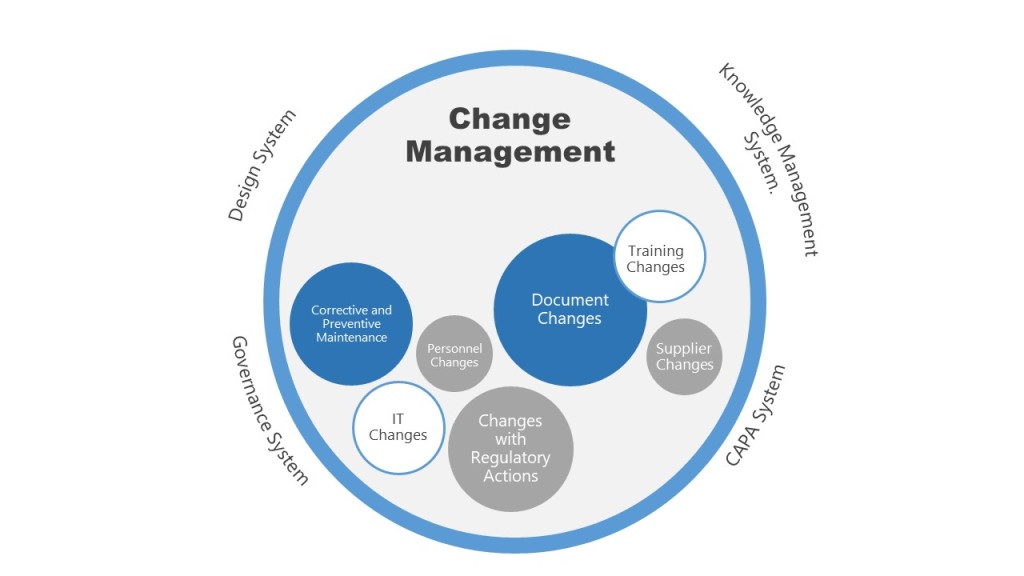


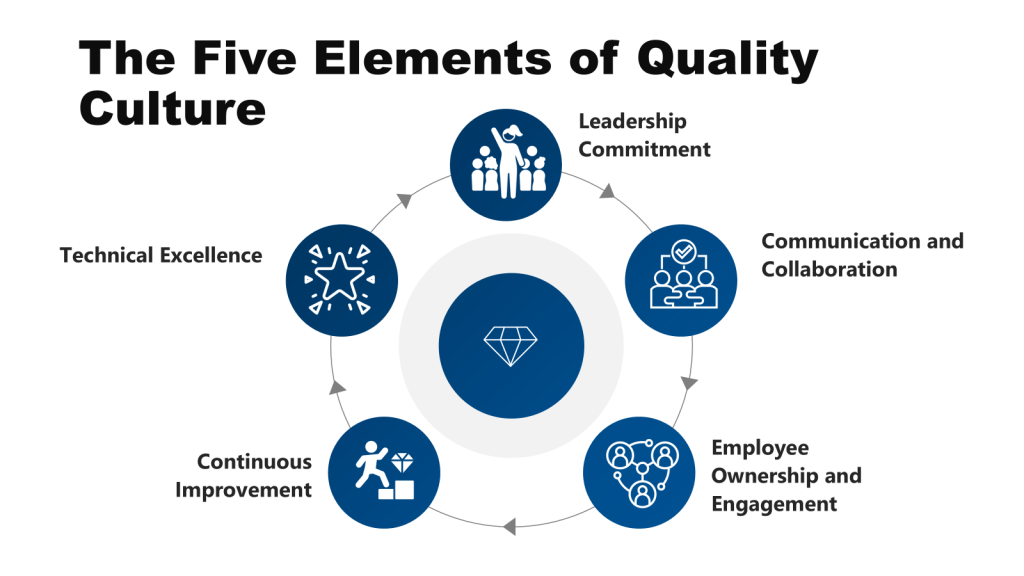
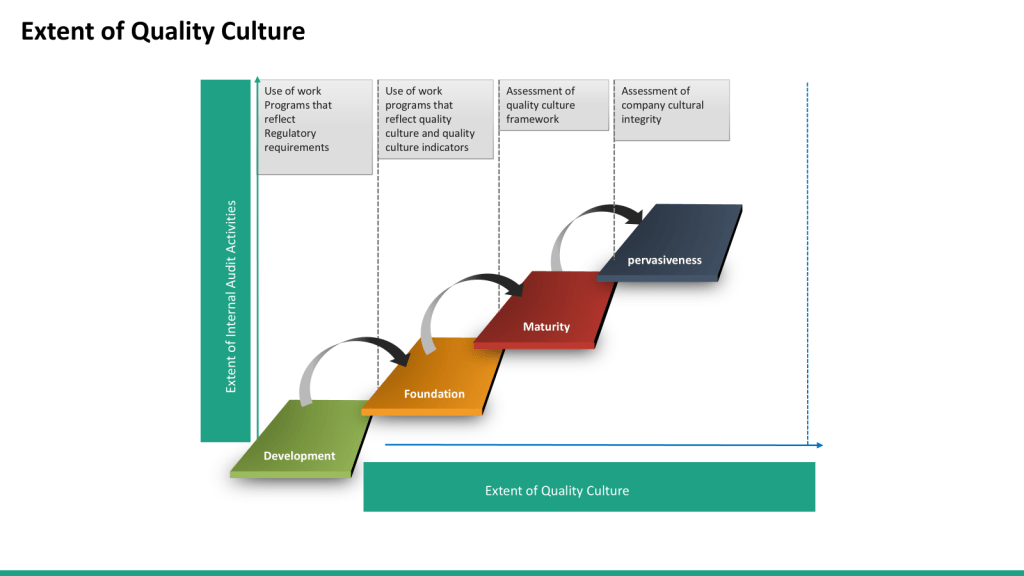
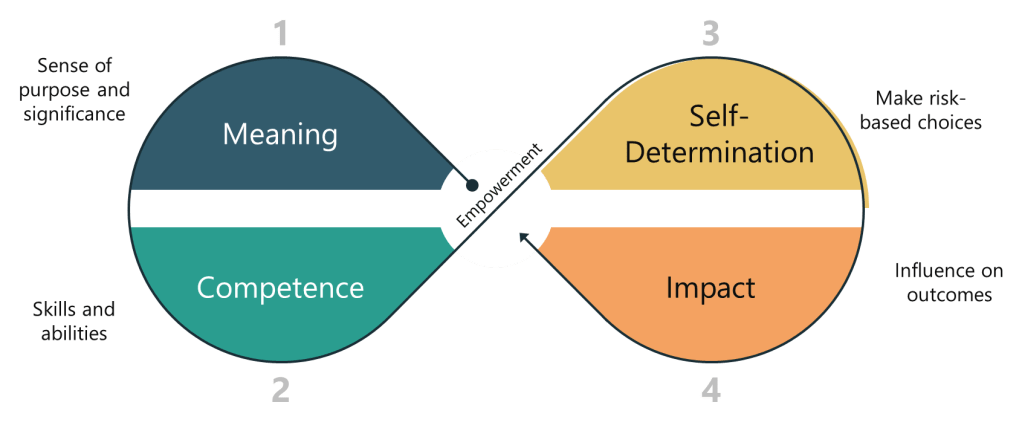
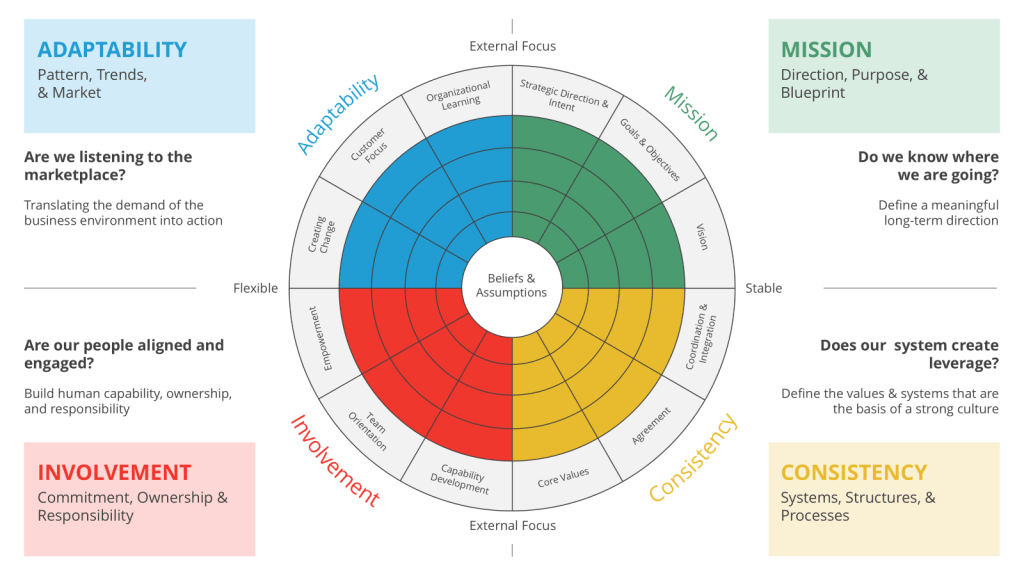
 Investigations of a Dog
.jpg)