Worker’s Rights: The Bedrock of True Quality Management – A May Day Reflection

As we celebrate International Workers’ Day this May 1st, it is an opportune moment to reflect on the profound connection between workers’ rights and effective quality management. The pursuit of quality cannot be separated from how we treat, empower, and respect the rights of those who create that quality daily. Today’s post examines this critical relationship, drawing from the principles I’ve advocated throughout my blog, and challenges us to reimagine quality management as fundamentally worker-centered.

The Historical Connection Between Workers’ Rights and Quality

International Workers’ Day commemorates the historic struggles and gains made by workers and the labor movement. This celebration reminds us that the evolution of quality management has paralleled the fight for workers’ rights. Quality is inherently a progressive endeavor, fundamentally anti-Taylorist in nature. Frederick Taylor’s scientific management approach reduced workers to interchangeable parts in a machine, stripping them of autonomy and creativity – precisely the opposite of what modern quality management demands.

The quality movement, from Deming onwards, has recognized that treating workers as mere cogs undermines the very foundations of quality. When we champion human rights and center those whose rights are challenged, we’re not engaging in politics separate from quality – we’re acknowledging the fundamental truth that quality cannot exist without empowered, respected workers.

Driving Out Fear: The Essential Quality Right

“No one can put in his best performance unless he feels secure,” wrote Deming thirty-five years ago. Yet today, fear remains ubiquitous in corporate culture, undermining the very quality we seek to create. As quality professionals, we must confront this reality at every opportunity.

Fear in the workplace manifests in multiple ways, each destructive to quality:

Source of FearDescriptionImpact on Quality
CompetitionManagers often view anxiety generated by competition between co-workers as positive, encouraging competition for scarce resources, power, and statusUndermines collaboration necessary for system-wide quality improvements
“Us and Them” CultureSilos proliferate, creating barriers between staff and supervisorsPrevents holistic quality approaches that span departmental boundaries
Blame CultureFocus on finding fault rather than improving systems, often centered around the concept of “human error”Discourages reporting of issues, driving quality problems underground

When workers operate in fear, quality inevitably suffers. They hide mistakes rather than report them, avoid innovation for fear of failure, and focus on protecting themselves rather than improving systems. Driving out fear isn’t just humane – it’s essential for quality.

Key Worker Rights in Quality Management

Quality management systems that respect workers’ rights create environments where quality can flourish. Based on workplace investigation principles, these rights extend naturally to all quality processes.

The Right to Information

In any quality system, clarity is essential. Workers have the right to understand quality requirements, the rationale behind procedures, and how their work contributes to the overall quality system. Transparency sets the stage for collaboration, where everyone works toward a common quality goal with full understanding.

The Right to Confidentiality and Non-Retaliation

Workers must feel safe reporting quality issues without fear of punishment. This means protecting their confidentiality when appropriate and establishing clear non-retaliation policies. One of the pillars of workplace equity is ensuring that employees are shielded from retaliation when they raise concerns, reinforcing a commitment to a culture where individuals can voice quality issues without fear.

The Right to Participation and Representation

The Who-What Matrix is a powerful tool to ensure the right people are involved in quality processes. By including a wider set of people, this approach creates trust, commitment, and a sense of procedural justice-all essential for quality success. Workers deserve representation in decisions that affect their ability to produce quality work.

Worker Empowerment: The Foundation of Quality Culture

Empowerment is not just a nice-to-have; it’s a foundational element of any true quality culture. When workers are entrusted with authority to make decisions, initiate actions, and take responsibility for outcomes, both job satisfaction and quality improve. Unfortunately, empowerment rhetoric is sometimes misused within quality frameworks like TQM, Lean, and Six Sigma to justify increased work demands rather than genuinely empowering workers.

The concept of empowerment has its roots in social movements, including civil rights and women’s rights, where it described the process of gaining autonomy and self-determination for marginalized groups. In quality management, this translates to giving workers real authority to improve processes and address quality issues.

Mary Parker Follett’s Approach to Quality Through Autonomy

Follett emphasized giving workers autonomy to complete their jobs effectively, believing that when workers have freedom, they become happier, more productive, and more engaged. Her “power with” principle suggests that power should be shared broadly rather than concentrated, fostering a collaborative environment where quality can thrive.

Rejecting the Great Man Fallacy

Quality regulations often fall into the trap of the “Great Man Fallacy” – the misguided notion that one person through education, experience, and authority can ensure product safety, efficacy, and quality. This approach is fundamentally flawed.

People only perform successfully when they operate within well-built systems. Process drives success by leveraging the right people at the right time making the right decisions with the right information. No single person can ensure quality, and thinking otherwise sets up both individuals and systems for failure.

Instead, we need to build processes that leverage teams, democratize decisions, and drive reliable results. This approach aligns perfectly with respecting workers’ rights and empowering them as quality partners rather than subjects of quality control.

Quality Management as a Program: Centering Workers’ Rights

Quality needs to be managed as a program, walking a delicate line between long-term goals, short-term objectives, and day-to-day operations. As quality professionals, we must integrate workers’ rights into this program approach.

The challenges facing quality today-from hyperautomation to shifting customer expectations-can only be addressed through worker empowerment. Consider how these challenges demand a worker-centered approach:

ChallengeImpact on Quality ManagementWorker-Centered Approach
Advanced AnalyticsRequires holistic data analysis and applicationDevelop talent strategies that upskill workers rather than replacing them
Hyper-AutomationTasks previously done by humans being automatedInvolve workers in automation decisions; focus on how automation can enhance rather than replace human work
Virtualization of WorkRethinking how quality is executed in digital environmentsEnsure workers have input on how virtual quality processes are designed
Shift to Resilient OperationsNeed to adapt to changing risk levels in real-timeEnable employees to make faster decisions by building quality-informed judgment
Digitally Native WorkforceChanged expectations for how work is managedConnect quality to values employees care about: autonomy, innovation, social issues

To meet these challenges, we must shift from viewing quality as a function to quality as an interdisciplinary, participatory process. We need to break down silos and build autonomy, encouraging personal buy-in through participatory quality management.

May Day as a Reminder of Our Quality Mission

As International Workers’ Day approaches, I’m reminded that our quality mission is inseparable from our commitment to workers’ rights. This May Day, I encourage all quality professionals to:

  1. Evaluate how your quality systems either support or undermine workers’ rights
  2. Identify and eliminate sources of fear in your quality processes
  3. Create mechanisms for meaningful worker participation in quality decisions
  4. Reject hierarchical quality models in favor of democratic, empowering approaches
  5. Recognize that centering workers’ rights isn’t just ethical-it’s essential for quality

Quality management without respect for workers’ rights is not just morally questionable-it’s ineffective. The future of quality lies in approaches that are predictive, connected, flexible, and embedded. These can only be achieved when workers are treated as valued partners with protected rights and real authority.

This May Day, let’s renew our commitment to driving out fear, empowering workers, and building quality systems that respect the dignity and rights of every person who contributes to them. In doing so, we honor not just the historical struggles of workers, but also the true spirit of quality that puts people at its center.

What steps will you take this International Workers’ Day to strengthen the connection between workers’ rights and quality in your organization?

Equanimity: The Overlooked Foundation of Quality Culture

I occasionally strive to be open about what I’m personally working on: situational humility, coping with uncertainty, silence, my mental health, and humbleness, among other things. I believe these are all ways to approach a continuous journey aimed at my growth as a leader. I like to think I am on a constant path of improvement, but as organizations evolve and our roles within them change, it’s crucial to reflect on our experiences and aim for betterment. Sometimes, this requires shifting the perspective I use to assess my development. Today, my focus is on the concept of equanimity.

In today’s fast-paced organizational landscape, where constant change and disruption are the norm, the ability to maintain inner balance while facing complex challenges is a vital yet often overlooked leadership skill. Equanimity—an even-tempered state of psychological stability and composure that remains undisturbed by emotions, pain, or external pressures—becomes a fundamental element in creating resilient, quality-driven cultures. Unlike complacency, which silently undermines innovation and organizational excellence, equanimity equips leaders and professionals with a mental framework to stay responsive without becoming reactive, engaged without becoming entangled.

This balanced mindset fosters clear decision-making and steady leadership, necessary for nurturing environments where quality is not merely a compliance requirement but a cultural imperative. As organizations navigate increasingly turbulent markets and regulatory challenges, understanding and cultivating equanimity serves as a powerful antidote to the cycles of complacency that threaten long-term viability and stakeholder trust.

The Anatomy of Equanimity in Professional Contexts

Equanimity, derived from the Latin “aequanimitas” meaning evenness of mind, represents more than mere calmness—it constitutes a sophisticated mental framework that allows individuals to process and respond to experiences without becoming overwhelmed by them. In professional contexts, equanimity manifests as the capacity to remain present and engaged with challenging situations while maintaining psychological balance. Buddhist scholar Peter Harvey aptly described this state as being “stirred but not shaken”—the opposite of James Bond’s martini—highlighting how equanimity allows us to fully experience workplace events while preventing emotional entanglement that clouds judgment.

This mental stance creates a critical space between stimulus and response, where professionals can observe both external circumstances and their own emotional reactions without immediate judgment. Consider a quality assurance specialist discovering a significant product defect just before shipment. Equanimity enables this professional to feel the appropriate concern without spiraling into panic, allowing them to assess the situation clearly, communicate effectively with stakeholders, and implement necessary corrective actions. The equanimous mind acknowledges reality as it is—not as we wish it to be—creating the foundational awareness needed for effective quality management.

A common misconception portrays equanimity as emotional detachment or apathy—a mischaracterization that fundamentally misunderstands its nature. True equanimity does not suppress passion or diminish concern for quality outcomes; rather, it channels these energies more effectively. Professionals operating with equanimity remain deeply invested in excellence while freeing themselves from counterproductive emotional reactivity that might otherwise cloud their judgment or diminish their effectiveness. This balanced approach proves especially valuable in high-stakes quality scenarios where both clear perception and appropriate concern must coexist.

Equanimity as the Antidote to Complacency Cycles

Where complacency operates as a silent organizational saboteur, equanimity functions as its natural counteragent. Complacency cycles—characterized by reduced vigilance, resistance to innovation, and workforce disengagement—systematically undermine quality culture through self-reinforcing patterns of mediocrity. Equanimity disrupts these cycles by maintaining alertness without anxiety, openness without impulsivity, and engagement without exhaustion.

The “stagnation phase” of complacency begins when initial success breeds overconfidence and teams prioritize efficiency over improvement. Equanimity counters this tendency by facilitating a balanced perspective that acknowledges achievements while maintaining awareness of potential improvements. Rather than becoming complacent with current performance levels, equanimous professionals maintain a curious stance toward emerging risks and opportunities.

Similarly, during the “normalization of risk” phase, where minor deviations from standards become habitual, equanimity provides the mental clarity to recognize incremental drift before it culminates in significant failures. The equanimous mind remains attuned to subtle changes in quality parameters without becoming desensitized to gradually evolving risks. This vigilance represents a crucial firewall against the erosion of quality standards that typically precedes major quality incidents.

Most critically, equanimity prevents the “crisis trigger” phase by maintaining consistent attention to potential quality issues rather than requiring catastrophic events to reinstate vigilance. Unlike the boom-bust pattern of attention often observed in complacent organizations, equanimity sustains a steady awareness that prevents the accumulation of quality deficits in the first place. This proactive stance transforms quality management from a reactive crisis response into a continuous practice of excellence maintenance.

How Equanimity Transforms Leadership

Leadership serves as the linchpin in establishing and sustaining quality culture, with a leader’s responses and behaviors creating ripple effects throughout the organization. Research reveals concerning patterns in leadership reactions under pressure, with many leaders becoming more close-minded and controlling while others become more emotionally reactive during challenging situations—precisely when clarity and openness are most needed. Equanimity directly addresses these tendencies by creating the psychological space necessary for more deliberate, effective responses.

When leaders demonstrate equanimity during quality challenges, they effectively model how the organization should process and respond to adversity. Consider a manufacturing executive facing a significant product recall. An equanimous response—acknowledging the severity while maintaining composed problem-solving—signals to the organization that challenges represent opportunities for systemic improvement rather than occasions for blame or panic. This leadership stance creates psychological safety, enabling more transparent reporting of potential quality issues before they escalate into crises.

Equanimity also enhances a leader’s ability to make balanced decisions when confronting quality dilemmas that involve competing priorities. The pharmaceutical industry regularly faces tensions between production timelines and quality verification procedures. Leaders practicing equanimity can more effectively navigate these tensions, maintaining unwavering commitment to quality standards while acknowledging business realities. This balanced approach prevents the “diminished problem-solving rigor” that characterizes complacent organizations, where teams favor quick fixes over root-cause analysis.

Beyond individual decisions, equanimity transforms a leader’s overall approach to quality governance. Rather than oscillating between hypervigilance during crises and inattention during stable periods, equanimous leaders maintain consistent quality focus through various organizational phases. This steady attention prevents the “ceremonial governance” pattern where quality oversight becomes a performance rather than a genuine inquiry into systemic risks. By modeling emotional stability while maintaining quality vigilance, leaders create environments where excellence becomes self-sustaining rather than crisis-dependent.

Developing Equanimity as a Professional

Cultivating equanimity requires intentional practice rather than mere philosophical appreciation. For professionals seeking to develop this capacity, several evidence-based approaches offer practical pathways toward greater psychological balance in workplace settings.

Mindfulness meditation stands as perhaps the most well-established method for developing equanimity. Regular practice—even in brief sessions of 5-10 minutes—enhances the ability to observe thoughts and emotions without becoming entangled in them. This mental training directly strengthens the neural pathways associated with emotional regulation and cognitive flexibility, enabling professionals to respond more skillfully to quality challenges. A quality engineer practicing mindfulness might notice anxiety arising when discovering a potential compliance issue but can observe this reaction without allowing it to dominate their problem-solving approach.

Emotional intelligence development complements mindfulness by enhancing awareness of emotional patterns that undermine equanimity. By understanding personal triggers and typical reaction patterns, professionals can identify situations where their equanimity might be tested before they become emotionally activated. This anticipatory awareness creates an opportunity to implement self-regulation strategies proactively rather than reactively. Quality professionals with high emotional intelligence recognize when perfectionism or defensiveness might cloud their judgment and can consciously adjust their approach accordingly.

Gratitude practices offer another avenue toward equanimity by broadening perspective beyond immediate challenges. Regular reflection on positive aspects of work—successful quality initiatives, collaborative team dynamics, or personal growth—creates psychological resources that buffer against stress during difficult periods. This expanded awareness prevents quality challenges from consuming a professional’s entire attention, maintaining the balanced perspective essential for effective problem-solving.

Pre-mortem analyses—mentally simulating potential quality failures before they occur—paradoxically strengthen equanimity by reducing uncertainty and surprise when challenges arise. By anticipating possible issues and preparing response strategies in advance, professionals reduce the cognitive and emotional load of real-time problem-solving. This preparation creates a sense of capability and readiness that supports composed responses during actual quality incidents.

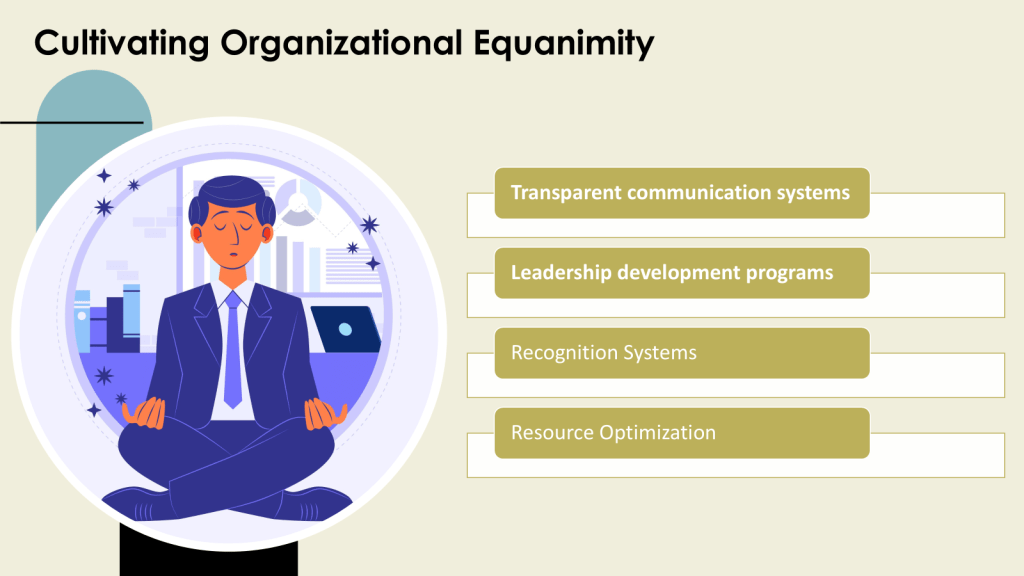
Cultivating Organizational Equanimity Through Systems Approach

While individual practices build personal equanimity, organizational systems and structures must support these efforts for sustainable impact. Leaders can implement several systemic approaches to foster equanimity throughout their quality culture.

Transparent communication systems represent a foundational element in organizational equanimity. When information about quality metrics, emerging risks, and improvement initiatives flows freely throughout the organization, uncertainty decreases and collective sense-making improves. Digital dashboards tracking real-time quality indicators, regular cross-functional quality briefings, and systematic feedback loops all contribute to an information environment where sudden surprises—a primary threat to equanimity—become less frequent.

Leadership development programs should explicitly address equanimity as a core competency rather than treating it as an incidental personality trait. Training modules focusing on mindfulness, emotional intelligence, and stress resilience build the individual capacities necessary for equanimous leadership. When combined with peer coaching circles where leaders candidly discuss quality challenges and share regulation strategies, these formal development efforts create a leadership culture where balanced responses to pressure become the norm rather than the exception.

Recognition systems that reward equanimous handling of quality challenges—rather than just technical problem-solving—reinforce the importance of balanced responses. Acknowledging professionals who maintain composure while addressing complex quality issues sends a powerful message about organizational values. These recognition practices might highlight situations where teams maintained psychological safety during compliance audits or demonstrated composed problem-solving during manufacturing disruptions.

Resource optimization initiatives that address workload management directly support equanimity by preventing the overwhelm that undermines psychological balance. Realistic staffing models for quality functions, appropriate technological support for monitoring activities, and adequate time allocations for improvement projects all contribute to an environment where maintaining equanimity becomes feasible rather than heroic.

https://www.freepik.com/free-vector/organic-flat-business-people-meditating-illustration_13233903.htm

Leadership’s Role in Modeling and Sustaining Equanimity

Executive leadership bears particular responsibility for establishing equanimity as a cultural norm through consistent modeling and systemic reinforcement. Leaders demonstrate their commitment to equanimity not just through words but through visible behaviors during challenging quality scenarios.

Leaders practice vulnerability and transparency by openly discussing their own experiences with maintaining equanimity during difficult situations. When executives share stories about managing their reactions during regulatory inspections, customer complaints, or internal quality failures, they normalize the emotional challenges inherent in quality work while demonstrating the possibility of balanced responses. This transparent approach creates psychological safety for others to acknowledge their own struggles with maintaining equanimity.

Participation in frontline quality activities provides another powerful demonstration of leadership equanimity. Executives who join quality audits, improvement workshops, or failure investigations gain firsthand exposure to quality challenges while modeling composed engagement. An executive participating in monthly gemba walks not only identifies systemic risks but also demonstrates how to approach quality issues with balanced curiosity rather than blame or anxiety.

Restructuring performance metrics represents a systemic approach to supporting equanimity by emphasizing leading indicators over lagging ones. When leaders prioritize metrics like preventative corrective actions, near-miss reporting, or improvement suggestion implementation, they create an information environment that supports proactive quality management rather than crisis response. This shift reduces the emotional volatility associated with reactive approaches while maintaining appropriate quality vigilance.

Cross-functional collaboration initiatives further support equanimity by distributing quality responsibilities across the organization rather than isolating them within quality departments. When leaders establish quality SWAT teams with representation from various functions, they create shared ownership for quality outcomes while preventing the isolation that can lead to overwhelm within quality functions. This collaborative approach supports equanimity by ensuring that quality challenges receive diverse perspectives and adequate resources.

Equanimity as a Journey, Not a Destination

Equanimity in professional contexts represents an ongoing practice rather than a permanent achievement—a perspective that itself embodies equanimous thinking. Like quality culture more broadly, equanimity requires continual renewal through intentional individual practices and supportive organizational systems. The interplay between complacency cycles and quality culture creates a perpetual tension that demands vigilance without anxiety, commitment without rigidity, and excellence without perfectionism.

Organizations that recognize equanimity as a foundational element of quality culture gain a significant advantage in navigating the complexities of modern business environments. By cultivating this balanced mental state throughout their workforce—particularly within leadership ranks—they establish psychological conditions where quality thrives as a natural expression of organizational values rather than a compliance obligation. This cultural foundation supports the relentless leadership commitment, systems thinking, and psychological safety necessary for sustained excellence.

As professionals and leaders journey toward greater equanimity, they transform not only their individual effectiveness but also the cultural fabric of their organizations. Each composed response to a quality challenge, each balanced decision during a crisis, and each steady commitment during uncertainty contributes to an organizational environment resistant to complacency yet free from reactivity. In this way, equanimity operates not just as a personal virtue but as a collective capability—one that enables organizations to maintain quality focus through changing conditions while remaining adaptive to emerging requirements. The cultivation of equanimity thus represents not merely a philosophical aspiration but a practical necessity for organizations committed to enduring excellence in increasingly turbulent times.

Self-Reflection

In the quiet moments of self-reflection, I have discovered that equanimity—that elusive state of mental calmness and composure, especially under trying circumstances—represents not a destination but an ongoing practice. The journey toward equanimity has been important for me, particularly as I’ve incorporated journaling as a companion practice. This written exploration serves as both a retrospective lens through which to examine past conversations and a preparatory tool for navigating difficult moments with greater balance. Equanimity teaches us to be with whatever shows up, to notice what shuts us down, pushes us away, or tears us wide open. Through the disciplined practice of putting pen to paper, I have found a pathway toward standing equally in both clear and muddy waters, remaining present with each moment exactly as it is.

The act of putting feelings into words helps with cognitive reappraisal—reframing situations to reduce their emotional impact by engaging the prefrontal cortex, our brain’s control center for planning, decision-making, and emotional regulation.

When I first implemented a consistent journaling practice, I noticed immediate benefits in managing workplace stress. After particularly challenging meetings or interactions, taking time to write about these experiences created distance from immediate emotional reactions. Research supports this experience, suggesting that writing about emotional events can benefit both mental and physical health. Journaling has been linked to decreased mental distress, reduced anxiety, and help with breaking cycles of obsessive thinking. Studies even indicate potential physical benefits, with participants who wrote about upsetting events healing faster after medical procedures than those who wrote about neutral topics.

Beyond retrospective analysis, journaling serves as a powerful preparatory tool for approaching challenging situations with greater equanimity. Before difficult conversations or high-stakes presentations, I’ve found that writing helps clarify intentions, anticipate potential triggers, and develop strategies for maintaining balance. This practice creates a foundation for equanimity that proves invaluable when emotions run high.

Pre-mortem analyses—mentally simulating potential failures before they occur—paradoxically strengthen equanimity by reducing uncertainty and surprise when challenges arise. By writing through possible difficult scenarios, I develop response strategies in advance, creating a sense of capability and readiness that supports composed responses during actual difficulties. This preparation reduces the cognitive and emotional load of real-time problem-solving in stressful situations.

Complacency Cycles and Their Impact on Quality Culture

In modern organizational dynamics, complacency operates as a silent saboteur—eroding innovation, stifling growth, and undermining the very foundations of quality culture. Defined as a state of self-satisfaction paired with unawareness of deficiencies, complacency creates cyclical patterns that perpetuate mediocrity and resistance to change. When left unchecked, these cycles corrode organizational resilience, diminish stakeholder trust, and jeopardize long-term viability. Conversely, a robust quality culture—characterized by shared values prioritizing excellence and continuous improvement—serves as the antidote.

The Anatomy of Complacency Cycles

Complacency arises when employees or teams grow overly comfortable with existing processes, outcomes, or performance levels. This manifests as:

Reduced Vigilance: The Silent Erosion of Risk Awareness

Reduced vigilance represents a critical failure mode in quality management systems, where repetitive tasks or historical success breed dangerous overconfidence. In manufacturing environments, for instance, workers performing identical quality checks thousands of times often develop “checklist fatigue”—a phenomenon where muscle memory replaces active observation. This complacency manifests in subtle but impactful ways:

  • Automation Blindness: Operators monitoring automated systems grow dependent on technology, failing to notice gradual sensor drift.
  • Normalization of Deviations
  • Metric Myopia: Organizations relying solely on lagging indicators like defect rates miss emerging risks.

The neuroscience behind this phenomenon reveals disturbing patterns: fMRI scans show reduced prefrontal cortex activation during routine quality checks compared to novel tasks, indicating genuine cognitive disengagement rather than intentional negligence.

Resistance to Innovation: The Institutionalization of Obsolescence

Complacency-driven resistance to innovation creates organizational calcification, where legacy processes become dogma despite market evolution. This dynamic operates through three interconnected mechanisms:

  1. Cognitive Lock-In: Teams develop “expertise traps” where deep familiarity with existing methods blinds them to superior alternatives.
  2. Risk Asymmetry Perception: Employees overestimate innovation risks while underestimating stagnation risks.
  3. Hierarchical Inertia: Leadership teams reward incremental improvements over transformational change.

Disengagement: The Metastasis of Organizational Apathy

Disengagement in complacent cultures operates as both symptom and accelerant, creating self-reinforcing cycles of mediocrity. Key dimensions include:

Cognitive Disinvestment: Employees mentally “clock out” during critical tasks. .

Professional Stagnation: Complacency suppresses upskilling initiatives.

Social Contagion Effects: Disengagement spreads virally through teams.

This triad of vigilance erosion, innovation resistance, and workforce disengagement forms a self-perpetuating complacency cycle that only conscious, systemic intervention can disrupt.

These behaviors form self-reinforcing loops. For example, employees who receive inadequate feedback may disengage, leading to errors that management ignores, further normalizing subpar performance.

    The Four-Phase Complacency Cycle

    1. Stagnation Phase: Initial success or routine workflows breed overconfidence. Teams prioritize efficiency over improvement, dismissing early warning signs.
    2. Normalization of Risk: Minor deviations from standards (e.g., skipped safety checks) become habitual. NASA’s Columbia disaster post-mortem highlighted how normalized risk-taking eroded safety protocols.
    3. Crisis Trigger: Accumulated oversights culminate in operational failures—product recalls, safety incidents, or financial losses.
    4. Temporary Vigilance: Post-crisis, organizations implement corrective measures, but without systemic change, complacency resurges within months.

    This cycle mirrors the “boom-bust” patterns observed in safety-critical industries, where post-incident reforms often lack staying power.

    How Complacency Undermines Quality Culture

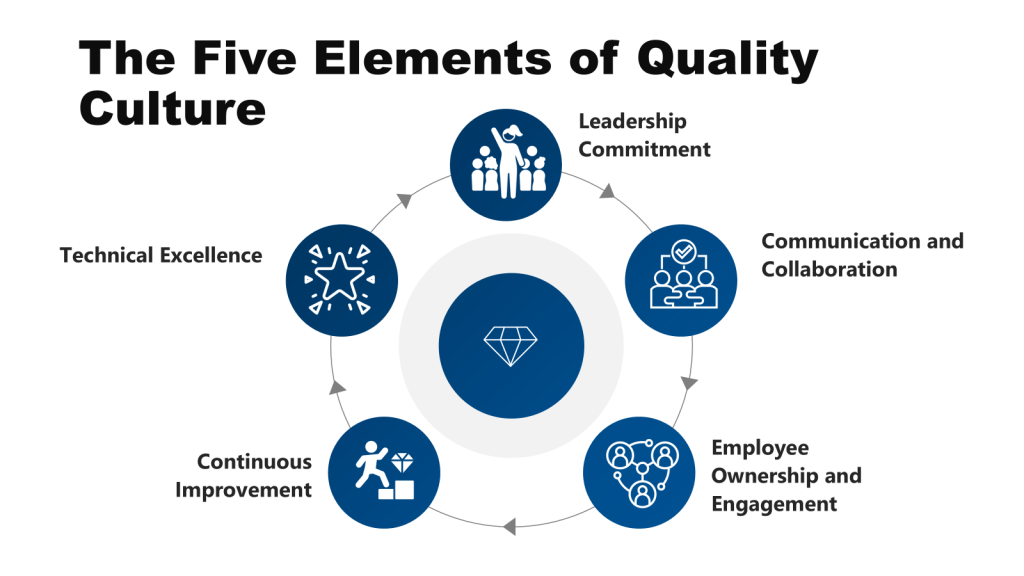
    Leadership Commitment: The Compromise of Strategic Stewardship

    Complacency transforms visionary leadership into passive oversight, directly undermining quality culture’s foundational pillar. When executives prioritize short-term operational efficiency over long-term excellence, they inadvertently normalize risk tolerance. This pattern reflects three critical failures:

    • Resource Misallocation: Complacent leaders starve quality initiatives of funding.
    • Ceremonial Governance
    • Metric Manipulation

    These behaviors create organizational whiplash—employees interpret leadership’s mixed signals as permission to deprioritize quality standards.

    Communication & Collaboration: The Silencing of Collective Intelligence

    Complacency breeds information silos that fracture quality systems. NASA’s Challenger disaster exemplifies how hierarchical filters and schedule pressures prevented engineers’ O-ring concerns from reaching decision-makers—a communication failure that cost lives and destroyed $3.2 billion in assets. Modern organizations replicate this dynamic through:

    • Digital Fragmentation
    • Meeting Rituals
    • Knowledge Hoarding

    Employee Ownership & Engagement: The Death of Frontline Vigilance

    Complacency converts empowered workforces into disengaged spectators.

    • Problem-Solving Atrophy: Complacent environments resolve fewer issues proactively.
    • Initiative Suppression
    • Skill Erosion

    Continuous Improvement: The Illusion of Progress

    Complacency reduces a learning culture to kabuki theater—visible activity without substantive change. Other failure modes include:

    • Incrementalism Trap
    • Metric Myopia
    • Benchmark Complacency

    Technical Excellence: The Rot of Core Competencies

    Complacency transforms cutting-edge capabilities into obsolete rituals. Specific erosion patterns include:

    • Standards Creep
    • Tribal Knowledge Loss
    • Tooling Obsolescence

    Mechanisms of Erosion

    1. Diminished Problem-Solving Rigor: Complacent teams favor quick fixes over root-cause analysis. In pharmaceuticals, retrospective risk assessments—used to justify releasing borderline batches—exemplify this decline.
    2. Erosion of Psychological Safety: Employees in complacent environments fear repercussions for raising concerns, leading to underreported issues.
    3. Supplier Quality Degradation: Over time, organizations accept lower-quality inputs to maintain margins, compromising end products.
    4. Customer Disengagement: As quality slips, customer feedback loops weaken, creating echo chambers of false confidence.

    The automotive industry’s recurring recall crises—from ignition switches to emissions scandals—illustrate how complacency cycles gradually dismantle quality safeguards.

    Leadership’s Pivotal Role in Breaking the Cycle

    Leadership’s Pivotal Role in Breaking the Cycle

    Leadership serves as the linchpin in dismantling complacency cycles, requiring a dual focus on strategic vision and operational discipline. Executives must first institutionalize quality as a non-negotiable organizational priority through tangible commitments. This begins with structurally aligning incentives—such as linking 30% of executive compensation to quality metrics like defect escape rates and preventative CAPA completion—to signal that excellence transcends rhetoric. For instance, a Fortune 500 medical device firm eliminated 72% of recurring compliance issues within 18 months by tying bonus structures to reduction targets for audit findings. Leaders must also champion resource allocation, exemplified by a semiconductor manufacturer dedicating 8% of annual R&D budgets to AI-driven predictive quality systems, which slashed wafer scrap rates by 57% through real-time anomaly detection.

    Equally critical is leadership’s role in modeling vulnerability and transparency. When executives participate in frontline audits—as seen in a chemical company where CEOs joined monthly gemba walks—they not only uncover systemic risks but also normalize accountability. This cultural shift proved transformative for an automotive supplier, where C-suite attendance at shift-change safety briefings reduced OSHA recordables by 24% in one year. Leaders must also revamp metrics systems to emphasize leading indicators over lagging ones.

    Operationalizing these principles demands tactical ingenuity. Dynamic goal-setting prevents stagnation. Cross-functional collaboration is accelerated through quality SWAT teams. Perhaps most impactful is leadership’s ability to democratize problem-solving through technology.

    Ultimately, leaders dismantle complacency by creating systems where quality becomes everyone’s responsibility—not through mandates, but by fostering environments where excellence is psychologically safe, technologically enabled, and personally rewarding. This requires perpetual vigilance: celebrating quality wins while interrogating successes for hidden risks, ensuring today’s solutions don’t become tomorrow’s complacent norms.

    Sustaining Quality Culture Through Anti-Complacency Practices

    Sustaining Quality Culture Through Anti-Complacency Practices

    Sustaining a quality culture demands deliberate practices that institutionalize vigilance against the creeping normalization of mediocrity. Central to this effort is the integration of continuous improvement methodologies into organizational workflows. Such systems thrive when paired with real-time feedback mechanisms—digital dashboards tracking suggestion implementation rates and their quantifiable impacts for example can create visible accountability loops.

    Cultural reinforcement rituals further embed anti-complacency behaviors by celebrating excellence and fostering collective ownership. Monthly “Quality Hero” town halls at a pharmaceutical firm feature frontline staff sharing stories of critical interventions, such as a technician who averted 17,000 mislabeled vaccine doses by catching a vial mismatch during final packaging. This practice increased peer-driven quality audits by 63% within six months by humanizing the consequences of vigilance. Reverse mentoring programs add depth to this dynamic: junior engineers at an aerospace firm trained executives on predictive maintenance tools, bridging generational knowledge gaps while updating leadership perspectives on emerging risks.

    Proactive risk mitigation tools like pre-mortem analyses disrupt complacency by forcing teams to confront hypothetical failures before they occur.

    Immersive learning experiences make the stakes of complacency tangible. A medical device company’s “Harm Simulation Lab” recreates scenarios like patients coding from insulin pump software failures, exposing engineers to the human consequences of design oversights. Participants identified 112% more risks in subsequent reviews compared to peers trained through conventional lectures.

    Together, these practices form an ecosystem where complacency struggles to take root. By aligning individual behaviors with systemic safeguards—from idea-driven improvement frameworks to emotionally resonant learning—organizations transform quality from a compliance obligation into a collective mission. The result is a self-reinforcing culture where vigilance becomes habitual, innovation feels inevitable, and excellence persists not through enforcement, but through institutionalized reflexes that outlast individual initiatives.

    Conclusion: The Never-Ending Journey

    Complacency cycles and quality culture exist in perpetual tension—the former pulling organizations toward entropy, the latter toward excellence. Breaking this cycle demands more than temporary initiatives; it requires embedding quality into organizational DNA through:

    1. Relentless leadership commitment to modeling and resourcing quality priorities.
    2. Systems thinking that connects individual actions to enterprise-wide outcomes.
    3. Psychological safety enabling transparent risk reporting and experimentation.

    Sustained quality cultures are possible, but only through daily vigilance against complacency’s seductive pull. In an era of accelerating change, the organizations that thrive will be those recognizing that quality isn’t a destination—it’s a mindset forged through perpetual motion.

    From PAI to Warning Letter – Lessons from Sanofi

    Through the skilled work of a very helpful FOIA officer at the FDA I have been reviewing the 2020 483 and EIR for the pre-approval inspection at the Sanofi Framingham, MA site that recently received a Warning Letter:

    The 2020 pre-approval inspection (PAI) of Sanofi’s facility in Framingham, MA, uncovered critical deviations that exposed systemic weaknesses in contamination controls, equipment maintenance, and quality oversight. These deficiencies, documented in FDA Form 483 (FEI 1220423), violated 21 CFR 211 regulations and FDA Compliance Program 7346.832 requirements for PAIs. The facility’s failure to address these issues and to make systeatic changes over time (and perhaps backslide, but that is conjecture) contributed to subsequent regulatory actions, including a 2022 Form 483 and the 2024 FDA warning letter citing persistent CGMP violations. This analysis traces the 2020 findings to their regulatory origins, examines their operational consequences, and identifies lessons for PAI preparedness in high-risk API manufacturing.

    Regulatory Foundations of Pre-Approval Inspections

    The FDA’s PAI program operates under Compliance Program 7346.832, which mandates rigorous evaluation of facilities named in NDAs, ANDAs, or BLAs. Three pillars govern these inspections:

    1. Commercial Manufacturing Readiness: PAIs assess whether facilities can reliably execute commercial-scale processes while maintaining CGMP compliance. This includes verification of validated equipment cleaning procedures, environmental monitoring systems, and preventive maintenance programs. The FDA prioritizes sites handling novel APIs, narrow therapeutic index drugs, or first-time applications—criteria met by Sanofi’s production of drug substances.
    2. Application Conformance: Inspectors cross-validate submission data against actual operations, focusing on batch records, process parameters, and analytical methods. Discrepancies between filed documentation and observed practices constitute major compliance risks, particularly for facilities like Sanofi that utilize complex biologics manufacturing processes.
    3. Data Integrity Assurance
      Per 21 CFR 211.194, PAIs include forensic reviews of raw data, equipment logs, and stability studies. The 2020 inspection identified multiple QC laboratory lapses at Sanofi that undermined data reliability—a red flag under FDA’s heightened focus on data governance in PAIs.

    Facility Maintenance Deficiencies

    Sterilization Equipment Contamination
    On September 2, 2020, FDA investigators documented (b)(4) residue on FB-2880-001 sterilization equipment and its transport cart—critical infrastructure for bioreactor probe sterilization. The absence of cleaning procedures or routine inspections violated 21 CFR 211.67(a), which mandates written equipment maintenance protocols. This lapse created cross-contamination risks for (b)(4) drug substances, directly contradicting the application’s sterility claims.

    The unvalidated cleaning process for those chambers further breached 21 CFR 211.63, requiring equipment design that prevents adulteration. Historical data from 2008–2009 FDA inspections revealed similar sterilization issues at Allston facility, suggesting systemic quality control failures which suggests that these issues never were really dealt with systematically across all sites under the consent decree.

    Environmental Control Breakdowns
    The August 26, 2020 finding of unsecured pre-filters in Downflow Booth —a critical area for raw material weighing—exposed multiple CGMP violations:

    • 21 CFR 211.46(b): Failure to maintain HEPA filter integrity in controlled environments
    • FDA Aseptic Processing Guidance: Loose filters compromise ISO 5 unidirectional airflow
    • 21 CFR 211.42(c): Inadequate facility design for preventing material contamination

    Ceiling diffuser screens in Suite CNC space with unsecured fasteners exacerbated particulate contamination risks. The cumulative effect violated PAI Objective 1 by demonstrating poor facility control—a key factor in the 2024 warning letter’s citation of “unsuitable equipment for microbiologically controlled environments”.

    Quality Control Laboratory Failures

    Analytical Balance Non-Compliance
    The QC microbiology laboratory’s use of an unqualified balance breached multiple standards:

    • 21 CFR 211.68(a): Lack of calibration for automated equipment
    • USP <41> Guidelines: Failure to establish minimum weigh limits
    • FDA Data Integrity Guidance (2018): Unguaranteed accuracy of microbiological test results

    This deficiency directly impacted the reliability of bioburden testing data submitted in the application, contravening PAI Objective 3’s data authenticity requirements.

    Delayed Logbook Reviews
    Three QC logbooks exceeded the review window specified in the site’s procedure:

    1. Temperature logs for water baths
    2. Dry state storage checklists

    The delays violated 21 CFR 211.188(b)(11), which requires contemporaneous review of batch records. More critically, they reflected inadequate quality unit oversight—a recurring theme in Sanofi’s 2024 warning letter citing “lackluster quality control”.

    And if they found 3 logbooks, chances are there were many more in an equal state.

    Leak Investigations – A Leading Indicator

    there are two pages in the EIR around leak deviation investigations, including the infamous bags, and in hindsight, I think this is an incredibly important inflection point from improvement that was missed.

    The inspector took the time to evaluate quite a few deviations and overall control strategy for leaks and gave Sanofi a clean-bill of health. So we have to wonder if there was not enough problems to go deep enough to see a trend or if a sense of complacency allowed Sanofi to lower their guard around this critical aspect of single use, functionally closed systems.

    2022 Follow-Up Inspection: Escalating Compliance Failures

    The FDA’s July 2022 reinspection of Sanofi’s Framingham facility revealed persistent deficiencies despite corrective actions taken after the 2020 PAI. The inspection, conducted under Compliance Program 7356.002M, identified critical gaps in data governance and facility maintenance, resulting in a 2-item Form FDA 483 and an Official Action Indicated (OAI) classification – a significant escalation from the 2020 Voluntary Action Indicated (VAI) status.

    Computerized System Control Failures

    The FDA identified systemic weaknesses in data integrity controls for testers used to validate filter integrity during drug substance manufacturing. These testers generated electronic logs documenting failed and canceled tests that were never reviewed or documented in manufacturing records. For example:

    • On June 9, 2022, a filter underwent three consecutive tests for clarification operations: two failures and one cancellation due to operator error (audible “hissing” during testing). Only the final passing result was recorded in logbooks.
    • Between 2020–2022, operators canceled 14% of tests across testers without documented justification, violating 21 CFR 211.68(b) requirements for automated equipment review.

    The firm had improperly classified these testers as “legacy electronic equipment,” bypassing mandatory audit trail reviews under their site procedure. I am not even sure what legacy electronic equipment means, but this failure contravened FDA’s Data Integrity Guidance (2018), which requires full traceability of GxP decisions.

    Facility Degradation Risks

    Multiple infrastructure deficiencies demonstrated declining maintenance standards:

    Grade-A Area Compromises

    • Biological Safety Cabinet: Rust particles and brown residue contaminated interior surfaces used for drug substance handling in April 20223. The material was later identified as iron oxide from deteriorating cabinet components.
    • HVAC System Leaks: A pH probe in the water system leaked into grade-D areas, with standing water observed near active bioreactors3.

    Structural Integrity Issues

    • Chipped epoxy floors in grade-C rooms created particulate generation risks during cell culture operations.
    • Improperly sloped flooring allowed pooling of rinse water adjacent to purification equipment.

    These conditions violated 21 CFR 211.42(c), requiring facilities to prevent contamination through proper design, and demonstrated backsliding from 2020 corrective actions targeting environmental controls.

    Regulatory Reckoning

    These cultural failures crystallized in FDA’s 2024 citation of “systemic indifference to quality stewardship”. While some technological upgrades provided tactical fixes, the delayed recognition of cultural rot as root cause transformed manageable equipment issues into existential compliance threats—a cautionary tale for pharmaceutical manufacturers navigating dual challenges of technological modernization and workforce transition.

    Conclusion: A Compliance Crisis Decade

    The Sanofi case (2020–2024) exemplifies the consequences of treating PAIs as checklist exercises rather than opportunities for quality system maturation. The facility’s progression from 483 observations to OAI status and finally warning letter underscores three critical lessons:

    1. Proactive Data Governance: Holitisic data overnance and data integrity, including audit trail reviews that encompass all GxP systems – legacy or modern.
    2. Infrastructure Investment: Episodic maintenance cannot replace lifecycle-based asset management programs.
    3. Cultural Transformation: Quality metrics must drive executive incentives to prevent recurrent failures.

    Manufacturers must adopt holistic systems integrating advanced analytics, robust knowledge management, and cultural accountability to avoid a costly regulatory debacle.

    PAI Readiness Best Practices

    Pre-Inspection Preparation

    1. Gap Analysis Against CPGM 7346.832
      Facilities should conduct mock inspections evaluating:
      • Conformance between batch records and application data
      • Completeness of method validation protocols
      • Environmental monitoring trend reports
    2. Data Integrity Audits
      Forensic reviews of electronic records (e.g., HPLC chromatograms, equipment logs) using FDA’s “ALCOA+” criteria—ensuring data is Attributable, Legible, Contemporaneous, Original, and Accurate.
    3. Facility Hardening
      Preventive maintenance programs for critical utilities:
      • Steam-in-place systems
      • HVAC airflow balances
      • Water for injection loops

    Post-Approval Vigilance

    The Sanofi case underscores the need for ongoing compliance monitoring post-PAI:

    • Quality Metrics Tracking: FDA-required metrics like lot rejection rates and CAPA effectiveness
    • Regulatory Intelligence: Monitoring emerging focus areas through FDA warning letters and guidance updates
    • Process Robustness Studies: Continued process verification per 21 CFR 211.110(a)

    Worker’s Empowerment

    Empowerment is a foundational element of a quality culture, where workers are entrusted with the authority to make decisions, initiate actions, and take responsibility for the outcomes of their work. This approach not only enhances job satisfaction and productivity but also fosters a culture of autonomy and participation, which is essential for achieving high organizational performance. However, the concept of empowerment has sometimes been misinterpreted within quality management frameworks such as Total Quality Management (TQM), Lean, and Six Sigma. In these contexts, empowerment rhetoric is occasionally used to justify increased work demands and managerial oversight, rather than genuinely empowering workers to contribute to quality improvements. A true quality culture, therefore, requires a genuine commitment to empowering workers, ensuring that they have the autonomy to drive continuous improvement and innovation.

    History of Worker Empowerment

    The concept of empowerment has its roots in social movements, including the civil rights and women’s rights movements, where it was used to describe the process of gaining autonomy and self-determination for marginalized groups. In the context of management, empowerment gained prominence in the 1980s and 1990s as a way to improve organizational performance by engaging workers more effectively.

    Several management thinkers have discussed and advocated for worker empowerment, contributing significantly to the development of this concept. Here are some key figures and their contributions:

    Mary Parker Follett

      • Autonomy and Collective Power: Follett emphasized the importance of giving workers autonomy to complete their jobs effectively. She believed that when workers have the freedom to work independently, they become happier, more productive, and more engaged. Follett’s “power with” principle suggests that power should be shared among many, rather than concentrated in a few hands, fostering a collaborative environment.
      • Collaboration and Flexibility: Follett advocated for establishing personal ownership of company goals while allowing flexibility in achieving them. This approach encourages agile problem-solving and creative solutions that benefit the business.

      Tom Peters

        • Self-Managing Teams: Peters has been a strong advocate for creating self-managing teams where leadership roles rotate among members. He emphasizes the importance of listening to workers and believing in their unlimited potential. Peters’ philosophy includes empowering front-line staff to act as business teams, which can significantly enhance organizational performance.
        • Empowerment through Leadership: Peters suggests that managers should be retrained to become listeners rather than talkers, fostering an environment where every worker feels valued and empowered to contribute.

        W. Edwards Deming

          • Involvement and Autonomy: Deming’s 14 Points for Management include principles that support worker empowerment, such as removing barriers to pride of workmanship and encouraging collaboration across departments. These principles aim to create an environment where workers feel valued and empowered to improve processes.
          • Continuous Improvement: Deming’s emphasis on continuous improvement processes, like kaizen, involves worker participation, which can be seen as a form of empowerment. However, it is crucial to ensure that such participation is genuine and not merely rhetorical.

          Rosabeth Moss Kanter

            • Change Management: Kanter’s change management theory emphasizes creating a collaborative and transparent work environment. Her approach involves empowering worker by encouraging them to speak up, team up, and continuously work towards positive change within the organization.
            • Empowerment through Participation: Kanter’s principles promote worker engagement and loyalty by involving them in organizational changes and decision-making processes.

            Elton Mayo

              • Human Relations Theory: Mayo’s work highlights the importance of social and relational factors in motivating workers. While not directly focused on empowerment, his theory suggests that workers are more motivated by attention and camaraderie than by monetary rewards alone. This perspective supports the idea that empowering workers involves recognizing their social needs and fostering a supportive work environment.

              These thinkers have contributed to the understanding and implementation of worker empowerment by emphasizing autonomy, collaboration, and the importance of recognizing employee contributions. Their ideas continue to influence management practices today.

              Dimensions of Empowerment

              Empowerment can be understood through several key dimensions:

              • Meaning: This refers to the sense of purpose and significance that employees derive from their work. When employees feel that their work is meaningful, they are more likely to be motivated and engaged.
              • Competence: This dimension involves the skills and abilities that employees need to perform their jobs effectively. Empowerment requires that employees have the necessary competencies to make decisions and take actions.
              • Self-Determination: This is the ability of employees to make choices and decisions about their work. Self-determination is crucial for empowerment, as it allows employees to feel in control of their tasks and outcomes.
              • Impact: This dimension refers to the influence that employees have on organizational outcomes. When employees feel that their actions can make a difference, they are more likely to be empowered and motivated.
              Four dimensions of empowerment

              Implementation Practices

              Implementing empowerment effectively requires several key practices:

              1. Clear Communication: Employees need clear expectations and goals to understand how their work contributes to the organization’s objectives.
              2. Training and Development: Providing employees with the necessary skills and knowledge to make informed decisions is essential for empowerment.
              3. Autonomy and Decision-Making Authority: Employees should have the freedom to make decisions within their scope of work.
              4. Feedback and Recognition: Regular feedback and recognition of employee contributions help reinforce empowerment by acknowledging their impact.

              Deming’s Involvement in Worker Empowerment

              W. Edwards Deming, a pioneer in quality management, emphasized the importance of employee involvement and empowerment through his 14 Points for Management. Specifically:

              • Point 3: Cease dependence on inspection to achieve quality. Eliminate the need for inspection on a mass basis by building quality into the product in the first place. This point encourages organizations to empower workers by giving them the tools and training needed to ensure quality during production.
              • Point 9: Break down barriers between departments. People in research, design, sales, and production must work as a team to foresee problems of production and in use that may be encountered with the product or service. This emphasizes collaboration and cross-functional teamwork, which is a form of empowerment.
              • Point 12: Remove barriers that rob the hourly worker of his right to pride of workmanship. The responsibility of supervisors must be changed from sheer numbers to quality. This point directly addresses the need to empower workers by removing obstacles that prevent them from taking pride in their work.

              Deming’s philosophy aligns with genuine empowerment by focusing on building quality into processes, fostering teamwork, and recognizing the value of worker pride and autonomy.

              Denison and Organizational Culture

              Daniel Denison’s work on organizational culture, particularly through the Denison Model, assesses culture across four critical traits: Mission, Involvement, Adaptability, and Consistency. Each of these traits is further divided into three indexes, providing a comprehensive framework for understanding and improving organizational culture.

              Involvement and Empowerment

              Denison’s model emphasizes the importance of Involvement, which is the degree to which individuals at all levels are engaged and feel a sense of ownership in the organization. This trait is crucial for empowerment, as it involves aligning employees with the business direction and positioning them to contribute to its success. The indexes under Involvement include aspects such as empowerment, team orientation, and capability development, all of which are essential for creating a culture where employees feel valued and empowered.

              Empowerment through Cultural Alignment

              Denison suggests that empowerment is not just about giving employees authority but also about ensuring they are aligned with and committed to the organization’s mission. By fostering a culture where workers are engaged and capable, organizations can enhance their performance metrics such as innovation, customer satisfaction, and worker satisfaction. Denison’s approach emphasizes the need for leaders to manage culture effectively, recognizing that culture can either support or hinder organizational goals.

              Leadership and Empowerment

              Denison’s model implies that leaders should focus on creating an environment where workers feel empowered to contribute. This involves not only setting a clear mission but also ensuring that systems and processes support worker involvement and adaptability. By doing so, leaders can foster a culture where workers are motivated to drive organizational success. Denison’s philosophy underscores the importance of balancing internal consistency with external adaptability, ensuring that organizations remain responsive to market changes while maintaining internal cohesion.

              Denison’s work provides a structured framework for understanding how empowerment fits into a broader organizational culture. By emphasizing involvement and alignment, organizations can create an environment where workers feel empowered to contribute to success.

              Misuse of Empowerment Rhetoric in Quality Methodologies

              Total Quality Management (TQM)

              TQM emphasizes worker involvement and empowerment as part of its comprehensive approach to quality improvement. However, the emphasis on continuous improvement and customer satisfaction can sometimes lead to increased workloads and stress for workers, undermining genuine empowerment.

              Lean Manufacturing

              Lean manufacturing focuses on eliminating waste and maximizing efficiency, often using empowerment rhetoric to encourage workers to participate in continuous improvement processes like kaizen. However, this can result in workers being manipulated into accepting intensified workloads without real control over their conditions.

              Six Sigma

              Six Sigma uses a structured approach to quality improvement, relying on trained professionals like Green and Black Belts. While it involves worker participation, the focus on defect reduction and process optimization can lead to a narrow definition of empowerment that serves managerial goals rather than worker autonomy.

              Avoiding the Misuse of Empowerment Rhetoric

              To avoid misusing empowerment rhetoric, organizations should focus on creating a genuine culture of empowerment by:

              Ensuring Autonomy

              Ensuring autonomy in the workplace is crucial for empowering workers. This involves providing them with real decision-making authority and the freedom to act within their roles. When workers have autonomy, they are more likely to feel a sense of ownership over their work, which can lead to increased motivation and productivity. Autonomy allows workers to make decisions that align with their expertise and judgment, reducing the need for constant managerial oversight. This not only speeds up decision-making processes but also fosters a culture of trust and responsibility. To implement autonomy effectively, organizations should clearly define the scope of decision-making authority for each role, ensure that workers understand their responsibilities, and provide the necessary resources and support to facilitate independent action. By doing so, organizations can create an environment where workers feel valued and empowered to contribute to organizational success.

              Fostering Meaningful Work

              Fostering meaningful work is essential for creating a sense of purpose and engagement among workers. This involves aligning worker tasks with organizational goals and ensuring that work contributes to a broader sense of purpose. When workers understand how their tasks fit into the larger picture, they are more likely to be motivated and committed to their work. Meaningful work encourages workers to see beyond their immediate tasks and understand the impact of their contributions on the organization and its stakeholders. To foster meaningful work, organizations should communicate clearly about organizational objectives and how individual roles contribute to these goals. Additionally, providing opportunities for workers to participate in goal-setting and strategic planning can enhance their sense of purpose and connection to the organization’s mission. By making work meaningful, organizations can create a workforce that is not only productive but also passionate about achieving shared objectives.

              Developing Competence

              Developing competence is a critical aspect of empowering workers . This involves investing in training and development to enhance their skills and abilities. When workers feel competent in their roles, they are more confident and capable of making decisions and taking initiatives. Competence development should be tailored to the needs of both the organization and the individual worker, ensuring that training programs are relevant and effective. Organizations should also provide ongoing opportunities for learning and growth, recognizing that competence is not static but rather something that evolves over time. By investing in worker development, organizations can create a skilled and adaptable workforce that is better equipped to handle challenges and drive innovation. Moreover, when workers see that their employer is committed to their growth, they are more likely to feel valued and committed to the organization.

              Recognizing Impact

              Recognizing the impact of workers contributions is vital for reinforcing their sense of empowerment. Regularly acknowledging and rewarding worker achievements helps to demonstrate that their work is valued and appreciated. This can be done through various means, such as public recognition, bonuses, or promotions. However, recognition should be genuine and specific, highlighting the specific contributions and outcomes that workers have achieved. Generic or superficial recognition can undermine its effectiveness and lead to skepticism among workers. To make recognition meaningful, organizations should establish clear criteria for what constitutes impactful work and ensure that recognition is timely and consistent. By acknowledging workers contributions, organizations can foster a culture of appreciation and motivation, encouraging workers to continue striving for excellence and making significant contributions to organizational success.

              Encouraging Self-Determination

              Encouraging self-determination is essential for empowering workers to take ownership of their work processes and outcomes. This involves supporting workers in making choices about how they complete their tasks and achieve their objectives. Self-determination allows workers to work in ways that best suit their skills and work styles, leading to increased job satisfaction and productivity. To encourage self-determination, organizations should provide workers with the flexibility to design their work processes and set their own goals, as long as these align with organizational objectives. Additionally, organizations should foster an environment where workers feel comfortable suggesting improvements and innovations, without fear of criticism or reprisal. By giving workers the autonomy to make decisions about their work, organizations can tap into their creativity and initiative, leading to more effective and efficient work processes. This approach not only empowers workers but also contributes to a more agile and responsive organization.

              By focusing on these aspects, organizations can move beyond rhetorical empowerment and create a truly empowered workforce.

              Conclusion

              Worker empowerment is a powerful concept that, when implemented genuinely, can lead to significant improvements in organizational performance and worker satisfaction. However, its misuse in quality methodologies like TQM, Lean, and Six Sigma can undermine its potential benefits. By understanding the dimensions of empowerment and aligning practices with Deming’s principles, organizations can foster a culture of true empowerment that benefits both workers and the organization as a whole.