Building a Safe Space for Reflection: Leveraging Psychological Safety Towards a Quality Culture

Creating a safe space for reflection is crucial for fostering innovation, problem-solving, and continuous improvement. This environment is deeply rooted in psychological safety and a quality culture, where employees feel empowered to express themselves freely, share ideas, and challenge existing norms without fear of judgment or reprisal.

Understanding Psychological Safety

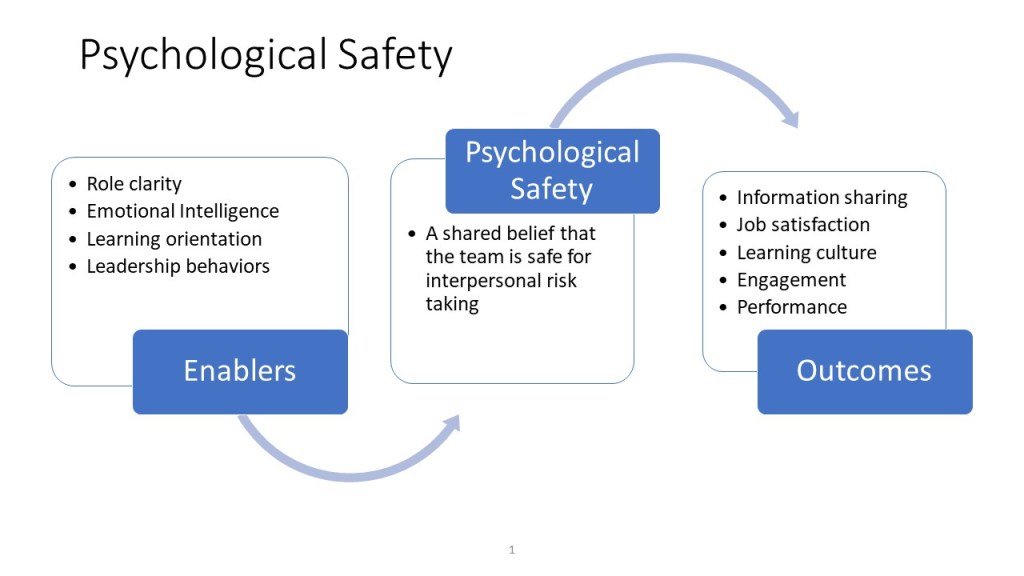
Psychological safety refers to a shared belief among team members that they are safe to take risks, share their thoughts, and learn from their mistakes without fear of negative consequences. This concept is foundational to building a culture where individuals feel valued, included, and motivated to contribute their unique perspectives. It is the bedrock upon which effective collaboration, creativity, and problem-solving are built. In environments where psychological safety is prioritized, employees are more likely to engage in open dialogue, admit mistakes, and explore new ideas, leading to enhanced innovation and productivity.
The Role of Leadership in Fostering Psychological Safety

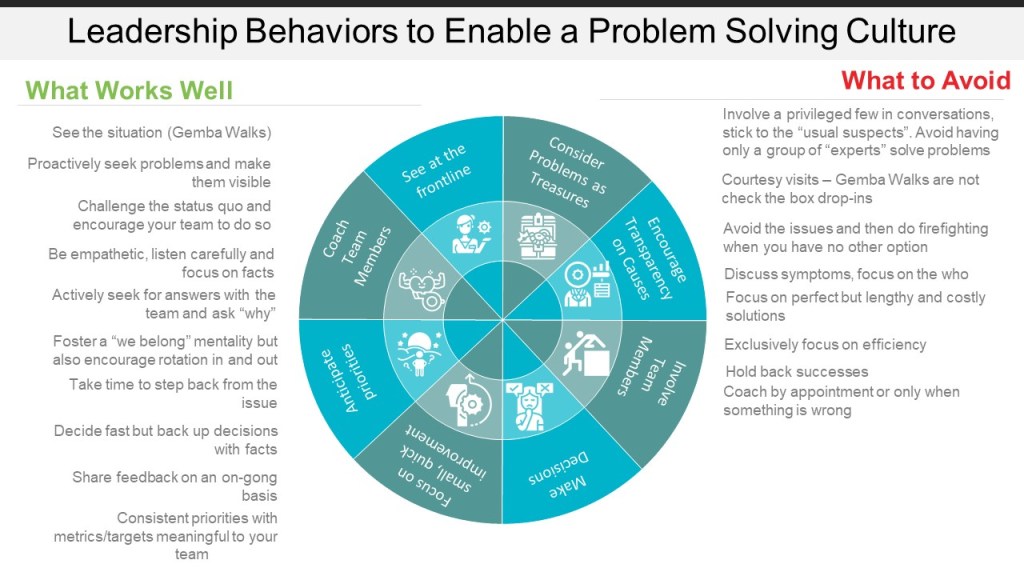
Effective leadership plays a pivotal role in establishing and maintaining a culture of psychological safety. Leaders must set the tone by modeling vulnerability, encouraging open communication, and demonstrating empathy towards their team members. They should establish clear expectations of respect and inclusivity, ensuring that diverse perspectives are welcomed and valued. By doing so, leaders create an environment where employees feel comfortable sharing their thoughts and ideas, which is essential for driving innovation and solving complex problems.

In the past post on Psychological Safety, Reflexivity, and Problem Solving, I explored how psychological safety enables individuals to behave authentically and express themselves candidly, which is crucial for effective problem-solving and reflexivity in organizations. This authenticity allows teams to tackle challenges more effectively by leveraging diverse viewpoints and experiences.
Building a Quality Culture

A quality culture is deeply intertwined with psychological safety. It emphasizes continuous improvement, learning from mistakes, and a commitment to excellence. In such a culture, employees are encouraged to reflect on their processes, identify areas for improvement, and implement changes that enhance overall performance. This reflective practice is facilitated by psychological safety, as it allows individuals to share insights and ideas without fear of criticism, thereby fostering a collaborative and adaptive environment.
Strategies for Creating a Safe Space for Reflection

Creating a safe space for reflection involves several strategic steps:

Establishing Open Communication Channels

Organizations should implement transparent and constructive communication channels that allow employees to express their thoughts, concerns, and ideas without fear of negative consequences. This can be achieved through regular team meetings, anonymous feedback systems, or open forums where employees feel comfortable sharing their perspectives. Active listening and empathy are crucial in these interactions, as they reinforce the sense of safety and encourage further participation.

Implementing Psychological Safety Training

Providing comprehensive training on psychological safety is essential for building awareness and equipping employees with the skills needed to navigate complex interactions and support their colleagues. These programs should emphasize the importance of trust, vulnerability, and inclusivity, and offer practical strategies for fostering a psychologically safe environment. By educating employees on these principles, organizations can ensure that psychological safety becomes an integral part of their culture.

Encouraging Active Participation and Feedback

Encouraging active participation involves creating opportunities for employees to engage in collaborative discussions and provide feedback. This can be facilitated through workshops, brainstorming sessions, or project meetings where diverse perspectives are sought and valued. Feedback loops should be open and constructive, allowing employees to learn from their experiences and grow professionally.

Measuring Psychological Safety

Measuring psychological safety is critical for understanding its impact on organizational culture and identifying areas for improvement. This can be achieved through surveys, behavioral indicators, and engagement scores. Surveys should include questions that assess employees’ perceptions of safety, trust, and openness within their teams. Behavioral indicators, such as the frequency of idea sharing and openness in feedback loops, can also provide valuable insights into the level of psychological safety within an organization.

In our previous discussions on on this blog, I have emphasized the importance of a culture that supports open dialogue and continuous improvement. A few examples include:

  1. Communication Loops and Silos: A Barrier to Effective Decision Making in Complex Industries: This post highlights the challenges of communication loops and silos in industries like aviation and biotechnology. It emphasizes the need for open dialogue to bridge these gaps and improve decision-making processes.
  2. Change Strategies for Accelerating Change: This post discusses strategies such as promoting cross-functional training, fostering informal interactions, and implementing feedback loops. These strategies are crucial for creating a culture that supports open dialogue and continuous improvement.
  3. Reducing Subjectivity in Quality Risk Management: Aligning with ICH Q9(R1): This post focuses on reducing subjectivity through structured approaches and data-driven decision-making. It underscores the importance of a culture that encourages open communication to ensure that decisions are based on comprehensive data rather than personal biases.

These examples illustrate the importance of fostering a culture that supports open dialogue and continuous improvement in complex industries.

Overcoming Challenges

Despite the benefits of psychological safety, several challenges may arise when attempting to implement it within an organization. Fear and resistance to change are common obstacles, particularly in hierarchical structures where speaking up can be perceived as risky. To overcome these challenges, organizations should identify influential champions who can model psychological safety behaviors and inspire others to do the same. Regular assessments and feedback sessions can also help identify areas where psychological safety is lacking, allowing for targeted interventions.

Sustaining Psychological Safety

Sustaining a culture of psychological safety requires ongoing effort and commitment. Organizations must regularly assess the effectiveness of their psychological safety initiatives and refine their strategies based on feedback and performance data. This involves ensuring that leadership behaviors consistently reinforce psychological safety principles and that training programs are scaled to reach all levels of the organization.

Conclusion

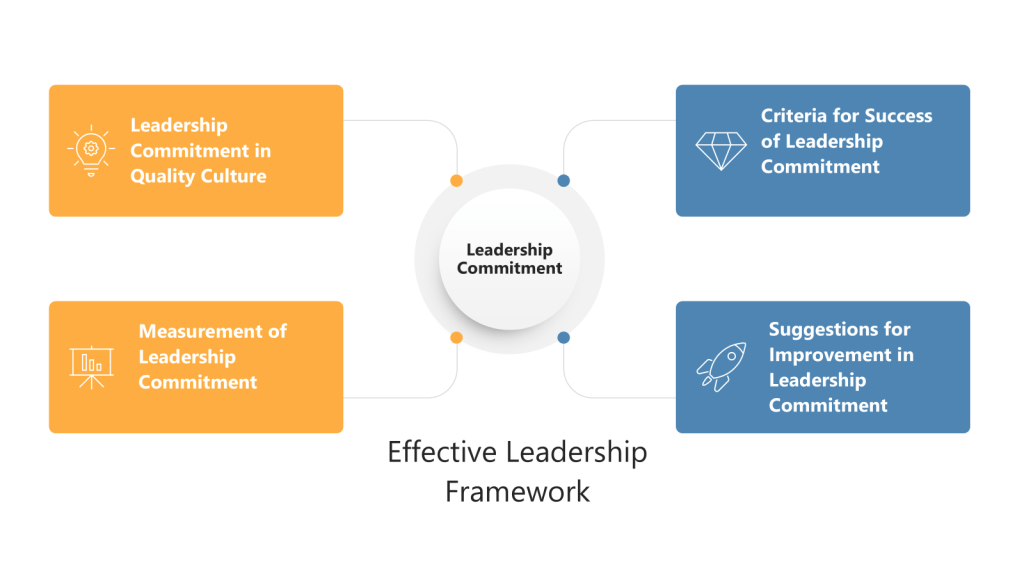
Building a safe space for reflection within an organization is a multifaceted process that relies heavily on psychological safety and a quality culture. By fostering an environment where employees feel valued, included, and empowered to share their ideas, organizations can unlock their full potential and drive innovation. Psychological safety is not a static state but a continuous journey that requires leadership commitment, effective communication, and ongoing evaluation. As we continue to navigate the complexities of modern organizational challenges, prioritizing psychological safety will remain essential for creating a workplace where employees thrive and contribute meaningfully.

By embracing psychological safety and fostering a quality culture, organizations can create a safe space for reflection that drives innovation, enhances collaboration, and promotes continuous improvement. This approach not only benefits the organization but also contributes to the well-being and growth of its employees, ultimately leading to a more resilient and adaptive workforce.

Assessing the Impact of Changes to Your Validation Program

When undertaking a project to enhance your validation program, it’s crucial to have a robust method for measuring success. This is especially important as you aim to increase maturity and address organizational challenges, with a significant focus on training and personnel qualification. The Kirkpatrick model, originally designed for evaluating training programs, can be effectively adapted to assess the success of your validation program improvements.

Level 1: Reaction

This level measures how participants react to the validation program.

  • Survey validation team members on their satisfaction with the validation approach
  • Gather feedback on the clarity of risk-based validation concepts
  • Assess perceived relevance and applicability of the new validation methodology

Level 2: Learning

This level evaluates the knowledge and skills acquired.

  • Conduct assessments to measure understanding of key principles
  • Test ability to perform risk assessments and develop verification strategies
  • Evaluate comprehension of good engineering practices (GEP) and their integration into validation activities

Level 3: Behavior

This level examines how participants apply what they’ve learned on the job.

  • Observe validation team members implementing risk-based approaches in actual projects
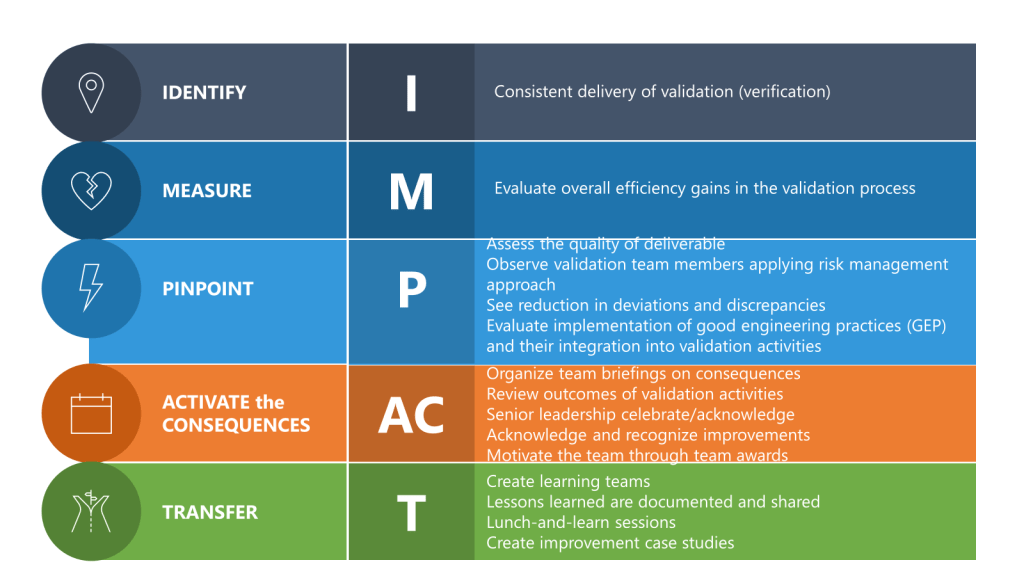
  • Review documentation to ensure proper application of methodologies and assess the quality of user requirements, risk assessments, and verification plans. This is where I would use a rubric.
  • Create some key behavior indicators, such as right-the-first time.

I use IMPACT as a tool here.

And then come up with a set of leading and lagging quality and behavioral indicators.

Leading

  • Measure and report attendance at risk assessments and project team meetings
  • Number of employee/team improvement suggestions implemented
  • Number of good catches identified

Trended Lagging

  • % RFT validation deliverables
  • % RFT executions (looking at discrepancies)

Level 4: Results

This level measures the impact on the organization.

  • Track reduction in validation cycle times and associated costs
  • Monitor improvements in product quality and reduction in deviations
  • Assess regulatory inspection outcomes and feedback on validation approach
  • Evaluate overall efficiency gains in the validation process

By applying the Kirkpatrick Model to a validation program improvements we can systematically evaluate the effectiveness of their implementation and identify areas for continuous improvement.

Best Ways to Address a Deviation Backlog

A deviation backlog in a regulated industry, such as pharmaceuticals, can pose significant risks to compliance, product quality, and overall operational efficiency. Addressing this backlog effectively requires a structured approach that prioritizes risk management, resource allocation, and continuous improvement.

You need to do two things first:

Prioritize Urgent Requests

  • Identify Critical Issues: Focus on resolving high-priority and time-sensitive deviations first to drive compliance.

Isolate and Organize

  • Separate Backlog from Ongoing Deviations: Create distinct queues for backlog deviations and new deviations to streamline management.
  • Create a Backlog Team: Assign a dedicated team to tackle the backlog, ensuring that regular support operations continue smoothly.

From there, you can then proceed into the next steps to tackle a deviation backlog:

1. Prioritize Based on Risk

Not all deviations have the same impact. Prioritizing the backlog based on the severity and risk part of each deviation is crucial. This involves:

  • Assessing Severity: Evaluate the potential impact of each deviation on product quality, patient safety, and regulatory compliance. Ideally you already classify deviations into categories such as minor, moderate, and major. based on those you will need to additional work to prioritize the backlog.
  • Risk-Based Approach: Focus on resolving high-risk deviations first to mitigate the most critical issues promptly.

2. Allocate Adequate Resources

Addressing a backlog efficiently often requires additional resources. Consider the following actions:

  • Increase Staffing: Temporarily augment your team with additional personnel or external consultants to handle the increased workload.
  • Specialized Teams: Form dedicated teams to focus solely on backlog reduction, ensuring that regular operations are not disrupted.

3. Improve and Make Robust Deviation Management Processes

A systematic approach to deviation management helps prevent backlogs from recurring. Key steps include:

  • Root Cause Analysis (RCA): Conduct thorough investigations to identify the underlying causes of deviations.
  • Corrective and Preventive Actions (CAPA): Develop and implement CAPA plans to address root causes and prevent future deviations. Ensure these plans are reviewed and approved by relevant stakeholders.

4. Regular Monitoring and Review

Continuous monitoring and regular reviews are essential to keep the backlog under control:

  • Track Progress: Use metrics and key performance indicators (KPIs) to monitor the progress of backlog reduction efforts. Tools like burndown charts can be helpful.
  • Periodic Reviews: Conduct regular review meetings to assess the status of the backlog and make necessary adjustments to the plan.

5. Enhance Deviation Management Systems

Improving your deviation management system can prevent future backlogs and streamline the resolution process:

  • Automation and Software Tools: Implement a eQMS or evaluate and improve the current one.
  • Training and Education: Ensure that all employees are well-trained in deviation management processes and understand the importance of timely reporting and resolution.

6. Foster a Culture of Continuous Improvement

Promote a culture that values continuous improvement and proactive problem-solving:

  • Encourage Reporting: Create an environment where employees feel comfortable reporting deviations without fear of retribution.
  • Learn from Deviations: Analyze deviation trends to identify areas for process improvement and implement changes to prevent recurrence.

7. Set Clear Goals and Deadlines

Establish clear goals and deadlines for backlog reduction:

  • Set Due Dates: Assign due dates for resolving backlog items to ensure timely action. Items that exceed their due dates should be reviewed and either expedited or reassessed for relevance.
  • Regular Updates: Keep all stakeholders informed about the progress and any changes to the plan through regular updates and communication.

Conclusion

Addressing a deviation backlog effectively requires a combination of prioritization, resource allocation, robust processes, continuous monitoring, and a culture of improvement. By implementing these strategies, organizations can reduce their backlog, improve compliance, and enhance overall product quality and safety.

The Means Justify the Ends

A central premise of the Quality mindset is that the means justify the ends and that how we work produces a better result.

At its core, a Quality mindset values the journey as much as the destination. It’s an understanding that the path taken to achieve results is integral to the quality of those results. This mindset shifts the focus from merely meeting targets to how those targets are met, emphasizing continuous improvement, attention to detail, and a commitment to excellence at every step of the process.

The Means Define the Culture

One of the most profound impacts of adopting a Quality mindset is on organizational culture. When a company prioritizes the means as much as the ends, it fosters a culture of integrity, responsibility, and continuous learning. Employees are encouraged to take ownership of their work, innovate, and find better ways to achieve objectives. This enhances the quality of work and boosts morale and engagement among team members.

Process Improvement as a Habit

Incorporating a Quality mindset means viewing process improvement as not a one-time initiative but an ongoing habit. It’s about making small, continuous adjustments that cumulatively lead to significant improvements.

Building Resilience through Quality

Another critical aspect of the Quality mindset is its role in building organizational resilience. Companies can create flexible and robust processes that withstand external pressures and disruptions by concentrating on the means. This resilience is crucial in today’s fast-paced and ever-changing business environment, where adaptability and agility are key to survival and success.

The Role of Leadership

Leadership plays a pivotal role in cultivating a Quality mindset within an organization. Leaders must set the tone by demonstrating a commitment to quality in their actions and decisions. They should encourage open communication, foster a culture of feedback and learning, and recognize and reward quality improvements. By leading by example, leaders can inspire their teams to adopt a Quality mindset and contribute to a culture of excellence.

Conclusion

Adopting a Quality mindset is a strategic choice that can lead to superior outcomes for organizations. By focusing on the means—how work is done—companies can improve processes, foster a positive culture, build resilience, and ultimately achieve higher-quality results. Embedding this mindset into the fabric of the company’s operations requires a commitment from all levels of the organization, especially leadership. In the end, a Quality mindset is not just about achieving better results; it’s about building a better organization.

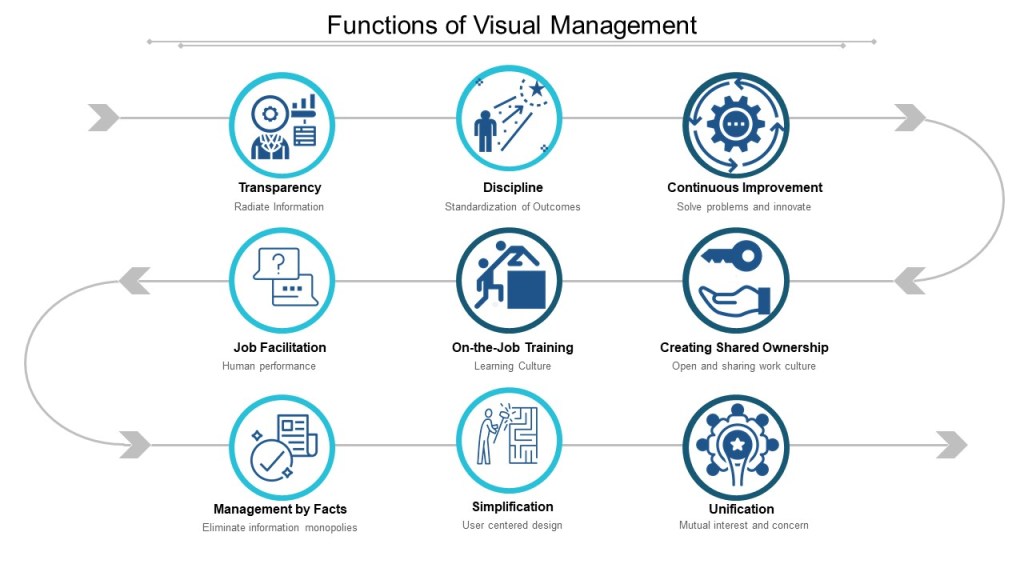
Visual Management

In the organizational world Visual Management is a management system that attempts to improve organizational performance through connecting and aligning organizational vision, core values, goals and culture with other management systems, work processes, workplace elements, and stakeholders, by means of stimuli, which directly address one or more of the five human senses (sight, hearing, feeling, smell and taste). These stimuli communicate quality information (necessary, relevant, correct, immediate, easy to-understand and stimulating), which helps people make sense of the organizational context at a glance by merely looking around. It is a management approach that utilizes either one or more of information giving, signaling, limiting or guaranteeing (mistake-proofing/ poka-yoke) visual devices to communicate with “doers”, so that places become self-explanatory, self-ordering, self-regulating and self-improving.

FunctionDefinitionReplaces the Practice of
TransparencyThe ability of a process (or its parts) to communicate with people through organizational and physical means, measurements, and public display of information

Transparency stimulates people to move outside the confines of particular job responsibilities and to see the larger scale of their work
Information held in people‟s minds and on the shelves.
DisciplineMaking a habit of properly maintaining correct procedures by transforming the abstract concept of discipline into directly observable concrete practices

Address the six basic questions (the what, the where, the who, the how, the how many and the when)
Warning, scolding, inflicting punishments, dismissing etc.
Continuous ImprovementFocused and sustained incremental innovation

Makes organizational learning visual with high ability to respond to people’s ideas
Static organizations or big improvement leaps through considerable investment.
Job FacilitationConscious attempt to physically and/or mentally ease people’s efforts on routine, already known tasks, by offering various visual aidsExpecting people to perform well at their jobs without providing them any aids.
On-the-Job TrainingLearning from experience or integrating working with learning.Conventional training practices or offering no training.
Creating Shared OwnershipA feeling of possessiveness and being psychologically tied to the objectivesManagement dictation for change efforts, vision and culture creation.
Management by FactsUse of facts and data based on statisticsManagement by subjective judgement or vague terms.
SimplificationConstant efforts on monitoring, processing, visualizing and distributing system wide information for individuals and teamsExpecting people to monitor, process and understand the complex system wide information on their own.
UnificationPartly removing the boundaries and creating empathy within an organization through effective information sharingFragmentation or “this is not my job” behavior
The functions of Visual Management