My six years at Sanofi were really the transition from manager to leader. It wasn’t always easy, but this is where I started to truly apply self-awareness to my tasks and expanded my perspectives to move beyond the day-to-day and focus on the strategic needs of building a quality organization.
I came into the organization really focused on the immediate needs of building a serious change management and change control. This was a site under a consent decree and I felt pressured to have results fast.
Over time, as the consent decree moved to later stages I shifted focus to being less day-to-day and more about implementing continuous improvements and driving a vision of what quality and excellence really could be.
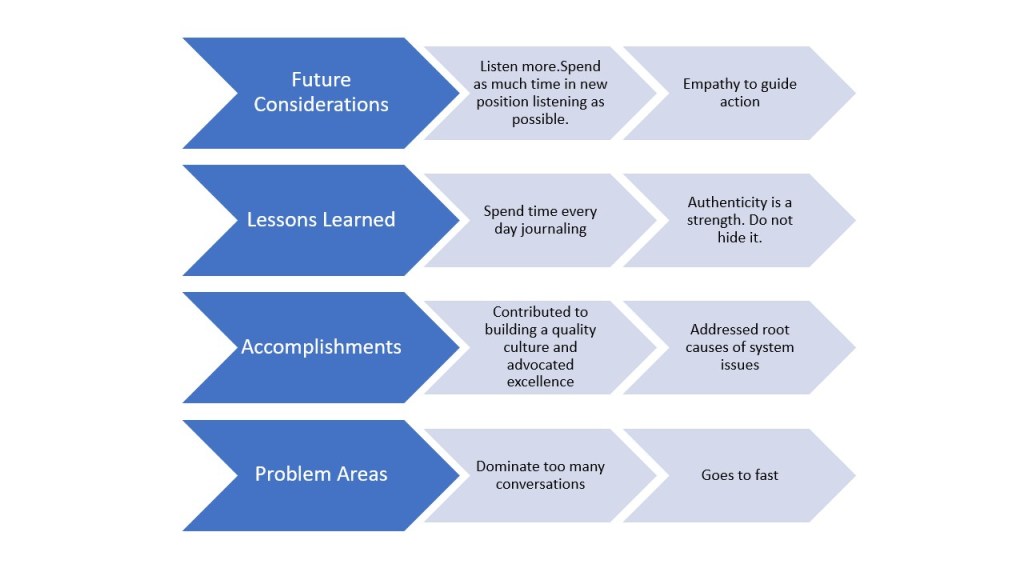
I made mistakes. I had successes. I’m leaving quite proud of what I’ve done and the relationships I’ve built. Relationships I am confident will continue.
I often joke with folks that I started this blog as a public form of journaling. That remains true, and will continue in the future. As I move into my next position, here are my key things to remember:
Focus on outcomes not deliverables with the long term goal of building a quality culture through innovative digital solutions and thus helping shape not only my organization but others beyond it.
Don’t just instruct but inspire. Strive toinspire, to motivate, and to communicate the overall quality philosophy at every opportunity. If my coworkers are truly inspired by and proud of the ideals and values that I help communicate, then they will drive even more improvements.
CommunicateBig Quality Ideas. In addition to setting a digital agenda, utilize the platform to create wider strategies for quality, and defining the tone for quality culture by crafting effective, clear, transparent, and consistent messaging that inspires the best.
Slow down. Be humble. Understand that I do not need to prove myself as the smartest person in every room. Encourage people to speak up, respect differences of opinion and champion the best ideas. Breathe.
Finally, remember the relationships I have and lean into them.
Not sure if these two posts looking forward and back are useful to anyone else, but they certainly position me for starting my new position on Monday.
It is more like being involved in a complicated love affair. One minute it’s thrilling, passionate, engaging. The next, it’s exhausting and overwhelming, and I feel like I need a break.
— Read on hbr.org/2019/07/when-passion-leads-to-burnout
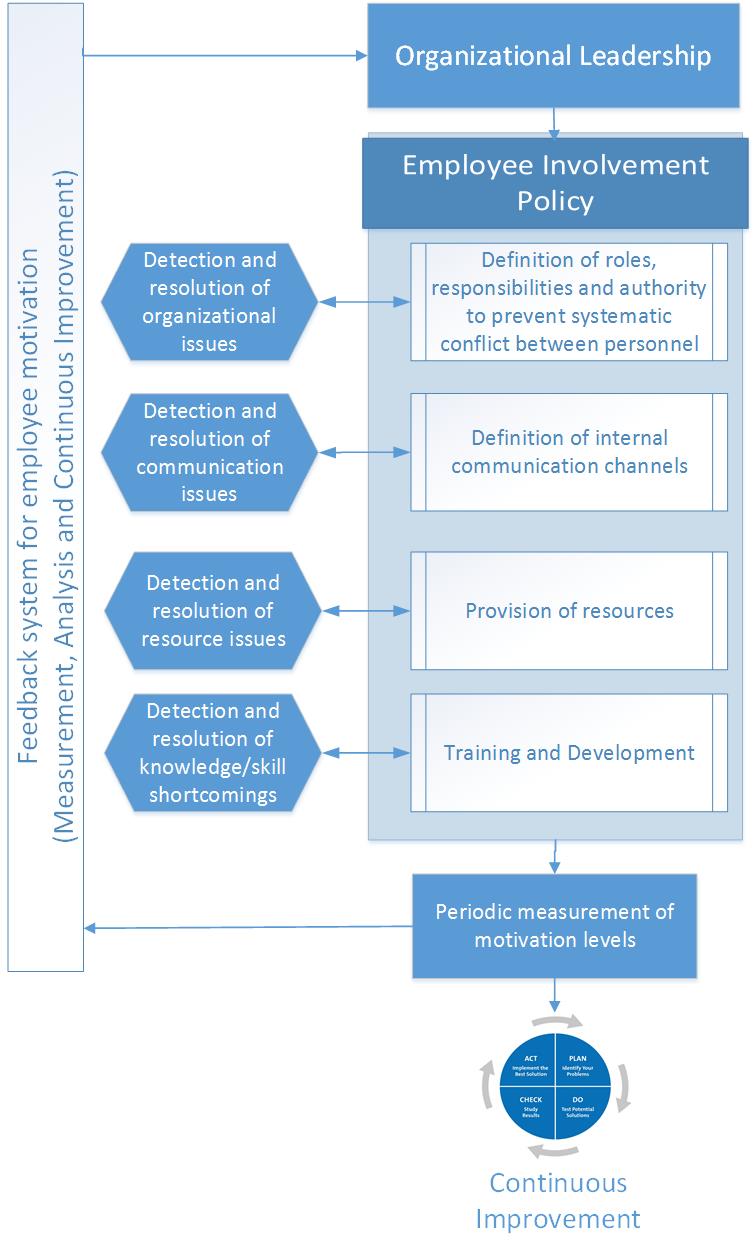
It is the responsibility of leaders “to keep an eye on the well-being of their staff.” Organizations whose staff feel unmotivated due to stress and burnout cannot aspire to achieve a culture of excellence. Our systems need to be designed to eliminate the root cause for stress and burnout.
Five mechanisms can be leveraged to improve organizational system design: 1) Eliminate organizational issues related to roles, responsibilities and authorities of employees, 2) establish a policy of transparency and effective “bottom-up” internal communication channel to permit employee contribution and recognition, 3) establish criteria for resource distribution, 4) establish a commitment to identify needed training and provide resources for the purpose and 5) establish a systemic feedback loop for analysis and improvement of employee motivation based on periodic measurement of employee motivational levels.
If
employees know exactly what their tasks are, without sustained overload, with
necessary resources and competence, and recognition for the task well
performed, there will be no major system-induced reason for demotivation.
This gets to the heart of Deming’s use of psychology in his System of Profound Knowledge. Lean calls it Respect-for-People. This is all about ensuring our organizations are healthy places to work and thrive.
Luigi Sille on sharequality answered the June 2019 ASQ Roundtable Topic asks: “How can an individual become a successful Change Leader?” I’m a big fan of both blog carnivals and change management so here goes my answer, which is pretty similar to Luigi’s, and I would guess many other’s – just with my own spin.
A few things immediately come to mind.
Change management (and this is another great example of really meaning people change management) should be a competency on the ladder for any quality professional. It certainly needs to be a core area for anyone in a quality leadership position.
There are a lot of competency models out there for change management. Instead of pointing to just one, let’s try to find what they actually have in common. To do so it is important to set out the critical activities of change management:
Change Management requires the seven skills we should all be developing: communication, content, context, emotional competence, teaching, connections, and an ethical compass
Quality System Management should be viewed and governed as a program
Program management is commonly defined as “a group of projects that contribute to a common, higher order objective.” The projects in a program are related, and the intent of achieving benefits would not be realized if the projects were managed independently.
Program management includes the practices and processes of strategic alignment, benefits management, stakeholder management, governance, and lifecycle management. Program governance creates the control framework for delivering the programs’ change objectives and making benefit delivery visible to the organization’s control.
There are different styles of program management and what I am focusing on here is what is sometimes called “heartbeat”, which aims to achieve evolutionary improvement of existing systems and processes or organizational change. This program type creates value by reconciling contradicting views and demands for change from various organization actors in order to enhance existing systems and practices while sustaining operations.
Heartbeat program management is all about awareness of the contexts of the program and requires knowledge of strategy, competition, trends in the industry, and differences in management practices between the business units of the company. A good heartbeat program manager is highly concerned about their program’s long-term effects and implications for the company’s business.
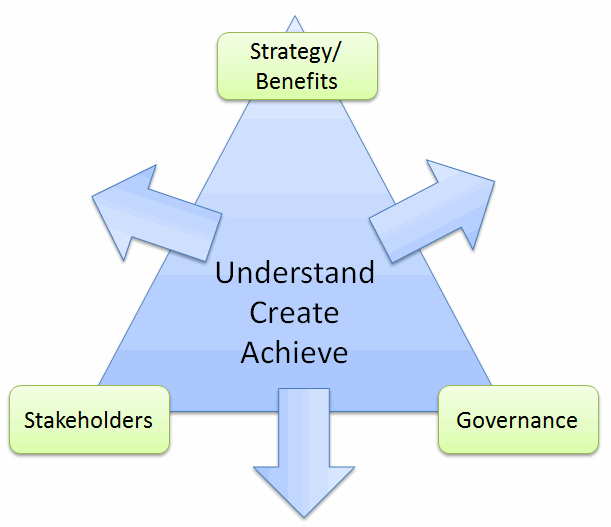
Magic triangle of a program manager
Programs exist to create value by improving the management
of projects and to create benefits through better organization of projects. The
fundamental goals of program management are:
Efficiency and effectiveness: Aspects of management that a proficient project manager should address and benefit from coordination.
Business focus goal: The external alignment of projects with the requirements, goals, drivers and culture of the wider organization. These goals are associated with defining an appropriate direction for the constituent projects within a program as well as for the program as a whole.
Goal
Description
Efficiency and effectiveness goals
Improved co-ordination
Assist in identification and definition of project inter-dependencies and thereby reduce the incidence of work backlogs, rework and delays
Improved dependency management
Reduce the amount of re-engineering required due to inadequate management of the interfaces between projects
More effective resource utilization
Improve the effectiveness and efficiency of the allocation of shared resources Assist in providing justification for specialist resources that deliver an overall improvement to program delivery and/or business operations
Provide a means to identify and improve upon transferable lessons. Facilitate organizational learning
Greater senior management ‘visibility’
Enable senior management to better monitor, direct and control the implementation process
Business focus goals
More coherent communication
Improve communication of overall goals and direction both internally and externally to the program Target management attention clearly on the realization of benefits that are defined and understood at the outset and achieved through the lifetime of the program and beyond Assist in keeping personal agendas in check
Improved project definition
Ensure that project definition is more systematic and objective, thereby reducing the prevalence of projects with a high risk of failure or obsolescence Enable the unbundling of activities in a strategic project-set into specific projects Enable the bundling of related projects together to create a greater leverage or achieve economies of scale
Better alignment with business drivers,
goals and strategy
Improves the linkage between the strategic direction of organizations and the management activities required to achieve these strategic objectives Provide an enabling framework for the realization of strategic change and the ongoing alignment of strategy and projects in response to a changing business environment (via project addition/culling, etc.)
The Attributes of a Good Heartbeat Program Manager are the
Attributes to a Good Quality Leader
As quality leaders we are often ambassadors to ensure that
the quality program is progressing despite the conflicting requirements of the
various stakeholders. We need to actively influence quality-related decisions
of all stakeholders, including people holding superior positions. Having a
well-developed personal network within the organization is particularly
helpful.
It is critical to always be communicating about the quality
program in a visionary way, to be seen as passionate ambassadors. Playing this
role requires constant attention to differing expectations of the stakeholders
and various ways to influence stakeholders for the benefit of the quality
system. To always be striving to build quality, to advance quality.
As advocates for Quality, it is a core competency to be able to stand up and defend, or argue for, the quality program and team members. This ability to challenge others, including their superiors, in a productive way is a critical ability.
A key focus of the quality program should be on engagement with a conscious and sustained drive to secure buy-in from key stakeholders (including senior management) and win over the hearts and minds of those responsible for execution to make changes feel less painful and inflicted. As quality leaders our aim should always be to engender a climate of comprehension, inclusion and trust, and to draw upon expertise globally to create fit for purpose processes and systems
Effective quality leaders need to be “heavyweight”
organizational players.
Core Competencies of the Heartbeat Manager
Contextual awareness
Scenario planning
Political skills
Courage
Networking
A note on program life
Many standard approaches perceive programs to have a finite life. This is constraining given that the strategies themselves, especially as applied to quality, have long lifetimes. I believe that program management has as much to learn from quality management, and there is a lot of value in seeing an indefinite time horizon as beneficial.
Quality management is an evolutionary approach, and utilizing program management methodologies within it should be taken in the same light.
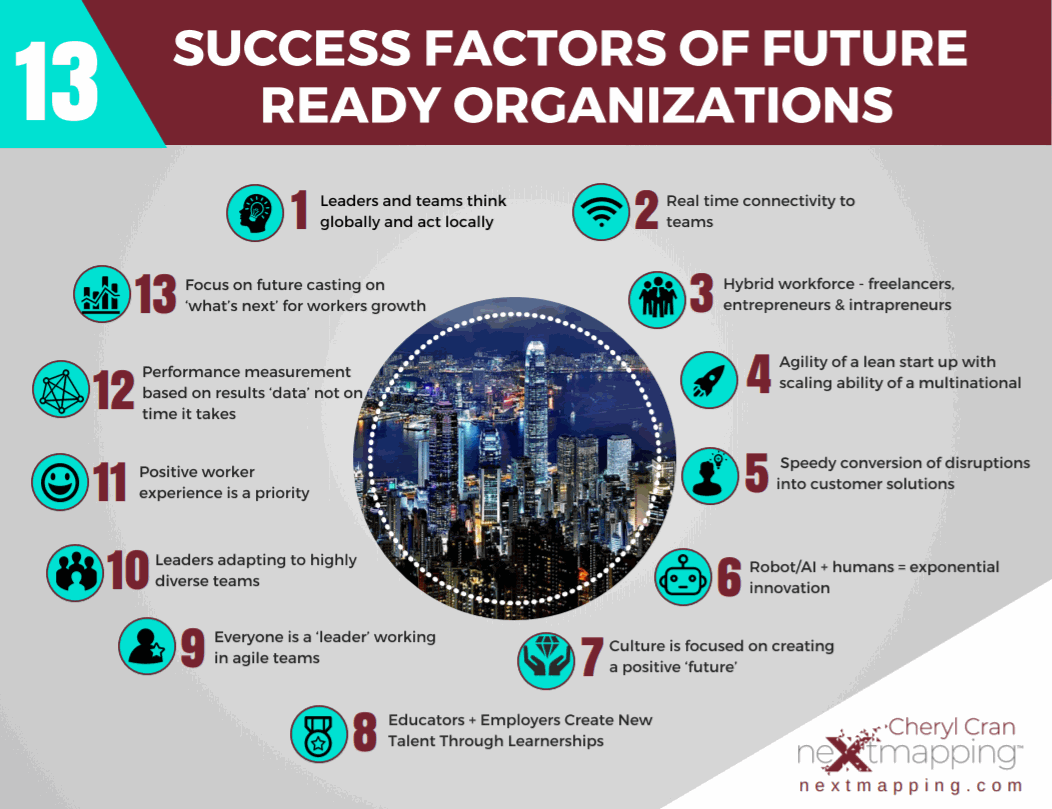
Future of work thought leadership….People First, Digital Second
Digital second is an interesting keynote theme (2 out of 4) and I appreciate the discussion on equitable futures and moving companies away from autocracy. Not sure anyone who speaks at large corporations is really all that committed to the concept. And I didn’t feel much more than lip service to the concept in this keynote.
Stressing reverse mentoring is good, something that all of us need to be building the tools to do better. Building it into technology integration is good.
Basic sum-up is that Change Leadership Traits are:
Relational vs transactional
Focus on ‘people’ first
Highly adaptable to people
and situations
Coach approach
Creative solutions
Future focused
Transparent
Empowering
In short, any talk that thinks having a clip from “In Good Company” is a good idea for teaching agile thinking is problematic.
“Storytelling: The Forgotten Change Management Tool ” by Keith Houser
Storytelling is one of the critical jobs of a quality professional, and this was a great presentation. Another flip session with pre-work that a lot of folks didn’t do.
This was marked basic. And unlike a lot of stuff marked intermediate this felt like truly a best practice, pushing the envelope in many ways. Sure I apply these principles, but the discipline here is impressive.

 Investigations of a Dog