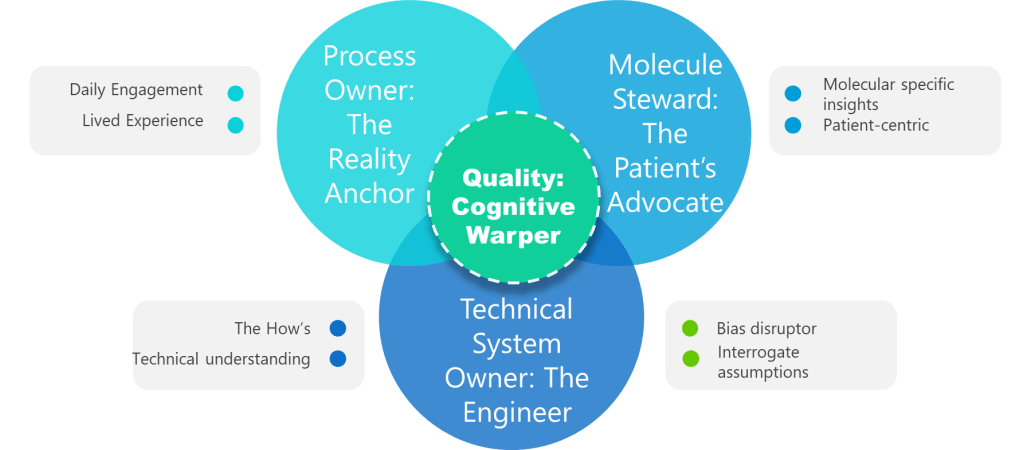
Ineffective risk management and quality systems revolve around superficial risk management. The core issue? Teams designed for compliance as a check-the-box activity rather than cognitive rigor. These gaps create systematic blind spots that no checklist can fix. The solution isn’t more assessors—it’s fewer, more competent ones anchored in science, patient impact, and lived process reality.
Not a title. A lived experience. Superficial ownership creates the “unjustified assumptions.” This role requires daily engagement with the process—not just signature authority. Without it, assumptions go unchallenged.
Beyond “SME”—the protein whisperer. This role demands provable knowledge of degradation pathways, critical quality attributes (CQAs), and patient impact. Contrast this with generic “subject matter experts” who lack molecule-specific insights. Without this anchor, assessments overlook patient-centric failure modes.
3. Technical System Owner: The Engineer
The value of the Technical System Owner—often the engineer—lies in their unique ability to bridge the worlds of design, operations, and risk control throughout the pharmaceutical lifecycle. Far from being a mere custodian of equipment, the system owner is the architect who understands not just how a system is built, but how it behaves under real-world conditions and how it integrates with the broader manufacturing program
4. Quality: The Cognitive Warper
Forget the auditor—this is your bias disruptor. Quality’s value lies in forcing cross-functional dialogue, challenging tacit assumptions, and documenting debates. When Quality fails to interrogate assumptions, hazards go unidentified. Their real role: Mandate “assumption logs” where every “We’ve always done it this way” must produce data or die.
Team Design as Knowledge Preservation
Team design in the context of risk management is fundamentally an act of knowledge preservation, not just an exercise in filling seats or meeting compliance checklists. Every effective risk team is a living repository of the organization’s critical process insights, technical know-how, and nuanced operational experience. When teams are thoughtfully constructed to include individuals with deep, hands-on familiarity—process owners, technical system engineers, molecule stewards, and quality integrators—they collectively safeguard the hard-won lessons and tacit knowledge that are so often lost when people move on or retire. This approach ensures that risk assessments are not just theoretical exercises but are grounded in the practical realities that only those with lived experience can provide.
Combating organizational forgetting requires more than documentation or digital knowledge bases; it demands intentional, cross-functional team design that fosters active knowledge transfer. When a risk team brings together diverse experts who routinely interact, challenge each other’s assumptions, and share context from their respective domains, they create a dynamic environment where critical information is surfaced, scrutinized, and retained. This living dialogue is far more effective than static records, as it allows for the continuous updating and contextualization of knowledge in response to new challenges, regulatory changes, and operational shifts. In this way, team design becomes a strategic defense against the silent erosion of expertise that can leave organizations exposed to avoidable risks.
Ultimately, investing in team design as a knowledge preservation strategy is about building organizational resilience. It means recognizing that the greatest threats often arise not from what is known, but from what is forgotten or never shared. By prioritizing teams that embody both breadth and depth of experience, organizations create a robust safety net—one that catches subtle warning signs, adapts to evolving risks, and ensures that critical knowledge endures beyond any single individual’s tenure. This is how organizations move from reactive problem-solving to proactive risk management, turning collective memory into a competitive advantage and a foundation for sustained quality.
Call to Action: Build the Risk Team
Moving from compliance theater to true protection starts with assembling a team designed for cognitive rigor, knowledge depth and psychological safety.
Start with a Clear Charter, Not a Checklist
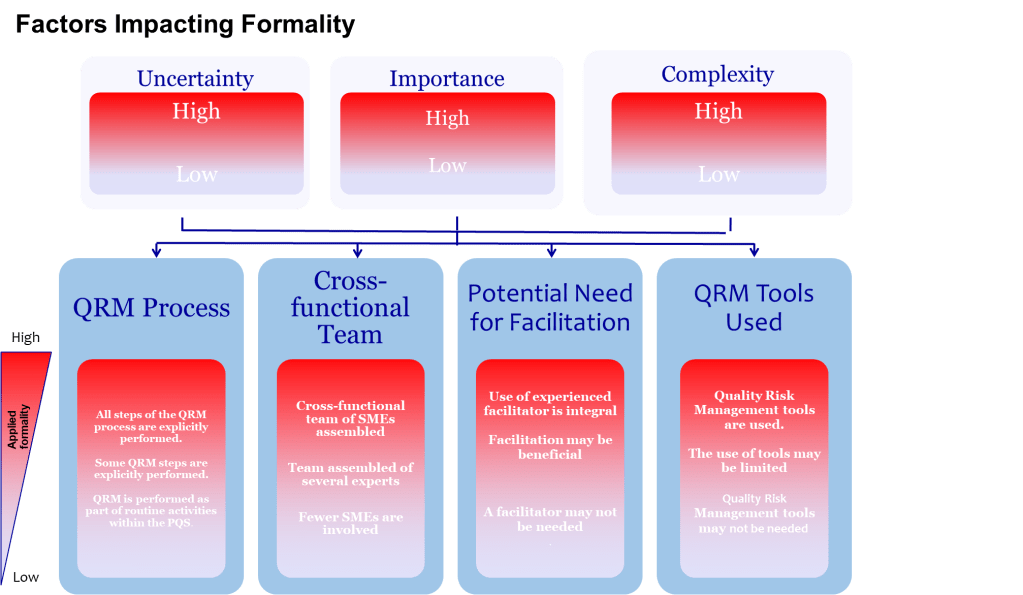
An excellent risk team exists to frame, analyse and communicate uncertainty so that the business can make science-based, patient-centred decisions. Assigning authorities and accountabilities is a leadership duty, not an after-thought. Before naming people, write down:
the decisions the team must enable,
the degree of formality those decisions demand, and
the resources (time, data, tools) management will guarantee.
Without this charter, even star performers will default to box-ticking.
Fill Four Core Seats – And Prove Competence
ICH Q9 is blunt: risk work should be done by interdisciplinary teams that include experts from quality, engineering, operations and regulatory affairs. ASTM E2500 translates that into a requirement for documented subject-matter experts (SMEs) who own critical knowledge throughout the lifecycle. Map those expectations onto four non-negotiable roles.
Process Owner – The Reality Anchor: This individual has lived the operation in the last 90 days, not just signed SOPs. They carry the authority to change methods, budgets and training, and enough hands-on credibility to spot when a theoretical control will never work on the line. Authentic owners dismantle assumptions by grounding every risk statement in current shop-floor facts.
Molecule Steward – The Patient’s Advocate: Too often “SME” is shorthand for “the person available.” The molecule steward is different: a scientist who understands how the specific product fails and can translate deviations into patient impact. When temperature drifts two degrees during freeze-drying, the steward can explain whether a monoclonal antibody will aggregate or merely lose a day of shelf life. Without this anchor, the team inevitably under-scores hazards that never appear in a generic FMEA template.
Technical System Owner – The Engineering Interpreter: Equipment does not care about meeting minutes; it obeys physics. The system owner must articulate functional requirements, design limits and integration logic. Where a tool-focused team may obsess over gasket leaks, the system owner points out that a single-loop PLC has no redundancy and that a brief voltage dip could push an entire batch outside critical parameters—a classic case of method over physics.
Quality Integrator – The Bias Disruptor: Quality’s mission is to force cross-functional dialogue and preserve evidence. That means writing assumption logs, challenging confirmation bias and ensuring that dissenting voices are heard. The quality lead also maintains the knowledge repository so future teams are not condemned to repeat forgotten errors.
Secure Knowledge Accessibility, Not Just Possession
A credentialed expert who cannot be reached when the line is down at 2 a.m. is as useful as no expert at all. Conduct aKnowledge Accessibility Index audit before every major assessment.
Embed Psychological Safety to Unlock the Team’s Brainpower
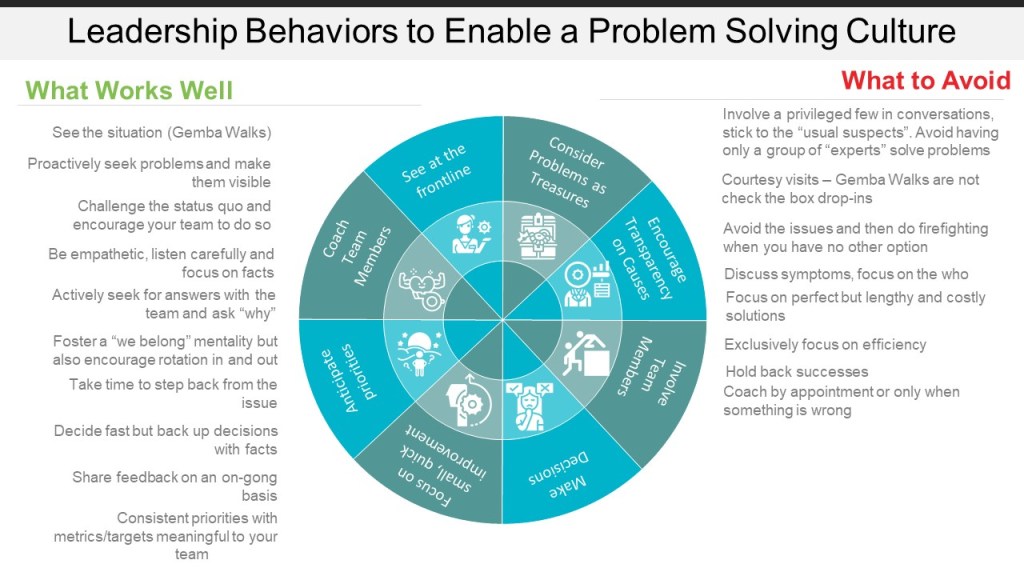
No amount of SOPs compensates for a culture that punishes bad news. Staff speak up only when leaders are approachable, intolerant of blame and transparent about their own fallibility. Leaders must therefore:
Invite dissent early: begin meetings with “What might we be overlooking?”
Model vulnerability: share personal errors and how the system, not individuals, failed.
Reward candor: recognize the engineer who halted production over a questionable trend.
Choose Methods Last, After Understanding the Science
Excellent teams let the problem dictate the tool, not vice versa. They build a failure-tree or block diagram first, then decide whether FMEA, FTA or bow-tie analysis will illuminate the weak spot. If the team defaults to a method because “it’s in the SOP,” stop and reassess. Tool selection is a decision, not a reflex.
Provide Time and Resources Proportionate to Uncertainty
ICH Q9 asks decision-makers to ensure resources match the risk question. Complex, high-uncertainty topics demand longer workshops, more data and external review, while routine changes may only need a rapid check. Resist the urge to shoehorn every assessment into a one-hour meeting because calendars are overloaded.
Institutionalize Learning Loops
Great teams treat every assessment as both analysis and experiment. They:
Track prediction accuracy: did the “medium”-ranked hazard occur?
Compare expected versus actual detectability: were controls as effective as assumed?
Feed insights into updated templates and training so the next team starts smarter.
The loop closes when the knowledge base evolves at the same pace as the plant.
When to Escalate – The Abort-Mission Rule
If a risk scenario involves patient safety, novel technology and the molecule steward is unavailable, stop. The assessment waits until a proper team is in the room. Rushing ahead satisfies schedules, not safety.
Conclusion
Excellence in risk management is rarely about adding headcount; it is about curating brains with complementary lenses and giving them the culture, structure and time to think. Build that environment and the monsters stay on the storyboard, never in the plant.
I occasionally strive to be open about what I’m personally working on: situational humility, coping with uncertainty, silence, my mental health, and humbleness, among other things. I believe these are all ways to approach a continuous journey aimed at my growth as a leader. I like to think I am on a constant path of improvement, but as organizations evolve and our roles within them change, it’s crucial to reflect on our experiences and aim for betterment. Sometimes, this requires shifting the perspective I use to assess my development. Today, my focus is on the concept of equanimity.
In today’s fast-paced organizational landscape, where constant change and disruption are the norm, the ability to maintain inner balance while facing complex challenges is a vital yet often overlooked leadership skill. Equanimity—an even-tempered state of psychological stability and composure that remains undisturbed by emotions, pain, or external pressures—becomes a fundamental element in creating resilient, quality-driven cultures. Unlike complacency, which silently undermines innovation and organizational excellence, equanimity equips leaders and professionals with a mental framework to stay responsive without becoming reactive, engaged without becoming entangled.
This balanced mindset fosters clear decision-making and steady leadership, necessary for nurturing environments where quality is not merely a compliance requirement but a cultural imperative. As organizations navigate increasingly turbulent markets and regulatory challenges, understanding and cultivating equanimity serves as a powerful antidote to the cycles of complacency that threaten long-term viability and stakeholder trust.
The Anatomy of Equanimity in Professional Contexts
Equanimity, derived from the Latin “aequanimitas” meaning evenness of mind, represents more than mere calmness—it constitutes a sophisticated mental framework that allows individuals to process and respond to experiences without becoming overwhelmed by them. In professional contexts, equanimity manifests as the capacity to remain present and engaged with challenging situations while maintaining psychological balance. Buddhist scholar Peter Harvey aptly described this state as being “stirred but not shaken”—the opposite of James Bond’s martini—highlighting how equanimity allows us to fully experience workplace events while preventing emotional entanglement that clouds judgment.
This mental stance creates a critical space between stimulus and response, where professionals can observe both external circumstances and their own emotional reactions without immediate judgment. Consider a quality assurance specialist discovering a significant product defect just before shipment. Equanimity enables this professional to feel the appropriate concern without spiraling into panic, allowing them to assess the situation clearly, communicate effectively with stakeholders, and implement necessary corrective actions. The equanimous mind acknowledges reality as it is—not as we wish it to be—creating the foundational awareness needed for effective quality management.
A common misconception portrays equanimity as emotional detachment or apathy—a mischaracterization that fundamentally misunderstands its nature. True equanimity does not suppress passion or diminish concern for quality outcomes; rather, it channels these energies more effectively. Professionals operating with equanimity remain deeply invested in excellence while freeing themselves from counterproductive emotional reactivity that might otherwise cloud their judgment or diminish their effectiveness. This balanced approach proves especially valuable in high-stakes quality scenarios where both clear perception and appropriate concern must coexist.
Equanimity as the Antidote to Complacency Cycles
Where complacency operates as a silent organizational saboteur, equanimity functions as its natural counteragent. Complacency cycles—characterized by reduced vigilance, resistance to innovation, and workforce disengagement—systematically undermine quality culture through self-reinforcing patterns of mediocrity. Equanimity disrupts these cycles by maintaining alertness without anxiety, openness without impulsivity, and engagement without exhaustion.
The “stagnation phase” of complacency begins when initial success breeds overconfidence and teams prioritize efficiency over improvement. Equanimity counters this tendency by facilitating a balanced perspective that acknowledges achievements while maintaining awareness of potential improvements. Rather than becoming complacent with current performance levels, equanimous professionals maintain a curious stance toward emerging risks and opportunities.
Similarly, during the “normalization of risk” phase, where minor deviations from standards become habitual, equanimity provides the mental clarity to recognize incremental drift before it culminates in significant failures. The equanimous mind remains attuned to subtle changes in quality parameters without becoming desensitized to gradually evolving risks. This vigilance represents a crucial firewall against the erosion of quality standards that typically precedes major quality incidents.
Most critically, equanimity prevents the “crisis trigger” phase by maintaining consistent attention to potential quality issues rather than requiring catastrophic events to reinstate vigilance. Unlike the boom-bust pattern of attention often observed in complacent organizations, equanimity sustains a steady awareness that prevents the accumulation of quality deficits in the first place. This proactive stance transforms quality management from a reactive crisis response into a continuous practice of excellence maintenance.
How Equanimity Transforms Leadership
Leadership serves as the linchpin in establishing and sustaining quality culture, with a leader’s responses and behaviors creating ripple effects throughout the organization. Research reveals concerning patterns in leadership reactions under pressure, with many leaders becoming more close-minded and controlling while others become more emotionally reactive during challenging situations—precisely when clarity and openness are most needed. Equanimity directly addresses these tendencies by creating the psychological space necessary for more deliberate, effective responses.
When leaders demonstrate equanimity during quality challenges, they effectively model how the organization should process and respond to adversity. Consider a manufacturing executive facing a significant product recall. An equanimous response—acknowledging the severity while maintaining composed problem-solving—signals to the organization that challenges represent opportunities for systemic improvement rather than occasions for blame or panic. This leadership stance creates psychological safety, enabling more transparent reporting of potential quality issues before they escalate into crises.
Equanimity also enhances a leader’s ability to make balanced decisions when confronting quality dilemmas that involve competing priorities. The pharmaceutical industry regularly faces tensions between production timelines and quality verification procedures. Leaders practicing equanimity can more effectively navigate these tensions, maintaining unwavering commitment to quality standards while acknowledging business realities. This balanced approach prevents the “diminished problem-solving rigor” that characterizes complacent organizations, where teams favor quick fixes over root-cause analysis.
Beyond individual decisions, equanimity transforms a leader’s overall approach to quality governance. Rather than oscillating between hypervigilance during crises and inattention during stable periods, equanimous leaders maintain consistent quality focus through various organizational phases. This steady attention prevents the “ceremonial governance” pattern where quality oversight becomes a performance rather than a genuine inquiry into systemic risks. By modeling emotional stability while maintaining quality vigilance, leaders create environments where excellence becomes self-sustaining rather than crisis-dependent.
Developing Equanimity as a Professional
Cultivating equanimity requires intentional practice rather than mere philosophical appreciation. For professionals seeking to develop this capacity, several evidence-based approaches offer practical pathways toward greater psychological balance in workplace settings.
Mindfulness meditation stands as perhaps the most well-established method for developing equanimity. Regular practice—even in brief sessions of 5-10 minutes—enhances the ability to observe thoughts and emotions without becoming entangled in them. This mental training directly strengthens the neural pathways associated with emotional regulation and cognitive flexibility, enabling professionals to respond more skillfully to quality challenges. A quality engineer practicing mindfulness might notice anxiety arising when discovering a potential compliance issue but can observe this reaction without allowing it to dominate their problem-solving approach.
Emotional intelligence development complements mindfulness by enhancing awareness of emotional patterns that undermine equanimity. By understanding personal triggers and typical reaction patterns, professionals can identify situations where their equanimity might be tested before they become emotionally activated. This anticipatory awareness creates an opportunity to implement self-regulation strategies proactively rather than reactively. Quality professionals with high emotional intelligence recognize when perfectionism or defensiveness might cloud their judgment and can consciously adjust their approach accordingly.
Gratitude practices offer another avenue toward equanimity by broadening perspective beyond immediate challenges. Regular reflection on positive aspects of work—successful quality initiatives, collaborative team dynamics, or personal growth—creates psychological resources that buffer against stress during difficult periods. This expanded awareness prevents quality challenges from consuming a professional’s entire attention, maintaining the balanced perspective essential for effective problem-solving.
Pre-mortem analyses—mentally simulating potential quality failures before they occur—paradoxically strengthen equanimity by reducing uncertainty and surprise when challenges arise. By anticipating possible issues and preparing response strategies in advance, professionals reduce the cognitive and emotional load of real-time problem-solving. This preparation creates a sense of capability and readiness that supports composed responses during actual quality incidents.
Cultivating Organizational Equanimity Through Systems Approach
While individual practices build personal equanimity, organizational systems and structures must support these efforts for sustainable impact. Leaders can implement several systemic approaches to foster equanimity throughout their quality culture.
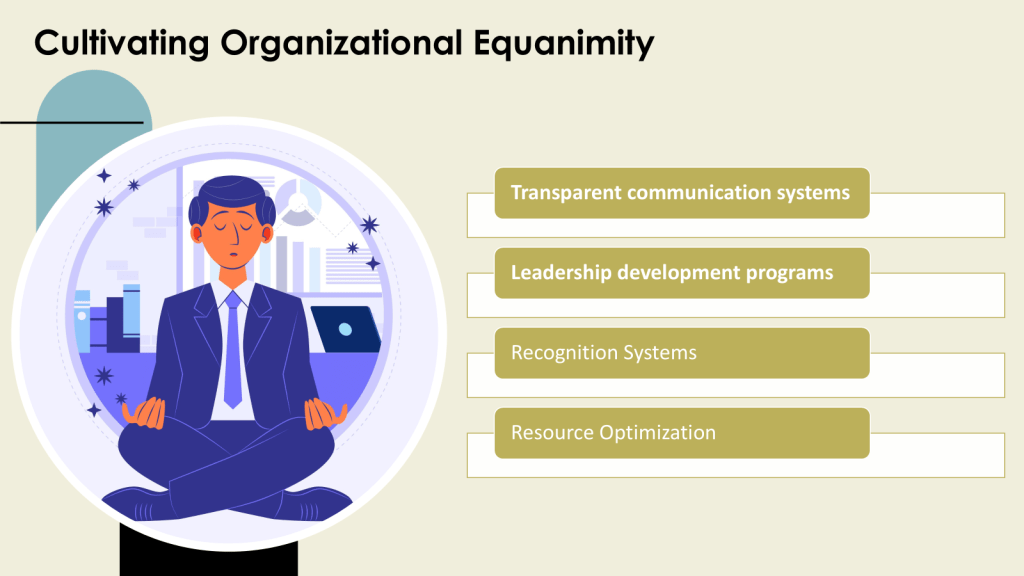
Transparent communication systems represent a foundational element in organizational equanimity. When information about quality metrics, emerging risks, and improvement initiatives flows freely throughout the organization, uncertainty decreases and collective sense-making improves. Digital dashboards tracking real-time quality indicators, regular cross-functional quality briefings, and systematic feedback loops all contribute to an information environment where sudden surprises—a primary threat to equanimity—become less frequent.
Leadership development programs should explicitly address equanimity as a core competency rather than treating it as an incidental personality trait. Training modules focusing on mindfulness, emotional intelligence, and stress resilience build the individual capacities necessary for equanimous leadership. When combined with peer coaching circles where leaders candidly discuss quality challenges and share regulation strategies, these formal development efforts create a leadership culture where balanced responses to pressure become the norm rather than the exception.
Recognition systems that reward equanimous handling of quality challenges—rather than just technical problem-solving—reinforce the importance of balanced responses. Acknowledging professionals who maintain composure while addressing complex quality issues sends a powerful message about organizational values. These recognition practices might highlight situations where teams maintained psychological safety during compliance audits or demonstrated composed problem-solving during manufacturing disruptions.
Resource optimization initiatives that address workload management directly support equanimity by preventing the overwhelm that undermines psychological balance. Realistic staffing models for quality functions, appropriate technological support for monitoring activities, and adequate time allocations for improvement projects all contribute to an environment where maintaining equanimity becomes feasible rather than heroic.
Leadership’s Role in Modeling and Sustaining Equanimity
Executive leadership bears particular responsibility for establishing equanimity as a cultural norm through consistent modeling and systemic reinforcement. Leaders demonstrate their commitment to equanimity not just through words but through visible behaviors during challenging quality scenarios.
Leaders practice vulnerability and transparencyby openly discussing their own experiences with maintaining equanimity during difficult situations. When executives share stories about managing their reactions during regulatory inspections, customer complaints, or internal quality failures, they normalize the emotional challenges inherent in quality work while demonstrating the possibility of balanced responses. This transparent approach creates psychological safety for others to acknowledge their own struggles with maintaining equanimity.
Participation in frontline quality activities provides another powerful demonstration of leadership equanimity. Executives who join quality audits, improvement workshops, or failure investigations gain firsthand exposure to quality challenges while modeling composed engagement. An executive participating in monthly gemba walks not only identifies systemic risks but also demonstrates how to approach quality issues with balanced curiosity rather than blame or anxiety.
Restructuring performance metrics represents a systemic approach to supporting equanimity by emphasizing leading indicators over lagging ones. When leaders prioritize metrics like preventative corrective actions, near-miss reporting, or improvement suggestion implementation, they create an information environment that supports proactive quality management rather than crisis response. This shift reduces the emotional volatility associated with reactive approaches while maintaining appropriate quality vigilance.
Cross-functional collaboration initiatives further support equanimity by distributing quality responsibilities across the organization rather than isolating them within quality departments. When leaders establish quality SWAT teams with representation from various functions, they create shared ownership for quality outcomes while preventing the isolation that can lead to overwhelm within quality functions. This collaborative approach supports equanimity by ensuring that quality challenges receive diverse perspectives and adequate resources.
Equanimity as a Journey, Not a Destination
Equanimity in professional contexts represents an ongoing practice rather than a permanent achievement—a perspective that itself embodies equanimous thinking. Like quality culture more broadly, equanimity requires continual renewal through intentional individual practices and supportive organizational systems. The interplay between complacency cycles and quality culture creates a perpetual tension that demands vigilance without anxiety, commitment without rigidity, and excellence without perfectionism.
Organizations that recognize equanimity as a foundational element of quality culture gain a significant advantage in navigating the complexities of modern business environments. By cultivating this balanced mental state throughout their workforce—particularly within leadership ranks—they establish psychological conditions where quality thrives as a natural expression of organizational values rather than a compliance obligation. This cultural foundation supports the relentless leadership commitment, systems thinking, and psychological safety necessary for sustained excellence.
As professionals and leaders journey toward greater equanimity, they transform not only their individual effectiveness but also the cultural fabric of their organizations. Each composed response to a quality challenge, each balanced decision during a crisis, and each steady commitment during uncertainty contributes to an organizational environment resistant to complacency yet free from reactivity. In this way, equanimity operates not just as a personal virtue but as a collective capability—one that enables organizations to maintain quality focus through changing conditions while remaining adaptive to emerging requirements. The cultivation of equanimity thus represents not merely a philosophical aspiration but a practical necessity for organizations committed to enduring excellence in increasingly turbulent times.
Self-Reflection
In the quiet moments of self-reflection, I have discovered that equanimity—that elusive state of mental calmness and composure, especially under trying circumstances—represents not a destination but an ongoing practice. The journey toward equanimity has been important for me, particularly as I’ve incorporated journaling as a companion practice. This written exploration serves as both a retrospective lens through which to examine past conversations and a preparatory tool for navigating difficult moments with greater balance. Equanimity teaches us to be with whatever shows up, to notice what shuts us down, pushes us away, or tears us wide open. Through the disciplined practice of putting pen to paper, I have found a pathway toward standing equally in both clear and muddy waters, remaining present with each moment exactly as it is.
The act of putting feelings into words helps with cognitive reappraisal—reframing situations to reduce their emotional impact by engaging the prefrontal cortex, our brain’s control center for planning, decision-making, and emotional regulation.
When I first implemented a consistent journaling practice, I noticed immediate benefits in managing workplace stress. After particularly challenging meetings or interactions, taking time to write about these experiences created distance from immediate emotional reactions. Research supports this experience, suggesting that writing about emotional events can benefit both mental and physical health. Journaling has been linked to decreased mental distress, reduced anxiety, and help with breaking cycles of obsessive thinking. Studies even indicate potential physical benefits, with participants who wrote about upsetting events healing faster after medical procedures than those who wrote about neutral topics.
Beyond retrospective analysis, journaling serves as a powerful preparatory tool for approaching challenging situations with greater equanimity. Before difficult conversations or high-stakes presentations, I’ve found that writing helps clarify intentions, anticipate potential triggers, and develop strategies for maintaining balance. This practice creates a foundation for equanimity that proves invaluable when emotions run high.
Pre-mortem analyses—mentally simulating potential failures before they occur—paradoxically strengthen equanimity by reducing uncertainty and surprise when challenges arise. By writing through possible difficult scenarios, I develop response strategies in advance, creating a sense of capability and readiness that supports composed responses during actual difficulties. This preparation reduces the cognitive and emotional load of real-time problem-solving in stressful situations.
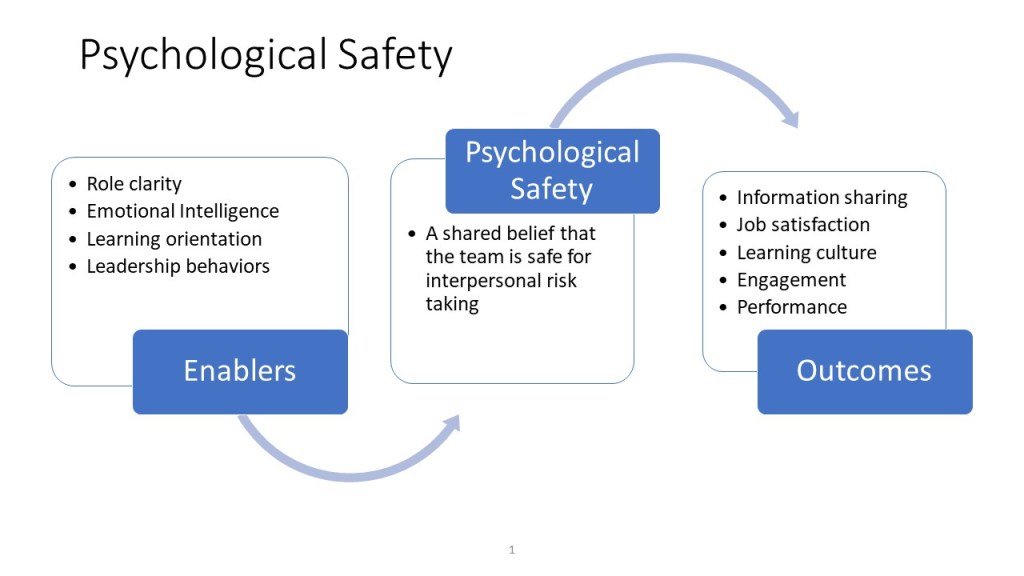
Psychological safety refers to a shared belief among team members that they are safe to take risks, share their thoughts, and learn from their mistakes without fear of negative consequences. This concept is foundational to building a culture where individuals feel valued, included, and motivated to contribute their unique perspectives. It is the bedrock upon which effective collaboration, creativity, and problem-solving are built. In environments where psychological safety is prioritized, employees are more likely to engage in open dialogue, admit mistakes, and explore new ideas, leading to enhanced innovation and productivity.
The Role of Leadership in Fostering Psychological Safety
Effective leadership plays a pivotal role in establishing and maintaining a culture of psychological safety. Leaders must set the tone by modeling vulnerability, encouraging open communication, and demonstrating empathy towards their team members. They should establish clear expectations of respect and inclusivity, ensuring that diverse perspectives are welcomed and valued. By doing so, leaders create an environment where employees feel comfortable sharing their thoughts and ideas, which is essential for driving innovation and solving complex problems.
In the past post on Psychological Safety, Reflexivity, and Problem Solving, I explored how psychological safety enables individuals to behave authentically and express themselves candidly, which is crucial for effective problem-solving and reflexivity in organizations. This authenticity allows teams to tackle challenges more effectively by leveraging diverse viewpoints and experiences.
Building a Quality Culture
A quality culture is deeply intertwined with psychological safety. It emphasizes continuous improvement, learning from mistakes, and a commitment to excellence. In such a culture, employees are encouraged to reflect on their processes, identify areas for improvement, and implement changes that enhance overall performance. This reflective practice is facilitated by psychological safety, as it allows individuals to share insights and ideas without fear of criticism, thereby fostering a collaborative and adaptive environment.
Strategies for Creating a Safe Space for Reflection
Creating a safe space for reflection involves several strategic steps:
Establishing Open Communication Channels
Organizations should implement transparent and constructive communication channels that allow employees to express their thoughts, concerns, and ideas without fear of negative consequences. This can be achieved through regular team meetings, anonymous feedback systems, or open forums where employees feel comfortable sharing their perspectives. Active listening and empathy are crucial in these interactions, as they reinforce the sense of safety and encourage further participation.
Implementing Psychological Safety Training
Providing comprehensive training on psychological safety is essential for building awareness and equipping employees with the skills needed to navigate complex interactions and support their colleagues. These programs should emphasize the importance of trust, vulnerability, and inclusivity, and offer practical strategies for fostering a psychologically safe environment. By educating employees on these principles, organizations can ensure that psychological safety becomes an integral part of their culture.
Encouraging Active Participation and Feedback
Encouraging active participation involves creating opportunities for employees to engage in collaborative discussions and provide feedback. This can be facilitated through workshops, brainstorming sessions, or project meetings where diverse perspectives are sought and valued. Feedback loops should be open and constructive, allowing employees to learn from their experiences and grow professionally.
Measuring Psychological Safety
Measuring psychological safety is critical for understanding its impact on organizational culture and identifying areas for improvement. This can be achieved through surveys, behavioral indicators, and engagement scores. Surveys should include questions that assess employees’ perceptions of safety, trust, and openness within their teams. Behavioral indicators, such as the frequency of idea sharing and openness in feedback loops, can also provide valuable insights into the level of psychological safety within an organization.
In our previous discussions on on this blog, I have emphasized the importance of a culture that supports open dialogue and continuous improvement. A few examples include:
“Change Strategies for Accelerating Change“: This post discusses strategies such as promoting cross-functional training, fostering informal interactions, and implementing feedback loops. These strategies are crucial for creating a culture that supports open dialogue and continuous improvement.
“Reducing Subjectivity in Quality Risk Management: Aligning with ICH Q9(R1)“: This post focuses on reducing subjectivity through structured approaches and data-driven decision-making. It underscores the importance of a culture that encourages open communication to ensure that decisions are based on comprehensive data rather than personal biases.
These examples illustrate the importance of fostering a culture that supports open dialogue and continuous improvement in complex industries.
Overcoming Challenges
Despite the benefits of psychological safety, several challenges may arise when attempting to implement it within an organization. Fear and resistance to change are common obstacles, particularly in hierarchical structures where speaking up can be perceived as risky. To overcome these challenges, organizations should identify influential champions who can model psychological safety behaviors and inspire others to do the same. Regular assessments and feedback sessions can also help identify areas where psychological safety is lacking, allowing for targeted interventions.
Sustaining Psychological Safety
Sustaining a culture of psychological safety requires ongoing effort and commitment. Organizations must regularly assess the effectiveness of their psychological safety initiatives and refine their strategies based on feedback and performance data. This involves ensuring that leadership behaviors consistently reinforce psychological safety principles and that training programs are scaled to reach all levels of the organization.
Conclusion
Building a safe space for reflection within an organization is a multifaceted process that relies heavily on psychological safety and a quality culture. By fostering an environment where employees feel valued, included, and empowered to share their ideas, organizations can unlock their full potential and drive innovation. Psychological safety is not a static state but a continuous journey that requires leadership commitment, effective communication, and ongoing evaluation. As we continue to navigate the complexities of modern organizational challenges, prioritizing psychological safety will remain essential for creating a workplace where employees thrive and contribute meaningfully.
By embracing psychological safety and fostering a quality culture, organizations can create a safe space for reflection that drives innovation, enhances collaboration, and promotes continuous improvement. This approach not only benefits the organization but also contributes to the well-being and growth of its employees, ultimately leading to a more resilient and adaptive workforce.
The best quality folks I know, indeed the best of any profession I know, are those who manage to bring their authentic self to the job. This capability is core to building psychological safety and driving quality culture. And yet, too often, we teach people how to bury it or reward a degree of inauthenticity in service of some idea of “professional.” People quickly tune out, disengage, and lose trust when they sense insincerity. Being authentic allows you to connect and relate much more quickly with and bond with our fellow workers. To be an authentic quality champion, you must create a safe space to encourage people to open up and express themselves without fearing retribution. If people do not feel comfortable or safe conveying their feelings, they won’t be able to present their true, authentic selves. Trust is the key to encouraging others to express their thoughts and feelings. Without trust and authenticity, there can be no learning culture, no improvement, and little to no quality.
Be Yourself
Authenticity starts with being true to who you are. Don’t try to adopt a stereotypical quality personality or style that doesn’t feel natural to you. Instead:
Embrace your unique personality and style, whether that’s reserved, energetic, or straightforward
Admit when you don’t know something rather than pretending
By bringing your true self to the role, you build trust and create a psychologically safe environment.
Foster Genuine Connections
By building authentic relationships with colleagues, we can enhance collaboration, boost job satisfaction, and contribute to a more fulfilling professional experience. These connections go beyond superficial interactions and involve showing a genuine interest in coworkers’ success, engaging in healthy competition, and contributing to an authentic workplace culture.
Strive to find time for relationship-building with and among your fellows
Share personal anecdotes and experiences when relevant
Demonstrate vulnerability by discussing your own learning journey and challenges you’ve overcome
Active listening contributes to authenticity by encouraging open communication and transparency. When we actively listen to one another, we create a safe space for sharing ideas, concerns, and feedback without fear of judgment. This openness allows individuals to be true to their personalities and values, fostering a culture where authenticity is valued and respected. Moreover, active listening helps in recognizing the unsaid emotions and underlying messages, enabling a deeper understanding of colleagues’ experiences and perspectives.
Give your full attention to speakers, noting both verbal and non-verbal cues
Paraphrase and summarize to ensure you’ve understood correctly
Ask probing questions to dig deeper into folk’s thoughts and ideas
Model the Desired Culture
When a quality partner brings their authentic self to the team, they set the tone. This demonstrates the behaviors and attitudes we want to see in our culture. This is important at all levels of the quality organization, but frankly I think quality leaders may be a little to uncomfortable here. Many people get ahead in quality by being analytical, which means thse who are outside that norm are asked to act like they are to get ahead. Which frankly, can be prety disastrrious.
In his column “What You Still Can’t Say at Work” Jim Detert explores the concept of “deep rules” in organizations and their impact on workplace communication and culture. He convincingly argues that despite efforts to improve workplace communication and psychological safety, there are still unwritten “deep rules” that prevent employees from expressing certain thoughts and concerns, particularly those that challenge existing power structures or leadership practices.
To his very good list, I’d add a few around quality:
“Our leaders talk about quality but don’t actually prioritize it when making key decisions.”
“Employees aren’t truly empowered to make quality-related decisions, despite what our policy states.”
“We have processes in place mainly to pass audits, not because they actually improve quality.”
“Quality data is often manipulated or selectively presented to paint a more positive picture.”
“We make decisions based on politics or personal preferences rather than quality data and analysis.”

 Investigations of a Dog