Acountable People

We tend to jumble forms of accountability in an organization, often confusing between a people manager and a technical manager. I think its very important to differentiate between the two.

People managers deal with human resources and team dynamics, while technical managers deal with managing design, execution, and improvement. They can be the same person, but we need to recognize the differences and resource appropriately. Too often we blur the two roles and as a result neither is done well.

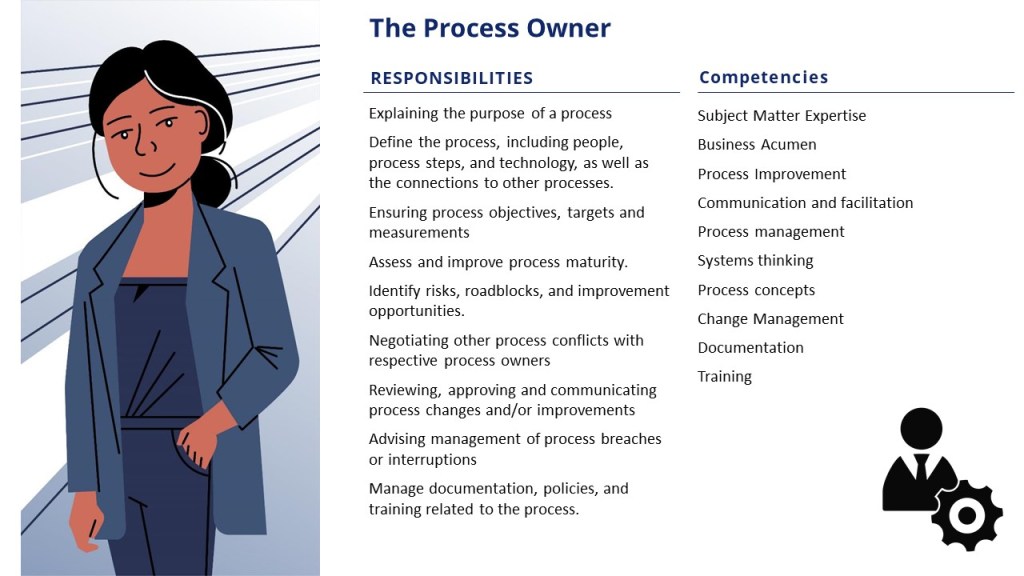
I’ve talked on this blog about a few of the technical manager types: Process Owners, the ASTM E2500 SME/Molecule Steward, and Knowledge Owners. There are certainly others out there. In the table below I added two more for comparison:

  • a qualified person from OSHA, because I think this is a great generic look at the concept
  • The EU Qualifed Person. Industry relevant and one that often gets confused in execution.
AspectQualified Person (OSHA Definition)Qualified Person (EU)Knowledge OwnerASTM E2500 SMEProcess Owner
Primary FocusEnsuring compliance with safety standards and solving technical problemsCertifying that each batch of a medicinal product meets all required provisionsManaging and maintaining knowledge within a specific domainEnsuring manufacturing systems meet quality and safety standardsManaging and optimizing a specific business process
Key ResponsibilitiesSolve or resolve problems related to the subject matter, work, or projectCertify batches meet GMP and regulatory standardsMaintain and update knowledge baseDefine system needs and identify critical aspectsDefine process goals, purpose, and KPIs
Design and install systems to improve safetyEnsure compliance with market authorization requirementsValidate and broadcast new knowledgeDevelop and execute verification strategiesCommunicate with key players and stakeholders
Ensure compliance with laws and standardsOversee quality control and assurance processesProvide training and supportReview system designs and manage risksAnalyze process performance and identify improvements
May not have the authority to stop workConduct audits and inspectionsMonitor and update knowledge assetsLead quality risk management effortsEnsure process compliance with regulations and standards
Skills RequiredTechnical expertise in the areaDegree in pharmacy, biology, chemistry, or related fieldSubject matter expertise in specific knowledge domainTechnical understanding of manufacturing systems and equipmentLeadership and communication skills
Certification, degree, or other professional recognitionSeveral years of experience in pharmaceutical manufacturingAnalytical and validation skillsRisk management and verification skillsAnalytical and problem-solving skills
Ability to solve technical problemsRegistered with the competent authority in the EU member stateTraining and support skillsContinuous improvement and change management skillsAbility to define and monitor KPIs
AuthorityAuthority to design and install safety systemsAuthority to certify batches and ensure complianceAuthority over knowledge management processes and contentAuthority to define and verify critical aspects of systemsAuthority to make decisions and implement changes in the process
Interaction with OthersCollaborates with production and quality control teamsWorks with quality control, assurance, and regulatory teamsWorks with various departments to ensure knowledge is shared and utilizedCollaborates with project stakeholders and engineering teamsCommunicates with project leaders, process users, and other stakeholders
Examples of ActivitiesReviewing batch documentation and certifying productsCertifying each batch of medicinal products before releaseValidating new knowledge submissionsConducting quality risk analyses and verification testsDefining process objectives and mission statements
Ensuring compliance with GMP and regulatory standardsEnsuring compliance with GMP and regulatory standardsProviding training on knowledge management systemsReviewing system designs and managing changesMonitoring process performance and compliance
Overseeing investigations related to quality issuesOverseeing quality control and assurance processesUpdating and maintaining knowledge databasesLeading continuous improvement effortsIdentifying and implementing process improvements
Industry ContextPrimarily in construction, manufacturing, and safety-critical industriesPharmaceutical and biotechnology industries within the EUApplicable across various industries, especially information-heavy sectorsPrimarily in pharmaceutical and biotechnology industriesApplicable in any industry with defined business processes
Comparison table
  • Qualified Person (OSHA Definition): Focuses on ensuring compliance with safety standards and solving technical problems. They possess technical expertise and professional recognition and are responsible for designing and installing safety systems.
  • Qualified Person (EU): Ensures that each batch of medicinal products meets all required provisions before release. They are responsible for compliance with GMP and regulatory standards and must be registered with the competent authority in the EU member state.
  • Knowledge Owner: Manages and disseminates knowledge within an organization. They ensure that knowledge is accurate, up-to-date, and accessible, and they provide training and support to facilitate knowledge sharing.
  • ASTM E2500 SME: Ensures that manufacturing systems meet quality and safety standards. They define system needs, develop verification strategies, manage risks, and lead continuous improvement efforts.
  • Process Owner: Manages and optimizes specific business processes. They define process goals, monitor performance, ensure compliance with standards, and implement improvements to enhance efficiency and effectiveness.

Common Themes

Subject Matter Expertise

  • All roles require a high level of subject matter expertise in their respective domains, whether it’s technical knowledge, regulatory compliance, manufacturing processes, or business processes.
  • This expertise is typically gained through formal education, certifications, extensive training, and practical experience.

Ensuring Compliance and Quality

  • A key responsibility across these roles is ensuring compliance with relevant laws, regulations, standards, and quality requirements.

Risk Identification and Management

  • These roles are all responsible for identifying potential risks, hazards, or process inefficiencies.
  • They are expected to develop and implement strategies to mitigate or eliminate these risks, ensuring the safety of operations and the quality of products or processes.

Continuous Improvement and Change Management

  • They are involved in continuous improvement efforts, identifying areas for optimization and implementing changes to enhance efficiency, quality, and knowledge sharing.
  • They are responsible for managing change processes, ensuring smooth transitions, and minimizing disruptions.

Authority and Decision-Making

  • Most of these roles have a certain level of authority and decision-making power within their respective domains.

Collaboration and Knowledge Sharing

  • Effective collaboration and knowledge sharing are essential for these roles to succeed.

While these roles have distinct responsibilities and focus areas, they share common goals of ensuring compliance, managing risks, driving continuous improvement, and leveraging subject matter expertise to achieve organizational objectives and maintain high standards of quality and safety. They are more similar than dissimilar and should be looked at holistically within the organization.
Subject Matter Expert in Validation

In ASTM E2500, a Subject Matter Expert (SME) is an individual with specialized knowledge and technical understanding of critical aspects of manufacturing systems and equipment. The SME plays a crucial role throughout the project lifecycle, from defining needs to verifying and accepting systems. They are responsible for identifying critical aspects, reviewing system designs, developing verification strategies, and leading quality risk management efforts. SMEs ensure manufacturing systems are designed and verified to meet product quality and patient safety requirements.

In the ASTM E2500 process, the Subject Matter Experts (SME) has several key responsibilities critical to successfully implementing the standard. These responsibilities include:

  1. Definition of Needs: SMEs define the system’s needs and identify critical aspects that impact product quality and patient safety.
  2. Risk Management: SMEs participate in risk management activities, helping to identify, assess, and manage risks throughout the project lifecycle. This includes conducting quality risk analyses and consistently applying risk management principles.
  3. Verification Strategy Development: SMEs are responsible for planning and defining verification strategies. This involves selecting appropriate test methods, defining acceptance criteria, and ensuring that verification activities are aligned with the project’s critical aspects.
  4. System Design Review: SMEs review system designs to ensure they meet specified requirements and address identified risks. This includes participating in design reviews and providing technical input to optimize system functionality and compliance.
  5. Execution of Verification Tests: SMEs lead the execution of verification tests, ensuring that tests are conducted accurately and that results are thoroughly reviewed. They may also leverage vendor documentation and test results as part of the verification process, provided the vendor’s quality system and technical capabilities are deemed acceptable.
  6. Change Management: SMEs play a crucial role in change management, ensuring that any modifications to the system are properly evaluated, documented, and implemented. This helps maintain the system’s validated state and ensures continuous compliance with regulatory requirements.
  7. Continuous Improvement: SMEs are involved in continuous process improvement efforts, using operational and performance data to identify opportunities for enhancements. They also conduct root-cause analyses of failures and implement technically sound improvements based on gained product knowledge and understanding.

These responsibilities highlight the SME’s integral role in ensuring that manufacturing systems are designed, verified, and maintained to meet the highest standards of quality and safety, as outlined in ASTM E2500.

The ASTM E2500 SME is a Process Owner

ASTM E2500 uses the term SME in the same way we discuss process owners, or what is sometimes called product or molecule stewards. The term should probably be changed to reflect the special role of the SME and the relationship with other stakeholders.

A Molecule Steward has a specialized role within pharmaceutical and biotechnology companies and oversees the lifecycle of a specific molecule or drug product. This role involves a range of responsibilities, including:

  1. Technical Expertise: Acting as the subject matter expert per ASTM E2500.
  2. Product Control Strategies: Implementing appropriate product control strategies across development and manufacturing sites based on anticipated needs.
  3. Lifecycle Management: Providing end-to-end accountability for a given molecule, from development to late-stage lifecycle management.

A Molecule Steward ensures a drug product’s successful development, manufacturing, and lifecycle management, maintaining high standards of quality and compliance throughout the process.

The ASTM E2500 SME (Molecule Steward) and Stakeholders

In the ASTM E2500 approach, the Subject Matter Expert (Molecule Steward) collaborates closely with various project players to ensure the successful implementation of manufacturing systems.

Definition of Needs and Requirements

  • Collaboration with Project Teams: SMEs work with project teams from the beginning to define the system’s needs and requirements. This involves identifying critical aspects that impact product quality and patient safety.
  • Input from Multiple Departments: SMEs gather input from different departments, including product/process development, engineering, automation, and validation, to ensure that all critical quality attributes (CQAs) and critical process parameters (CPPs) are considered.

Risk Management

  • Quality Risk Analysis: SMEs lead the quality risk analysis process, collaborating with QA and other stakeholders to identify and assess risks. This helps focus on critical aspects and consistently apply risk management principles.
  • Vendor Collaboration: SMEs often work with vendors to leverage their expertise in conducting risk assessments and ensuring that vendor documentation meets quality requirements.

System Design Review

  • Design Review Meetings: SMEs participate in design review meetings with suppliers and project teams to ensure the system design meets the defined needs and critical aspects. This collaborative effort helps in reducing the need for modifications and repeat tests.
  • Supplier Engagement: SMEs engage with suppliers to ensure their design solutions are understood and integrated into the project. This includes reviewing supplier documentation and ensuring compliance with regulatory requirements.

Verification Strategy Development

  • Developing Verification Plans: SMEs collaborate with QA and engineering teams to develop verification strategies and plans. This involves selecting appropriate test methods, defining acceptance criteria, and ensuring verification activities align with project goals.
  • Execution of Verification Tests: SMEs may work with suppliers to conduct verification tests at the supplier’s site, ensuring that tests are performed accurately and efficiently. This collaboration helps achieve the “right test” at the “right time” objective.

Change Management

  • Managing Changes: SMEs play a crucial role in the change management process, working with project teams to evaluate, document, and implement changes. This ensures that the system remains in a validated state and continues to meet regulatory requirements.
  • Continuous Improvement: SMEs collaborate with other stakeholders to identify opportunities for process improvements and implement changes based on operational and performance data.

Documentation and Communication

  • Clear Communication: SMEs ensure clear communication and documentation of all verification activities and acceptance criteria. This involves working closely with QA to validate all critical aspects and ensure compliance with regulatory standards.

Design Problem Solving into the Process

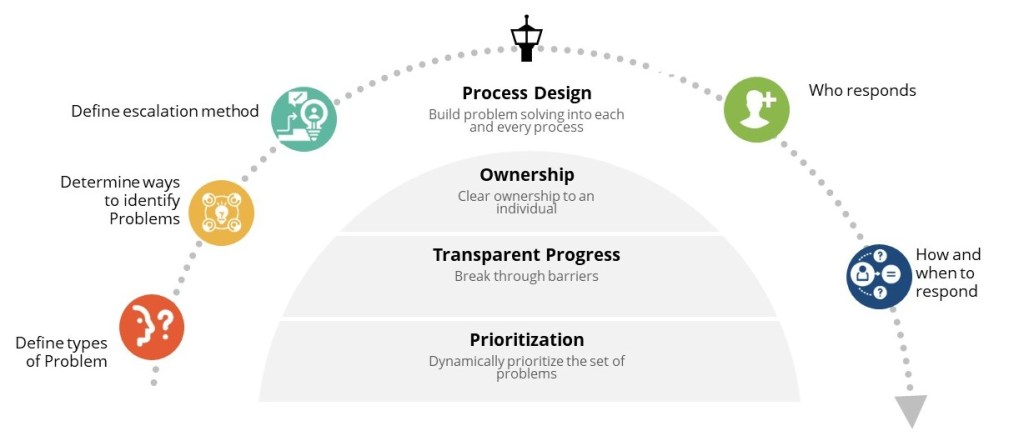
Good processes and systems have ways designed into them to identify when a problem occurs, and ensure it gets the right rigor of problem-solving. A model like Art Smalley’s can be helpful here.

Each and every process should go through the following steps:

  1. Define those problems that should be escalated and those that should not. Everyone working in a process should have the same definition of what is a problem. Often times we end up with a hierarchy of issues that are solved within the process – Level 1 – and those processes that go to a root cause process (deviation/CAPA) – level 2.
  2. Identify the ways to notice a problem. Make the work as visual as possible so it is easier to detect the problem.
  3. Define the escalation method. There should be one clear way to surface a problem. There are many ways to create a signal, but it should be simple, timely, and very clear.

These three elements make up the request for help.

The next two steps make up the response to that request.

  1. Who is the right person to respond? Supervisor? Area management? Process Owner? Quality?
  2. How does the individual respond, and most importantly when? This should be standardized so the other end of that help chain is not wondering whether, when, and in what form that help is going to arrive.

In order for this to work, it is important to identify clear ownership of the problem. There always must be one person clearly accountable, even if only responsible for bits, so they can push the problem forward.

It is easy for problem-solving to stall. So make sure progress is transparent. Knowing what is being worked on, and what is not, is critical.

Prioritization is key. Not every problem needs solving so have a mechanism to ensure the right problems are being solved in the process.

Problem solving within a process

Enabling the Process Owner to Drive Improvement

The process owner is a central part of business process management yet is often the one we take for granted. In this session, the speaker will share through case study how organizations can build strong process owners and leverage them to drive improvement in a highly regulated environment. Participants in this session will learn: ~how to identify process owners and competencies for success, ~how to build a change management program that leverages process owners as the guiding coalition, and ~how to create and execute a training program for process owners

2022 ASQ WORLD CONFERENCE ON QUALITY & IMPROVEMENT

The presentation I gave at the 2022 World Conference on Quality & Improvement.

Metrics Plan

A Metrics Plan describes how an organization intends to establish, implement, fund, collect, analyze, and report metrics. A Metrics Plan:

  • Ensures that the correct metrics are collected
  • Ensures that metric analysis and reporting meet all stakeholder needs
  • Ensures that adequate and appropriate resources (e.g., funding, personnel, tools) are available to properly perform metrics implementation, collection, and ongoing support.
  • Ensures that appropriate change management activities are undertaken

This is one of those that can be done at several levels, and it usually has several cuts, from a top-level strategic document to the process owner level to potentially deeper cuts lower in the organization. I am a big fan of each process owner owning their parts and it passing up.

This plan is a critical feed-in to quality management review.

A typical structure of a Metrics plan includes:

  • Strategy
    • Rationale and Desired Outcomes
    • Metrics Framework
    • Success Criteria
  • Implementation Plan
    • Steps, Timelines & Milestones
    • Resources
    • Governance
    • Communication
    • Training
  • Specific Metrics
    • Outcome Mapping
    • Outcome Action Plan
    • ROI Evaluation
    • Routine Analysis & Improvement Evaluation
    • Retirement Plan
  • Data Collection
    • Data Sources
    • Data Flow
    • Resources
    • Reconciliation
  • System & Technology
    • Data Visualization
    • Support
  • Communication Plan
  • Sustainability Plan